

Impact Bed Conveyor: Essential Guide for Efficient and Safe Material Handling
Impact Bed Conveyor: The Unsung Hero of Material Handling
In the world of bulk material handling, an impact bed conveyor plays a crucial role – though you might not hear about it much outside of industrial warehouses or mining sites. Essentially, it’s a type of conveyor belt support designed to absorb and distribute the impact when heavy materials drop onto the belt. Why does this matter globally? Because industries from mining to construction and even disaster relief operations rely heavily on these systems for smooth, efficient material transfer — which in turn affects productivity, safety, and environmental impact.
Understanding impact bed conveyors unlocks not just better operational insights but also innovations in sustainability and cost-efficiency worldwide.
Global Context: Why Impact Bed Conveyors Matter
Bulk material transportation accounts for a huge percentage of industrial logistics worldwide. According to the International Organization for Standardization (ISO), conveyor systems handle billions of tons of raw materials each year — from coal in Australia to grain in the U.S. But here’s the rub: when materials drop abruptly onto the conveyor belts, it can cause damage, reduce lifespan, and increase maintenance costs. The impact bed is the unsung solution to this persistent challenge.
This matters even more as global industries push for improved efficiency and greener operations. Damages and downtime in material handling can mean wasted energy, extra emissions, and even unsafe conditions for workers.
What Exactly Is an Impact Bed Conveyor?
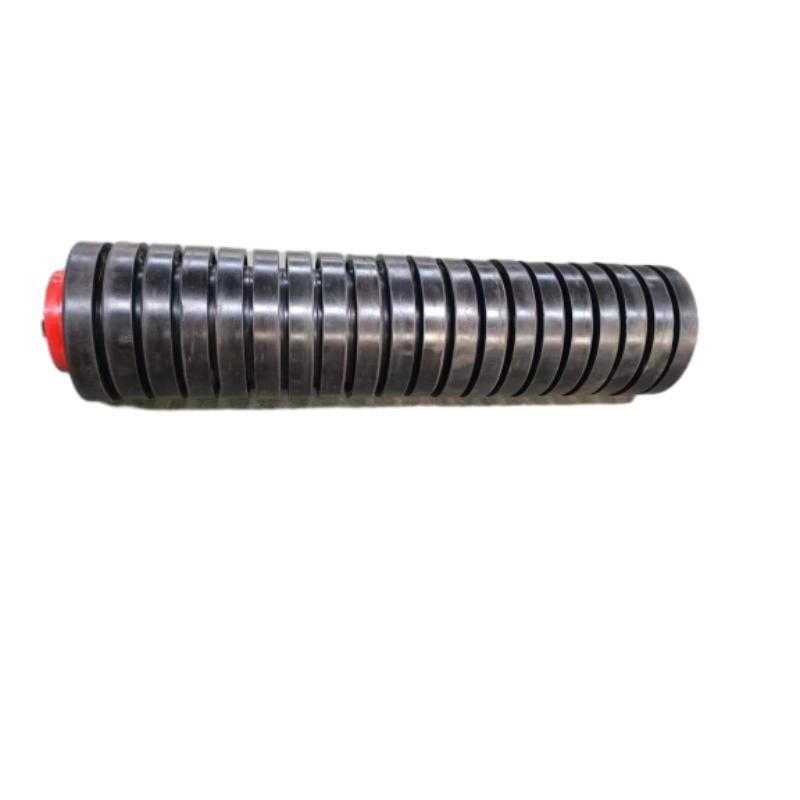
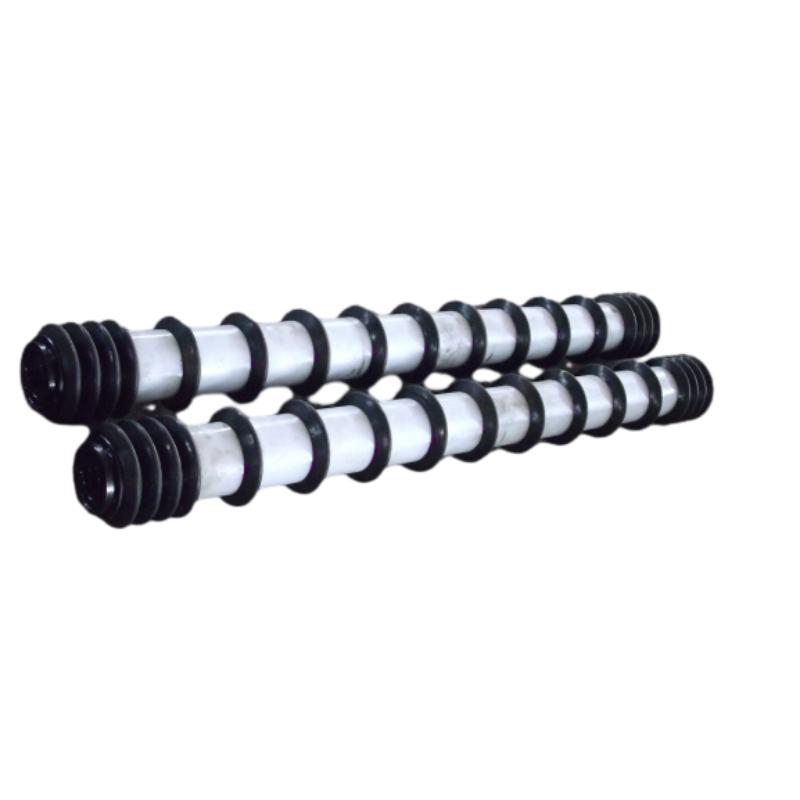
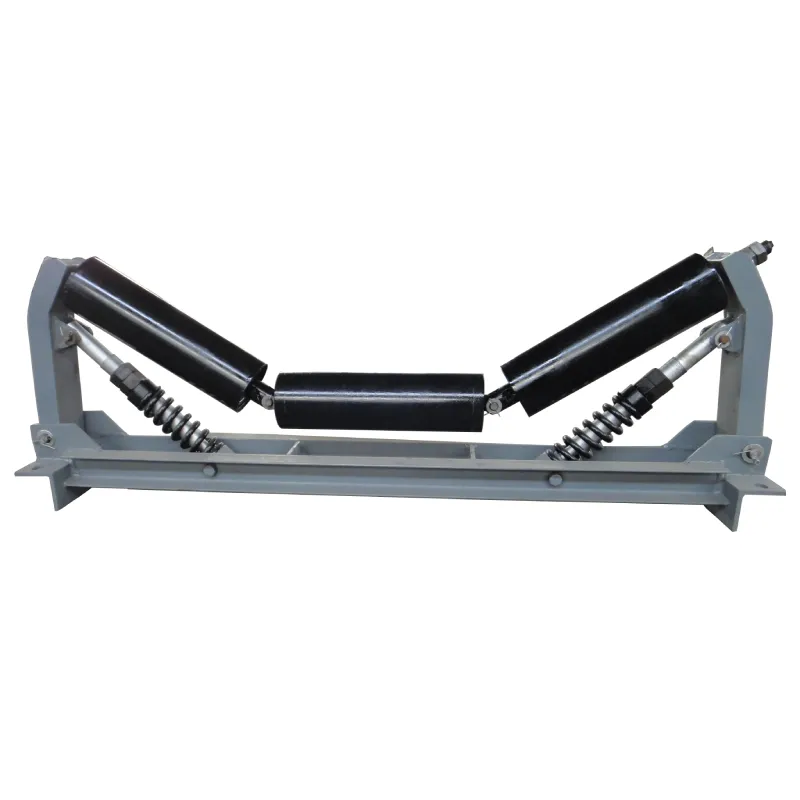
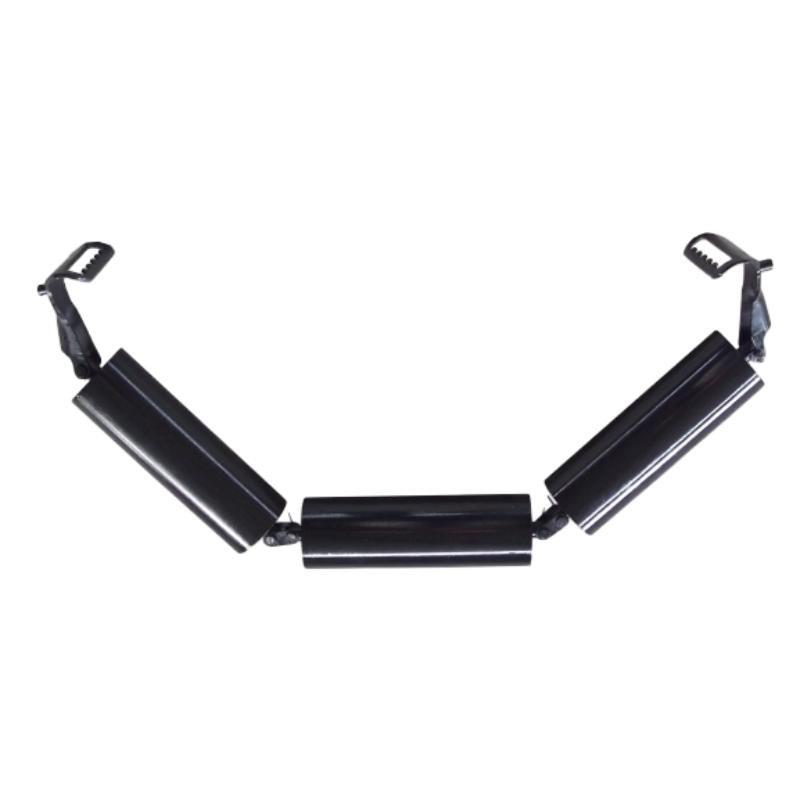
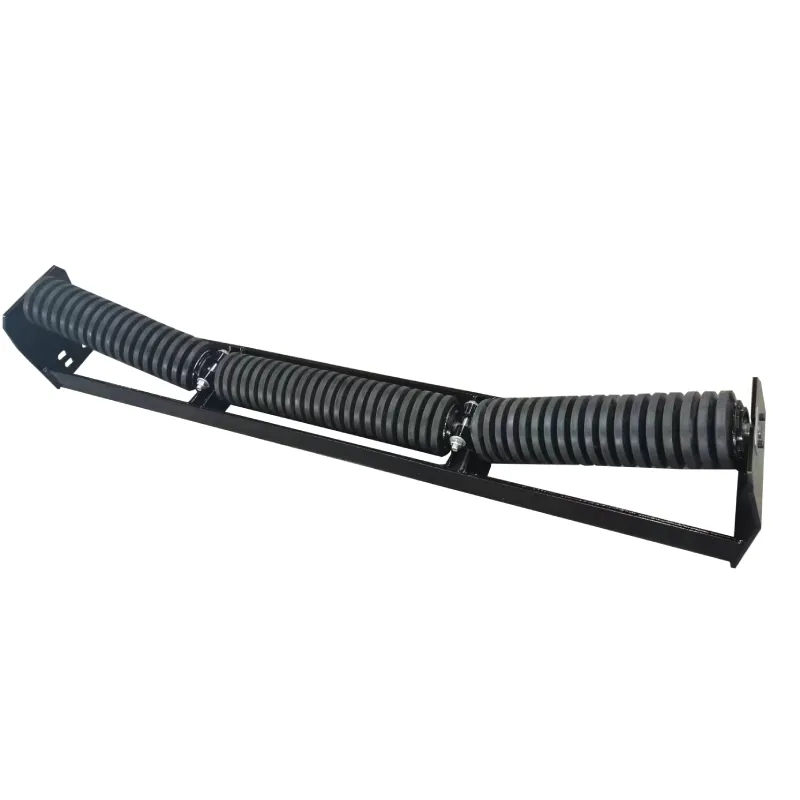
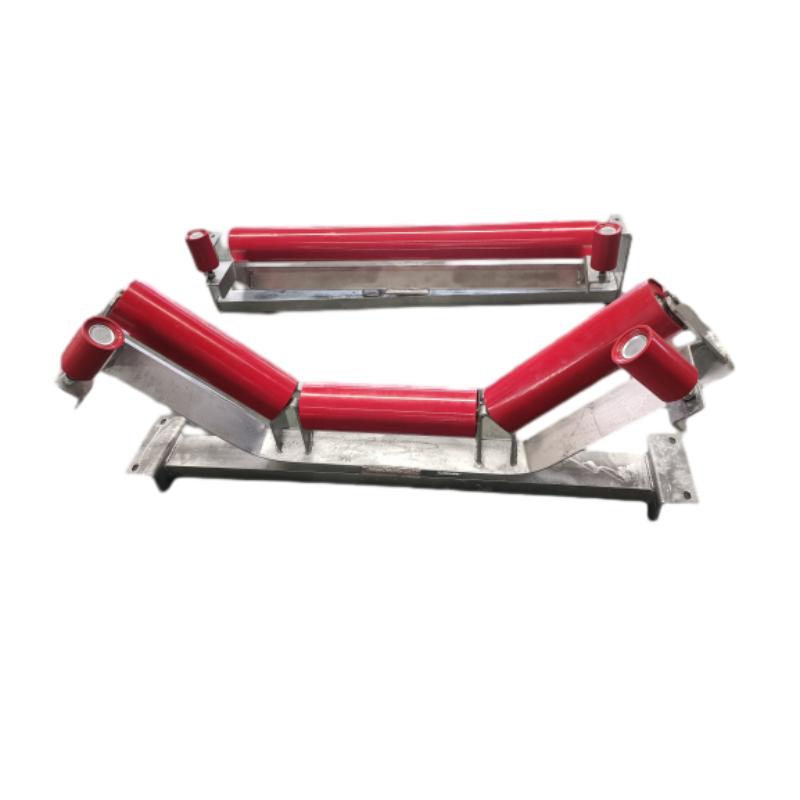
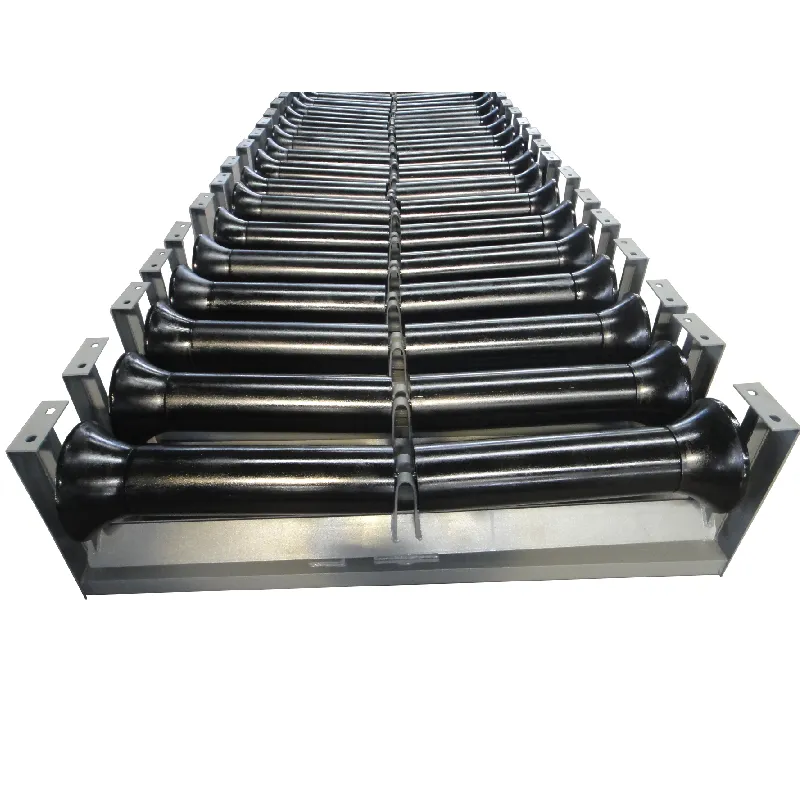
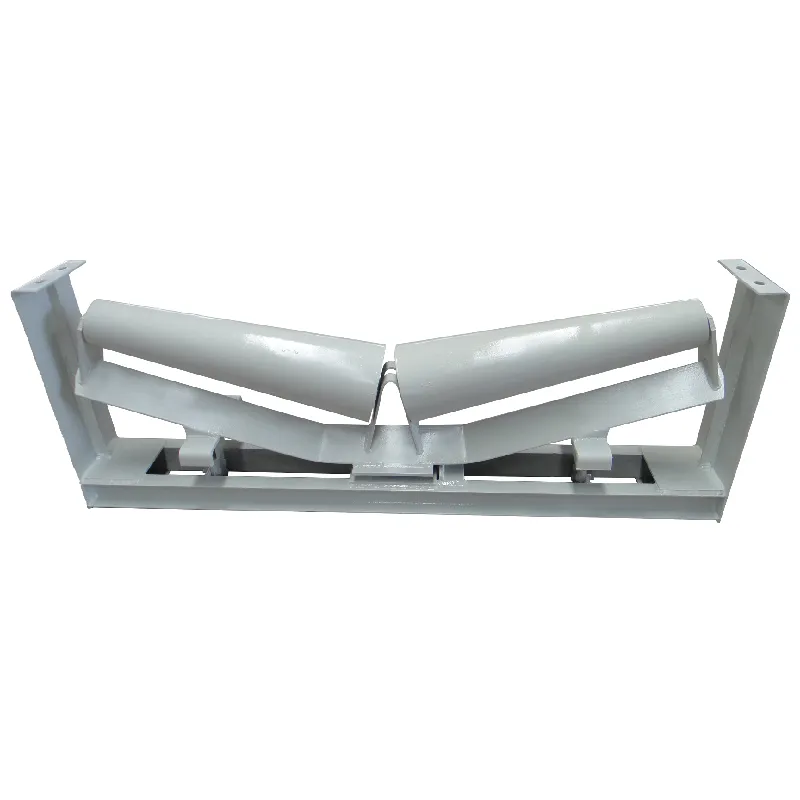
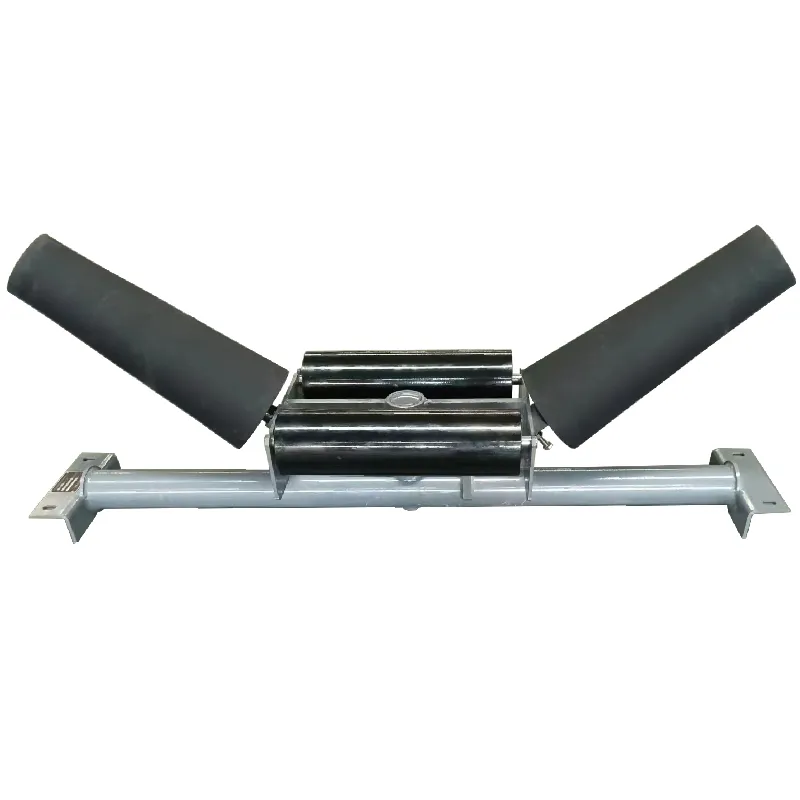
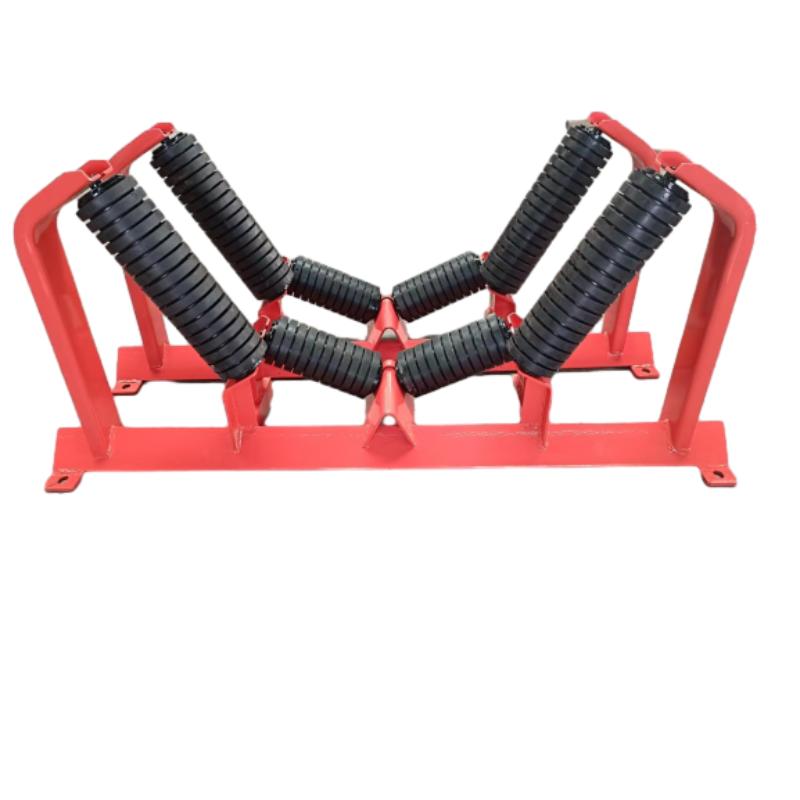
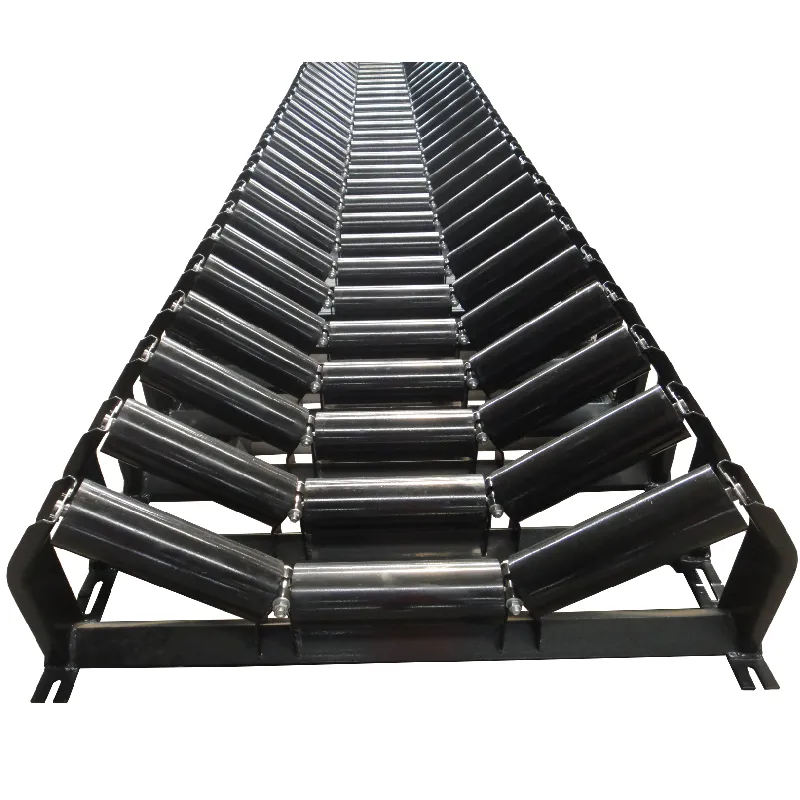
Put simply, it is a support system installed beneath conveyor belts right where materials first drop onto them. Its job is to absorb the force of heavy or falling objects — think rocks or gravel at a mining site — so the belt doesn’t tear or wear excessively. The bed typically includes impact bars, rubber pads, or springs that cushion the blow.
Beyond just a mechanical function, impact bed conveyors are key enablers for industries that rely on consistent material flow, whether that’s moving tons of ore or supplying critical components in humanitarian relief efforts.
Key Components and Factors That Make a Difference
Durability
Impact beds are built to endure harsh environments and heavy loads. Many feature high-grade steel and abrasion-resistant rubber to last years despite constant pounding. Obviously, the longer they last, the less downtime — and that saves money.
Scalability
Whether it’s a small quarry conveyor or a massive port terminal, impact bed systems can be scaled and customized. This adaptability is crucial for varying load sizes and drop heights.
Cost Efficiency
It’s a balance — an impact bed conveyor introduces upfront costs but pays off by reducing damage, belt replacements, and labor hours spent on repairs. Some models even offer modular designs for easy replacement of parts.
Maintenance & Safety
Properly designed impact beds are easier and safer to maintain. Well-cushioned drops decrease dust and spillage, enhancing workplace safety — quite vital especially in dusty mining or recycling plants.
Environmental Impact
By extending conveyor belt life and reducing material spillage, impact beds indirectly help industries curb waste and emissions. This aligns well with increasingly stringent sustainability norms worldwide.
Specifications Snapshot: Typical Impact Bed Conveyor
| Specification | Typical Range/Value | Notes |
|---|---|---|
| Drop Height | 200 – 1200 mm | Varies by application |
| Impact Bar Material | Steel / UHMW Polyethylene | Chose for durability and wear resistance |
| Rubber Cushion Thickness | 10 – 25 mm | Absorbs shock and vibration |
| Belt Width Compatibility | 400 – 1800 mm | Adjustable frameworks available |
| Load Capacity | Up to 10,000 kg per meter | Depends on design specs |
Real-World Applications Around the Globe
You’ll find impact bed conveyors supporting a vast array of industries:
- Mining & Quarrying: Protecting conveyor belts where ore and aggregates drop heavy from crushers.
- Ports & Shipping: Ensuring smooth loading/unloading of bulk materials like coal or grain.
- Construction: Moving materials in plants that recycle concrete and asphalt.
- Humanitarian Logistics: In emergency supply chains, impact beds help conveyors carry relief materials reliably, even in ad hoc or temporary setups.
In parts of Africa and South Asia, NGOs have adapted impact bed conveyors to improve aid distribution, minimizing downtime and equipment failure in harsh environments — proving this isn’t just a big industry luxury but a practical, lifesaving technology.
Vendor Comparison: Key Players in Impact Bed Conveyors
| Vendor | Material Quality | Customization | Price Range | Lead Time |
|---|---|---|---|---|
| FlexImpact Solutions | High-grade steel & rubber | High – modular designs | $$$ | 4-6 weeks |
| ImpactTek Industrial | Standard steel, rubber blend | Medium – some customization | $$ | 3-5 weeks |
| HeavyDuty Conveyors Ltd. | Reinforced steel, premium cushions | Custom engineering available | $$$$ | 6-8 weeks |
Advantages & Lasting Value
Frankly, investing in a quality impact bed conveyor pays off in ways that might not seem obvious at first glance. Beyond obvious cost savings from less belt and equipment damage, you’re looking at improved safety by reducing belt tears that could cause spillage or dangerous jams.
But more than numbers, it feels like impact bed conveyors contribute an element of trust and reliability — something industries need if they want to innovate without always fearing downtime. In humanitarian terms, reliability means aid gets to people faster and more safely.
Future Trends in Impact Bed Conveyor Technology
The future looks pretty exciting. Advanced materials like ultra-high-molecular-weight polyethylene (UHMWPE) and even smart sensors embedded in the beds are making it easier to monitor conditions and predict maintenance needs. Automation and digital twin technology are also entering the scene, offering real-time data on impact loads and belt health.
Plus, as industries commit to sustainability goals, manufacturers are exploring recycled and greener materials for components — making every impact bed conveyor not just a tool, but part of the bigger environmental solution.
Challenges & Expert Solutions
One ongoing challenge is balancing cost and durability, especially for small or emerging operations. Cheap impact beds might save money short-term but lead to costly failures. Experts recommend modular, easily replaceable components to manage budgets without sacrificing quality.
Also, installation in tight or remote locations can be tricky, but innovations in compact, lightweight designs are helping overcome this. It’s no surprise that user training and ongoing maintenance remain crucial to optimize performance.
FAQ: Impact Bed Conveyor Practical Questions
- What materials are best for impact bed cushions?
Generally, rubber composites or UHMW polyethylene provide durable shock absorption, balancing wear resistance with elasticity. - How often should impact bed components be inspected?
Monthly visual inspections are typical, but high-use facilities often integrate sensor-based monitoring for real-time maintenance alerts. - Can impact beds be retrofitted to existing conveyors?
Yes, many designs are modular for easy integration into existing systems, but a professional assessment is recommended. - Do impact beds reduce conveyor belt energy consumption?
Indirectly, yes — by reducing belt damage and misalignment, they help maintain smooth operation, which can reduce motor strain.
Conclusion: Why Choose Impact Bed Conveyor Solutions?
To wrap it up, impact bed conveyors are far more than just simple belt supports. They’re strategic investments in reliability, safety, and sustainability, with ripple effects across multiple industries and geographies. If your operations involve moving bulk materials, the right impact bed conveyor can quickly pay dividends in reduced downtime and maintenance.
Ready to explore impact bed conveyor options tailored to your needs? Visit impact bed conveyor for expert solutions that marry durability with innovation.
Oddly enough, sometimes the most unassuming parts save the day — the humble impact bed conveyor definitely fits that bill.
References
-
Maximize Conveyor Life with a High Performance impact bedNewsApr.16,2026
-
Maximize Conveyor Efficiency Using a v plow belt scraperNewsApr.09,2026
-
Comprehensive Guide to Understanding Different Types of Belt CleanersNewsApr.07,2026
-
Enhancing Conveyor Efficiency with an Effective Scraper Belt CleanerNewsApr.04,2026
-
Optimizing Conveyor Systems with Advanced Cleaning Equipment SolutionsNewsMar.31,2026
-
Effective Conveyor Belt Scraper Adjustment for Optimal System PerformanceNewsMar.28,2026