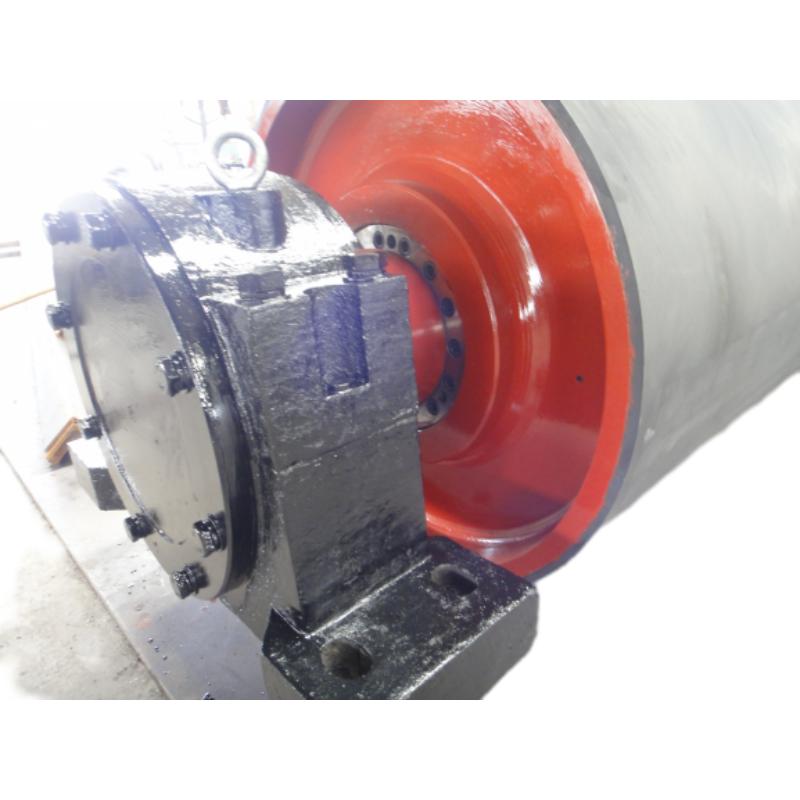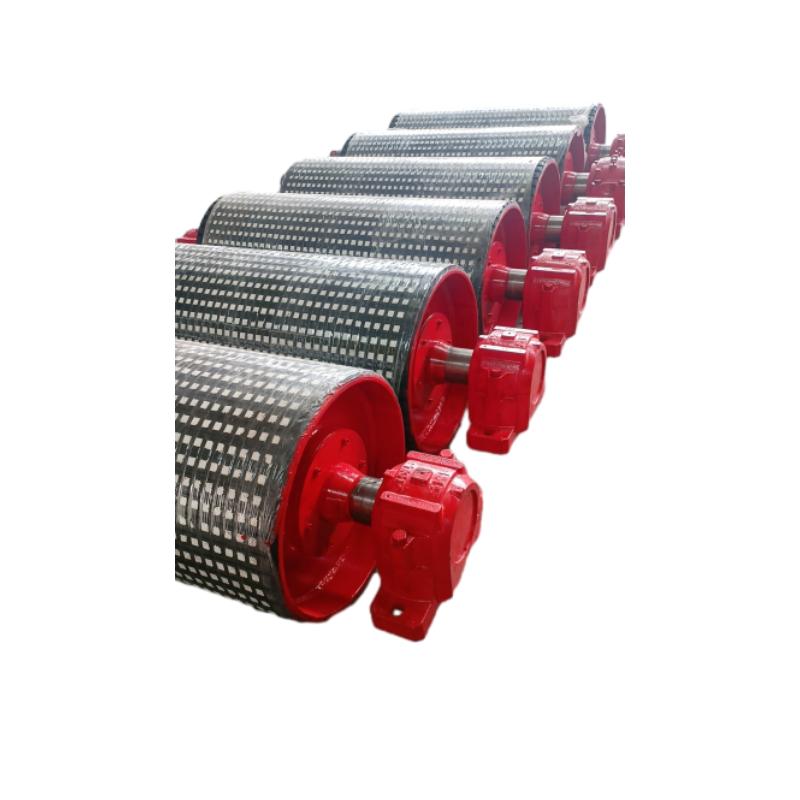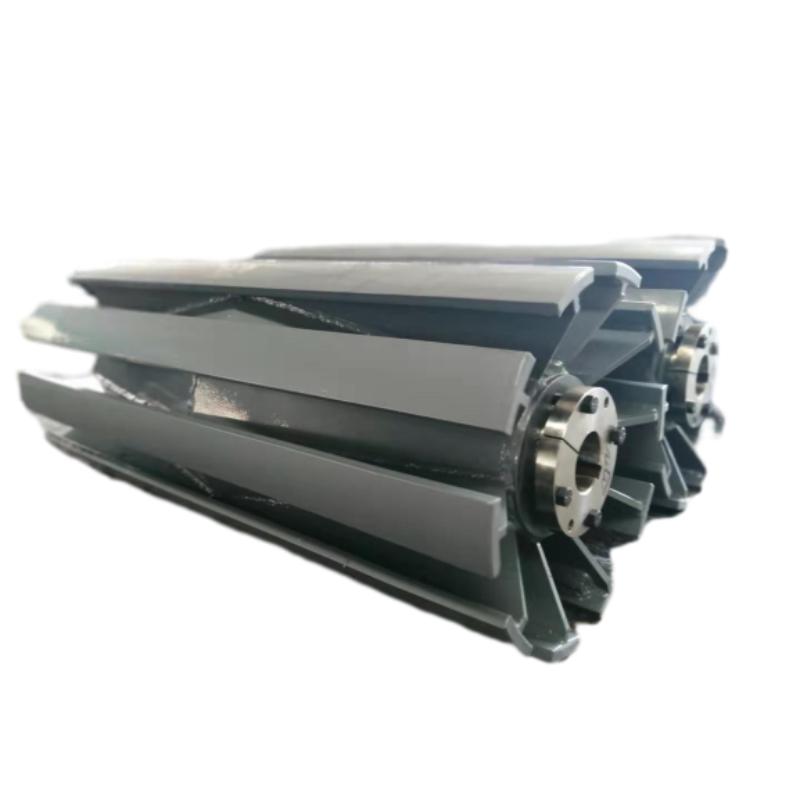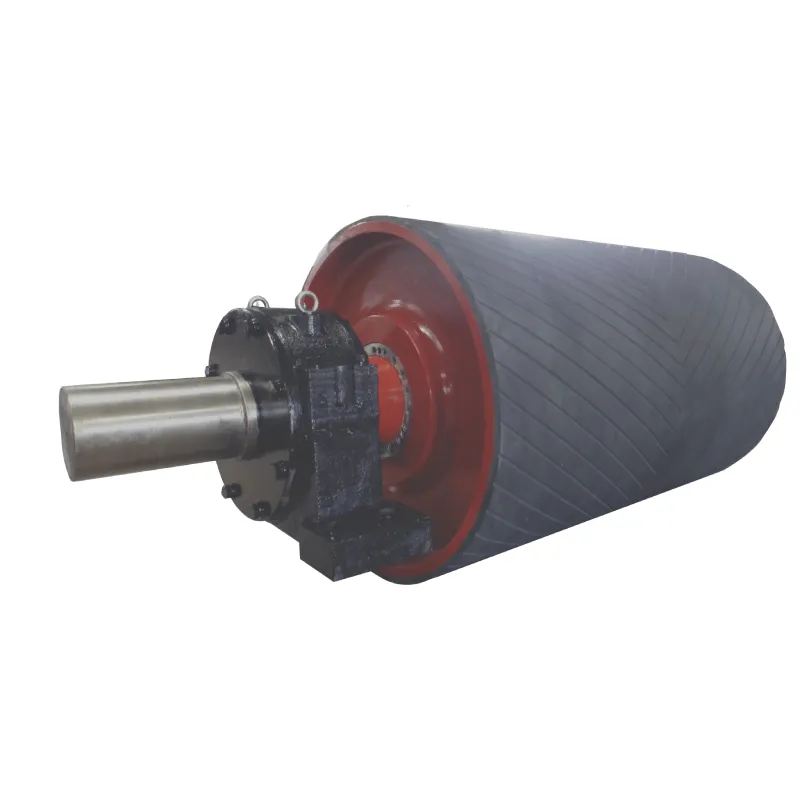


Comprehensive Guide to Side Mount Rollers: Benefits, Uses & Innovations
Side Mount Rollers: A Critical Component in Modern Industry and Logistics
When thinking about smooth, efficient motion in machinery or conveyor systems, side mount rollers might not be the first thing that comes to mind. Yet, these small components quietly play an outsized role in countless industrial applications around the globe. They improve material handling, enhance productivity, and reduce wear — all while supporting some of the world’s most vital supply chains.
Understanding side mount rollers is not just an engineering exercise; it’s key to addressing global logistics challenges, sustainability goals, and even humanitarian relief efforts. So let’s unpack exactly what these rollers are, why they matter worldwide, and what makes them indispensable for industries ranging from manufacturing to disaster response.
Introduction: The Global Relevance of Side Mount Rollers
Side mount rollers are a subtle but crucial part of the conveyor and mechanical systems that move everything from smartphones to food supplies. According to data from the International Organization for Standardization (ISO), global material handling markets have consistently grown by over 4% annually, driven by ecommerce expansion and industrial automation (ISO, 2022).
As warehouses and factories become more automated, the reliability and efficiency of components like side mount rollers directly influence the uptime and safety of operations. Plus, in logistics hubs that serve humanitarian missions or remote mines, these rollers often must withstand extreme conditions — an engineering challenge with human stakes. So the question becomes, how do these components ensure smooth supply chains in both developing and developed sectors?
What Are Side Mount Rollers?
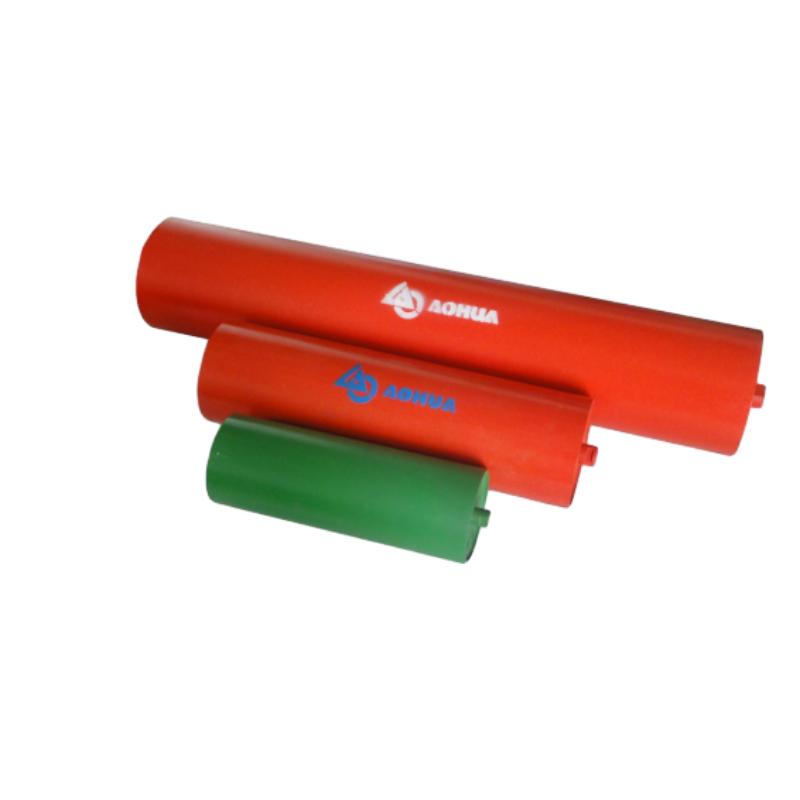
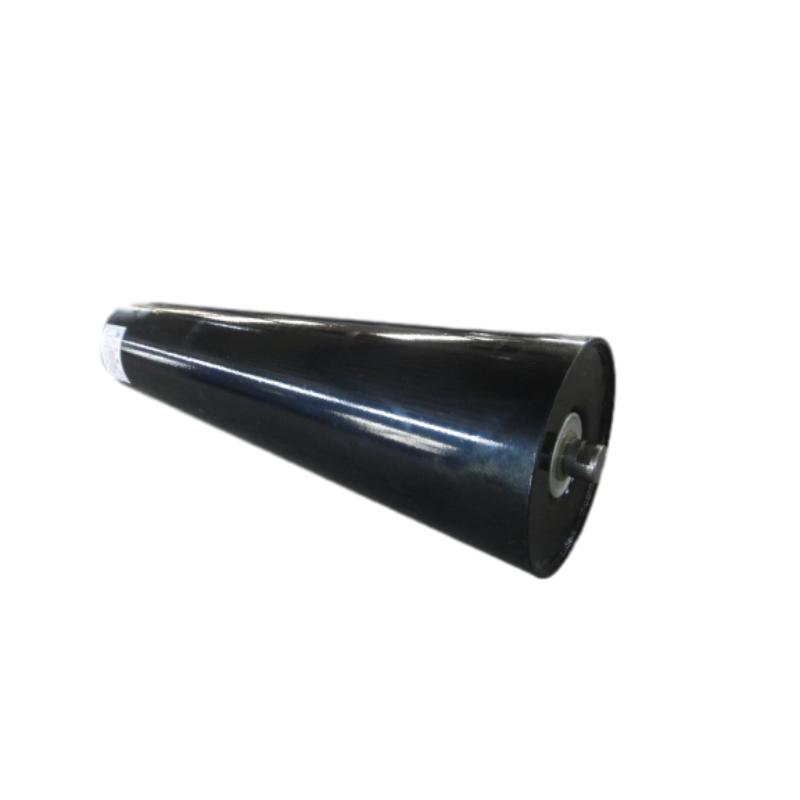
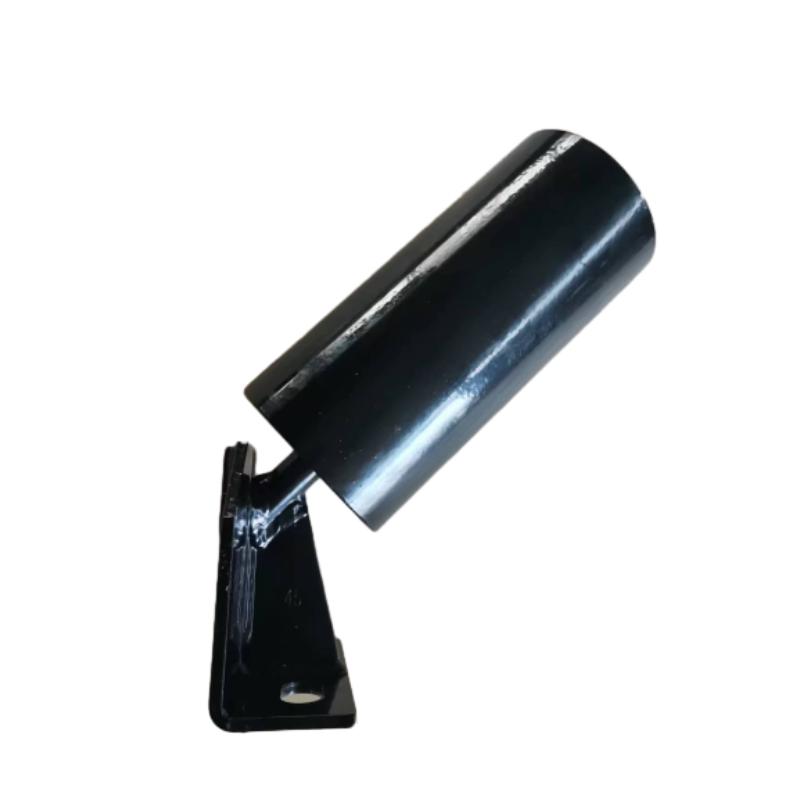
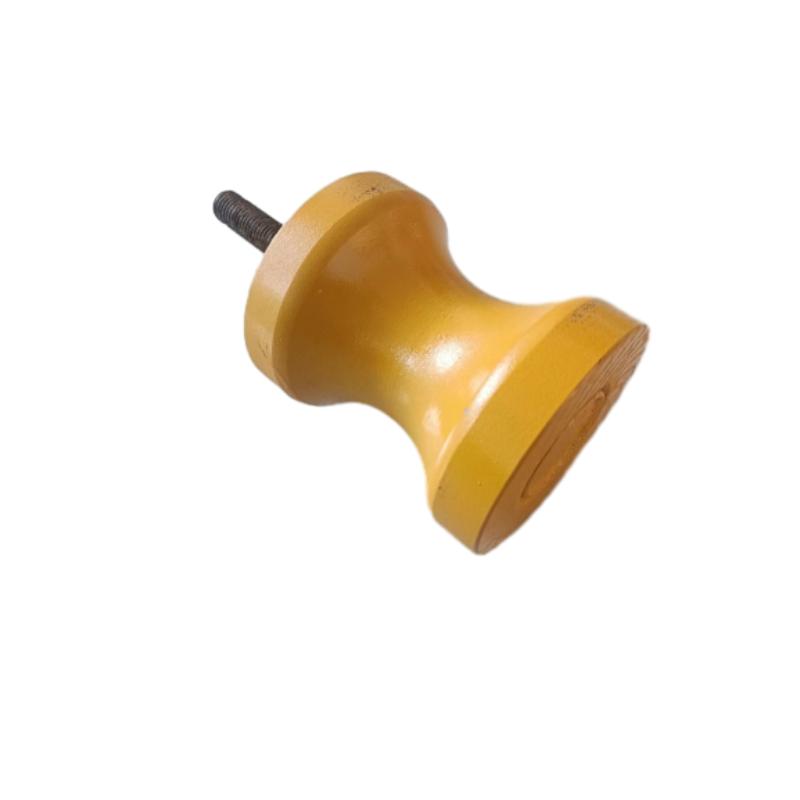
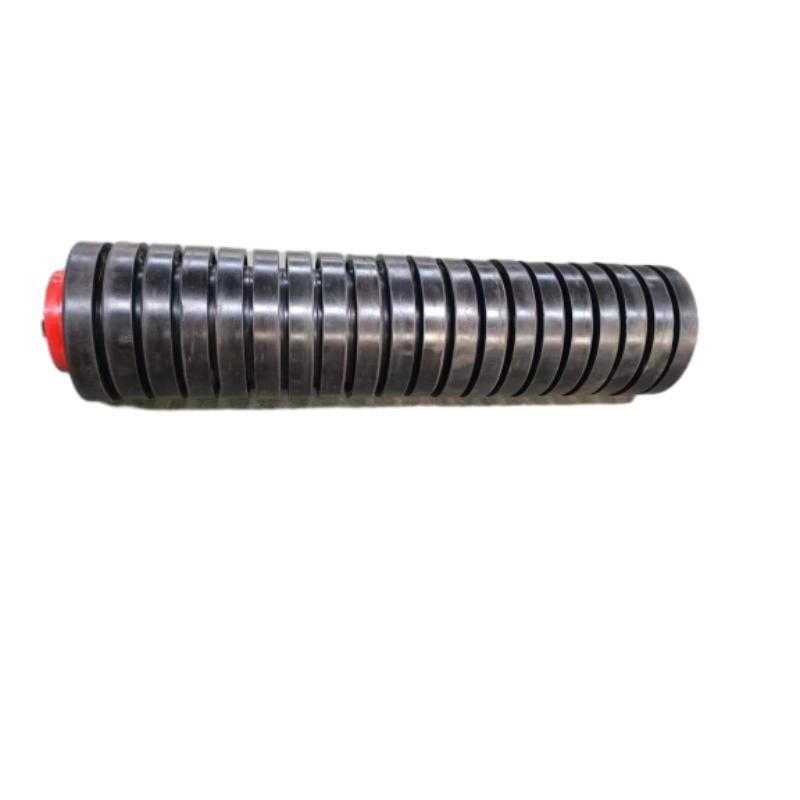
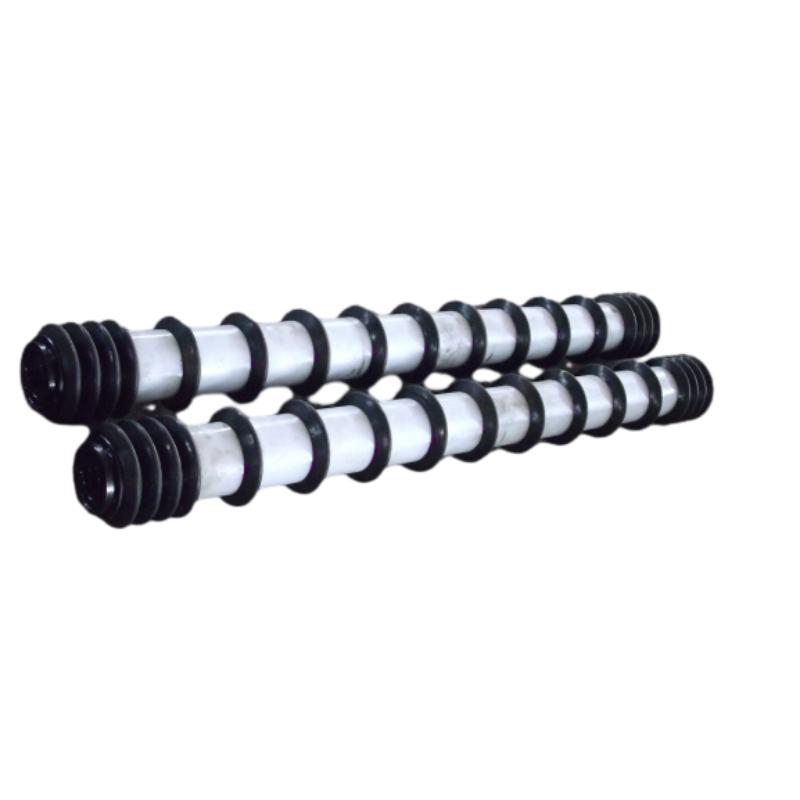
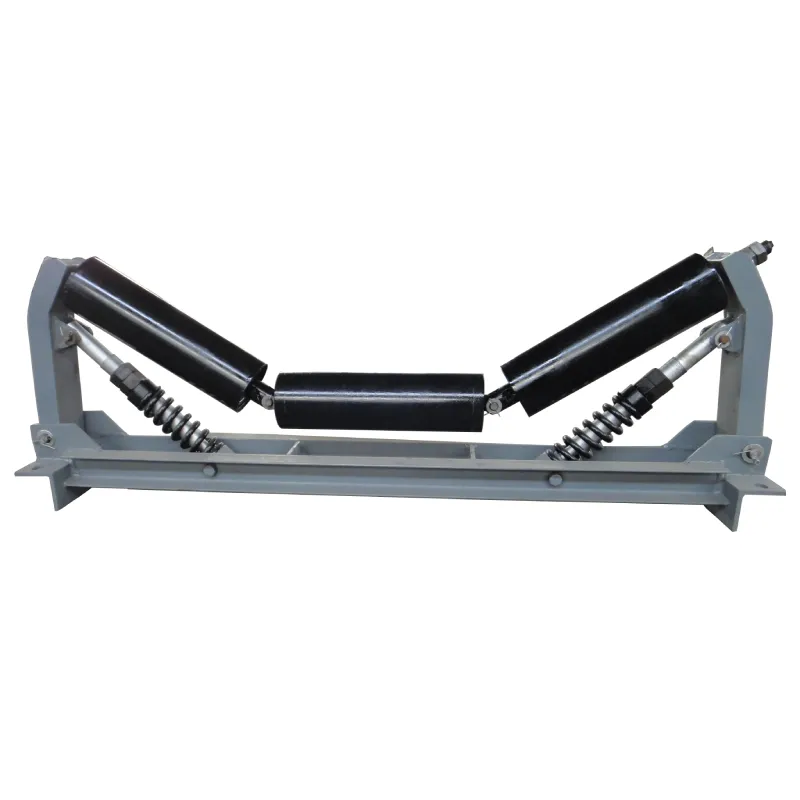
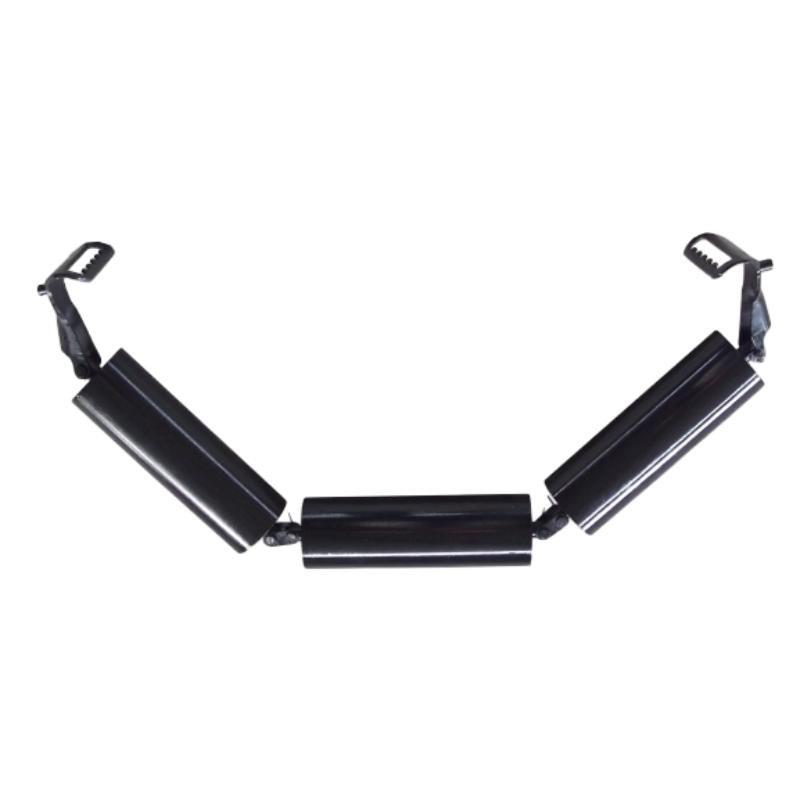
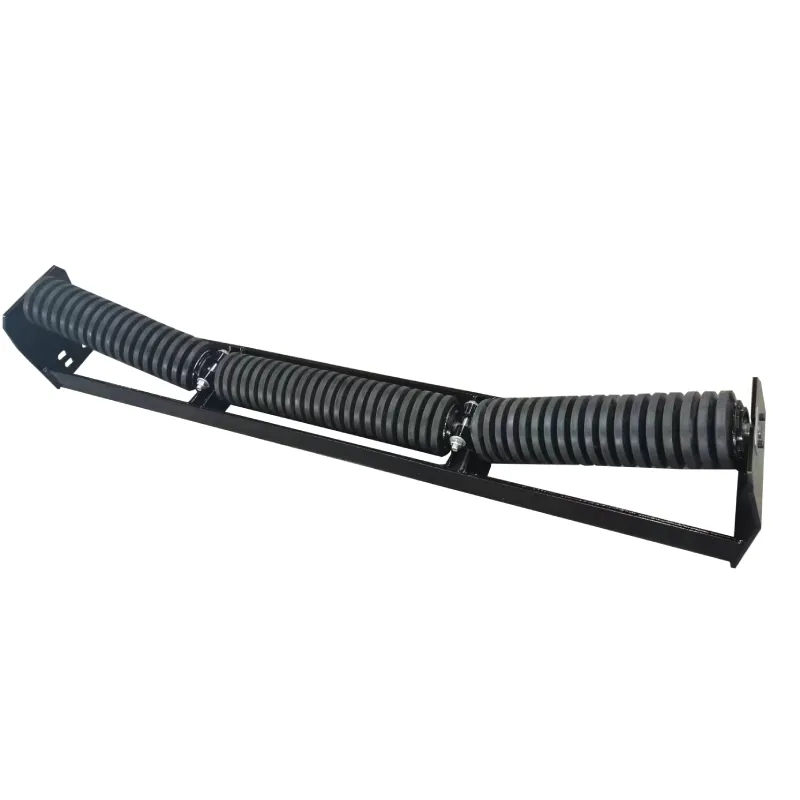
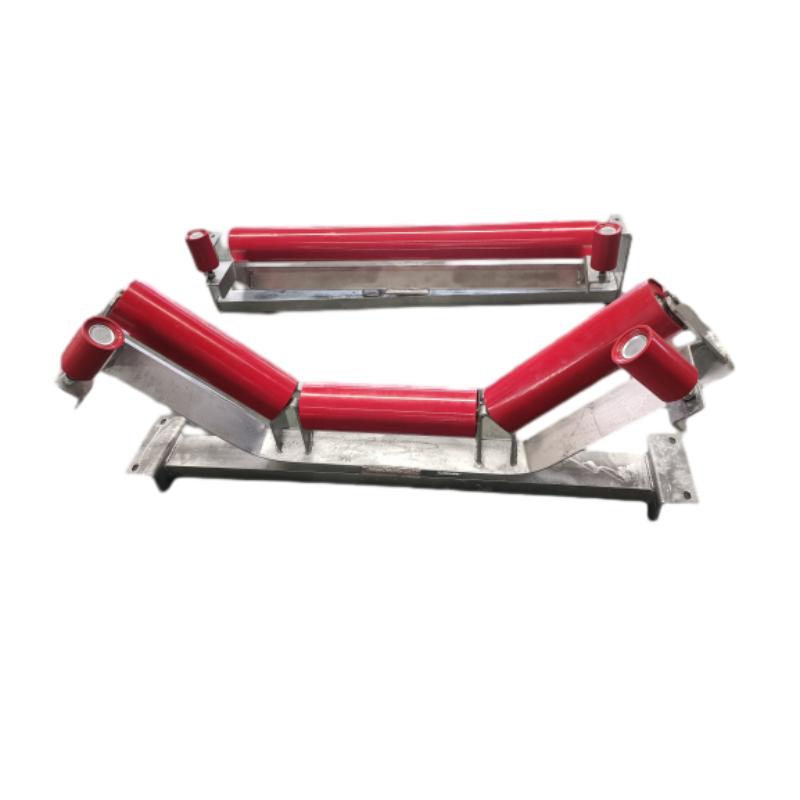
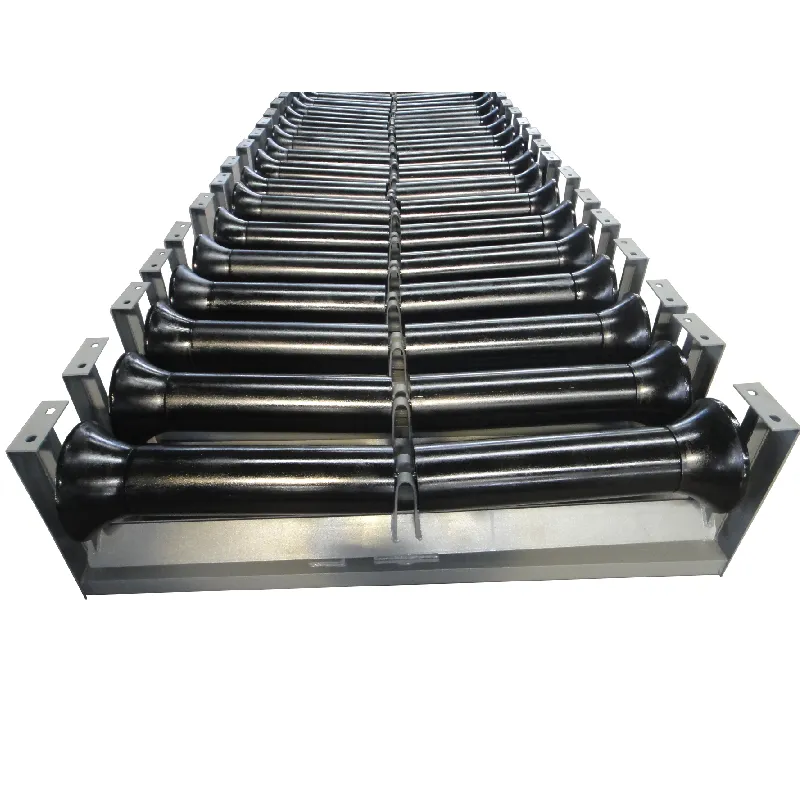
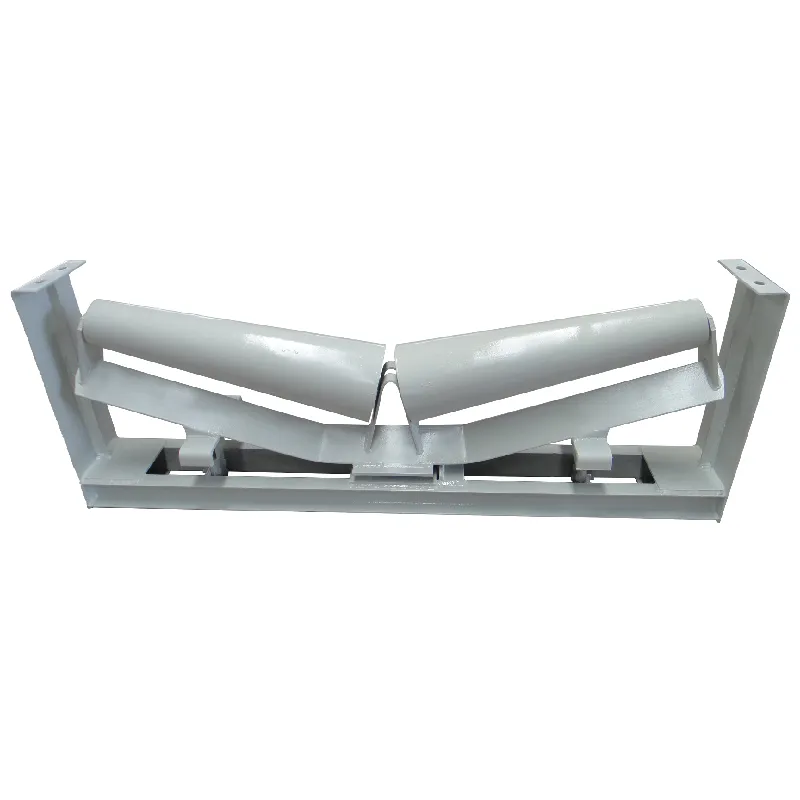
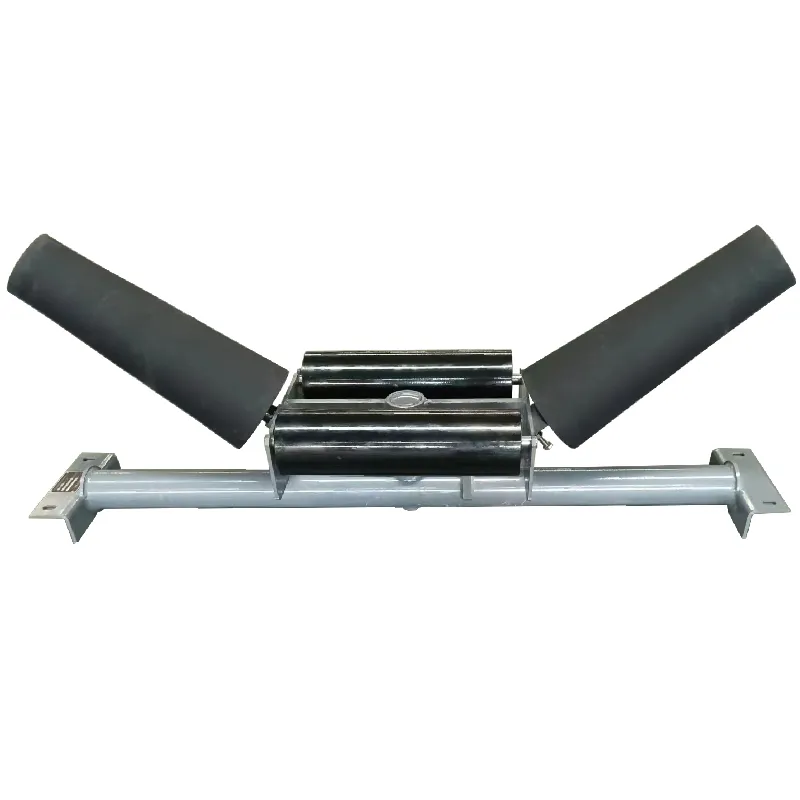
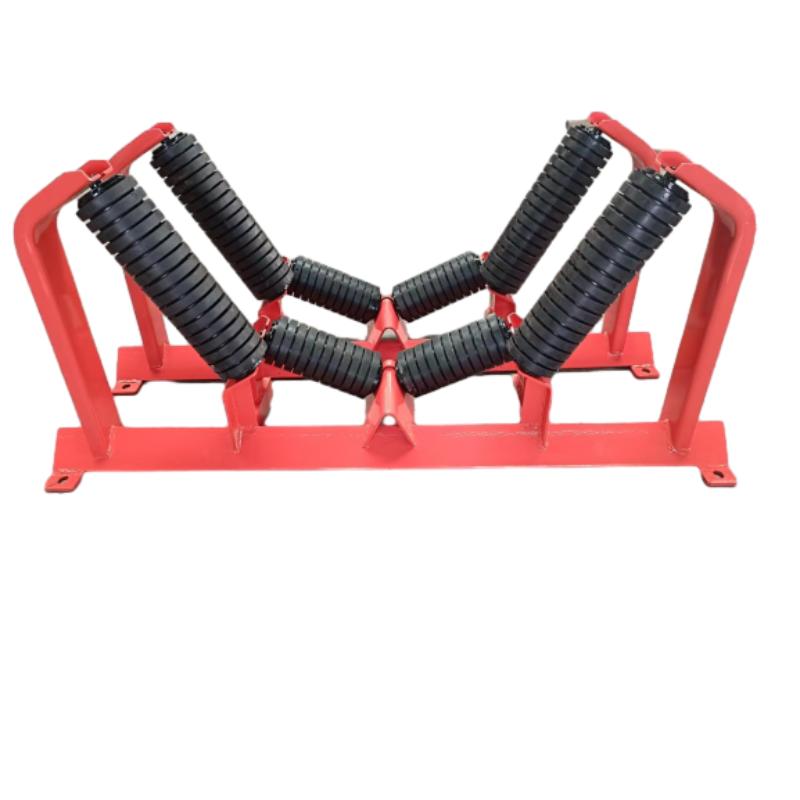
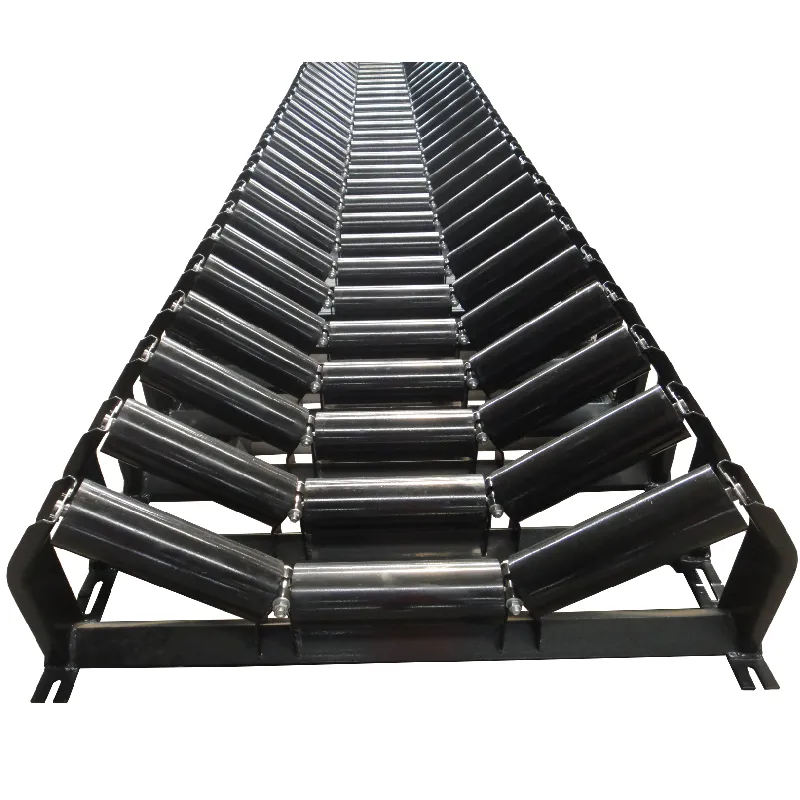
Simply put, side mount rollers are cylindrical components mounted on the side of conveyor frames or machinery to facilitate the smooth movement of goods and parts. Unlike traditional bottom-mounted rollers, side mount rollers attach laterally and help guide materials while supporting weight and reducing friction.
This design flexibility means they can be incorporated into tight spaces or complex conveyor paths — important in factories running multiple simultaneous processes or in mobile units like side mount rollers on industrial vehicles.
Beyond mere movement, these rollers contribute to reducing energy consumption by making motion more efficient and less jerky, which has sustainability implications relevant in today’s carbon-conscious industries.
Key Components and Factors Influencing Side Mount Rollers
1. Durability and Materials
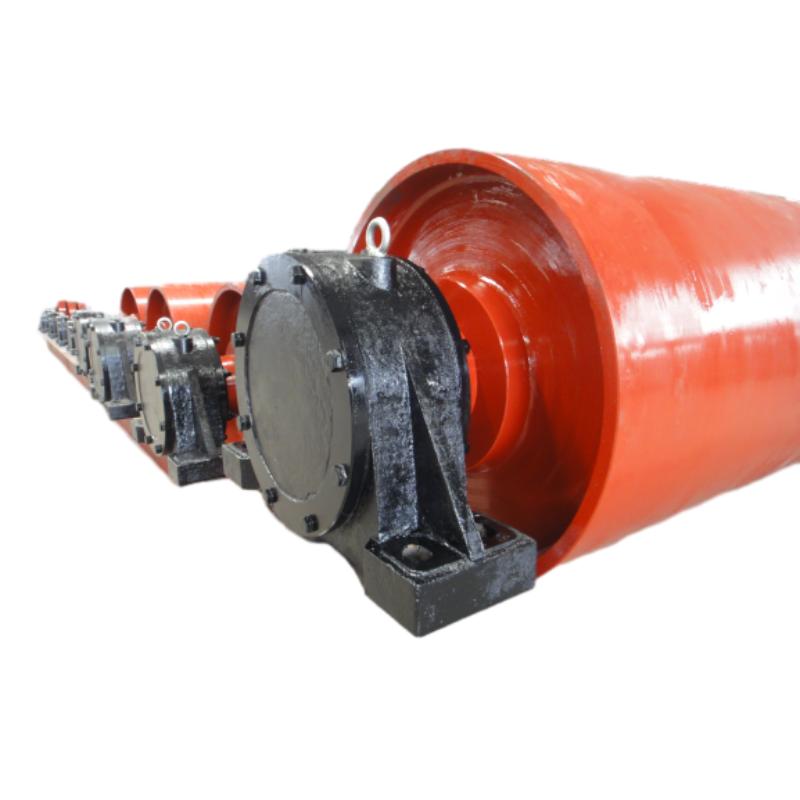
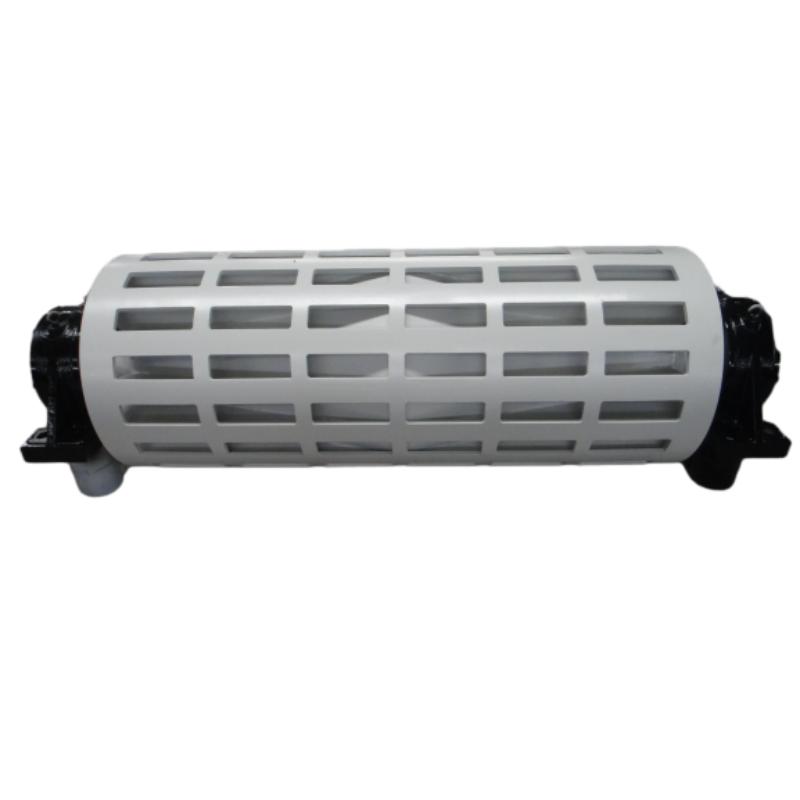
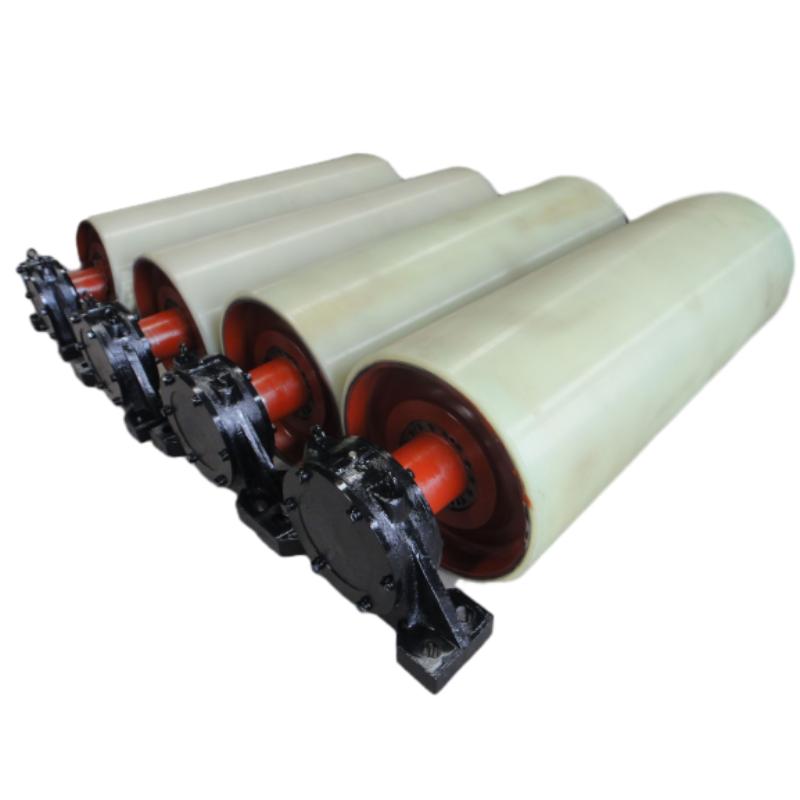
Most side mount rollers are made from steel, stainless steel, or engineered polymers depending on the environment they work in. Durability is critical — rollers often bear heavy loads continuously and need to resist abrasion, corrosion, and sometimes chemical exposure. Polyurethane coatings, for example, offer noise reduction and longer service life in warehouse environments.
2. Load Capacity
Whether hauling light packages or bulky industrial containers, the roller’s load capacity must be carefully matched to avoid premature failure. Standard side mount rollers can support from a few hundred to several thousand kilograms depending on size and design.
3. Mounting and Configuration
One advantage of side mounting is that it allows rollers to be fitted in confined or irregular spaces where bottom mounting isn't feasible. This flexibility enables intricate conveyor designs and helps optimize floor space.
4. Maintenance and Replaceability
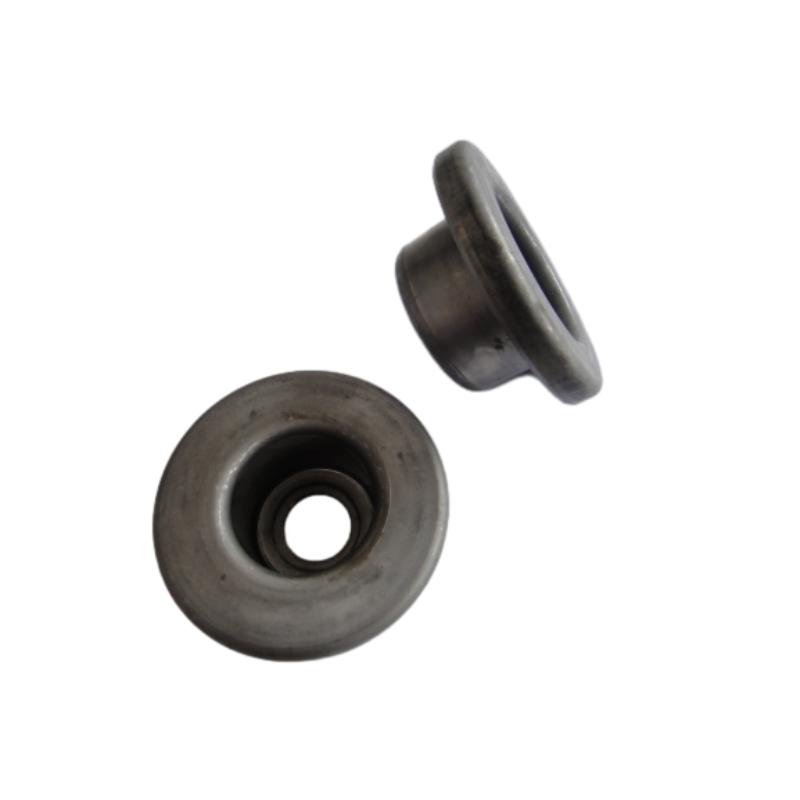
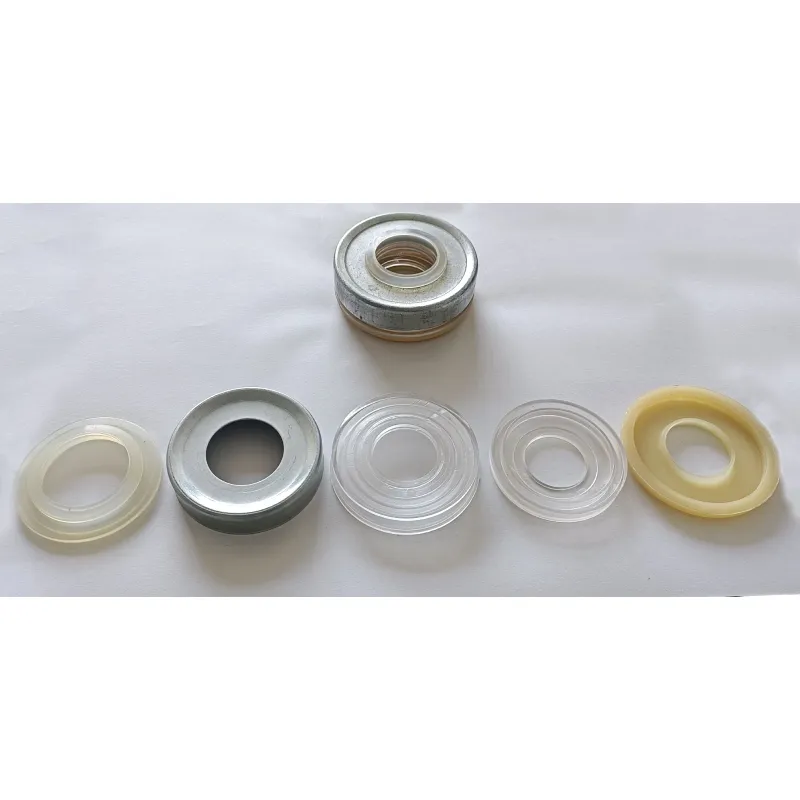
Because these rollers are often subjected to harsh working conditions, ease of maintenance matters. Many modern designs include sealed bearings and modular parts for quick replacement without full system shutdowns, reducing downtime significantly.
5. Noise and Energy Efficiency
Noise can be a big issue in factories, particularly indoors. Certain rollers incorporate polymer sleeves or special bearings to minimize sound. Meanwhile, lower friction helps conserve energy, something engineers are increasingly focused on.
Product Specification Table: Typical Side Mount Roller Models
| Feature | Standard Model A | Heavy-Duty Model B | Polyurethane Coated Model C |
|---|---|---|---|
| Material | Carbon Steel | Stainless Steel | Steel + PU Coating |
| Load Capacity | 500 kg | 2500 kg | 800 kg |
| Bearing Type | Sealed Ball Bearings | Heavy Duty Bearings | Sealed Ball Bearings |
| Noise Level | Medium | High | Low |
| Typical Use Case | General Warehousing | Heavy Industry, Mining | Food & Packaging Lines |
Global Applications and Use Cases of Side Mount Rollers
The range of industries relying on side mount rollers is fascinatingly broad. Oddly enough, while many think of them strictly as “factory parts,” their reach extends to critical humanitarian and environmental efforts worldwide.
- Warehousing & E-Commerce: Facilities processing thousands of parcels daily look for reliable side mount rollers to ensure conveyors keep running without hiccups.
- Mining and Heavy Industry: In harsh environments—remote open-pit mines of Australia or South America—the rollers must withstand extreme dust, weight, and weather.
- Humanitarian Relief: Mobile conveyor units transporting supplies in disaster zones often utilize side mount rollers because of their compact, durable design.
- Food & Pharmaceutics: Polyurethane-coated rollers come in handy for hygienic, low-noise production lines requiring regular sanitation.
In all these cases, it’s a blend of technical resilience and flexibility that makes side mount rollers invaluable — sort of the unsung heroes behind the scenes.
Vendor Comparison: Leading Side Mount Roller Manufacturers
| Company | Material Options | Customization | Global Reach | Price Range |
|---|---|---|---|---|
| RollTech Corp | Steel, PU-Coated | High | Americas, Europe | $$$ |
| Industrial Movers Ltd | Stainless Steel, Steel | Medium | Asia, Africa | $$ |
| Global Convey Solutions | Steel, Polymer | High | Global | $$$ |
Advantages and Long-Term Value of Side Mount Rollers
There’s no question the benefits of side mount rollers ripple beyond just technical specs. Here are some real advantages that stand out:
- Cost Efficiency: Longer life cycles and less frequent maintenance cut overall operational costs.
- Sustainability: Reduced energy consumption and use of recyclable materials align with global green initiatives.
- Reliability: Robust design means less unscheduled downtime — crucial for tight supply chain timing.
- Safety: Noise reduction and smooth handling improve workplace conditions.
- Innovation: Customizable solutions empower companies to meet unique challenges.
Frankly, for logistics managers and engineers alike, side mount rollers provide not only technical peace of mind but also align with broader social goals — like worker dignity and environmental stewardship.
Future Trends and Innovations in Side Mount Rollers
Looking ahead, some fascinating shifts are underway in side mount roller technology:
- Smart Materials: Integration of sensors for real-time condition monitoring to preempt failure.
- Eco-Friendly Manufacturing: Use of bio-based polymers and recyclable metals is on the rise.
- Automation Compatibility: Rollers designed to work with autonomous conveyor systems and robotics.
- Energy Harvesting: Some experiments focus on harvesting rotational kinetic energy to power embedded sensors or systems.
These innovations promise longer lifespans, reduced environmental impact, and smarter supply chain solutions.
Challenges and Solutions in Side Mount Roller Deployment
Despite their benefits, some challenges persist. For one, selecting the right roller for variable load and environmental conditions is tricky. Overlooking this can result in premature wear or costly failures.
Also, in highly corrosive or dusty environments, even top-grade rollers need regular inspection and maintenance to avoid catastrophic downtime.
Experts recommend a hybrid approach: combining predictive maintenance technologies with durable coatings and modular designs. This improves lifecycle and simplifies replacements — minimizing disruption.
FAQ: Frequently Asked Questions About Side Mount Rollers
- Q: What advantages do side mount rollers offer over bottom-mounted rollers?
- A: Side mount rollers save floor space and are easier to install in tight conveyor layouts. They also provide better load distribution and can reduce maintenance downtime due to modular replacement options.
- Q: How long do typical side mount rollers last in industrial settings?
- A: Lifespan varies based on material and conditions but generally ranges from 3 to 10 years. Regular maintenance and using sealed bearings can extend this considerably.
- Q: Are polyurethane-coated rollers suitable for food industry applications?
- A: Yes, polyurethane coatings are used widely since they reduce noise, resist chemicals, and are easy to clean, which meets hygiene standards essential in food processing.
- Q: Can side mount rollers be customized for specific environmental conditions?
- A: Absolutely. Manufacturers offer bespoke designs with different materials, coatings, and bearing configurations to suit extreme temperatures, corrosion, or dust presence.
- Q: How can NGOs source side mount rollers for mobile conveyor units in disaster zones?
- A: NGOs can usually partner with specialized industrial suppliers who provide export services and technical guidance to ensure products meet the required deployment conditions. Check for vendors with global distribution capabilities.
Conclusion and Call to Action
In sum, side mount rollers are a small but potent piece of the industrial puzzle. They enable efficient, reliable material movement that underpins everything from ecommerce warehouses to disaster relief logistics. Their flexibility, durability, and evolving innovation make them a worthwhile investment for companies keen on sustainability and operational excellence.
If you want to explore how side mount rollers can optimize your processes, visit our website for detailed product information and expert advice.
Takeaway: Side mount rollers may be underappreciated, but they’re essential in pushing the wheels of industry and humanitarian efforts forward.
References
-
Maximize Conveyor Life with a High Performance impact bedNewsApr.16,2026
-
Maximize Conveyor Efficiency Using a v plow belt scraperNewsApr.09,2026
-
Comprehensive Guide to Understanding Different Types of Belt CleanersNewsApr.07,2026
-
Enhancing Conveyor Efficiency with an Effective Scraper Belt CleanerNewsApr.04,2026
-
Optimizing Conveyor Systems with Advanced Cleaning Equipment SolutionsNewsMar.31,2026
-
Effective Conveyor Belt Scraper Adjustment for Optimal System PerformanceNewsMar.28,2026