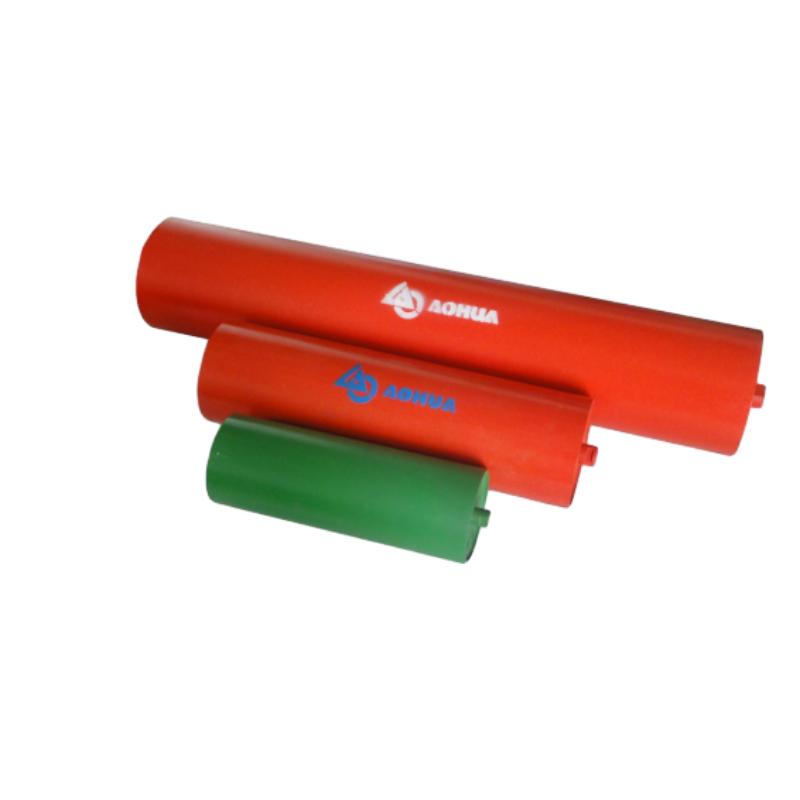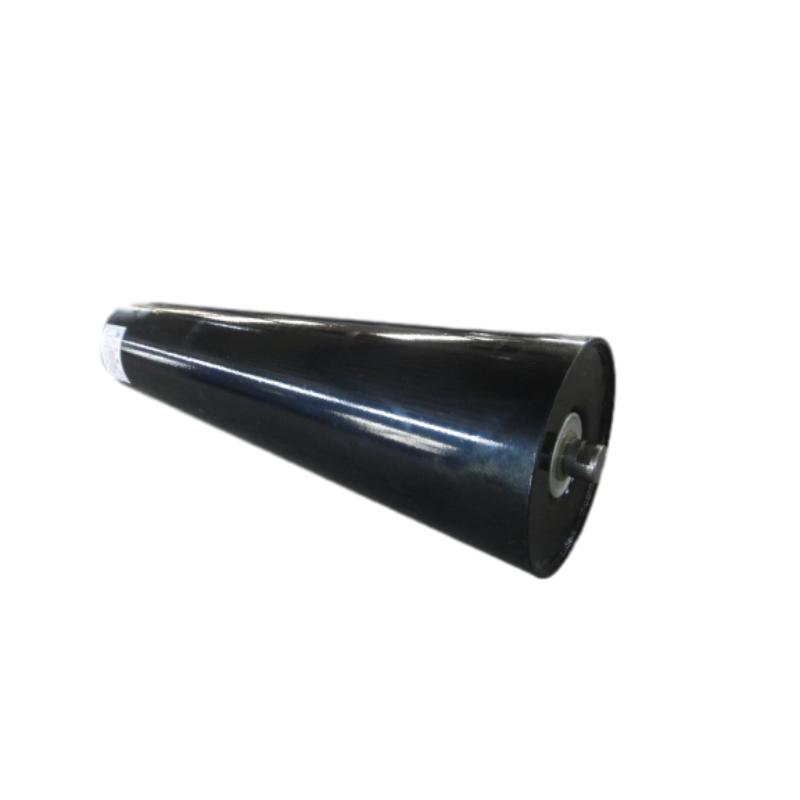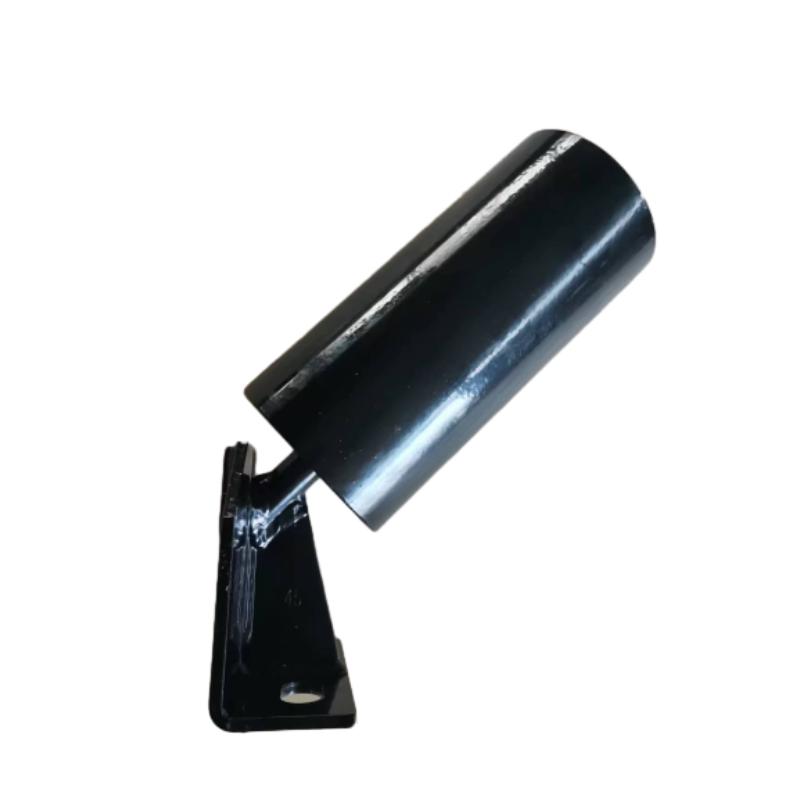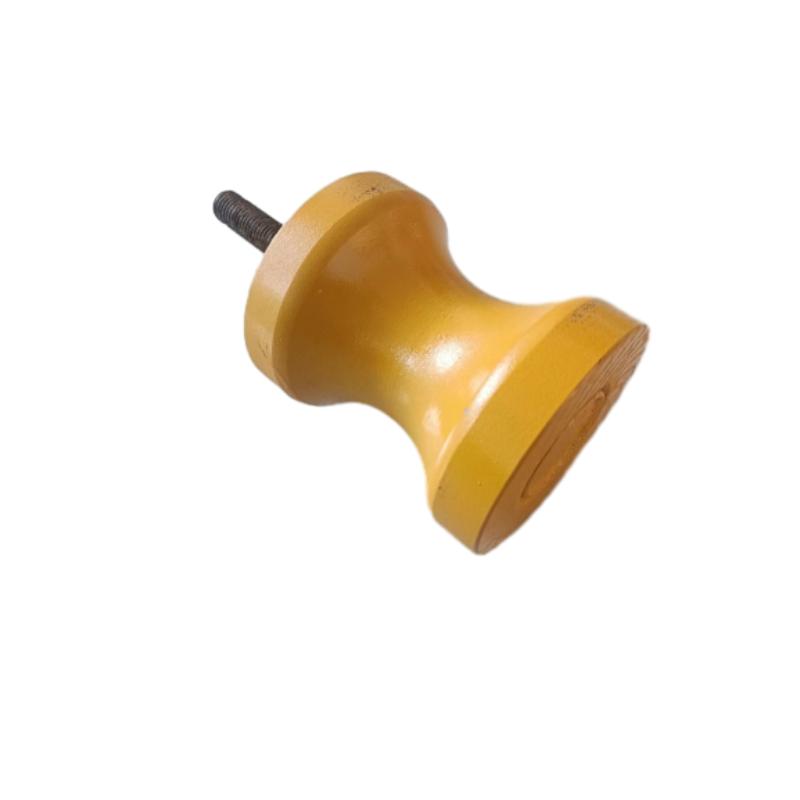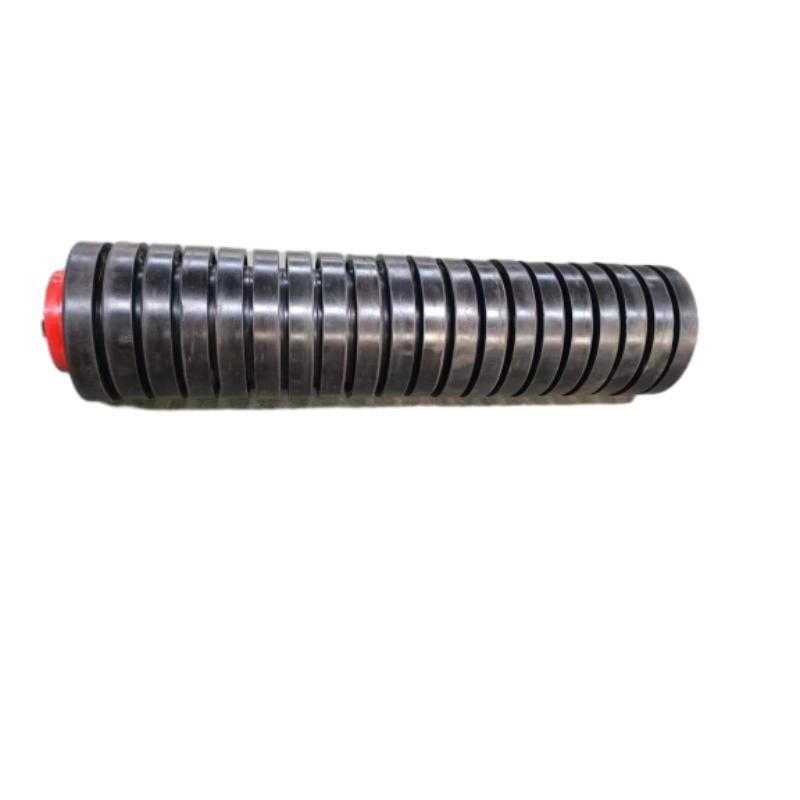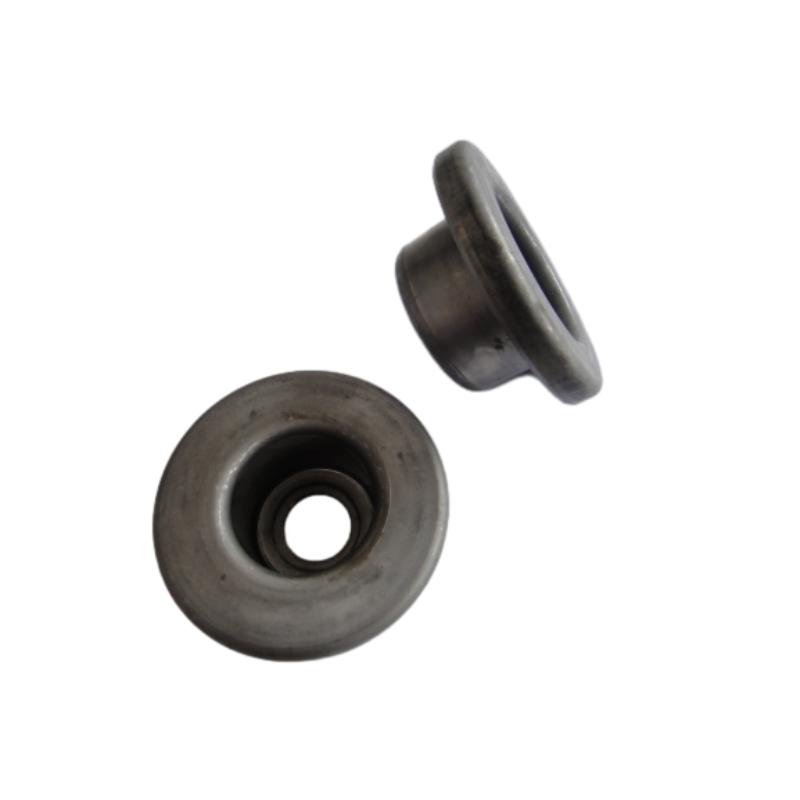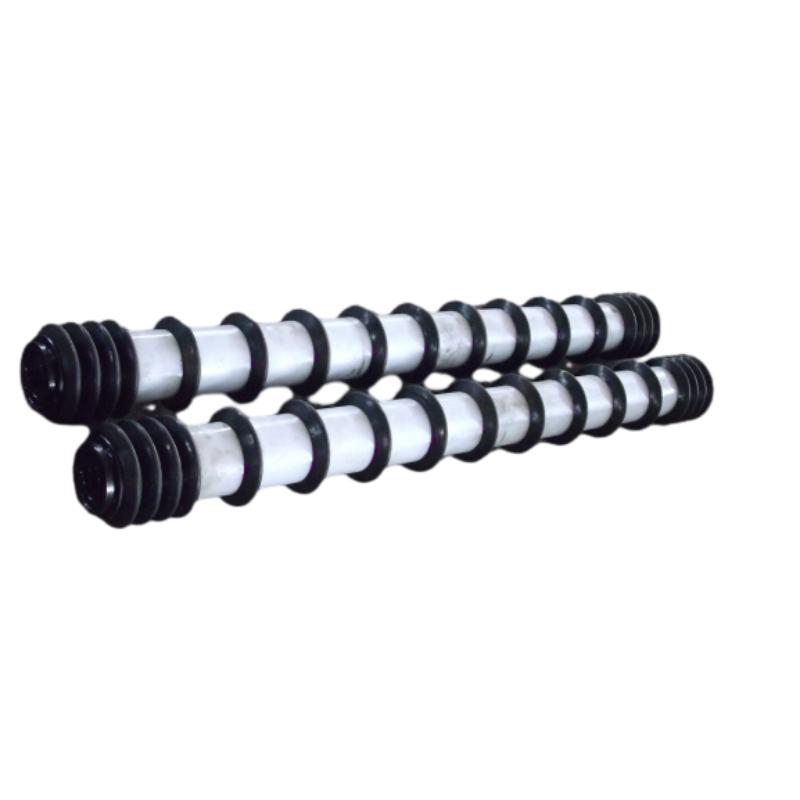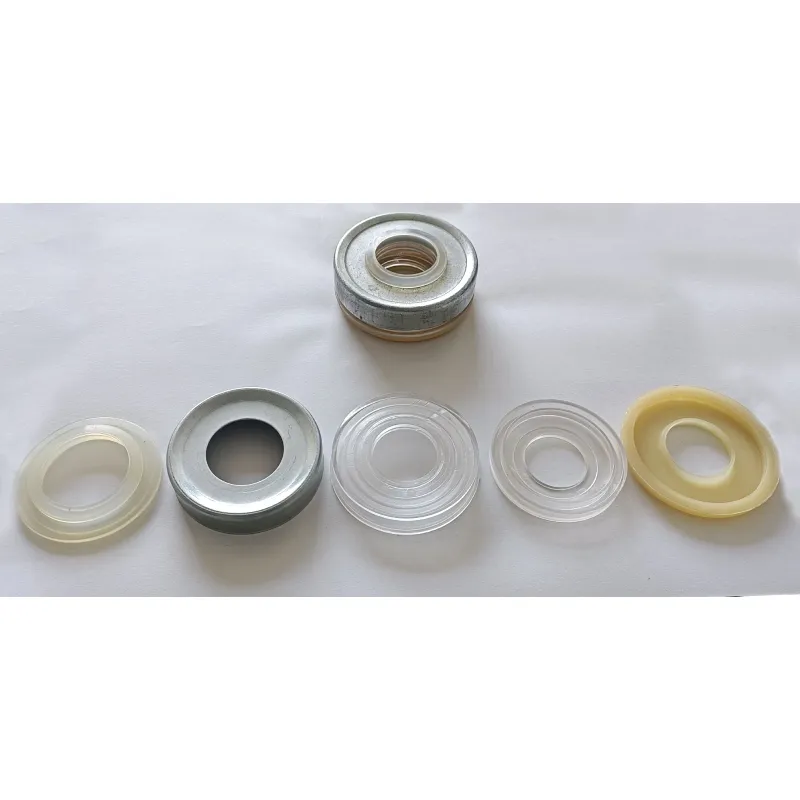


Comprehensive Guide to Roller Seals: Design, Benefits & Global Applications
The Unsung Hero of Industrial Efficiency: Understanding the Roller Seal
If you’ve ever pondered the small but mighty components that keep machinery humming and industries running smoothly, roller seals probably aren't top of mind. Yet, these components quietly ensure reliability, safety, and longevity in countless applications — from heavy manufacturing lines to high-tech automation. Roller seals might feel like a niche topic, but globally, their role is growing as industries demand better sealing solutions to reduce downtime and maintenance costs, especially in fast-paced, mechanized environments.
Understanding roller seals isn’t just an exercise in mechanical curiosity — it’s about grasping a crucial part of the supply chain and operational stability across sectors. Plus, recognizing their potential can even inspire better purchasing and design decisions down the road. So, what exactly are roller seals and why do they matter so much?
Global Context: Why Roller Seals Matter Today
The global manufacturing sector, currently valued at over $14 trillion (World Bank, 2023), is an ecosystem of moving parts — literally. With machine uptime becoming a key metric for competitiveness, every component that helps prevent leaks, contamination, and friction gains importance. According to ISO standards for sealing solutions, roughly 20% of mechanical failures in plants link back to poor sealing choices. Roller seals help tackle that issue.
They’re crucial in environments ranging from automotive production hubs in Germany to electronics assembly plants in East Asia, helping solve persistent problems like lubricant leakage and particulate ingress. Industrial sectors face rising environmental regulations too — for better sealing, fewer emissions, and longer equipment life. Frankly, it feels like roller seals are quietly underpinning a lot of the “green” shifts you hear about in modern manufacturing.
Mini takeaway: Roller seals play a tangible role in reducing costly downtime worldwide and meet both industry and eco-friendly standards.
What is a Roller Seal — In Simple Terms?
Imagine a small ring or gasket that doesn’t just sit still but actually rolls along with the machine parts it seals. That’s basically what a roller seal is: an advanced sealing component designed to combine the advantages of traditional seals with roller bearings. Unlike static seals that squish and wear down, roller seals roll over surfaces, significantly reducing friction and extending service life.
This innovation links closely to modern industry’s push for automation and high-speed machinery. By maintaining a tight barrier against dust, moisture, and lubricant leaks while minimizing wear, roller seals help factories run continuously without surprise breakdowns. In more humanitarian contexts, reliable machinery using roller seals can support water treatment systems or agricultural equipment — directly impacting community health and livelihoods.
Mini takeaway: Roller seals are dynamic, rolling components that prevent leaks and wear — perfect for fast, modern machines.
Key Features of Roller Seals: What Makes Them Tick?
1. Durability
Roller seals are built to endure tough environments. Thanks to materials like reinforced nitrile rubber or synthetic fluoropolymers, they resist abrasion, heat, and chemical exposure better than older seal types. This makes them ideal for continuous operations like conveyor belts or motors.
2. Reduced Friction
By rolling instead of sliding, these seals drastically cut friction. Less friction means less heat buildup — which means longer machine life and less frequent replacements. It’s a small change with big ripple effects on efficiency.
3. Versatility
They fit in many shapes and sizes, from miniature precision instruments to massive industrial fans. Their design can be customized to fit specific gap widths, pressures, or environmental conditions.
4. Cost Efficiency
Though slightly pricier upfront than regular seals, the long-term benefits of reduced maintenance and fewer shutdowns pay off handsomely.
5. Environmental Resistance
Many roller seals resist temperature extremes, oils, and even corrosive chemicals — making them suitable for industries ranging from offshore oil rigs to pharmaceutical plants.
Mini takeaway: Durability, low friction, adaptability, and chemical resistance make roller seals the gold standard in sealing tech.
Product Specification: Typical Roller Seal Model
| Specification | Details |
|---|---|
| Material | Reinforced Nitrile Rubber with Stainless Steel Roller |
| Operating Temperature | -40°C to 150°C |
| Maximum Pressure | Up to 10 bar |
| Friction Coefficient | 0.02 (approx.) |
| Typical Lifespan | 5-8 years (depending on conditions) |
Global Applications: Where and How Roller Seals Are Used
Roller seals find their place in a surprising array of industries:
- Automotive manufacturing: For sealing engines and drivetrains, especially amid rising electric vehicle production.
- Agriculture: Tractors and irrigation equipment running longer and smoother even in dusty conditions.
- Food and beverage processing: Ensuring hygienic sealing to prevent contamination.
- Construction machinery: Heavy equipment operating in harsh outdoor environments.
For example, post-disaster relief organizations depend on machinery with reliable seals, like water pumps and generators, that won’t fail in critical moments. In remote industrial zones, such robust components reduce the need for expert technicians on site — a costly logistical advantage.
Mini takeaway: Roller seals support critical machinery worldwide, underpinning everything from everyday transport to life-saving emergency tools.
Advantages and Long-Term Value of Using Roller Seals
Choosing roller seals often means fewer repairs, less machine downtime, and significant cost savings. But the benefits don’t stop there.
- Sustainability: Longer-lasting seals mean less waste and reduced environmental impact.
- Reliability: Industrial managers trust roller seals to keep costly lines running smoothly.
- Safety and dignity: In humanitarian tech, reliable machines help maintain dignity by ensuring water and food systems function uninterrupted.
- Innovation: Roller seal technology enables newer, faster machine designs that wouldn’t be feasible with older seal types.
Mini takeaway: The right seal is more than a part—it’s a foundation for innovation, reliability, and sustainability over time.
Future Trends and Innovations in Roller Seal Technology
Looking forward, the roller seal market is seeing fascinating advances:
- Use of bio-based polymers for more sustainable materials.
- Integration with smart sensors for predictive maintenance, passing roll conditions data directly to plant operators.
- Enhanced materials that survive extreme conditions, facilitating use in renewable energy tech like wind turbines or solar tracking systems.
- Miniaturization and customization powered by 3D printing and advanced CAD software to fit complex, compact devices.
All these trends not only improve roller seal performance but also revamp how we maintain and design industrial assets. It feels like a quiet revolution in a tiny component!
Challenges Facing Roller Seal Implementation & Solutions
Despite their perks, roller seals do face hurdles:
- Higher initial cost: Budget-conscious clients sometimes balk at investing more upfront.
- Precision installation: Requires skilled technicians to avoid premature wear.
- Material limitations: Certain chemicals or extreme temperatures still challenge some seals.
Innovative companies are responding with better training programs, modular designs for easier installation, and novel polymer blends that push physical limits. Plus, the growth of roller seal research communities globally is driving faster, smarter solutions.
Vendor Comparison: Leading Roller Seal Providers
| Provider | Material Expertise | Customization Options | Average Delivery Time | Price Range |
|---|---|---|---|---|
| SealTech Global | High-performance polymers, stainless steel rollers | Full bespoke design services | 2-3 weeks | $$$ |
| RollGuard Industries | Standard nitrile, some fluoropolymer blends | Limited sizes, standard designs | 1-2 weeks | $ |
| EcoRoll Seals | Bio-based polymers, low-friction composites | Moderate customization | 3-4 weeks | $$ |
FAQ: Common Questions About Roller Seals
Q1: How do roller seals differ from traditional rotary seals?
A: The main difference is in movement: roller seals incorporate rolling elements that reduce friction drastically compared to traditional stationary seals, which rely on sliding contact. This reduces wear and extends seal life, meaning less downtime and maintenance for your machinery.
Q2: Are roller seals suitable for high-temperature environments?
A: Absolutely, many roller seals use heat-resistant materials allowing operation in ranges from -40°C to 150°C or even higher. It’s always key to verify the specific seal’s materials with your supplier to match your exact temperature needs.
Q3: Can I customize roller seals for specialized industrial needs?
A: Yes, many manufacturers offer tailored sizes, materials, and configurations. Customization enables you to optimize for pressure, gap size, chemical exposure, and operational speed.
Q4: What maintenance does a roller seal require?
A: Roller seals typically need minimal maintenance. However, regular inspections, proper installation, and lubrication (if specified) help maximize lifespan. Unexpected leaks or noise should prompt immediate review.
Q5: How do roller seals contribute to sustainability?
A: Their longer lifespan compared to standard seals reduces waste, and many newer roller seals use eco-friendly materials, minimizing environmental impact both in production and disposal.
Wrapping Up: The Long-Term Value of Roller Seals
Roller seals may not headline industry news or grab instant attention, but they are foundational to modern machine reliability. Investing in quality roller seal technology means fewer breakdowns, reduced costs, and a step toward greener, smarter industrial practices.
Whether you’re an engineer, buyer, or operations manager, understanding the nuances of roller seals is a small move with big payoff. With ongoing innovations, it’s a field to watch — and a part worth prioritizing.
For those interested in exploring available roller seal solutions, take a closer look at our offerings and expertise at Idleraohua. Your machinery (and wallet) will thank you.
References:
1. World Bank Manufacturing Data, 2023
2. ISO 6194-3:1998 Sealing Technology Standards
3. Wikipedia: Mechanical Seals
-
Maximize Conveyor Life with a High Performance impact bedNewsApr.16,2026
-
Maximize Conveyor Efficiency Using a v plow belt scraperNewsApr.09,2026
-
Comprehensive Guide to Understanding Different Types of Belt CleanersNewsApr.07,2026
-
Enhancing Conveyor Efficiency with an Effective Scraper Belt CleanerNewsApr.04,2026
-
Optimizing Conveyor Systems with Advanced Cleaning Equipment SolutionsNewsMar.31,2026
-
Effective Conveyor Belt Scraper Adjustment for Optimal System PerformanceNewsMar.28,2026