

Comprehensive Guide to Idler Bearing Housing: Applications, Benefits, and Trends
The Essential Role of Idler Bearing Housing in Modern Industry
At first glance, the phrase idler bearing housing might sound pretty technical, even a little obscure. But in reality, it’s one of those unsung heroes in the vast world of machinery and industrial equipment that keeps everything running smoothly. From manufacturing plants in Europe to mining operations in Australia, understanding the ins and outs of idler bearing housings offers clear benefits — improving efficiency, safety, and longevity of critical systems.
Globally, industries are under pressure to increase productivity while reducing downtime and maintenance costs. The idler bearing housing contributes quietly but decisively towards that goal. So, if you’re involved in supply chain logistics, production lines, or even humanitarian projects that rely on heavy machinery, learning a bit about this component could save you headaches later.
How Idler Bearing Housing Fits into the Global Industrial Puzzle
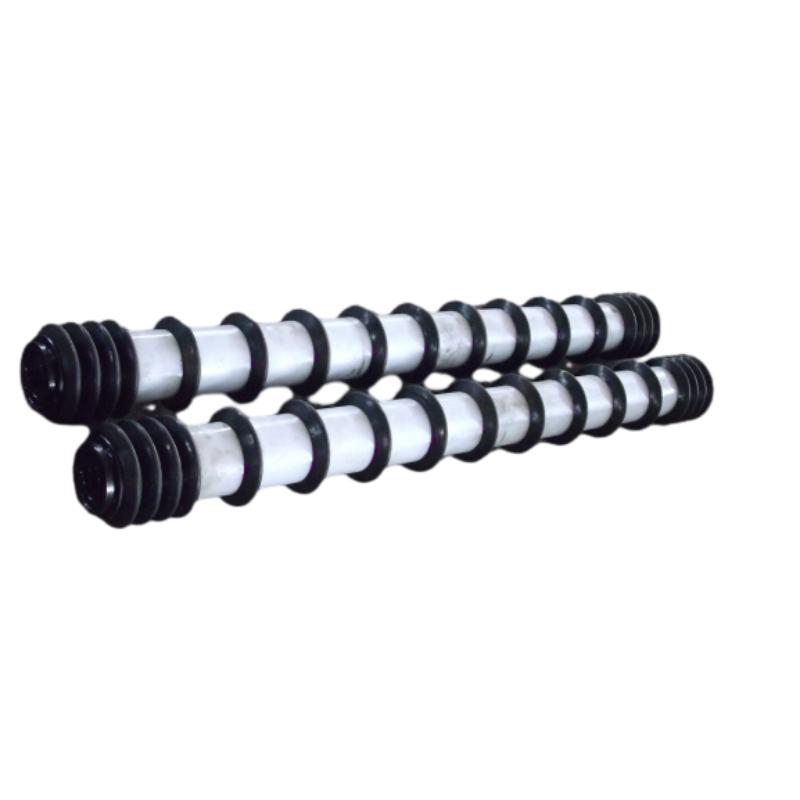
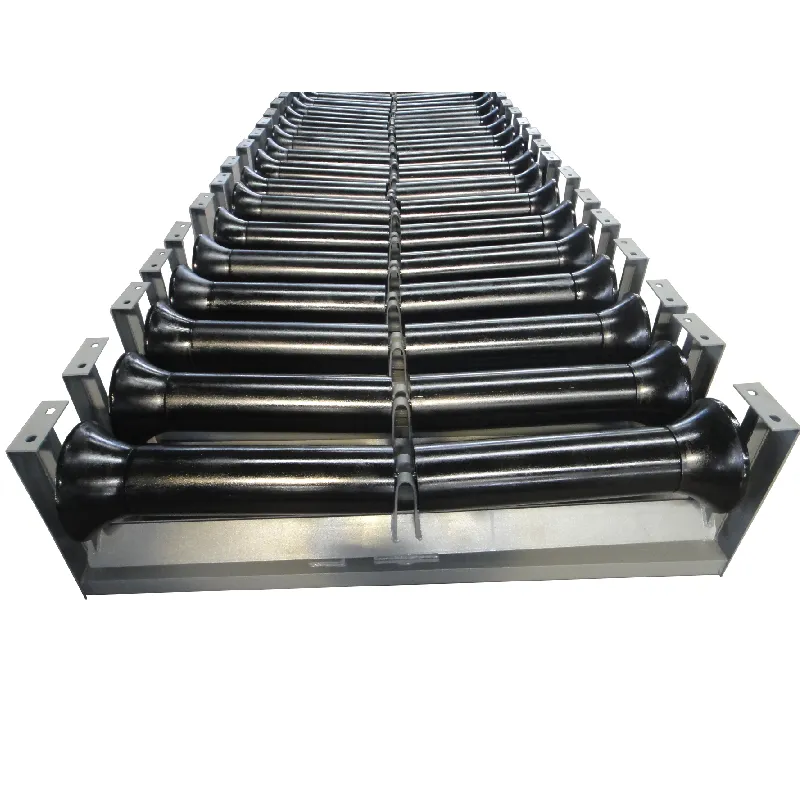
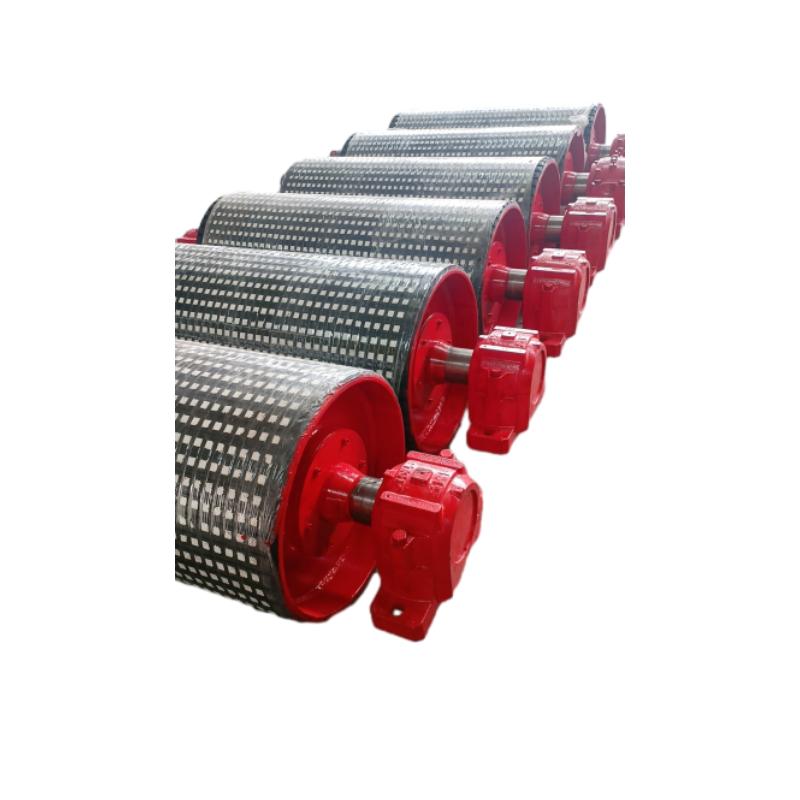
The world’s conveyor equipment market alone is expected to surpass $7 billion by 2027, according to MarketsandMarkets. And a good chunk of that hinges on components like idler bearing housings. To put it simply, these housings support and protect the bearing units that facilitate smooth rotation of conveyor rollers and shafts — vital for the transport of goods and materials in almost every heavy industry.
In remote mining camps or sprawling warehouse complexes, reliable idler bearing housings directly impact how fast materials move, how often machines break down, and ultimately, how profitable or sustainable operations are. It’s no surprise that ISO certification frameworks now even emphasize bearing protection as a quality standard. The challenge? Heavy wear and tear, harsh environments, and cost pressures mean these components are often pushed to their limits.
So, What Exactly Is an Idler Bearing Housing?
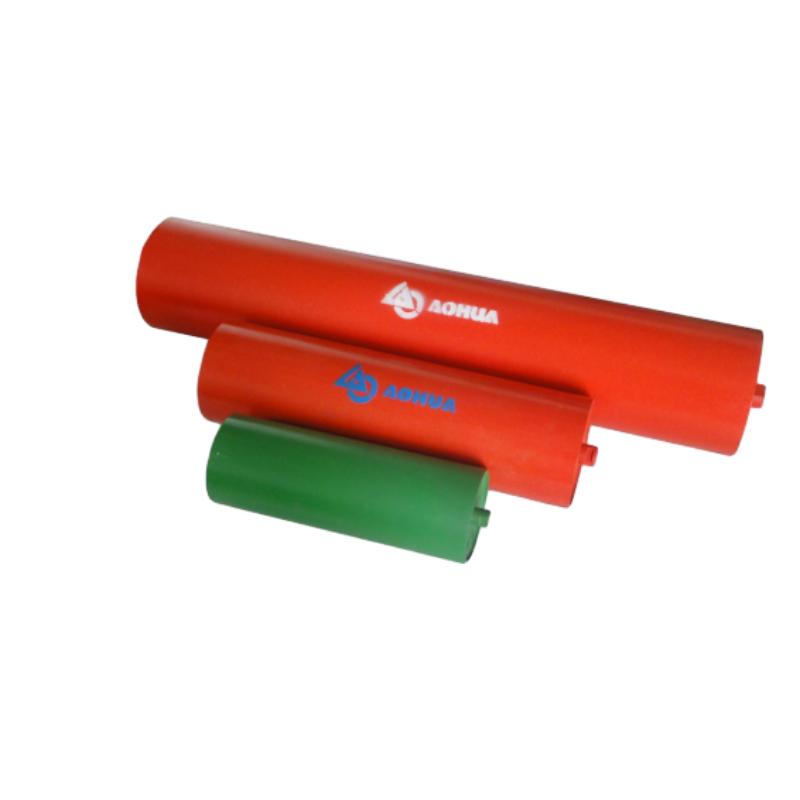
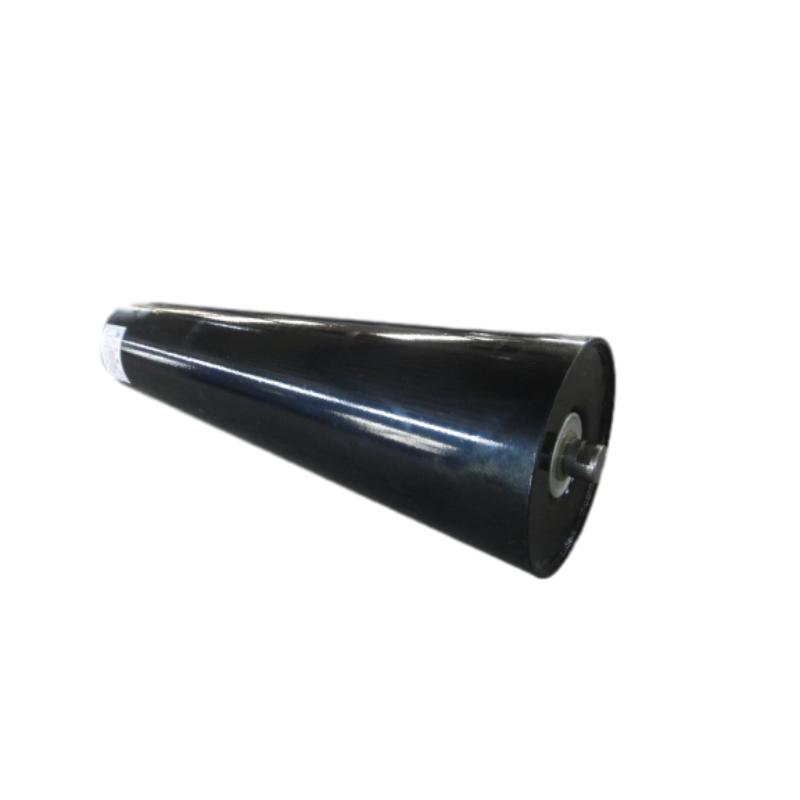
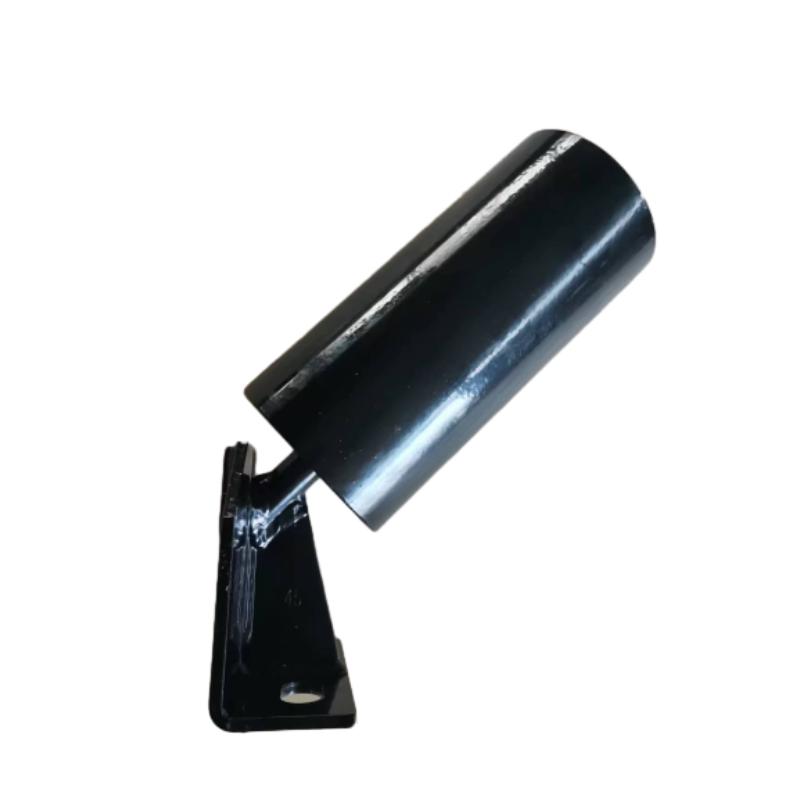
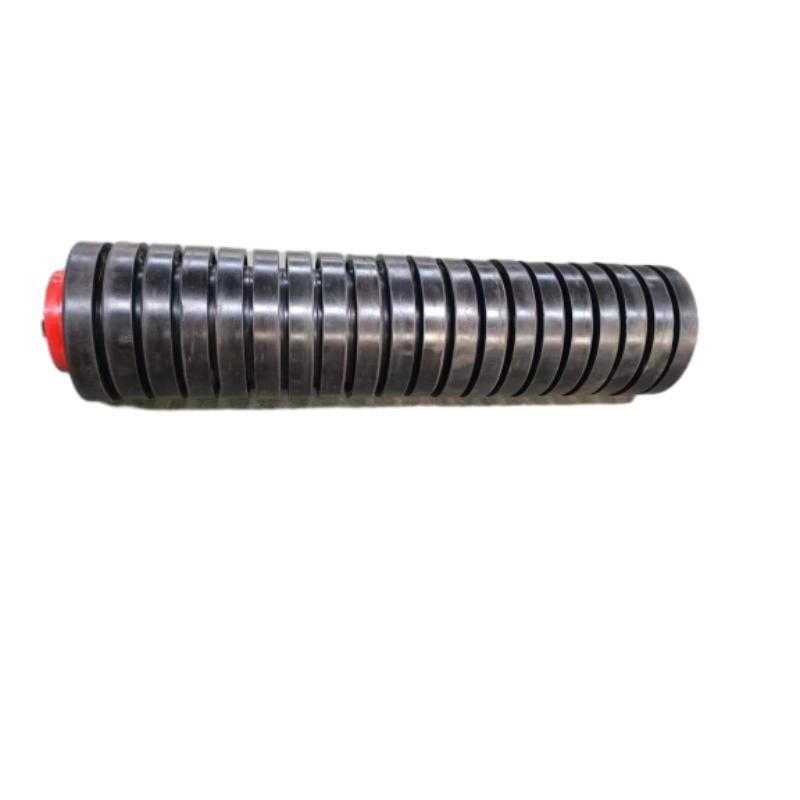
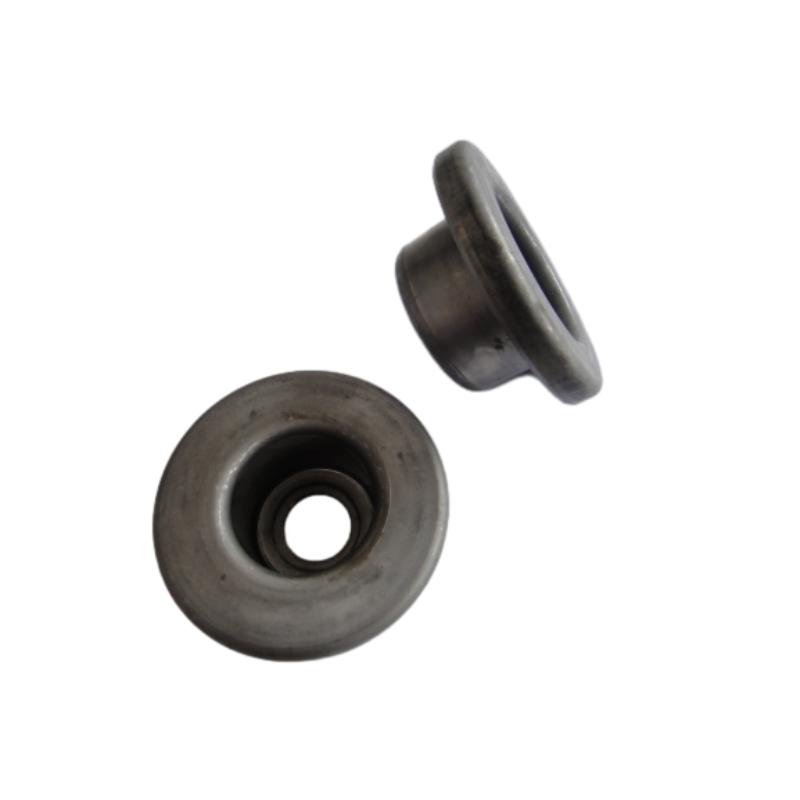
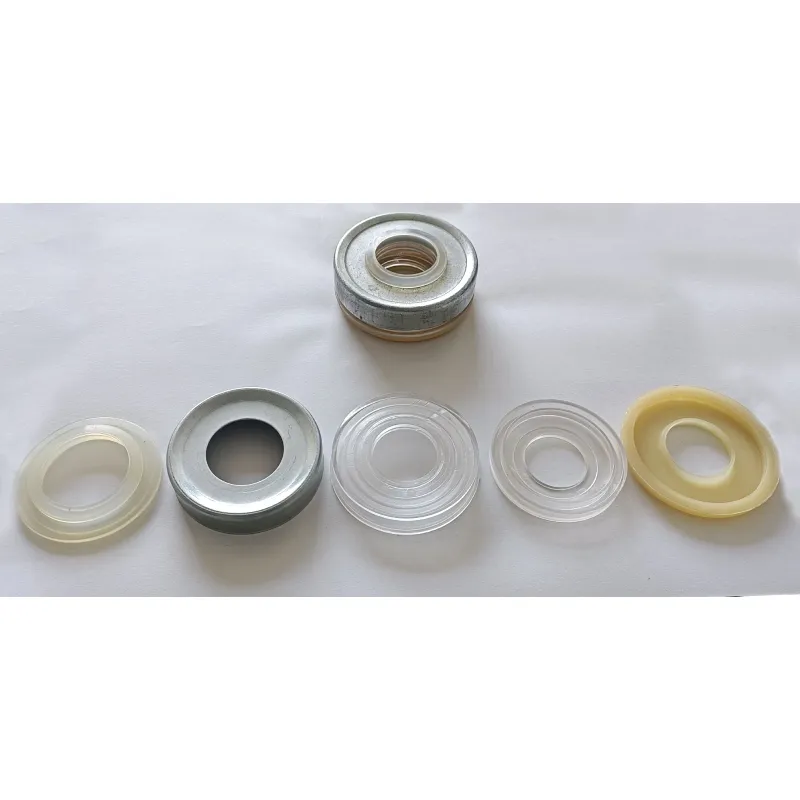
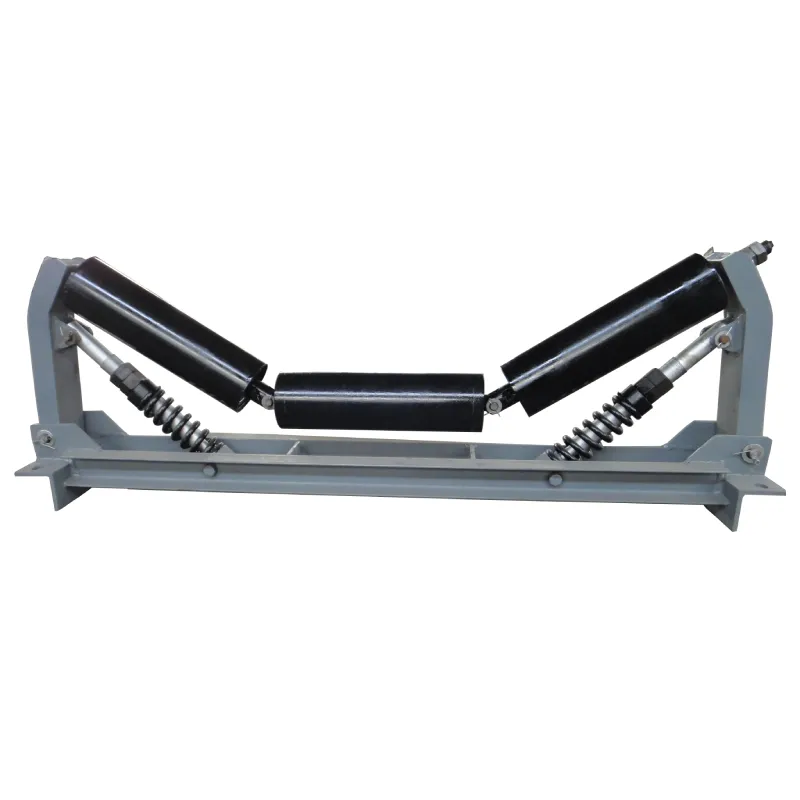
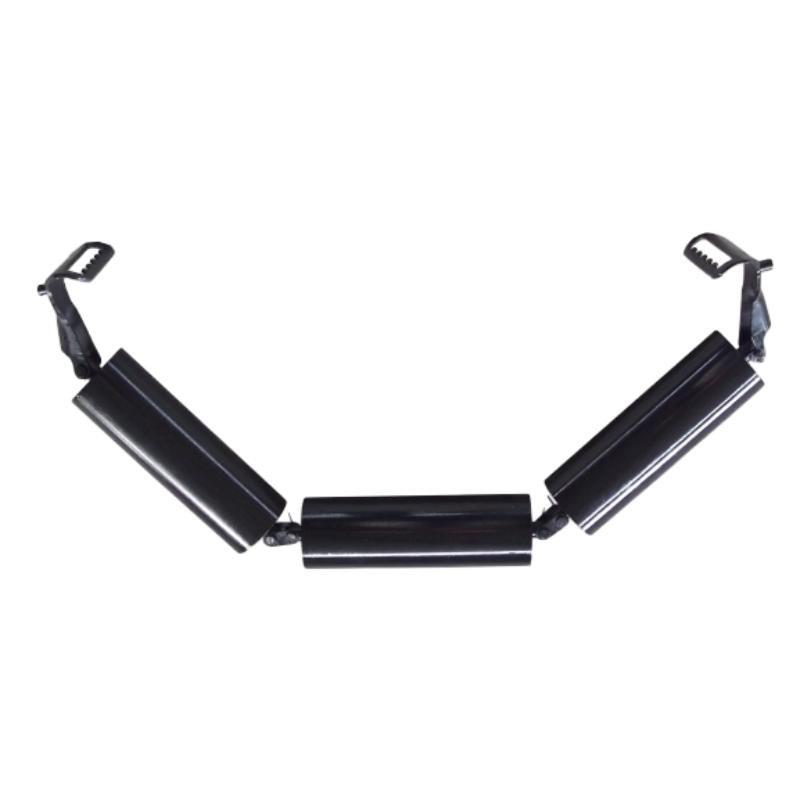
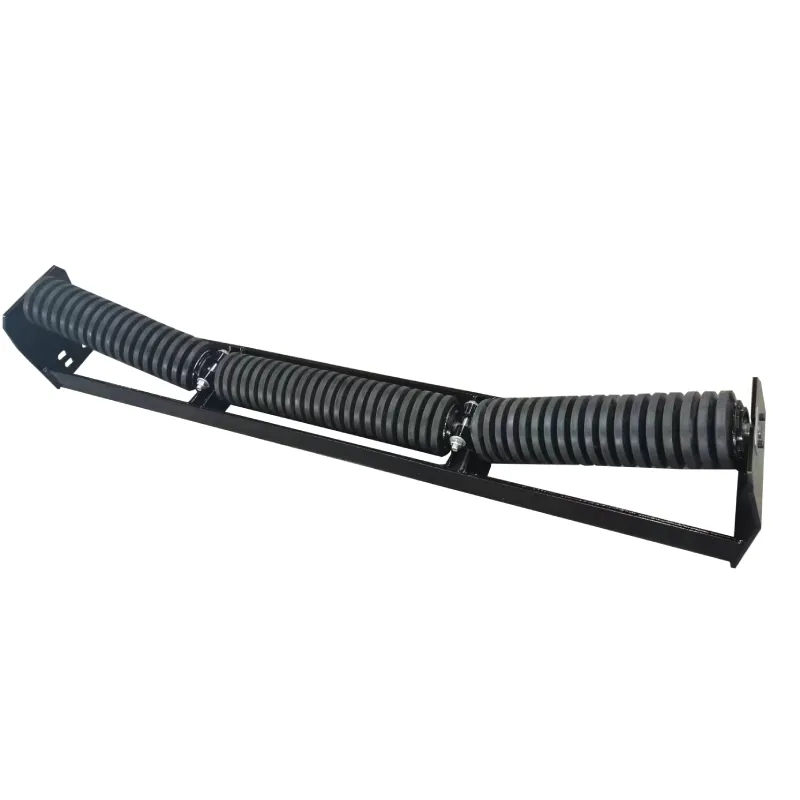
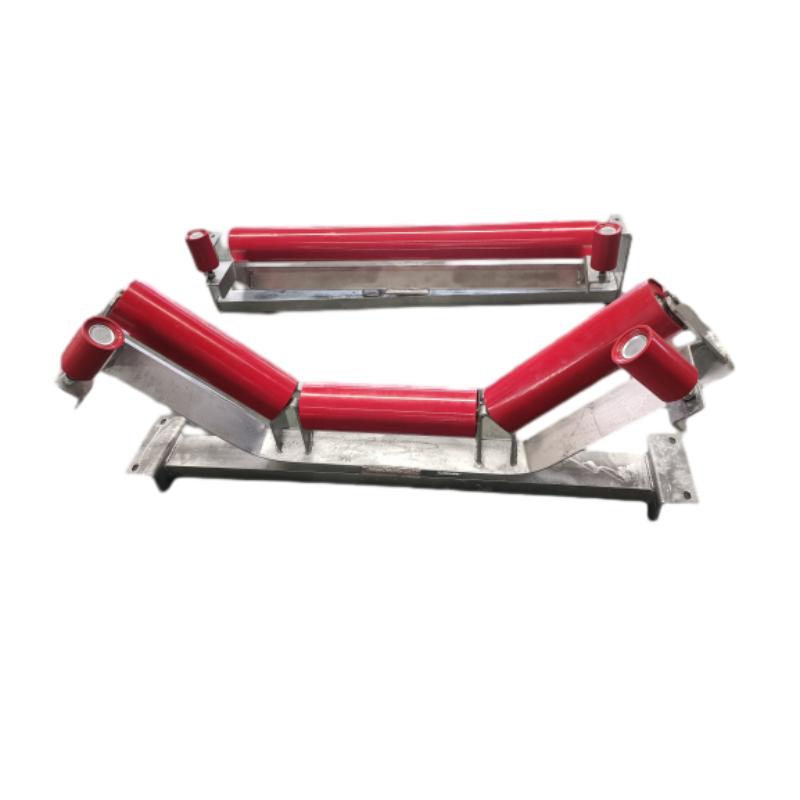
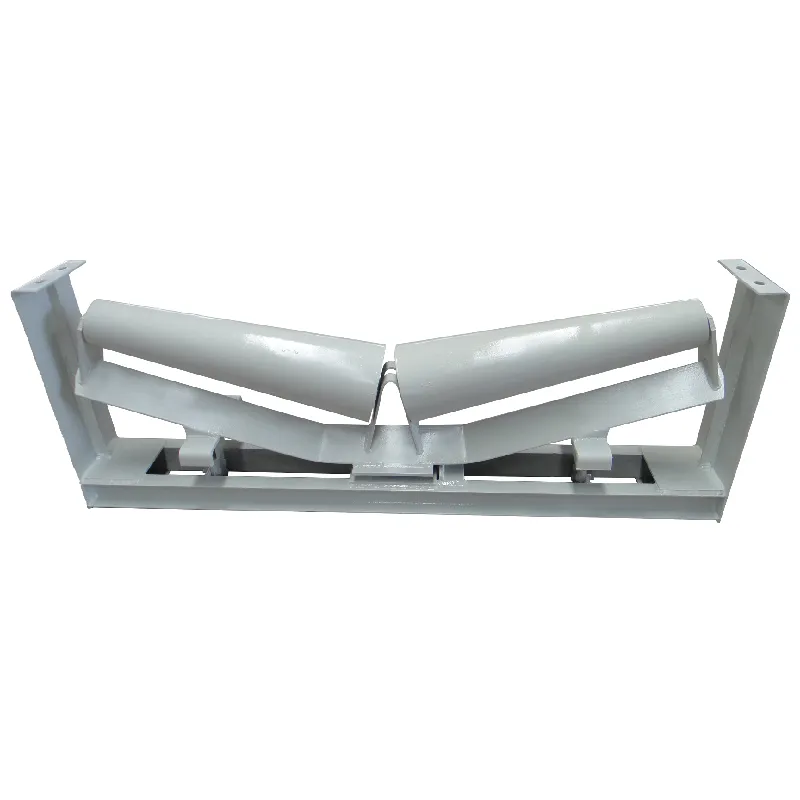
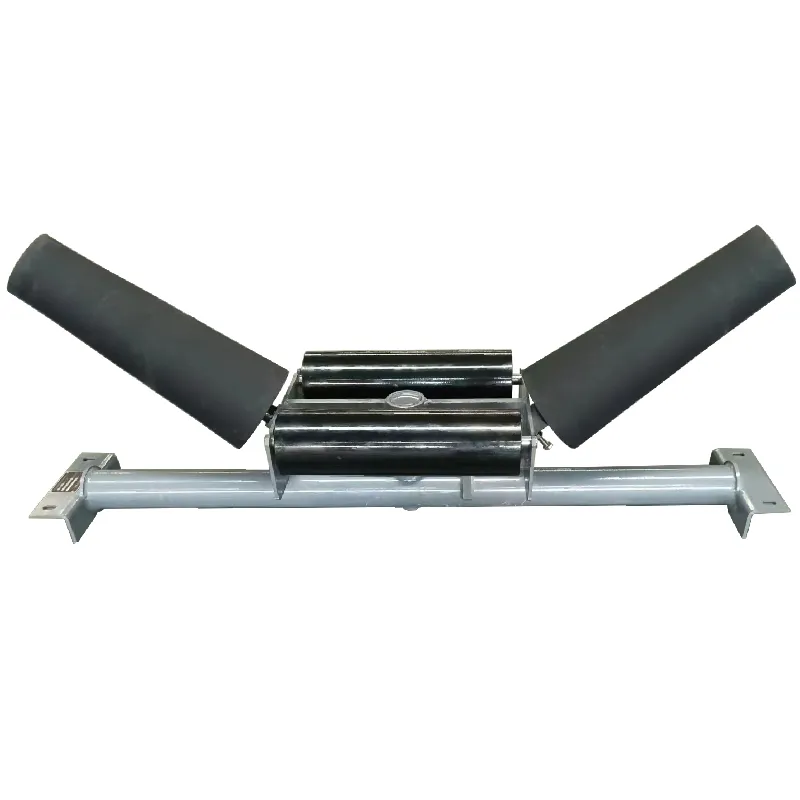
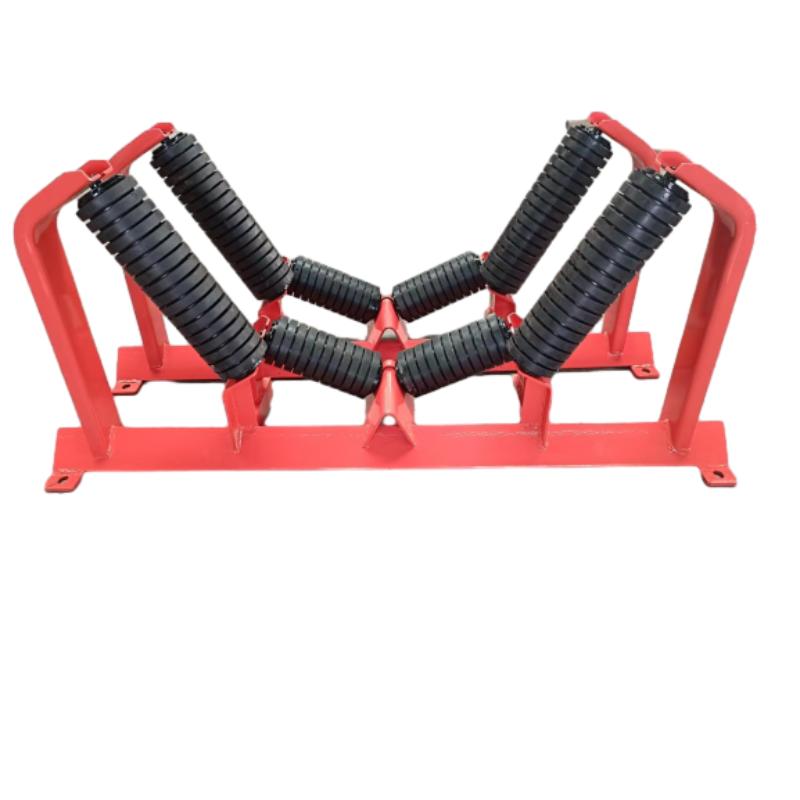
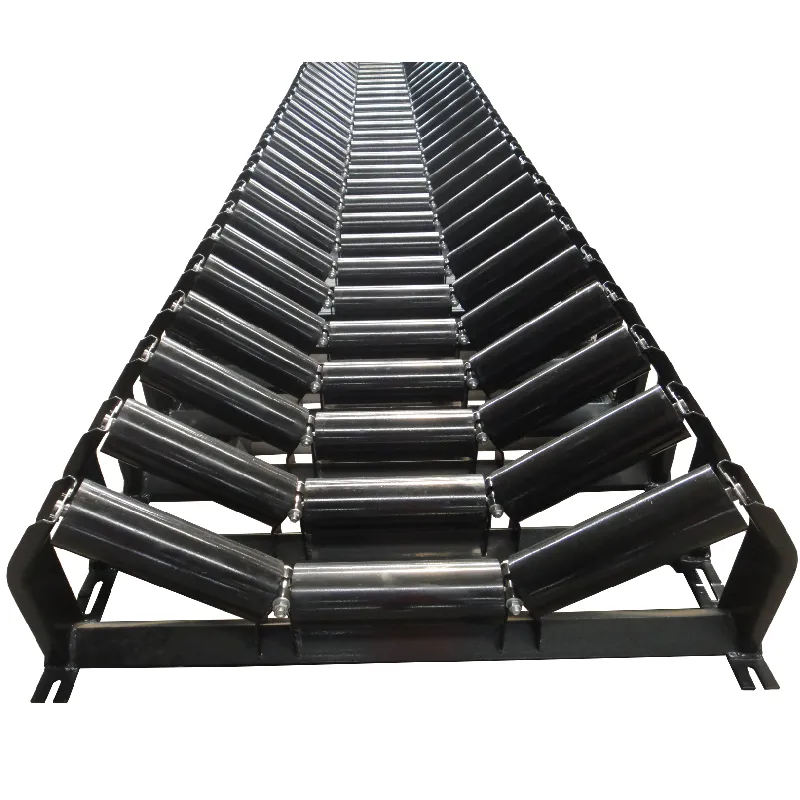
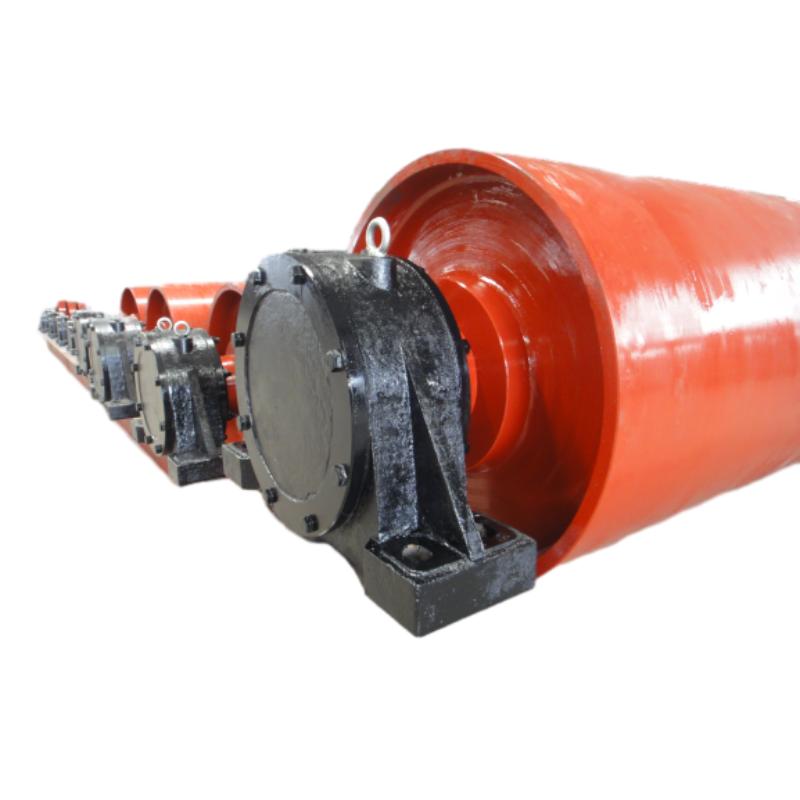
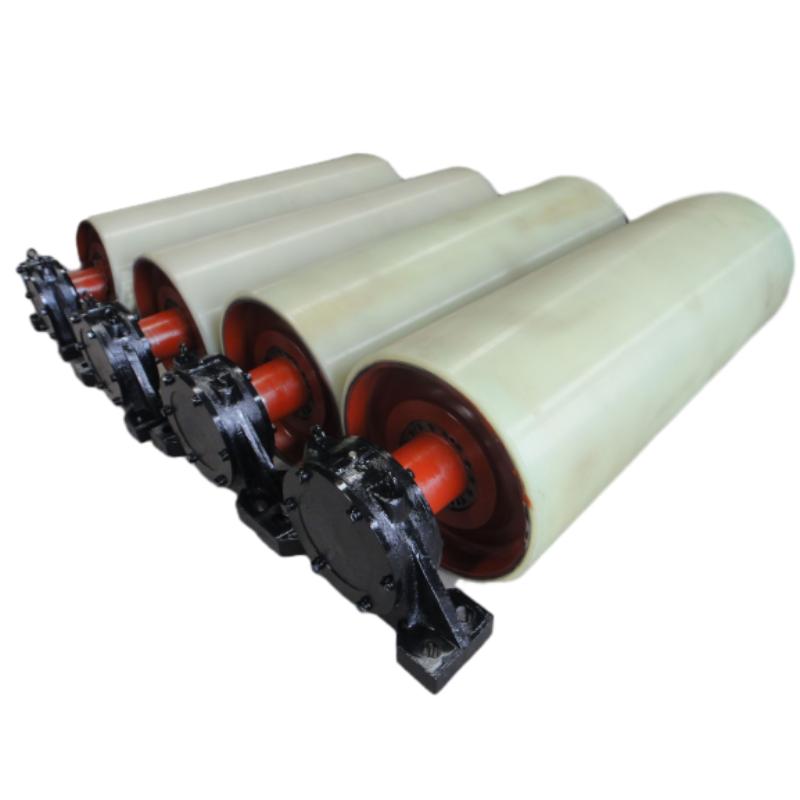
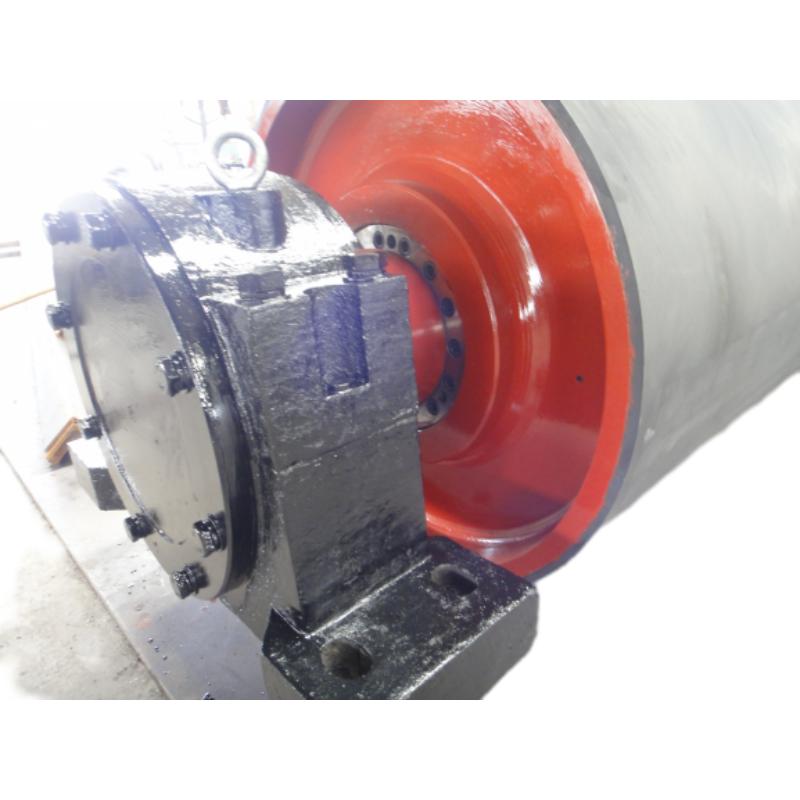
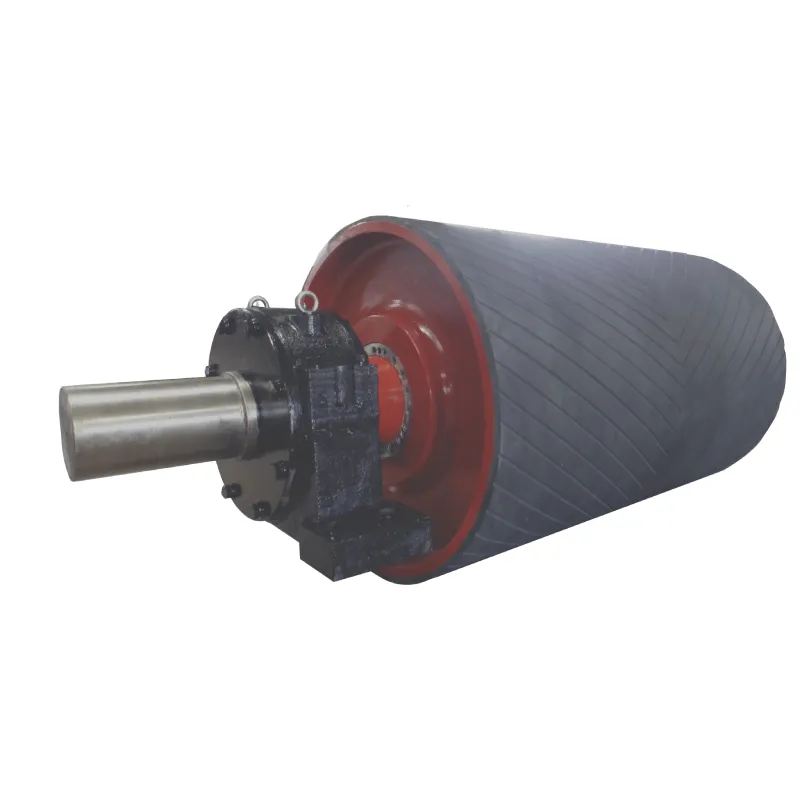
Put simply: an idler bearing housing is the sturdy casing that holds the roller bearings in idler rollers, which are part of conveyor systems. Its role is twofold — to support the bearings mechanically and to shield them from dust, moisture, and other contaminants. This small but mighty device ensures that conveyor rollers spin freely and reliably, minimizing friction and wear.
Think of it as the protective shell cradling the delicate parts that keep factories humming. As industries shift towards automation and more rapid production cycles, bearing housings become key players in ensuring uninterrupted workflow, whether that’s in a car assembly line in Germany or grain processing in the American Midwest.
Key Features That Define Quality Idler Bearing Housings
1. Durability
Many engineers swear by high-grade cast iron or steel alloys for the housing because they can withstand vibrations, physical impacts, and extreme temperatures over long service lives.
2. Precision Engineering
Good housing must fit bearings snugly to prevent unwanted movement and to maintain alignment — even after thousands of operating hours. Precision affects noise, energy efficiency, and downtime.
3. Corrosion Resistance
Since many conveyor systems run outdoors or in humid environments, housings often have special coatings or are made from stainless steel to avoid rust and degradation.
4. Ease of Maintenance
Designs increasingly include quick-access seals and lubrication points so that field technicians can service bearings on site without lengthy disassembly.
5. Cost Efficiency
While premium materials cost more upfront, they tend to reduce replacement rates and unplanned maintenance — critical for industries where downtime means lost revenue.
Mini Takeaway:
Idler bearing housings are much more than metal shells — their design and materials crucially impact long-term machine reliability. Quality means fewer surprises and more sustained productivity.
Idler Bearing Housing in Action: Real-World Applications
- Mining: In rugged terrain mining sites, robust bearing housings keep conveyor belts moving heavy ore without failure, essential for meeting global commodity demands.
- Logistics and Warehousing: Automated sorting facilities rely on precise bearing housings to handle high throughput, often in temperature-controlled warehouses.
- Disaster Relief and Humanitarian Aid: Deployable conveyor units with durable bearing housings speed up unloading and distribution of critical supplies in remote disaster zones.
- Agriculture: Grain elevators and processing plants depend on corrosion-resistant housings due to exposure to moisture and dust.
Interestingly, some NGOs have partnered with manufacturers to innovate housing designs that can be quickly assembled in the field — cutting down setup times considerably. This kind of collaboration hints at the broader social impact beyond pure industrial use.
Why Investing in Quality Idler Bearing Housing Pays Off
On the surface, you might think of housings as a modest line item in the budget. But in the real-world, they save costs by:
- Reducing maintenance intervals
- Minimizing unscheduled breakdowns
- Improving worker safety—fewer failures mean less risk of accidents
- Enhancing energy efficiency—less friction means less power consumed
- Supporting sustainability by lasting longer and reducing waste
On a human level, this translates to trust in equipment, which leads to confidence among operators and managers. When your machinery runs reliably, the whole team feels it — almost like a shared peace of mind.
What Does the Future Hold for Idler Bearing Housing?
With the pressure to go green, manufacturers are experimenting with new bio-based polymers and lightweight alloys to reduce environmental impacts. Digitally, embedded sensors inside housings can monitor temperature, vibration, and lubrication levels in real time, enabling predictive maintenance far beyond traditional schedules.
Automation initiatives also push for standardized, modular housing designs that can be swapped quickly, minimizing downtime. And policies from organizations like the ISO increasingly demand traceability of materials, pushing supply chains toward smarter sourcing.
Challenges in Idler Bearing Housing and How to Address Them
Of course, no component is perfect. Issues like premature seal failure, contamination ingress, and material fatigue remain common headaches. The good news? Experts recommend comprehensive testing protocols using vibration analysis and X-ray fluorescence to catch faults early. Also, collaborative development between equipment makers and bearing manufacturers is reducing these failures with more integrated designs.
In regions with extreme climates, customized housings with special coatings tailored for specific environments — Arctic cold or desert sandstorms — show promising results. It's a bit like choosing the right boots for the terrain; one size rarely fits all.
Idler Bearing Housings: Common Questions Answered
- Q: What’s the difference between standard and heavy-duty idler bearing housings?
- A: Heavy-duty versions generally use stronger materials and have reinforced structures designed to withstand higher loads and harsher environments, extending service life where conditions are demanding.
- Q: How often should idler bearing housings be serviced or inspected?
- A: This varies, but manufacturers usually recommend routine checks every 3 to 6 months, focusing on seal integrity and bearing lubrication, to avoid unexpected failures.
- Q: Does investing in corrosion-resistant housing make a big difference?
- A: Yes, especially in humid or chemically harsh environments. Corrosion resistance can double or triple service life, saving replacement and maintenance costs over time.
- Q: Are there eco-friendly idler bearing housing options?
- A: Emerging markets are seeing housings made from recyclable materials and bio-composites, aligning with sustainability goals without sacrificing strength or durability.
Product Specification at a Glance
| Specification | Typical Range / Value |
|---|---|
| Material | Cast Iron, Stainless Steel, Polymer Composite |
| Temperature Range | -40°C to +120°C |
| Bearing Size Compatibility | 25 mm to 75 mm shaft diameter |
| Seal Type | Nitrile Rubber, Viton, Labyrinth Seals |
| Typical Weight | 1.2 - 3.5 kg per unit |
| Recommended Lubrication Interval | Every 3-6 months |
Vendor Comparison for Idler Bearing Housing Providers
| Supplier | Material Quality | Customization Options | Lead Time | Price Range |
|---|---|---|---|---|
| Alpha Bearings Inc. | High-grade steel, ISO certified | Full custom machining | 2-3 weeks | $$$ |
| Beta Conveyor Solutions | Polymer composites, corrosion resistant | Standard sizes with limited customization | 1-2 weeks | $$ |
| Gamma Industrial Parts | Cast iron, heavy duty | Custom sizes on request | 4-6 weeks | $ |
Practical experience shows that weighing material durability against lead time and budget is never quite straightforward. But having reliable vendor data helps make those decisions thoughtfully.
In Closing: Why Idler Bearing Housing Matters More Than You Think
Whether you’re running an industrial facility or supporting humanitarian logistics, the humble idler bearing housing quietly defines system resilience. Investing in quality, embracing innovation, and staying mindful of environmental contexts will keep your conveyors rolling — and your operations humming — for years to come.
For more detailed solutions and product lines, be sure to explore offerings at idler bearing housing experts with global reach and local expertise.
References & Further Reading
-
Maximize Conveyor Life with a High Performance impact bedNewsApr.16,2026
-
Maximize Conveyor Efficiency Using a v plow belt scraperNewsApr.09,2026
-
Comprehensive Guide to Understanding Different Types of Belt CleanersNewsApr.07,2026
-
Enhancing Conveyor Efficiency with an Effective Scraper Belt CleanerNewsApr.04,2026
-
Optimizing Conveyor Systems with Advanced Cleaning Equipment SolutionsNewsMar.31,2026
-
Effective Conveyor Belt Scraper Adjustment for Optimal System PerformanceNewsMar.28,2026