

Comprehensive Guide to Polyurethane Application Rollers: Features, Benefits & Global Impact
The Ins and Outs of Polyurethane Application Rollers: Why They Matter Globally
If you’ve ever marveled at the smooth finish on a painted wall or the flawless coating on industrial parts, chances are a polyurethane application roller played a quiet but essential role. These rollers might sound like fairly mundane tools at first glance, but their impact stretches across industries—from automotive painting lines in Europe to packaging manufacturers in Asia, even to humanitarian aid sectors that need reliable coating equipment under tight timelines.
Understanding this humble device isn’t just a niche interest. Globally, with more than 60 million tons of polyurethane products manufactured annually (source), application rollers ensure coatings and adhesives are applied consistently, reducing waste, improving product longevity, and enhancing operational efficiency. Simply put, knowing what makes these rollers tick can mean better quality, less downtime, and often, a greener footprint.
Takeaway: Polyurethane application rollers are the unsung heroes behind many finishing processes worldwide, linking material science with practical production needs.
Why Does the Polyurethane Application Roller Matter in Industry Today?
In an increasingly industrialized world, the precision of applying coatings isn’t a luxury—it’s a necessity. Look at paints, varnishes, adhesives: their performance depends heavily on even coverage and consistency. The global coatings market, valued north of $160 billion in 2023 (World Bank data), demands tools that can handle diversity in materials, environmental conditions, and application surfaces.
Enter the polyurethane application roller. It provides a combination of durability and chemical resistance that traditional rollers—think rubber or foam—sometimes can’t match. Without it, manufacturers face uneven coatings, increased maintenance, and sometimes an environmental headache due to wasted chemicals. Plus, the roller’s performance can dramatically influence product consistency in fast-moving assembly lines.
Oddly enough, despite its impact, many smaller manufacturers still debate whether upgrading roller tech is worth the investment. Yet, quality-conscious industries, like aerospace and medical device manufacturing, swear by these rollers to meet their strict standards.
Takeaway: More than just paint tools, polyurethane rollers address real problems in modern manufacturing—helping reduce waste and guarantee quality on a global scale.
What Exactly Is a Polyurethane Application Roller?
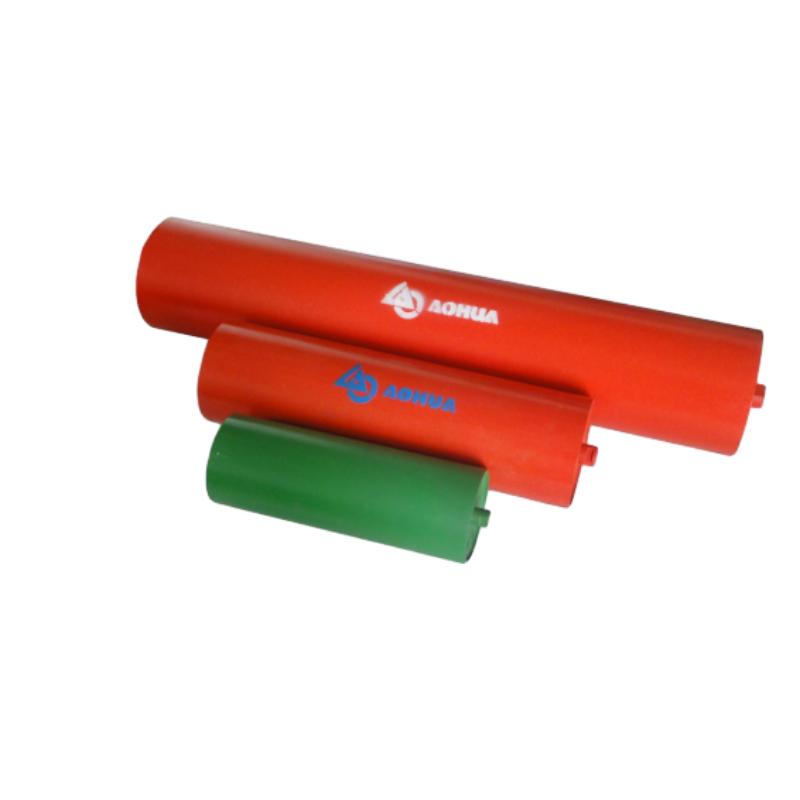
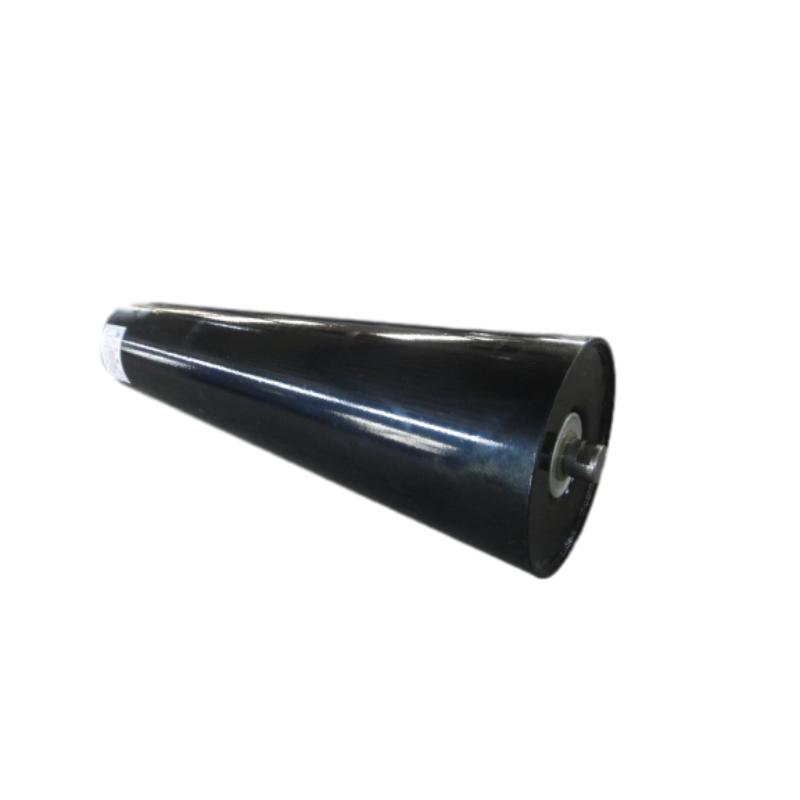
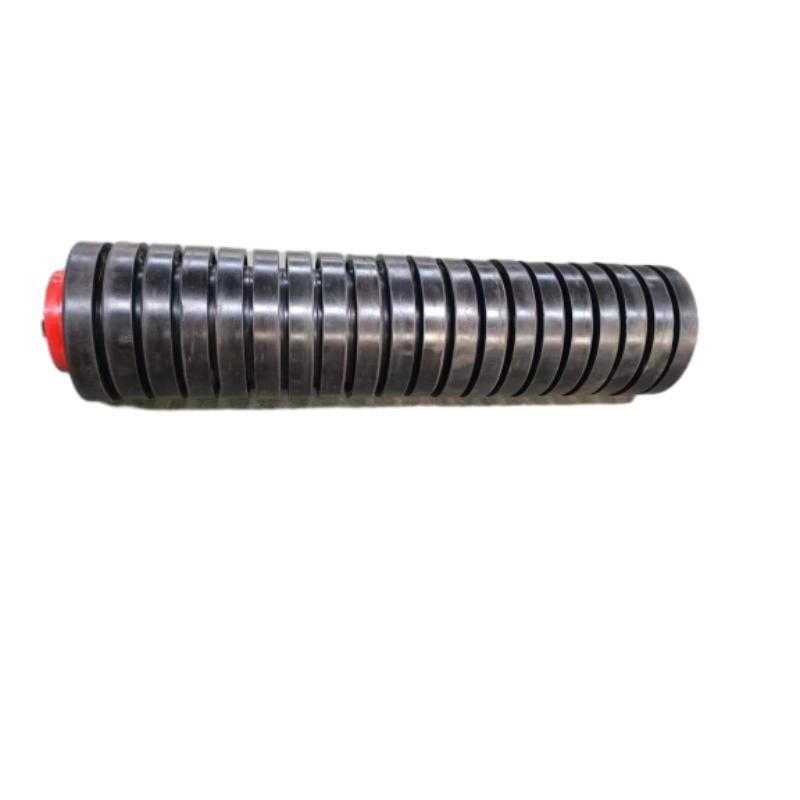
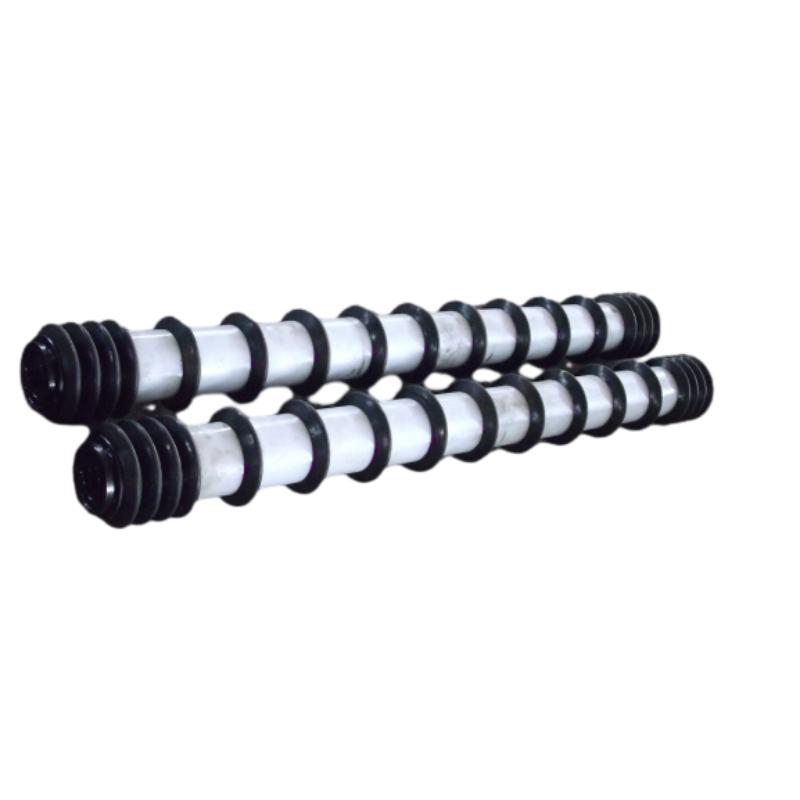
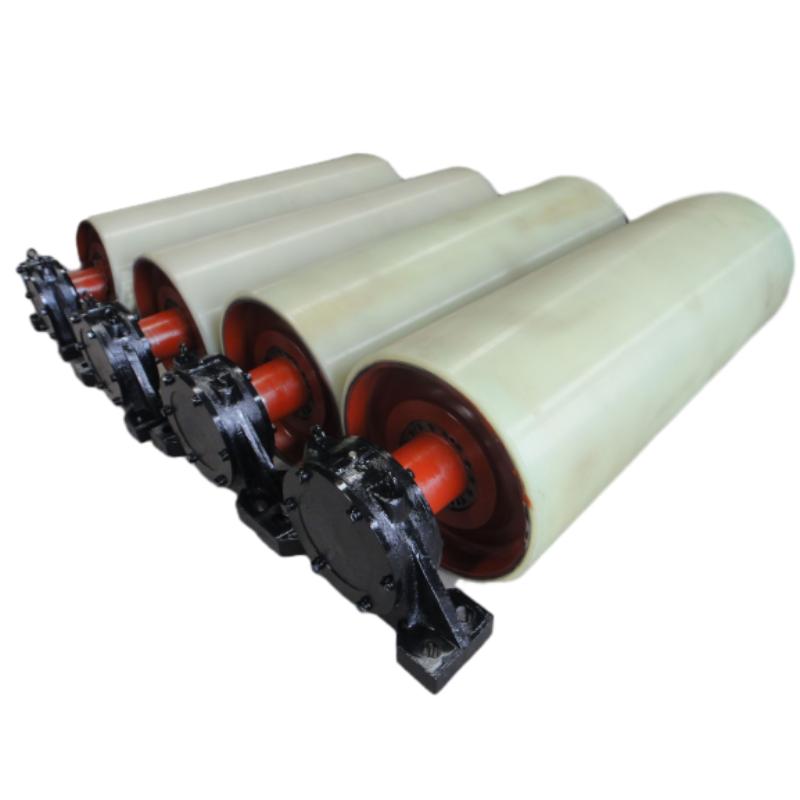
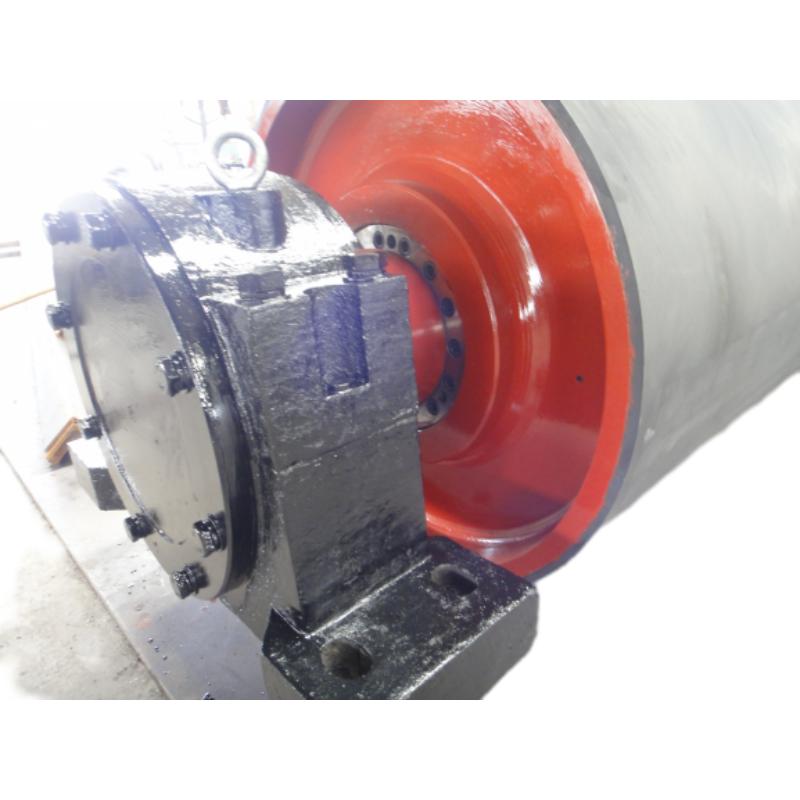
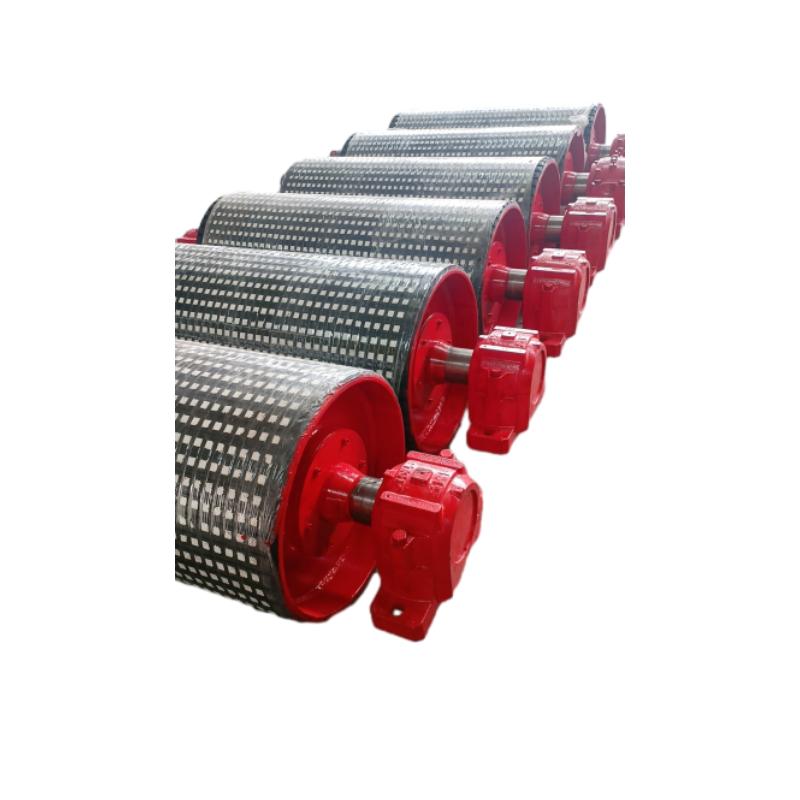
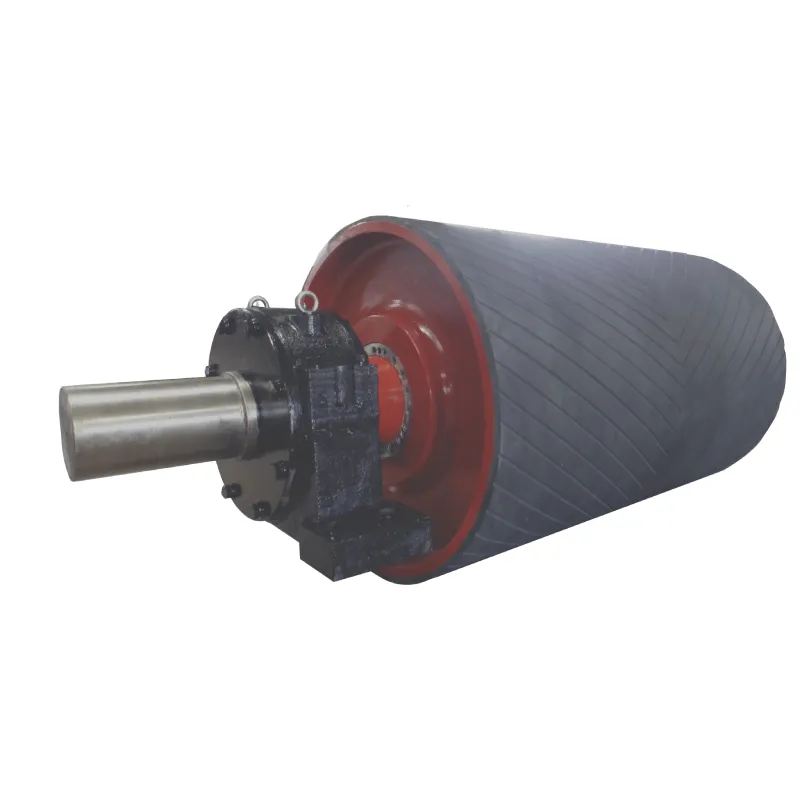
At its core, a polyurethane application roller is a cylindrical tool covered (partially or fully) with a polyurethane coating that’s engineered for durability, flexibility, and resistance to chemicals or abrasion. The roller applies coatings—whether paint, varnish, or adhesive—in a controlled, uniform layer.
Think of it as the conveyor belt’s partner in crime: it ensures the material flows evenly over surfaces, controlling thickness and finish quality. Polyurethane itself is a versatile polymer material made by reacting polyols and diisocyanates, boasting a unique balance between hardness and elasticity, plus chemical inertness. That means these rollers won’t degrade quickly, even if exposed to solvents or UV light.
In humanitarian or industrial contexts, they enable efficient finishing, critical for durable goods or temporary infrastructure exposed to harsh elements. So, whether your production line is in bustling Shanghai or a remote relief camp, these rollers help keep finishing processes smooth.
Takeaway: Simply put, a polyurethane application roller marries material science with precision engineering to provide consistent application of coatings in diverse environments.
Core Components and Features of Polyurethane Application Rollers
Durability
Polyurethane coatings on rollers are renowned for their resistance to abrasion and chemicals, translating to longer service life. Many engineers note that these rollers outperform traditional rubber rollers by lasting up to two to three times longer in harsh industrial settings.
Chemical Resistance
In sectors dealing with volatile solvents or aggressive coatings, resistance is non-negotiable. Polyurethane prevents the roller from swelling, cracking, or deforming under chemical attack, maintaining application quality.
Surface Finish Quality
The elasticity and smoothness of polyurethane enable excellent control over coating thickness, resulting in consistent finishes without streaks or bubbles.
Ease of Maintenance
Polyurethane rollers often require less frequent cleaning and are easier to maintain, cutting downtime on production lines.
Customization & Scalability
According to industry insiders, polyurethane rollers can be precisely engineered for various hardness levels and textures, adapting to specific coating types and volumes, from small batch artisanal production to mass manufacturing.
| Specification | Typical Value/Range | Notes |
|---|---|---|
| Material Hardness (Shore A) | 50–90 | Adjustable per coating |
| Diameter | 50–200 mm | Depends on application |
| Chemical Resistance | High (Solvents, Acids) | Measured by ISO 2812-4 |
| Surface Finish | Smooth, Matte or Glossy | Custom textures available |
| Service Life | 3,000–10,000 cycles | Varies by use-case |
How Polyurethane Application Rollers Fit into Global Industries
From Southeast Asia’s booming electronics sector, where circuit boards require ultra-thin adhesive coatings, to Europe’s automotive painting lines demanding flawless lacquers, polyurethane application rollers have found homes everywhere. Even in Africa, where infrastructure projects often depend on durable coatings for water tanks and machinery, these rollers help maintain standards at scale.
Humanitarian responses have started to lean on such technology too. For example, in post-disaster housing projects, coatings applied with these rollers provide protective layers that resist weathering and microbial growth. It’s interesting how a tech component designed initially for industrial use trickles down to help communities rebuild with dignity.
Across all these regions, the common factor is the roller’s reliability and adaptability. I would say the roller’s ability to withstand varied climates—from humid tropics to arid desert conditions—makes it a real workhorse.
Takeaway: Polyurethane application rollers power precision coating needs from commercial manufacturing hubs to humanitarian efforts in diverse climates.
Advantages of Using Polyurethane Application Rollers
- Cost Efficiency: Longer lifespan means fewer replacements and less downtime.
- Sustainability: Less material waste due to precise application reduces environmental impacts.
- Reliability: Consistent coating thickness improves product quality and reduces defects.
- Safety: Chemical resistance protects operators from harmful exposures.
- Innovation Friendly: Customizable properties support new coating formulations.
On the emotional side, many operators mention a kind of peace of mind using these rollers, knowing their finish jobs will hold up over time and not leave them scrambling for emergency fixes. And in industries where trust and regular clients define success, that reliability can translate directly to brand loyalty.
Current Trends & What’s Next for Polyurethane Application Rollers?
Green manufacturing is reshaping material science. Manufacturers are moving toward bio-based polyurethanes, cutting down on fossil fuels. Digitally controlled roller systems are emerging, where sensors adjust pressure and roll speed in real time for maximum efficiency.
Automation is also making waves. Robots equipped with polyurethane application roller modules bring repeatability and precision, especially in automotive and aerospace coatings. Oddly enough, the roller tech hasn’t changed drastically in decades, but integration with smart tech feels like the real revolution.
Challenges and How They’re Being Overcome
The main limitation is still wear and environmental degradation after very heavy use, especially with exotic coatings. However, advances in polyurethane blends and reinforcement fibers are expanding roller lifespans.
Another challenge is cost—high-quality rolls can be pricey initially. Yet, many companies offset this by calculating total life-cycle cost. Maintenance strategies like on-site roller refurbishing programs are gaining traction.
Polyurethane Application Roller Vendor Comparison
| Vendor | Material Options | Customization | Typical Lead Time | Price Range |
|---|---|---|---|---|
| AdRoll Solutions | Standard & bio-polyurethane | High (custom textures) | 3–4 weeks | $$$ |
| CoatMaster Inc. | Conventional polyurethane | Medium (size only) | 2 weeks | $$ |
| EcoRoll Tech | Bio-based & recycled polyurethanes | High (sustainability focused) | 4–5 weeks | $$$$ |
FAQs About Polyurethane Application Rollers
Q1: How do I choose the right hardness for my polyurethane application roller?
Hardness depends largely on the coating type and substrate. Softer rollers (around Shore A 50) better conform to uneven surfaces for adhesives, while harder rollers (up to Shore A 90) are preferred for smooth, thin paints. Consulting suppliers or testing small batches can help find the perfect match.
Q2: Can polyurethane rollers be used with solvent-based coatings?
Yes, polyurethane rollers are chemically resistant and suitable for many solvent-based coatings. However, prolonged exposure may require specially formulated rollers or surface treatments to extend roller life.
Q3: Are these rollers easy to clean?
Generally yes. Polyurethane resists most common solvents used in cleaning coatings. Quick cleaning between runs often preserves roller performance and longevity.
Q4: What industries benefit most from polyurethane application rollers?
Automotive, electronics, packaging, aerospace, and even humanitarian manufacturing sectors favor these rollers for consistent, high-quality coating applications.
Q5: How customizable are polyurethane application rollers?
Very customizable. Manufacturers can tailor diameter, hardness, surface texture, and chemical resistance to the client’s specific needs, supporting a wide range of industrial requirements.
Wrapping Up: The Long-Term Value of Polyurethane Application Rollers
In a nutshell, these rollers quietly solve some of the toughest challenges in coating application globally. Durability, precision, and adaptability make them invaluable in manufacturing as well as humanitarian efforts aimed at quick and sustainable rebuilding. If you’re curious or ready to elevate your finishing quality, it’s worth exploring the options at polyurethane application roller vendors today.
Investing in the right roller isn’t just a cost—it’s a step towards efficiency, sustainability, and trust in production that, frankly, pays off in spades.
References:
-
Maximize Conveyor Life with a High Performance impact bedNewsApr.16,2026
-
Maximize Conveyor Efficiency Using a v plow belt scraperNewsApr.09,2026
-
Comprehensive Guide to Understanding Different Types of Belt CleanersNewsApr.07,2026
-
Enhancing Conveyor Efficiency with an Effective Scraper Belt CleanerNewsApr.04,2026
-
Optimizing Conveyor Systems with Advanced Cleaning Equipment SolutionsNewsMar.31,2026
-
Effective Conveyor Belt Scraper Adjustment for Optimal System PerformanceNewsMar.28,2026