

Comprehensive Guide to Conveyor Guide Rollers – Durable, Efficient Solutions for Modern Industry
Understanding Conveyor Guide Rollers: The Unsung Heroes of Material Handling
You probably don’t think much about conveyor guide rollers unless you work directly with conveyor systems or logistics, but these small cylindrical components play a massive role in industries worldwide. From mining to manufacturing, to airports, conveyor guide rollers help keep bulk materials moving smoothly, efficiently, and safely—basically the arteries of industrial progress. When you pause to think about how crucial continuous, reliable transport is in a global economy, it suddenly feels like understanding these rollers is more important than you might expect at first glance.
Global Context: Just How Big Is the Conveyor Roller Market?
Globally, the conveyor roller market is expected to grow steadily, driven by increasing industrial automation and demand for efficient material handling, especially in Asia-Pacific and North America. According to ISO and the World Bank, logistics costs can consume up to 15% of GDP in developing regions, so optimizing these systems has massive economic ripple effects.1 The challenge? Industrial conveyors often run 24/7 under harsh conditions, and poorly maintained or inadequate guide rollers can disrupt entire supply chains, triggering downtime and safety hazards.
So, conveyor guide rollers aren’t just about movement—they’re about resilience, consistency, and safety in an increasingly connected industrial world.
What Exactly Are Conveyor Guide Rollers?
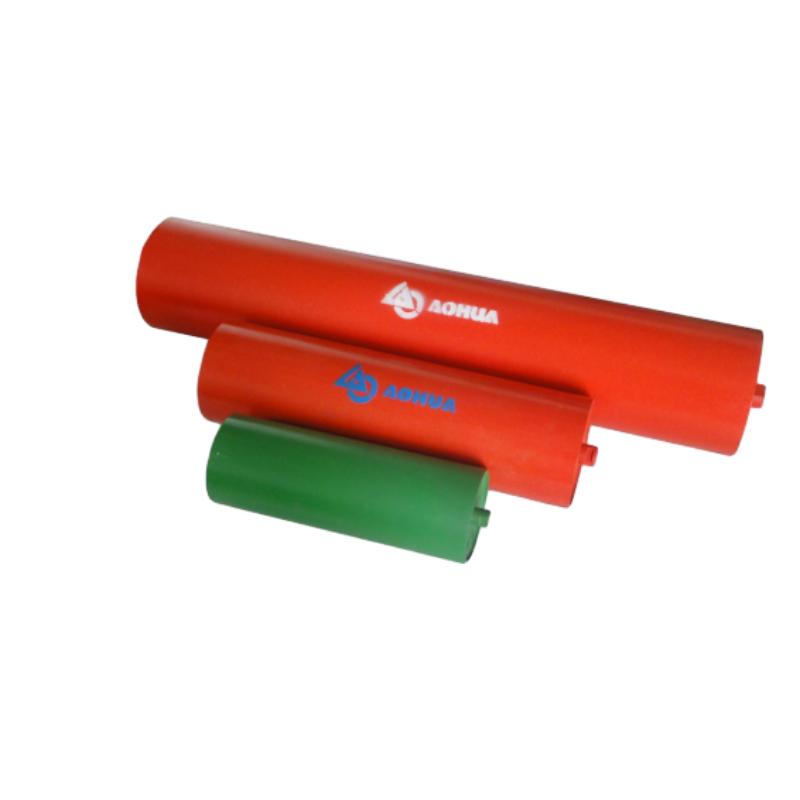
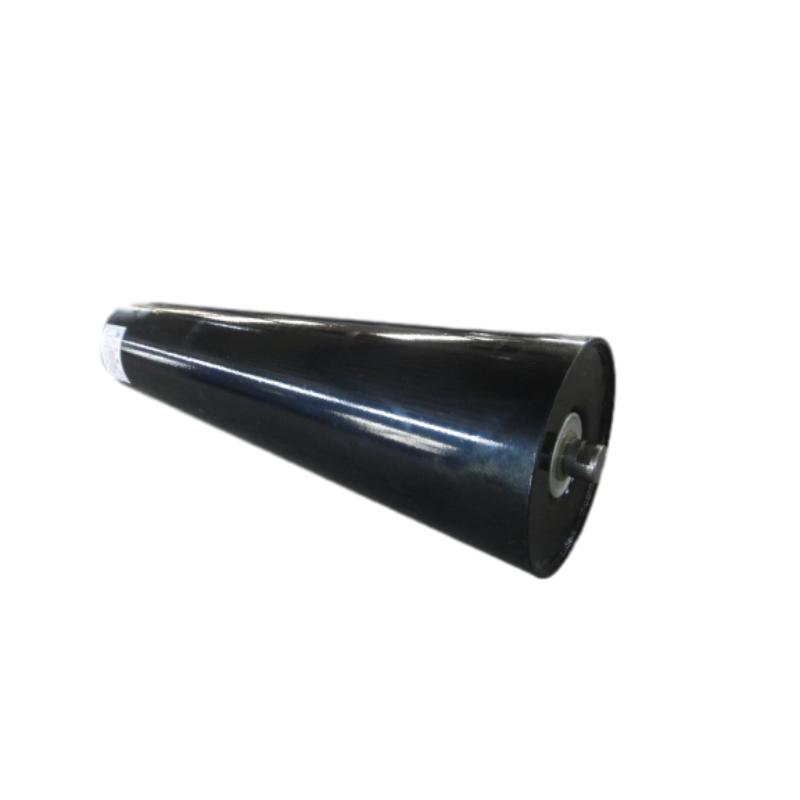
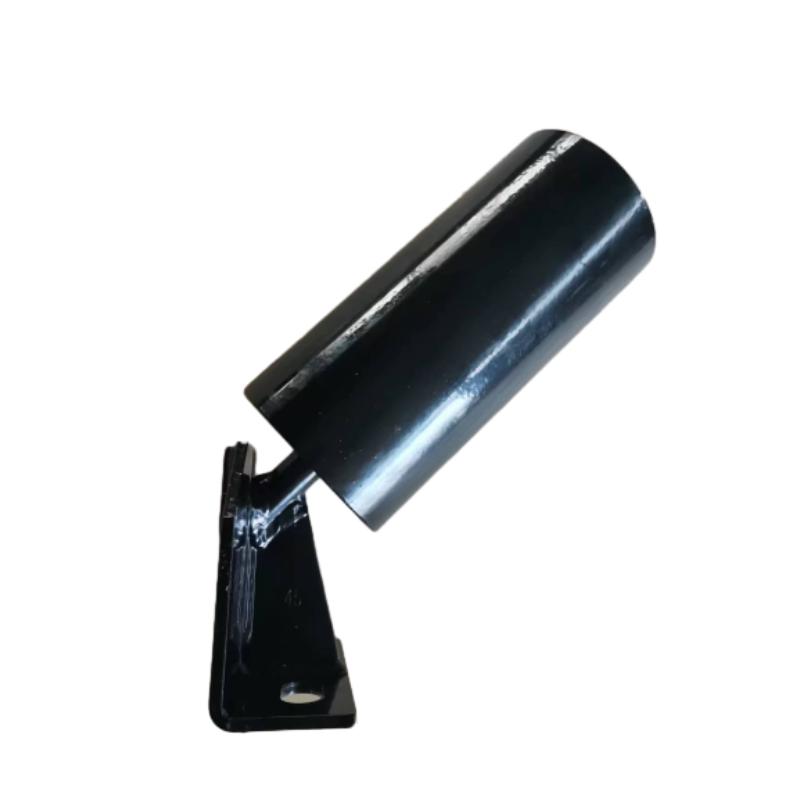
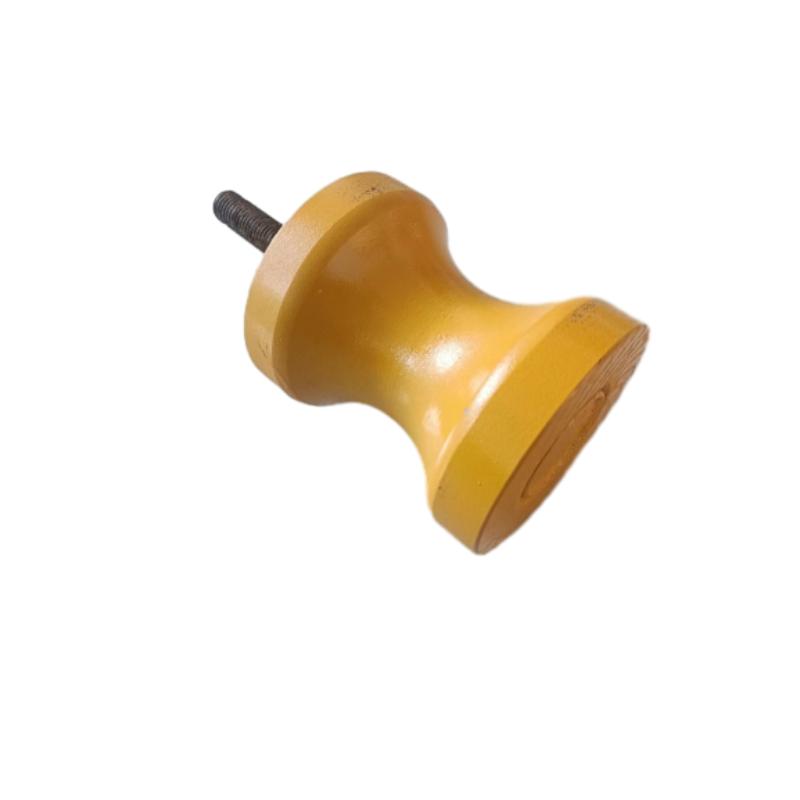
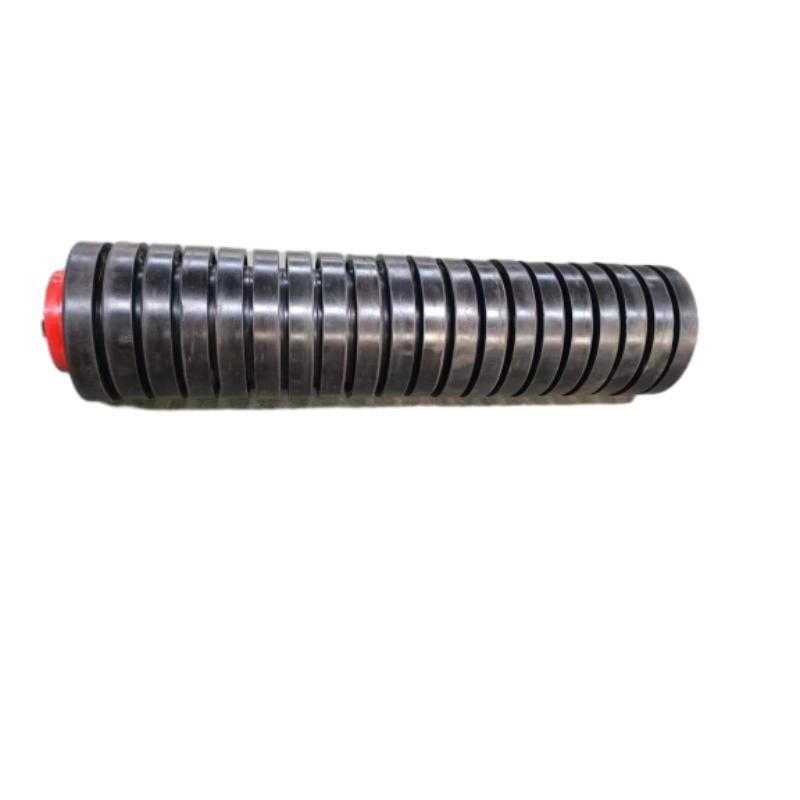
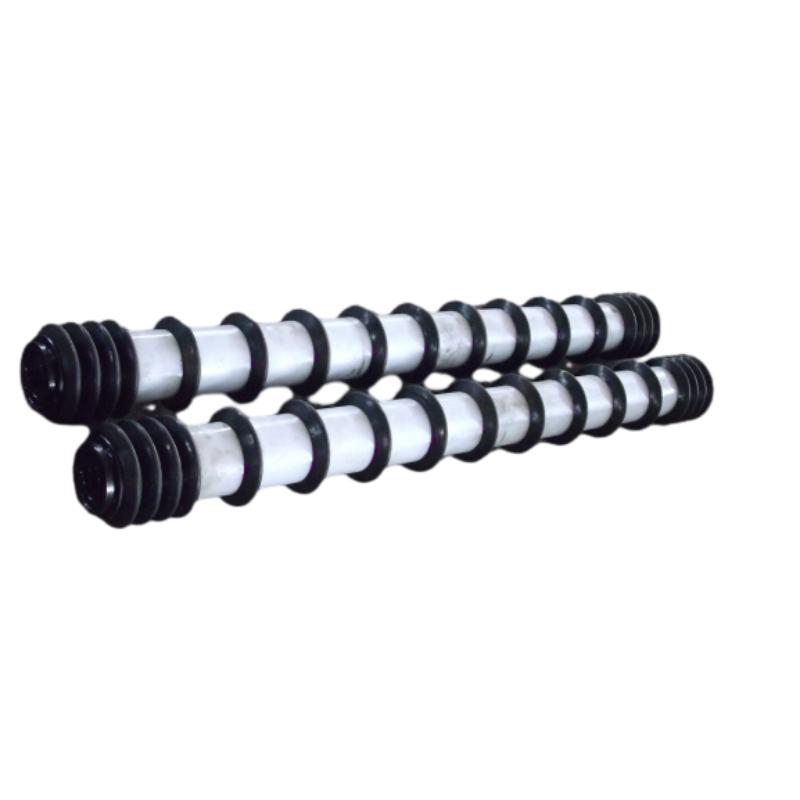
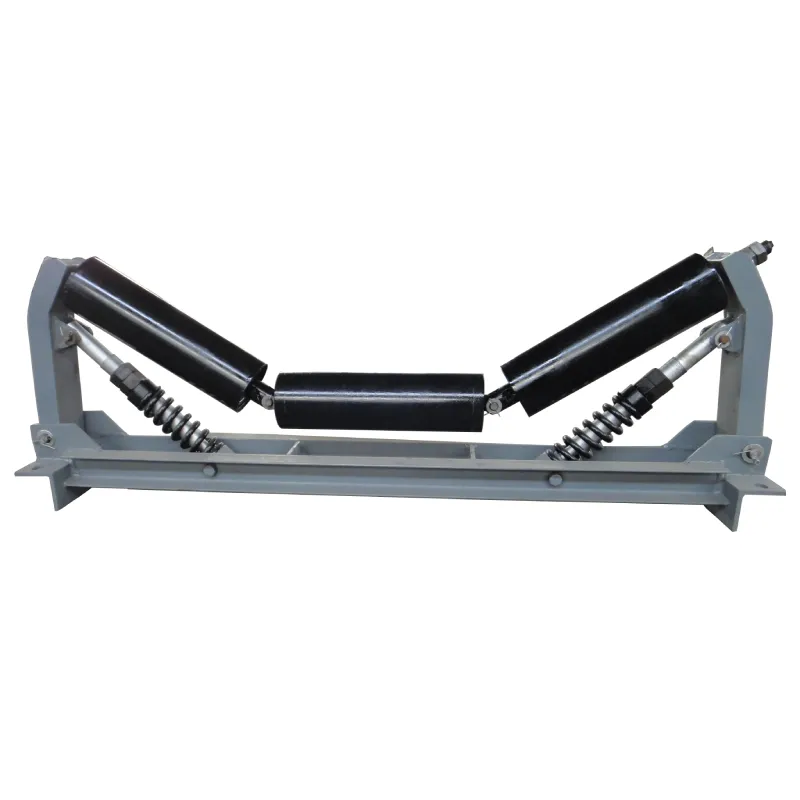
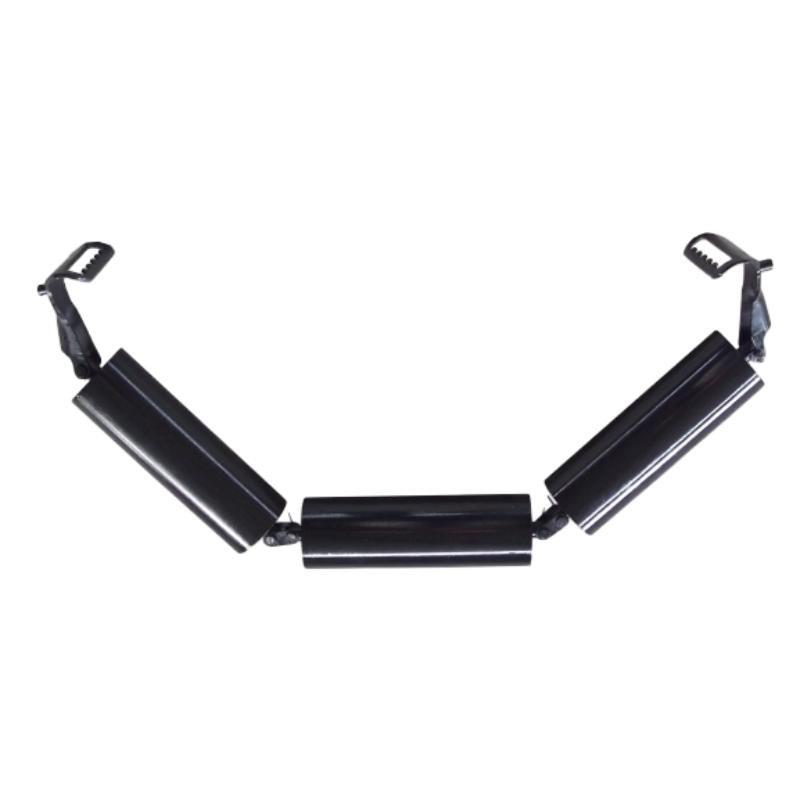
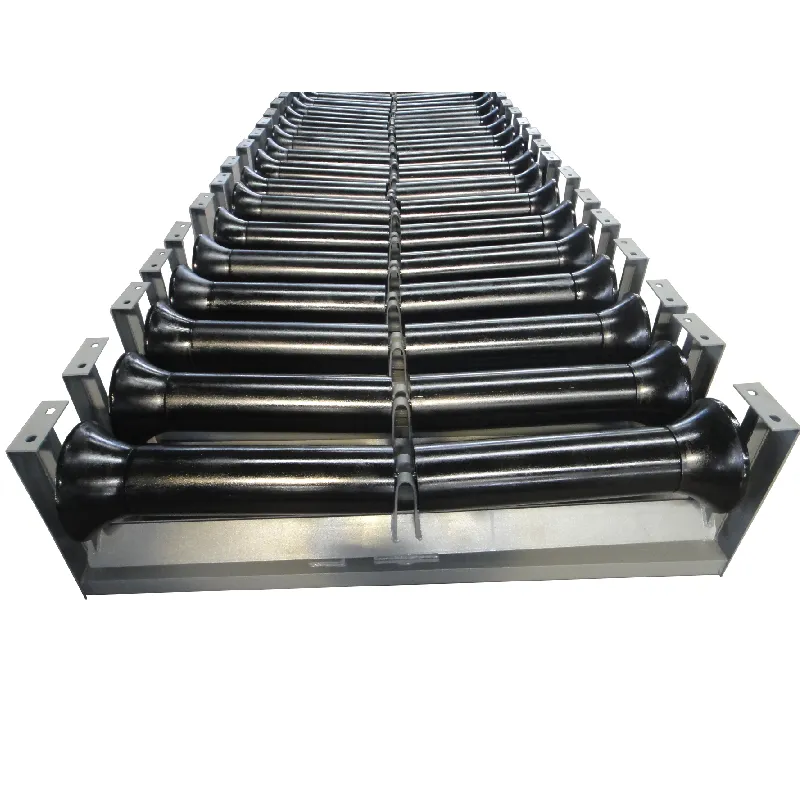
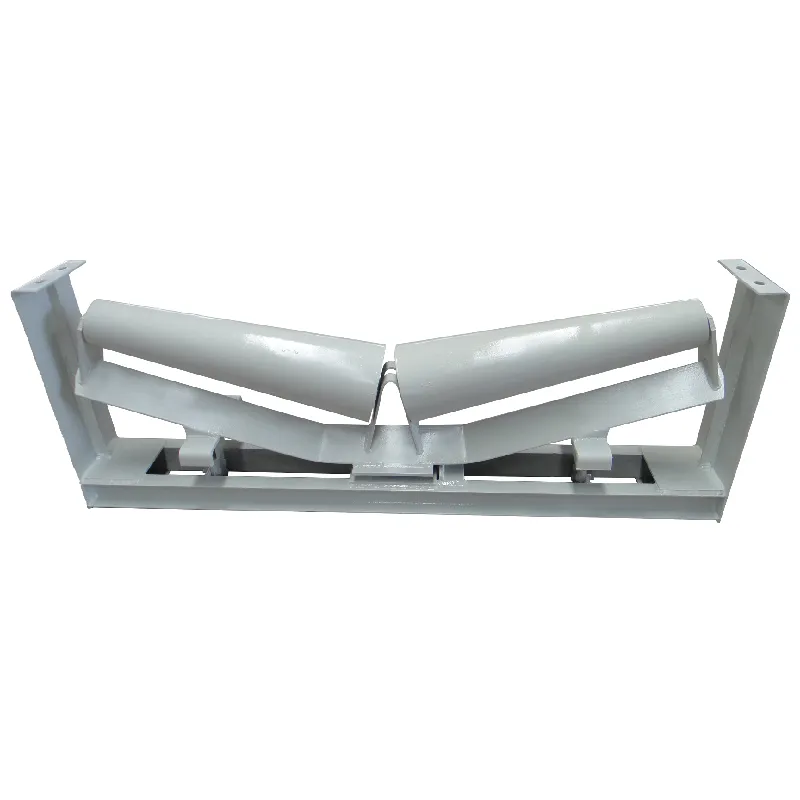
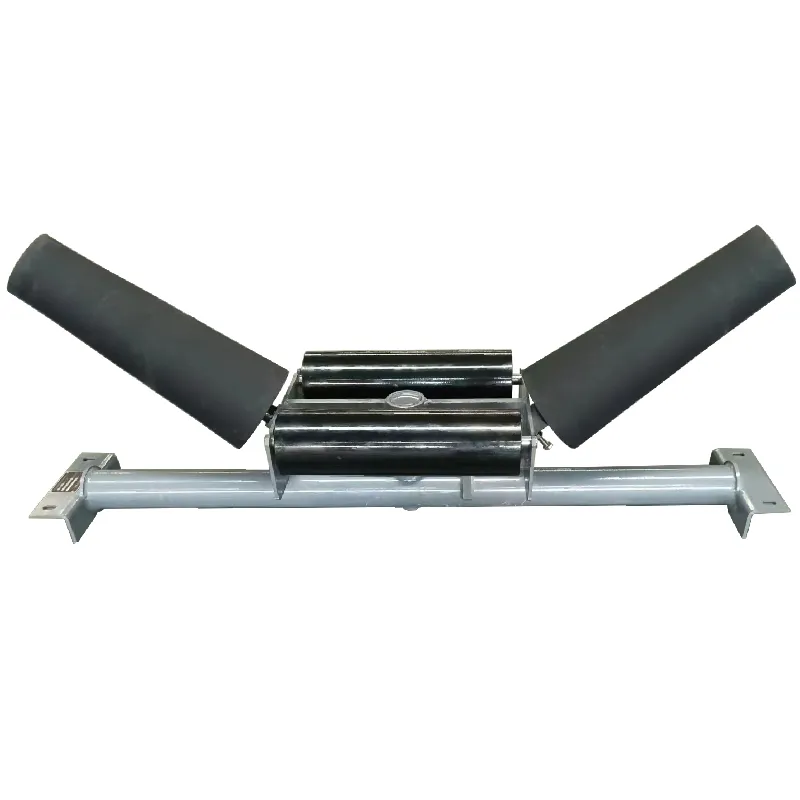
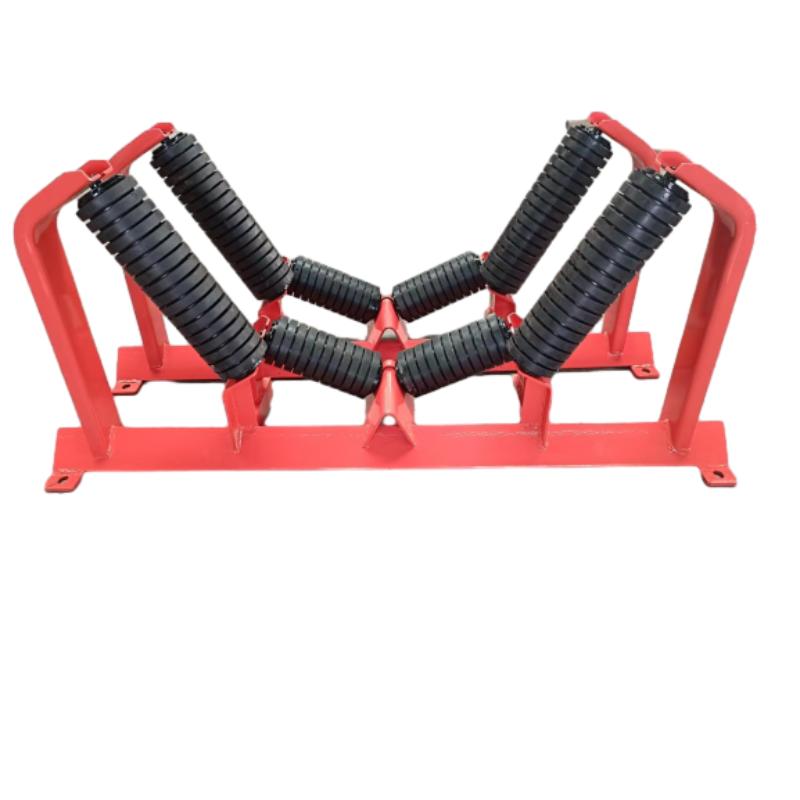
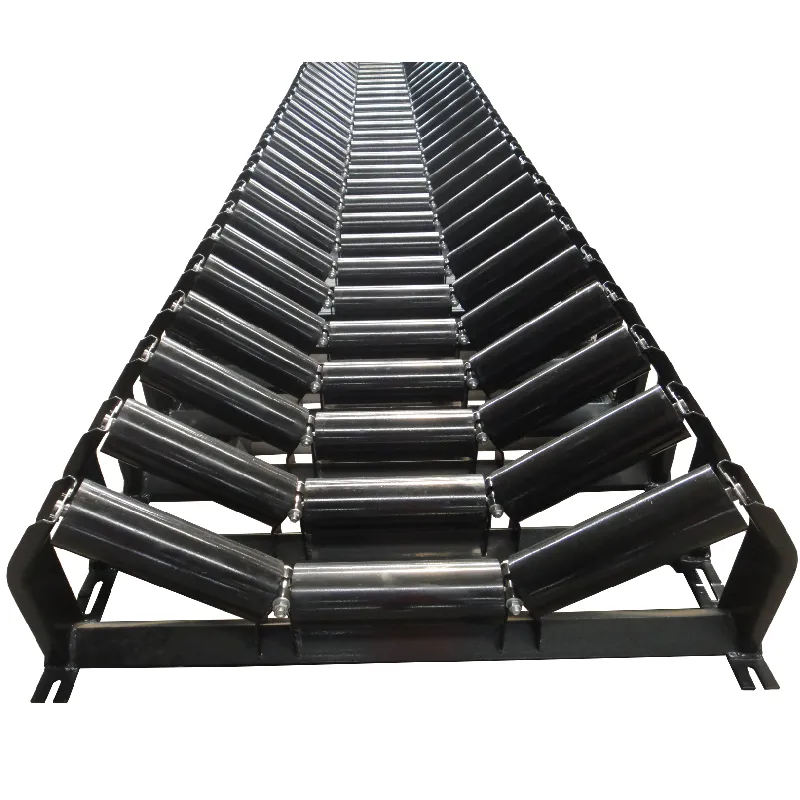
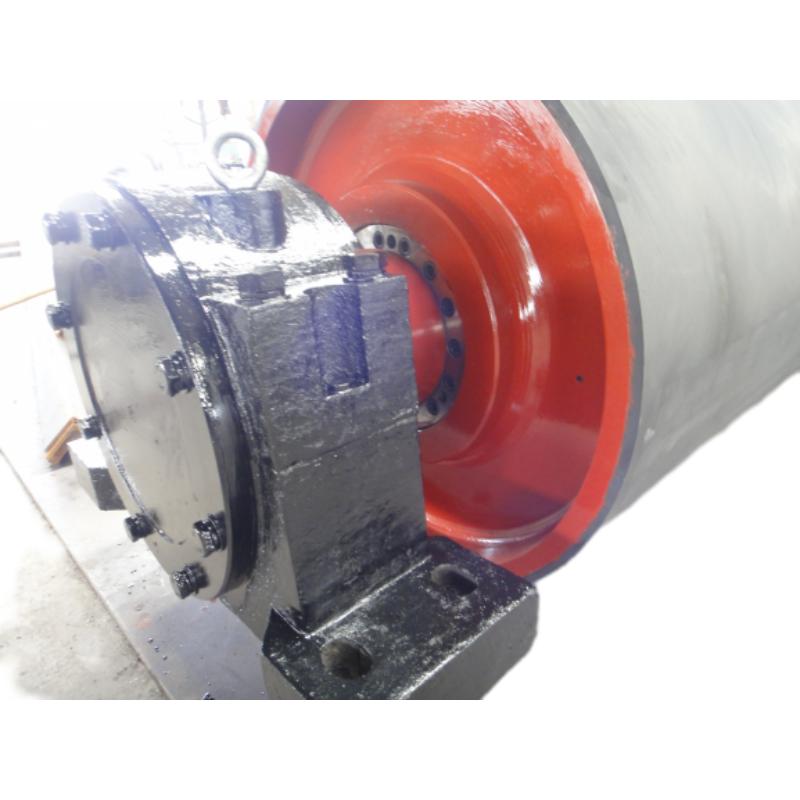
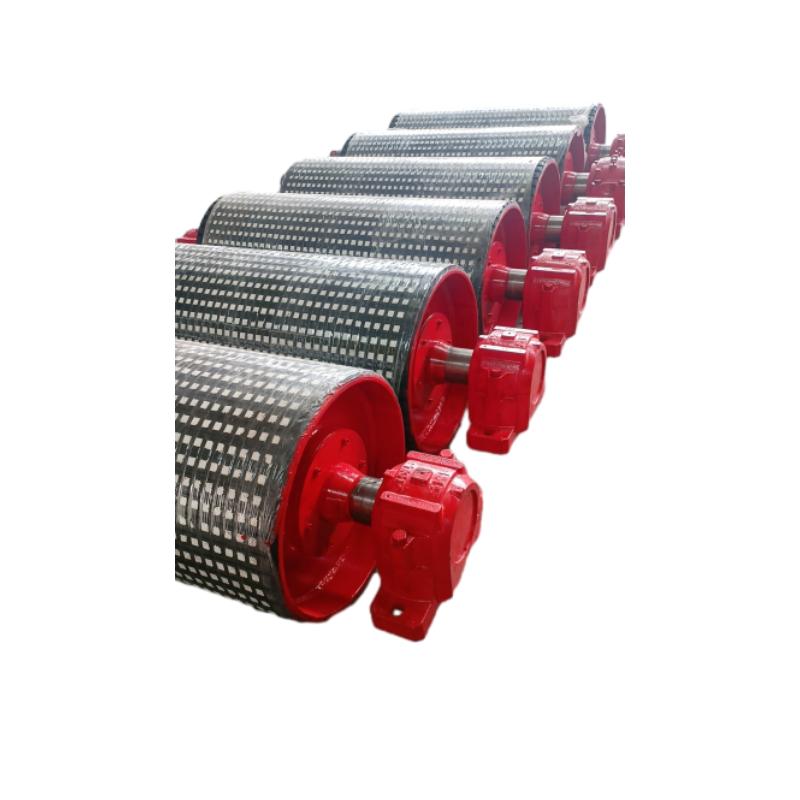
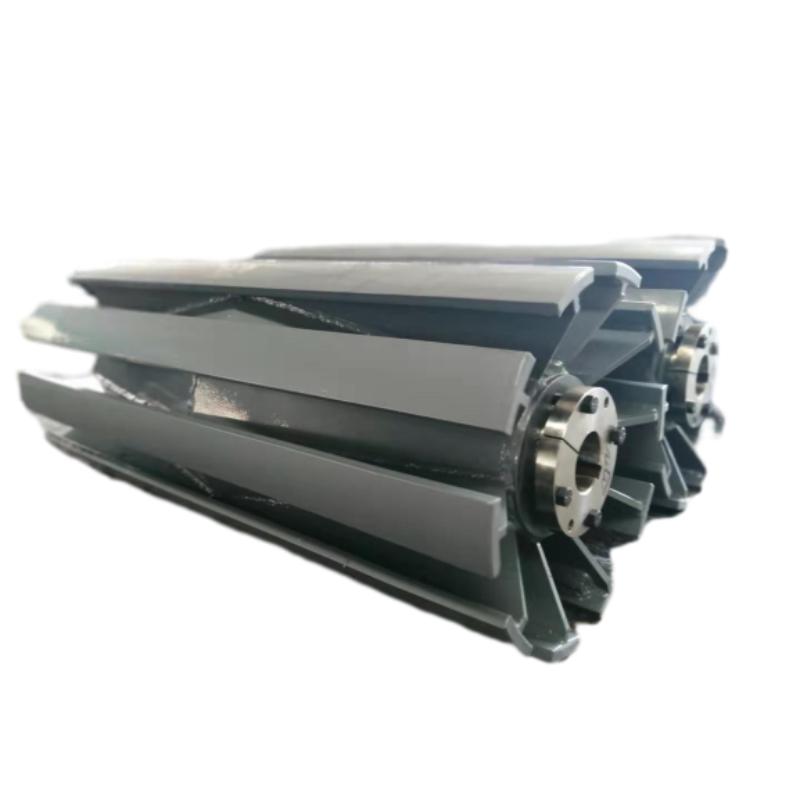
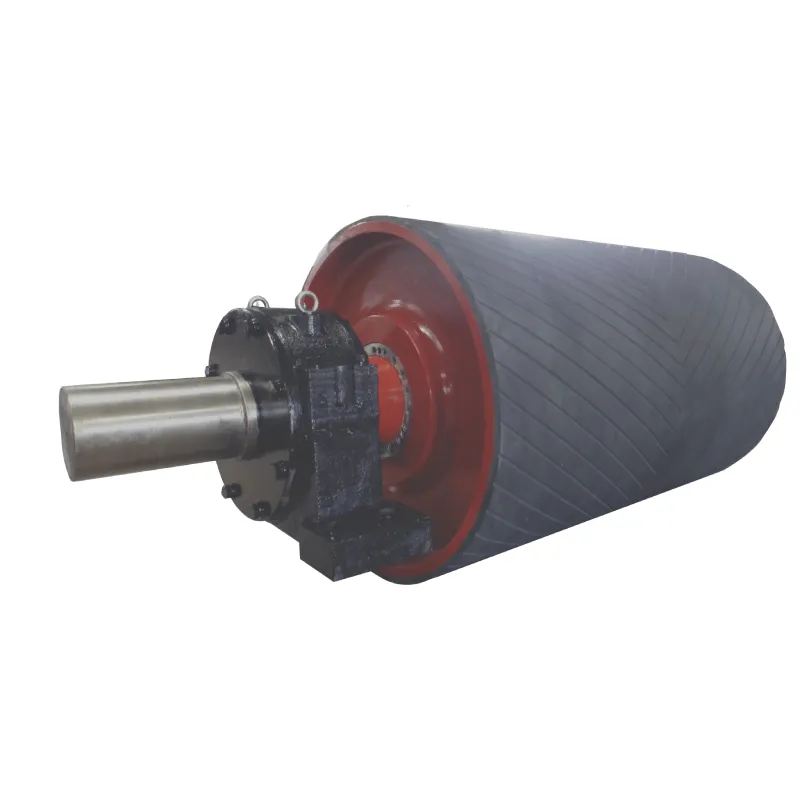
Simply put, conveyor guide rollers are cylindrical components designed to support and guide the conveyor belt along the route. They keep the belt properly aligned and reduce friction so materials can travel smoothly from point A to B. You might say they’re the “invisible helpers” ensuring that conveyor belts don’t veer off course or wear unevenly.
They connect directly to modern industry’s pulse—from humanitarian aid facilities moving relief supplies efficiently to massive manufacturing plants churning out products by the minute. Without these faithful rollers, you’d risk pile-ups, stoppage, or even accidents.
Core Components and Key Factors That Define Quality
Durability: Built to Last Under Pressure
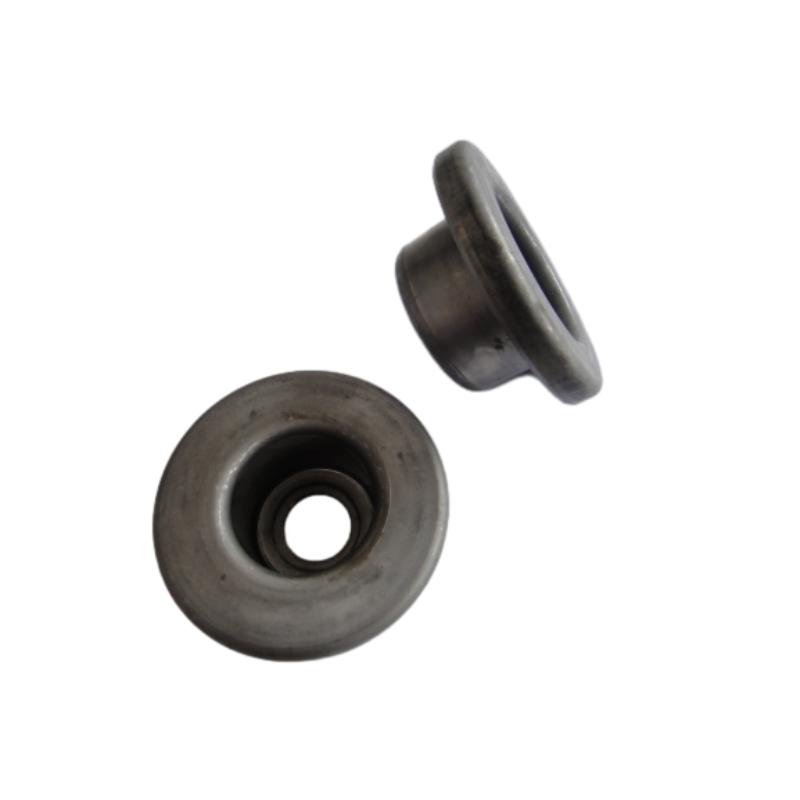
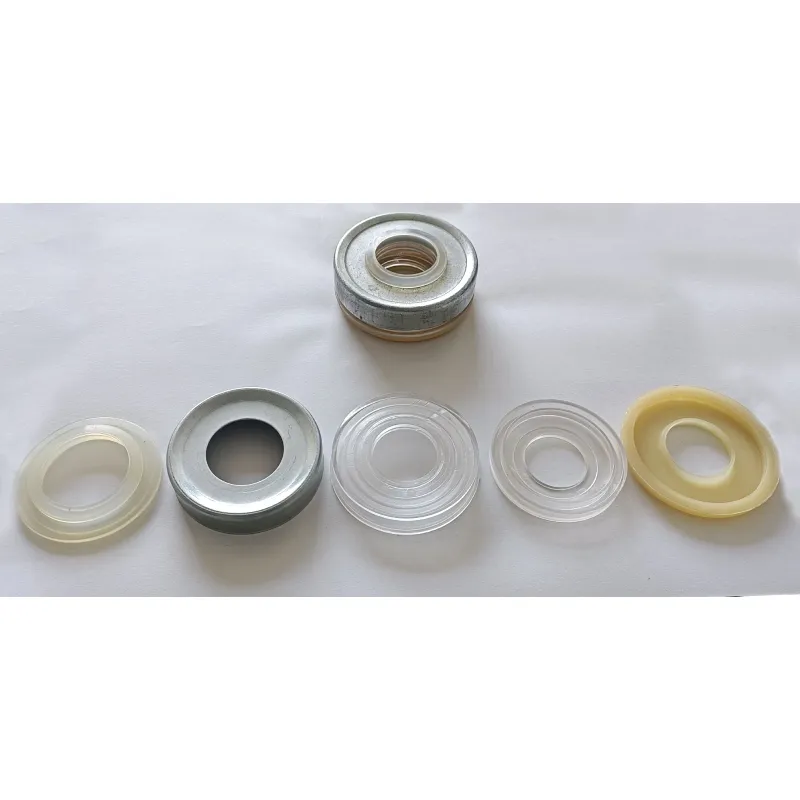
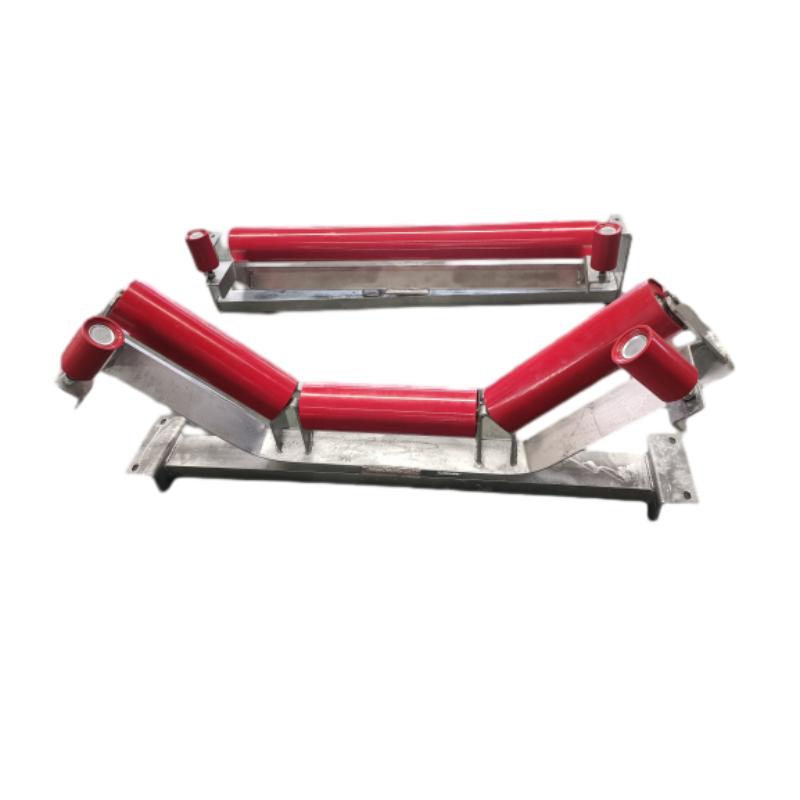
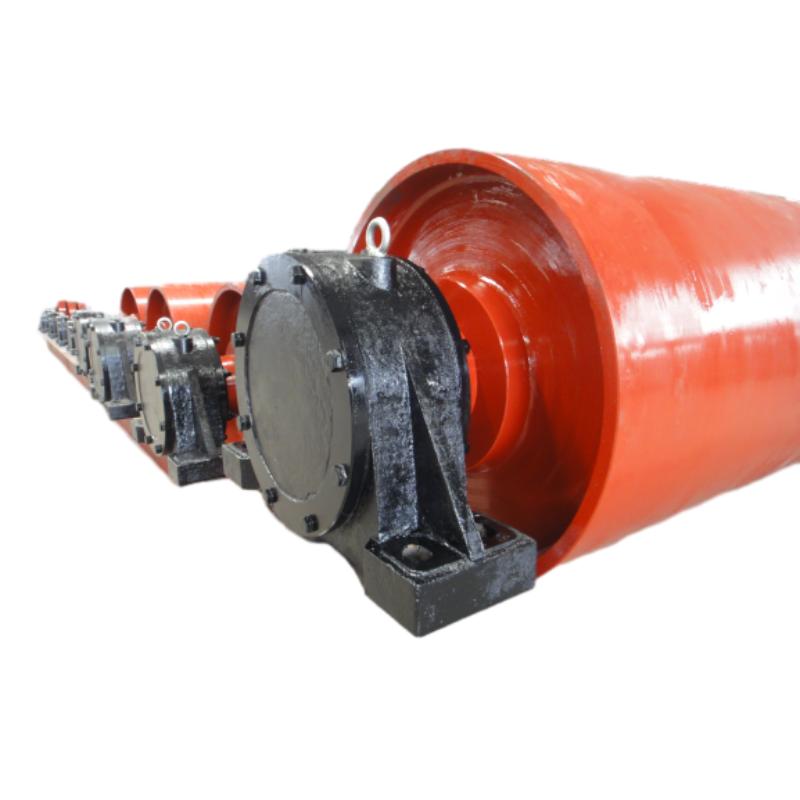
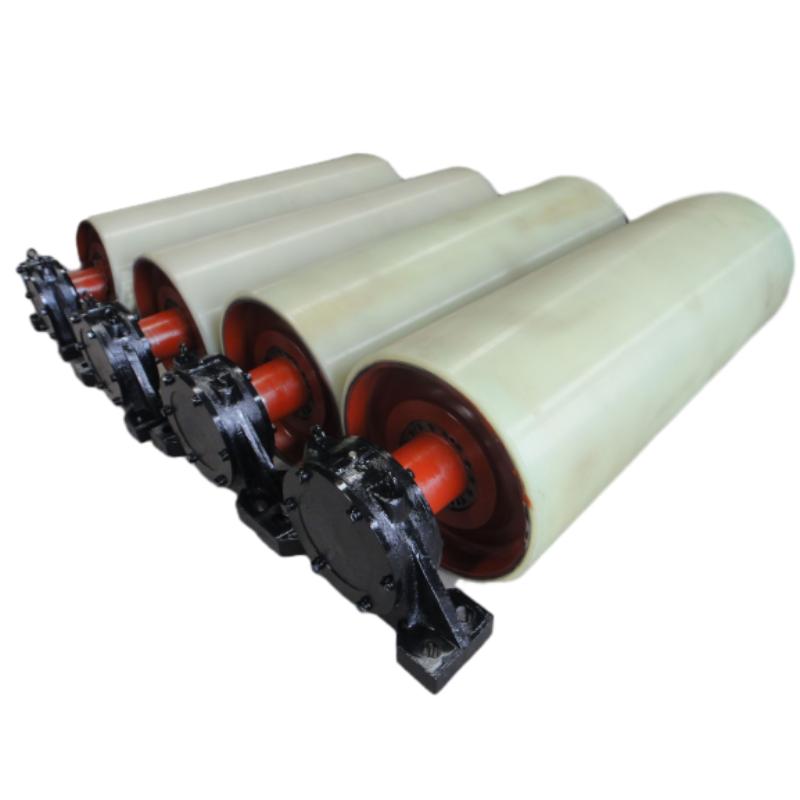
Every conveyor roller out there must withstand relentless stress, abrasion, and exposure to dust, water, even chemicals. Materials like galvanized steel or stainless steel, sometimes paired with rubber coatings, are typical choices. Many engineers emphasize bearing quality here—a tough, sealed bearing often makes all the difference in performance and longevity.
Precision Alignment and Scalability
A roller’s role is subtle yet precise: keep the belt tracking straight. Misalignment leads to premature wear and operational hiccups. That’s why manufacturers carefully calibrate roller diameter and rigidity to scale with belt widths and load weights.
Cost Efficiency: Balancing Price and Performance
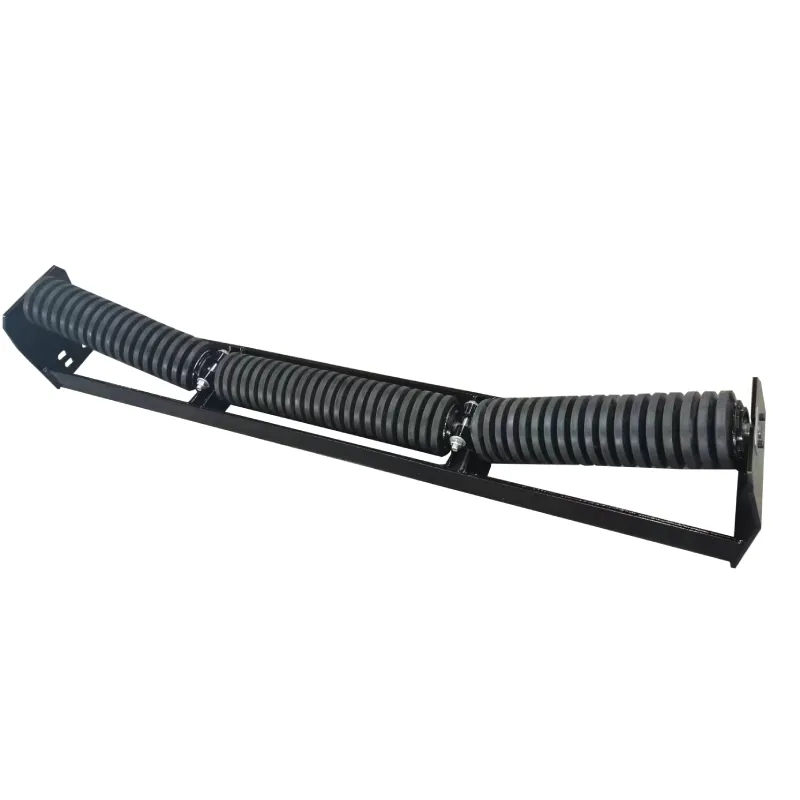
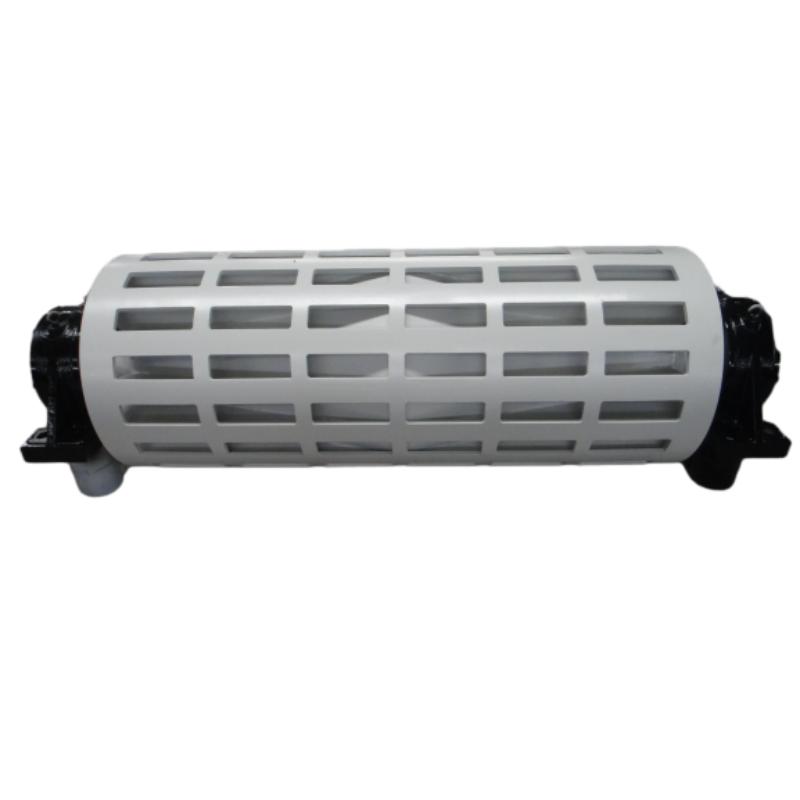
While cheaper rollers exist, skimping on quality usually backfires as frequent replacements and repairs pile up costs quickly. However, upgrades like self-cleaning or impact-absorbing rollers might cost more upfront but save time and money down the line by reducing downtime.
Ease of Maintenance and Replacement
Many operators now look for rollers designed for quick replacement or minimal lubrication needs. After all, every minute a conveyor is offline is lost revenue, so modular designs or maintenance-friendly features are a huge plus.
Customization: Meeting Unique Operational Needs
Conveyor environments vary wildly—mining vs. food processing, for example—so tailored rollers, whether anti-corrosive coatings or special diameters, are critical for optimal function.
Product Specification Snapshot
| Specification | Typical Range / Example | Notes |
|---|---|---|
| Roller Diameter | 50 - 150 mm | Varies by belt width and load |
| Material | Galvanized Steel / Stainless Steel / Rubberized | Depends on environment |
| Bearing Type | Sealed Ball Bearings (Zz or ZZ) | Seals reduce maintenance needs |
| Load Rating | 100-500 kg per roller | Handles bulk and packaged goods |
| Operating Temperature | -20°C to 80°C | Suitable for various climates |
Conveyor Guide Rollers in Action: A Global Perspective
You’ll find conveyor guide rollers quietly doing their job everywhere—whether transporting coal in Australia’s mining regions, sorting parcels at logistics hubs in Germany, or moving food products in Japan’s factories.
Oddly enough, during post-disaster relief, conveyor guide rollers come into play supporting rapid deployment of supply chains where traditional infrastructure may be damaged. NGOs rely on reliable conveyor components to swiftly move aid materials across temporary warehouses or makeshift ports.2 And even in remote industrial zones—say Canadian oilfields or Siberian timber operations—quality rollers cut down breakdowns and costly repairs.
Vendor Comparison: At a Glance
| Vendor | Material Options | Customization | Lead Time | Warranty |
|---|---|---|---|---|
| IdlerPro | Steel, Rubberized, Stainless | Full range, custom diameters | 2-4 weeks | 24 months |
| RollerMax | Galvanized Steel only | Limited sizes | 1-3 weeks | 12 months |
| GlobalRoll | Various alloys, rubber options | Custom OEM packages | 3-5 weeks | 18 months |
Why Conveyor Guide Rollers Still Matter: Benefits You Can’t Skip
- Cost Efficiency: Reduces downtime and maintenance, saving real money.
- Sustainability: Durable materials and designs lower waste and carbon footprint.
- Safety & Reliability: Proper alignment helps avoid accidents and product damage.
- Innovation & Trust: Reliable products build confidence with operators and end-clients alike.
The emotional aspect is subtle but real—knowing your system won’t grind to a halt means peace of mind, especially when delivering critical supplies or keeping massive factories humming.
Looking Ahead: Future Trends and Innovations
The conveyor industry is no stranger to innovation. Expect more rollers made from composite or recycled materials, cutting costs and environmental impact simultaneously. Digitally embedded sensors for real-time tracking of wear and tear are already gaining traction—ushering in predictive maintenance that can prevent costly failures before they happen.3 With automation booming, fully integrated roller systems signal a smarter, greener future.
Challenges and Smarter Solutions
No tech is perfect. Dealing with dirt, moisture, extreme temperature swings, or unexpected mechanical shocks are ongoing challenges for conveyor guide rollers. But hey, engineers are busy crafting better seals, self-cleaning surfaces, and wear-resistant coatings.
Quick maintenance modules and smarter materials are shifting the game too—like a well-oiled machine that sort of anticipates its own needs without you lifting a finger.
FAQs About Conveyor Guide Rollers
- Q: How do conveyor guide rollers improve belt life?
A: By maintaining proper alignment and reducing friction, guide rollers prevent uneven belt wear, extending conveyor belt lifespan considerably. - Q: Can conveyor rollers handle heavy loads like in mining?
A: Absolutely. Many rollers are rated for hundreds of kilograms per unit and built with rugged materials to endure harsh mining conditions. - Q: What maintenance do these rollers require?
A: Typically, sealed bearings minimize lubrication needs, but periodic inspections for wear, seal integrity, and alignment help avoid unexpected breakdowns. - Q: Are there eco-friendly conveyor guide rollers?
A: Yes—manufacturers are increasingly using recycled steel and composite materials, alongside coatings that reduce friction and energy consumption. - Q: How quickly can custom conveyor rollers be delivered?
A: Depending on the vendor, anywhere from 1-5 weeks, with faster options for standard sizes and longer for unique specifications.
Wrapping Up: Why Conveyor Guide Rollers Should Be On Your Radar
It’s easy to overlook conveyor guide rollers, but in real terms, they’re vital cogs in the machinery of global industry. Their durability, precision, and adaptability impact safety, efficiency, and sustainability. Whether you’re running a mining operation, a food factory, or logistics distribution center, quality guide rollers equal less downtime and more peace of mind.
Interested in upgrading your system or learning more? Visit our website: conveyor guide rollers for detailed product info, custom solutions, and expert consultation.
Mini Takeaway
Conveyor guide rollers might be small, but their role is enormous. Understanding their specs, applications, and innovations helps keep industries running smoothly and safely worldwide.
References
-
Maximize Conveyor Life with a High Performance impact bedNewsApr.16,2026
-
Maximize Conveyor Efficiency Using a v plow belt scraperNewsApr.09,2026
-
Comprehensive Guide to Understanding Different Types of Belt CleanersNewsApr.07,2026
-
Enhancing Conveyor Efficiency with an Effective Scraper Belt CleanerNewsApr.04,2026
-
Optimizing Conveyor Systems with Advanced Cleaning Equipment SolutionsNewsMar.31,2026
-
Effective Conveyor Belt Scraper Adjustment for Optimal System PerformanceNewsMar.28,2026