

Comprehensive Guide to Conveyor Belt Pulley: Industry Applications & Innovations
Understanding Conveyor Belt Pulley: The Heart of Material Handling
In the complex world of industries ranging from mining to manufacturing, the conveyor belt pulley plays a surprisingly pivotal role. You might’ve passed by one without a second thought, but these heavy-duty rotating components make global-scale material transport possible — reliably and efficiently. Frankly, the conveyor belt pulley is the unsung hero of modern logistics, moving billions of tons of materials every year with minimal fuss. Understanding its function and benefits isn’t just academic; it unlocks smarter choices in supply chain management, infrastructure planning, and even humanitarian logistics where timely delivery can mean the difference between life and death.
Global Context: Why Conveyor Belt Pulley Matters
Industries worldwide depend on conveyor systems — an estimated 60% of mining and quarry operations incorporate some form of belt conveyor technology, according to the International Organization for Standardization (ISO). But what drives this reliance? It’s the conveyor belt pulley. Essentially, these pulleys give power and direction to moving belts that transport raw materials, finished goods, and everything in between.
Data from the United Nations Industrial Development Organization (UNIDO) shows a growing demand for efficient material handling in developing economies, emphasizing the need for reliable pulley systems. This translates to faster production lines, reduced downtime, and ultimately cost savings that ripple through entire sectors—like construction, agriculture, and logistics.
Mini takeaway: The conveyor belt pulley is a cornerstone in global industrial efficiency, critical for economies scaling up their manufacturing and resource processing capabilities.
What Exactly Is a Conveyor Belt Pulley?
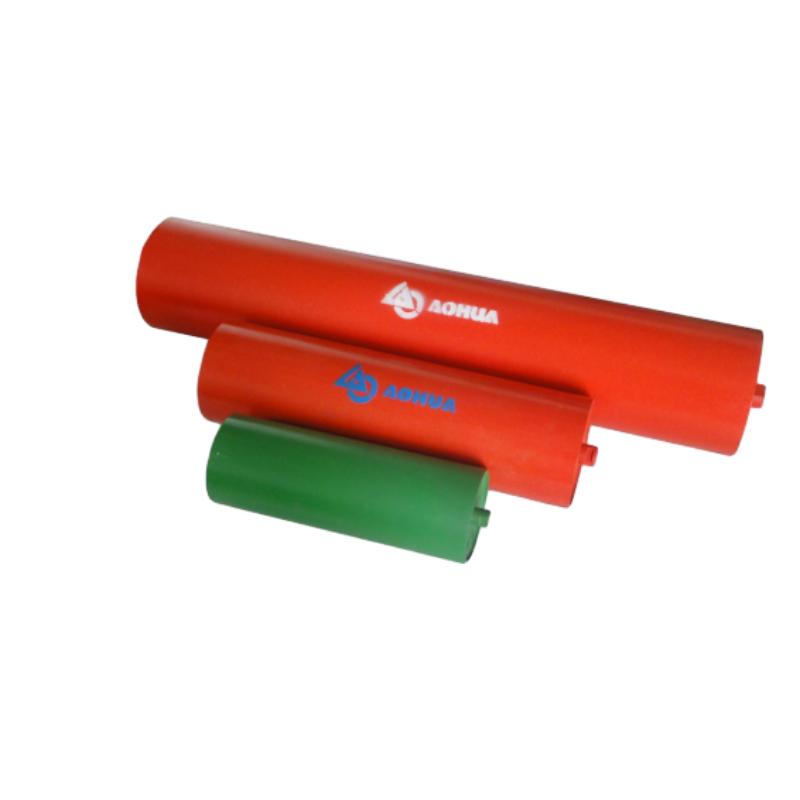
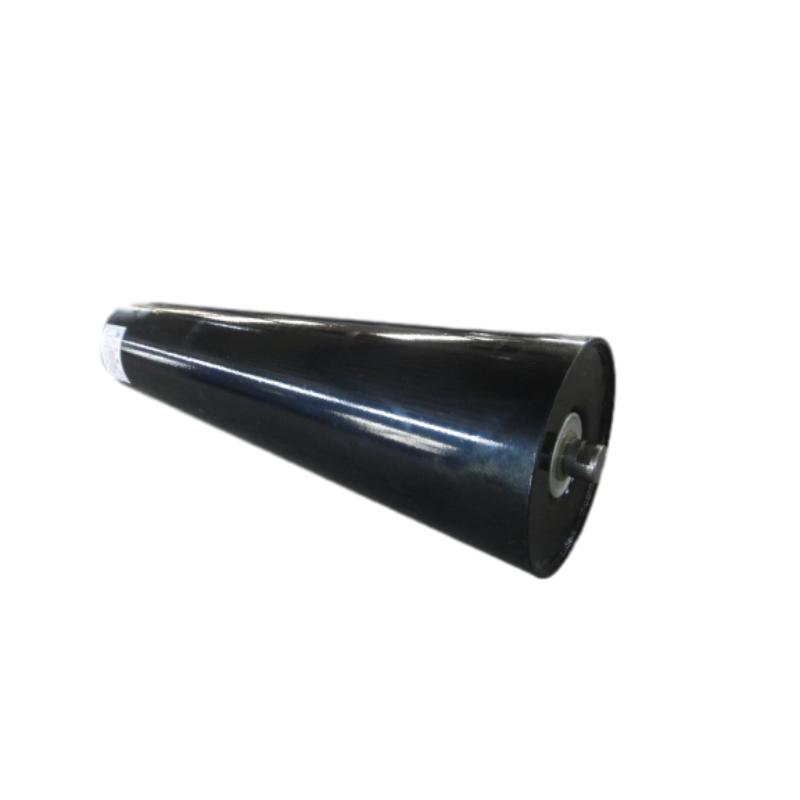
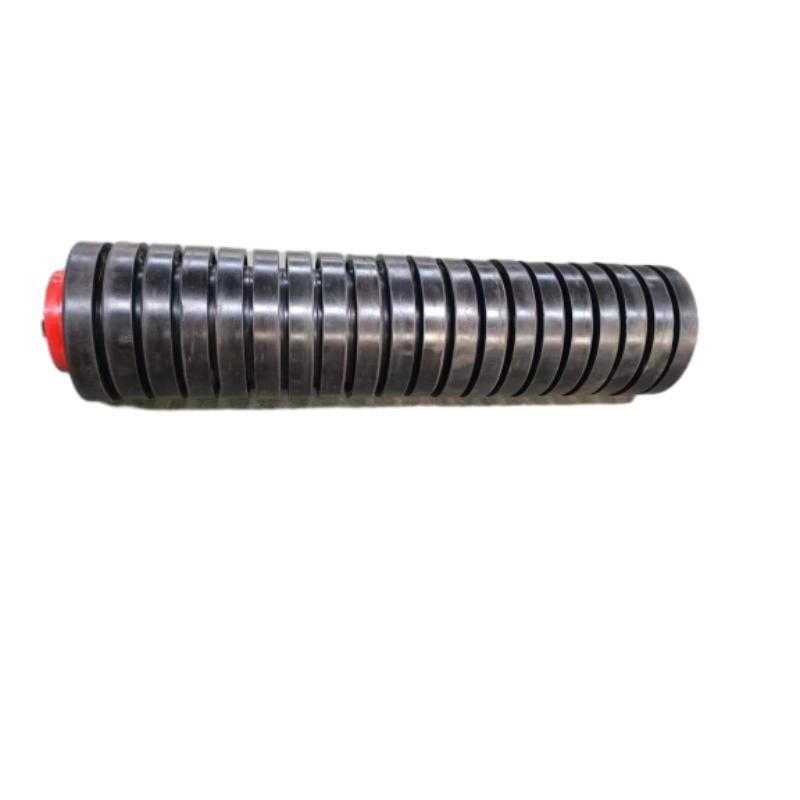
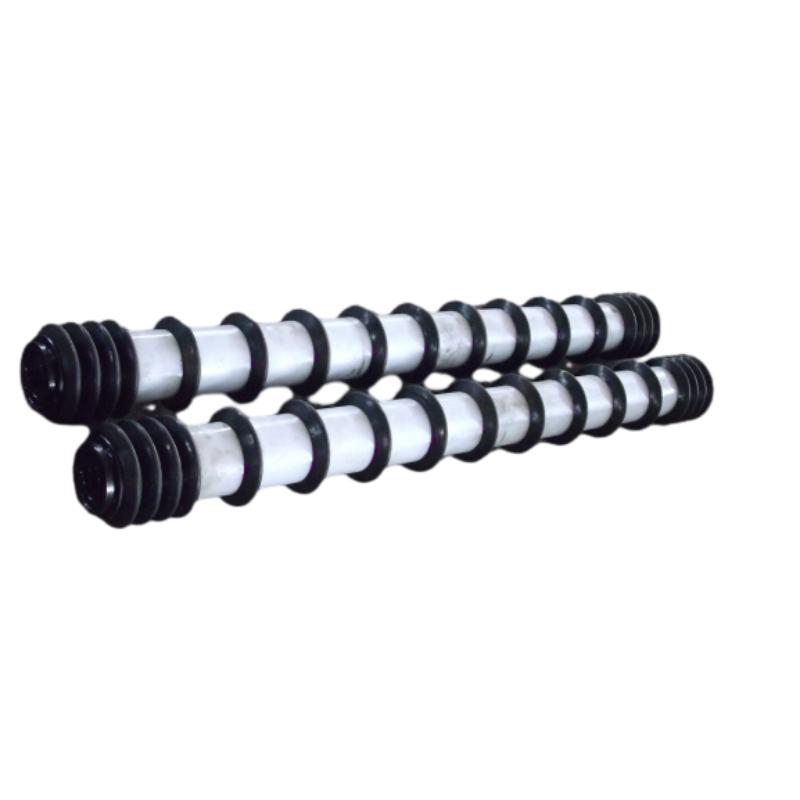
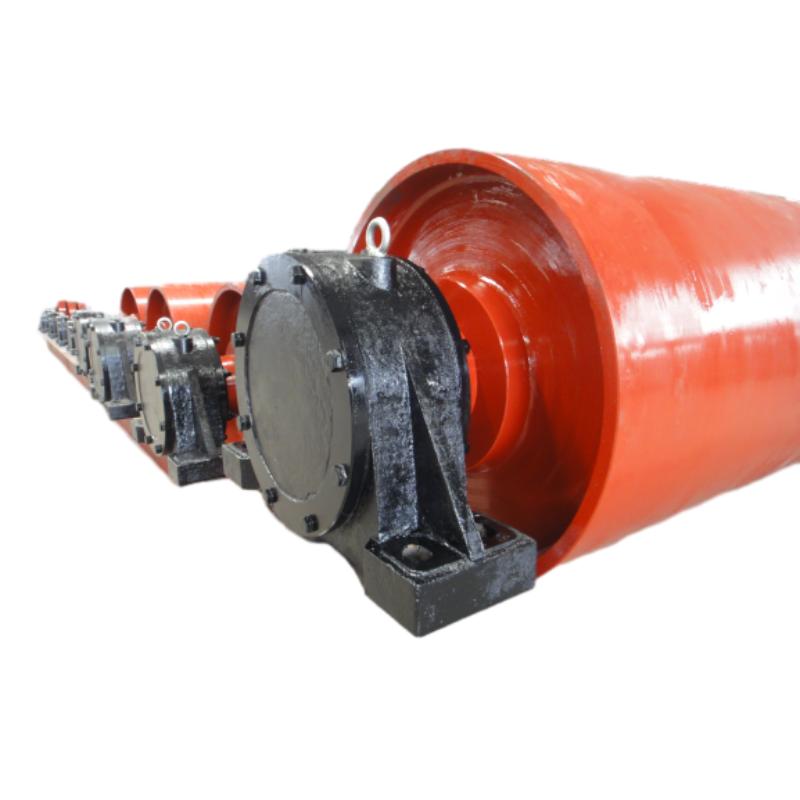
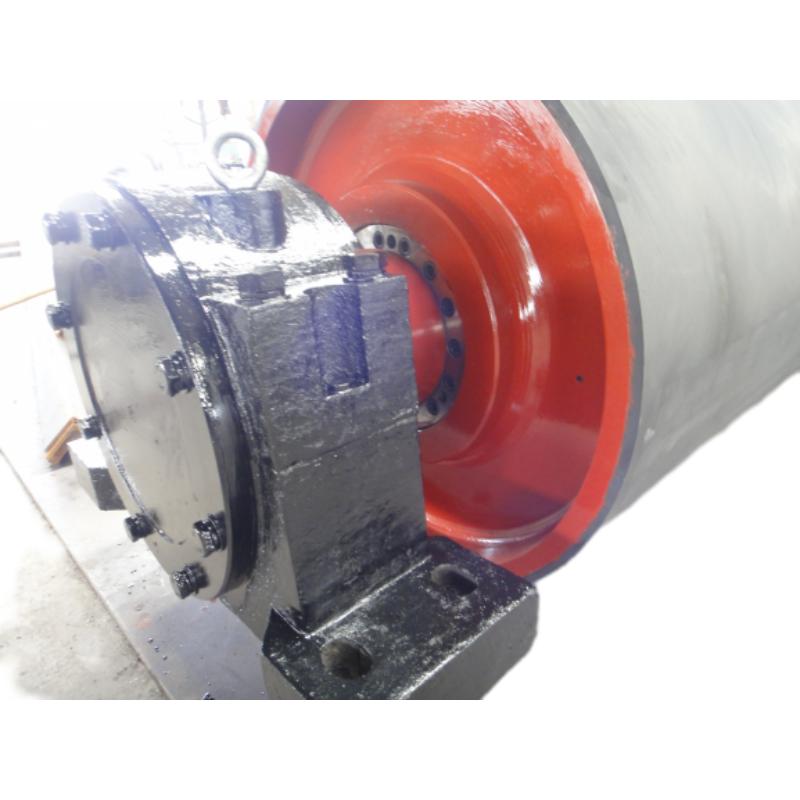
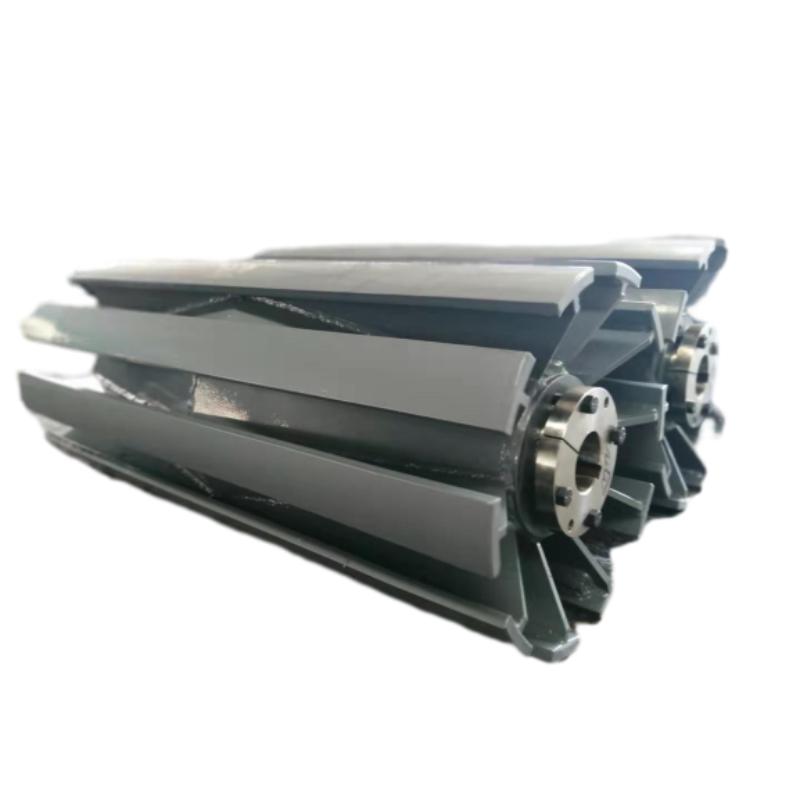
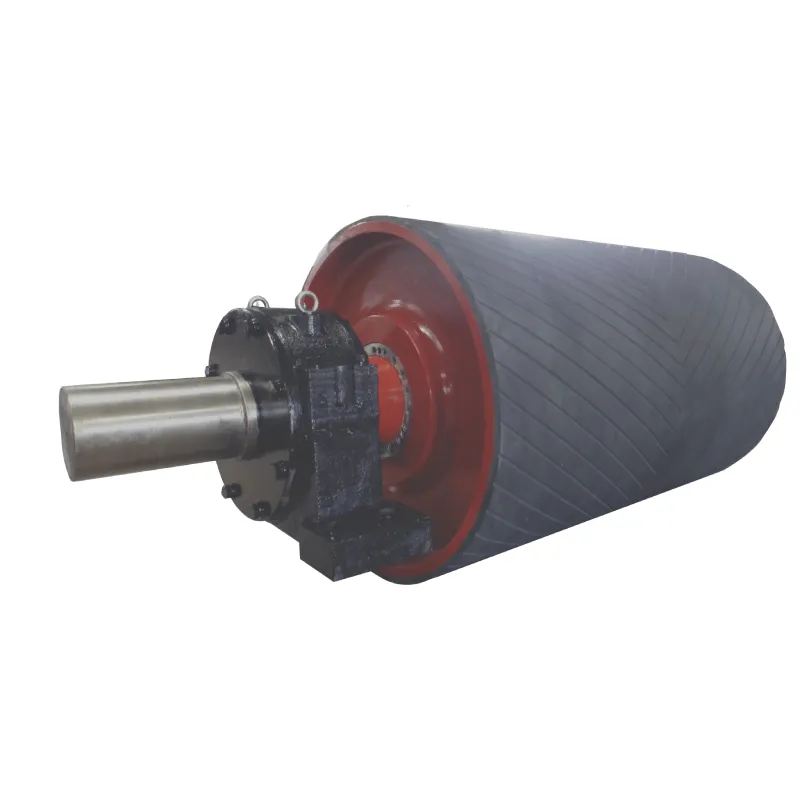
In its simplest terms, a conveyor belt pulley is a wheel or cylinder upon which a conveyor belt runs or changes direction. But its role is far from simple. It provides the necessary tension, controls belt alignment, and drives the belt using connected motors. There are drive pulleys, tail pulleys, and snub pulleys — each with tailored functions.
Put plainly: without these pulleys, belts would sag or slip, conveyors couldn’t move heavy loads, and entire production lines would halt. Beyond factories, these components support humanitarian efforts by enabling the movement of supplies in disaster zones, or facilitating material transport in remote industrial outposts.
Mini takeaway: A conveyor belt pulley is a compact but essential mechanical device that powers and guides conveyor belts in countless environments worldwide.
Key Components & Factors Affecting Conveyor Belt Pulley Performance
1. Durability and Material Composition
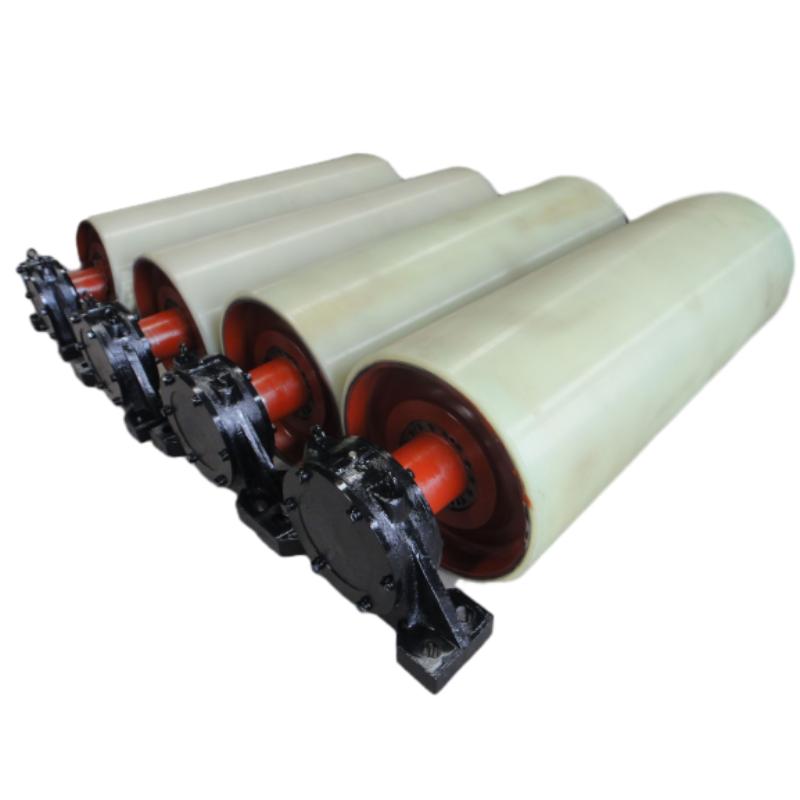
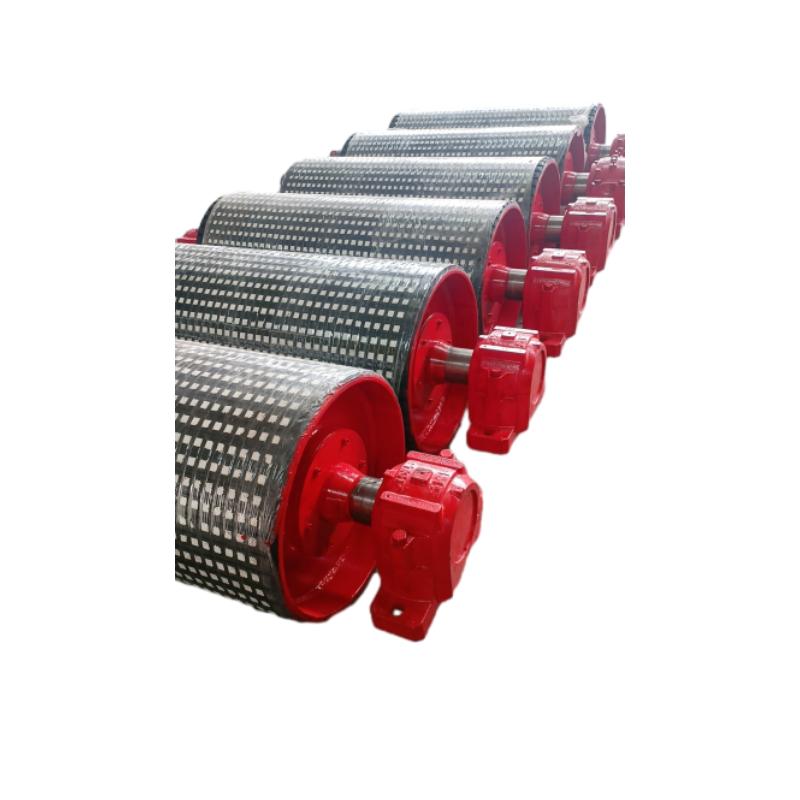
Most pulleys are made from steel or cast iron, sometimes enhanced with rubber lagging to increase grip and reduce belt wear. Durability is key — these pulleys operate under harsh conditions: dust, moisture, extreme temperatures. Selecting corrosion-resistant materials can extend lifespan and reduce maintenance.
2. Size and Load Capacity
The diameter and width of the pulley determine how much tension the belt can sustain and the amount of load it can carry. Larger pulleys reduce bending stress on belts, improving belt life—a crucial factor in large-scale operations conducting continuous transport.
3. Precision Engineering and Balance
Imbalanced pulleys cause vibration, belt misalignment, and premature failure. Hence, dynamic balancing and precision machining are fundamental, especially in high-speed systems.
4. Maintenance Accessibility and Safety Features
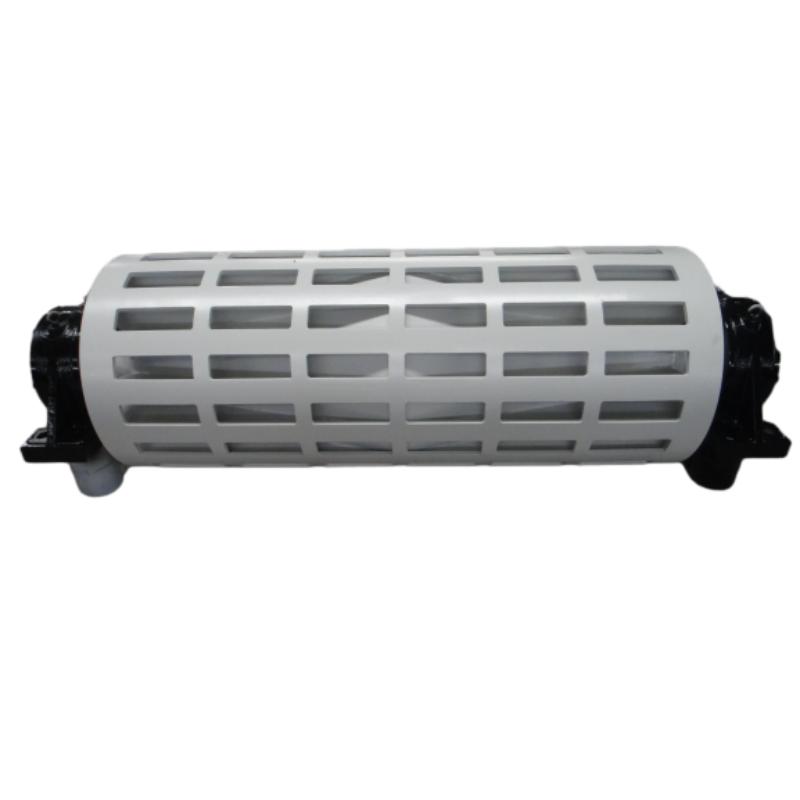
Ease of inspection and replacement minimizes downtime. Features like guards, easy-to-remove lagging, and bearing housings designed for quick servicing add to operational efficiency and worker safety.
Mini takeaway: Material quality, size, balance, and maintenance design are critical to ensuring conveyor belt pulleys perform reliably under demanding conditions.
Global Applications & Real-World Use Cases
- Mining in Australia and Canada: Massive conveyor systems stretch kilometers to transport coal, ore, and aggregates. Strong, lagged drive pulleys maintain tension over long distances.
- Food Processing in Europe: Hygiene-focused pulleys with stainless steel and food-grade coatings operate in clean rooms.
- Post-disaster Logistics in Southeast Asia: Temporary conveyor setups equipped with quick-assembly pulleys help swiftly move relief packages, avoiding bottlenecks.
- Remote Industrial Zones in Africa: Rugged pulleys withstand extreme dust and heat, critical when maintenance resources are limited.
Mini takeaway: Conveyor belt pulleys adapt to diverse industries worldwide, supporting heavy industry, food safety standards, humanitarian aid, and more.
Advantages & Long-Term Value of Conveyor Belt Pulleys
- Cost Efficiency: Reduced wear on belts and smooth operation lower energy consumption and maintenance costs.
- Sustainability: Durable pulleys decrease waste and enable longer conveyor lifespans — vital in a world mindful of resource use.
- Safety and Reliability: Properly designed pulleys help prevent belt slippage and accidents, protecting workers and goods.
- Emotional & Social Impact: In humanitarian sectors, dependable conveyor systems powered by quality pulleys maintain dignity and safety by ensuring steady supply deliveries.
Mini takeaway: Investing in quality conveyor belt pulleys means long-term savings, improved sustainability, and enhanced safety — benefits that reverberate from the factory floor to global supply chains.
Future Trends & Innovations You Should Know
Innovations in conveyor belt pulleys focus on sustainability and digital integration. For example:
- Smart pulleys equipped with sensors monitor wear and alignment in real-time, enabling predictive maintenance.
- Advanced materials such as composites reduce weight and energy consumption.
- Eco-friendly lagging alternatives promote biodegradability and lower environmental impact.
- Automation and IoT connectivity enhance conveyor system efficiency in Industry 4.0 settings.
Mini takeaway: The conveyor pulley industry is evolving with greener materials and smarter technology, geared toward optimizing operations and reducing environmental footprints.
Challenges & Practical Solutions
Despite improvements, challenges persist: belt misalignment, pulley wear, and downtime due to hard-to-access components. Experts often suggest:
- Using modular pulley designs for faster replacements.
- Incorporating condition-monitoring sensors early in installations.
- Applying consistent maintenance schedules with trained technicians.
- Partnering with reputable suppliers who deliver tailored solutions — for instance, check options at conveyor belt pulley.
Mini takeaway: Addressing pulley challenges requires a blend of design foresight, proactive maintenance, and smart supplier relationships.
Frequently Asked Questions About Conveyor Belt Pulley
- Q: What is the typical lifespan of a conveyor belt pulley?
- A: With proper maintenance and suited materials, pulleys can last 10-15 years or more. Environmental conditions and load cycles affect durability, so regular inspections are essential.
- Q: How does pulley lagging improve conveyor performance?
- A: Lagging adds grip between the pulley and belt, reducing slippage, minimizing wear, and improving traction, especially in wet or dusty environments.
- Q: Can conveyor belt pulleys be customized for specific industries?
- A: Absolutely. Depending on factors like temperature, hygiene, or load, pulleys can be fabricated with food-grade coatings, corrosion-resistant materials, or special lagging.
- Q: How do I select the right conveyor pulley supplier?
- A: Consider experience, quality certifications, customization support, and after-sales service. Comparing options from vendors like those listed above can help ensure you pick the best fit for your needs.
| Vendor | Materials | Customization | Certification | Lead Time |
|---|---|---|---|---|
| PulleyCo | Steel, Rubber-lagged | Yes, full design | ISO 9001 | 4–6 weeks |
| Global Pulley | Cast Iron, Composite | Limited | ISO 14001 | 6–8 weeks |
| Idler Precision | Steel, Stainless Steel | Custom lagging & balancing | ISO 9001 & CE | 3–5 weeks |
Typical Specifications of a Standard Conveyor Belt Pulley
| Specification | Typical Value | Notes |
|---|---|---|
| Diameter | 300 mm – 2000 mm | Depends on conveyor size |
| Face Width | 400 mm – 3000 mm | Matches belt width |
| Lagging Material | Rubber, Ceramic, Polyurethane | Improves grip and belt protection |
| Max Load Capacity | Up to 100 tons | Varies by design |
| Operating Temperature | -20°C to 80°C | Extended ranges with special materials |
| Bearing Type | Heavy-duty ball/roller bearings | Supports load and rotation |
Conclusion + Call to Action
All in all, conveyor belt pulleys might seem like simple components, but their impact is profound — across industries, geographies, and even humanitarian crises. Their design, durability, and innovations shape how efficiently materials get from point A to B. For operators, engineers, and planners alike, appreciating the nuances of conveyor belt pulley systems unlocks enhanced operational reliability, safety, and sustainability. If you’re seeking dependable solutions tailored to your project’s demands, I strongly recommend exploring options at https://www.idleraohua.com. It’s a practical step to future-proof your conveyor operations.
Oddly enough, the simplest wheels keep the world moving.
Reflections & References
- ISO Conveyor Systems Standards — ISO.org
- UNIDO Industrial Development Reports — unido.org
- Wikipedia: Conveyor Belt Pulley — en.wikipedia.org
-
Maximize Conveyor Life with a High Performance impact bedNewsApr.16,2026
-
Maximize Conveyor Efficiency Using a v plow belt scraperNewsApr.09,2026
-
Comprehensive Guide to Understanding Different Types of Belt CleanersNewsApr.07,2026
-
Enhancing Conveyor Efficiency with an Effective Scraper Belt CleanerNewsApr.04,2026
-
Optimizing Conveyor Systems with Advanced Cleaning Equipment SolutionsNewsMar.31,2026
-
Effective Conveyor Belt Scraper Adjustment for Optimal System PerformanceNewsMar.28,2026