

Belt Conveyor Roller China: Quality, Specs & Supplier Insights
Belt Conveyor Roller China: Insights from the Industrial Trenches
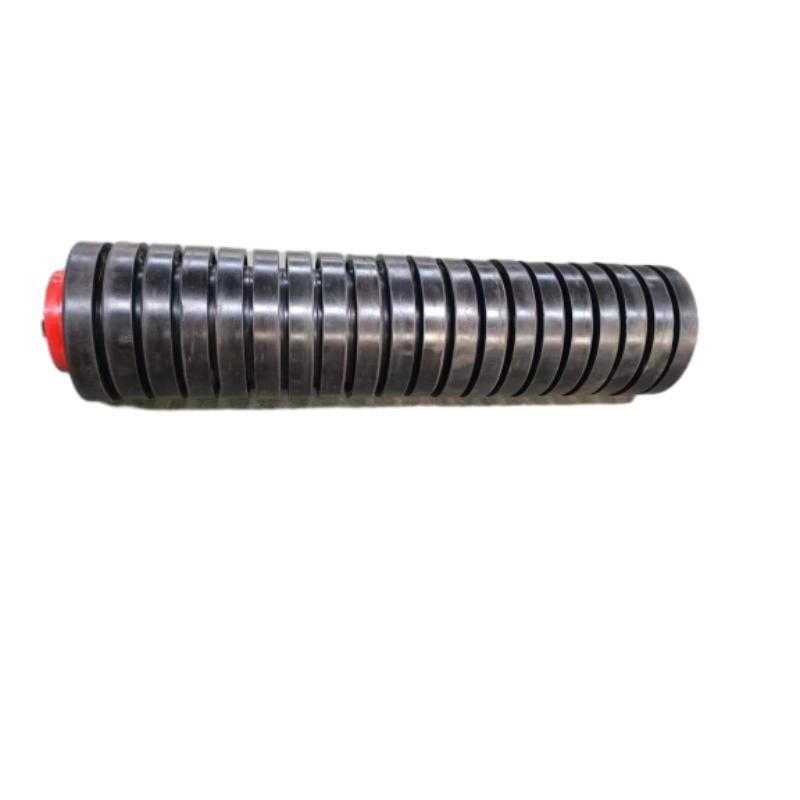
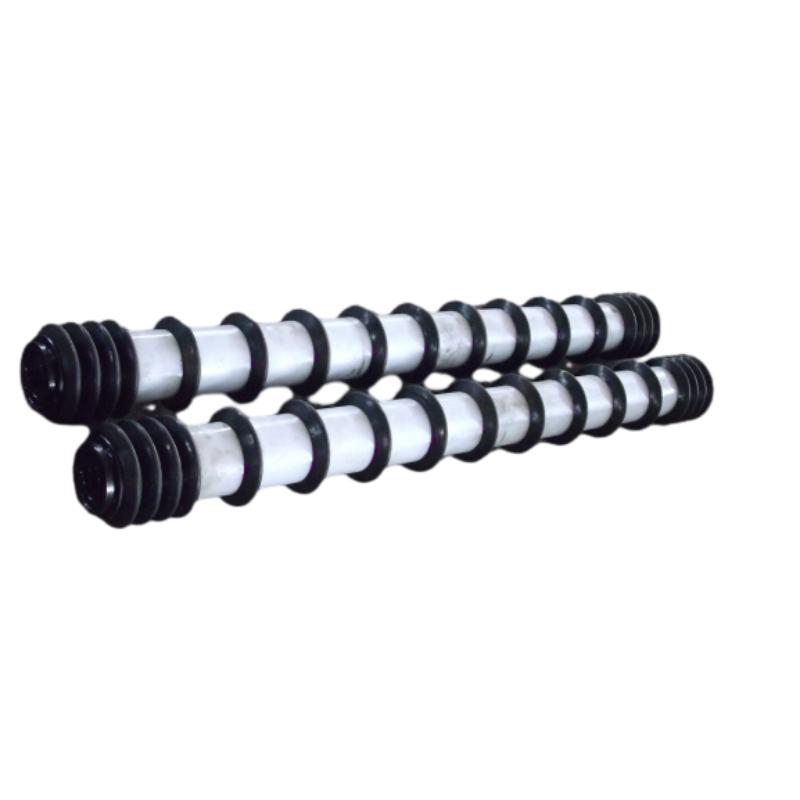
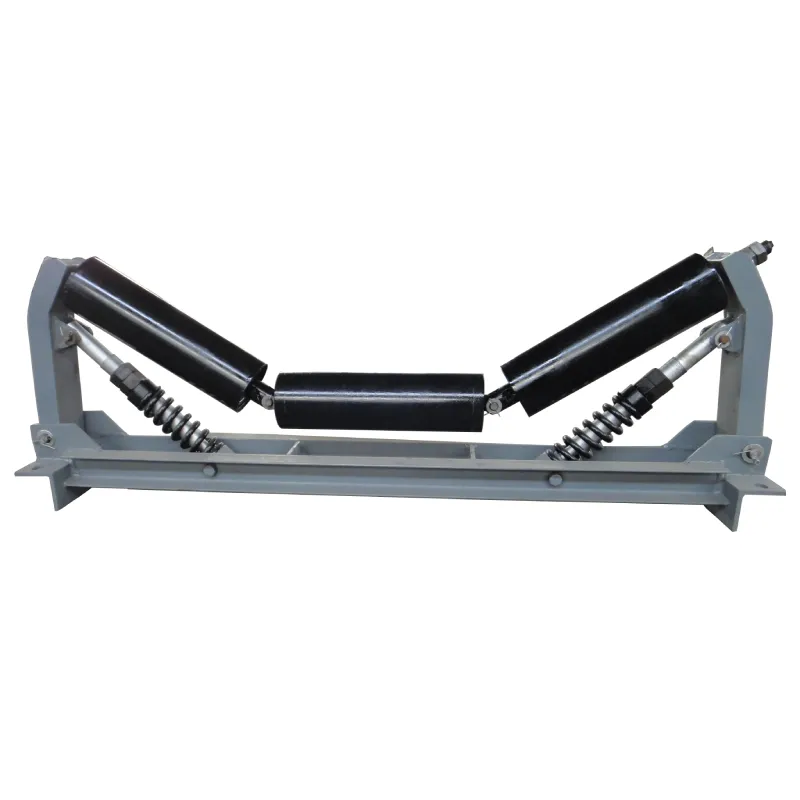
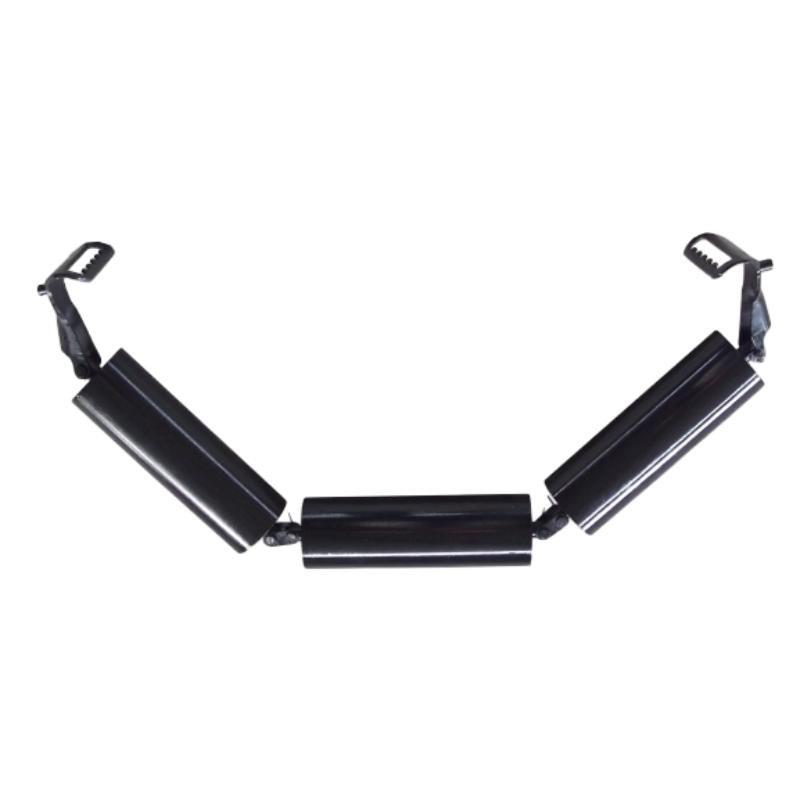
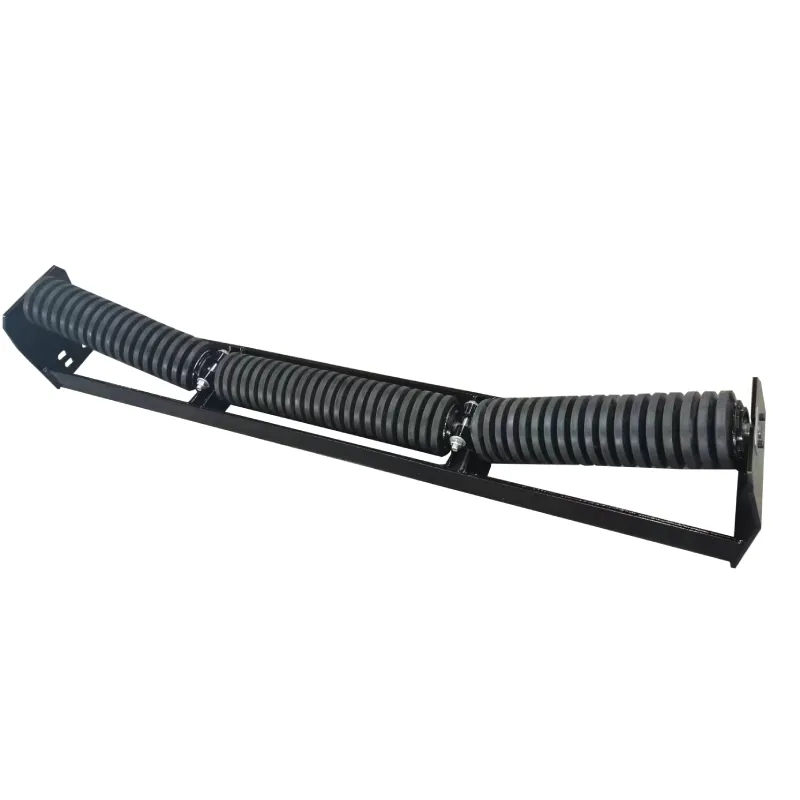
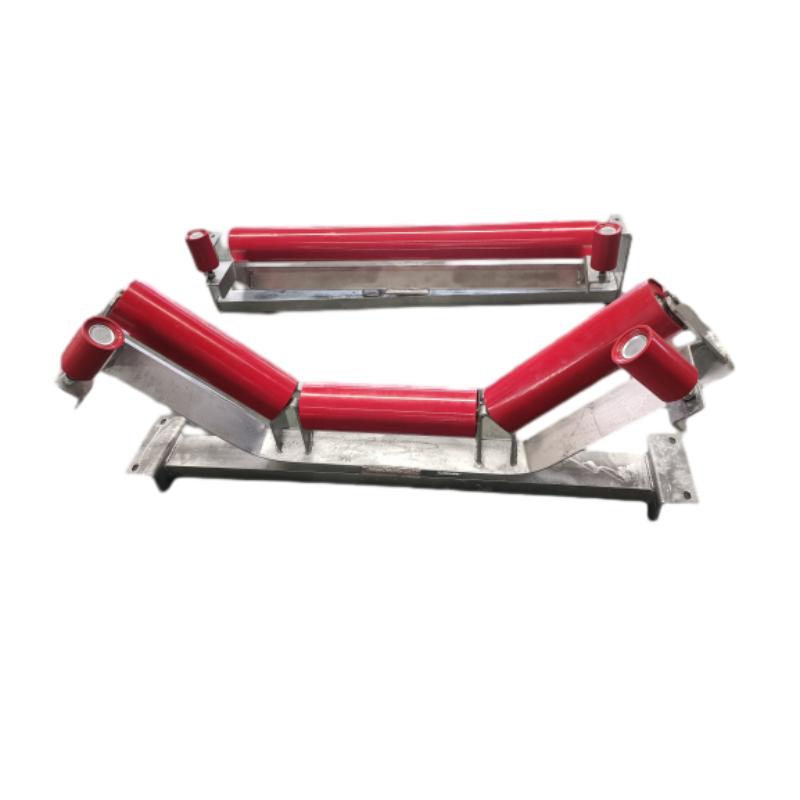
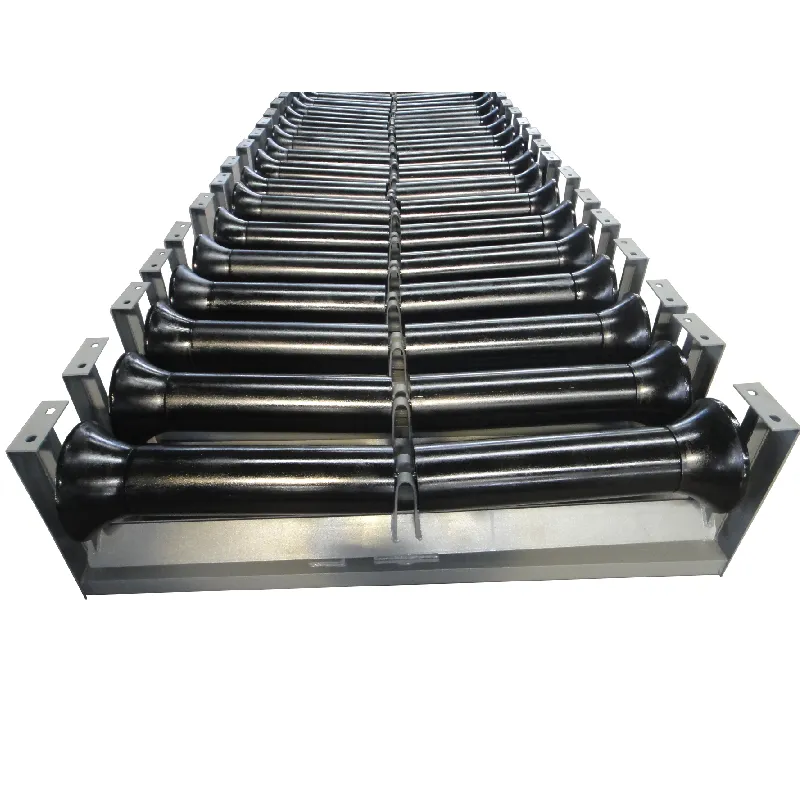
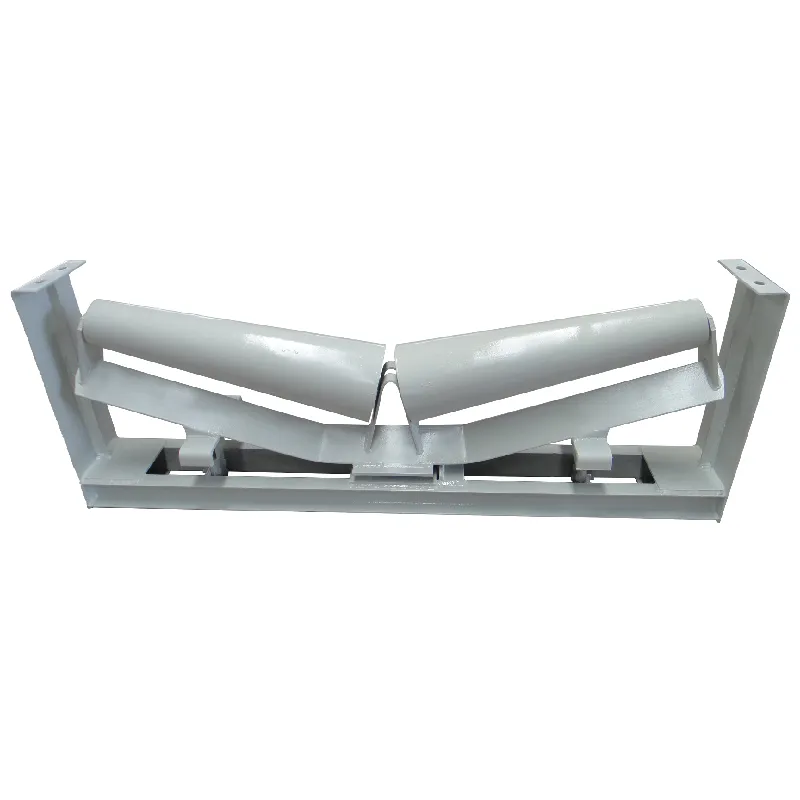
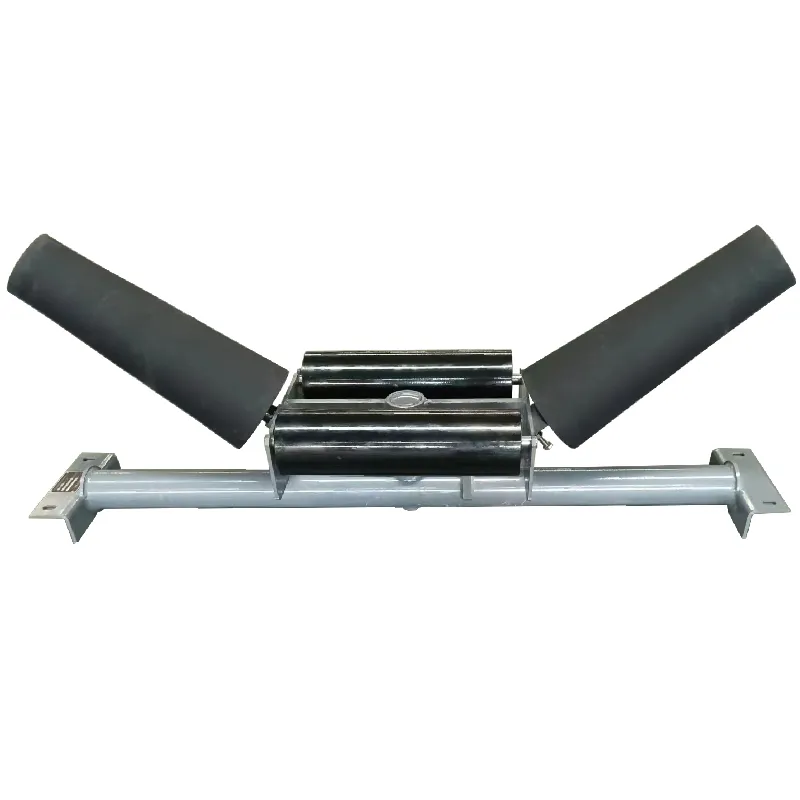
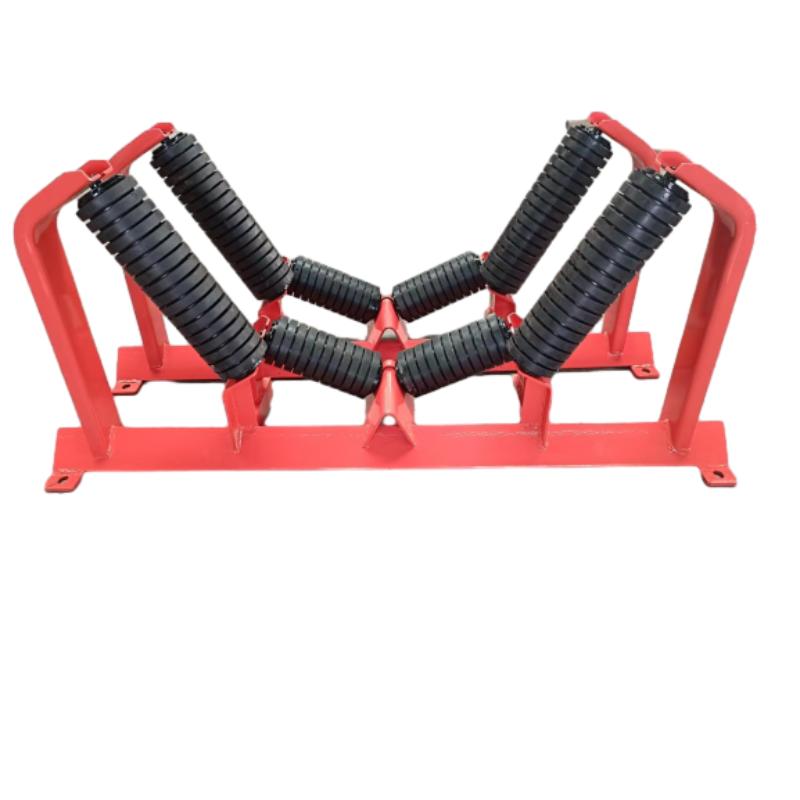
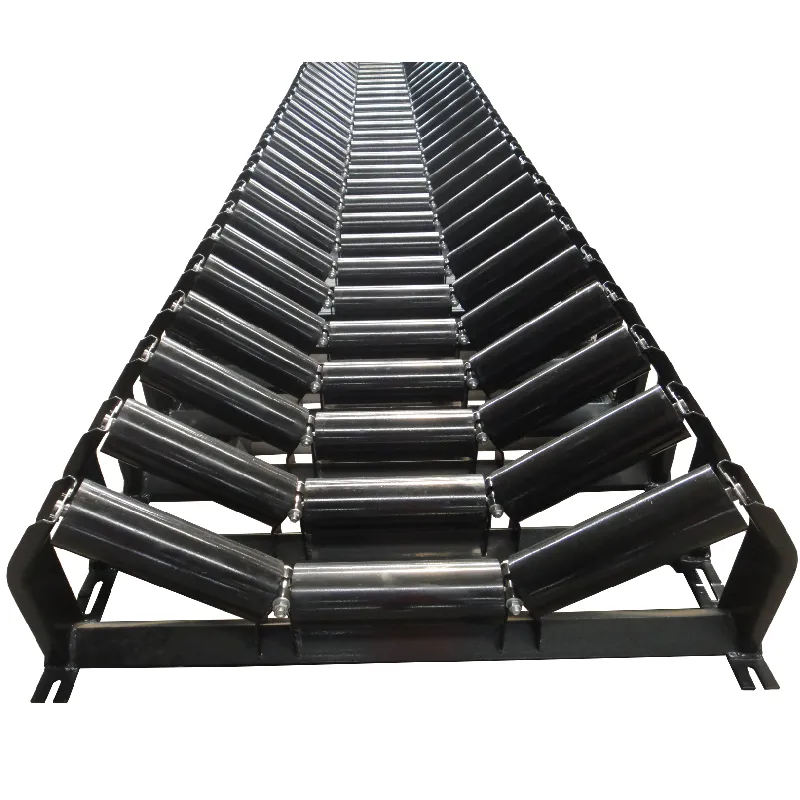
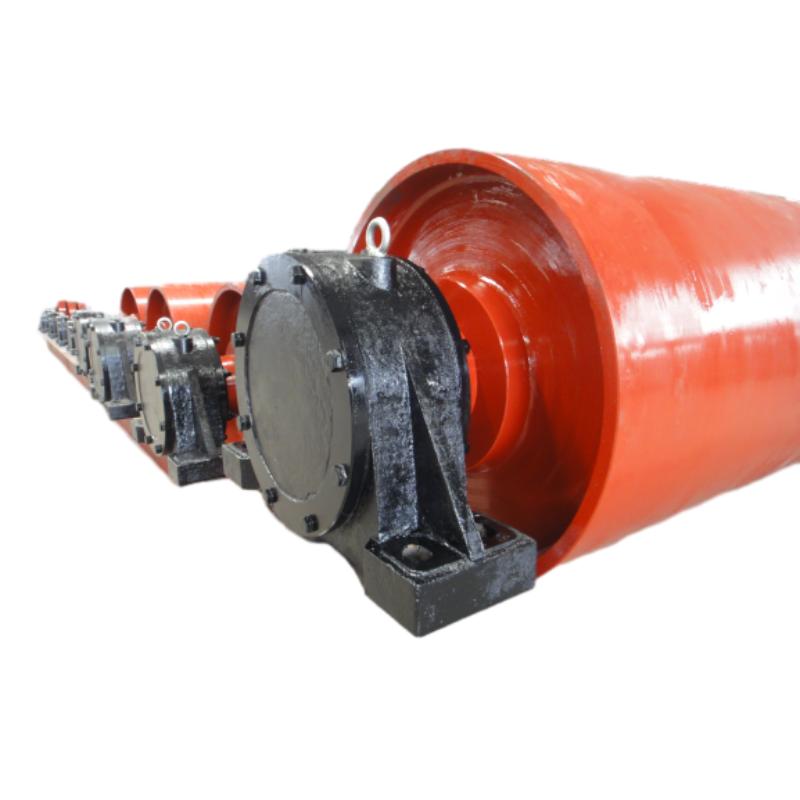
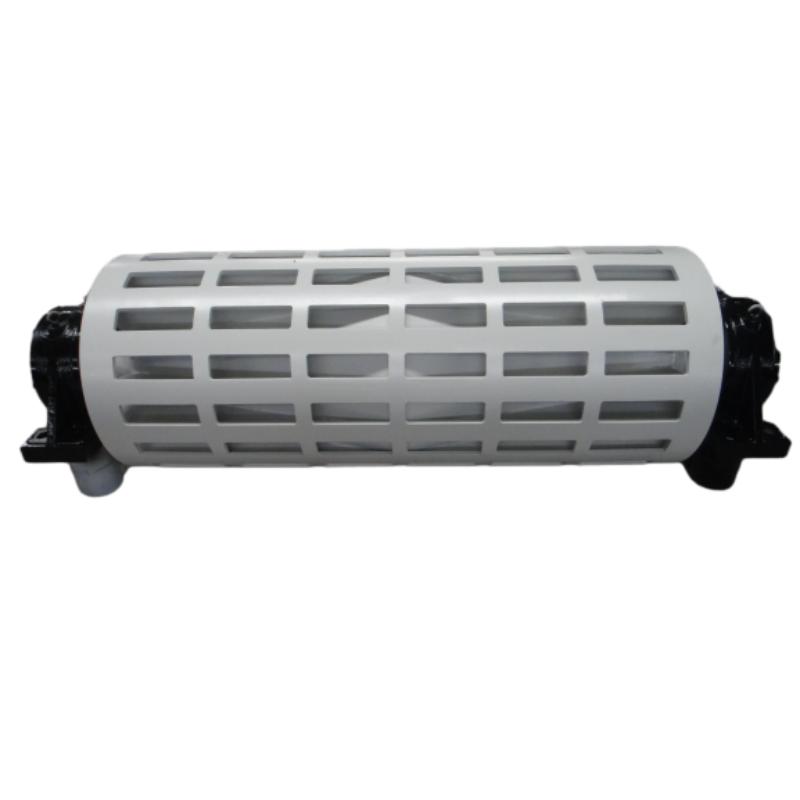
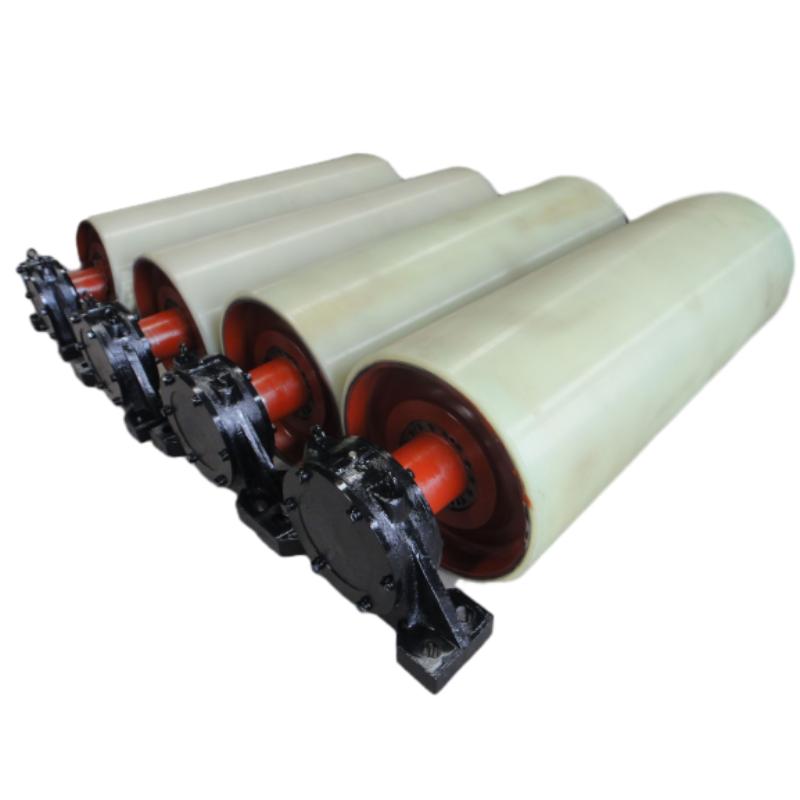
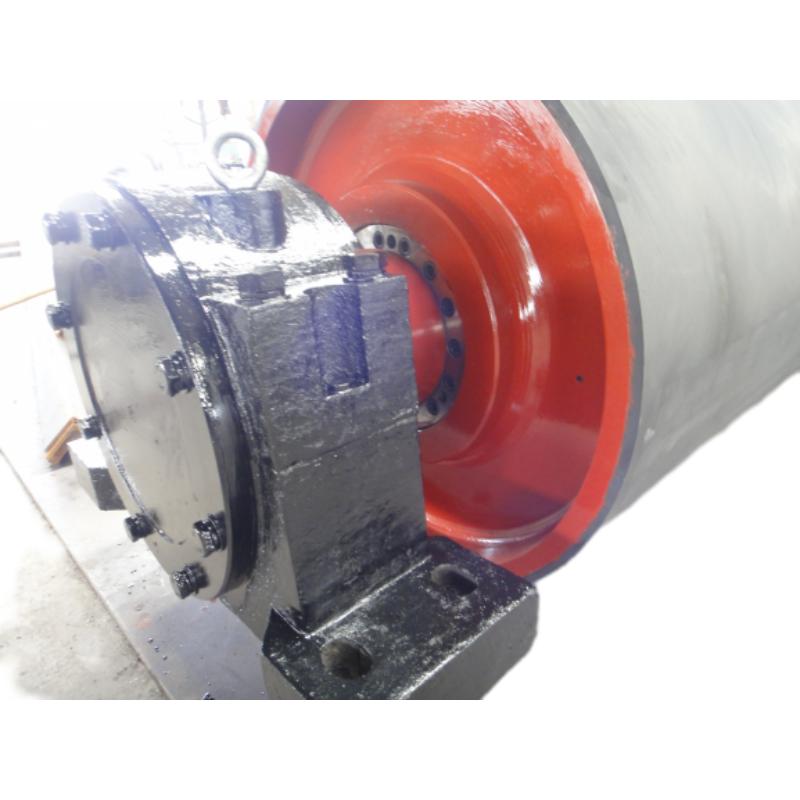
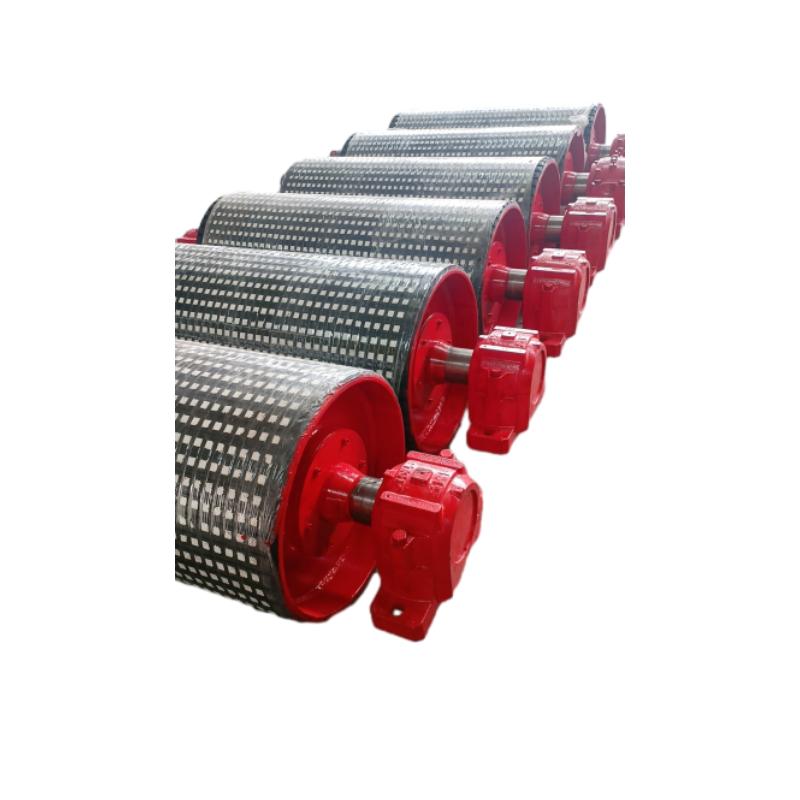
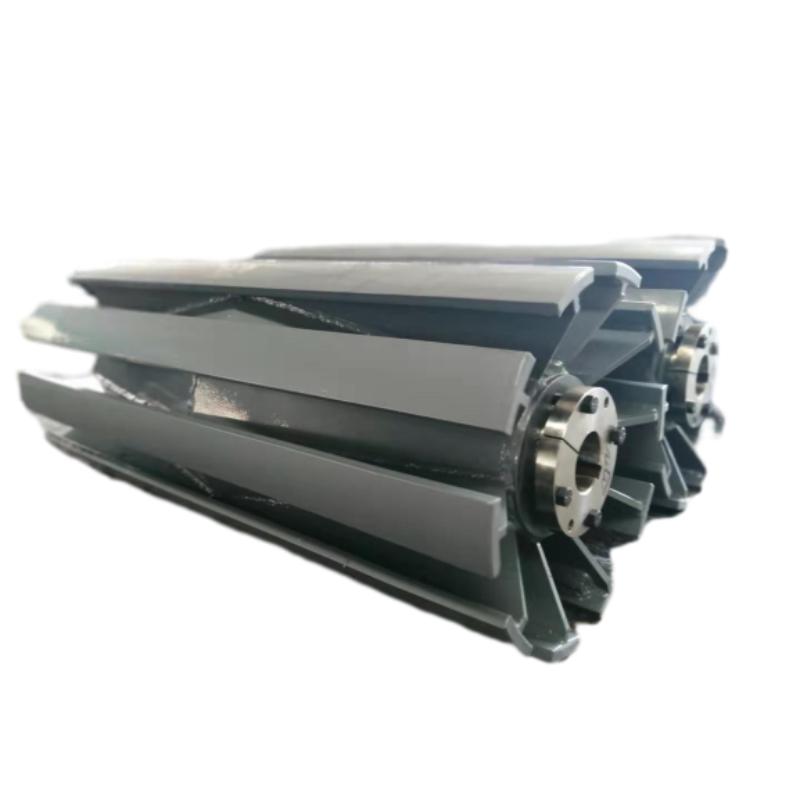
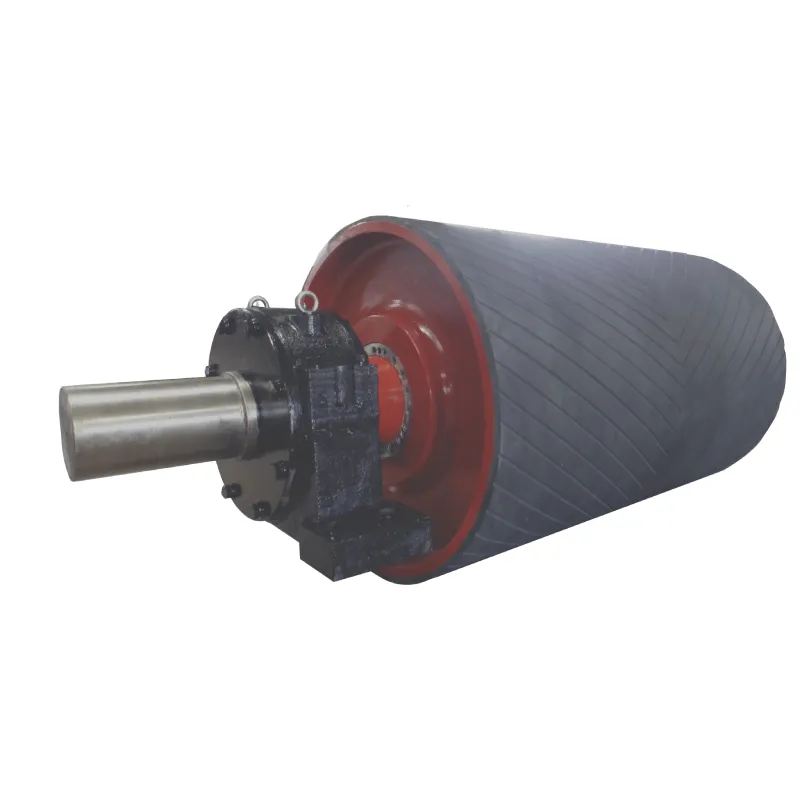
Having spent a fair chunk of my career knee-deep in the industrial equipment sector, I often find myself circling back to one of the silent workhorses in bulk material handling — the belt conveyor roller China manufacturers. Oddly enough, while rollers might seem like the simplest components on a conveyor system, the quality and engineering behind them can make or break entire operations.
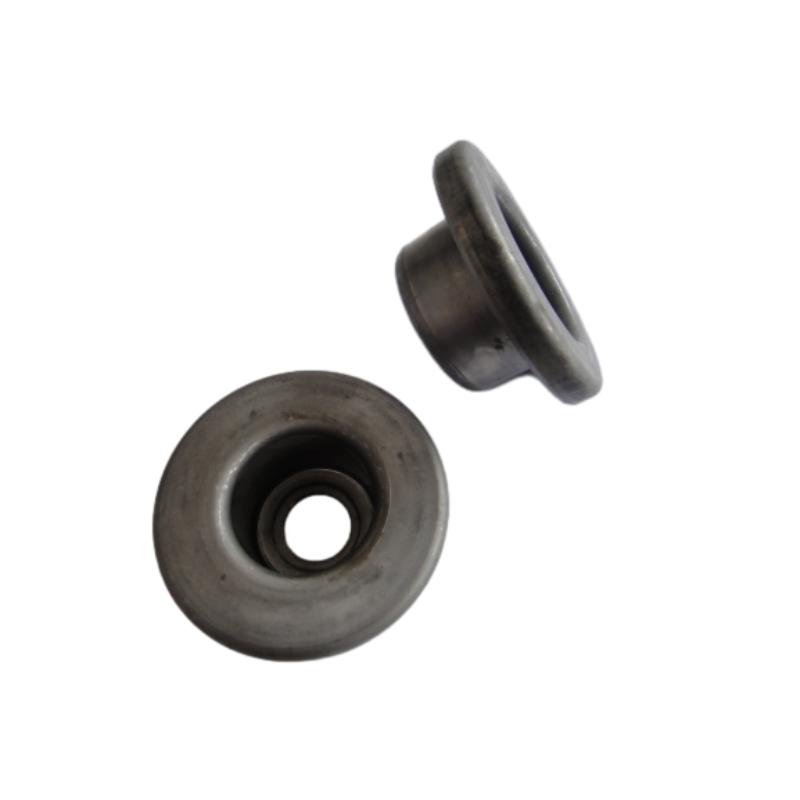
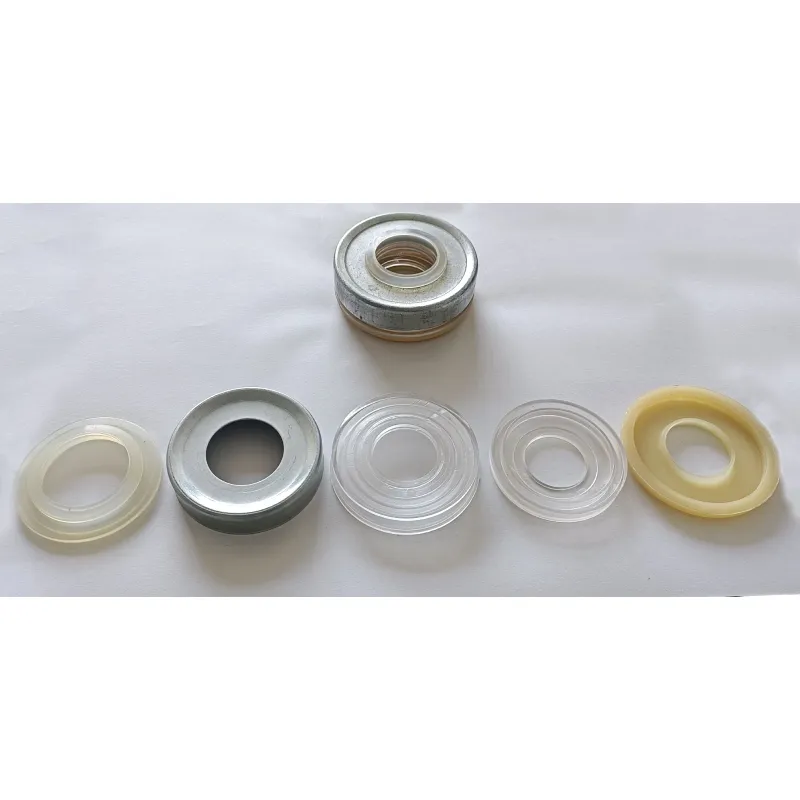
In real terms, conveyor rollers from China have come a long way. Years ago, I would be cautious recommending products from that region due to concerns over material inconsistencies and limited quality control. But, these days, I’ve noticed significant advancements in both design and production techniques. The emphasis now is on high-grade steel for frames and optimized bearing seals to extend service life under punishing conditions. Frankly, it feels like the gap between some Chinese manufacturers and Western counterparts has shrunk considerably.
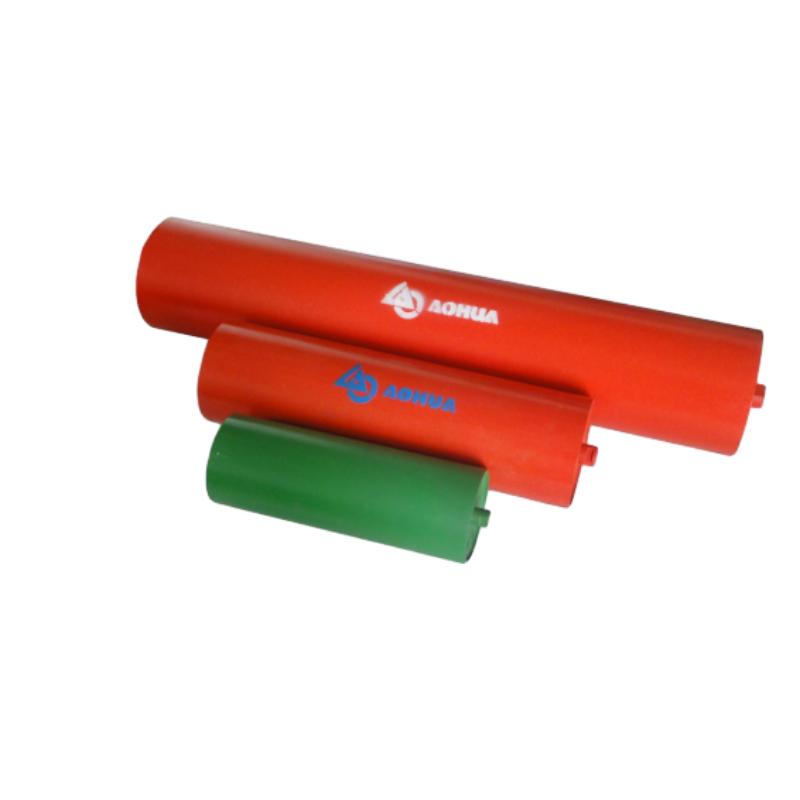
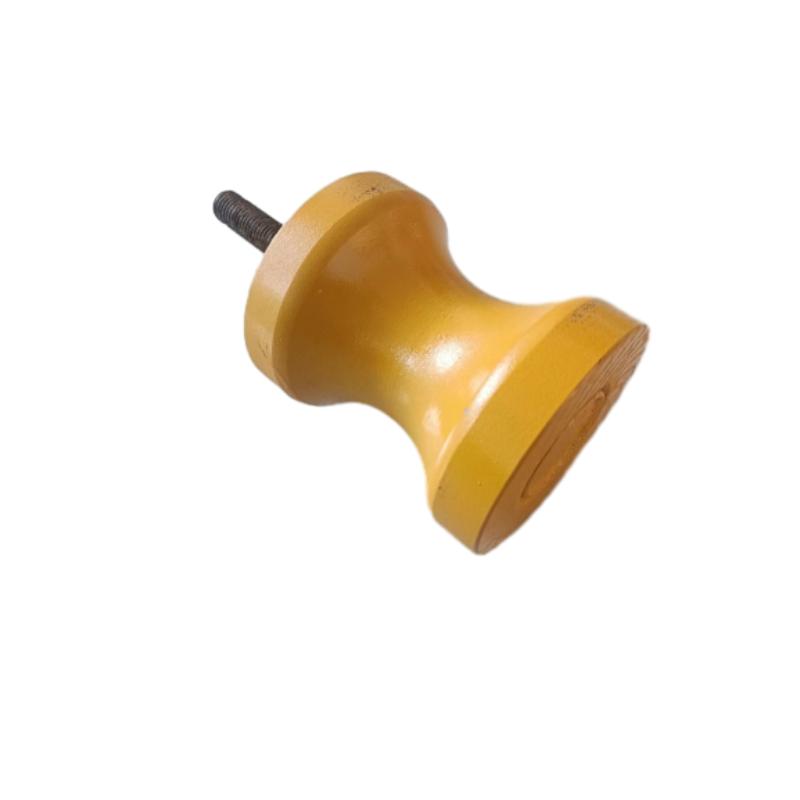
One thing that many engineers I know often highlight is customization. China’s conveyor roller suppliers are typically more flexible with custom sizes, load capacities, and finishes. From light-duty rollers suited for packaging lines to heavy-duty idlers designed to manage thousands of kilograms per meter — the variety is impressive. You can even specify anti-corrosive coatings if your conveyor is exposed to the elements or harsh chemicals.
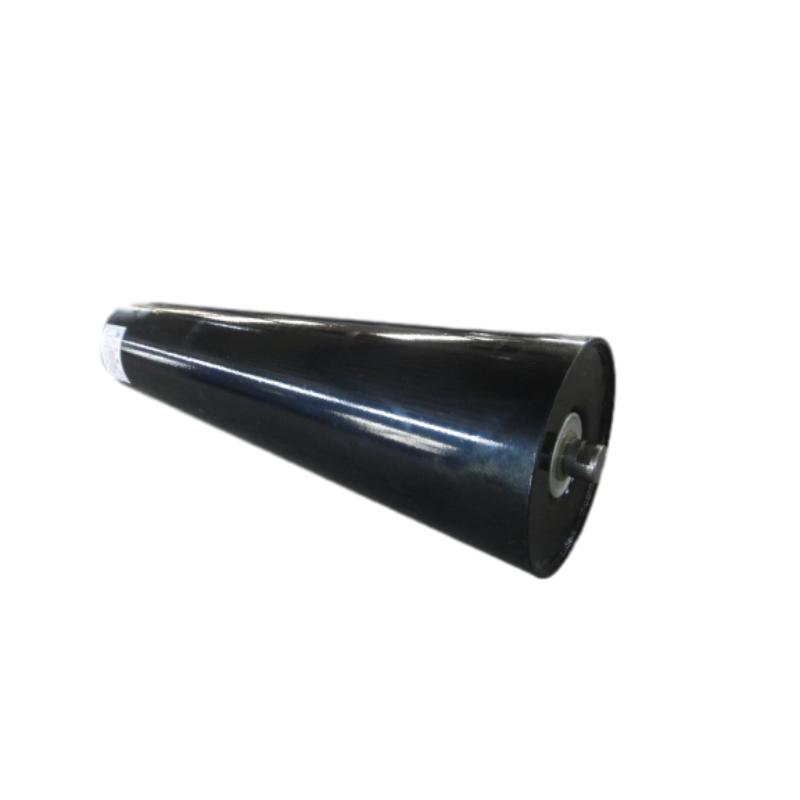
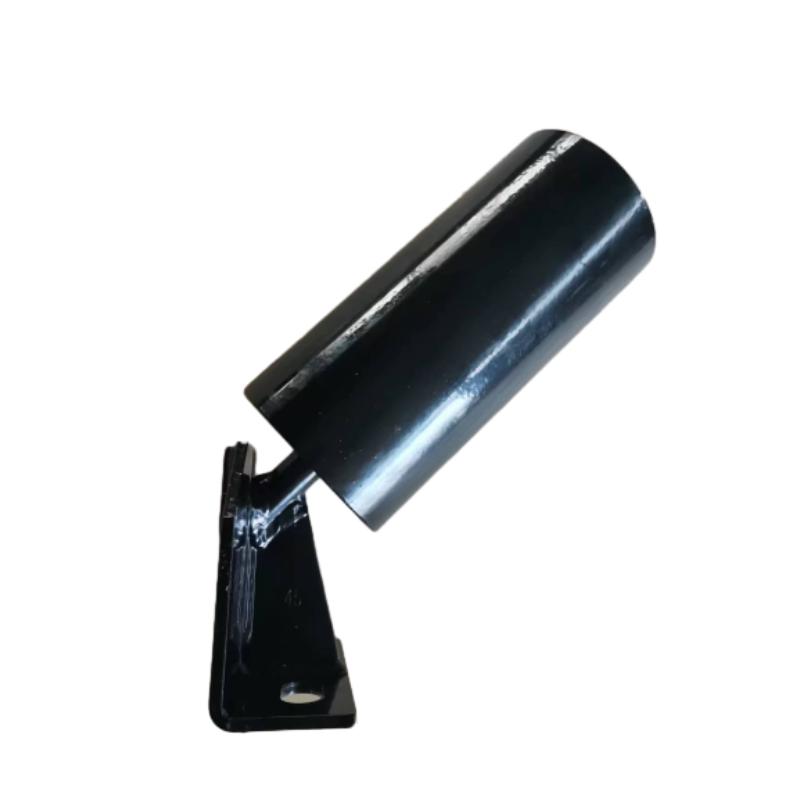
Speaking of specs, here’s a quick snapshot of what a typical industrial conveyor roller sourced from China might feature:
| Feature | Specification |
|---|---|
| Roller Diameter | 72mm - 159mm (standard sizes) |
| Roller Length | 300mm - 2000mm (customizable) |
| Material | Cold Rolled Steel with Painted or Galvanized Finish |
| Bearing Type | Sealed Ball Bearings (Deep Groove) |
| Load Capacity | Up to 1000kg per roller (heavy duty) |
| Operating Temperature | -20°C to 80°C |
I remember one particular project involving a coal processing plant in Indonesia. The conveyors there ran nonstop, and rollers had to endure coal dust, moisture, and crushing loads constantly. Initially, their rollers — from a lesser-known supplier — showed premature bearing failures. Switching to a well-reputed Chinese supplier with reinforced seals and better heat-treated shafts improved uptime drastically. So, it’s not just about catching a cheap deal; understanding the specifications and the supplier’s quality management is key.
In fact, here’s a quick vendor breakdown I use when advising clients on sourcing rollers:
| Vendor | Quality Certifications | Customization | Typical Lead Time | Price Range |
|---|---|---|---|---|
| IdleraoHua | ISO 9001, CE | High (custom dimensions & finishes) | 3-4 weeks | Mid-range (good value) |
| Vendor B | ISO 9001 | Medium | 4-6 weeks | Lower-end budget |
| Vendor C | CE Only | Limited | 2-3 weeks | Low cost |
It’s also worth mentioning that testing regimes vary wildly. IdleraoHua, for instance, reportedly employs dynamic load testing and corrosion resistance evaluations to ensure rollers hold up under stress. This kind of due diligence, frankly, is why I tend to steer clients toward reliable suppliers instead of purely chasing prices.
At the end of the day, choosing belt conveyor roller China manufacturers is less about geography and more about understanding the nitty-gritty specs, the supplier’s quality control, and your unique application demands. Many clients I’ve worked with discovered that investing in better rollers cuts downtime and maintenance costs far beyond the initial purchase price.
So next time you’re specifying rollers for your conveyor system, consider the balance between cost, customization, and quality. It might feel like a small detail, but trust me — the rollers keep the whole operation rolling smoothly.
Quick takeaway: Always weigh certifications, testing standards, and flexibility to avoid surprises down the line.
References
- Industry reports from the Bulk Material Handling Association, 2023.
- IdleraoHua product data sheets and quality standards, 2024.
- Personal interviews with conveyor engineers and maintenance specialists (2018–2023).
-
Maximize Conveyor Life with a High Performance impact bedNewsApr.16,2026
-
Maximize Conveyor Efficiency Using a v plow belt scraperNewsApr.09,2026
-
Comprehensive Guide to Understanding Different Types of Belt CleanersNewsApr.07,2026
-
Enhancing Conveyor Efficiency with an Effective Scraper Belt CleanerNewsApr.04,2026
-
Optimizing Conveyor Systems with Advanced Cleaning Equipment SolutionsNewsMar.31,2026
-
Effective Conveyor Belt Scraper Adjustment for Optimal System PerformanceNewsMar.28,2026