

Reliable Belt Conveyor Roller Suppliers for Industrial Success
Choosing the Right belt conveyor roller suppliers for Your Operations
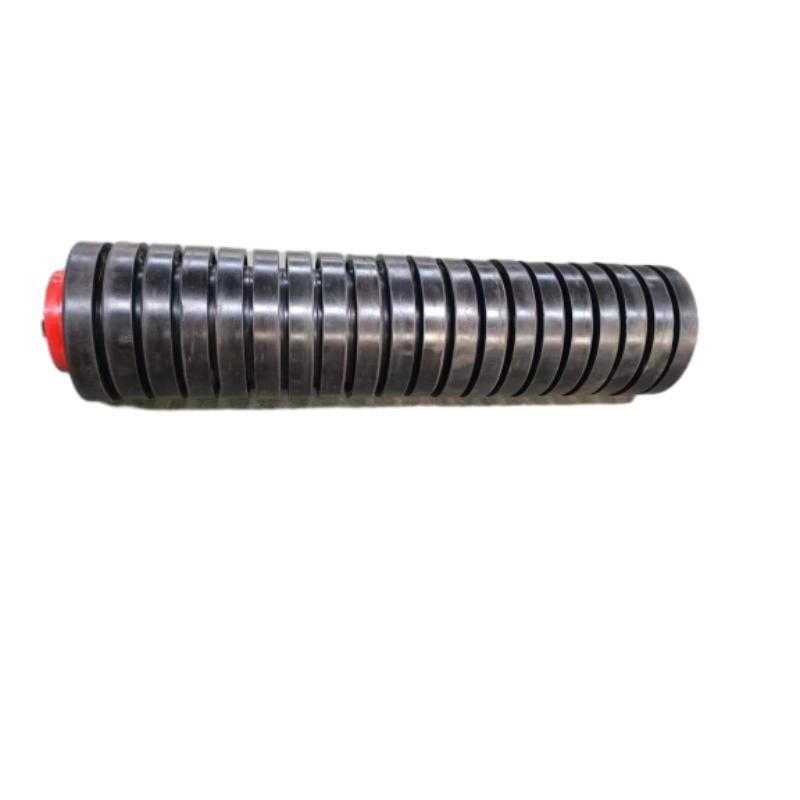
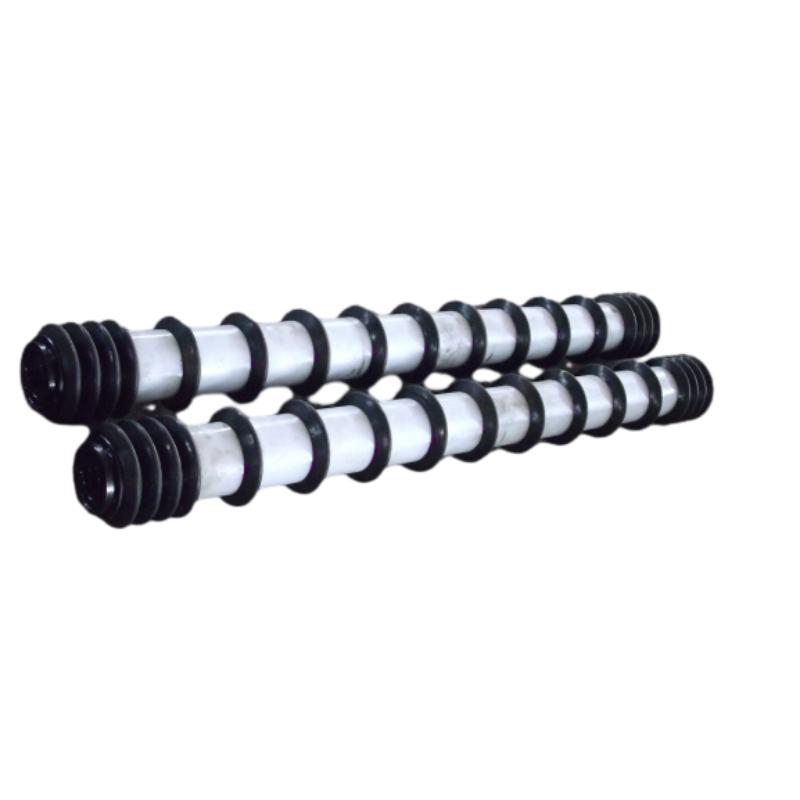
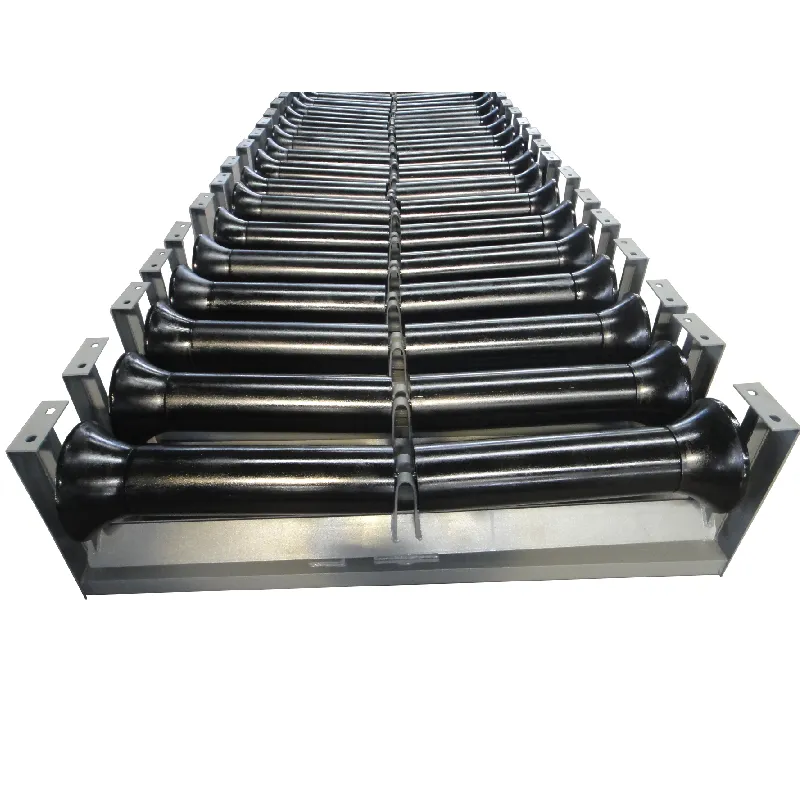
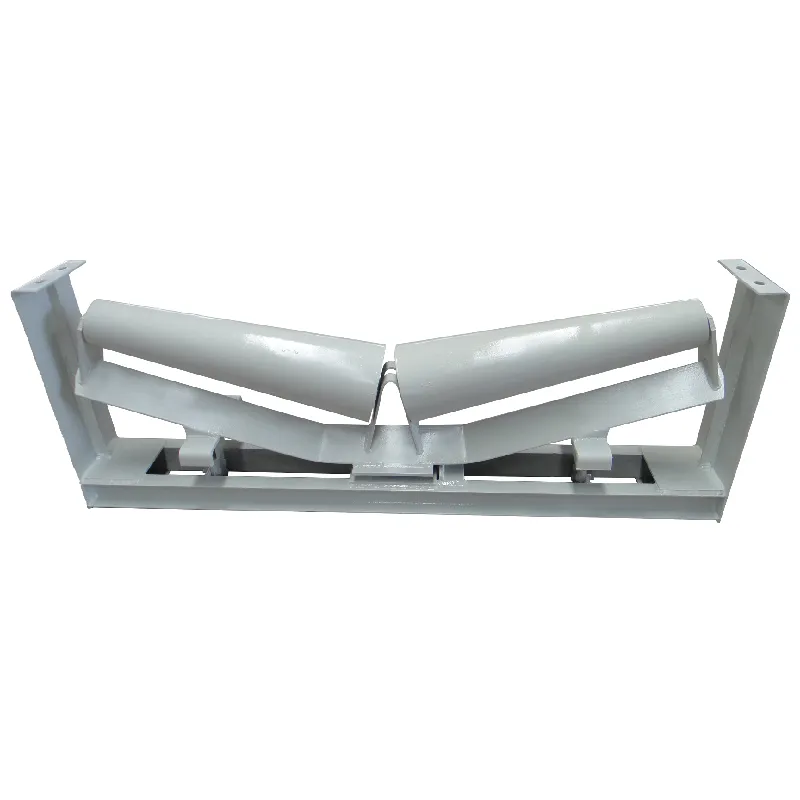
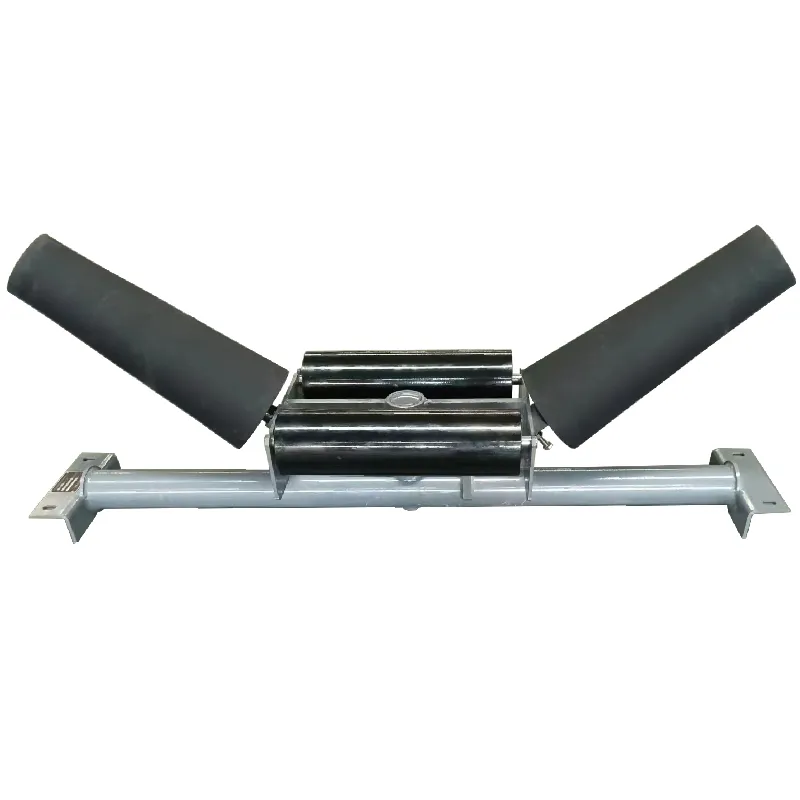
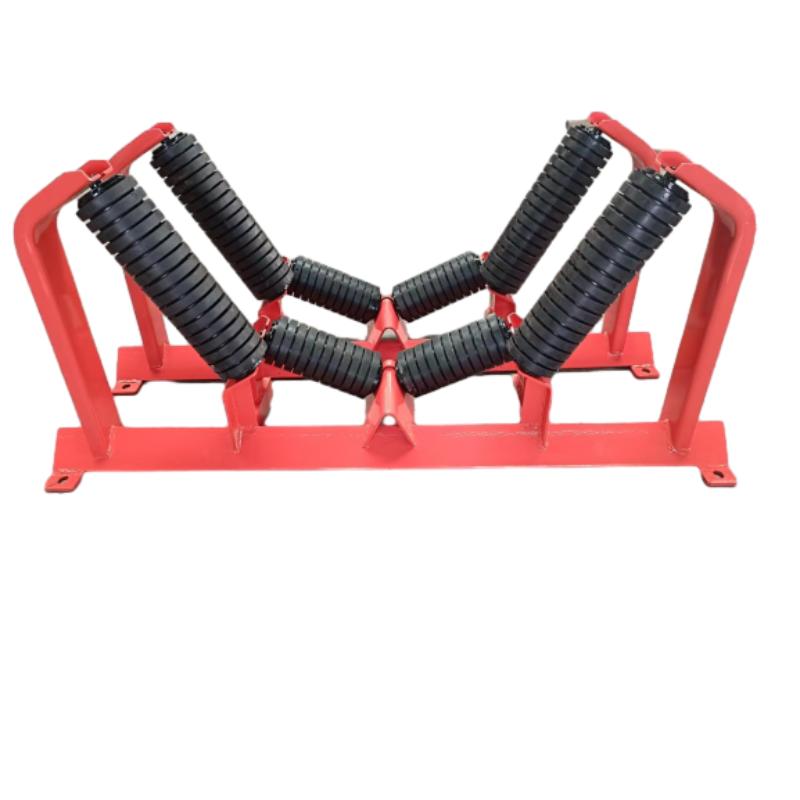
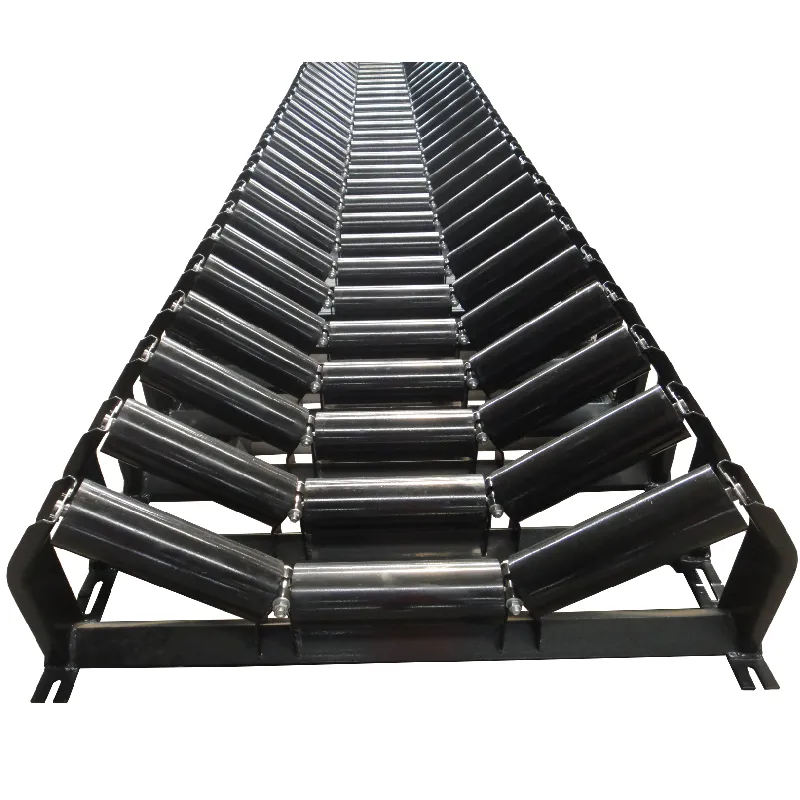
Having spent well over a decade in the industrial equipment world, I can tell you there’s more to belt conveyor rollers than meets the eye. Not just simple rotating cylinders—their performance can make or break your entire conveyor system’s efficiency. Oddly enough, the best roller isn’t always the flashiest one on paper; sometimes, it’s the one that blends solid materials, reliable design, and vendor support. Frankly, if you’re sourcing from the wrong supplier, you’re inviting downtime and headaches you just don’t need.
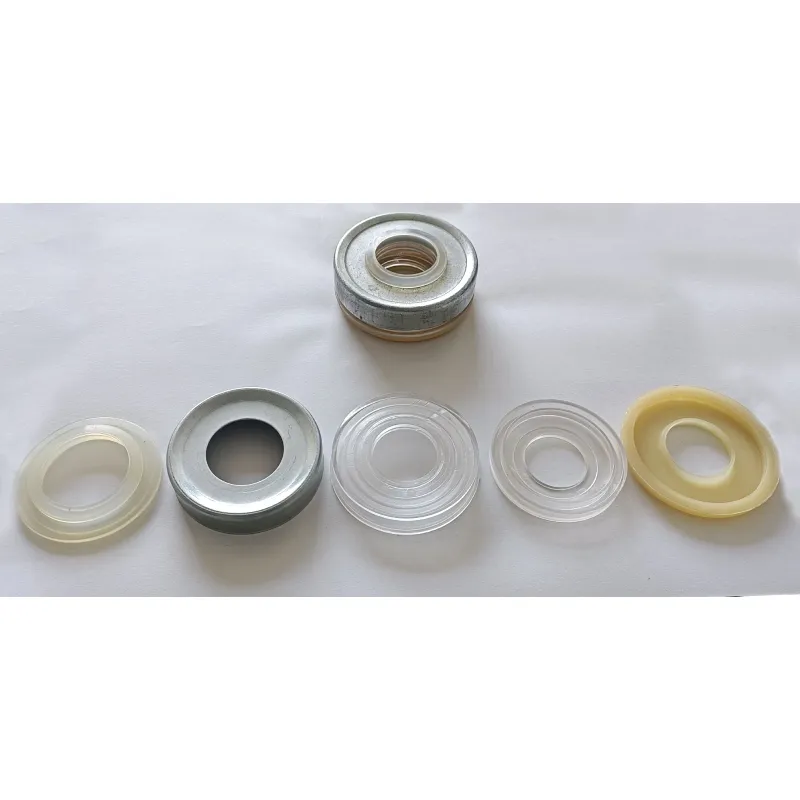
From my experience working alongside engineers and plant managers, consistent roller quality often boils down to two things: the materials used and the manufacturing precision. I remember a client who found their system’s wear points scaling dramatically because the rollers lacked proper corrosion resistance. After switching to rollers featuring higher-grade steel and industrial-grade rubber seals, those issues vanished almost overnight. It’s that kind of difference that truly matters.
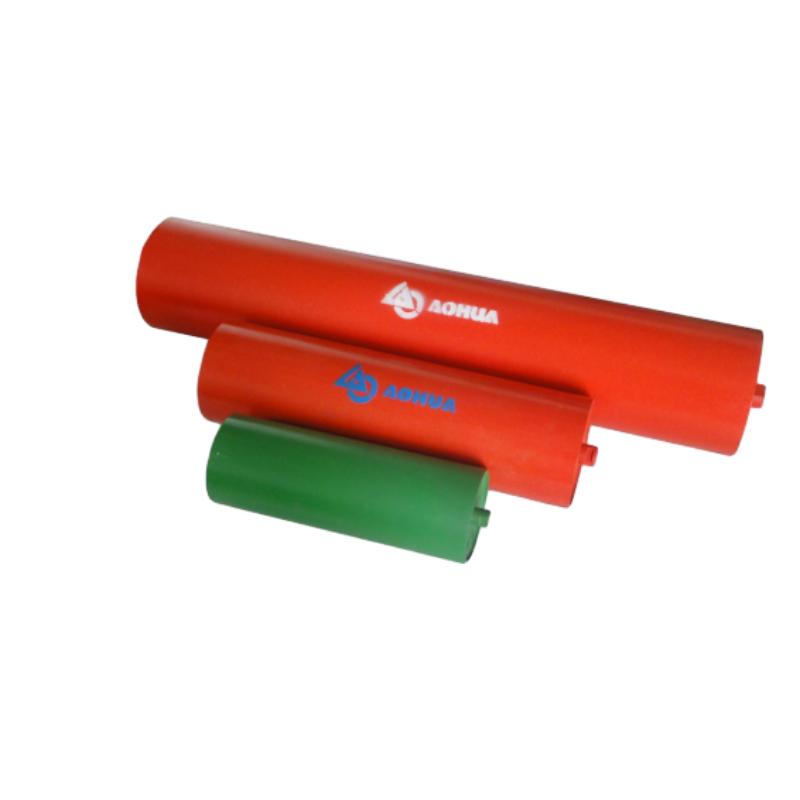
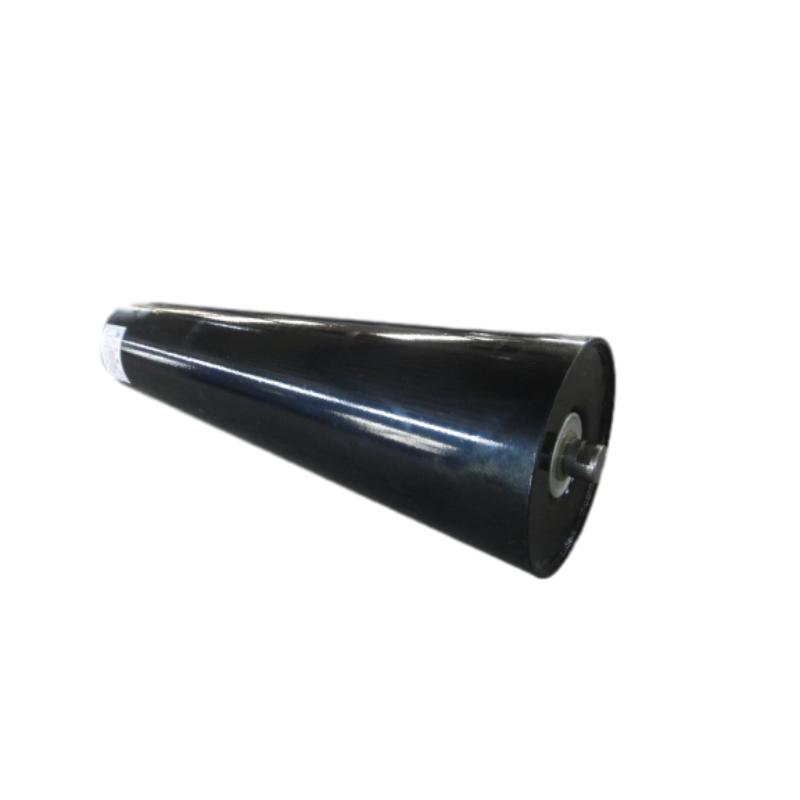
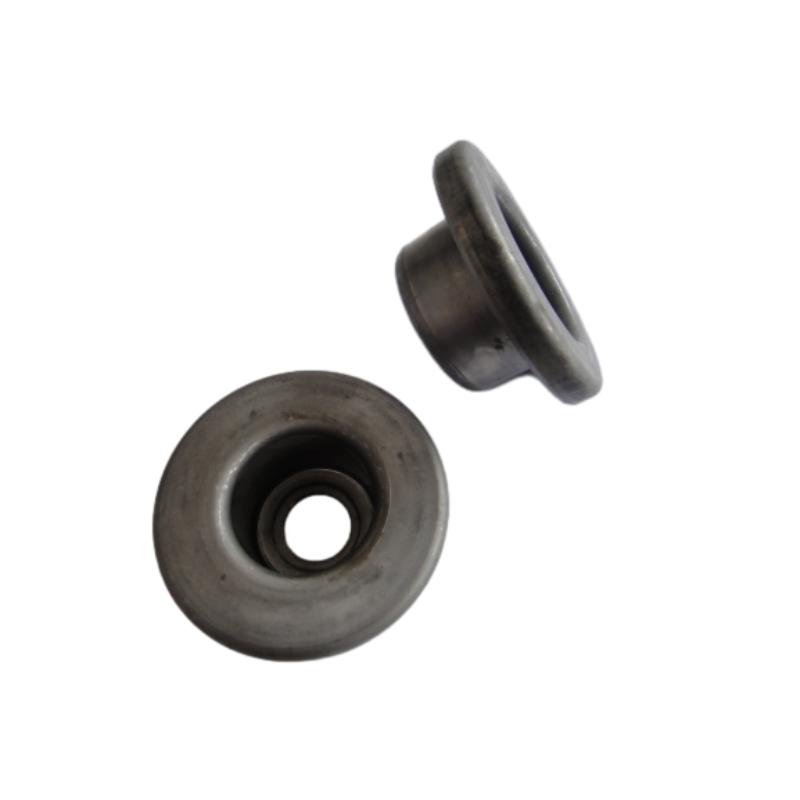
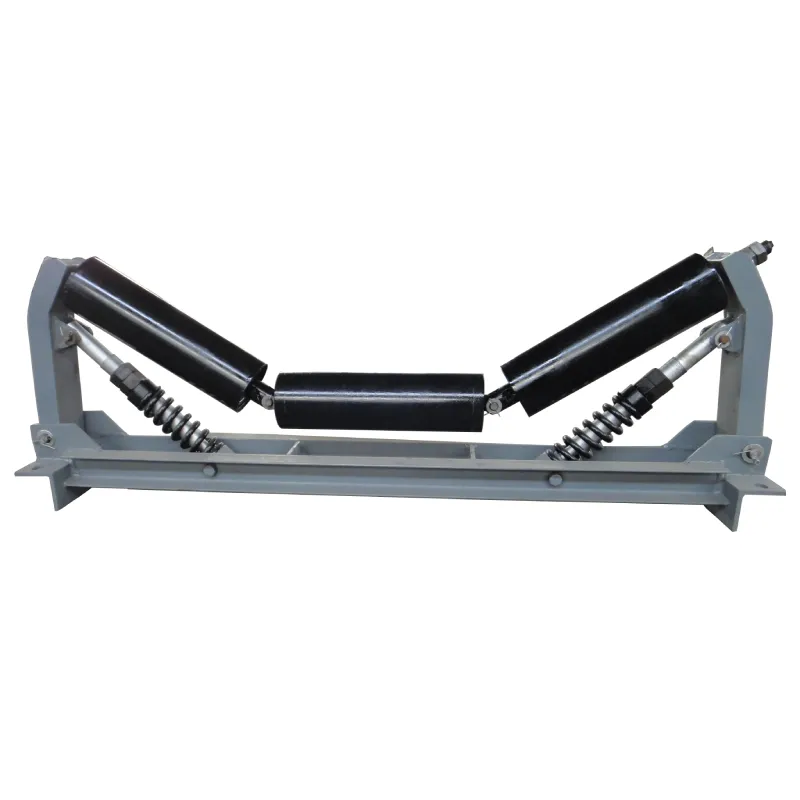
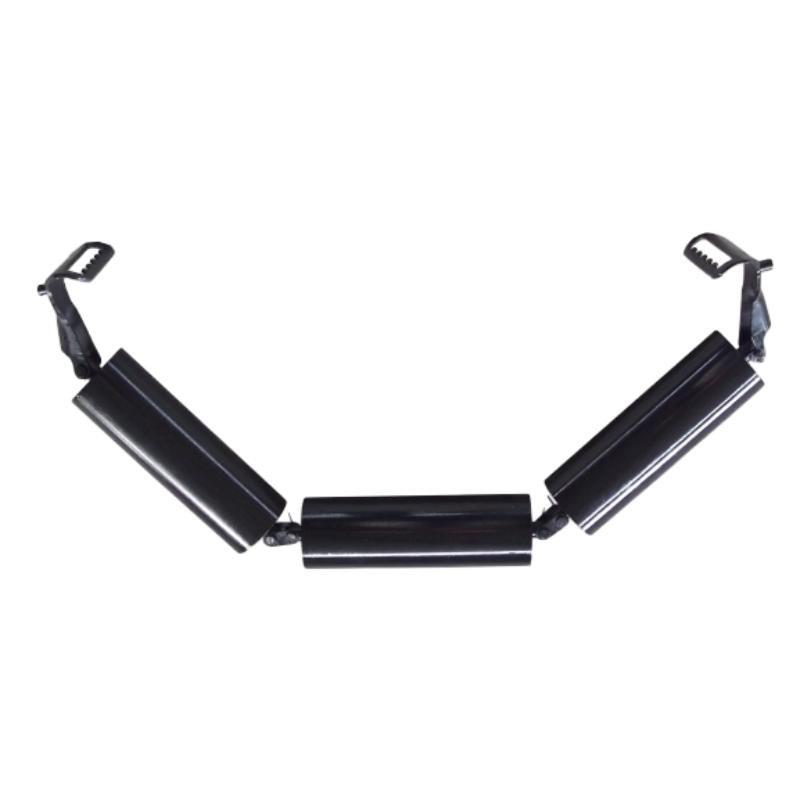
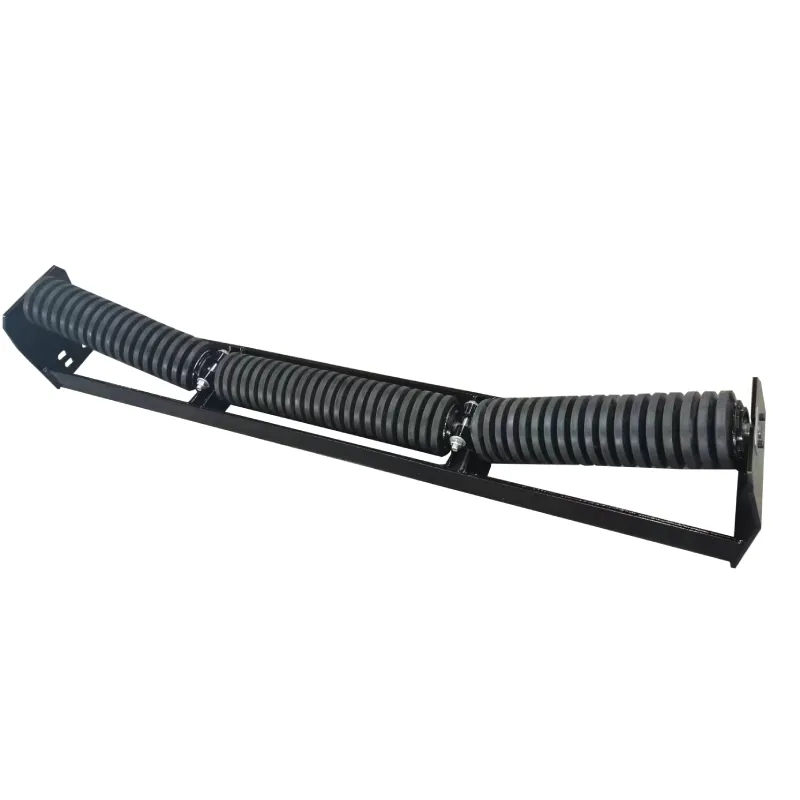
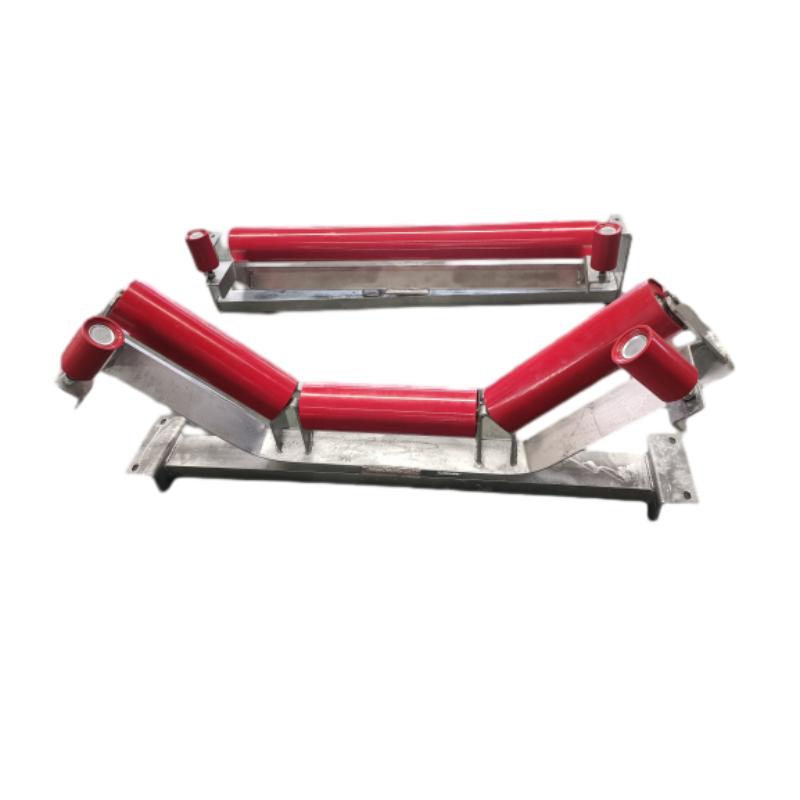
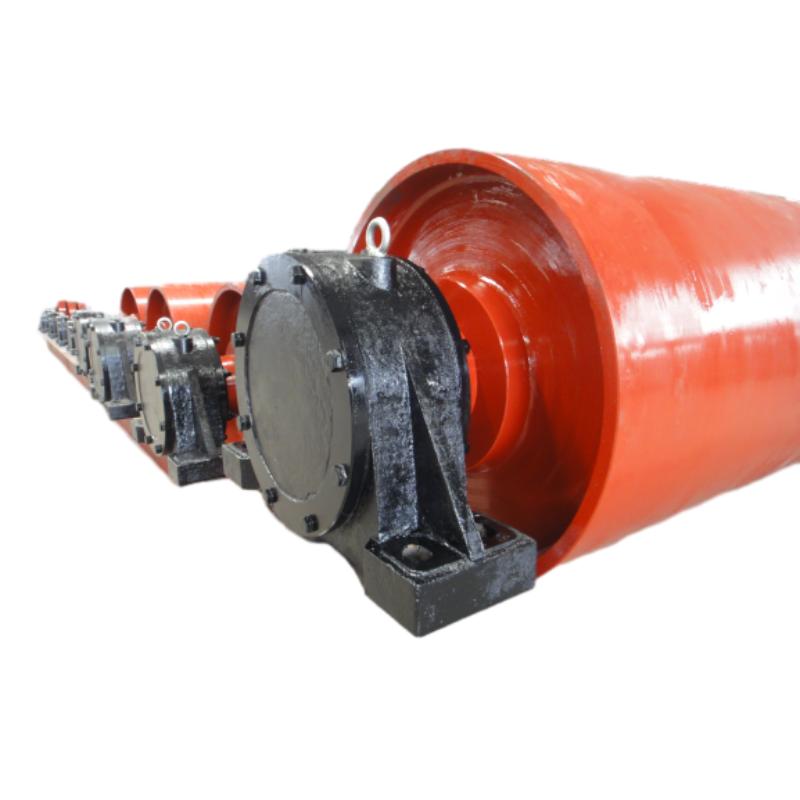
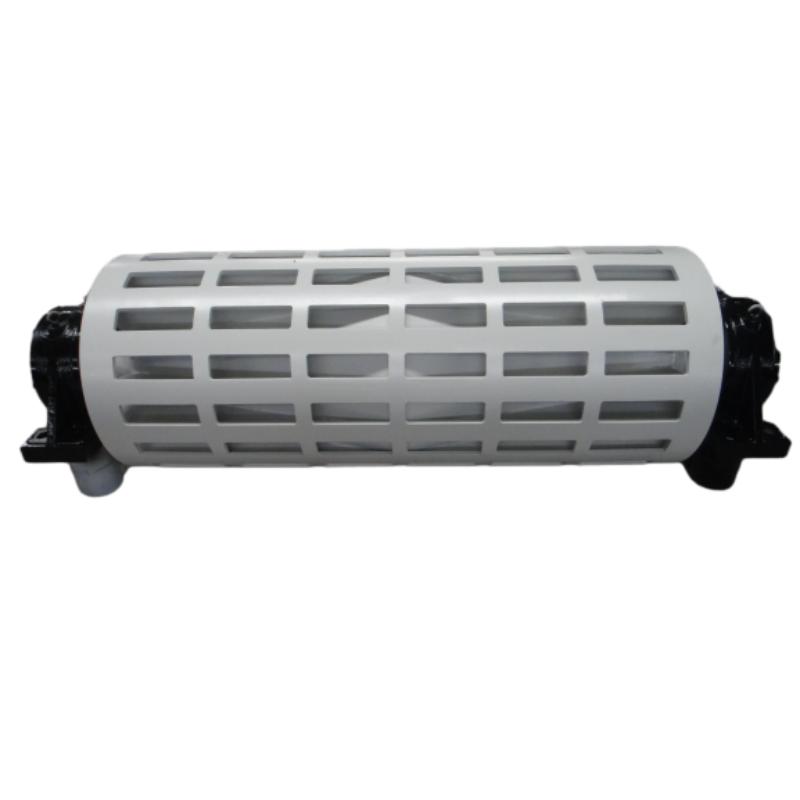
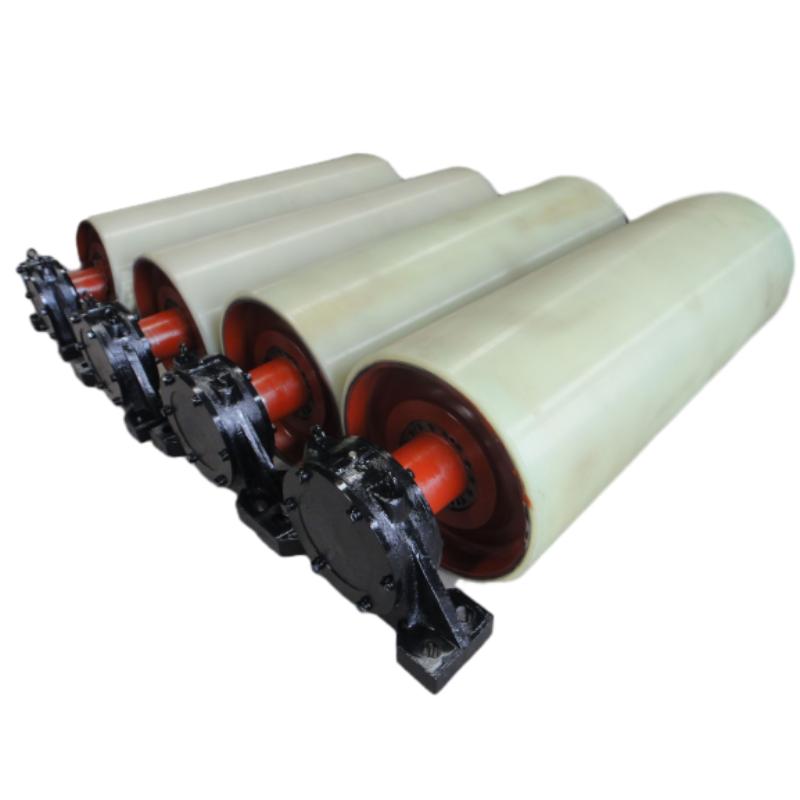
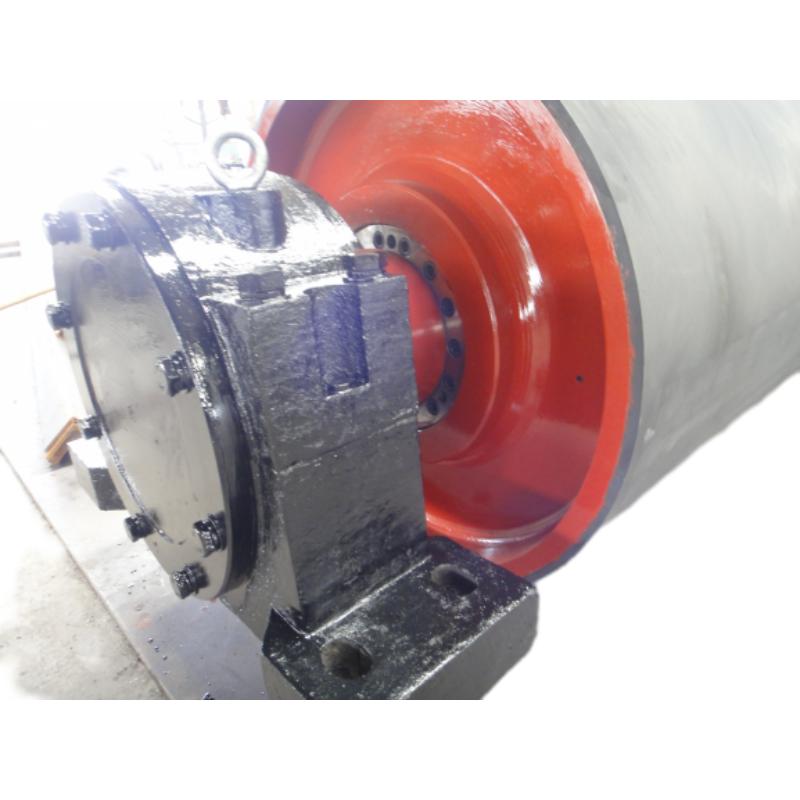
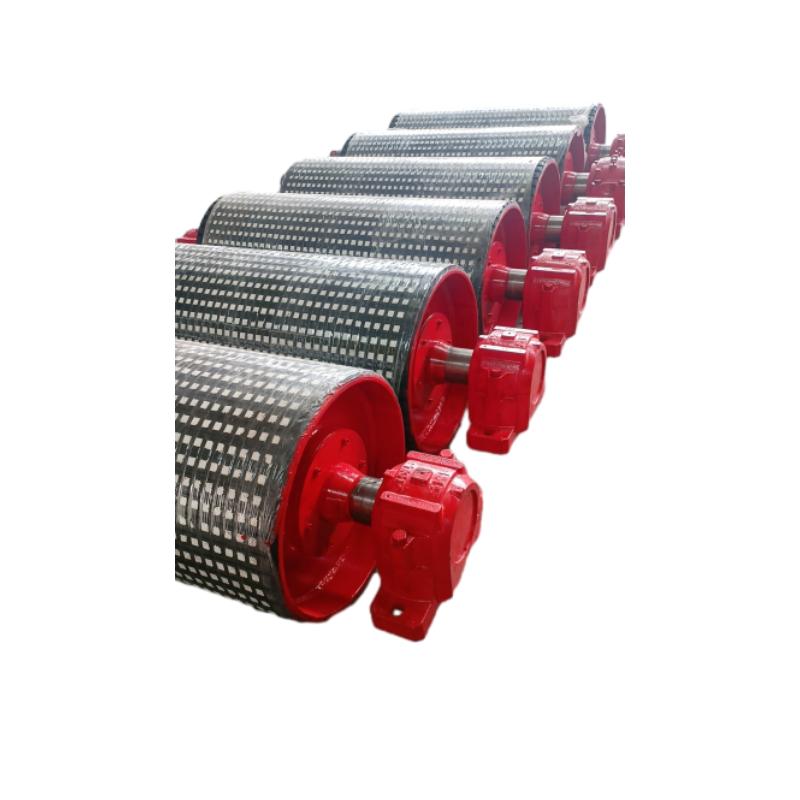
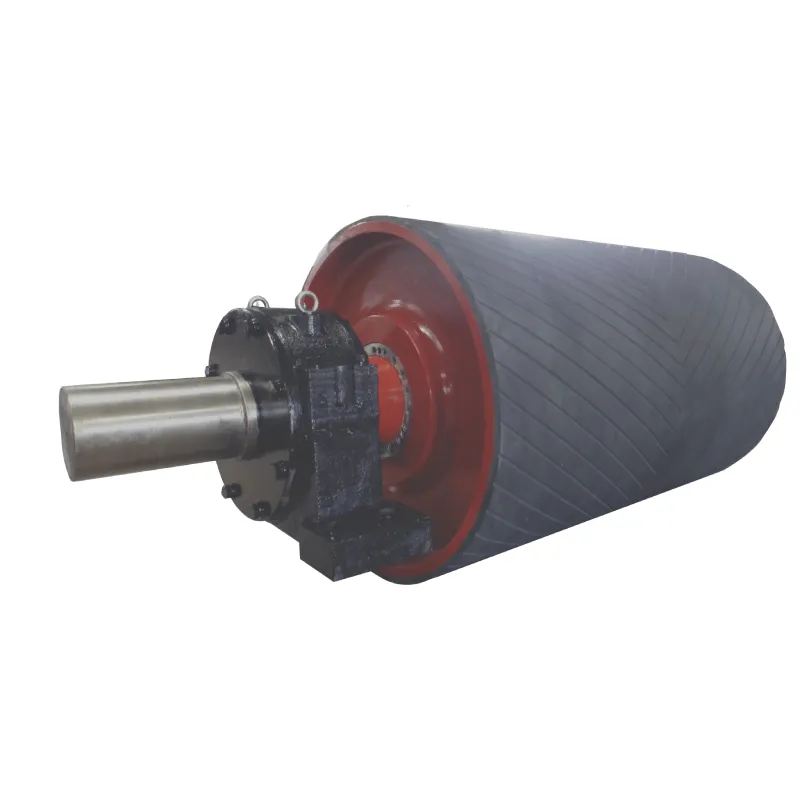
Most belt conveyor rollers today are made from galvanized steel or stainless steel tubing, sometimes with a powder coating for extra protection. The bearings inside are equally vital—sealed, maintenance-free bearings keep the roller rotating smoothly even in dusty or wet environments. And yes, some suppliers now offer customizations like special rubber compounds or reinforced shafts to handle heavier loads or specific environmental challenges.
Below, I’ve laid out a quick spec rundown of typical conveyor rollers you might come across, just to give a clearer picture:
| Specification | Details |
|---|---|
| Roller Diameter | 50 mm – 220 mm |
| Material | Galvanized Steel, Stainless Steel |
| Bearings | Sealed, Lubricated, Maintenance-Free |
| Load Capacity | Up to 3000 N per roller |
| Surface Finish | Powder Coating or Galvanized |
| Temperature Range | -20°C to 60°C (Standard) |
But how do you decide which supplier to go with? I’ve seen my fair share of companies pitching “the best roller in the market” with zero follow-up support — hard to trust, frankly. What you want is a partner who understands your industry’s quirks and stands by their product’s reliability. Here’s something I often share with clients: compare your prospective suppliers not only on specs but also on testing standards, lead times, and after-sale service.
To make that easier, here’s a quick comparison of three typical vendor profiles you might encounter:
| Feature | Supplier A (Local Manufacturer) | Supplier B (Overseas Bulk) | Supplier C (Specialize Customized) |
|---|---|---|---|
| Product Quality | Consistent, ISO Certified | Variable, Cost-Driven | High-End, Tailored Specs |
| Customization | Limited | None | Extensive |
| Lead Time | 2-4 weeks | 6-8 weeks | 4-6 weeks |
| Technical Support | On-site/Remote | Minimal | Dedicated Engineering |
| Price Level | Mid-Range | Low | Premium |
Now, you might wonder: is it always worth paying more? Not necessarily. For low-impact, short-term conveyors, Supplier B might do the trick. But in heavier industries, my go-to recommendation often tends toward Supplier A or C because reliability in roller performance equals fewer surprises on the factory floor.
On a personal note, what really stood out to me recently was partnering with a vendor who went beyond supplying parts—they collaborated on creating rollers with enhanced abrasion-resistant coatings. The difference showed not just in specs but in actual months of extended uptime. That’s the kind of relationship that makes all the difference.
In real terms, choosing your belt conveyor roller suppliers means combining solid product knowledge, evaluating specs carefully, and trusting vendors who back you up. It’s not rocket science, but it’s definitely a discipline worth cultivating.
So next time you stand before that purchasing decision, take a step back, ask the right questions, and remember: a great roller can keep your whole system running smoother — and that’s a win for everyone.
References:
- Material and Design Standards from Conveyor Equipment Manufacturers Association (CEMA)
- Field Reports on Conveyor Roller Reliability – Industrial Engineering Magazine, 2023
- Manufacturer Case Studies from idleraohua.com
-
Maximize Conveyor Life with a High Performance impact bedNewsApr.16,2026
-
Maximize Conveyor Efficiency Using a v plow belt scraperNewsApr.09,2026
-
Comprehensive Guide to Understanding Different Types of Belt CleanersNewsApr.07,2026
-
Enhancing Conveyor Efficiency with an Effective Scraper Belt CleanerNewsApr.04,2026
-
Optimizing Conveyor Systems with Advanced Cleaning Equipment SolutionsNewsMar.31,2026
-
Effective Conveyor Belt Scraper Adjustment for Optimal System PerformanceNewsMar.28,2026