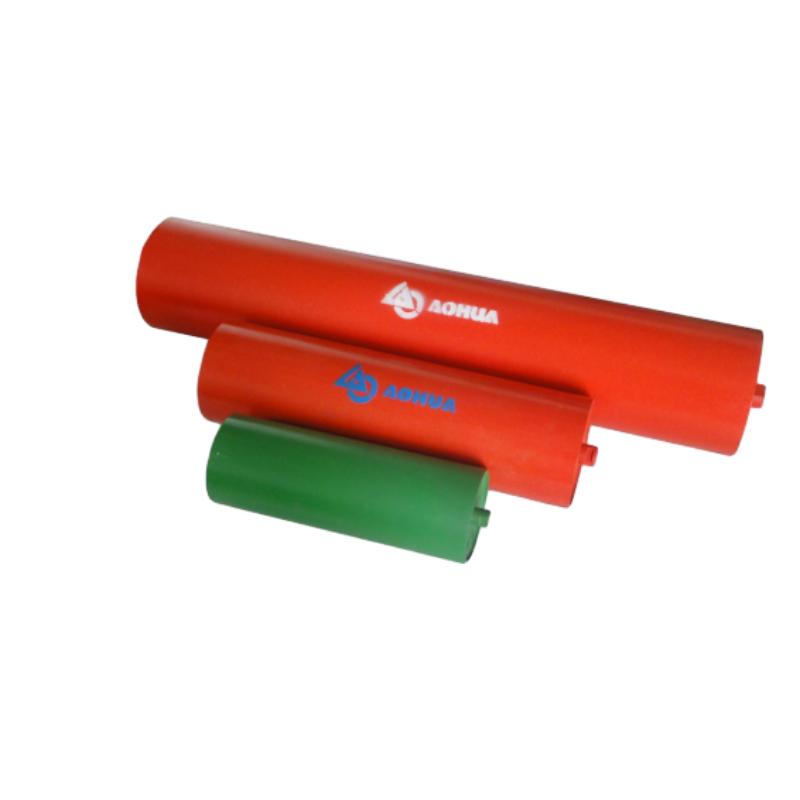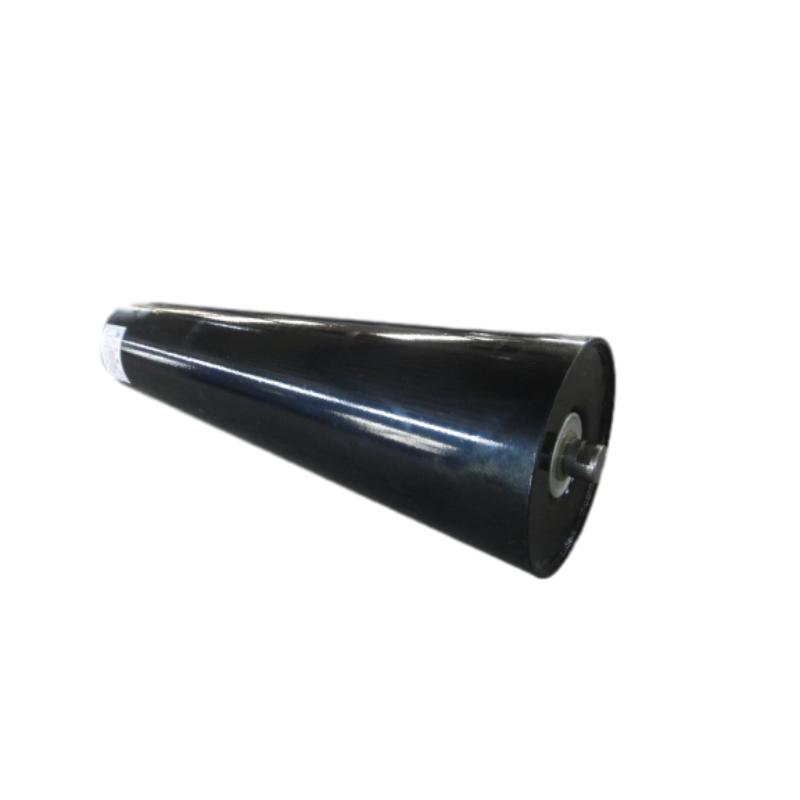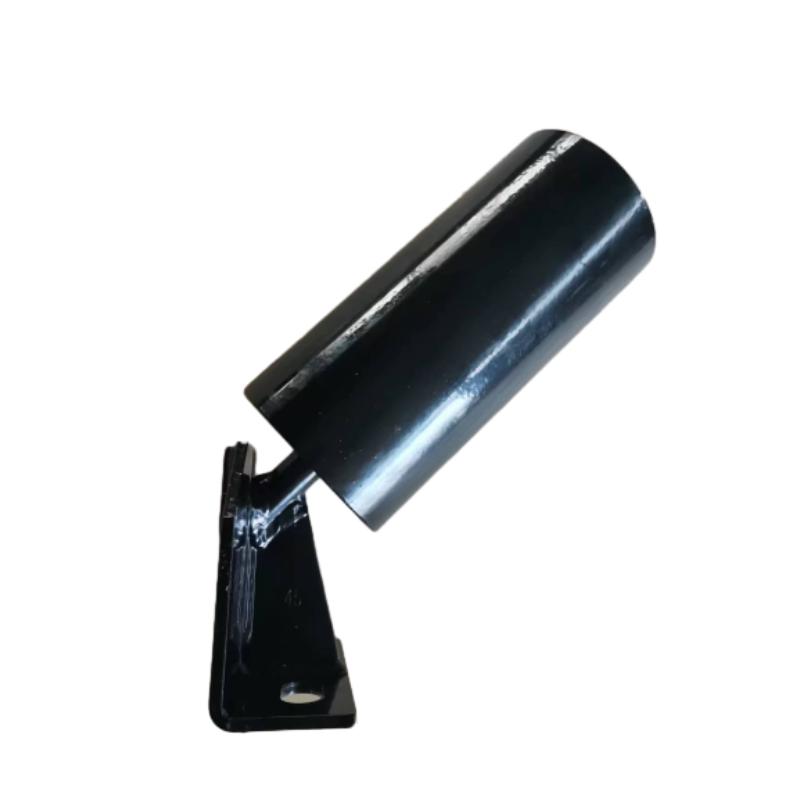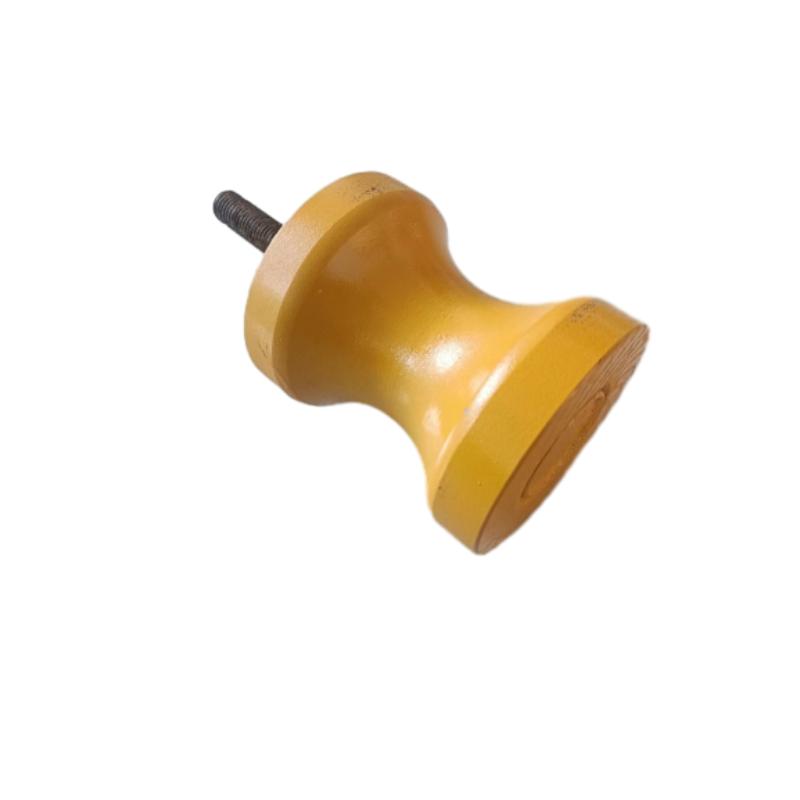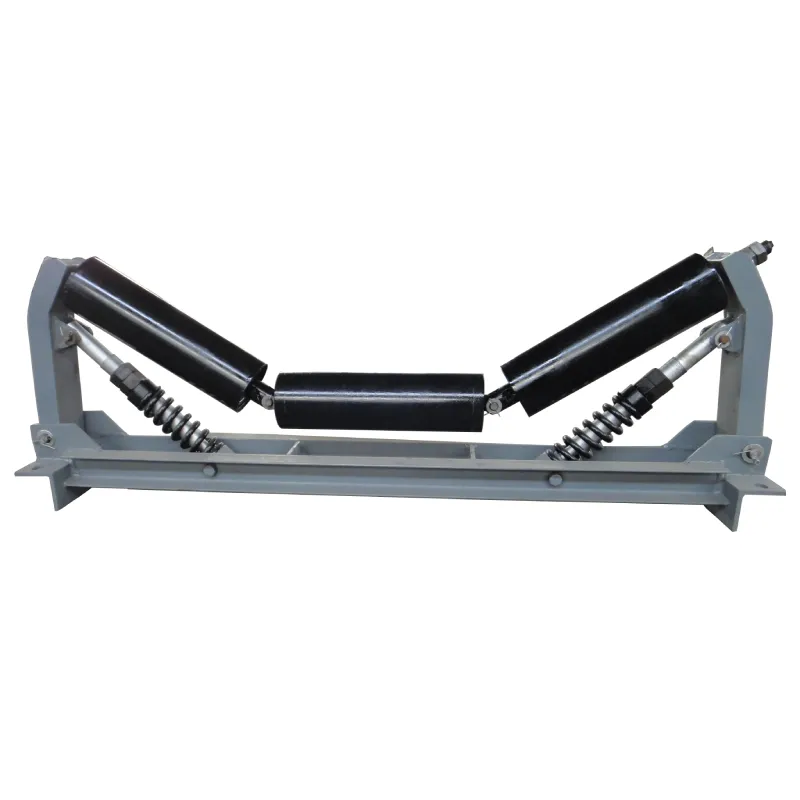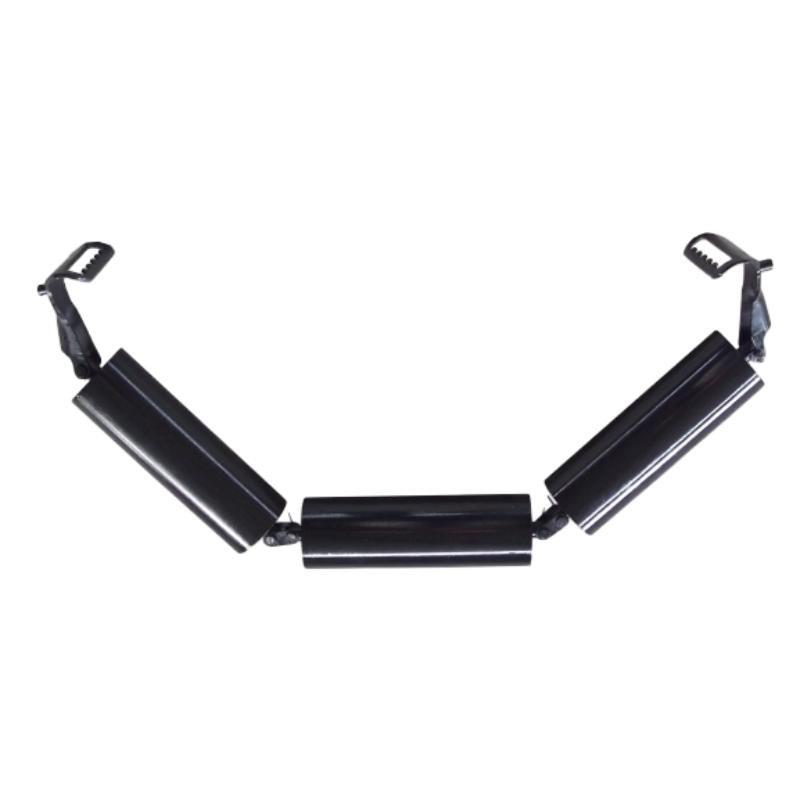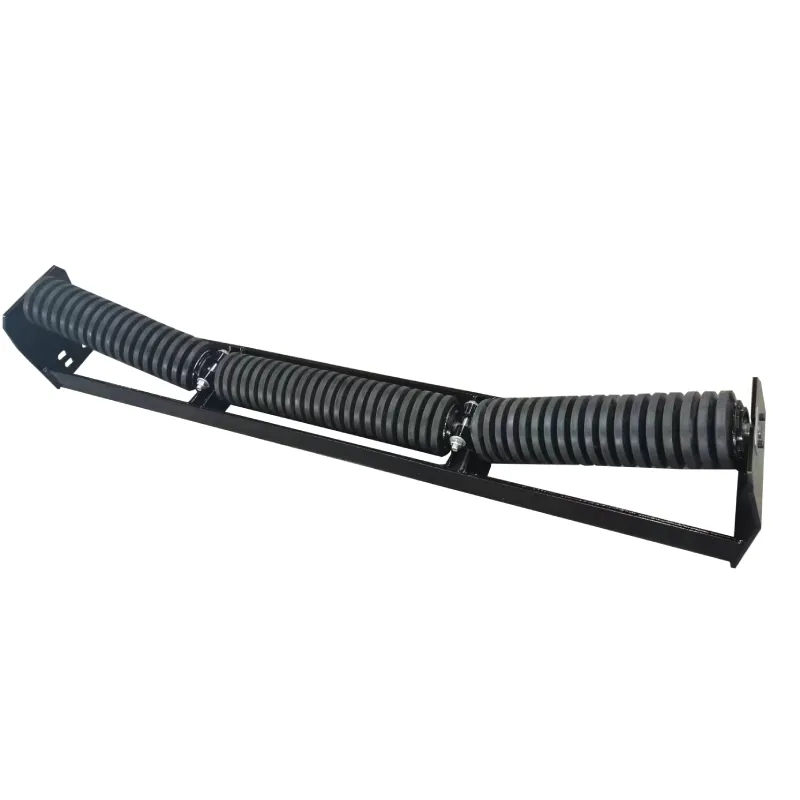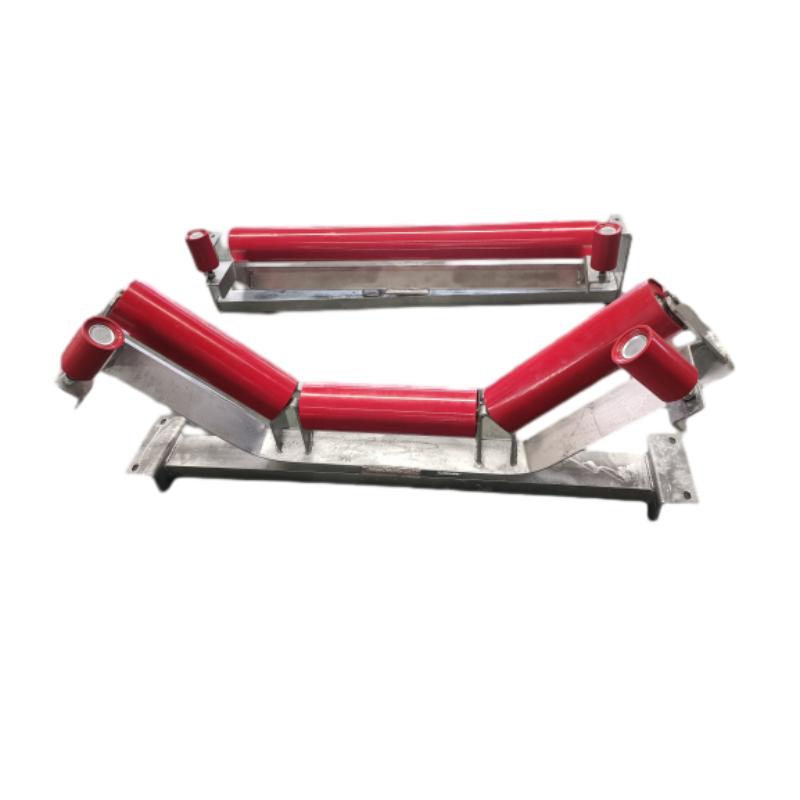


Adjustable Guide Rollers: Enhancing Conveyor Efficiency and Flexibility
Adjustable Guide Rollers: Small Components, Massive Industrial Impact
Adjustable guide rollers might sound like one of those tiny, technical components engineers throw around in meetings, but their role in the global industrial landscape is surprisingly vital. In essence, these little guys help guide materials, typically on conveyor systems, ensuring smooth movement, reduced wear, and higher efficiency. Understanding them is more than just technical curiosity — it’s about grasping a key element that keeps factories, logistics hubs, and supply chains humming worldwide.
Given the rise of automated manufacturing and the push for cost-effective, sustainable logistics, adjustable guide rollers have found themselves at the crossroads of innovation and necessity. It’s a classic case where small-scale engineering meets big-picture outcomes.
Why Adjustable Guide Rollers Matter in Today’s Industry
Globally, industries rely heavily on conveyor systems — from mining in Australia to food processing in Europe and packaging plants in North America. According to data from the International Organization for Standardization (ISO), conveyor systems’ efficient operation can directly impact output by up to 25%, which means components like adjustable guide rollers play a supporting yet critical role.
Now, think of the challenge: conveyors transport materials of different widths, weights, and fragility. Fixed rollers can’t always keep things aligned perfectly. Misalignment leads to spillage, equipment damage, and downtime — costly headaches industries can’t afford. Adjustable guide rollers offer a flexible solution, accommodating variable loads and reducing these risks.
In regions with growing manufacturing bases, such as Southeast Asia, the demand for adaptable, easy-to-maintain conveyor components echoes the larger push for industrial modernization. Without these rollers, the entire production line risks slowdowns or worse.
Mini takeaway:
Adjustable guide rollers help solve alignment and flexibility challenges on conveyor belts, making systems more reliable and adaptable worldwide.
What Exactly Are Adjustable Guide Rollers?
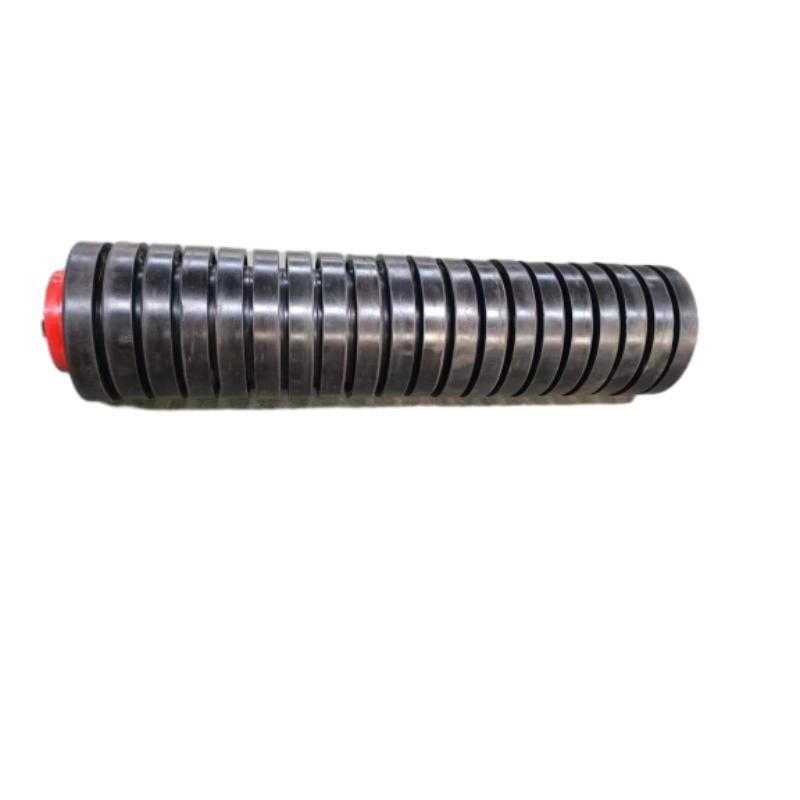
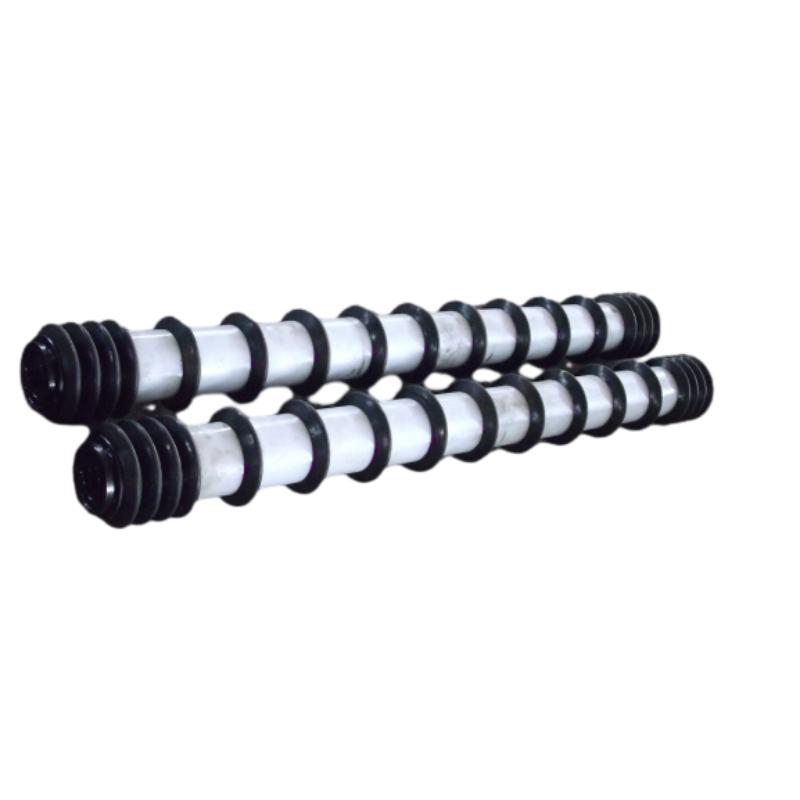
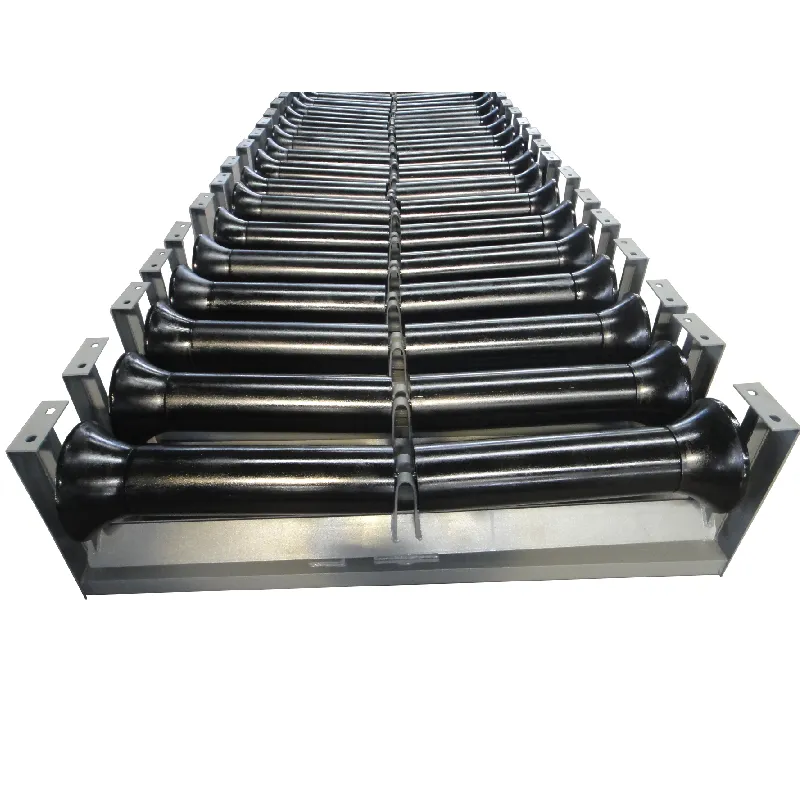
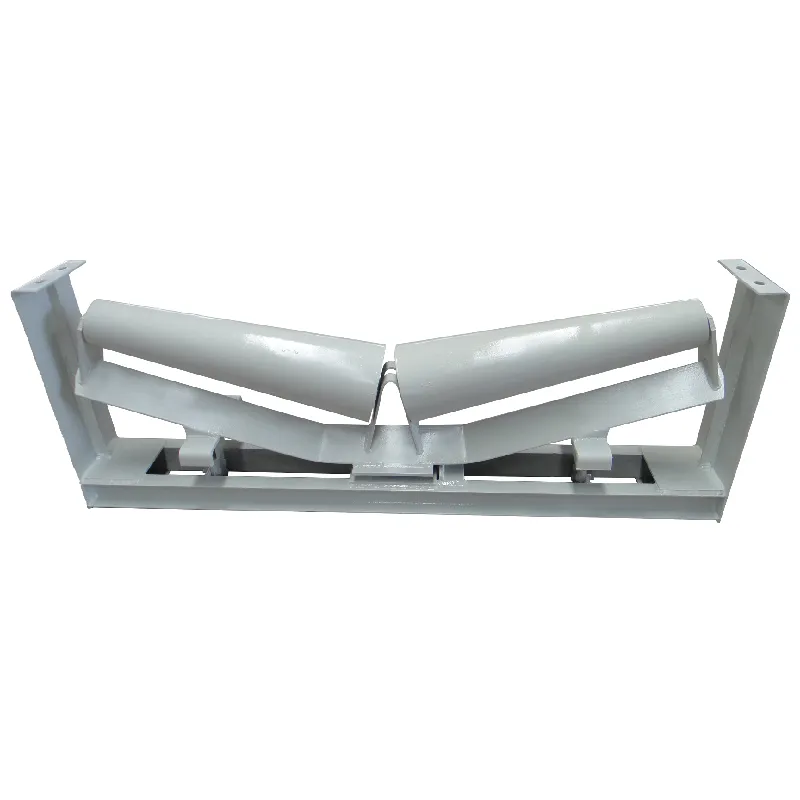
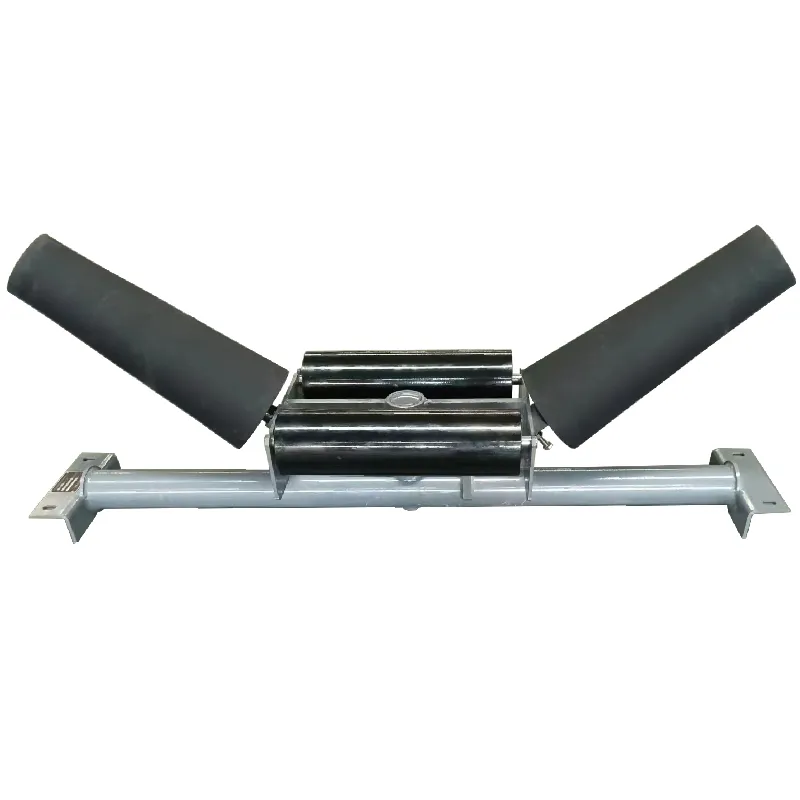
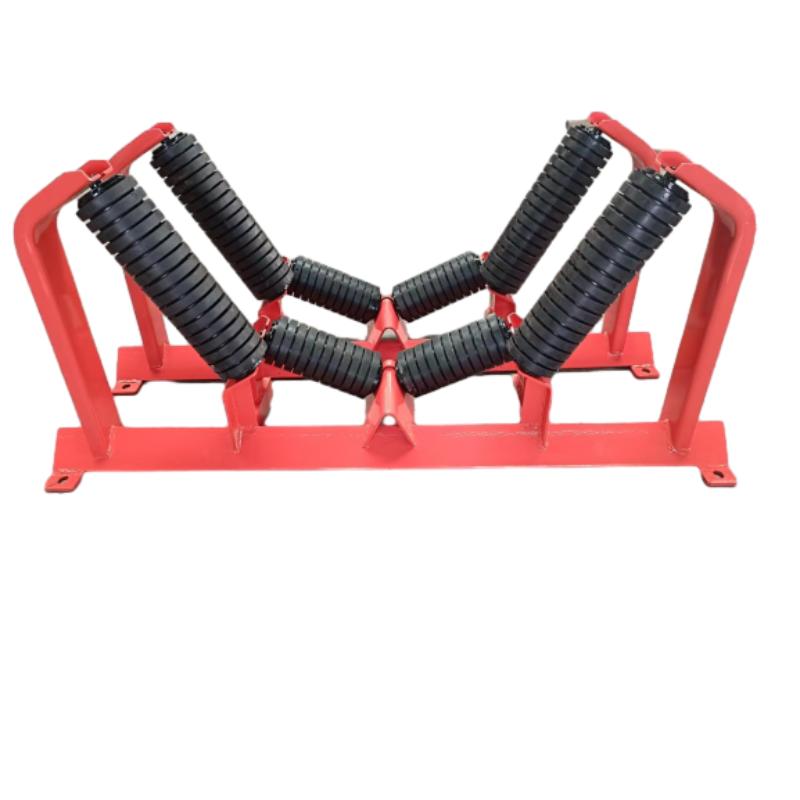
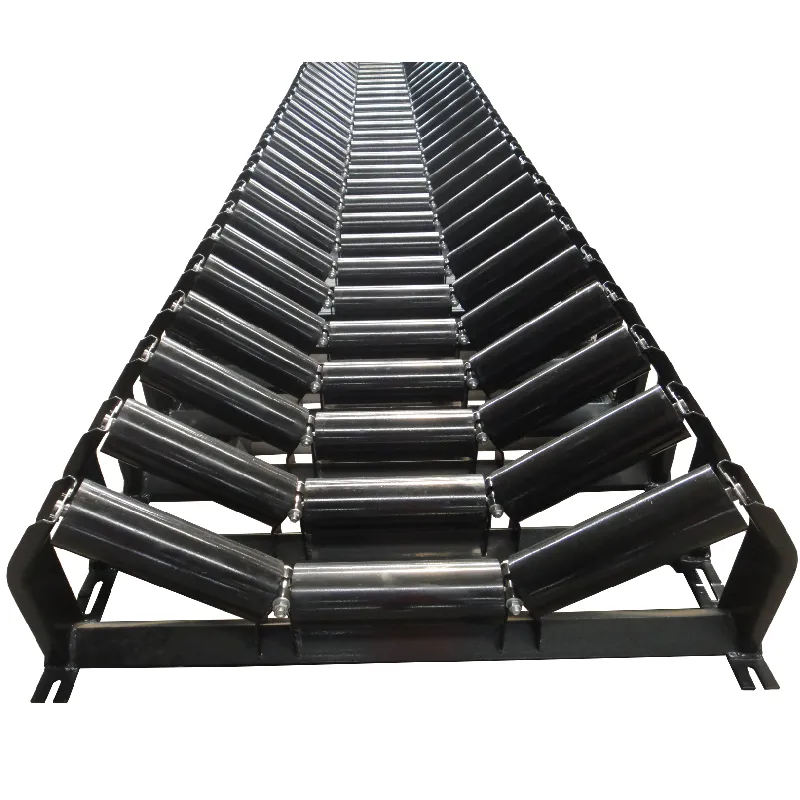
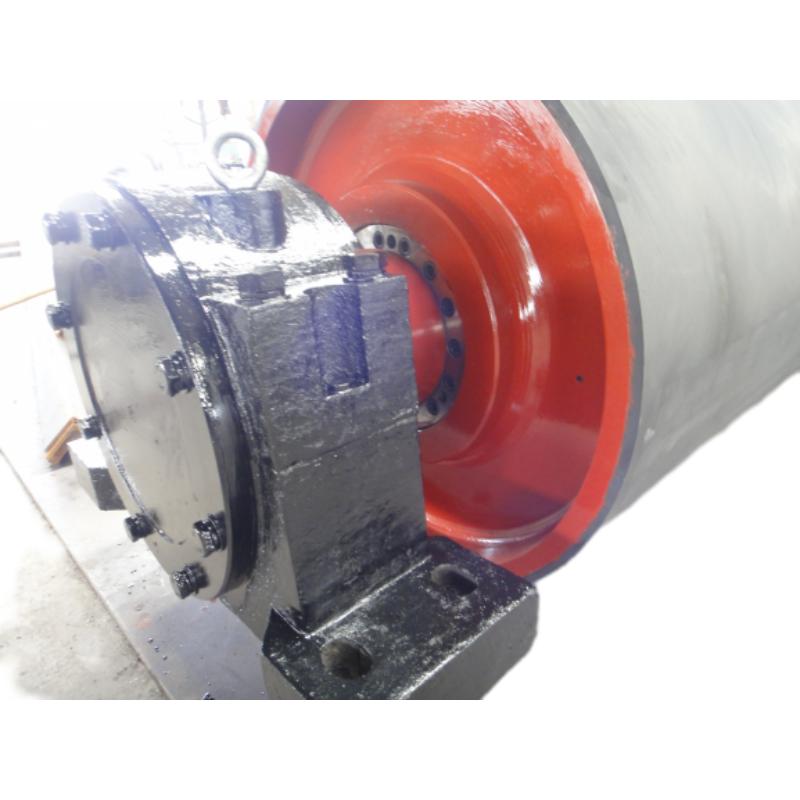
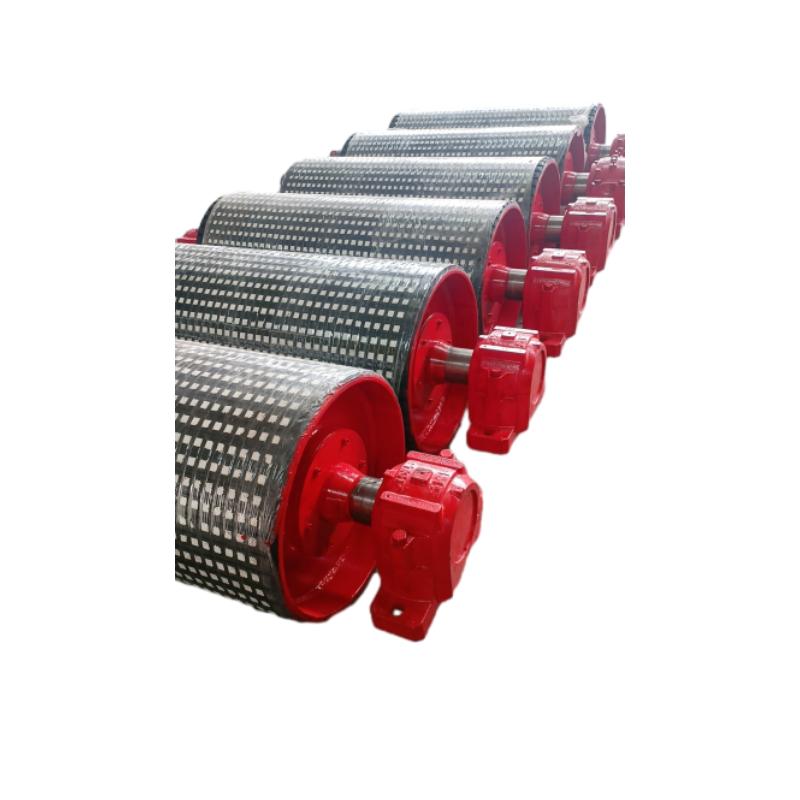
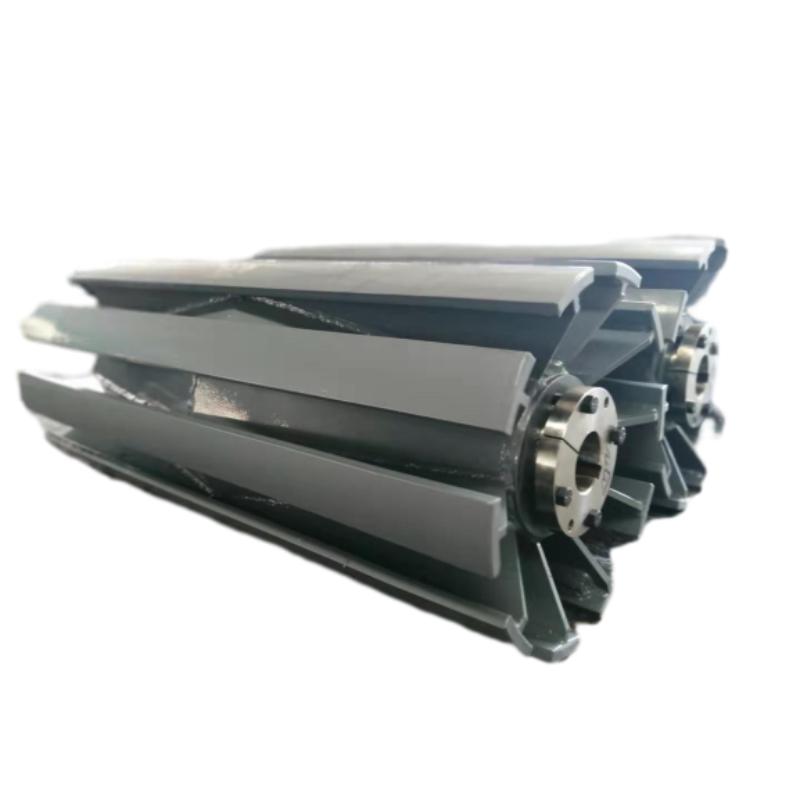
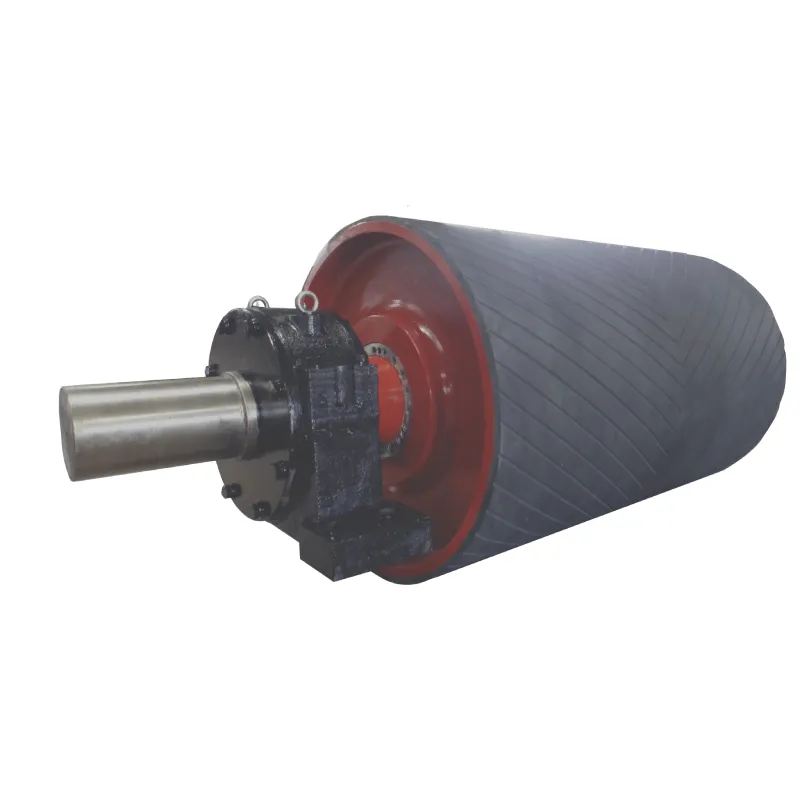
Simply put, adjustable guide rollers are cylindrical components installed alongside conveyor belts that can be repositioned or resized to guide materials accurately along their path. Unlike fixed guide rollers, these can be adjusted to fit different material widths or angles. This adjustability allows operators to respond quickly to production changes without expensive downtime.
From a humanitarian perspective, they even indirectly support efficient supply chains that get aid and essentials where needed faster — a small piece of tech playing a quiet but key role in logistics.
The Core Components That Define Their Value
1. Durability
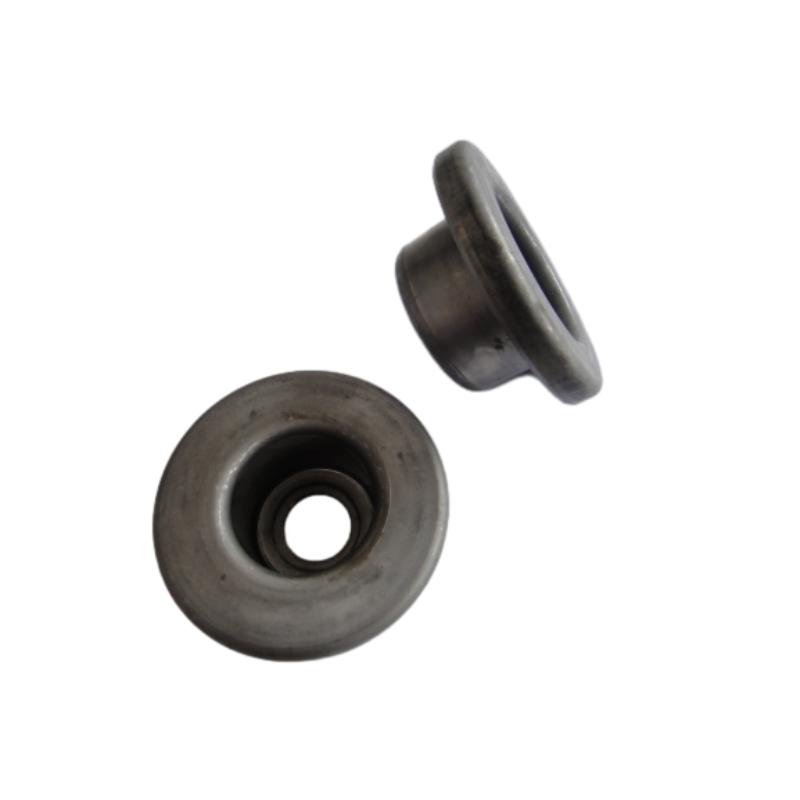
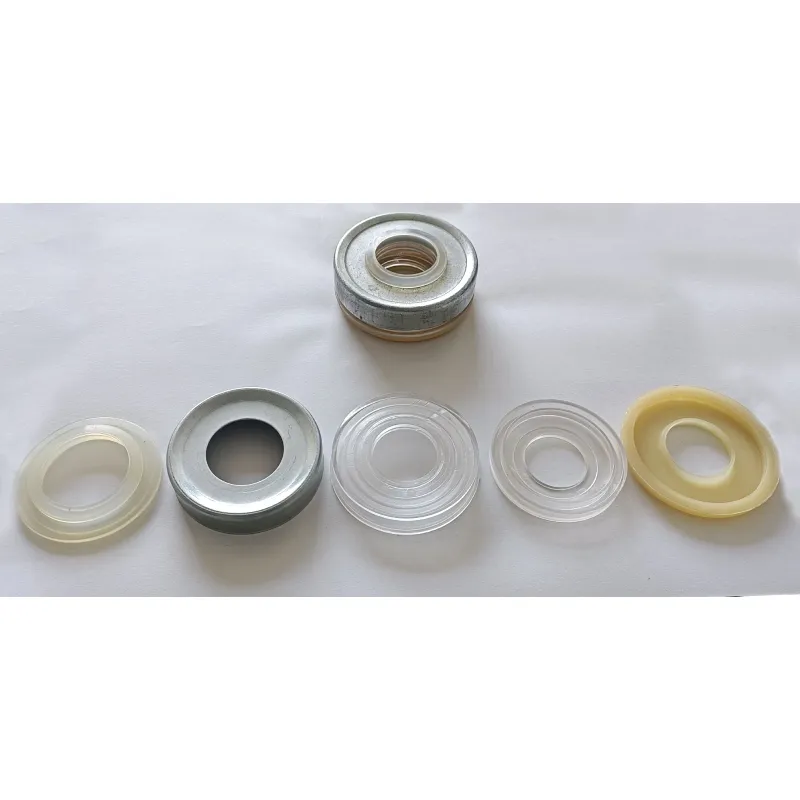
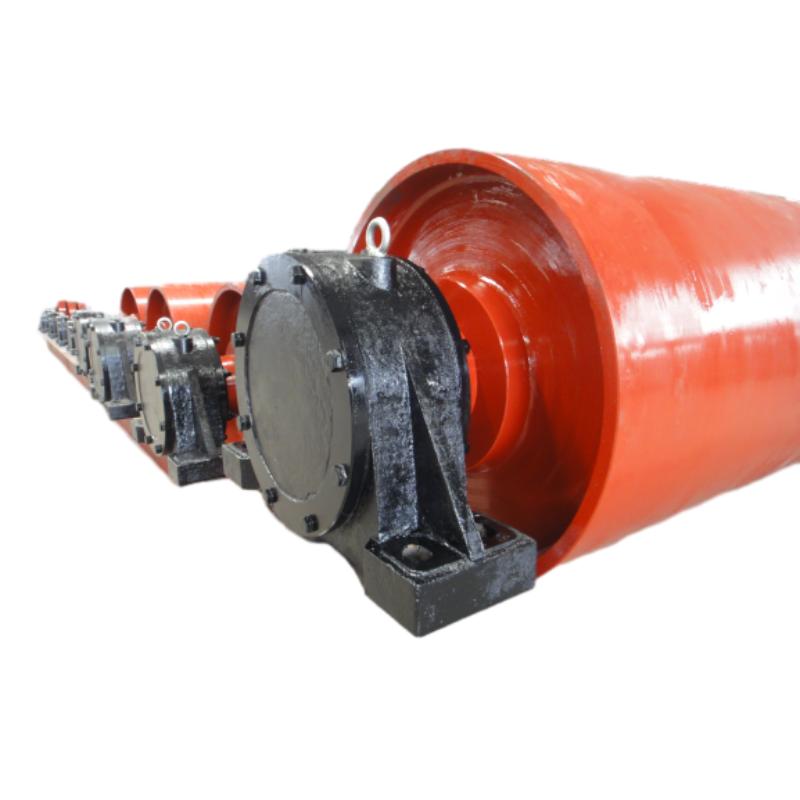
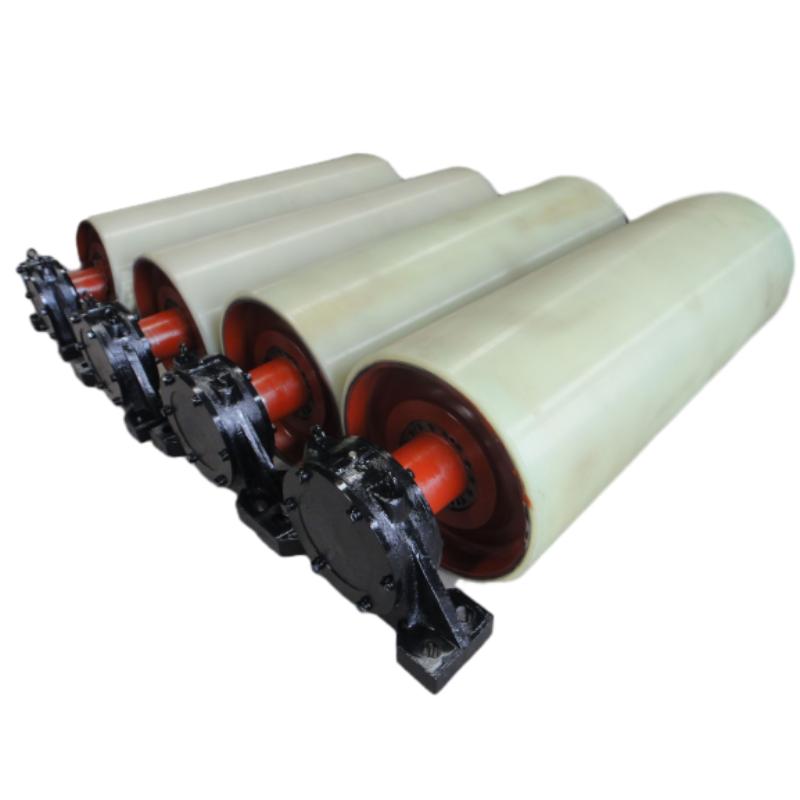
Since guide rollers are in nearly constant contact with moving materials, they must withstand wear, dust, moisture, and sometimes corrosive environments. Many manufacturers use hardened steel or high-grade polymers for the rollers, often combined with sealed bearings to reduce maintenance needs.
2. Adjustability & Flexibility
This covers the ease of changing roller position to accommodate different loads or belt widths. Some systems use screw-driven mechanisms, others rely on quick-release levers — the goal is minimal downtime when adjustments are needed.
3. Cost Efficiency
These components ultimately reduce spillage and belt damage, directly impacting operational costs. It’s often a wise upfront investment that pays off over the long haul with fewer repairs and less wasted material.
4. Scalability & Integration
Adjustable guide rollers need to fit a variety of conveyor configurations, from small packaging lines to massive bulk material handling setups. Their modular nature means they’re customizable to match specific industrial needs.
5. Maintenance & Reliability
Low-maintenance designs with wear indicators let technicians plan servicing proactively, avoiding unexpected production stops.
Adjustable Guide Rollers in Real-World Settings
In fact, these roller systems are everywhere. In Northern Europe’s paper manufacturing plants, where delicate sheet materials require precise handling, adjustable rollers ensure the sheets don't tear or jam. Meanwhile, in South Africa’s mining sector, heavy-duty versions guide dusty, heavy rocks along belts that climb steep grades.
Even humanitarian logistics benefit: for example, rolling pallets in refugee relief centers typically use conveyor lines equipped with adjustable guide rollers to handle variable packaging sizes quickly and safely.
A quick case example:
A major automotive parts supplier in Mexico reported a 15% uplift in throughput after upgrading to adjustable guide rollers with faster repositioning technology. Operators could barely keep up with orders, so this tweak really kept things moving — literally.
Why Invest in Adjustable Guide Rollers? The Long-Term Benefits
- Cost Savings: Avoiding conveyor downtime and material loss means impressive ROI.
- Sustainability: Less waste, fewer replacements, and energy-efficient operation.
- Safety: Well-aligned conveyors reduce workplace accidents.
- Innovation & Trust: Investing in quality rollers signals commitment to efficient, modern operation.
Quite often, engineers say these parts “fly under the radar” until they fail — then you realize how crucial they are. It’s that kind of hidden reliability that benefits both operational budgets and worker confidence.
Looking Ahead: Trends Shaping Adjustable Guide Rollers
With Industry 4.0 knocking on every factory door, expect smarter rollers with embedded sensors measuring wear, alignment, and load in real time. The promise? Predictive maintenance instead of reactive — saving hours and tons of potential lost materials.
Materials science also plays its part. Biodegradable polymers and recycled composites are starting to replace traditional plastics in environmentally conscious supply chains.
More automation means rollers can adjust automatically, responding to changing production parameters without human intervention — a small but exciting evolution shaping efficiency.
Current Challenges and How the Industry Is Tackling Them
The biggest hurdle, oddly enough, is balancing robust construction with easy adjustability. Heavy-duty rollers can be tough to reposition regularly, slowing down line changes. Manufacturers are experimenting with lightweight alloys and modular designs to ease this friction.
Another challenge is standardization. Conveyor setups vary wildly between industries and countries, making it tricky to create a one-size-fits-all product. That’s where adjustable guide rollers with customizable kits and modular parts come in handy, offering adaptable solutions that don’t tie users down.
FAQ: Frequently Asked Questions About Adjustable Guide Rollers
Q1: How do adjustable guide rollers improve conveyor belt lifespan?
A1: By keeping materials centered and aligned, these rollers reduce edge damage and uneven belt wear. This not only avoids costly belt replacements but also lessens downtime for repairs, making operations smoother and more reliable.
Q2: Can adjustable guide rollers be used with all belt types?
A2: Generally, yes. They’re designed to work with flat belts, modular belts, and even fabric belts. The key is selecting the right size and material of the roller to match belt speed, load, and product type.
Q3: What maintenance do adjustable guide rollers require?
A3: Maintenance is often low but important — regularly checking for grease in the bearings, wear on the rollers, and ensuring the adjustment mechanisms move freely. Bearings with sealed or self-lubricating designs reduce servicing frequency significantly.
Q4: Are adjustable guide rollers expensive to implement?
A4: While initial costs may be higher than fixed rollers, the long-term savings from reduced material spillage, belt wear, and downtime often justify the investment. Plus, modular designs allow selective upgrades instead of full replacements.
Q5: How quickly can adjustable guide rollers be adjusted during production changes?
A5: Depending on the design, adjustment can be done in minutes to an hour. Innovative quick-release or automated systems can further cut this time, helping meet the pace of dynamic production schedules.
Product Specification Table
| Specification | Detail |
|---|---|
| Material | Hardened Steel / Polymer Options |
| Diameter Range | 50mm to 200mm |
| Adjustability Mechanism | Screw-driven or Quick-Release Lever |
| Load Capacity | Up to 1500 kg per roller |
| Sealing | Sealed Bearings for Dust and Moisture |
| Operating Temperature Range | -20°C to +80°C |
Vendor Comparison: Selecting the Right Adjustable Guide Rollers
| Vendor | Material Options | Adjustability Type | Lead Time | Price Level |
|---|---|---|---|---|
| RollTech Industries | Steel, Polymer | Screw Adjustment | 2-3 Weeks | Medium |
| FlexRoll Solutions | Advanced Polymer Only | Quick-Release Lever | 1 Week | High |
| GlobalRollers Co. | Steel & Alloy | Automated Adjustment Available | 4 Weeks | Premium |
Wrapping It Up
Adjustable guide rollers might not be the star of the industrial show, but they’re by no means minor players. They bring flexibility, reliability, and efficiency to conveyor systems globally — which, if you think about it, is the backbone of so many industries we depend on daily.
Whether in high-tech factories or relief supply lines, investing in adjustable guide rollers is like choosing to smooth out the bumps before your race even starts. For more information or to explore tailored solutions, visit our website and see how these nifty components can change your operations.
It’s an unsung hero story, really — but one that impacts millions of tons of goods and countless industries worldwide every single day.
References
-
Maximize Conveyor Life with a High Performance impact bedNewsApr.16,2026
-
Maximize Conveyor Efficiency Using a v plow belt scraperNewsApr.09,2026
-
Comprehensive Guide to Understanding Different Types of Belt CleanersNewsApr.07,2026
-
Enhancing Conveyor Efficiency with an Effective Scraper Belt CleanerNewsApr.04,2026
-
Optimizing Conveyor Systems with Advanced Cleaning Equipment SolutionsNewsMar.31,2026
-
Effective Conveyor Belt Scraper Adjustment for Optimal System PerformanceNewsMar.28,2026