

Polyurethane Guide Rollers - Durable, Efficient Conveyor Solutions Worldwide
What Are Polyurethane Guide Rollers and Why They Matter Globally
Polyurethane guide rollers might sound like little cogs in the vast machine of industry, but their role is surprisingly significant. Essentially, these components guide, stabilize, and support conveyor belts or other moving parts in countless applications worldwide. At a glance, you might not see why it matters. But dig a little deeper, and you’ll find that understanding them is crucial—whether you work in manufacturing, logistics, or infrastructure, or even in humanitarian contexts like disaster relief and remote resource operations.
Why the fuss? Because these rollers directly impact efficiency, durability, safety, and cost in automated systems. Their widespread use touches on global supply chains, sustainability efforts, and ongoing industrial modernization.
Global Context: Why the Demand for Polyurethane Guide Rollers Is Rising
The manufacturing sector alone contributes roughly 16% to the global GDP according to World Bank data, and conveyors are the circulatory system in much of that puzzle. Polyurethane guide rollers, known for their resilience, help maintain smooth operations amid rapid scaling of manufacturing, logistics, and mining industries worldwide.
Oddly enough, as automation becomes ubiquitous and supply chains optimise, the stress on conveyor systems has grown exponentially. Poorly engineered or worn guide rollers cause downtime, safety hazards, and inflated costs. Plus, the push toward sustainability has put a spotlight on durable, eco-conscious materials, and polyurethane fits the bill quite nicely.
Breaking It Down: What Exactly Are Polyurethane Guide Rollers?
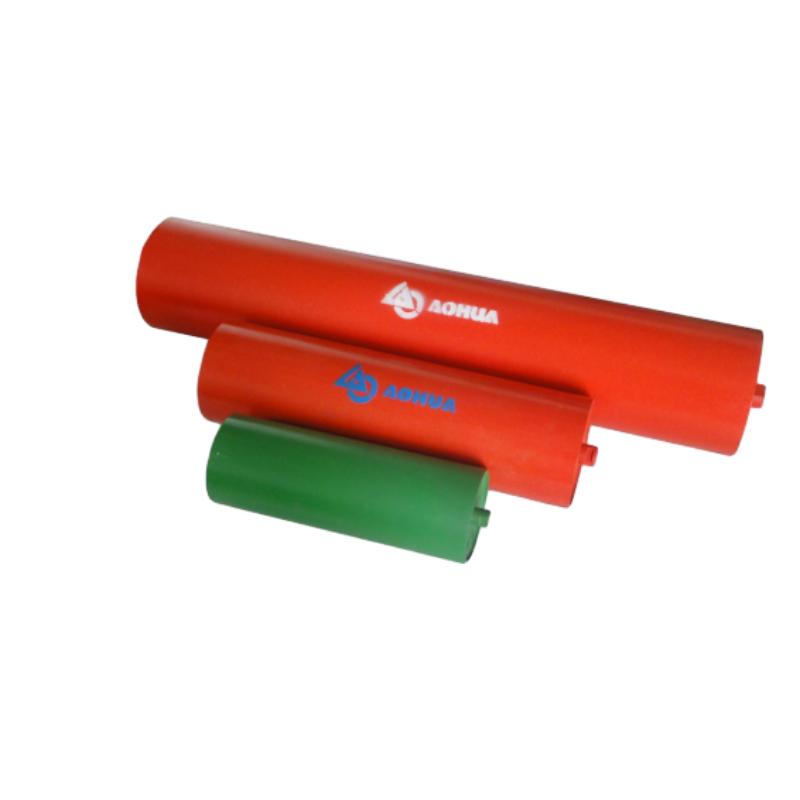
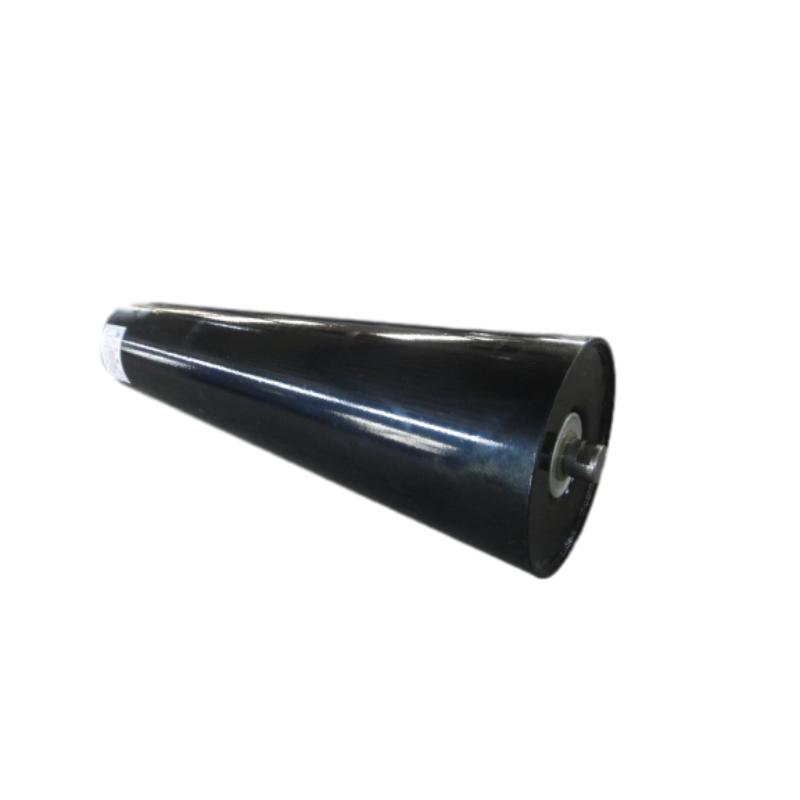
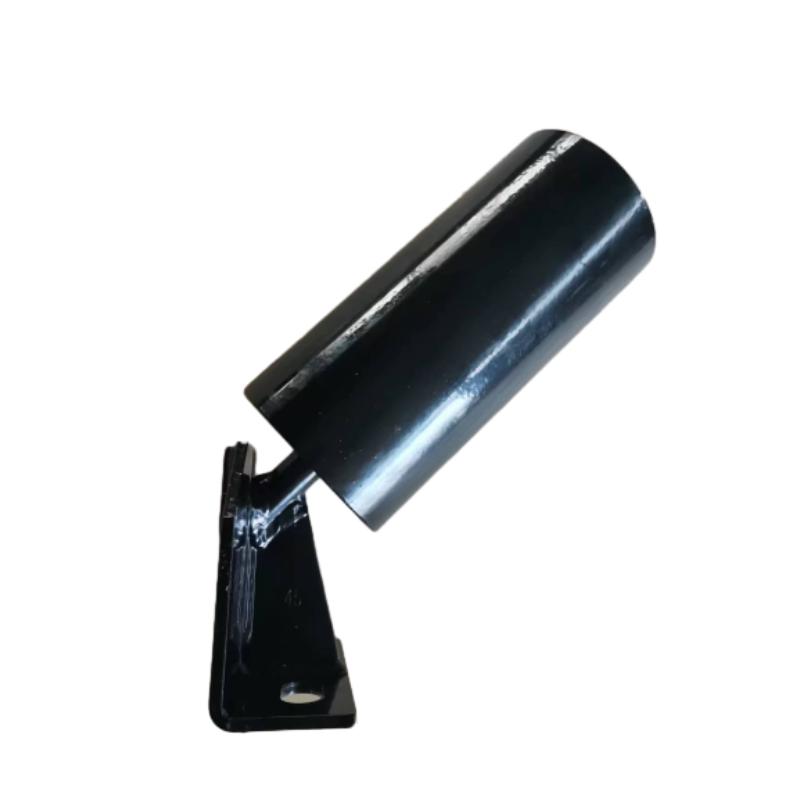
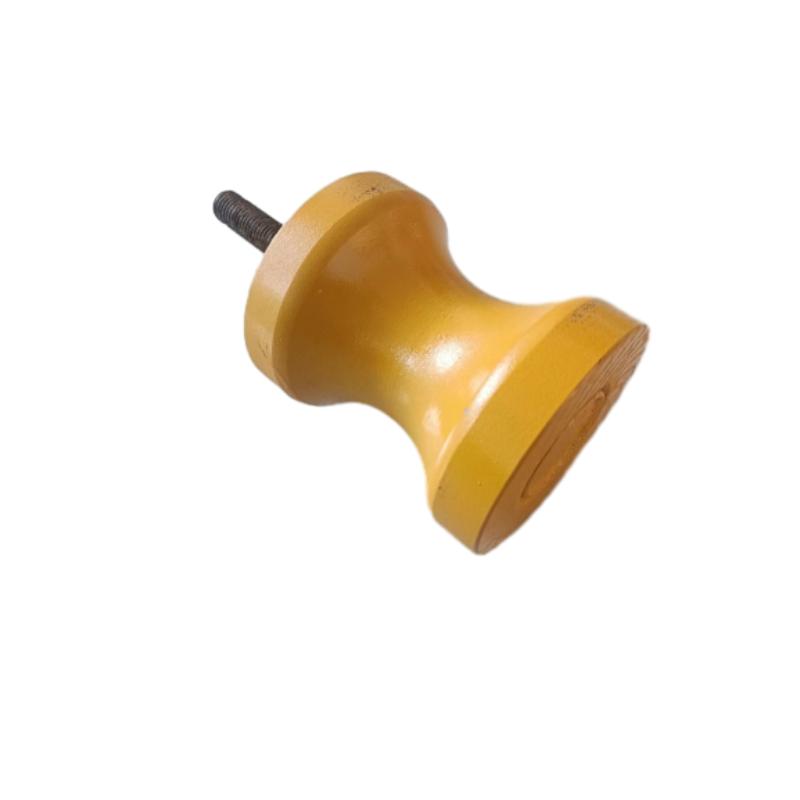
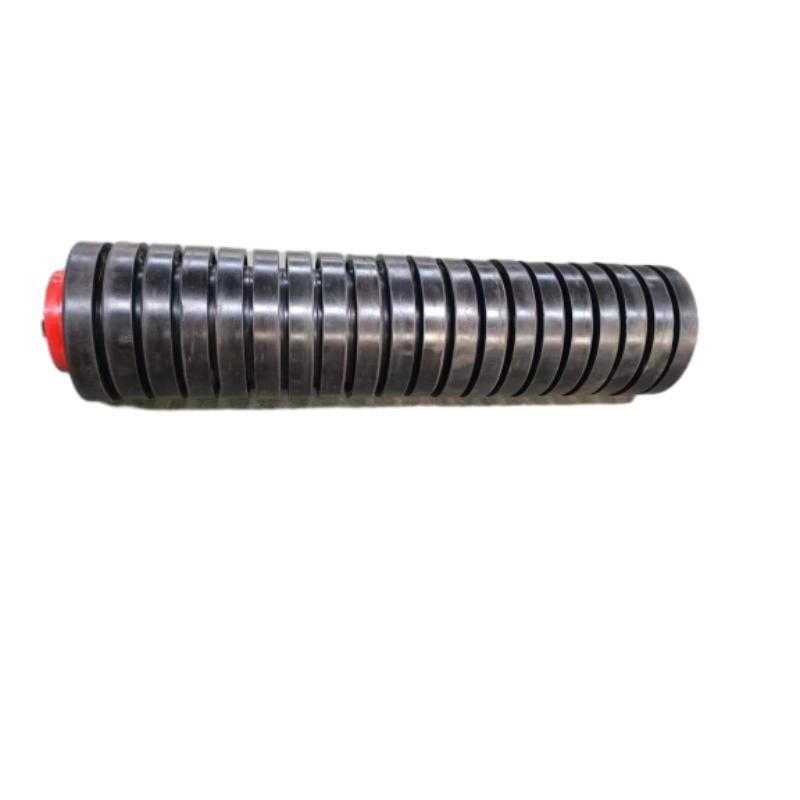
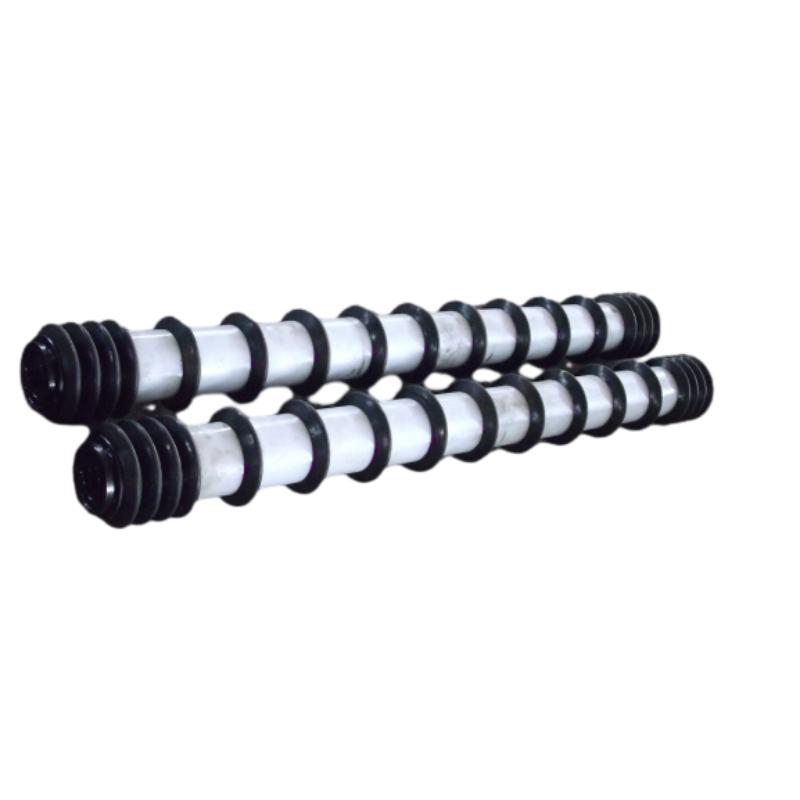
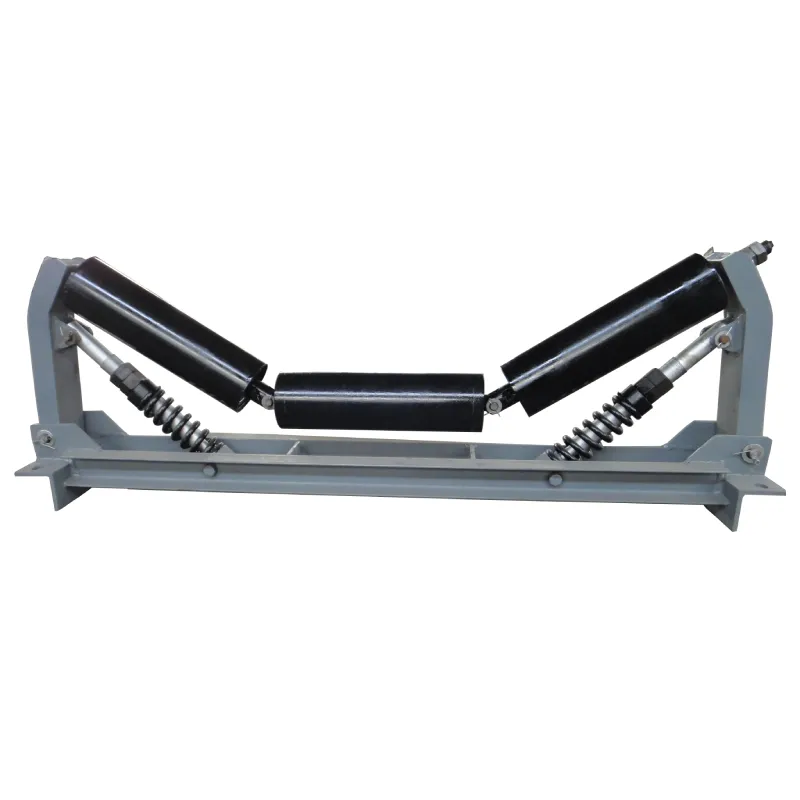
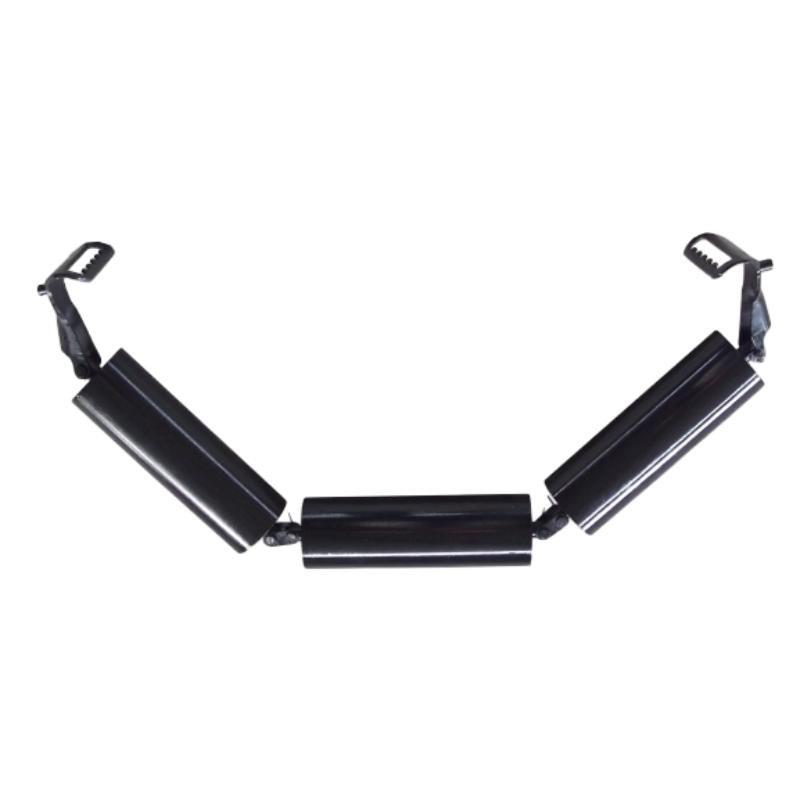
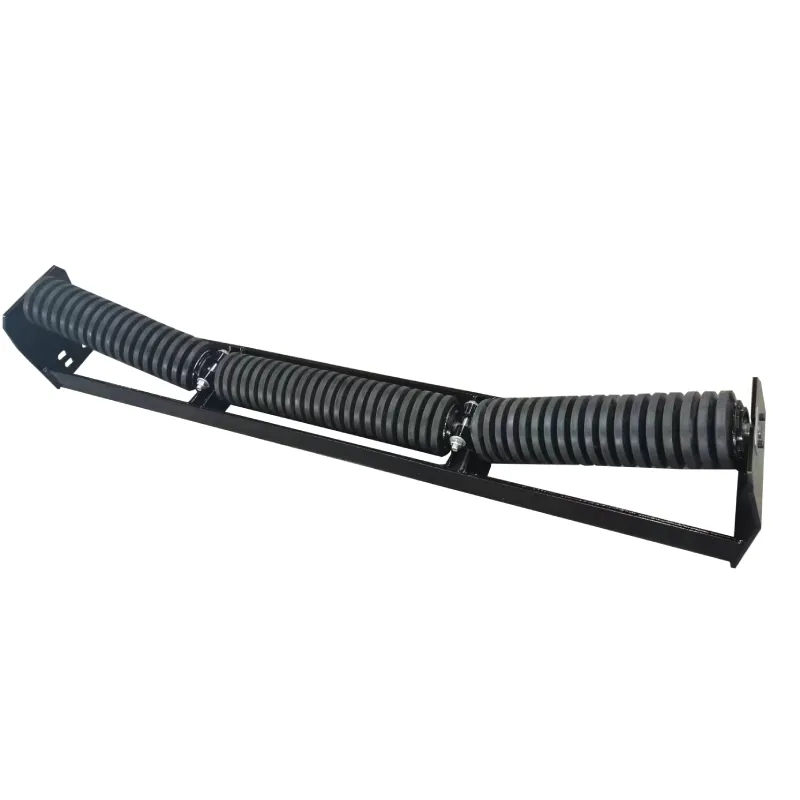
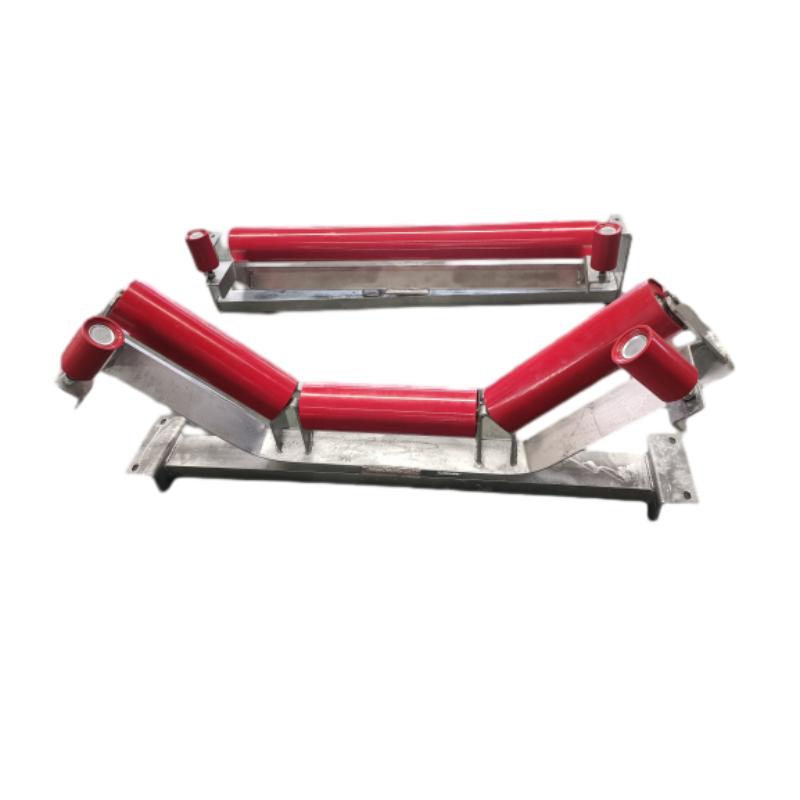
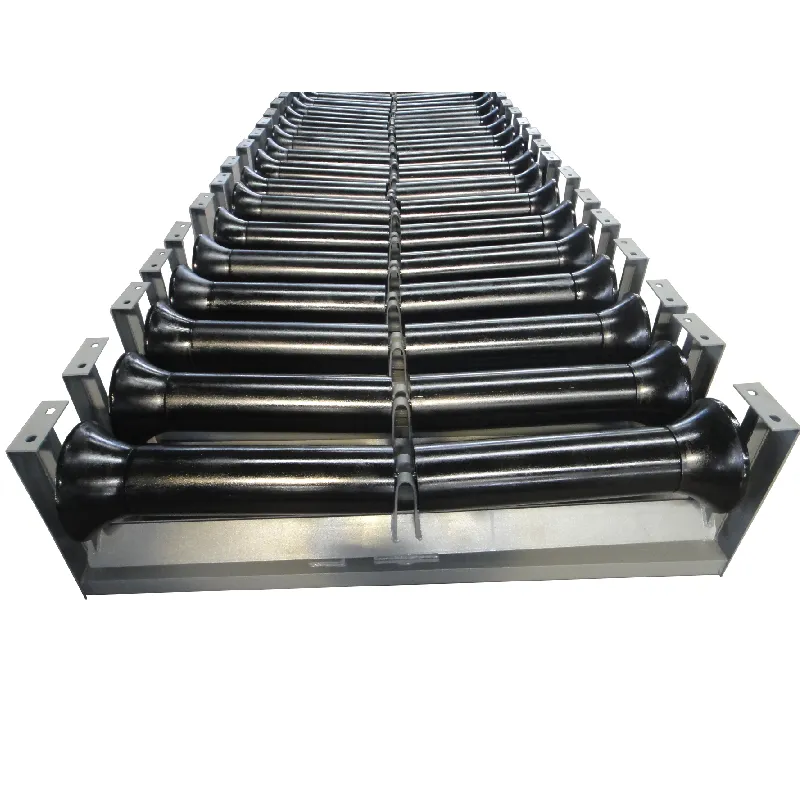
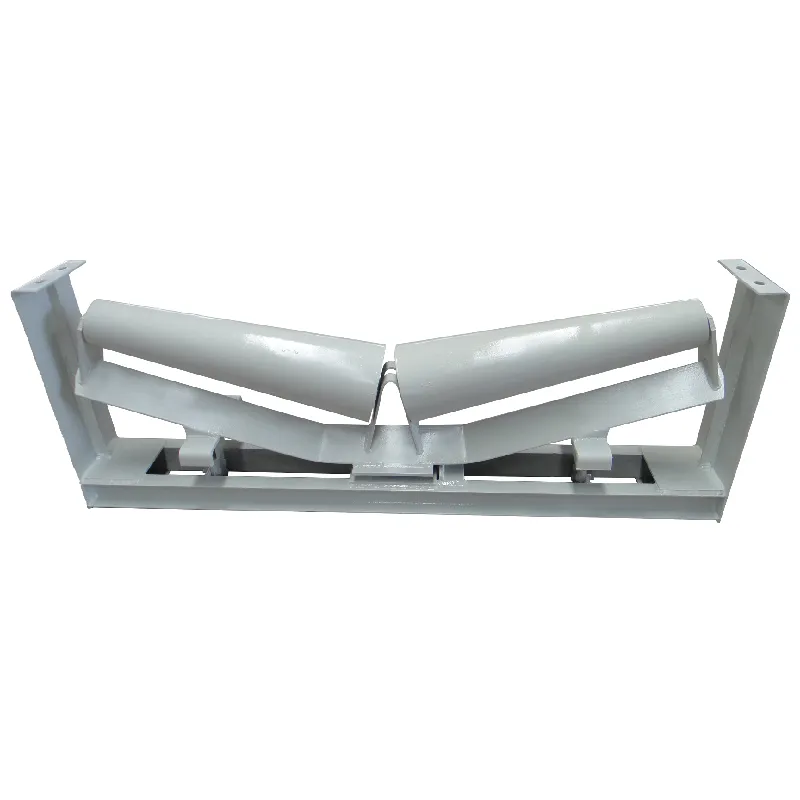
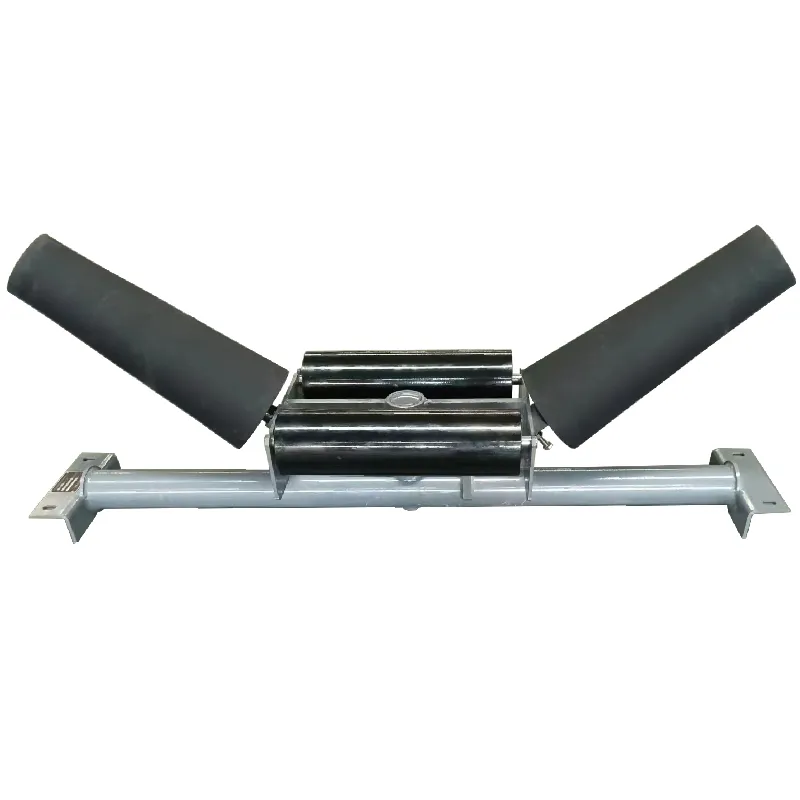
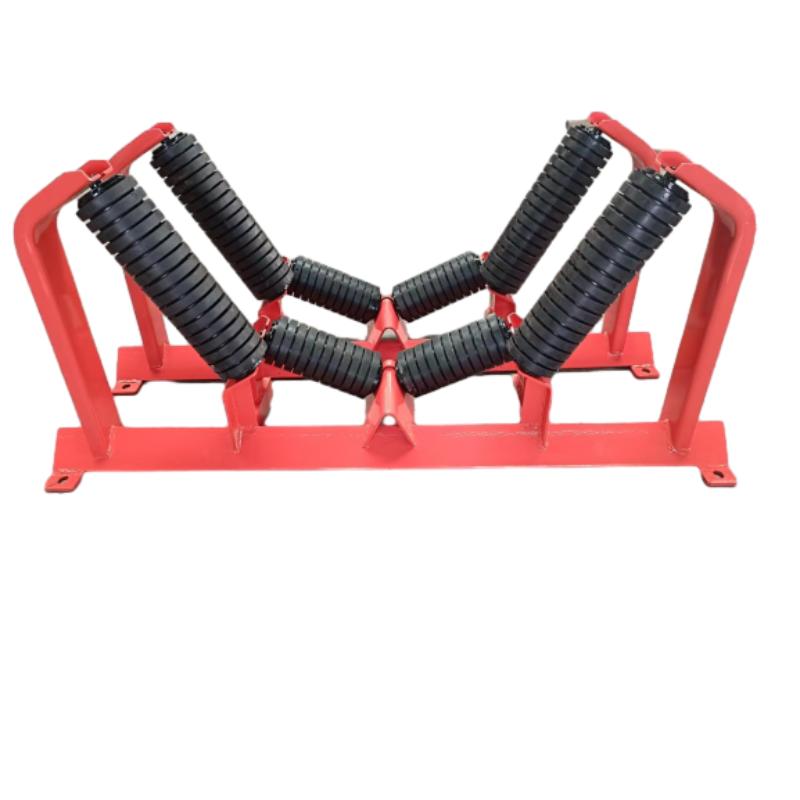
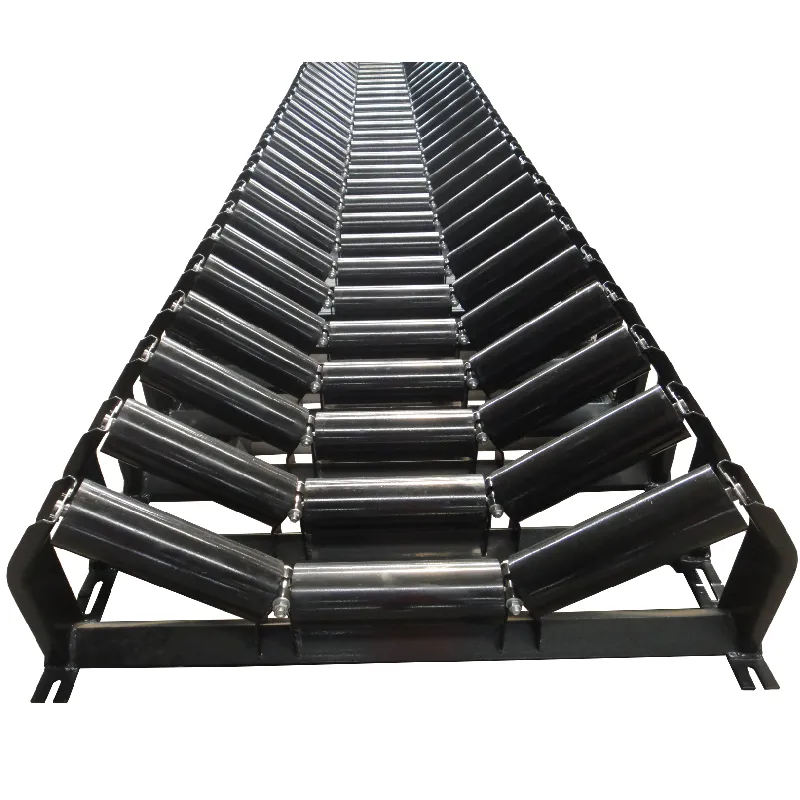
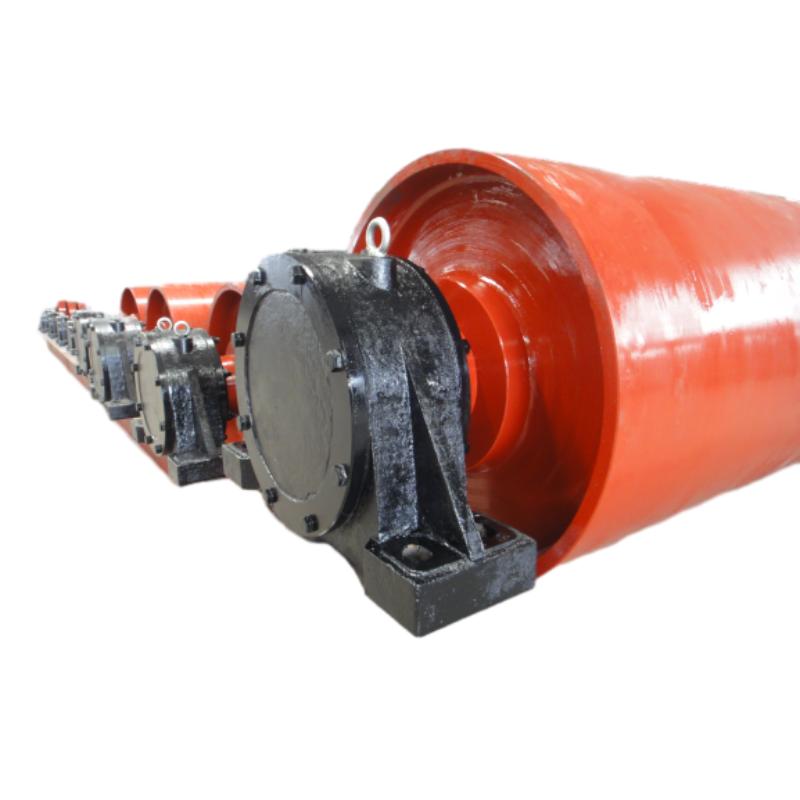
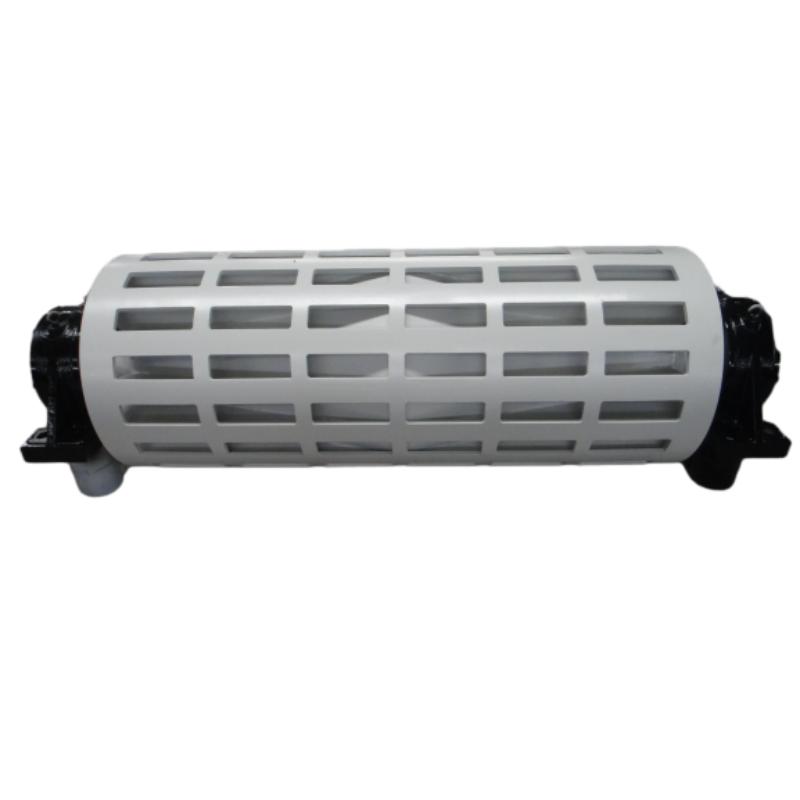
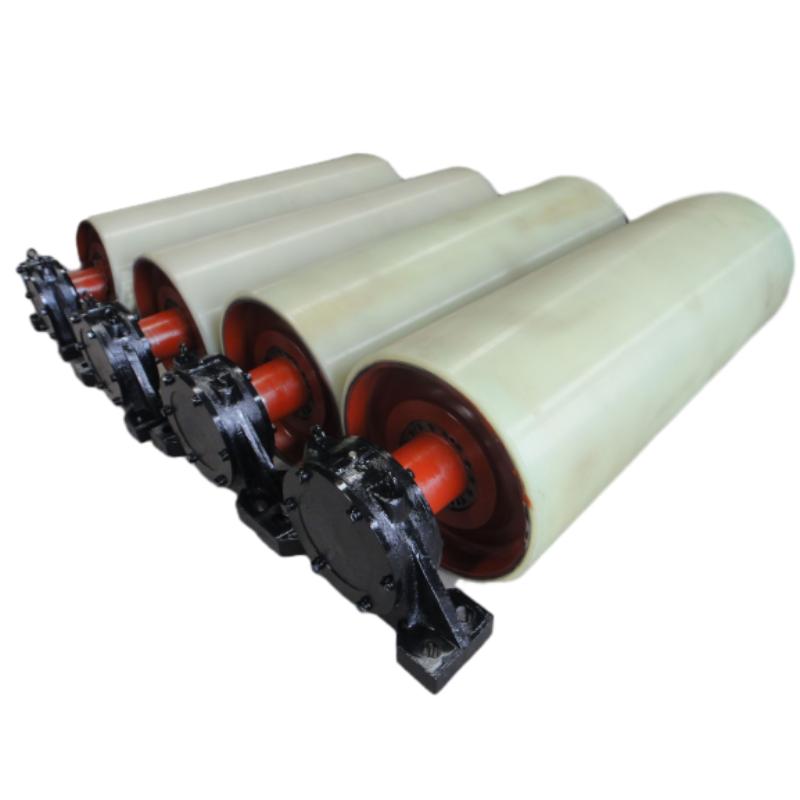
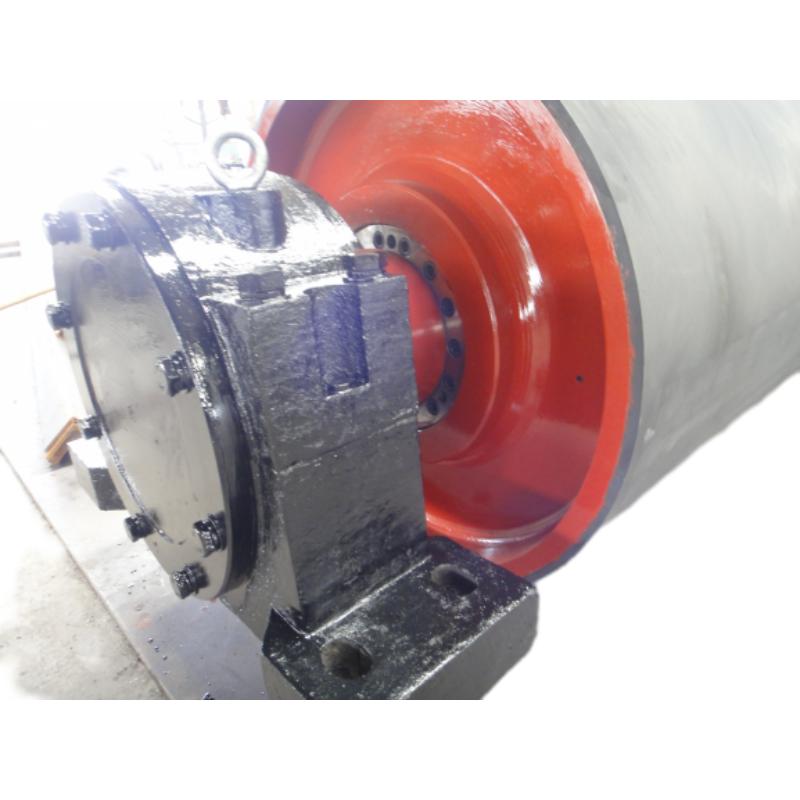
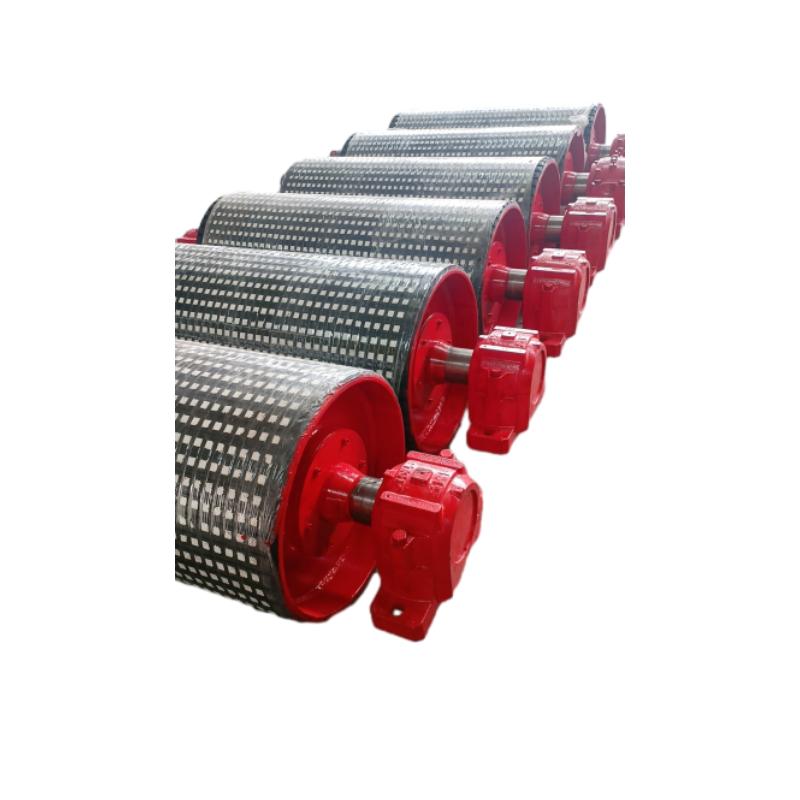
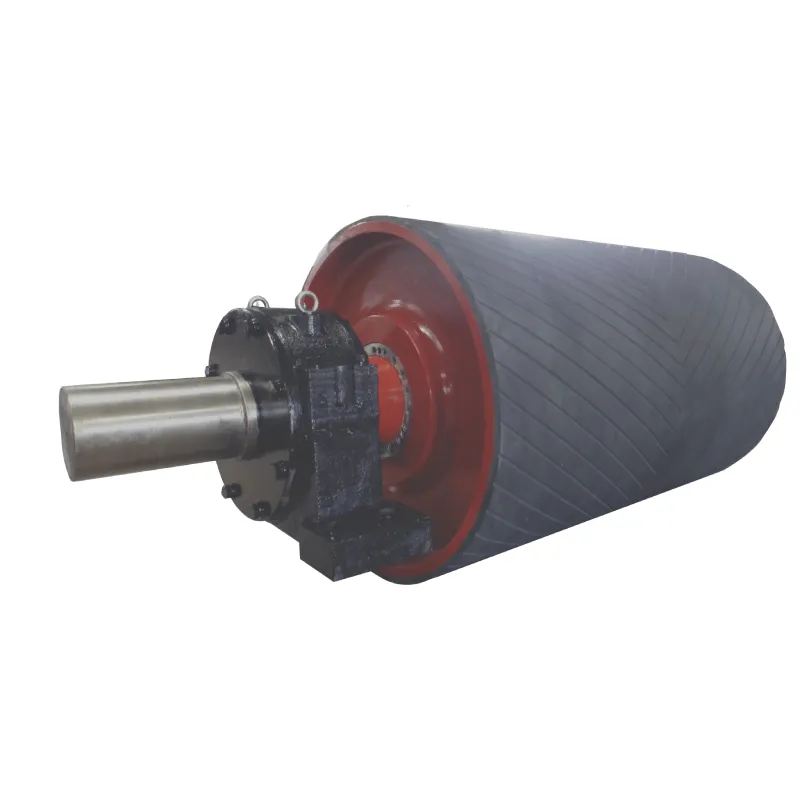
In simple terms, polyurethane guide rollers are cylindrical components coated or made with polyurethane material, designed to guide or support conveyor belts and other moving industrial components. Unlike their metal or rubber counterparts, polyurethane offers a soft yet extremely tough surface that resists wear, chemicals, and impacts effectively.
In modern industry, these rollers are indispensable for reducing friction, noise, and mechanical wear. Their adaptability means they appear in everything from package sorting centers to mining conveyors — basically anywhere ‘movement with precision’ is key. Even humanitarian efforts rely on heavy machinery equipped with durable rollers to clear debris or transport essentials efficiently.
Mini Takeaway
- Polyurethane guide rollers enhance industrial efficiency worldwide.
- They improve safety, longevity, and cost-effectiveness in conveyor systems.
Key Qualities that Make Polyurethane Guide Rollers Stand Out
Durability
Polyurethane is famed for its long-lasting resistance to abrasion and impact. In real terms, this means guide rollers can handle high loads and harsh environments without cracking or deforming. Many engineers say this durability extends maintenance cycles, drastically lowering downtime.
Noise Reduction
Because of its inherent elasticity, polyurethane dampens noise better than metal rollers, contributing to safer, quieter working environments—something often overlooked but that matters for worker well-being and compliance with occupational health standards.
Chemical & Environmental Resistance
Whether in mining exposed to acids or food processing plants with cleansing agents, polyurethane’s resistance to harsh chemicals protects the roller from degradation—ensuring consistent operations even in challenging conditions.
Cost Efficiency
While initial costs may slightly surpass rubber alternatives, the extended lifespan and reduced maintenance budgets provide a clear return on investment, making polyurethane rollers a financially savvy choice over time.
Versatility & Customization
Polyurethane can be formulated across hardness scales (measured by Shore A durometer), tailored colors, and sizes, which suits different conveyor speeds, loads, and environmental demands. This flexibility is a big reason many manufacturers and suppliers prefer them.
Mini Takeaway
- Durability and chemical resistance mean less downtime and replacement.
- Lower noise levels improve workplace safety and comfort.
- Customizable properties enable use across diverse industries.
Global Applications: Where Polyurethane Guide Rollers Shine
Real-world applications span many sectors:
- Mining and Quarrying: In dusty, abrasive environments, polyurethane rollers help prolong conveyor life. Mines in Australia and Canada use them extensively to transport heavy ores safely.
- Food and Beverage: Hygienic, chemical-resistant rollers guide lines through washdowns and contact with ingredients. Asia-Pacific’s growing food industry leans heavily on polyurethane for this reason.
- Logistics and Warehousing: Automated sorting centers with high-throughput demand rollers that reduce noise and handle diverse packages with precision—Europe and North America see widespread use.
- Disaster Relief & Remote Operations: NGOs deploying mobile conveyor systems for debris clearance or aid logistics in disaster zones find polyurethane rollers' durability crucial for rapid setup and resilience.
Mini Takeaway
- Polyurethane rollers support diverse global industries, from heavy mining to food production.
- Their reliability is even vital in humanitarian and remote scenarios.
Advantages and Long-Term Value in Polyurethane Guide Rollers
One of the subtle beauties of polyurethane guide rollers is how they balance several advantages:
- Cost Savings: Less frequent replacements and less labor-intensive maintenance mean lower operating costs.
- Sustainability: Some manufacturers use bio-based polyurethanes, cutting environmental footprints, and polyurethane’s longevity reduces waste.
- Safety and Comfort: Noise reduction and smoother operation benefit workers physically and psychologically.
- Trust and Innovation: Reliable components reduce risks in supply chains and industrial uptime—meaning more trust in the entire process.
Looking Ahead: Innovations on the Horizon
Technology here moves quickly, though quietly.
- Smart Rollers: Embedding sensors into polyurethane rollers to monitor wear and conveyor tension in real time, enabling predictive maintenance.
- Eco-Friendly Formulations: New bio-polyurethane blends reduce emissions further while retaining strength.
- Automation Integration: Rollers optimized for higher-speed conveyors designed for next-gen manufacturing facilities.
Challenges Faced & How They're Tackled
Despite their strengths, polyurethane rollers face some hurdles:
- Heat Sensitivity: High temperatures can degrade certain formulations — but advances in heat-stabilized polyurethane help here.
- Cost Barriers: Initial investment is higher than rubber counterparts — companies are addressing this through bulk purchasing and long-term ROI education.
- Customization Time: Tailoring rollers can delay deployment; however, modular designs speed up lead times.
Quick FAQs About Polyurethane Guide Rollers
- Q: What makes polyurethane guide rollers better than standard rubber ones?
- A: Polyurethane tends to offer better abrasion resistance, longer service life, and improved chemical resistance compared to typical rubber rollers, helping reduce maintenance and downtime.
- Q: How long do polyurethane guide rollers typically last?
- A: Depending on application and environment, they can last up to 3-5 times longer than rubber rollers, especially in abrasive or chemical-heavy settings.
- Q: Are these rollers eco-friendly?
- A: Some rollers use bio-based polyurethanes, and their long life cycle reduces waste, both contributing to greener industrial operations.
- Q: Can I get polyurethane guide rollers customized to fit unusual conveyor sizes?
- A: Absolutely. Many vendors offer tailored diameters, hardness, and coatings based on client needs.
- Q: How do I select the right hardness or formulation?
- Consulting with experienced suppliers is vital. They balance load, environment, speed, and chemical exposure to pick the best product.
Polyurethane Guide Roller Specification Table
| Feature | Specification | Notes |
|---|---|---|
| Material | Polyurethane Elastomer (Shore A 70-95) | Custom hardness available by request |
| Diameter Range | 50 mm to 300 mm | Adapted for conveyor size |
| Core Material | Steel or Aluminum | Corrosion-resistant coatings optional |
| Operating Temperature | -30°C to 80°C | High-temperature variants available |
| Lifespan | Up to 5 years under typical industrial conditions | Maintenance-dependent |
Vendor Comparison: Popular Polyurethane Guide Roller Suppliers
| Supplier | Product Range | Customization | Lead Time | Notable Strength |
|---|---|---|---|---|
| IdlerA Rohua | Standard & custom sizes up to 300mm diameter | Extensive, including hardness & material blends | 3-4 weeks | Reliable quality control & global shipping |
| RollTech Solutions | Broad industrial & food-grade options | Moderate; primarily standard options | 2 weeks | Fast turnaround & competitive pricing |
| PolyRoll Inc. | Specialist high-temp & chemical resistant | Custom formulations available | 4-6 weeks | Innovation in polymer science |
Final Thoughts
In the end, polyurethane guide rollers are more than just components—they’re enablers of smooth, efficient, and safe industrial processes worldwide. Their growing adoption reflects a wider trend toward more sustainable, durable, and smarter manufacturing solutions. If you’re curious to explore options and get tailored advice, it’s worth visiting trusted suppliers — like IdlerA Rohua — who understand that behind every roller lies a chain of complex challenges and solutions.
Whether you’re managing a busy conveyor line or involved in an emergency logistics operation, these rollers quietly but critically keep things moving. And, frankly, in our fast-paced industrial world, that’s a big deal.
References:
-
Maximize Conveyor Life with a High Performance impact bedNewsApr.16,2026
-
Maximize Conveyor Efficiency Using a v plow belt scraperNewsApr.09,2026
-
Comprehensive Guide to Understanding Different Types of Belt CleanersNewsApr.07,2026
-
Enhancing Conveyor Efficiency with an Effective Scraper Belt CleanerNewsApr.04,2026
-
Optimizing Conveyor Systems with Advanced Cleaning Equipment SolutionsNewsMar.31,2026
-
Effective Conveyor Belt Scraper Adjustment for Optimal System PerformanceNewsMar.28,2026