

Optimizing Performance with Effective Conveyor Belt Cleaning Solutions
Effective Conveyor Belt Cleaning Solutions for Optimal Performance
Maintaining clean conveyor belts is crucial for operational efficiency, product quality, and workplace safety. Contamination from materials, dust, and debris can lead to slippage, increased wear and tear, and potential product contamination. Selecting the right conveyor belt cleaning solutions is therefore paramount. This article explores various cleaning methods, best practices, and the latest technologies available to ensure your conveyor systems operate at peak performance. We’ll delve into the benefits of proactive cleaning and how it impacts your bottom line.
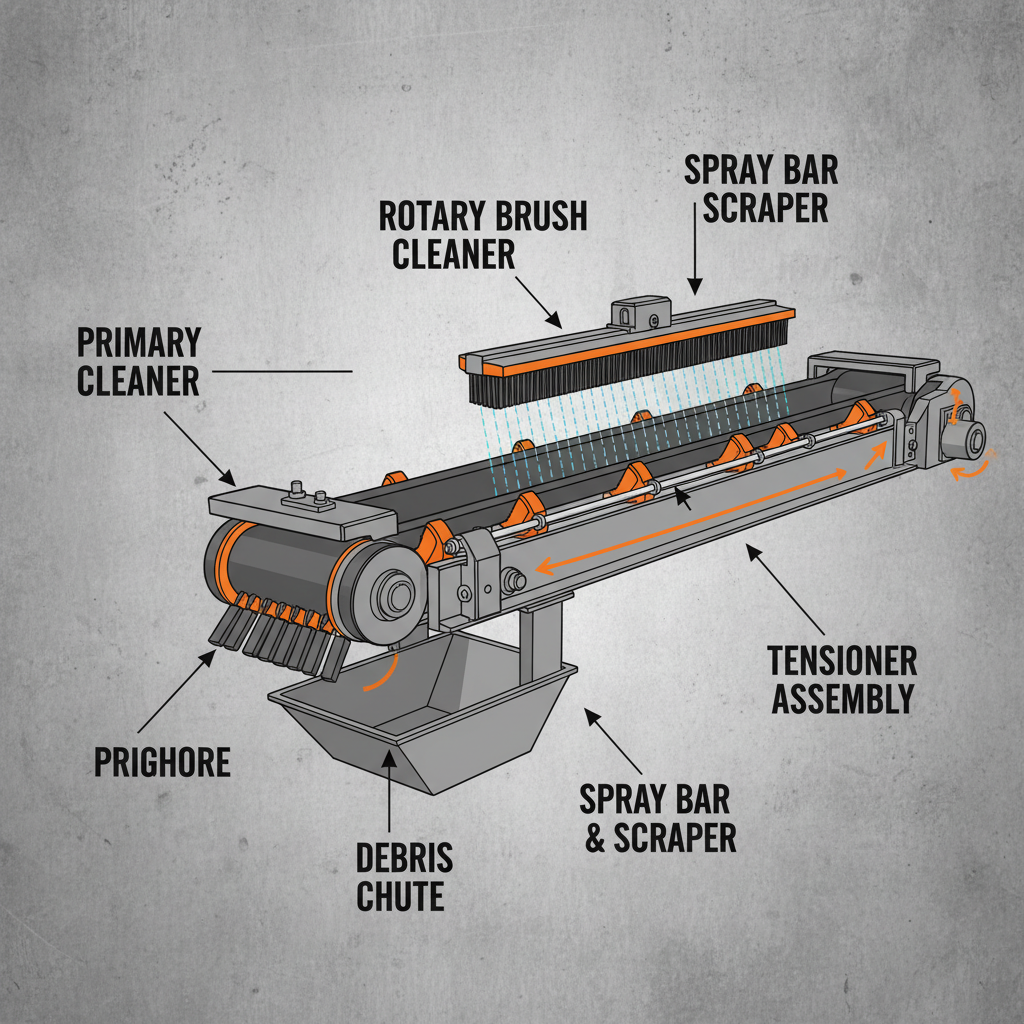
Understanding the Importance of Conveyor Belt Cleaning
Regular conveyor belt cleaning extends the life of the belt itself, reducing the frequency of costly replacements. It also minimizes the risk of material buildup causing misalignment or damage to rollers and other components. Moreover, a clean conveyor system ensures product integrity, preventing contamination in industries like food processing, pharmaceuticals, and manufacturing. Finally, a clean working environment is a safer working environment, minimizing slip and fall hazards associated with spilled materials. Ignoring conveyor belt hygiene can lead to significant downtime and increased maintenance costs.
Key Benefits: Reduced belt wear, minimized maintenance costs, enhanced product quality, improved workplace safety, and increased operational efficiency.
Common Conveyor Belt Cleaning Methods
Several methods are employed for conveyor belt cleaning, ranging from manual techniques to automated systems. Manual cleaning typically involves brushes, scrapers, and vacuuming, and is suitable for light debris. However, it's labor-intensive and may not be effective for heavily soiled belts. Automated cleaning systems, such as belt scrapers and air knives, offer a more consistent and efficient solution, particularly for high-volume applications. These systems can be integrated into the conveyor system to provide continuous cleaning during operation. Choosing the right method depends on the type of material being conveyed, the level of contamination, and the operational requirements.
Cleaning Method Options:
• Manual Brushing/Scraping
• Vacuuming
• Belt Scrapers (Automated)
• Air Knives (Automated)
Comparing Conveyor Belt Cleaning Solutions
Different conveyor belt cleaning solutions offer varying degrees of effectiveness and cost. Here’s a comparison of common options:
Idlerao Hua: Your Partner in Conveyor Belt Cleaning
At Idlerao Hua, we offer a comprehensive range of conveyor belt cleaning solutions tailored to your specific needs. From high-performance belt scrapers to advanced air knife systems, we have the expertise and products to keep your conveyors running smoothly and efficiently. We also provide expert consultation to help you select the optimal cleaning system for your application. Our commitment to quality and customer satisfaction ensures a reliable and long-lasting solution.
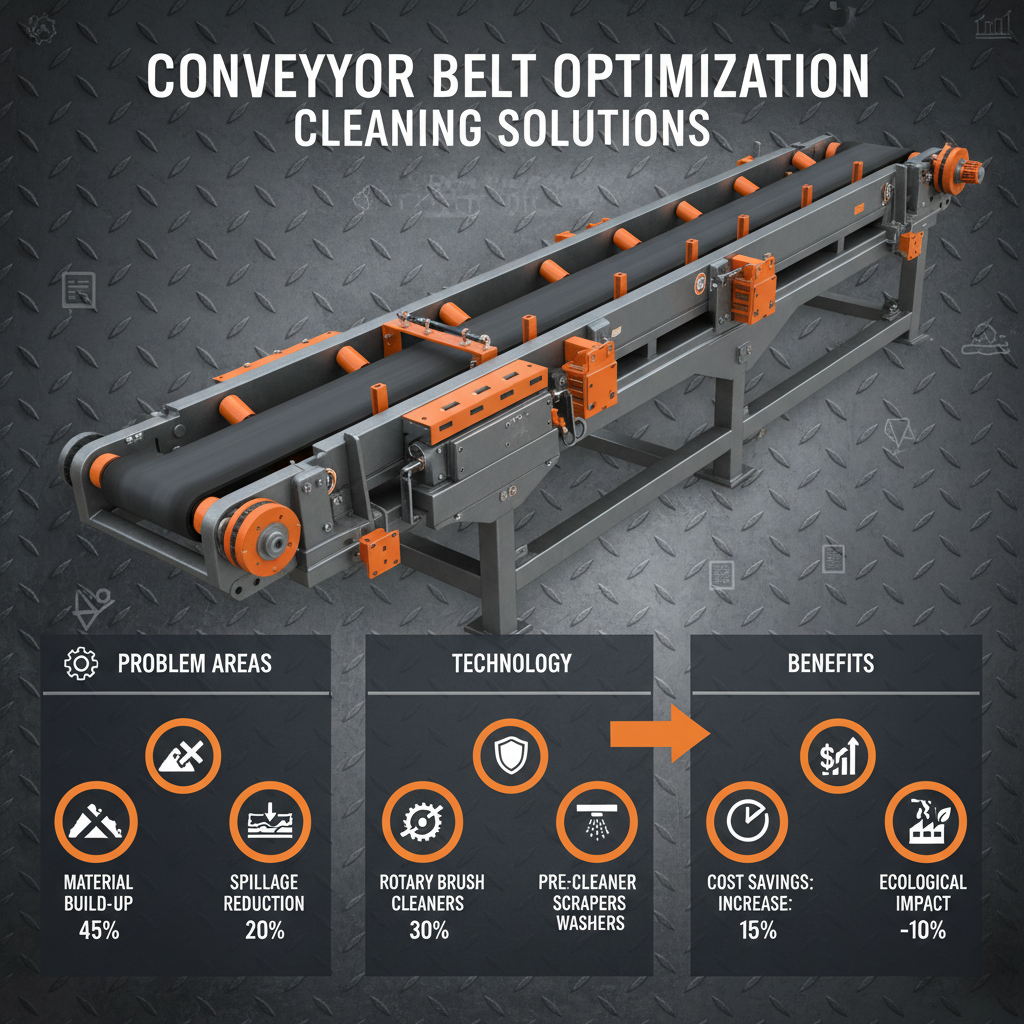
Choosing the Right Cleaning System: A Checklist
Selecting the ideal conveyor belt cleaning system requires careful consideration. Here's a checklist to guide you:
- Material Being Conveyed: What type of material is being transported? (e.g., dry bulk solids, food products, packages)
- Contamination Level: How much debris accumulates on the belt?
- Belt Speed: What is the conveyor belt’s speed?
- Belt Type: What type of conveyor belt is in use?
- Budget: What is the available budget for the cleaning system?
Conclusion: Invest in Proactive Conveyor Cleaning
Proactive conveyor belt cleaning is an investment that yields significant returns. By implementing the right conveyor belt cleaning solutions, you can enhance operational efficiency, reduce maintenance costs, and ensure product quality. Contact Idlerao Hua today for a customized solution tailored to your specific needs.
Frequently Asked Questions (FAQs)
What are the benefits of using an automated conveyor belt cleaning system?
Automated systems offer consistent cleaning performance, reducing labor costs and minimizing downtime. They are particularly effective in high-volume applications where manual cleaning is impractical. These systems are designed to operate continuously, ensuring a clean belt surface and preventing material buildup. Furthermore, automated systems can be integrated with monitoring systems to provide real-time data on cleaning performance, allowing for proactive maintenance and optimization.
How often should I clean my conveyor belt?
The cleaning frequency depends on the material being conveyed, the operating environment, and the level of contamination. As a general guideline, conveyor belts should be inspected daily and cleaned as needed. In high-contamination environments, continuous cleaning systems may be necessary. Regularly scheduled maintenance, including thorough cleaning and inspection, will extend the lifespan of the belt and prevent costly downtime.
What type of cleaner should I use for my conveyor belt?
The choice of cleaner depends on the type of material that has accumulated on the belt. For general debris, a mild detergent and water solution may suffice. For more stubborn buildup, specialized conveyor belt cleaners are available. It’s crucial to select a cleaner that is compatible with the belt material and won't cause damage. Always follow the manufacturer's instructions and safety precautions when using any cleaning product.
-
Maximize Conveyor Life with a High Performance impact bedNewsApr.16,2026
-
Maximize Conveyor Efficiency Using a v plow belt scraperNewsApr.09,2026
-
Comprehensive Guide to Understanding Different Types of Belt CleanersNewsApr.07,2026
-
Enhancing Conveyor Efficiency with an Effective Scraper Belt CleanerNewsApr.04,2026
-
Optimizing Conveyor Systems with Advanced Cleaning Equipment SolutionsNewsMar.31,2026
-
Effective Conveyor Belt Scraper Adjustment for Optimal System PerformanceNewsMar.28,2026