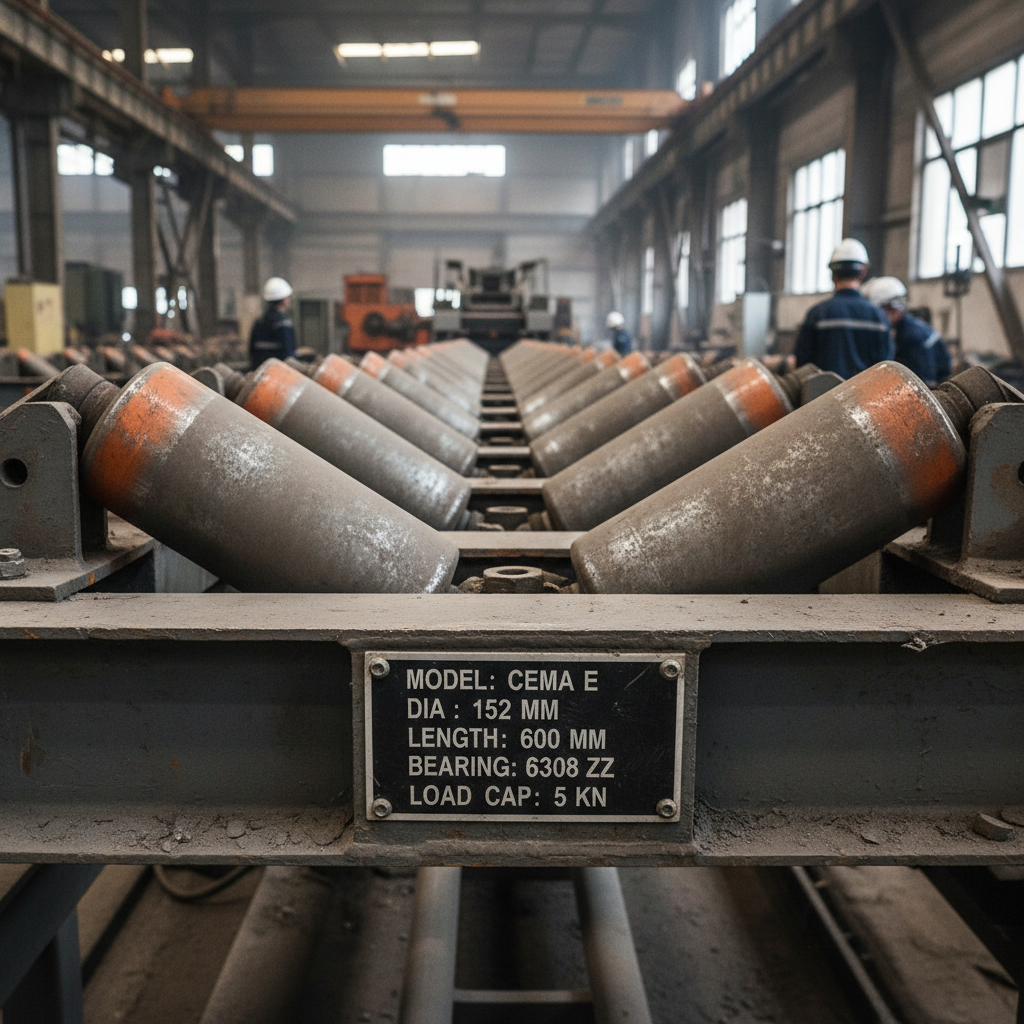
Conveyor idler specifications. Sounds dry, right? But spend any time on a real jobsite – and I mean any time, crawling under conveyors, feeling the vibration, talking to the guys who keep these things running – and you quickly realize these specs are the difference between a smooth operation and a money-losing headache. We're not talking about just picking a roller; we’re talking about uptime, material flow, and frankly, keeping everyone safe. I’ve seen operations crippled by subpar idlers, and I've seen efficiency boosted by getting the details right. Understanding conveyor idler specifications isn’t just an engineering exercise, it's about understanding the realities of moving material, day in and day out.
The sheer scale of material handling globally is massive. According to the UN, global trade volume continues to climb, and a huge percentage of that relies on conveyor systems. Mining, agriculture, manufacturing, even package delivery… it all depends on reliably moving bulk materials. The World Bank projects continued infrastructure development in emerging economies, meaning even more demand for efficient and durable conveyor systems. The challenge? Ensuring these systems aren't the weak link. Too often, cost-cutting on components like idlers leads to premature failure, disruptions, and ultimately, higher long-term costs. That's where smart specifications come in.
Simply put, conveyor idler specifications are the detailed requirements defining the characteristics of these crucial conveyor components. We're talking about everything from the materials used in the rollers and bearings to their load capacity, dimensions, and sealing effectiveness. These aren’t arbitrary numbers; they are carefully calculated parameters designed to match the specific demands of the application. It’s the backbone of a reliable system, and a well-defined specification is the first step toward a successful project. In many situations, getting the right idler specifications can be the difference between meeting project deadlines and facing costly delays.
The Importance of Conveyor Idler Specifications
I’ve seen too many projects where idlers were treated as an afterthought. “Just get the cheapest ones,” they say. Big mistake. Idlers account for a significant portion of conveyor system maintenance costs and downtime. Proper specification directly impacts the system's lifespan, energy efficiency, and ability to handle the intended material. Think about a mining operation – constant heavy loads, abrasive materials, harsh environments. Skimping on idler specs there will lead to frequent failures and major disruptions.
It’s not just about preventing breakdowns; it’s about protecting your investment. A well-specified idler will maintain consistent material flow, reduce spillage, and minimize wear and tear on the entire conveyor system. We've seen projects where investing a little more upfront in high-quality idlers, based on rigorous specifications, resulted in significant cost savings over the system’s operational life. You have to look at the Total Cost of Ownership, not just the initial purchase price.
Defining Conveyor Idler Specifications
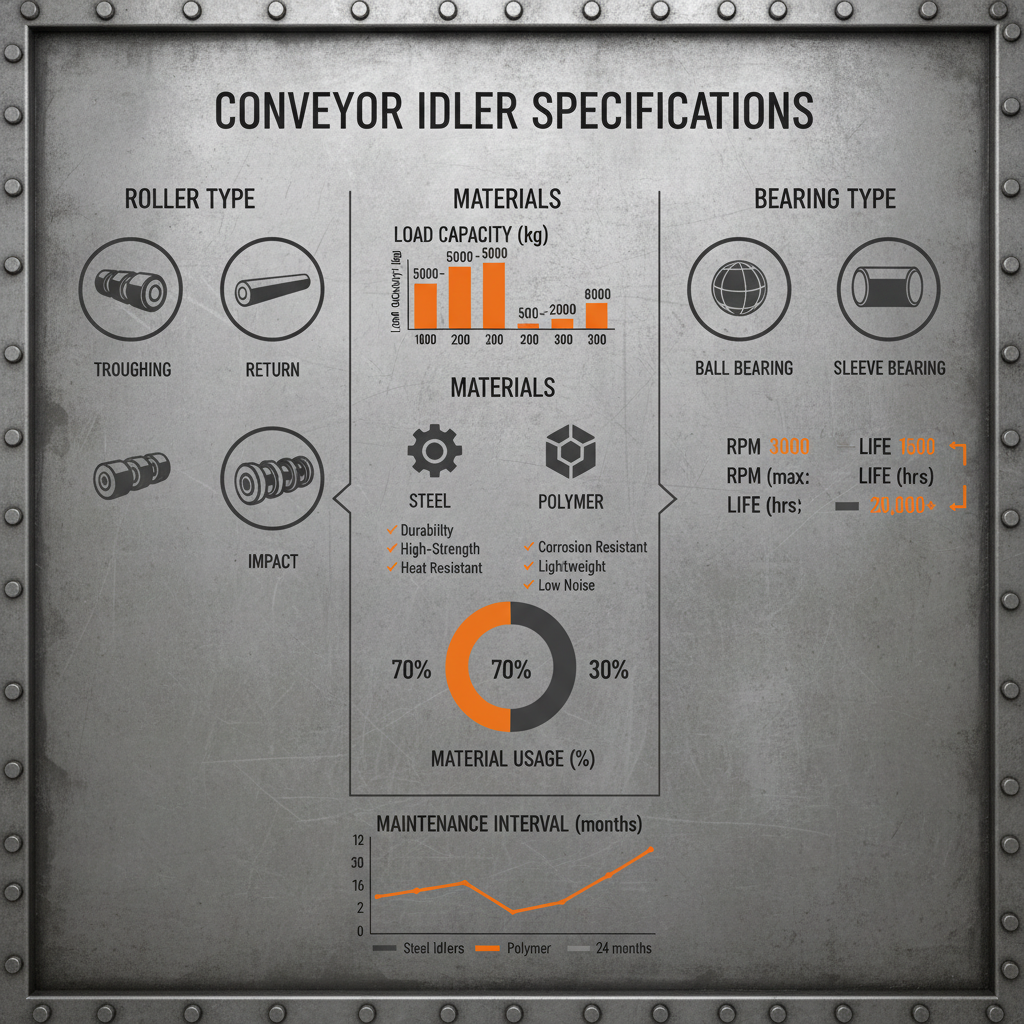
Essentially, conveyor idler specifications are a detailed set of criteria used to select the right idlers for a specific application. It's not just about diameter and length, though those are important. It's about understanding the material being conveyed – its size, density, abrasiveness. It’s about the conveyor’s speed, load capacity, and environmental conditions. This includes temperature variations, exposure to dust, moisture, and potentially corrosive substances. You need to consider the impact forces and the required service life.
A proper specification document will cover everything from the roller shell material (steel, stainless steel, or even specialized coatings) to the bearing seals and lubrication requirements. It will define the load rating, the maximum allowable speed, and the expected lifespan. ISO standards play a big role here, providing a baseline for quality and performance. But those standards are just a starting point; you need to tailor the specifications to the unique needs of your project.
The best specifications are created in collaboration – engineers, operators, and maintenance personnel all need to be involved. The guys on the ground, the ones who actually use the conveyor system, often have invaluable insights into the challenges and potential failure points. Ignoring their feedback is a recipe for disaster.
Core Components of Idler Specifications
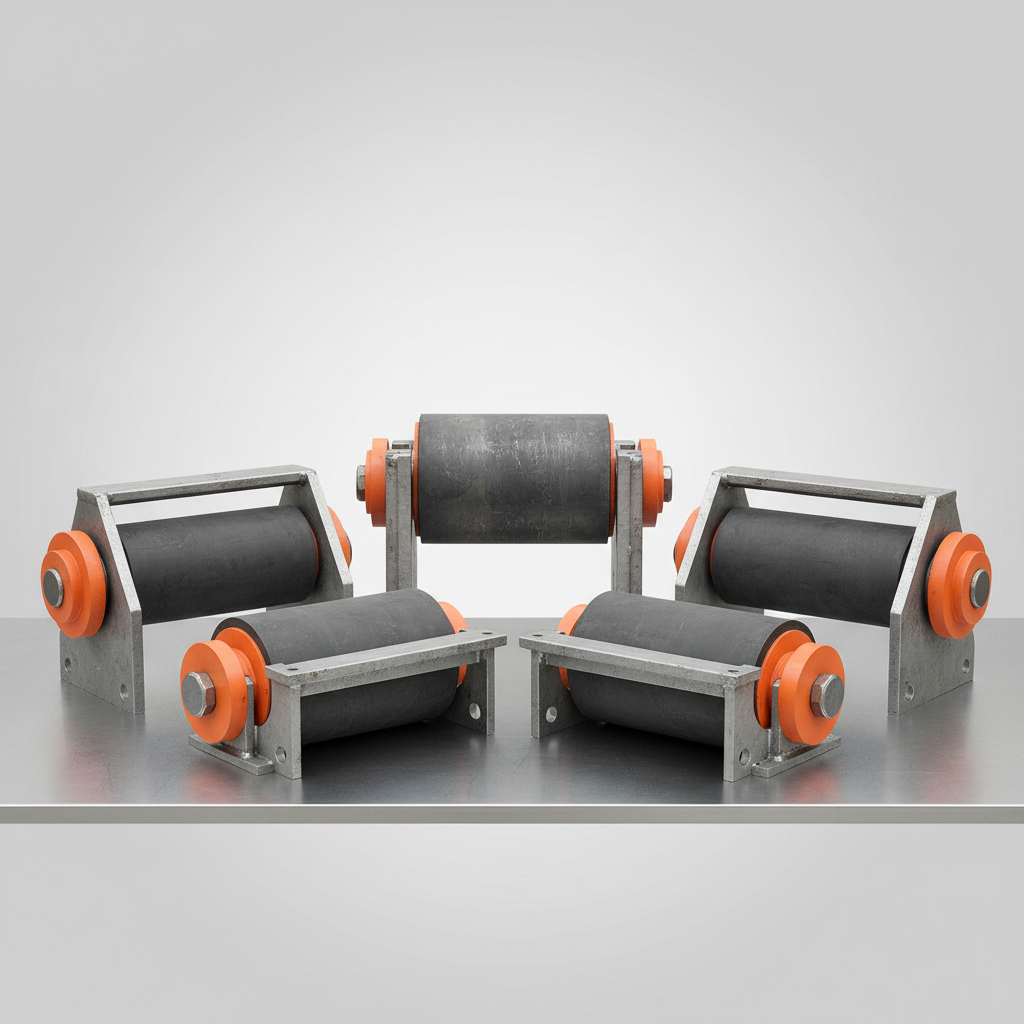
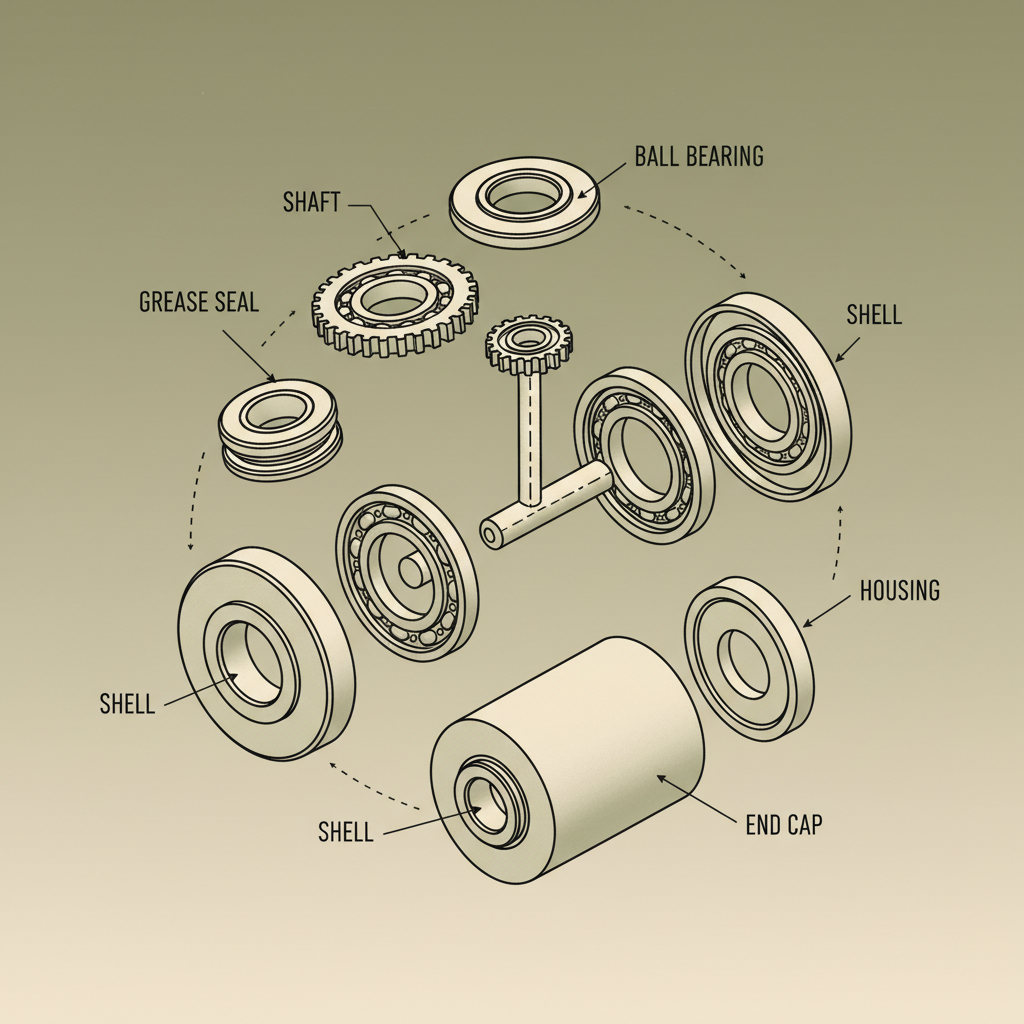
Durability is paramount. We’re looking at the ability of the idler to withstand repeated loading, impact forces, and environmental stresses. Material selection – high-strength steel alloys, robust bearing seals – is critical here. The construction method, whether it's welded or pressed, also impacts durability. I've seen idlers with inadequate seals fail within weeks in dusty environments.
Load capacity is another key factor. You need to accurately calculate the maximum load the idler will experience and select an idler with a sufficient safety margin. Under-specifying the load capacity will lead to premature failure and potentially catastrophic consequences. Over-specifying, while safer, can be unnecessarily expensive.
Sealing effectiveness is often overlooked, but it’s crucial. A good seal prevents contaminants from entering the bearings and causing wear. This is especially important in dusty, wet, or corrosive environments. Look for seals that are designed for the specific application and are regularly inspected and maintained. conveyor idler specifications often focus heavily on sealing standards.
Real-World Applications of Idler Specifications
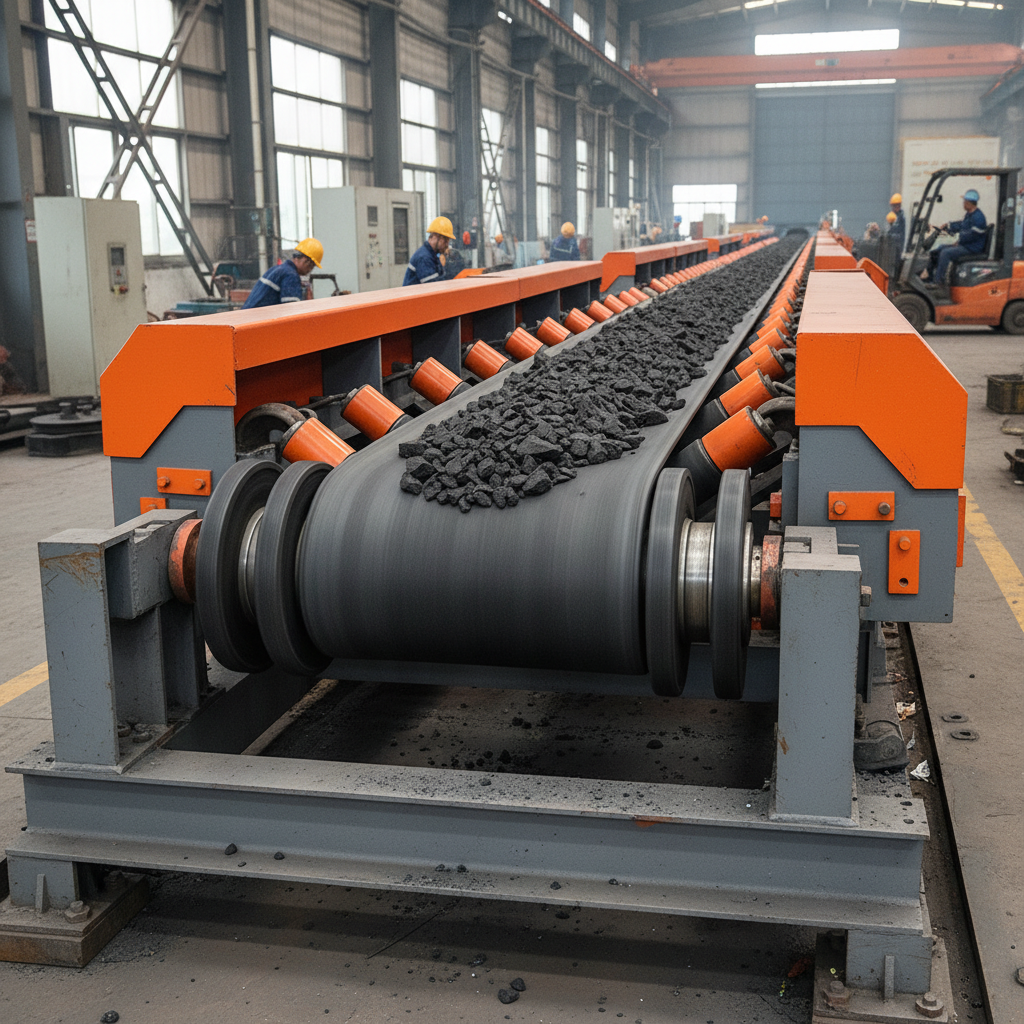
In a large-scale coal mining operation, for example, the idler specifications would need to account for the abrasive nature of the coal, the heavy loads, and the potential for impact damage from large rocks. You’d likely need heavy-duty rollers with sealed bearings and robust protective housings.
Contrast that with a package handling facility where the loads are much lighter and the environment is relatively clean. Here, you might be able to use lighter-duty idlers with less sophisticated sealing. However, speed and precision become more important, demanding idlers that provide smooth, consistent rotation.
Idler Specification Importance by Industry
Advantages and Long-Term Value
The biggest advantage, hands down, is reduced downtime. Properly specified idlers simply last longer and require less maintenance. This translates directly into increased production and profitability. It also reduces the risk of catastrophic failures that can halt operations for extended periods.
Beyond that, there’s the issue of energy efficiency. Idlers that rotate smoothly require less energy to operate. While the savings per idler might seem small, they add up significantly over the lifetime of a large conveyor system. And let's not forget the safety aspect – a reliable conveyor system is a safer conveyor system.
Future Trends in Conveyor Idler Technology
We're seeing a move towards "smart" idlers – idlers equipped with sensors that monitor bearing temperature, vibration, and other key parameters. This data can be used to predict failures and schedule maintenance proactively, maximizing uptime and minimizing costs.
There’s also increasing interest in using composite materials in idler construction to reduce weight and improve corrosion resistance. And, of course, the demand for more energy-efficient designs continues to drive innovation. We are also seeing increased use of self-aligning idlers to improve belt tracking and reduce wear.
The future is about leveraging data and new materials to create idlers that are not just durable and reliable, but also intelligent and proactive.
Challenges and Solutions in Idler Specification
One of the biggest challenges is accurately assessing the operating conditions. It’s easy to underestimate the loads, the impact forces, or the severity of the environment. This often leads to under-specification and premature failure. The solution? Detailed site surveys, thorough material analysis, and conservative design margins.
Another challenge is the proliferation of low-quality, counterfeit idlers. These idlers often look the same as the real thing, but they’re made with inferior materials and lack proper quality control. The solution? Work with reputable suppliers and insist on documentation verifying the idlers meet the required specifications.
Finally, ongoing maintenance is often neglected. Regular inspections, lubrication, and bearing replacements are essential for maximizing idler lifespan. Investing in a robust maintenance program is just as important as selecting the right idlers in the first place.
Summary of Common Challenges and Solutions in Idler Specification
| Challenge |
Impact on Performance |
Solution |
Cost Implications |
| Inaccurate Operating Condition Assessment |
Underspecification, Premature Failure |
Detailed Site Surveys, Material Analysis |
Moderate (survey costs), High (failure costs avoided) |
| Counterfeit Idlers |
Reduced Lifespan, Increased Downtime |
Reputable Suppliers, Documentation Verification |
High (potential safety risks and downtime) |
| Insufficient Maintenance |
Bearing Failure, Reduced Efficiency |
Regular Inspections, Lubrication Schedules |
Low (routine maintenance costs), Moderate (avoided repairs) |
| Extreme Environmental Conditions |
Corrosion, Seal Failure |
Specialized Coatings, Enhanced Seals |
Moderate (upfront cost), High (extended lifespan) |
| Improper Idler Alignment |
Belt Tracking Issues, Increased Wear |
Self-Aligning Idlers, Regular Alignment Checks |
Moderate (idler cost), Low (belt replacement avoided) |
| Inadequate Load Capacity |
Roller Distortion, Bearing Damage |
Accurate Load Calculation, Oversized Idlers |
Moderate (idler cost), High (failure costs avoided) |
FAQS
The most common error is underestimating the operating conditions, particularly the load and the impact forces. Folks often rely on theoretical calculations instead of real-world observations. A thorough site assessment is critical – talk to the operators, look at the material being conveyed, and consider potential variations in load. Don't be afraid to over-spec slightly for a safety margin; it's cheaper than dealing with a catastrophic failure.
Regular inspections are key! At a minimum, do a visual inspection weekly, looking for signs of wear, damage, or misalignment. Monthly, you should check bearing lubrication levels and listen for unusual noises. More frequent inspections are needed for harsh environments or heavy-duty applications. Keep a log of your inspections and any maintenance performed. Documentation is your friend.
Sealed bearings offer much better protection against contamination, which is crucial in dusty, wet, or corrosive environments. Unsealed bearings require more frequent lubrication but can be easier to inspect and maintain. The choice depends on the application. If the environment is harsh, always go with sealed bearings. They'll save you headaches in the long run.
Not necessarily. It’s about getting the right idler for the application, not just the most expensive one. A high-end idler is wasted on a light-duty conveyor. Focus on specifying the correct load capacity, materials, and sealing based on your specific needs. A well-specified, moderately priced idler will often outperform a poorly specified, expensive one.
Listen for unusual noises, like squealing or grinding. Look for excessive vibration or wobbling. Check for signs of bearing grease leakage. And, of course, inspect for visible damage, such as cracks or corrosion. If you notice any of these signs, replace the idler immediately to prevent a catastrophic failure.
Idler spacing and arrangement significantly impact belt support, load distribution, and material flow. Proper spacing prevents belt sag and reduces stress on the conveyor structure. The arrangement (e.g., troughing idlers for bulk materials) helps to center the load and prevent spillage. Consult with a conveyor system specialist to determine the optimal spacing and arrangement for your application.
Conclusion
Ultimately, understanding conveyor idler specifications isn't just about the technical details; it's about understanding the entire material handling process and recognizing the critical role these seemingly small components play in overall system reliability and efficiency. Investing the time and effort to properly specify idlers will pay dividends in the form of reduced downtime, lower maintenance costs, and increased productivity.
Don’t treat idlers as an afterthought. Consider them a key component of your conveyor system and specify them accordingly. Look beyond the initial cost and focus on the Total Cost of Ownership. And remember, when in doubt, consult with an experienced conveyor system specialist. For expert advice and high-quality idler solutions, visit our website: www.idleraohua.com