

Impact Idlers Explained: Durable Conveyor Components for Bulk Handling
Understanding impact idlers: The Workhorse of Bulk Material Handling
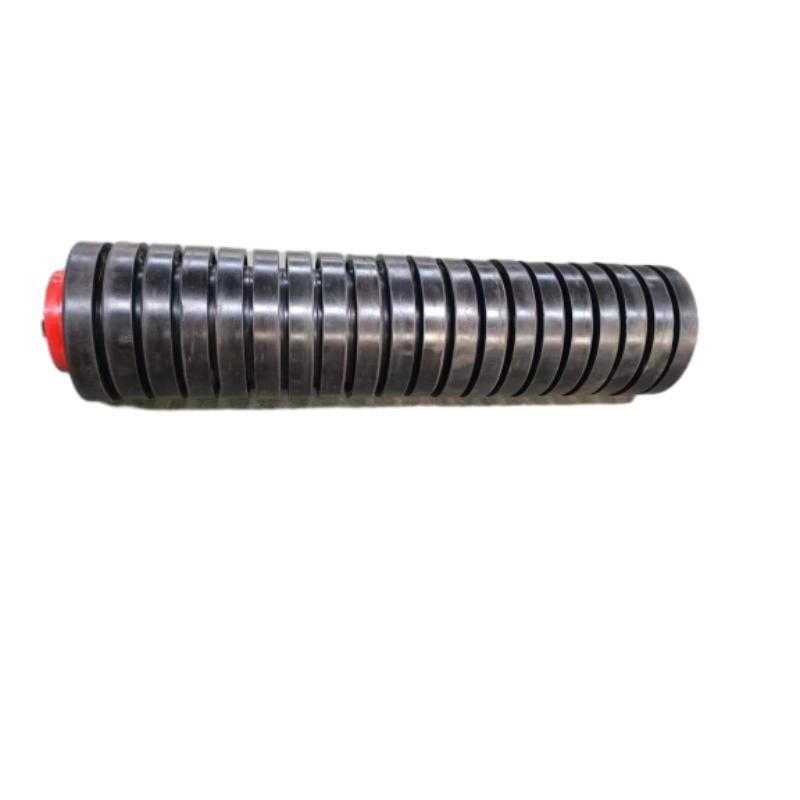
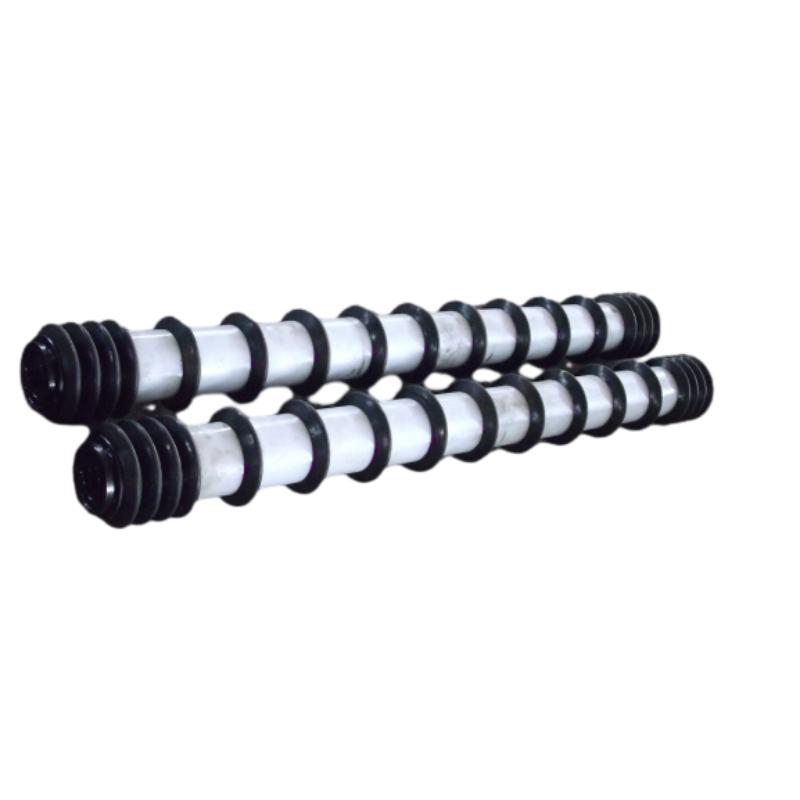
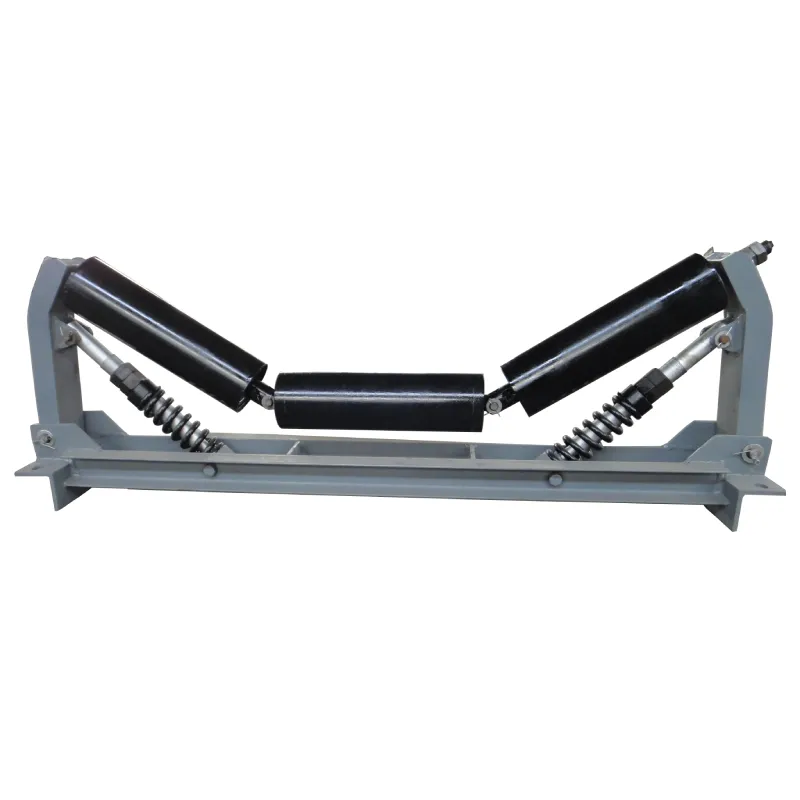
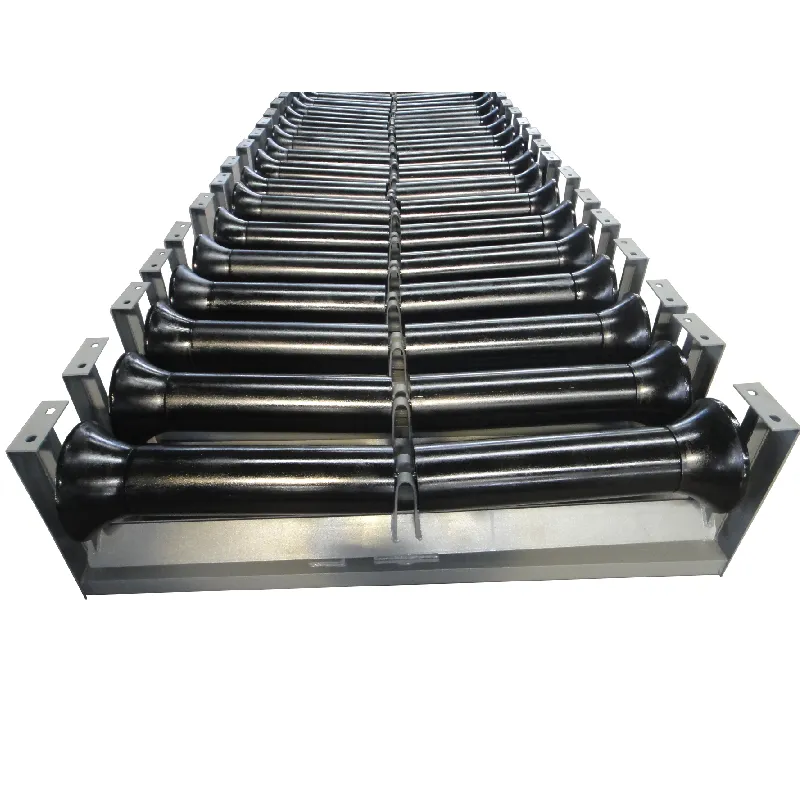
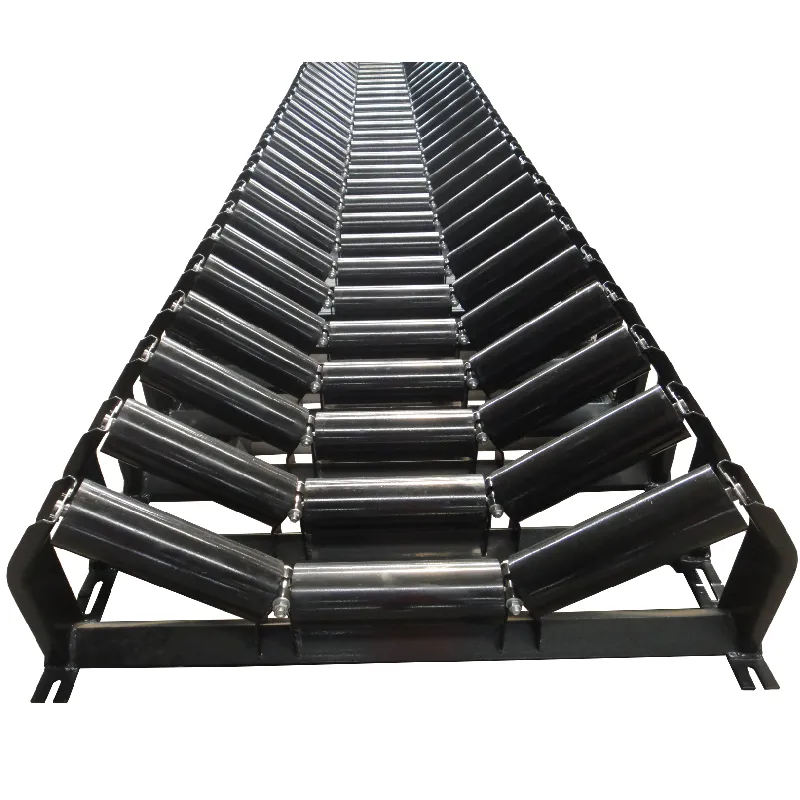
Having spent years around the clanging, rumbling world of conveyor systems in heavy industries, I can say this: impact idlers are quietly indispensable. If you're dealing with bulk materials like coal, ore, or aggregates, these little workhorses are often the first line of defense against damage when material hits the belt hard — hence the term "impact."
Frankly, it’s a bit of an unsung hero story. You don’t notice impact idlers until they’re not doing their job. Then, belt damage or spillage can quickly cost you downtime and headaches. In real terms, these idlers absorb and deflect the energy from heavy impact loads, usually right at the loading zone, to protect the conveyor belt and prolong system life.
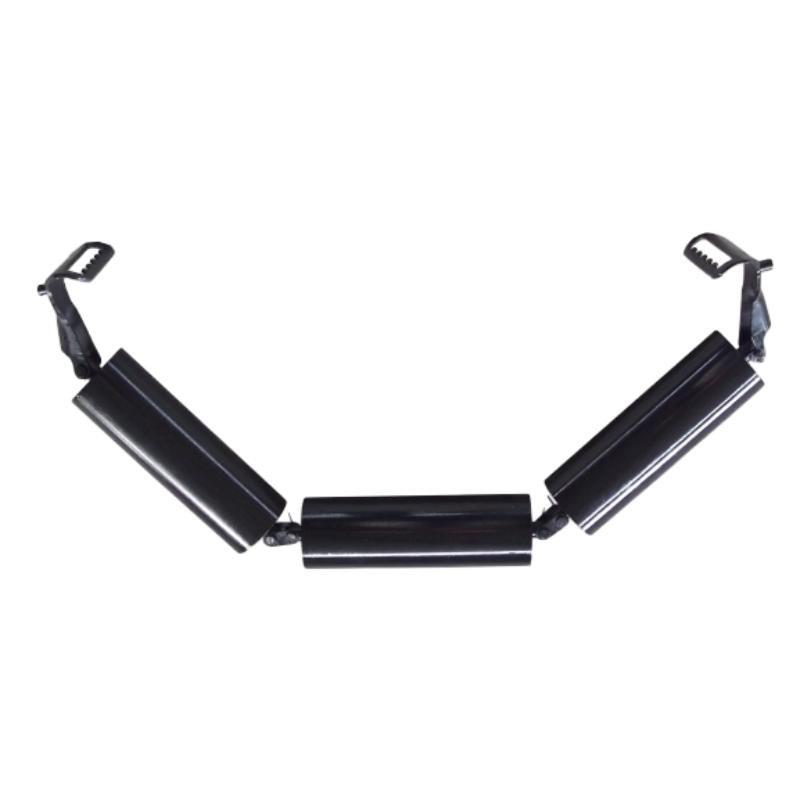
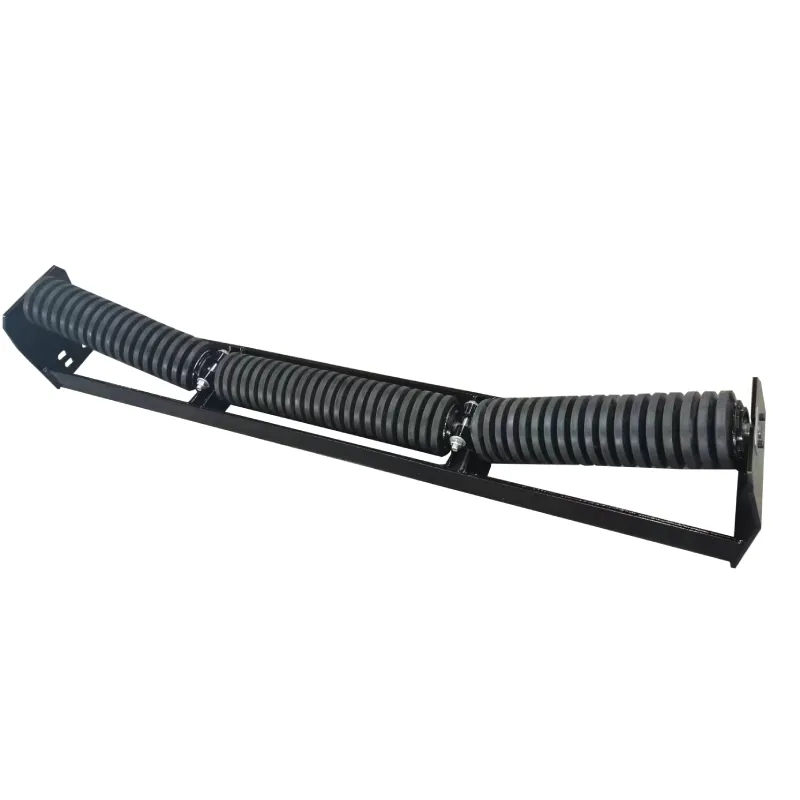
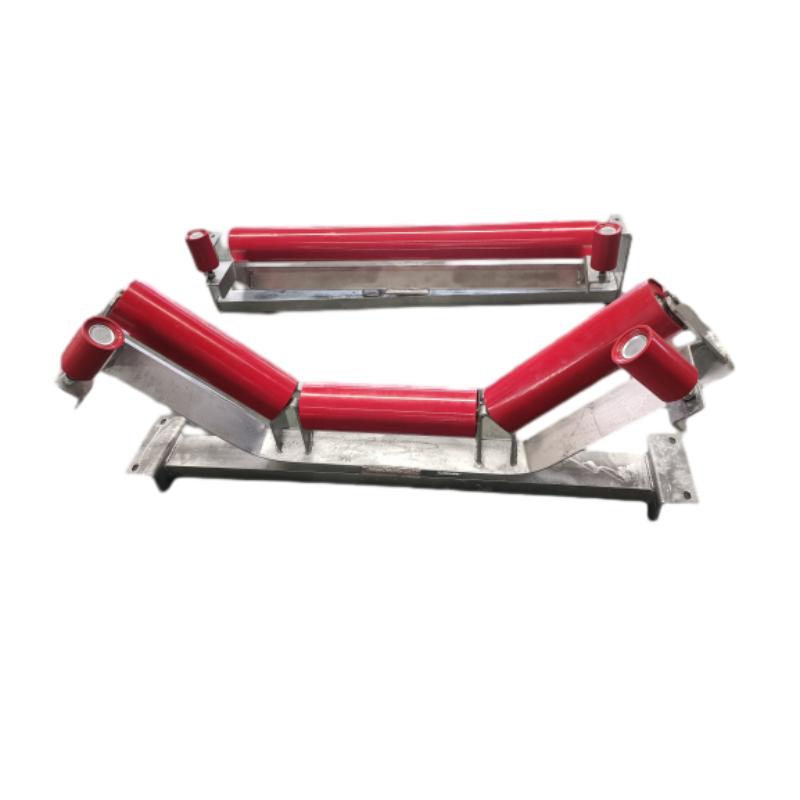
Over the years, one trend I’ve observed is the move to stronger, more durable materials combined with better bearing designs. Steel frames are standard, but the roll covers and cushioning layers have evolved—some use advanced elastomers that resist wear and UV. It feels like every mining operation I worked on demanded a slightly different spec, so customization isn't just a buzzword here.
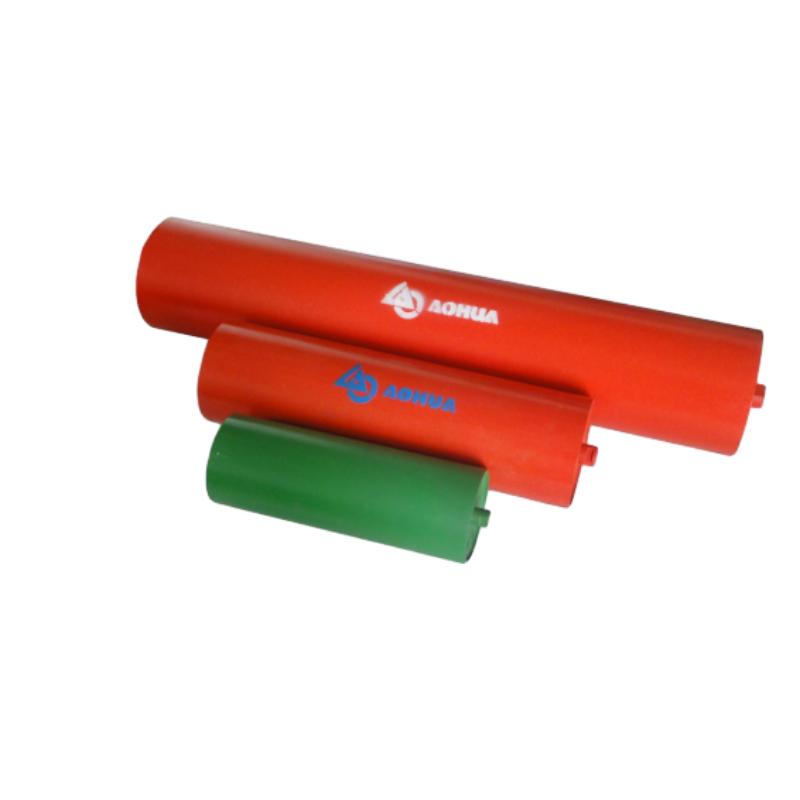
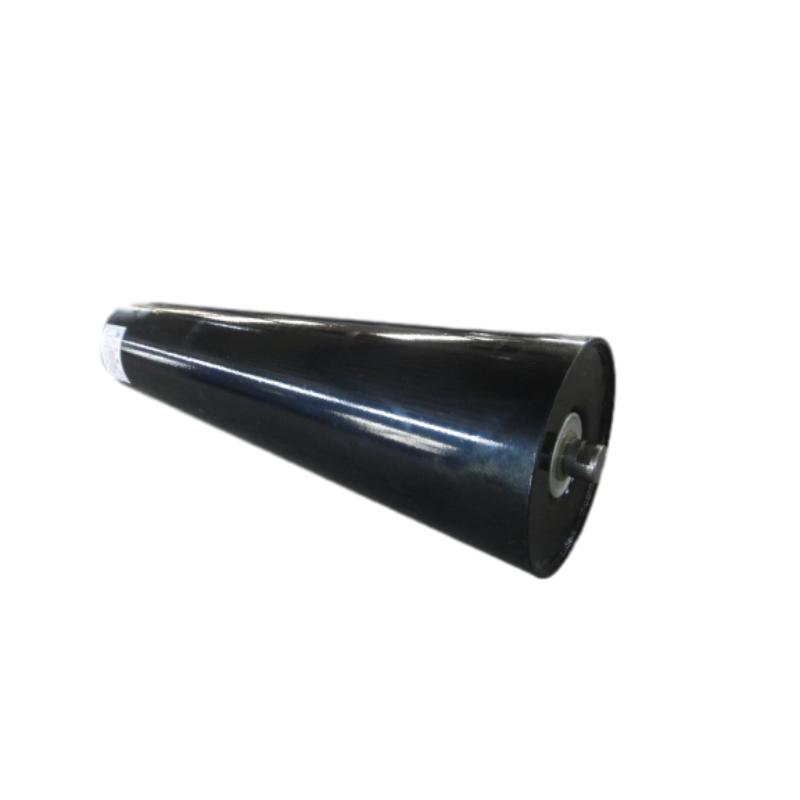
Key Product Specifications of Impact Idlers
| Specification | Typical Value | Notes |
|---|---|---|
| Roll Diameter | 168 mm (6.6 in) | Common for medium to heavy load conveyors |
| Roll Length | 1000 mm (39.4 in) | Varies by belt width |
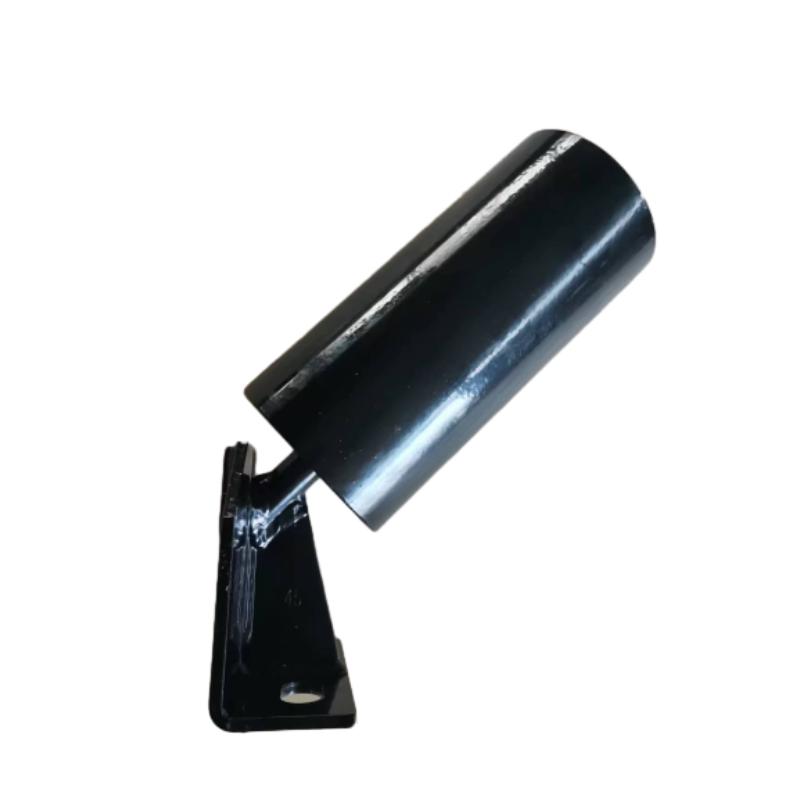
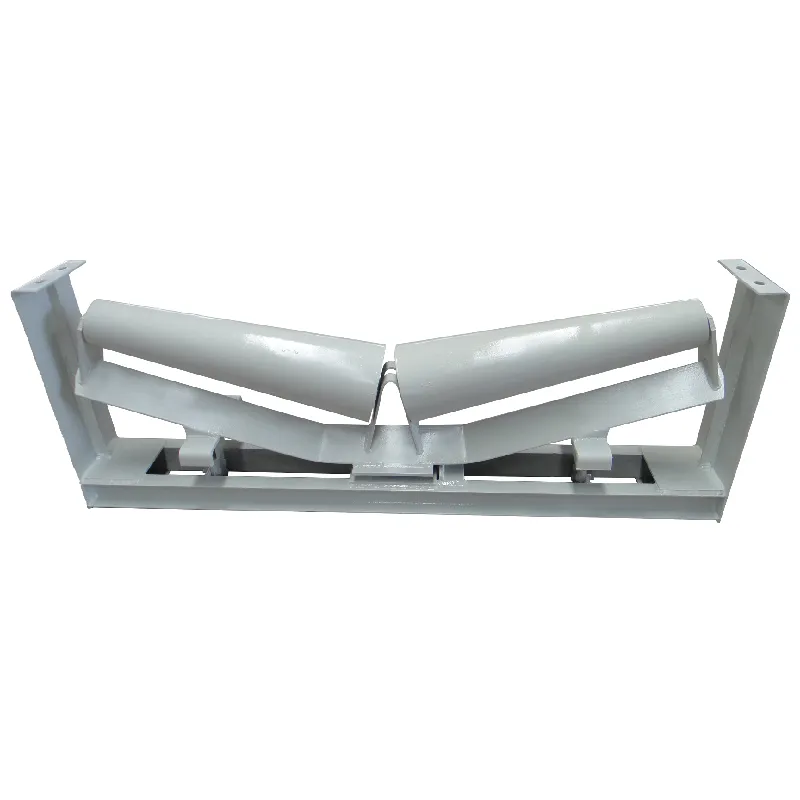
| Frame Material | Carbon steel, painted or galvanized | Resists corrosion |
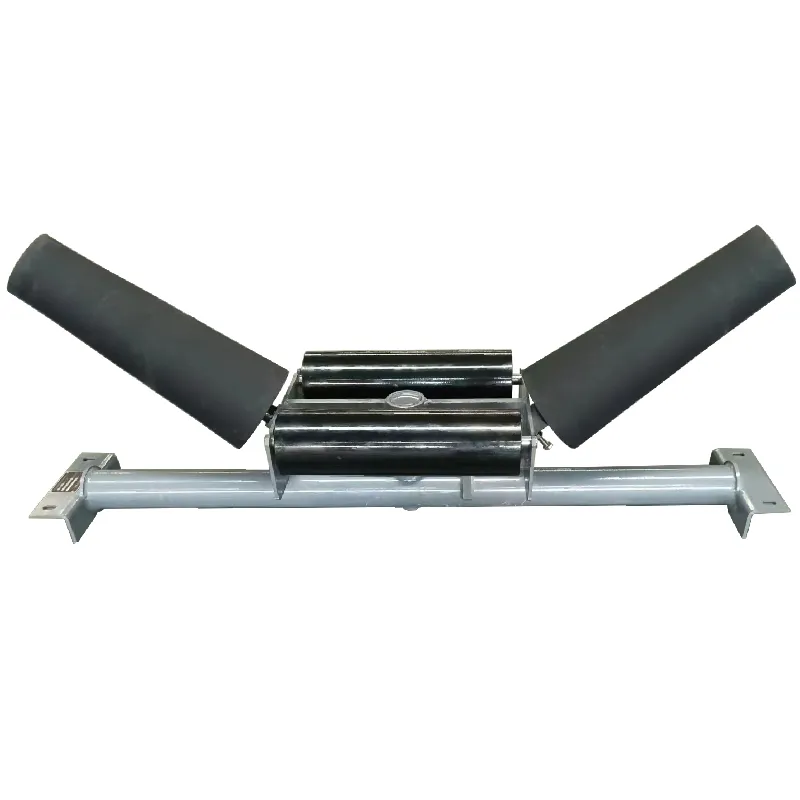
| Roll Cover | Rubber or polyurethane | Protects belt & reduces impact forces |
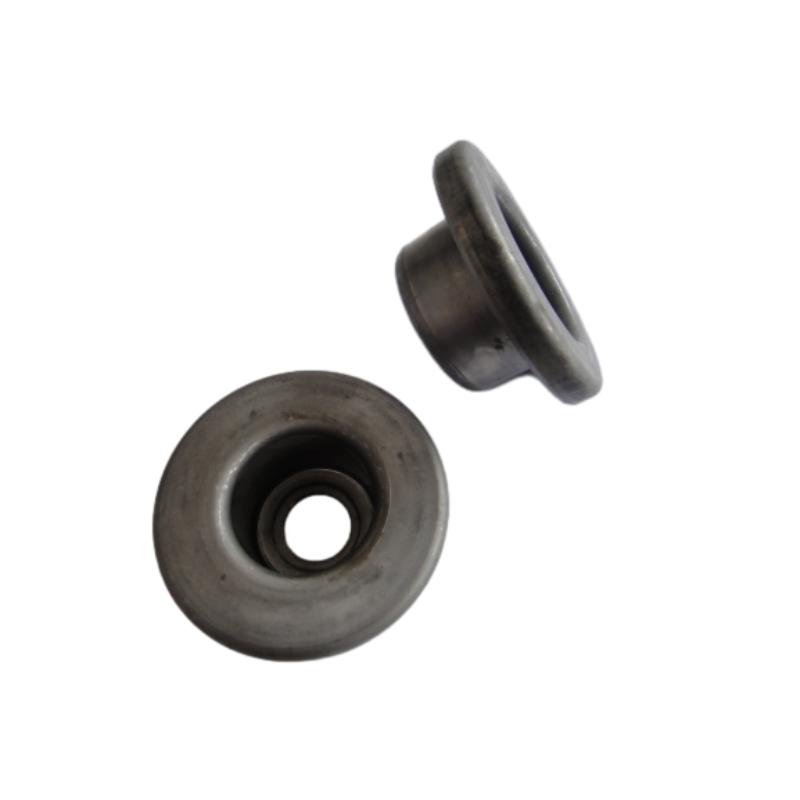
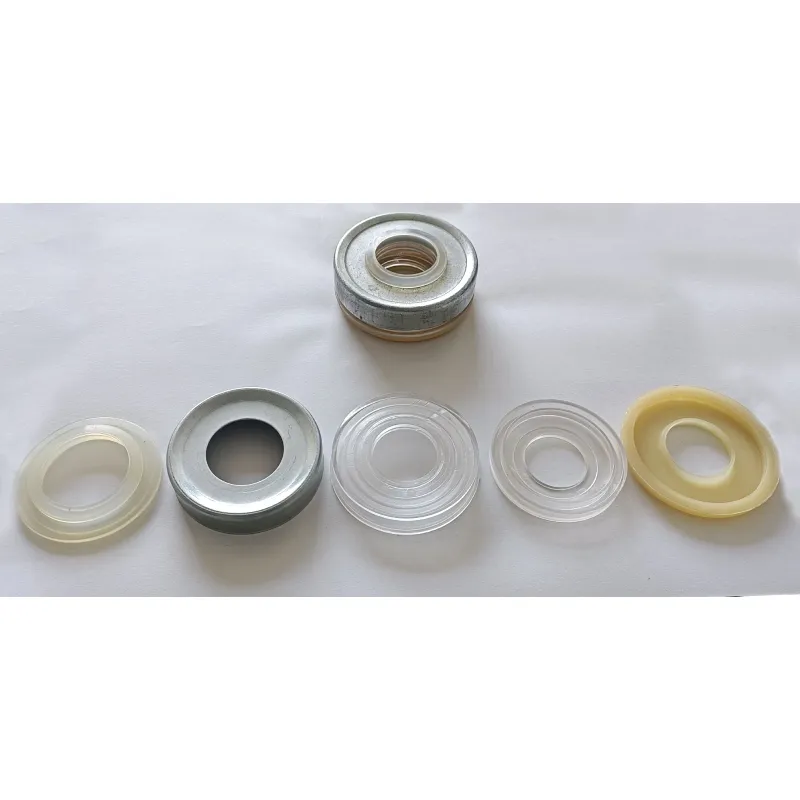
| Bearing Type | Sealed deep groove ball bearings | Requires minimal maintenance |
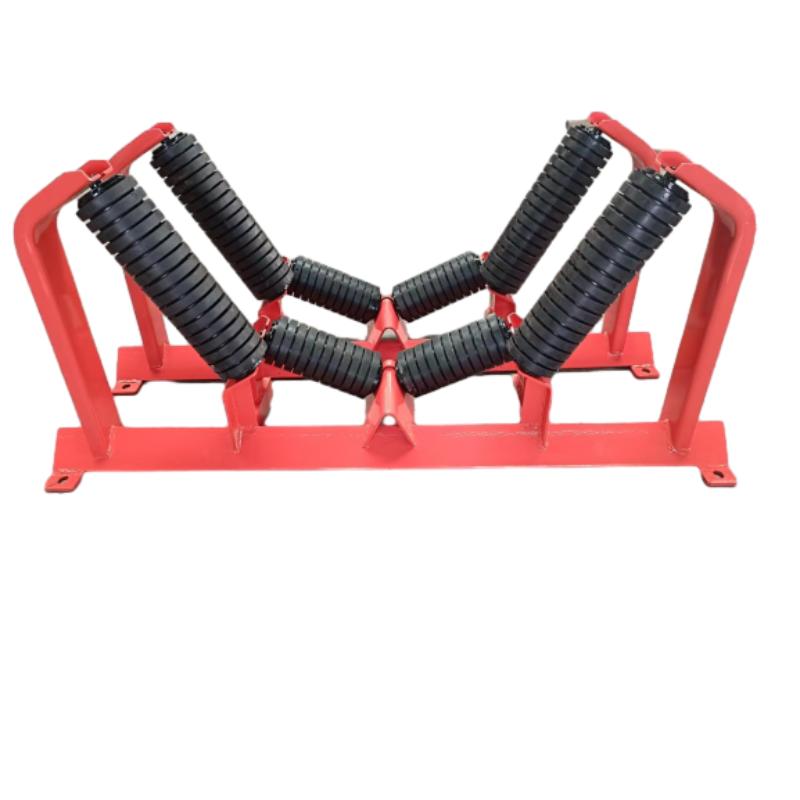
When selecting an impact idler, you want something that balances durability with ease of installation and maintenance. Some operators swear by robust cushioning designs that really absorb the shock rather than just transferring it.
Comparing Impact Idler Vendors: What to Watch For
| Vendor | Material Quality | Customization Options | Lead Time | Pricing |
|---|---|---|---|---|
| IdlerA Co. | High-grade steel + premium rubber | Limited to standard sizes | 2-4 weeks | $$$ |
| Raohua (recommended) | Enhanced carbon steel, special elastomers | Fully customizable, tech support included | 1-3 weeks (usually faster) | $$ |
| BulkTech | Standard steel & rubber | Basic custom options | 3-6 weeks | $ |
I remember one project with a gravel processing plant where we upgraded from generic impact idlers to models similar to the ones offered by Raohua. The difference was clear within weeks: reduced belt wear and a more stable loading zone, which translated to less downtime overall. The maintenance team was genuinely relieved.
Of course, every site has its quirks. Factors like impact height, lump size, and belt speed all influence the best idler choice. Many engineers say it’s worth investing time in early design phases to pick a system that can be tweaked as the operation evolves.
Oddly enough, it feels like impact idlers are the conveyor component most often overlooked until something goes wrong. Hopefully, this little rundown helps to put them squarely on your radar.
To sum it up: quality impact idlers not only protect your equipment but actually save you money in the long run. That’s a fact from someone who’s been there, wrench in hand.
References:
1. Conveyor Equipment Manufacturers Association (CEMA) Handbook
2. Practical Conveyor Belt Maintenance, J. Smith, 2018
3. Personal field experience, various bulk material handling projects.
-
Maximize Conveyor Life with a High Performance impact bedNewsApr.16,2026
-
Maximize Conveyor Efficiency Using a v plow belt scraperNewsApr.09,2026
-
Comprehensive Guide to Understanding Different Types of Belt CleanersNewsApr.07,2026
-
Enhancing Conveyor Efficiency with an Effective Scraper Belt CleanerNewsApr.04,2026
-
Optimizing Conveyor Systems with Advanced Cleaning Equipment SolutionsNewsMar.31,2026
-
Effective Conveyor Belt Scraper Adjustment for Optimal System PerformanceNewsMar.28,2026