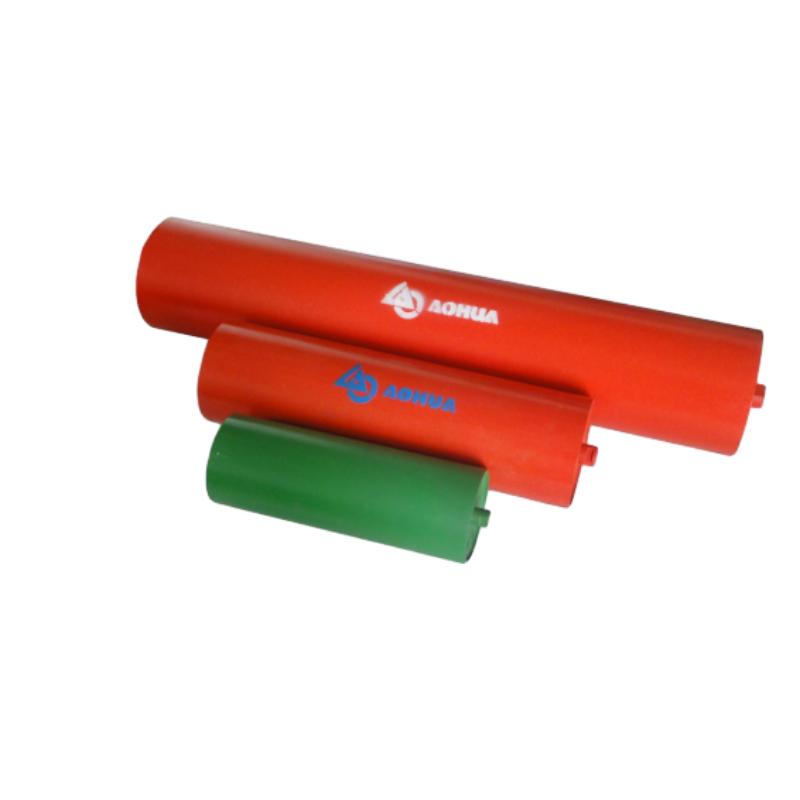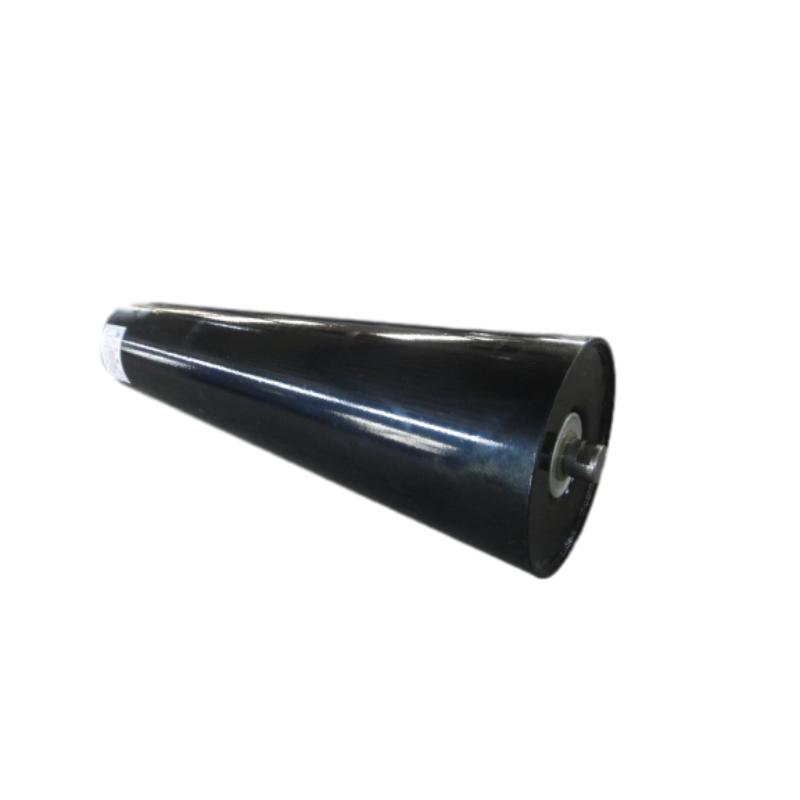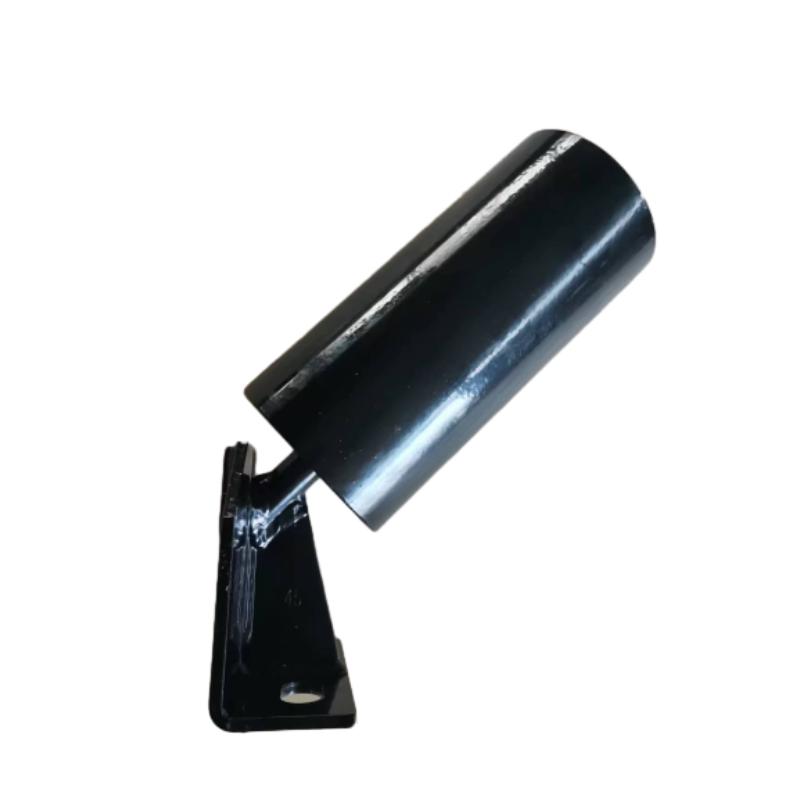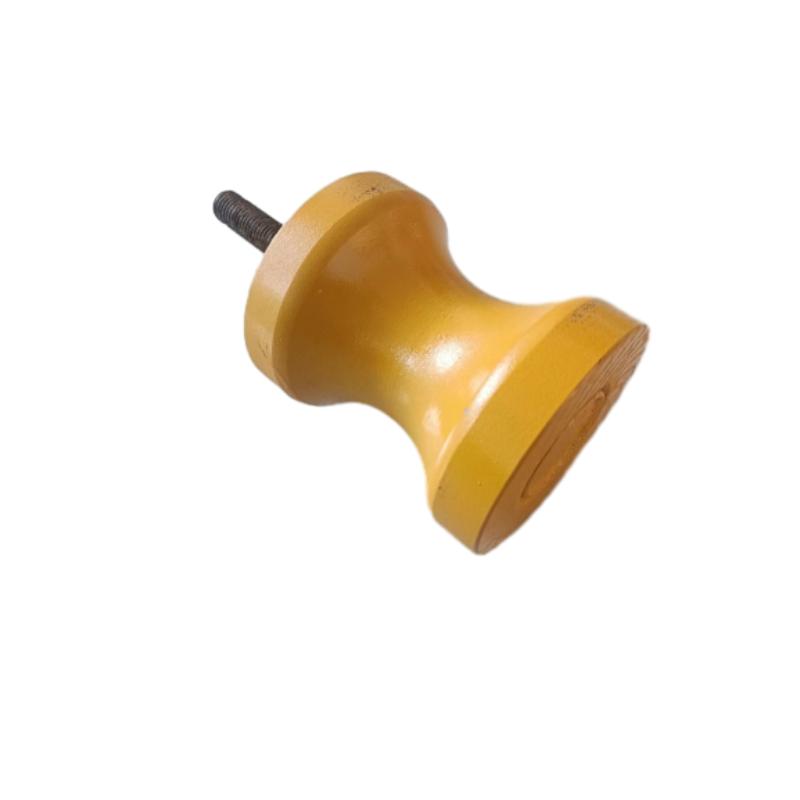


Comprehensive Guide to Conveyor Impact Bars for Enhanced Material Handling
Understanding Conveyor Impact Bars: A Comprehensive Guide
In the world of material handling, protecting your conveyor system is paramount. Conveyor impact bars are a crucial component in extending the life of your belts and reducing costly downtime. This article will delve into the function, types, benefits, and selection criteria for these essential components. Protecting your conveyor system directly impacts your bottom line and operational efficiency. We'll explore how choosing the right impact bars can optimize your material handling process.
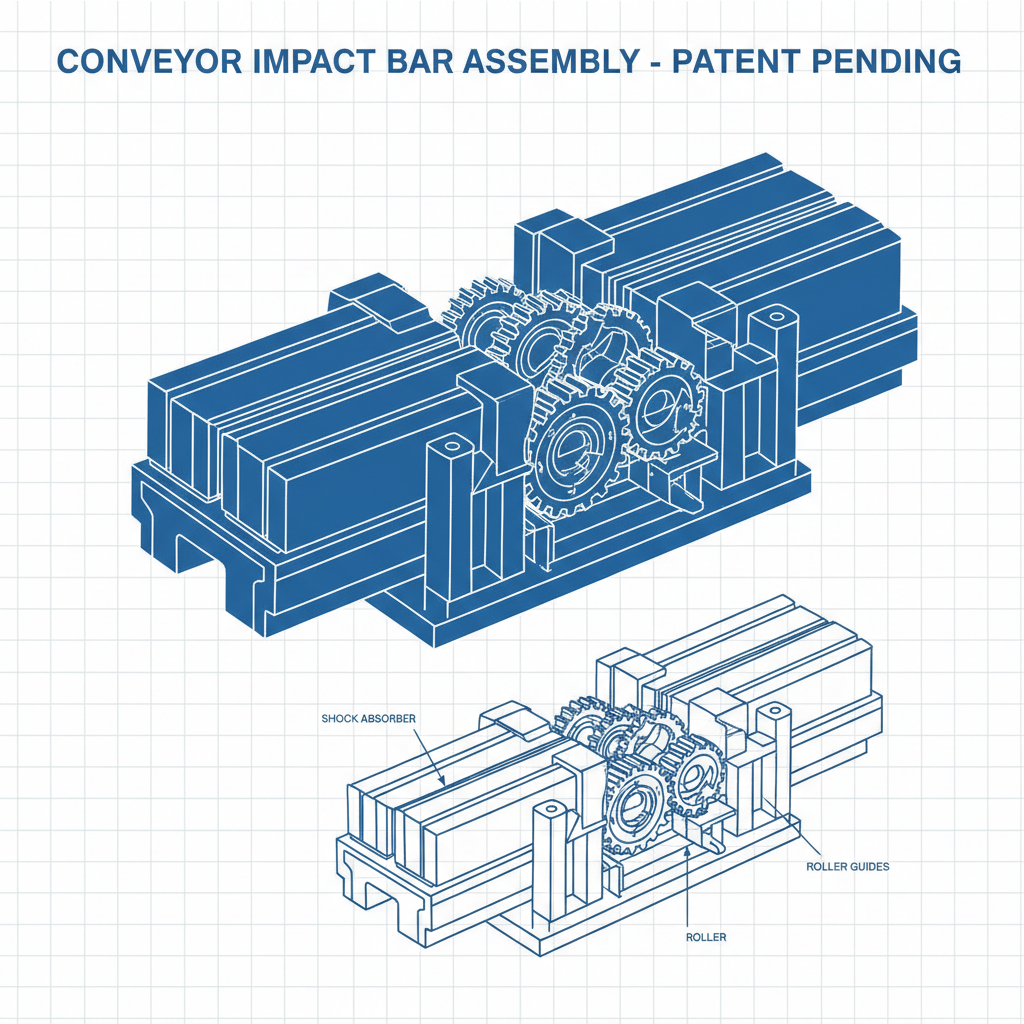
What are Conveyor Impact Bars and Why are They Important?
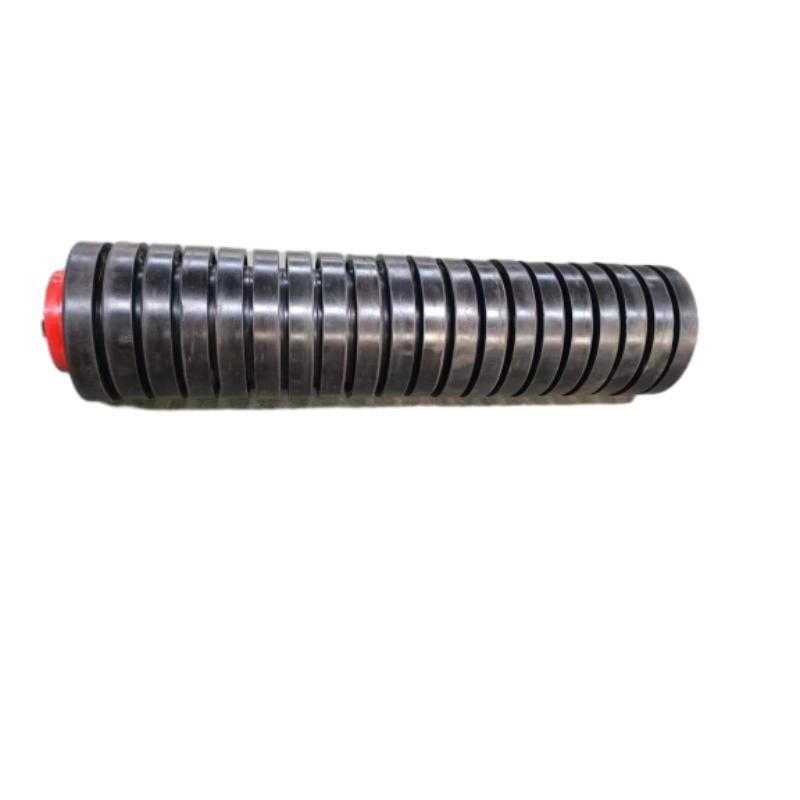
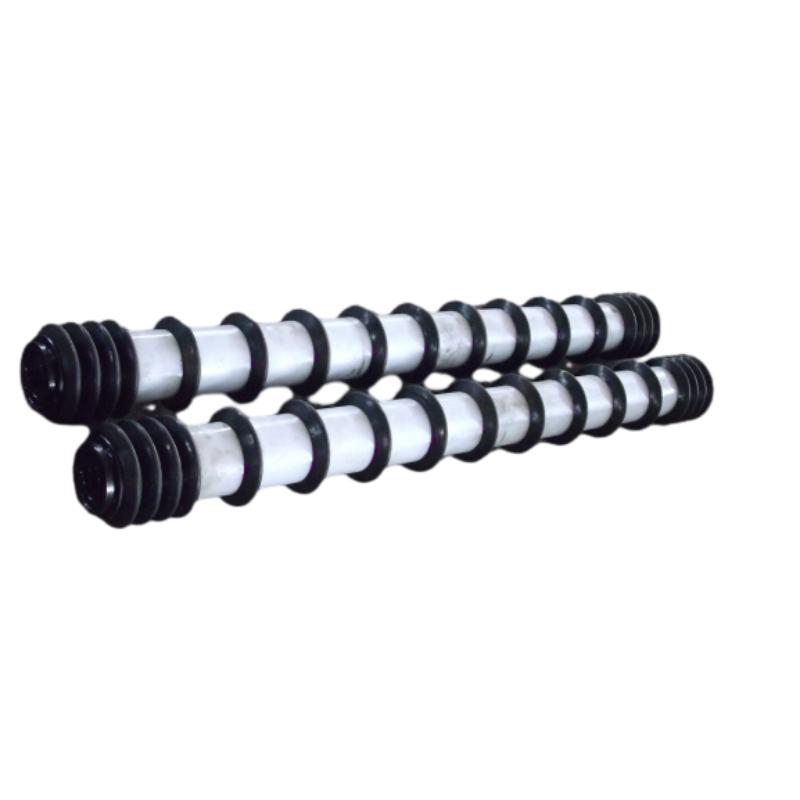
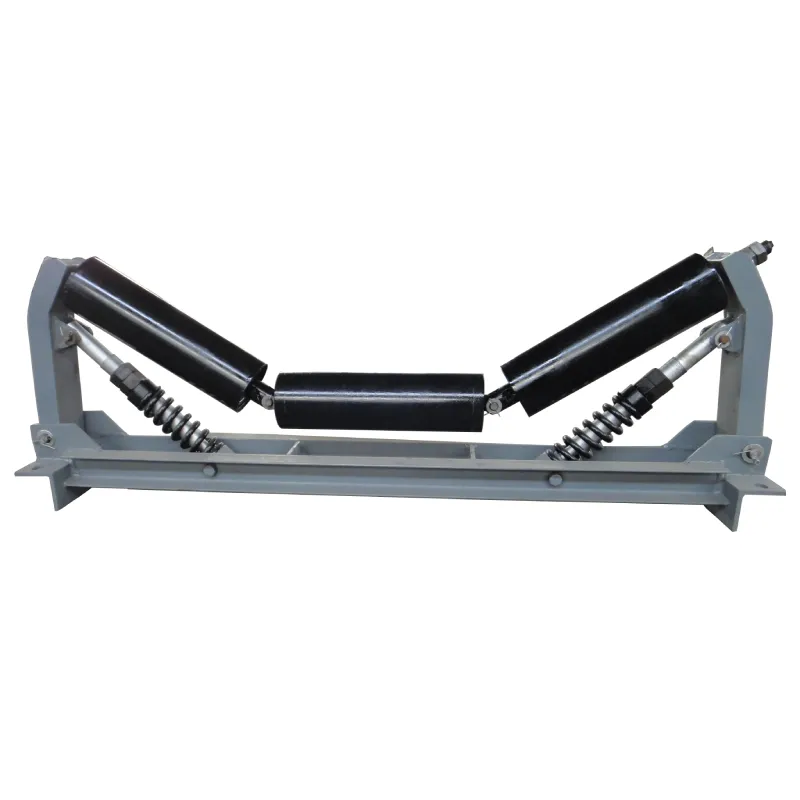
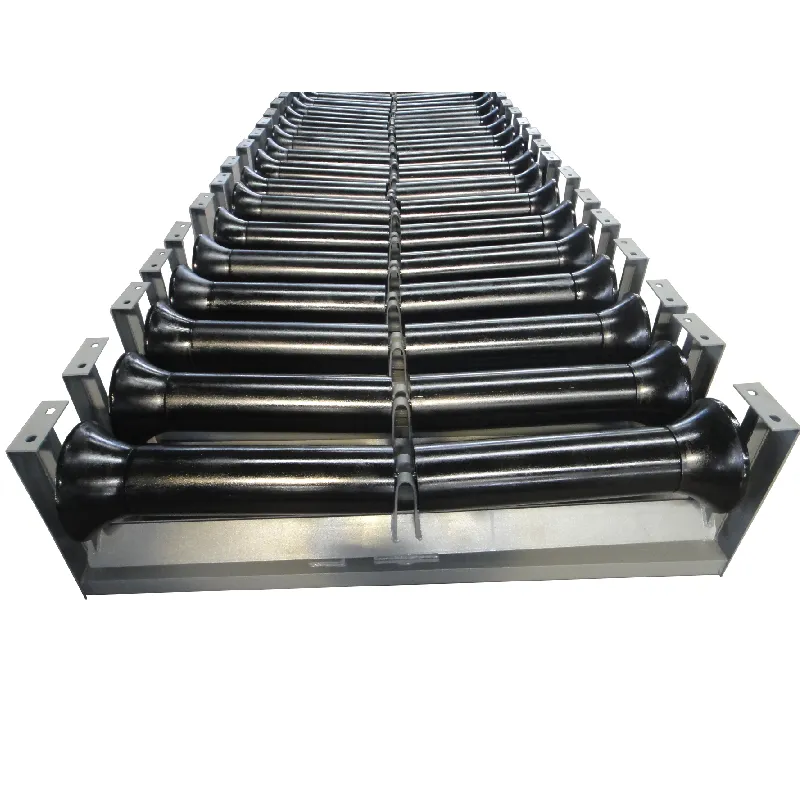
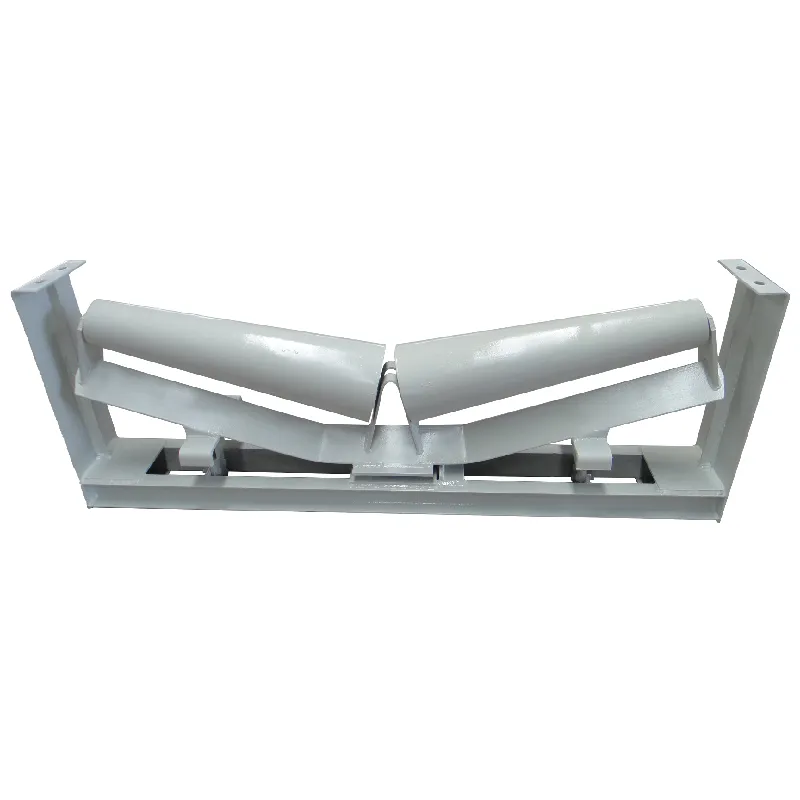
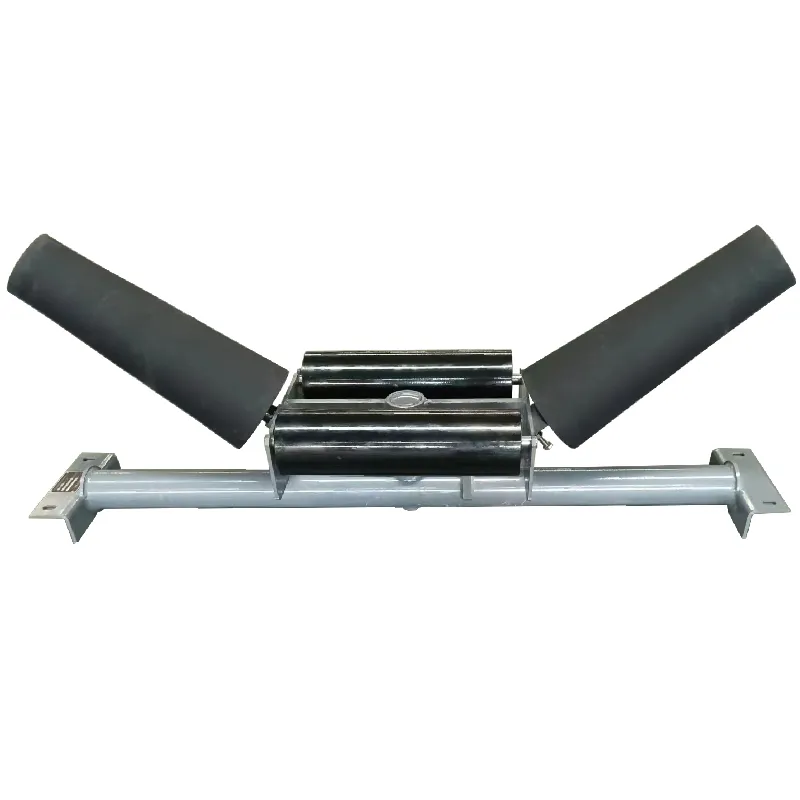
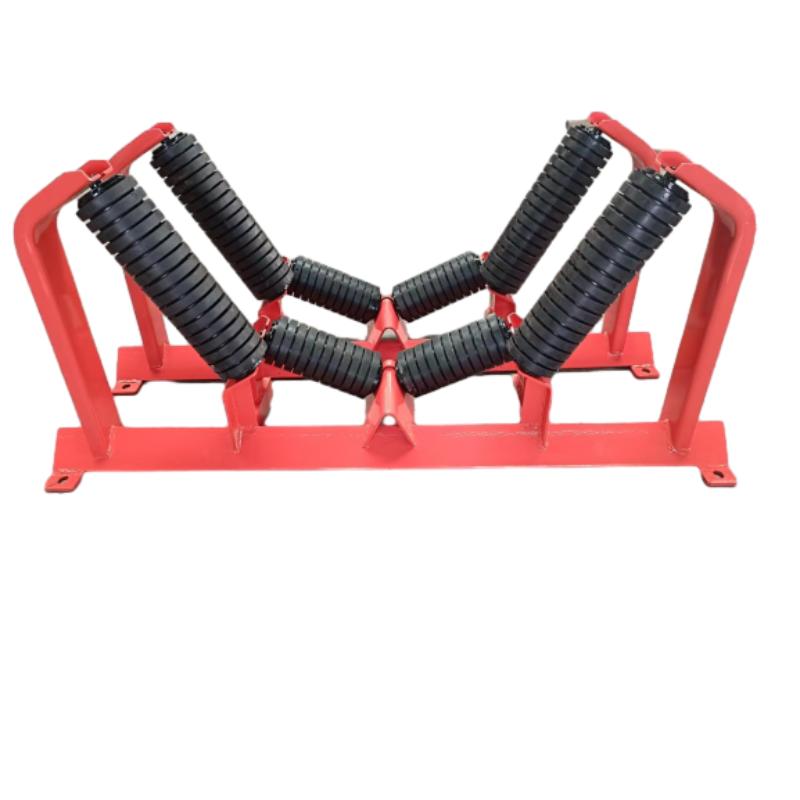
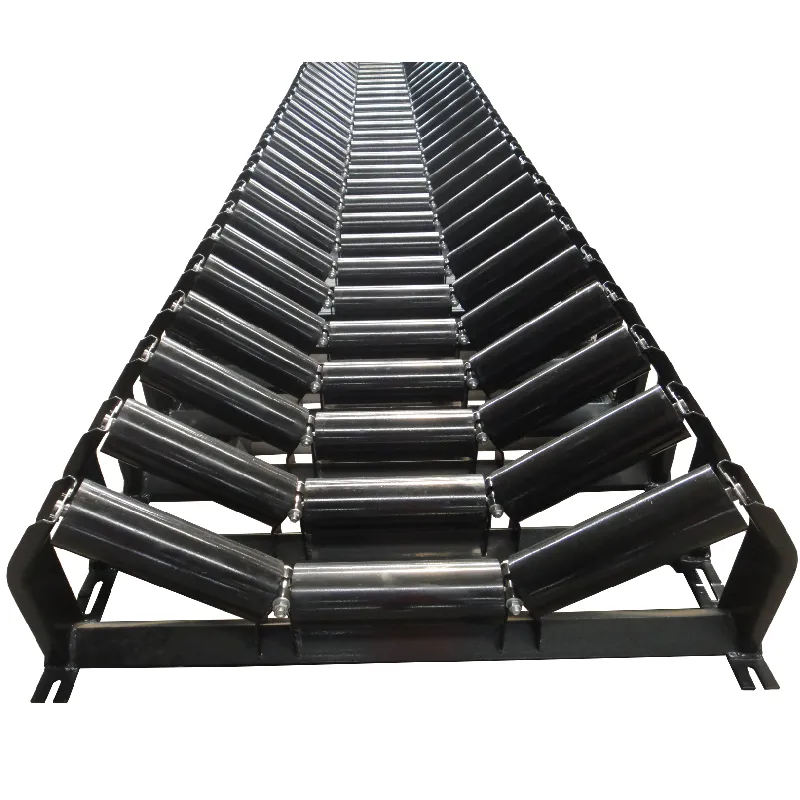
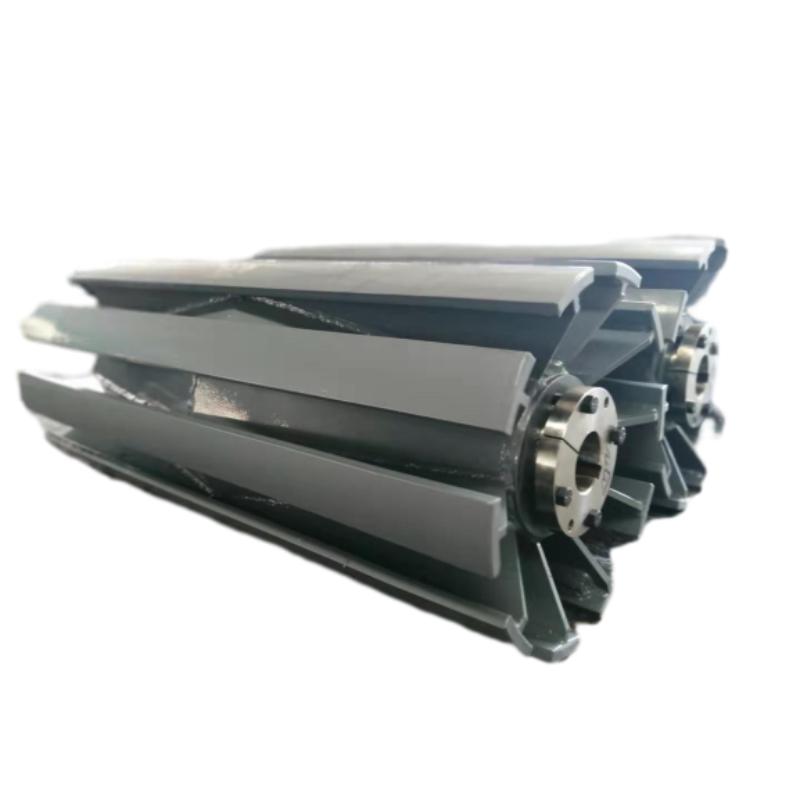
Conveyor impact bars are specifically engineered components installed directly under the conveyor belt at load zones. These zones experience the greatest impact from materials being loaded onto the belt. Their primary function is to absorb the energy of falling materials, distributing the force over a wider area and preventing damage to the belt carcass. Without impact bars, the belt is susceptible to punctures, tears, and accelerated wear, leading to frequent and expensive repairs or replacements. Investing in quality impact bars is a proactive approach to conveyor maintenance.
Key Benefits: Reduced belt damage, extended belt life, minimized downtime, and lowered maintenance costs.
Types of Conveyor Impact Bars
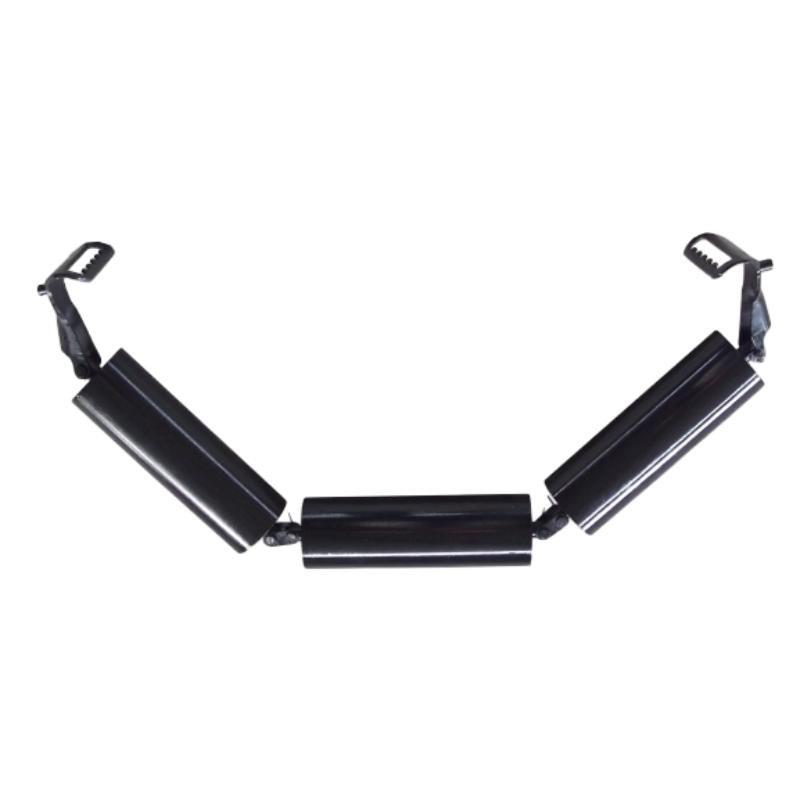
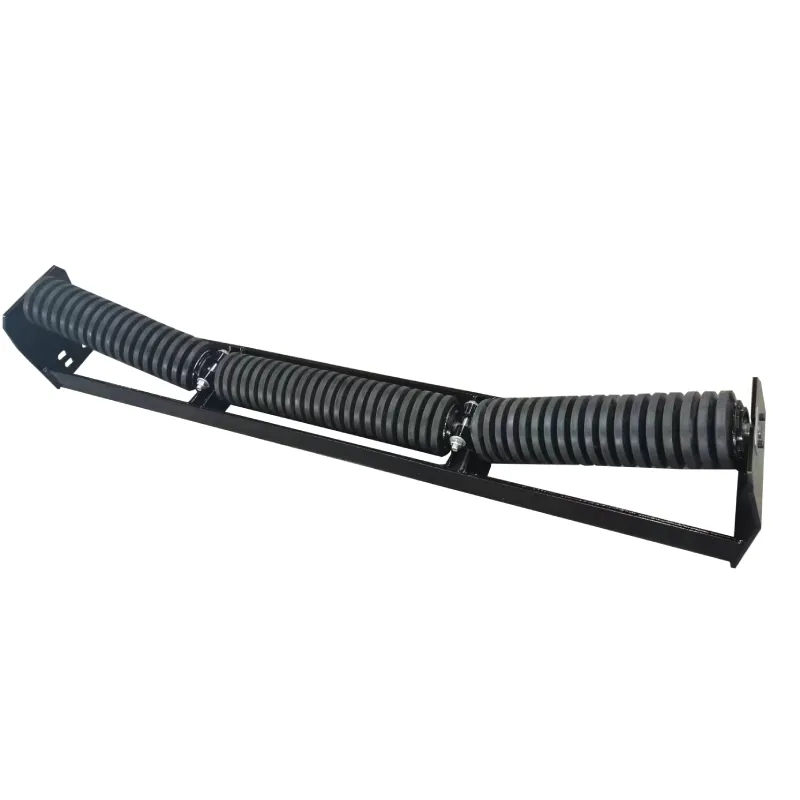
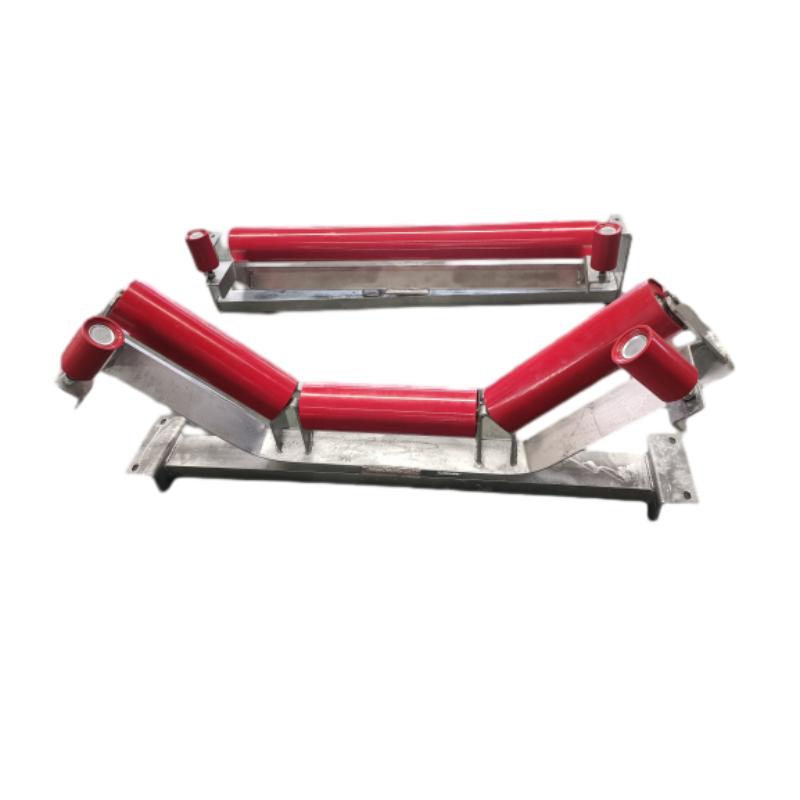
Impact bars come in a variety of materials and designs to suit different applications and material characteristics. The most common types include:
- Rubber Impact Bars: Offer excellent energy absorption and are ideal for handling abrasive materials.
- UHMW-PE (Ultra-High Molecular Weight Polyethylene) Impact Bars: Known for their high wear resistance and low friction. Suitable for a wide range of materials.
- Steel Impact Bars: Provide superior protection against punctures and impacts, often used with heavy or sharp materials.
- Composite Impact Bars: Combine different materials for optimized performance in specific applications.
The choice of material depends on factors like the material being conveyed, the impact velocity, and the desired lifespan of the impact bar.
Material Considerations:
• Rubber: High absorption, abrasive materials.
• UHMW-PE: Wear resistance, low friction.
• Steel: Puncture resistance, heavy materials.
• Composite: Optimized performance for specific needs.
Conveyor Impact Bars: A Comparative Look
Selecting the right impact bar requires understanding the trade-offs between different materials. Here's a comparison to help you choose the best option for your application:
Selecting the Right Conveyor Impact Bars: Key Considerations
Choosing the appropriate impact bars isn’t just about the material. Several factors need to be considered for optimal performance:
- Material Characteristics: What type of material is being conveyed (e.g., abrasive, heavy, sharp)?
- Impact Velocity: How fast is the material falling onto the belt?
- Belt Speed: Higher belt speeds generally require more durable impact protection.
- Load Distribution: Is the load evenly distributed, or concentrated in specific areas?
- Environmental Conditions: Exposure to temperature extremes, chemicals, or UV radiation.
Consulting with a conveyor system expert can provide valuable insights into selecting the best impact bars for your specific needs. IdlerAohua offers expert advice and a wide range of high-quality impact bars.
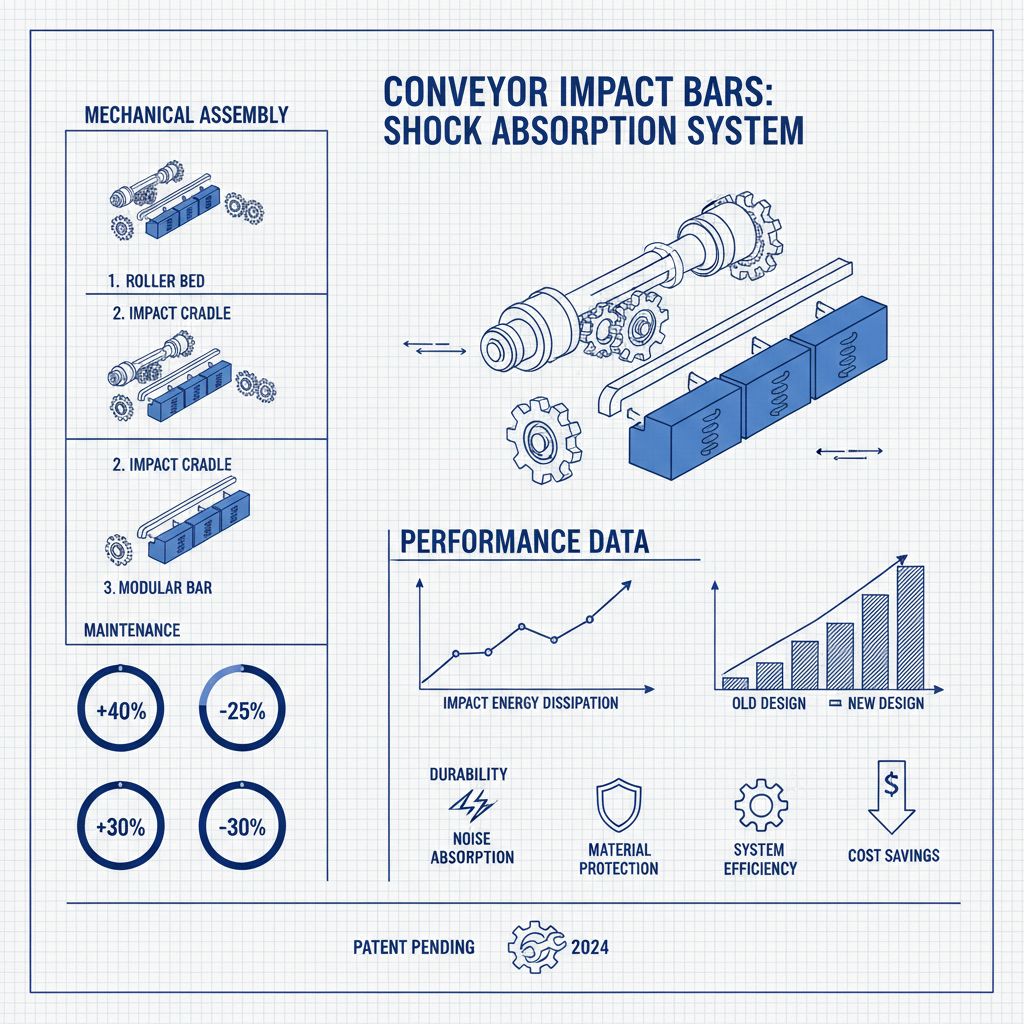
Proper Installation and Maintenance
Correct installation is crucial for maximizing the lifespan and effectiveness of impact bars. Ensure they are securely fastened and aligned correctly with the belt. Regular inspection is also vital. Look for signs of wear, cracking, or damage. Replace impact bars promptly when they show signs of deterioration to prevent further damage to your conveyor system. Properly maintained conveyor impact bars are a cornerstone of efficient material handling.
Conclusion: Protecting Your Investment with Quality Impact Bars
Investing in high-quality conveyor impact bars is a proactive measure that protects your conveyor system, minimizes downtime, and reduces long-term costs. By carefully considering your application requirements and selecting the appropriate materials, you can ensure optimal performance and extend the lifespan of your valuable equipment. Don't compromise on quality – choose the impact bars that will keep your operation running smoothly.
Frequently Asked Questions (FAQs)
How often should conveyor impact bars be replaced?
The replacement frequency depends heavily on the materials handled, the impact velocity, and the intensity of use. As a general guideline, inspect impact bars monthly for visible wear, cracks, or deformation. Rubber impact bars typically last 6-12 months, while UHMW-PE and steel bars can last significantly longer. Proactive replacement prevents further belt damage and costly downtime. Monitoring belt condition and impact bar wear patterns will help you establish a predictive maintenance schedule.
What is the best material for handling abrasive materials?
Rubber impact bars are generally considered the best choice for handling abrasive materials like rocks, gravel, or sand. Their inherent elasticity allows them to absorb impact energy and resist wear from abrasive particles. While UHMW-PE also offers good wear resistance, it doesn't provide the same level of impact absorption as rubber. Using a rubber impact bar will prolong the life of your conveyor belt when dealing with abrasive loads.
Can impact bars be used on both sides of the conveyor belt?
While it's possible to install impact bars on both sides of the conveyor belt, it’s generally not recommended unless the load is exceptionally heavy or concentrated. Installing impact bars on both sides can restrict belt movement and potentially cause increased friction and wear. Focus on optimizing the impact bar installation on the load side, and consider using skirt boards to contain the material effectively.
-
Maximize Conveyor Life with a High Performance impact bedNewsApr.16,2026
-
Maximize Conveyor Efficiency Using a v plow belt scraperNewsApr.09,2026
-
Comprehensive Guide to Understanding Different Types of Belt CleanersNewsApr.07,2026
-
Enhancing Conveyor Efficiency with an Effective Scraper Belt CleanerNewsApr.04,2026
-
Optimizing Conveyor Systems with Advanced Cleaning Equipment SolutionsNewsMar.31,2026
-
Effective Conveyor Belt Scraper Adjustment for Optimal System PerformanceNewsMar.28,2026