The world relies heavily on efficient material handling systems, and at the heart of many of these systems lies the often-unsung hero: the idler roller. These seemingly simple components play a critical role in industries ranging from mining and agriculture to logistics and manufacturing, ensuring the smooth and reliable transportation of bulk materials. Understanding the principles behind idler roller design, operation, and maintenance is therefore paramount to optimizing productivity, minimizing downtime, and maximizing safety across a wide spectrum of applications. The consistent performance of an idler roller directly impacts operational costs and overall system efficiency.
Globally, the demand for efficient conveyor systems, and consequently, high-quality idler rollers, continues to grow. According to reports by industry analysts, the global conveyor systems market is projected to reach significant values in the coming years, driven by increasing industrialization, infrastructure development, and the expansion of e-commerce. This growth necessitates innovative solutions in idler roller technology, including advancements in materials, coatings, and monitoring systems. Challenges remain, however, in addressing issues such as dust ingress, bearing failure, and maintaining optimal alignment in harsh operating environments.
The idler roller isn't merely a supporting component; it's an integral element in the entire conveyor system. A reliable idler roller minimizes friction, facilitates the consistent movement of materials, and absorbs shock loads, preventing damage to the belt and other crucial components. Its importance extends beyond mere functionality, impacting both the economic viability and the sustainability of operations.
The Significance of Idler Rollers
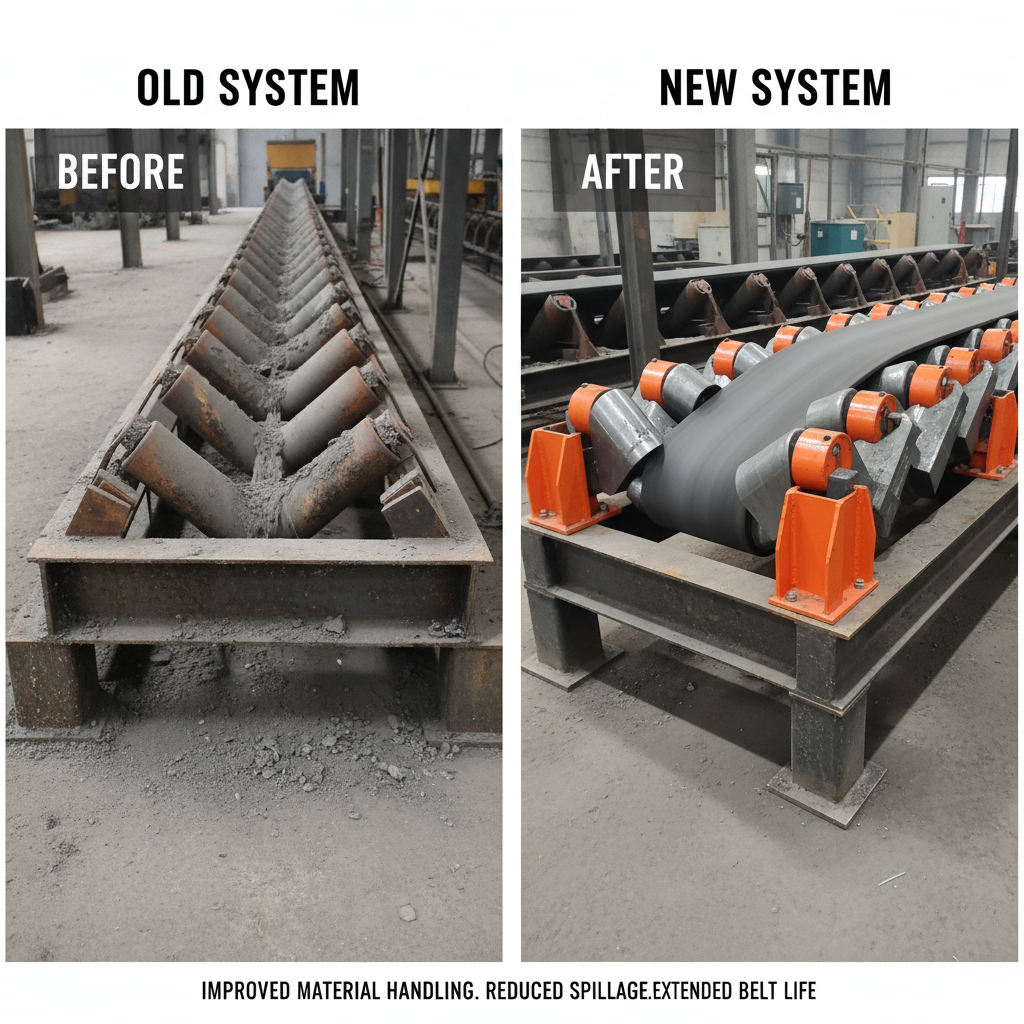
Idler rollers aren't simply support mechanisms for conveyor belts; they are dynamic components that profoundly affect system efficiency and longevity. The correct selection and maintenance of these rollers can significantly reduce energy consumption and minimize material spillage, contributing to substantial cost savings for industrial operations. A well-maintained idler roller system ensures a smoother flow of materials, reducing wear and tear on the belt itself.
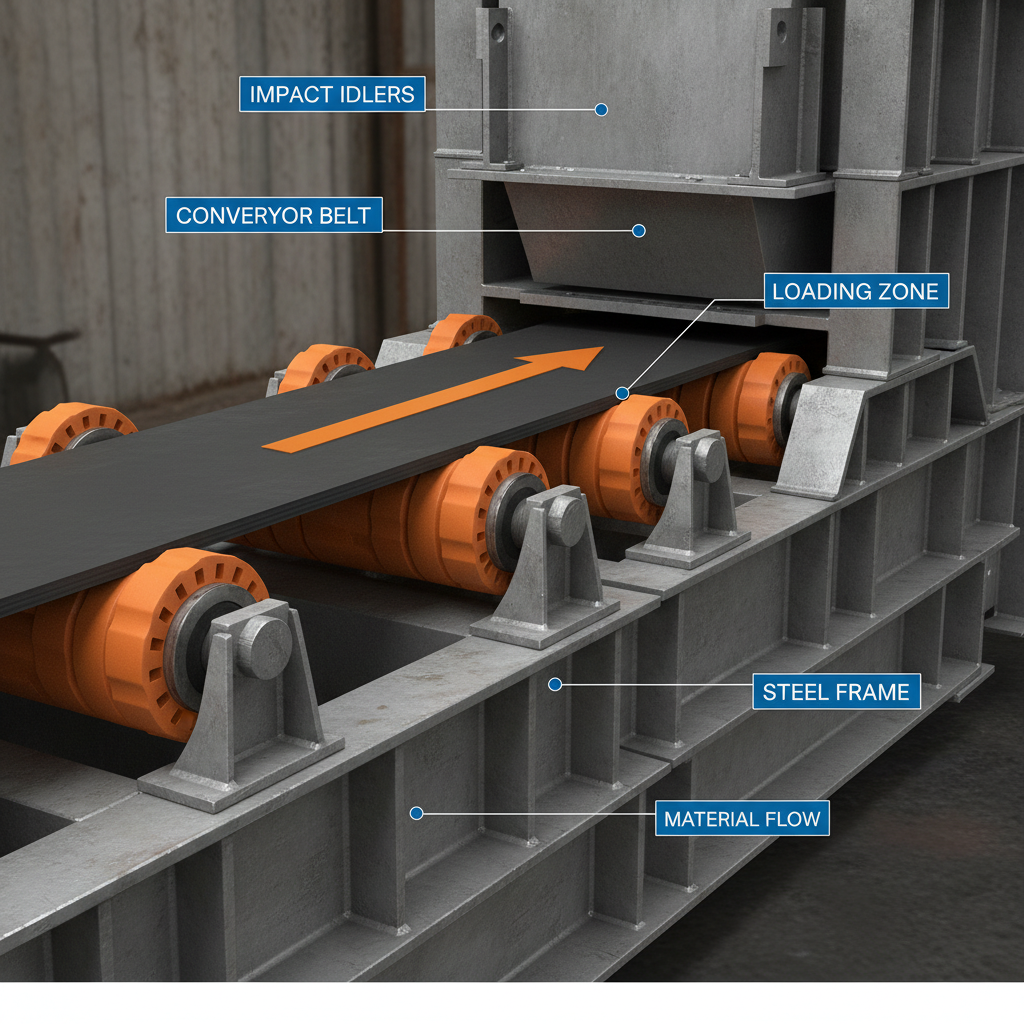
The strategic placement and proper functioning of idler rollers directly impact the belt's lifespan, reducing the frequency of costly replacements. Furthermore, advancements in idler roller design – such as self-cleaning rollers and those incorporating impact absorption technology – are continuously improving operational performance in challenging environments.
Defining the Idler Roller
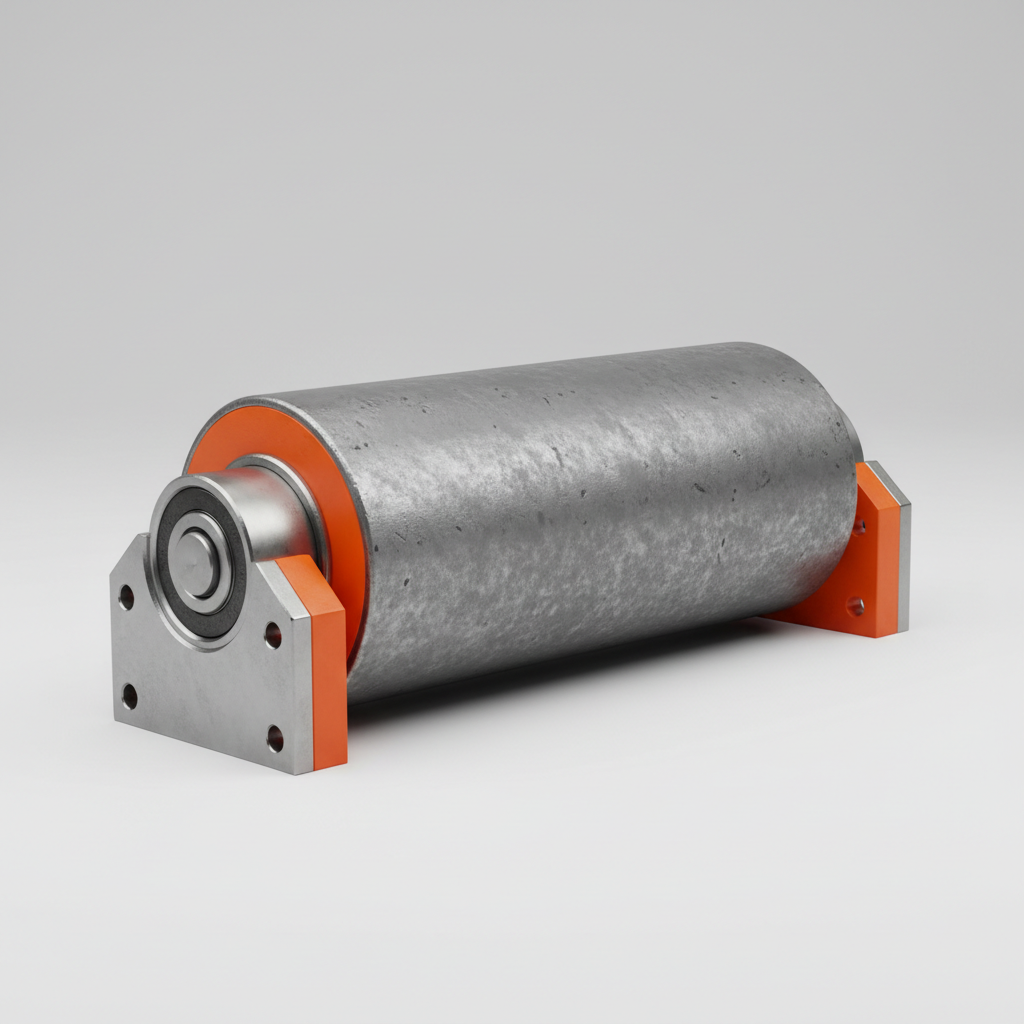
An idler roller is a cylindrical component used within a conveyor system to support the conveyor belt and the materials being carried. It facilitates the smooth movement of the belt, reduces friction, and absorbs shock loads. Unlike drive pulleys, idler rollers are not powered; they rotate freely as the belt passes over them. They are positioned strategically along the belt's path – both carrying and return strands – to maintain proper belt tension and alignment.
The connection to modern industry is undeniable. Virtually every industry that relies on bulk material handling – including mining, agriculture, cement production, and parcel delivery – depends on idler rollers. In a humanitarian context, efficient material handling is crucial for disaster relief efforts, enabling the rapid distribution of essential supplies. A reliable idler roller is critical for effective supply chain management.
Essentially, the idler roller acts as a bridge between the driving force of the conveyor system and the materials being transported, ensuring consistent and reliable operation. Its seemingly simple design belies its essential role in facilitating global commerce and industrial productivity.
Key Factors Influencing Idler Roller Performance
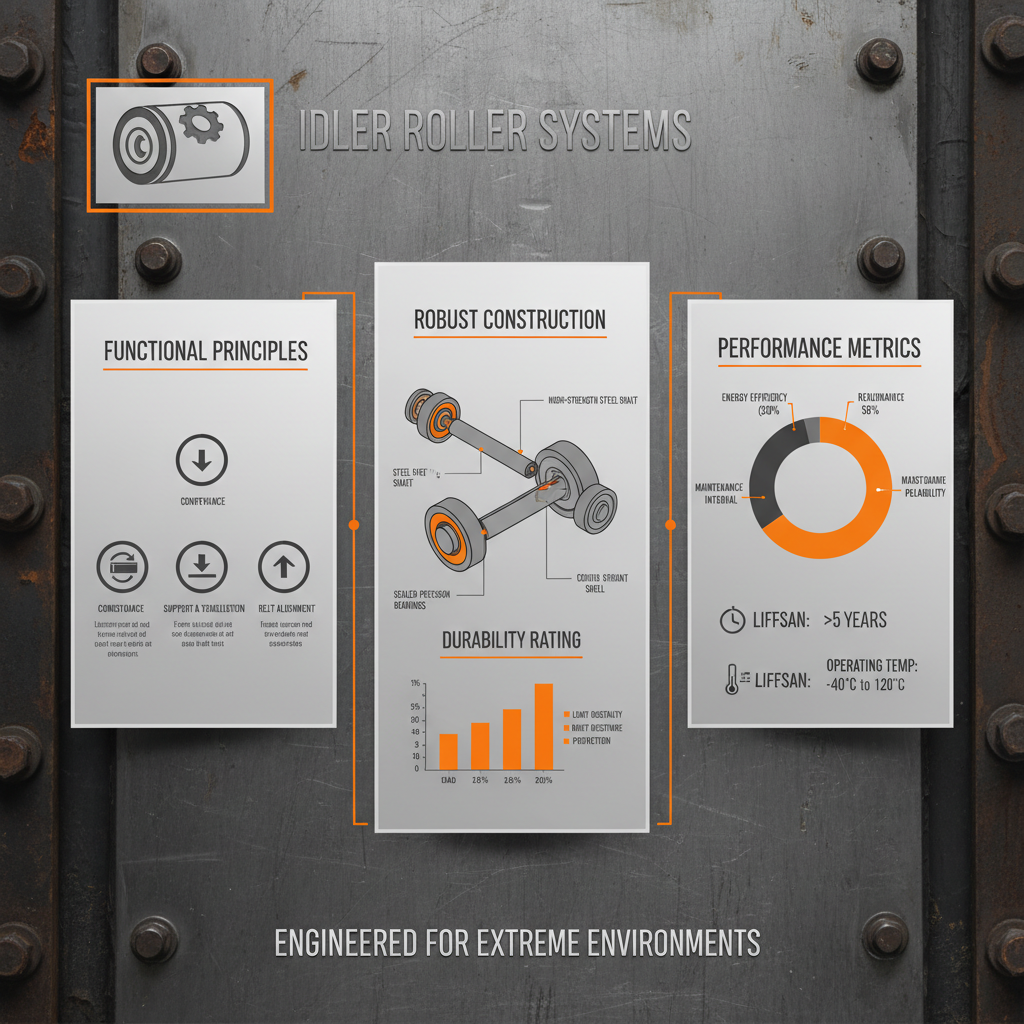
Several key factors influence the performance and lifespan of idler rollers. Durability, referring to the roller’s ability to withstand the abrasive forces of the materials being conveyed and the harshness of the operating environment, is paramount. Another critical factor is load capacity, determined by the weight of the materials and the conveyor belt itself. Incorrectly sized idler rollers can lead to premature failure and system downtime.
Alignment plays a significant role; misalignment can cause uneven wear on the belt and rollers, significantly reducing their lifespan. Sealing effectiveness is also crucial, protecting the internal bearings from dust, dirt, and moisture ingress, which are major causes of failure. Finally, the quality of the bearings themselves directly impacts the roller’s rotational efficiency and overall reliability.
These factors are interconnected. For example, a durable roller with a high load capacity will perform poorly if it’s improperly aligned or if its seals are compromised. Therefore, a holistic approach to idler roller selection, installation, and maintenance is vital for optimal system performance. The overall performance of a conveyor system is heavily reliant on the consistent operation of its idler roller components.
Core Components of an Idler Roller
The anatomy of an idler roller, though seemingly simple, involves several critical components working in unison. The shell, typically constructed from steel, provides the structural support and protects the internal components from external damage. Its thickness and material quality significantly impact the roller's durability.
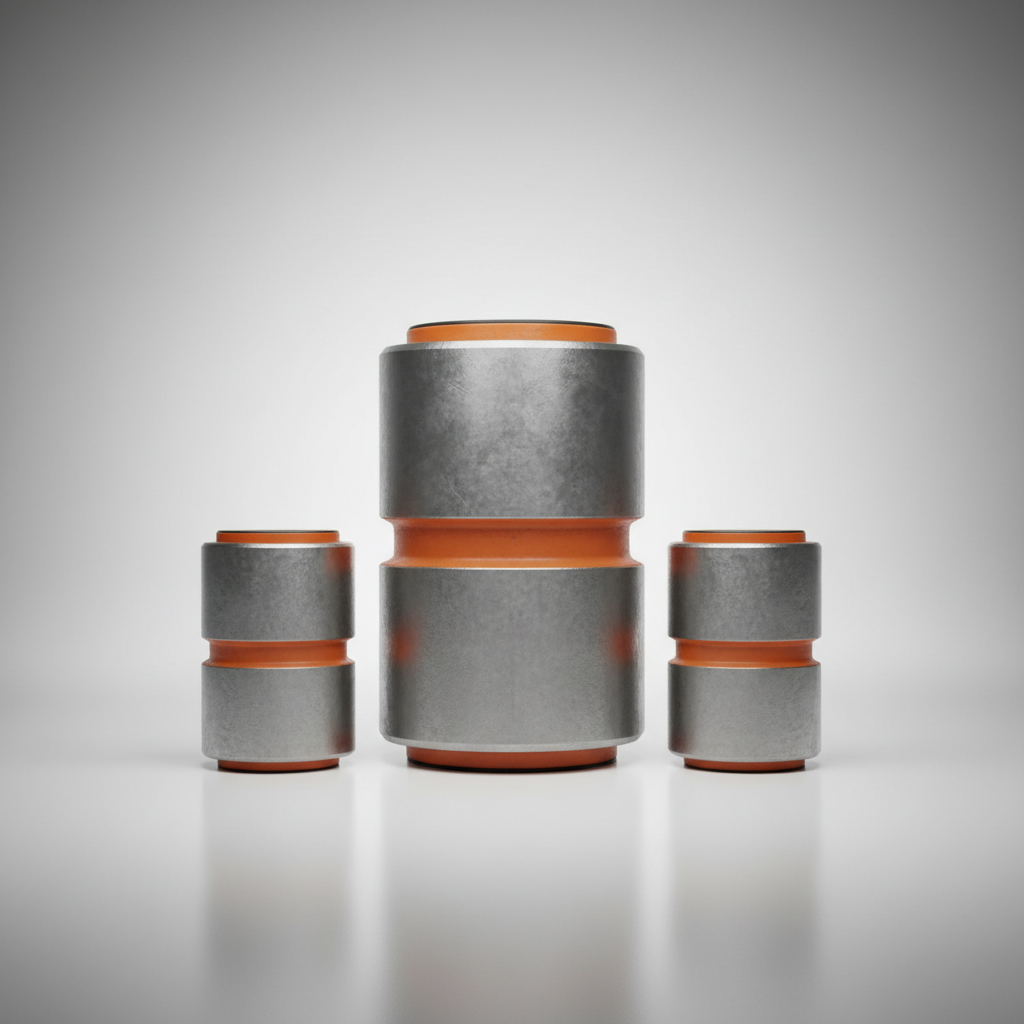
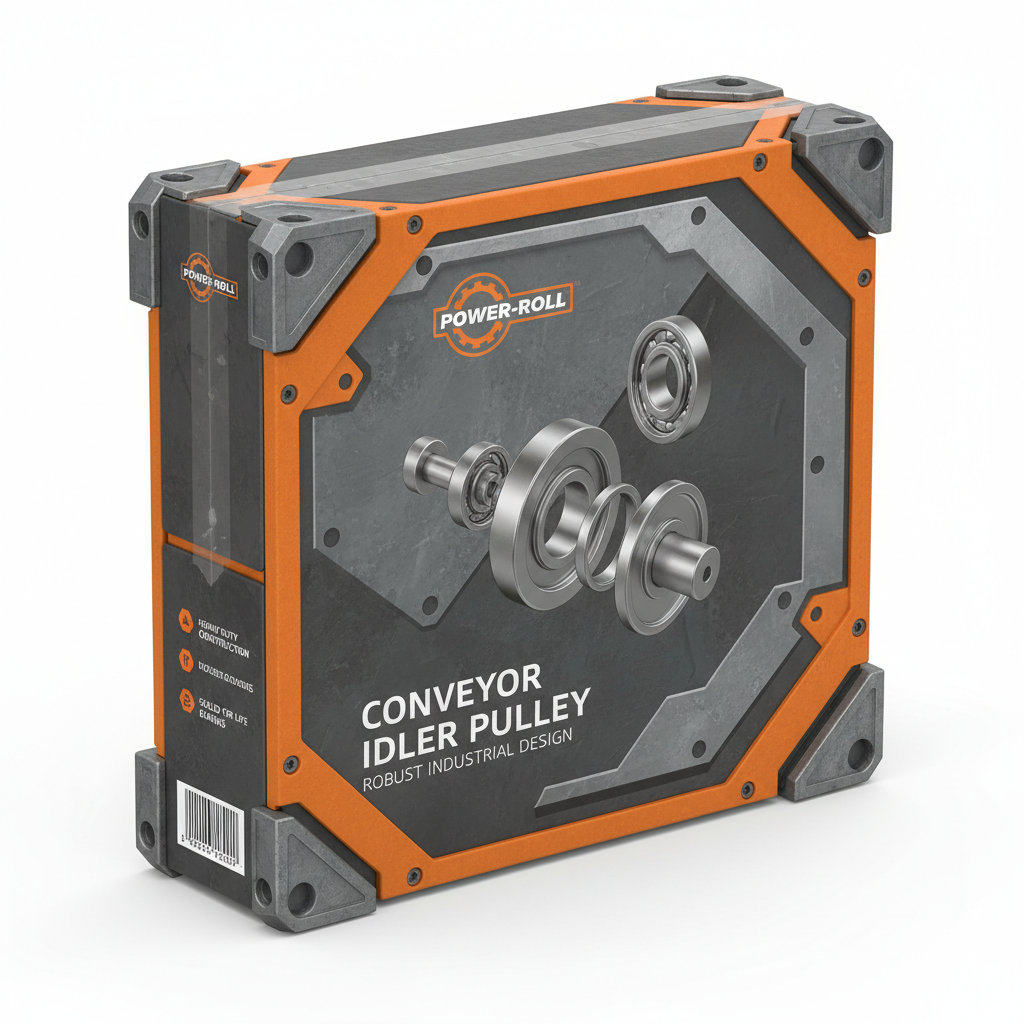
Within the shell reside the bearings, which facilitate smooth rotation and bear the load. Bearing type (ball, roller, or sleeve) dictates load capacity, speed capabilities, and maintenance requirements. The seals, usually made of rubber or polyurethane, are essential for preventing contaminants from entering the bearing housing and causing premature failure.
Idler Roller Component Impact on Performance
Global Applications and Use Cases
Idler rollers are ubiquitous in industries worldwide. In the mining sector, they handle massive volumes of ore and rock, operating in incredibly harsh conditions. Agriculture utilizes them extensively in grain handling systems, fertilizer distribution, and processing facilities. Manufacturing plants rely on idler rollers for assembly lines, packaging, and material movement throughout the facility.
In post-disaster relief operations, portable conveyor systems equipped with durable idler rollers are crucial for quickly distributing aid to affected populations. Furthermore, in remote industrial zones where access to maintenance and replacement parts is limited, the reliability of idler roller systems is particularly vital.
Advantages and Long-Term Value
The advantages of utilizing high-quality idler rollers extend beyond immediate operational efficiency. Reduced downtime translates to increased productivity and lower maintenance costs. The enhanced reliability of these components directly impacts the bottom line. Investing in durable, well-sealed idler rollers minimizes the frequency of replacements, resulting in long-term cost savings.
From a sustainability perspective, reduced friction lowers energy consumption, contributing to a smaller carbon footprint. A properly maintained conveyor system, supported by reliable idler rollers, promotes safety by minimizing the risk of belt slippage or failure. The trust placed in reliable idler roller systems allows for more efficient and streamlined operations.
Future Trends and Innovations in Idler Roller Technology
The future of idler roller technology is focused on increased automation, enhanced monitoring capabilities, and the integration of smart sensors. Real-time data collection regarding bearing temperature, vibration, and rotational speed allows for predictive maintenance, preventing catastrophic failures and optimizing replacement schedules.
The development of self-aligning idler rollers and those incorporating advanced coating materials to reduce material build-up are also gaining traction. Furthermore, the use of lightweight composite materials offers the potential to reduce energy consumption and improve overall system efficiency. Green energy initiatives are driving the development of rollers with lower friction coefficients, further reducing energy waste.
Digital transformation is allowing for better tracking of idler roller performance and lifecycle management. Automated inspection systems will streamline maintenance procedures and improve overall system reliability.
Summary of Key Idler Roller Characteristics
| Roller Type |
Operating Environment |
Maintenance Frequency |
Expected Lifespan (Years) |
| Standard Steel Roller |
Dry, Indoor |
Monthly Inspection |
3-5 |
| Sealed Bearing Roller |
Dusty, Outdoor |
Quarterly Inspection |
5-7 |
| Impact Idler Roller |
High Impact Loading |
Bi-Annual Inspection |
4-6 |
| Self-Cleaning Roller |
Sticky Material Build-Up |
Semi-Annual Inspection |
6-8 |
| Ceramic Bearing Roller |
Corrosive Environment |
Annual Inspection |
7-10 |
| Smart Sensor Roller |
Remote Monitoring Required |
Real-time Monitoring |
8-12 |
FAQS
The most common causes of idler roller failure include bearing contamination (dust, dirt, moisture), insufficient lubrication, misalignment, overloading, and impact damage. Regular inspection and preventative maintenance are key to mitigating these risks. Investing in sealed bearings and selecting rollers appropriate for the operating environment significantly extends their lifespan. A high-quality idler roller can withstand challenging conditions, but proactive maintenance is always crucial.
The frequency of inspection depends on the operating environment and the load being carried. As a general guideline, rollers should be inspected monthly in standard applications and more frequently (weekly or bi-weekly) in harsh environments. Inspections should focus on bearing noise, rotational smoothness, seal integrity, and physical damage to the shell. Early detection of issues can prevent costly downtime and secondary damage to the conveyor system.
The best bearing type depends on the specific application. Sleeve bearings are cost-effective for lower-speed, lighter-load applications. Ball bearings offer lower friction and higher speed capabilities, but require more protection from contamination. Roller bearings provide higher load capacity and are suitable for heavy-duty applications. Selecting the right bearing type is crucial for maximizing roller lifespan and minimizing maintenance.
Misalignment causes uneven wear on the belt and rollers, leading to premature failure. It also increases friction, which raises energy consumption and can cause belt slippage. Regular alignment checks and adjustments are essential. Utilizing self-aligning idler rollers can help to compensate for minor misalignments and reduce wear.
Yes, specialized idler rollers are available for handling specific materials. For example, rollers with rubber coatings are used to prevent material build-up when conveying sticky materials. Rollers with stainless steel shells are employed in corrosive environments. Choosing the appropriate roller material for the conveyed material optimizes performance and extends roller life.
Smart idler rollers equipped with sensors can provide real-time data on bearing temperature, vibration, and rotational speed. This data enables predictive maintenance, allowing for proactive replacements before catastrophic failures occur. Smart rollers also help optimize conveyor system efficiency and reduce downtime. Integrating this technology enhances overall operational reliability and reduces maintenance costs.
Conclusion
In conclusion, the idler roller, despite its seemingly simple design, is a critical component in countless industrial processes worldwide. Its performance directly impacts efficiency, reliability, and cost-effectiveness. Understanding the key factors influencing idler roller operation – durability, load capacity, alignment, and sealing effectiveness – is paramount for maximizing system longevity and minimizing downtime. The increasing integration of smart technology and innovative materials promises even greater advancements in idler roller performance in the years to come.
Looking ahead, proactive maintenance programs utilizing predictive analytics and remote monitoring will become increasingly prevalent. Investing in high-quality idler roller systems, combined with a commitment to regular inspection and preventative maintenance, will be essential for ensuring the smooth and efficient operation of material handling systems across all industries.