

Effective Conveyor Belt Scraper Adjustment for Optimal System Performance
Conveyor Belt Scraper Adjustment: A Comprehensive Guide
Maintaining the efficiency and longevity of your conveyor system hinges on proper conveyor belt scraper adjustment. A well-adjusted scraper effectively removes build-up, preventing material carryback and reducing belt wear. This guide provides a thorough overview of scraper adjustment techniques, troubleshooting common issues, and maximizing your conveyor system's performance. Understanding these processes is crucial for minimizing downtime and maximizing productivity. Regular adjustments, tailored to your specific application, will significantly extend the life of your conveyor belt and components.
Understanding the Importance of Scraper Adjustment
A properly adjusted scraper minimizes material carryback, which can cause several problems: material waste, build-up around pulleys and idlers, increased cleaning requirements, and premature wear of conveyor components. Regular conveyor belt scraper adjustment isn’t just about maintenance; it’s about preventative action that saves time, money, and resources. Ignoring scraper adjustment can lead to costly repairs and downtime, impacting overall operational efficiency. The goal is to achieve optimal cleaning performance without causing excessive belt wear or energy consumption.
Key Benefits: Minimizes material waste, reduces cleaning requirements, prevents build-up, extends belt and component life, improves operational efficiency.
Step-by-Step: Conveyor Belt Scraper Adjustment Process
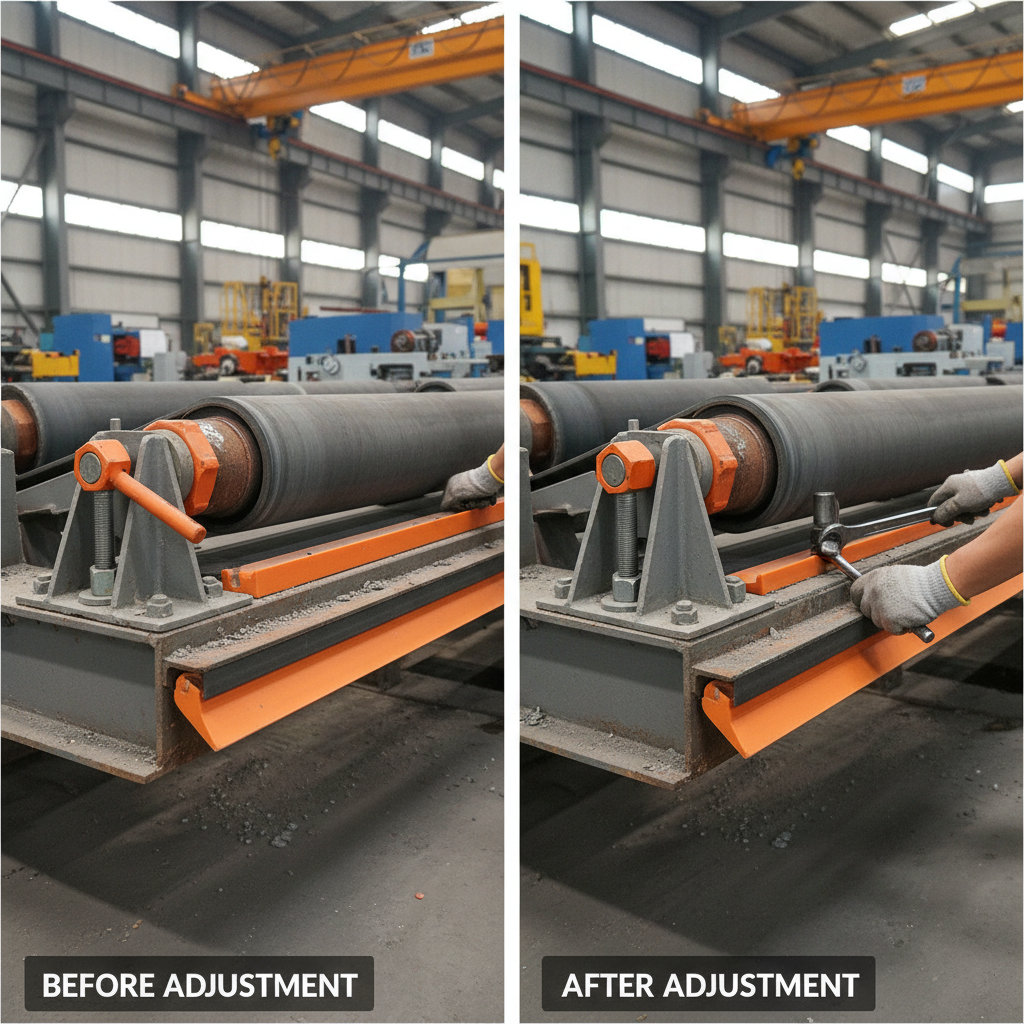
The adjustment process typically involves these key steps: 1. Inspection: Visually inspect the scraper blade for wear, damage, or misalignment. 2. Tension Adjustment: Adjust the tension of the scraper blade to ensure consistent contact with the belt. Too little tension results in ineffective cleaning, while too much can accelerate belt wear. 3. Angle Adjustment: Optimize the angle of the blade relative to the belt direction. A slight angle is usually optimal, allowing for efficient material removal without excessive friction. 4. Depth Adjustment: Control how deeply the blade penetrates the material. Adjusting the blade’s depth can help fine-tune cleaning performance. 5. Monitoring: Regularly monitor the scraper’s performance and make adjustments as needed.
Adjustment Considerations:
• Material Type: Different materials require different scraper settings.
• Belt Speed: Faster belt speeds may require more aggressive scraper settings.
• Material Load: Higher material loads necessitate careful adjustment to prevent overloading the scraper.
• Environmental Conditions: Dust, moisture, and temperature can affect scraper performance.
Troubleshooting Common Scraper Issues
Several issues can arise with conveyor belt scrapers. Carryback despite adjustment: This could indicate a worn or damaged blade, incorrect angle, or insufficient tension. Premature blade wear: Often caused by excessive tension, abrasive materials, or improper blade material selection. Belt damage: Usually a result of excessive tension or a misaligned scraper. Noise or vibration: May indicate a loose scraper assembly or a damaged component. Addressing these issues promptly prevents further damage and ensures optimal performance. Remember to consult the manufacturer's recommendations for specific troubleshooting guidance.
Selecting the Right Scraper Blade for Your Application
Choosing the correct scraper blade material is critical for performance and longevity. Common materials include: Polyurethane: Excellent abrasion resistance, suitable for a wide range of materials. Carbide: Offers superior wear resistance, ideal for highly abrasive materials like aggregates. Stainless Steel: Corrosion-resistant, suitable for wet or corrosive environments. The specific material should be selected based on the type of material being conveyed, the operating environment, and the desired lifespan of the blade. IdlerAohua offers a comprehensive range of scraper blades to suit various applications.
Best Practices for Long-Term Scraper Performance
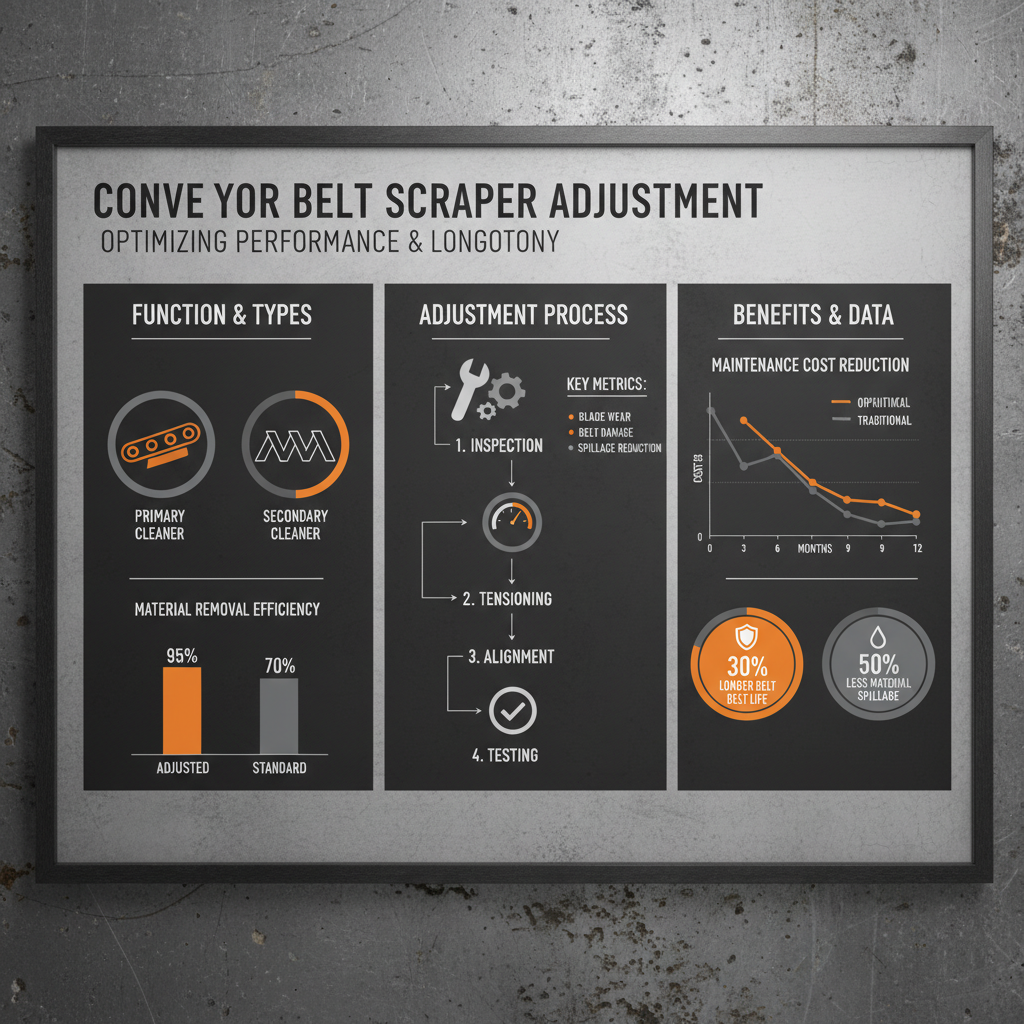
To ensure optimal long-term performance, follow these best practices: Regular Inspections: Conduct frequent visual inspections to identify potential issues early on. Preventative Maintenance: Implement a scheduled maintenance program for scraper adjustment and blade replacement. Proper Lubrication: Lubricate scraper components as recommended by the manufacturer. Operator Training: Train personnel on proper scraper adjustment procedures and troubleshooting techniques. By adhering to these practices, you can minimize downtime, extend the life of your conveyor system, and maximize operational efficiency.
Conclusion: Optimizing Your Conveyor System with Proper Scraper Adjustment
Effective conveyor belt scraper adjustment is an essential component of a well-maintained and efficient conveyor system. By understanding the principles outlined in this guide and implementing a proactive maintenance approach, you can significantly reduce material waste, minimize downtime, and extend the life of your valuable equipment. Don't underestimate the importance of this often-overlooked aspect of conveyor maintenance.
Frequently Asked Questions (FAQs)
How often should I adjust my conveyor belt scraper?
The frequency of adjustment depends on several factors, including the type of material being conveyed, the belt speed, and the operating environment. As a general guideline, inspect and adjust the scraper at least monthly, and more frequently if you notice signs of carryback or belt wear. Regular monitoring allows you to proactively address issues before they escalate. Keep a maintenance log to track adjustment dates and any observed issues.
What tools are required for scraper adjustment?
Typically, you'll need a set of wrenches, a screwdriver, and a tensioning tool specific to your scraper assembly. A straight edge can be helpful for checking blade alignment. Always refer to the manufacturer's instructions for the specific tools required for your particular scraper model. Safety glasses and gloves are also essential for personal protection. It's crucial to use the correct tools to avoid damaging the scraper or conveyor system.
What should I do if the scraper blade is damaged?
A damaged scraper blade should be replaced immediately. Continuing to use a damaged blade can lead to further belt damage and material contamination. When replacing the blade, ensure you use the correct type and size for your application. Follow the manufacturer's instructions for blade replacement, and always prioritize safety. IdlerAohua provides high-quality replacement blades and support.
-
Maximize Conveyor Life with a High Performance impact bedNewsApr.16,2026
-
Maximize Conveyor Efficiency Using a v plow belt scraperNewsApr.09,2026
-
Comprehensive Guide to Understanding Different Types of Belt CleanersNewsApr.07,2026
-
Enhancing Conveyor Efficiency with an Effective Scraper Belt CleanerNewsApr.04,2026
-
Optimizing Conveyor Systems with Advanced Cleaning Equipment SolutionsNewsMar.31,2026
-
Effective Conveyor Belt Scraper Adjustment for Optimal System PerformanceNewsMar.28,2026