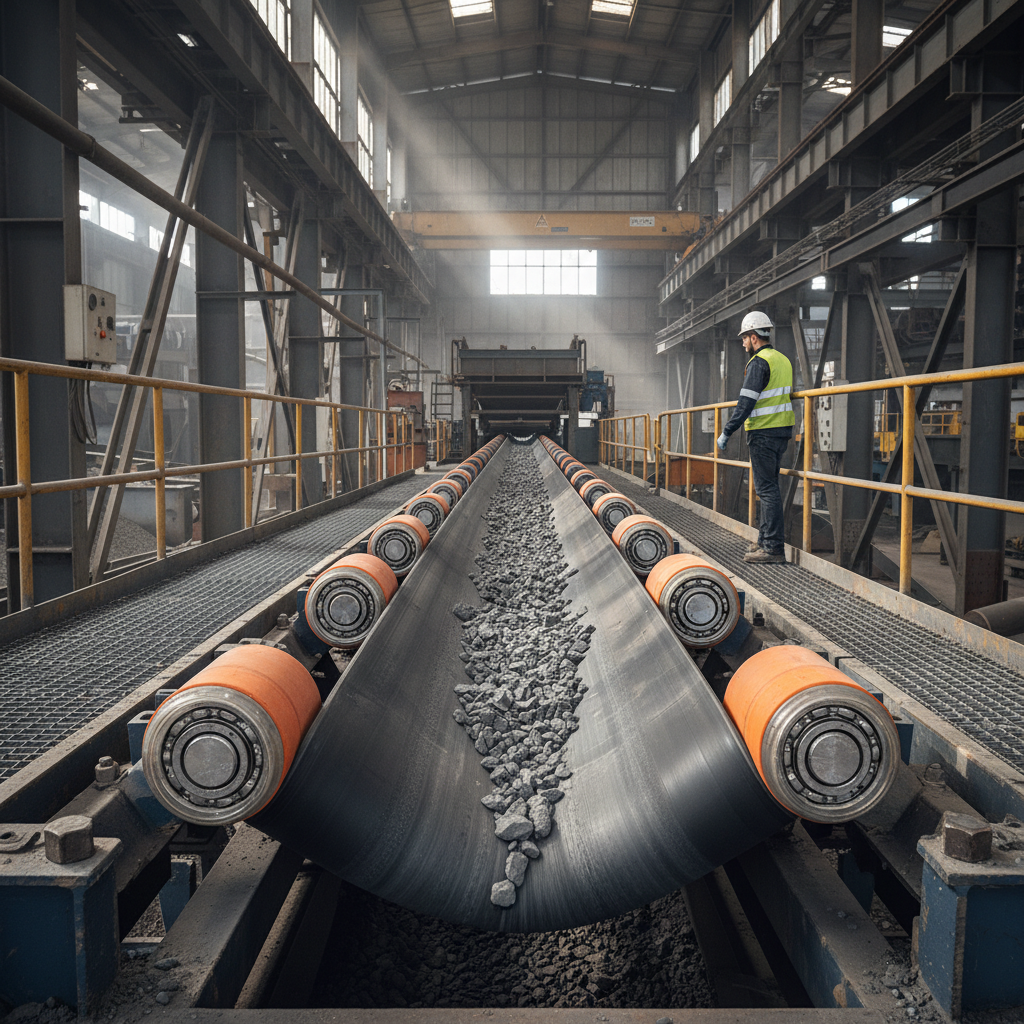
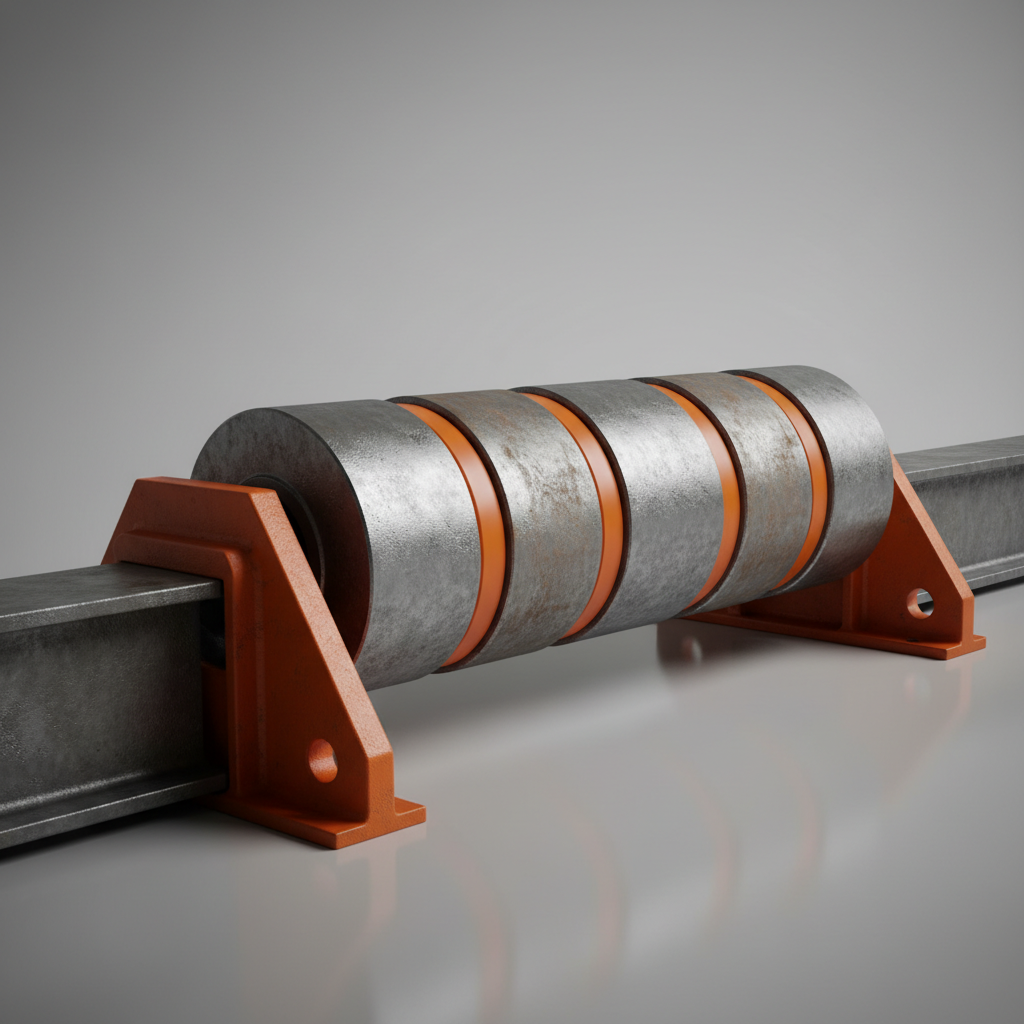
Let’s talk conveyor idler pulley. You see ‘em everywhere on a site – under belts carrying everything from aggregate to finished products. They’re the unsung heroes, honestly. Most folks don't give 'em a second thought until one fails, and then suddenly, the whole operation grinds to a halt. We’re talking downtime, lost productivity, and frankly, a bit of a headache for everyone involved. I’ve spent years walking these sites, watching things move (or not move), and the reliability of these pulleys is a constant factor. A good conveyor idler pulley isn't just about keeping things rolling; it’s about preventing major disruptions and keeping a project on schedule. It's a foundational piece of material handling.
From massive mining operations moving tons of ore to smaller aggregate plants supplying local construction, the need for efficient material transport is universal. Globally, the conveyor belt system market is huge, and idler pulleys are integral. The UN estimates global infrastructure spending will be in the trillions over the next decade. That means a lot of material moving, and a lot of reliance on components like the conveyor idler pulley. We’re not just talking about economic impact; properly maintained systems minimize dust and spillage, impacting environmental concerns too. It all starts with a solid pulley.
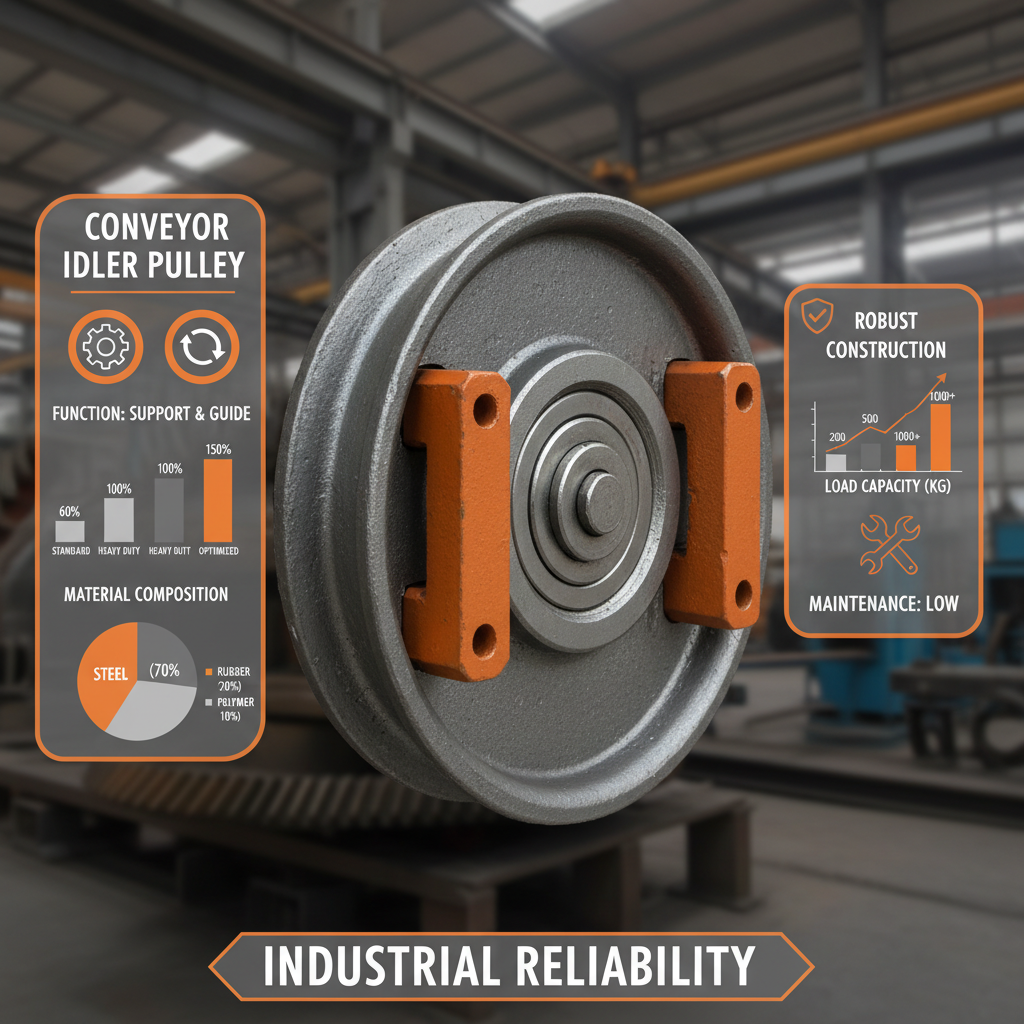
Simply put, a conveyor idler pulley is a cylindrical component that supports the conveyor belt. It reduces friction, guides the belt’s path, and prevents sagging. It’s a deceptively simple piece of engineering, but vital. I've seen operations completely reliant on them, especially in remote areas where getting parts is a logistical nightmare. It’s not just about moving stuff; it’s about keeping supply chains flowing, powering industry, and, in some cases, even supporting humanitarian efforts where rapid deployment of materials is critical.
The Core Functionality of conveyor idler pulley
Durability is paramount. These pulleys take a beating – constant rotation, impact from materials, exposure to the elements. A flimsy pulley won't last, and replacing them is costly. We're talking about materials science, bearing quality, and overall construction. Then there's load capacity. Knowing the weight your conveyor system will handle and selecting a pulley that can support it safely is critical. Undersized pulleys fail, period.
Beyond that, you’ve got sealing. Keeping contaminants out of the bearings is essential for longevity. Dust, grit, water – they all wreak havoc on those moving parts. Good seals mean less maintenance and fewer breakdowns. And finally, it’s about minimizing friction. A low-friction pulley operates more efficiently, reducing energy consumption and wear and tear on the entire system. I've seen poorly designed pulleys introduce drag that significantly reduces throughput.
Global Significance and Industrial Context
The demand for efficient material handling solutions is directly tied to global economic growth. Look at the expansion of infrastructure in developing nations – roads, bridges, ports. All require vast amounts of material moved by conveyor systems. The mining industry, of course, is a huge driver, as is agriculture, food processing, and even the e-commerce fulfillment centers popping up everywhere. We’re talking about a supply chain that relies heavily on this technology.
ISO standards play a big role here. Adherence to quality and safety standards ensures consistent performance and minimizes risk. Companies that prioritize these standards are often the ones winning big contracts. And it’s not just about the initial purchase; it’s about long-term reliability and minimizing lifecycle costs. A cheap pulley might seem like a bargain upfront, but it can end up costing you more in the long run through frequent replacements and downtime.
The challenge we face is balancing cost with performance. There’s always pressure to cut costs, but skimping on critical components like the conveyor idler pulley is a false economy. It creates vulnerabilities in the system and jeopardizes overall efficiency. It’s about smart engineering and selecting the right pulley for the specific application, not just the cheapest one.
Understanding conveyor idler pulley: Definition and Purpose
Essentially, a conveyor idler pulley is a supporting wheel for a conveyor belt. It maintains the belt's tension and shape, preventing it from sagging under load. They're not powered themselves; the belt's movement is driven by the conveyor's motor. But they're absolutely crucial for smooth and efficient operation. Think of them like the wheels on a car – you can have a powerful engine, but without wheels, you're not going anywhere.
Their connection to modern industry is undeniable. From the automated warehouses of Amazon to the coal mines of Australia, conveyor systems—and the idler pulleys that support them—are the backbone of material handling. Even in smaller operations, like recycling plants or grain elevators, they play a vital role. And in humanitarian aid, these systems can be rapidly deployed to move essential supplies to disaster-stricken areas.
The need for these devices isn't just about efficiency; it's about safety. A properly supported conveyor belt is less likely to derail or experience catastrophic failure, protecting workers and preventing damage to materials and equipment. I’ve seen firsthand the consequences of neglecting maintenance, and it's not pretty. A good idler pulley is a preventative measure that saves lives and protects investments.
Key Factors Driving conveyor idler pulley Performance
We've already touched on durability, but let’s dive deeper. The materials used in construction – steel, polymers, composites – significantly impact performance. High-quality steel alloys offer superior strength and resistance to wear. Polymer seals provide effective protection against contaminants. And the quality of the bearings is critical – ceramic bearings, for example, offer lower friction and longer life than traditional steel bearings.
Scalability is another key factor. Different conveyor systems require different pulley sizes and load capacities. A pulley that works well on a small aggregate conveyor might be completely inadequate for a large mining operation. Choosing the right size and configuration is crucial for optimal performance.
conveyor idler pulley Performance Metrics
Real-World Applications of conveyor idler pulley
In post-disaster relief operations, you'll often see conveyor systems set up to quickly move debris and deliver essential supplies. These systems rely on robust conveyor idler pulley to withstand harsh conditions and continuous use. From sorting recyclable materials in urban centers to transporting iron ore in massive mining operations in Australia, conveyor idler pulley are essential to maintaining efficient material flow.
Within the agricultural sector, conveyor systems equipped with conveyor idler pulley are used for everything from harvesting crops to processing grain. These applications demand pulleys that can handle varying loads and resist corrosion from fertilizers and other agricultural chemicals. In remote industrial zones, where access to spare parts is limited, the reliability of the idler pulley is paramount, minimizing downtime and ensuring continuous operation.
The Long-Term Benefits and Value Proposition
The tangible benefits are clear: reduced downtime, lower maintenance costs, and increased efficiency. But the long-term value extends beyond that. A reliable conveyor system improves safety, reducing the risk of accidents and injuries. It also contributes to sustainability by minimizing energy consumption and waste. Choosing quality pulleys is an investment in a more sustainable and responsible operation.
And then there's the peace of mind. Knowing your system is built with dependable components allows you to focus on what you do best – running your business. It builds trust with your customers and stakeholders. It's a signal that you're committed to quality and reliability. That's a valuable asset in today's competitive market.
Future Trends and Innovations in conveyor idler pulley Technology
We're starting to see the integration of smart technology. Sensors embedded in the pulleys can monitor bearing temperature, vibration, and other key parameters, providing early warning of potential failures. This allows for proactive maintenance, preventing costly breakdowns. The push for automation is also driving innovation, with self-adjusting pulleys that maintain optimal belt tension without manual intervention.
Material science is constantly evolving. We're seeing the development of new composites that offer even greater strength and durability while reducing weight. And with the increasing focus on sustainability, there’s a growing demand for pulleys made from recycled materials. The future is about creating more efficient, reliable, and environmentally friendly conveyor systems.
Digital twin technology is also gaining traction, allowing engineers to simulate and optimize conveyor systems before they're even built. This helps to identify potential problems and select the best components for the specific application, including the right conveyor idler pulley.
FAQS
The lifespan varies depending on the application and operating conditions, but a well-maintained, high-quality conveyor idler pulley should last anywhere from 5 to 10 years. Factors like material load, environmental exposure, and maintenance frequency all play a role. Regular inspection and lubrication are critical to maximizing its life.
You need to calculate the total weight of the material the conveyor will be handling, including the weight of the belt itself. Then, add a safety factor – typically 20-30% – to account for dynamic loads and potential overloads. Always consult with a qualified engineer to ensure you select a pulley with the appropriate load capacity.
Common signs include excessive noise, vibration, bearing play, and visible damage to the pulley shell or seals. Also, if you notice the belt slipping or misaligning, it could be a sign of a failing pulley. Ignoring these signs can lead to more serious problems and costly downtime.
The lubrication requirements depend on the bearing type and operating conditions. Generally, a lithium-based grease is recommended. However, always refer to the manufacturer's specifications for the specific pulley you are using. Over- or under-lubrication can both be detrimental to bearing performance.
Yes, there are. For abrasive materials, polyurethane-coated pulleys are often used to protect the belt. For sticky materials, pulleys with scrapers or cleaners are recommended to prevent buildup. Selecting the right type of pulley for the specific material being conveyed is crucial for optimal performance.
Proper alignment is critical. Misalignment can cause excessive wear on the pulley, belt, and bearings, leading to premature failure. Use a laser alignment tool to ensure the pulley is perfectly aligned with the conveyor frame and other pulleys. Even a small misalignment can significantly reduce the lifespan of the system.
Conclusion
Ultimately, the conveyor idler pulley is a deceptively simple component with a profound impact on industrial efficiency and safety. From supporting global supply chains to enabling disaster relief efforts, its reliability is paramount. Investing in quality pulleys, implementing preventative maintenance programs, and embracing emerging technologies will ensure these essential components continue to perform reliably for years to come.
Looking ahead, the integration of smart sensors and predictive maintenance will revolutionize the way we manage these systems. The focus will be on maximizing uptime, reducing costs, and creating more sustainable operations. I encourage everyone involved in material handling to prioritize the seemingly small details – because in the end, it’s often those details that make all the difference. To learn more about selecting the right conveyor idler pulley for your application, visit our website.