

Maximize Conveyor Efficiency Using a v plow belt scraper
Maximizing Conveyor Efficiency with a V Plow Belt Scraper
In the demanding world of bulk material handling, carry-back—the material that sticks to the conveyor belt and falls off under the return idlers—can lead to significant operational headaches. A high-performance v plow belt scraper is specifically engineered to combat this issue by cleaning the return side of the belt. By effectively removing adhering debris, these scrapers prevent material buildup on pulleys and idlers, reducing wear and tear on the entire system. In this guide, we will explore how integrating a V-plow design into your conveyor maintenance strategy can optimize productivity and lower long-term costs.
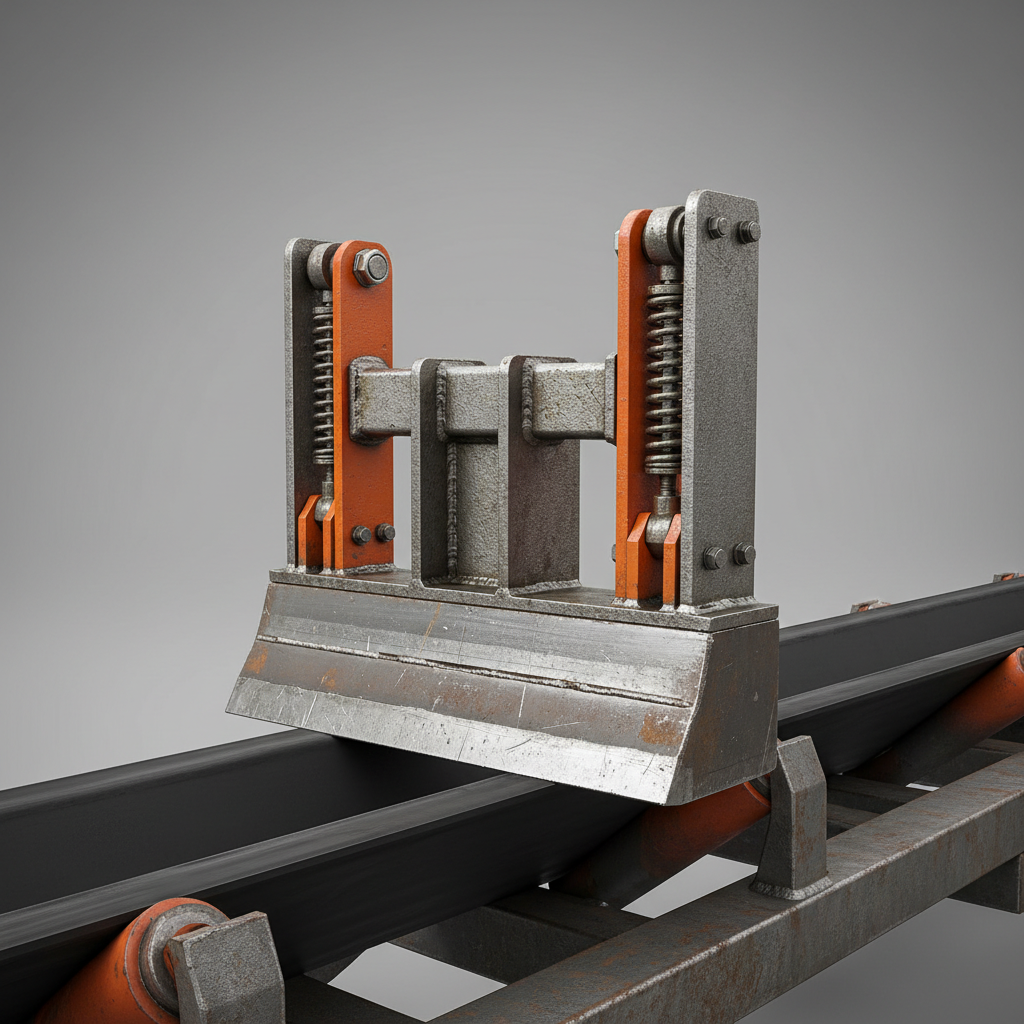
How the V Plow Belt Scraper Works
The mechanism of a v plow belt scraper is based on the principle of convergence. Unlike flat scrapers, the V-plow design features a tapered blade that pushes material from both edges of the belt toward the center. This concentrated action ensures that material is efficiently directed into a collection hopper or discharge point, preventing spills from scattering across the conveyor gallery. This is particularly effective for sticky or wet materials that tend to cling stubbornly to the rubber surface of the belt, ensuring the return path remains clean and safe for operators.
Pro Tip: Proper tensioning of the V-plow blade is critical. Too much pressure leads to premature belt wear, while too little results in inefficient cleaning and increased carry-back.
Key Benefits of Implementing a V Plow Belt Scraper
Installing a v plow belt scraper offers more than just a cleaner workspace; it directly impacts the bottom line. By removing debris before the belt reaches the tail pulley, you eliminate the primary cause of pulley lagging wear and belt misalignment. Furthermore, reducing the amount of material falling under the conveyor significantly lowers the labor costs associated with manual cleaning. For industries handling abrasive materials like minerals or coal, this protection is indispensable for extending the lifespan of conveyor components.
Operational Advantages:
• Reduces manual cleaning requirements and labor costs
• Prevents material buildup on return idlers and pulleys
• Minimizes belt tracking issues caused by debris
• Enhances overall site safety and hygiene
Comparison: V Plow vs. Standard Primary Scrapers
While primary scrapers are essential at the head pulley, the v plow belt scraper serves a specialized role on the return run. Primary scrapers focus on the bulk of the material, but the V-plow excels at removing the "fine" carry-back that escapes the initial cleaning phase. Understanding the difference allows facility managers to create a multi-stage cleaning system that ensures maximum belt cleanliness.
Application Industries for V Plow Systems
The adaptability of the v plow belt scraper makes it a staple in several heavy-duty industries. In mining, it handles abrasive ores and coal that would otherwise destroy return idlers. In quarrying, it manages crushed stone and sand. Even in agriculture, specifically for grain and fertilizer handling, the V-plow prevents the buildup of sticky organic matter. Regardless of the material, the goal remains the same: maintaining a clean belt to ensure maximum uptime and reliability of the conveyor system.
Technical Specifications of the V Plow Belt Scraper
When selecting a v plow belt scraper, it is essential to consider the material composition and the belt width it is designed for. Most professional-grade scrapers utilize high-grade polyurethane or tungsten carbide tips to balance flexibility with extreme wear resistance. Below are the typical specifications found in industrial-grade V-plow systems:
Conclusion: Enhancing System Longevity
The implementation of a v plow belt scraper is a strategic move for any facility looking to reduce maintenance overhead and increase the lifespan of their conveyor assets. By effectively neutralizing carry-back, these scrapers ensure that the return journey of the belt is clean, reducing the risk of unplanned downtime and improving workplace safety. Investing in high-quality cleaning solutions today prevents costly replacements tomorrow.
Frequently Asked Questions (FAQs)
How often should a V plow belt scraper be inspected?
We recommend a visual inspection every two to four weeks, depending on the abrasiveness of the material being transported. Key areas to check include the blade's edge for excessive wear and the tensioning bolts to ensure the scraper is maintaining a consistent contact point with the belt. If you notice material accumulating beneath the scraper, it is a clear sign that the blade needs adjustment or replacement to restore optimal cleaning performance.
Can a V plow scraper be used on all types of conveyor belts?
While most V-plow scrapers are compatible with standard rubber and fabric belts, it is important to verify the belt's cover grade. For very soft belts, a polyurethane blade is preferred to avoid gouging. For extremely hard or reinforced belts, tungsten carbide tips may be necessary to ensure the scraper can actually "bite" into the material residue. Always consult with a technical expert at Idler Raohua to ensure the blade material matches your belt specifications.
What is the main advantage of the "V" shape over a straight blade?
The primary advantage is the controlled direction of debris. A straight blade simply pushes material off the belt, which often results in material falling onto the conveyor frame or into the walkways. The "V" shape acts as a funnel, forcing all scraped material toward the center of the belt. This allows the material to be captured by a single, centralized collection point, which drastically simplifies the cleanup process and prevents the "snow-drift" effect of material piling up along the sides of the conveyor system.
-
Maximize Conveyor Life with a High Performance impact bedNewsApr.16,2026
-
Maximize Conveyor Efficiency Using a v plow belt scraperNewsApr.09,2026
-
Comprehensive Guide to Understanding Different Types of Belt CleanersNewsApr.07,2026
-
Enhancing Conveyor Efficiency with an Effective Scraper Belt CleanerNewsApr.04,2026
-
Optimizing Conveyor Systems with Advanced Cleaning Equipment SolutionsNewsMar.31,2026
-
Effective Conveyor Belt Scraper Adjustment for Optimal System PerformanceNewsMar.28,2026