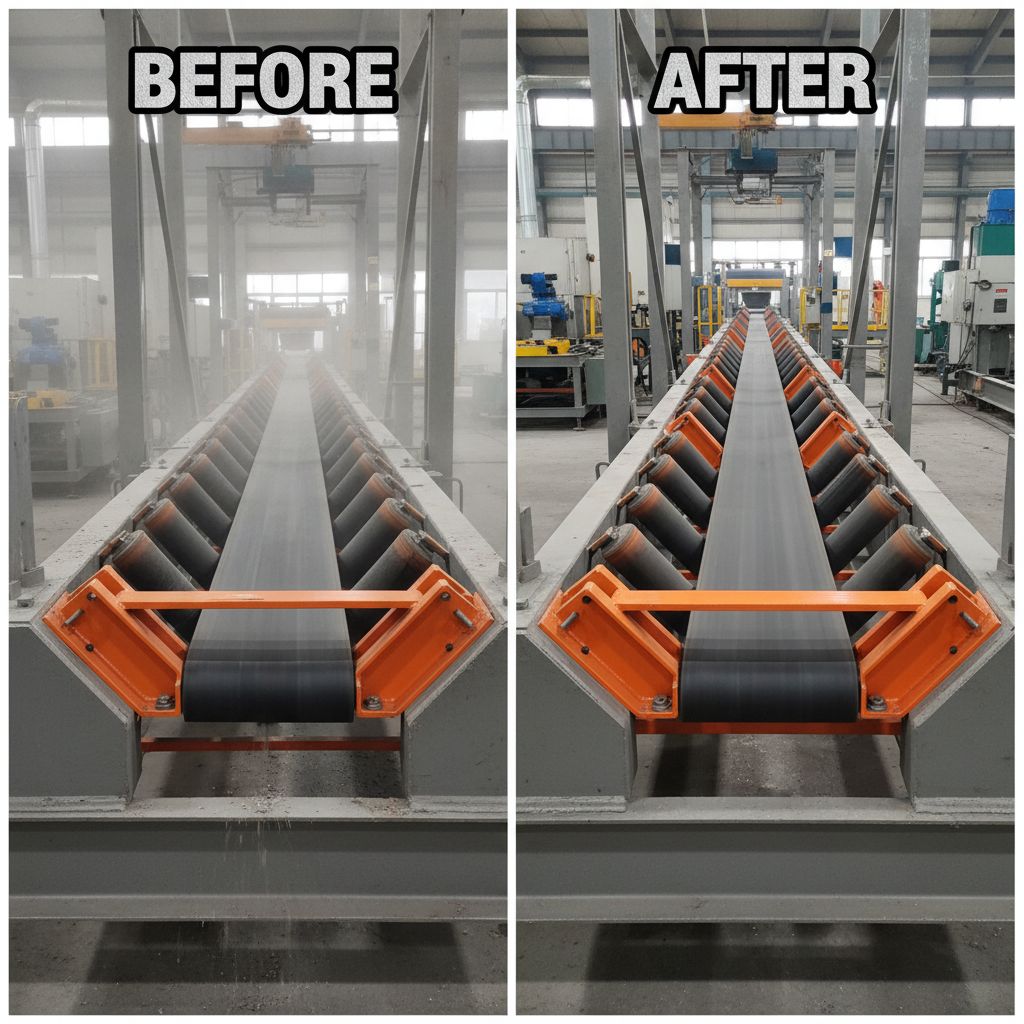
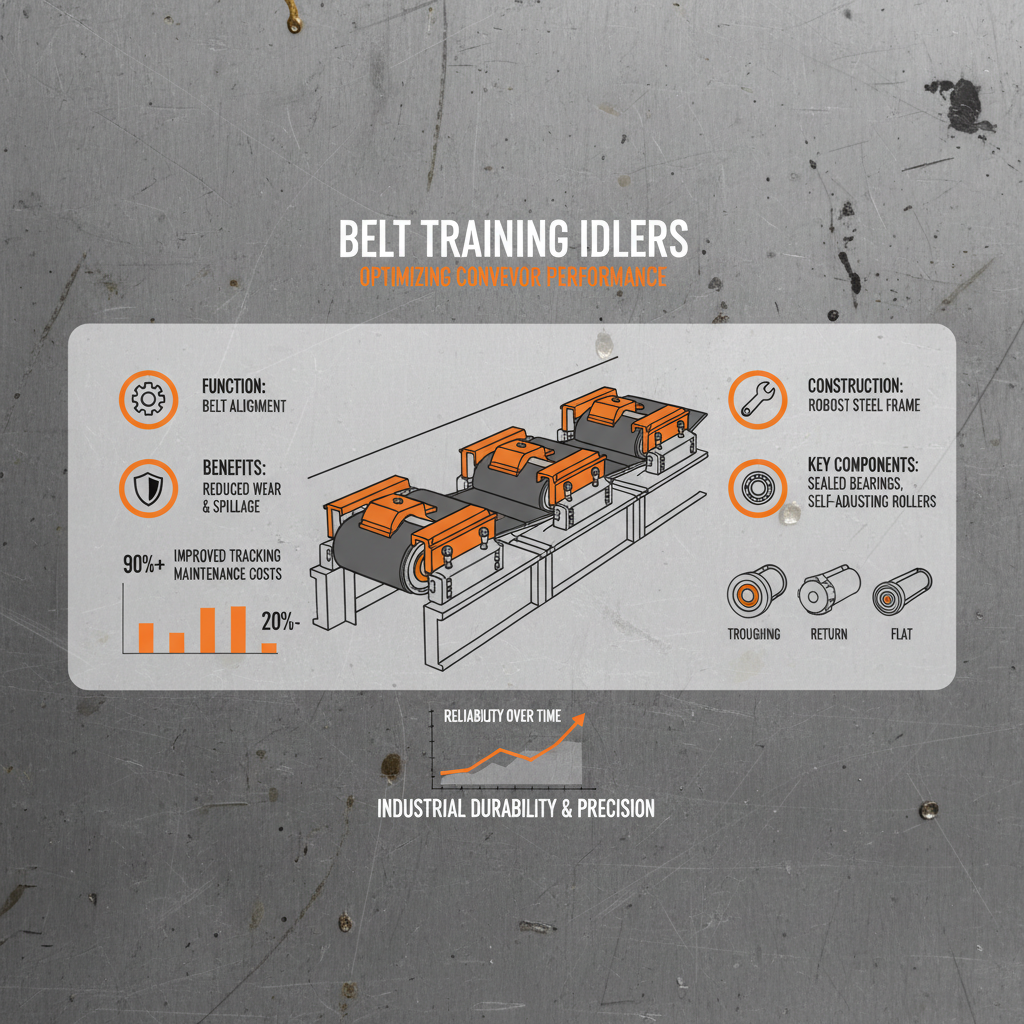
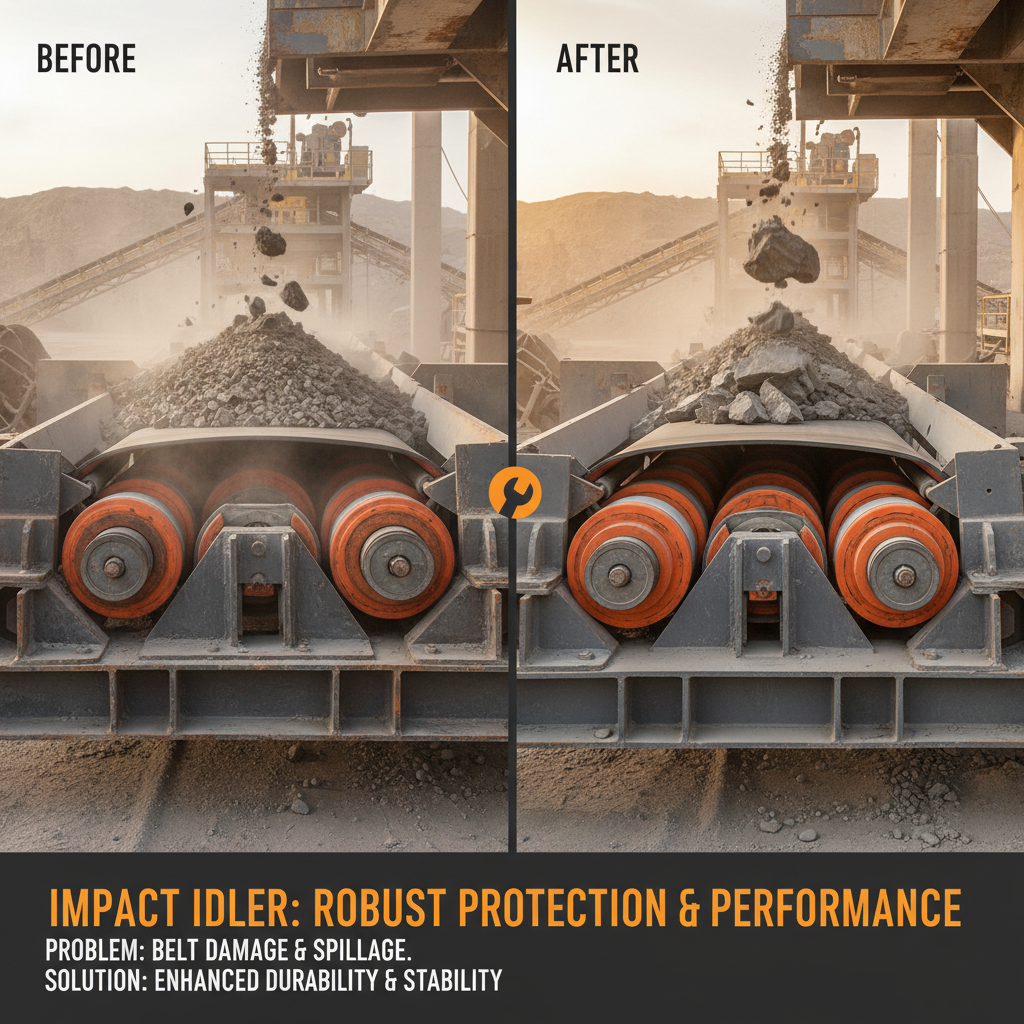
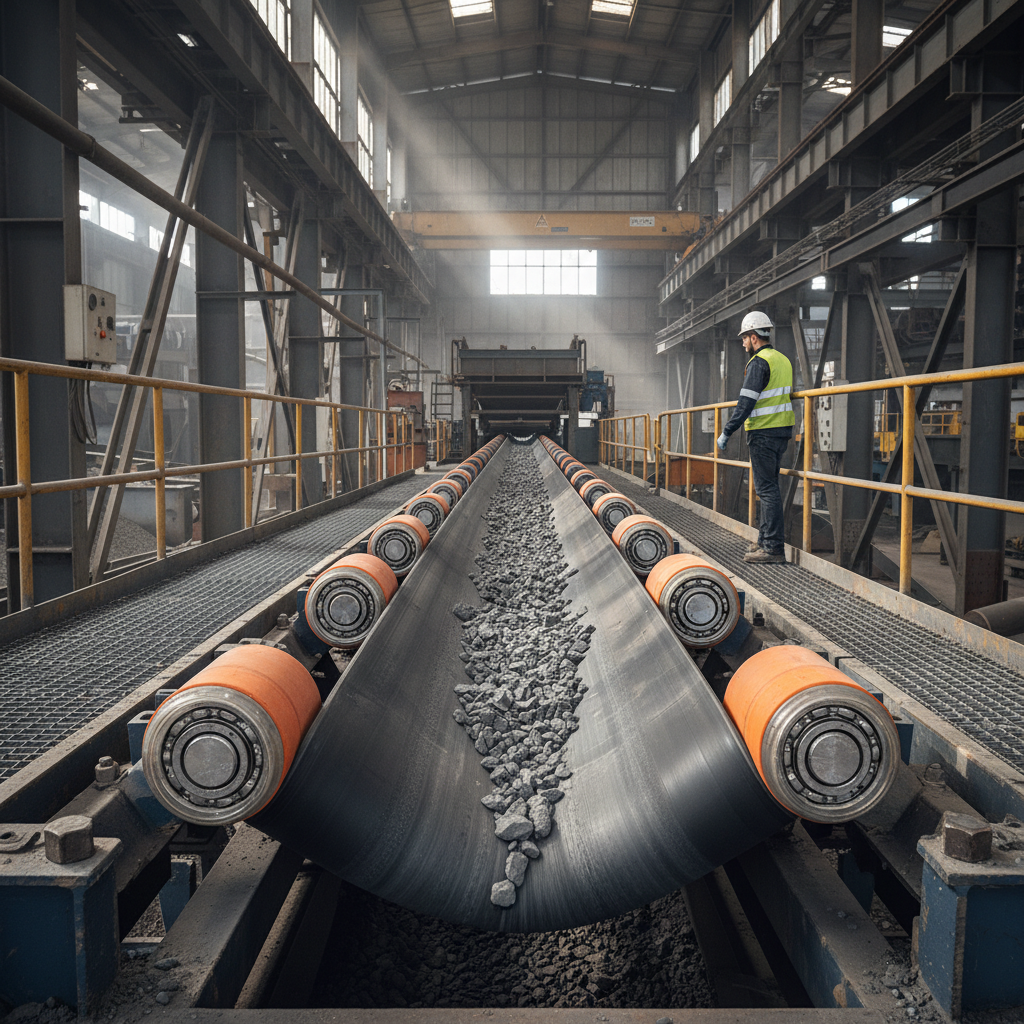
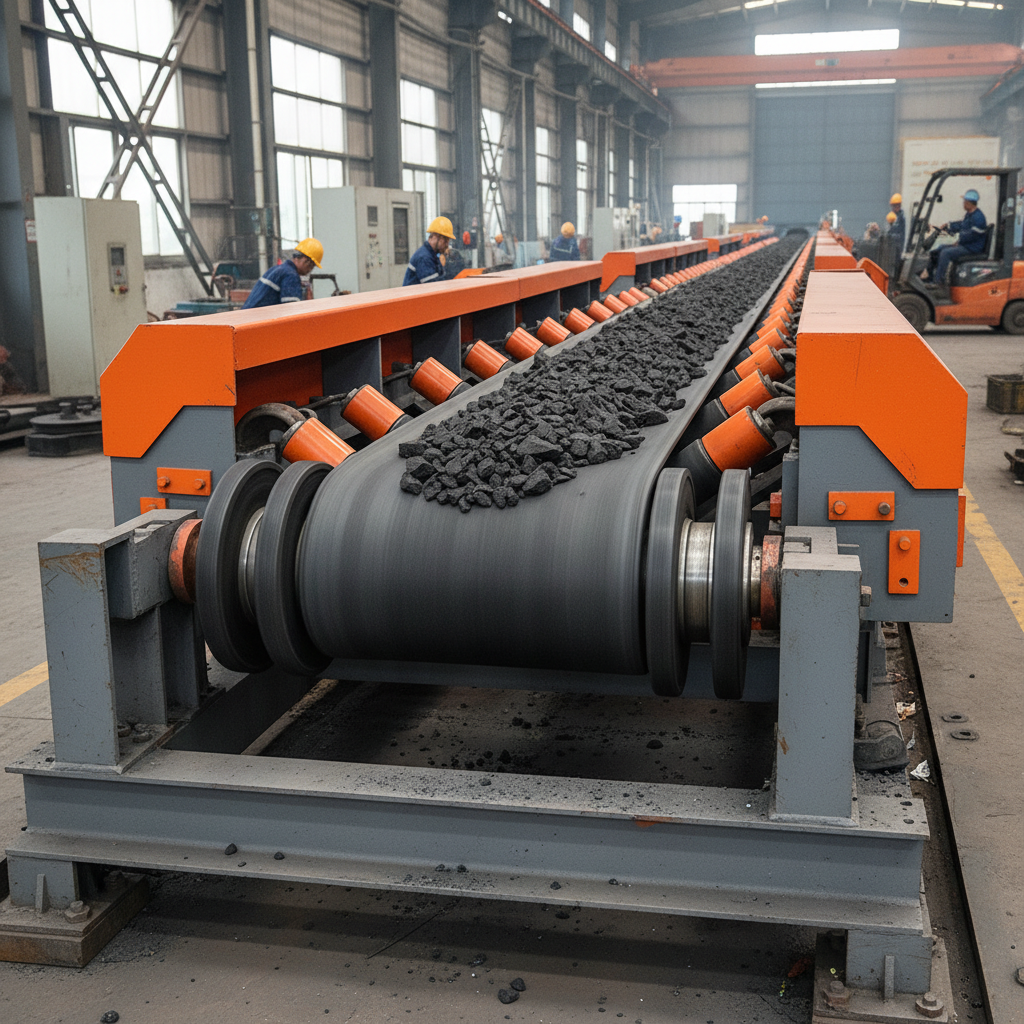
Belt training idlers are crucial components in conveyor systems, playing a vital role in maintaining belt alignment and preventing costly misalignments. These idlers, strategically positioned along the conveyor path, actively guide the belt, ensuring it tracks properly and reduces wear and tear. Understanding the principles and applications of belt training idlers is paramount for industries relying on efficient bulk material handling.
The global demand for efficient and reliable material handling solutions is consistently increasing, driven by growth in mining, agriculture, manufacturing, and logistics. Belt conveyor systems are a cornerstone of these industries, and the effectiveness of these systems is heavily dependent on the proper functioning of their components – notably, belt training idlers. Investments in high-quality idlers lead to significant reductions in downtime, maintenance costs, and material spillage.
The application of belt training idlers extends beyond simple conveyance; they are integral to process optimization, safety enhancement, and overall operational efficiency. From coal handling in power plants to grain processing in agricultural facilities, the impact of these seemingly small components is substantial.
The Role of Belt Training Idlers in Conveyor Systems
Belt training idlers are the unsung heroes of reliable conveyor operation. They actively work to counteract the forces that cause belt misalignment, such as uneven loading, off-center splices, and variations in material density. Without effective idlers, belts can wander, leading to material spillage, increased friction, and ultimately, system failure.
The strategic placement of belt training idlers is key. Typically installed at the loading point, the tail pulley, and at regular intervals along the conveyor, they provide continuous monitoring and correction. Their ability to automatically adjust to changing conditions makes them invaluable in maintaining consistent performance.
Understanding Belt Training Idler Functionality
At its core, a belt training idler utilizes a pivoting or self-adjusting mechanism to gently steer the conveyor belt back to its intended path. These mechanisms vary in complexity, ranging from simple pivoted rollers to sophisticated self-centering designs. The primary function is to apply a corrective force when misalignment is detected, ensuring the belt remains centered on the conveyor structure.
The effectiveness of a belt training idler is determined by several factors, including its sensitivity to misalignment, its ability to react quickly and smoothly, and its robustness to withstand the harsh conditions of industrial environments. Properly designed idlers minimize belt edge wear, reduce energy consumption, and extend the overall lifespan of the conveyor system.
Different types of belt training idlers are suited to specific applications. For example, crowned idlers are used to compensate for belt edge wear, while tapered idlers provide a more gradual correction for significant misalignments. Selecting the appropriate idler type is crucial for optimal performance and longevity.
Core Components of Effective Belt Training Idlers
Durability is a cornerstone of effective belt training idlers. They must withstand continuous operation in demanding environments, often exposed to abrasive materials, extreme temperatures, and heavy loads. High-quality construction materials, such as hardened steel and robust bearings, are essential for long-term reliability.
Responsiveness refers to the idler’s ability to quickly and accurately react to belt misalignment. A slow or imprecise response can allow misalignment to worsen, leading to increased wear and potential damage. Sensitive sensing mechanisms and fast-acting correction systems are key to achieving optimal responsiveness.
Bearing quality significantly impacts idler performance and lifespan. Sealed and lubricated bearings reduce friction, minimize wear, and prevent contamination. Regularly inspecting and maintaining bearings is crucial for ensuring smooth and reliable operation of belt training idlers.
Applications Across Diverse Industries
The mining industry heavily relies on belt conveyors for transporting vast quantities of ore and overburden. Belt training idlers are essential for maintaining the integrity of these systems, preventing costly downtime and ensuring continuous production. Their robustness is particularly crucial in harsh mining environments.
In the agricultural sector, belt conveyors are used for handling grain, fertilizer, and other bulk materials. Belt training idlers help to ensure efficient and reliable conveyance, minimizing product loss and maintaining hygiene standards. Their adaptability is important for handling diverse agricultural products.
Belt Training Idler Performance by Method
The Advantages of Implementing Belt Training Idlers
Reduced downtime is a significant benefit of utilizing belt training idlers. By preventing belt misalignment, they minimize the risk of system failures and unplanned stoppages, leading to increased productivity and cost savings.
Extended belt life is another key advantage. By minimizing edge wear and reducing stress on the belt carcass, idlers help to prolong the belt’s service life, reducing the frequency and cost of replacements.
Future Trends and Innovations in Idler Technology
Smart idlers, equipped with sensors and data analytics capabilities, are emerging as a key trend. These idlers can provide real-time monitoring of belt alignment, bearing condition, and other critical parameters, enabling predictive maintenance and optimizing system performance.
The development of lightweight and high-strength materials, such as composite polymers, is also driving innovation in idler technology. These materials reduce weight, improve durability, and lower overall system costs.
Furthermore, advancements in lubrication technology are leading to the development of self-lubricating bearings and sealed bearing systems, reducing maintenance requirements and extending idler lifespan.
Challenges and Solutions in Belt Training Idler Systems
A common challenge is the buildup of material on idlers, which can impede their functionality and lead to misalignment. Regular cleaning and the use of scraper systems are essential for mitigating this issue.
Bearing failures are another frequent problem. Implementing a proactive bearing maintenance program, including regular inspections and lubrication, can significantly reduce the risk of failures. Using high-quality, sealed bearings also improves reliability.
Proper idler alignment and installation are crucial for optimal performance. Ensuring that idlers are correctly positioned and aligned according to manufacturer’s specifications is essential for preventing misalignment and maximizing belt life.
Summary of Belt Training Idler System Challenges and Solutions
| Challenge |
Impact on System |
Recommended Solution |
Implementation Cost (1-10) |
| Material Buildup |
Reduced Idler Effectiveness, Misalignment |
Regular Cleaning, Scraper Systems |
3 |
| Bearing Failure |
Downtime, Reduced Efficiency |
Proactive Maintenance, Quality Bearings |
6 |
| Improper Alignment |
Belt Wear, System Instability |
Precise Installation, Regular Checks |
4 |
| Corrosion |
Reduced Structural Integrity |
Protective Coatings, Corrosion-Resistant Materials |
5 |
| Inadequate Lubrication |
Increased Friction, Bearing Wear |
Automated Lubrication Systems, Regular Greasing |
3 |
| Vibration |
Structural Fatigue, Premature Failure |
Dampening Systems, Vibration Analysis |
7 |
FAQS
Belt training idlers significantly reduce belt misalignment, preventing material spillage and damage to the belt. This leads to increased efficiency, reduced downtime, and lower maintenance costs. They actively maintain belt tracking, enhancing the overall reliability of the conveyor system. Properly implemented, they extend belt life and minimize operational disruptions.
Regular inspection is crucial. At a minimum, idlers should be visually inspected weekly for signs of wear, damage, or material buildup. Bearings should be checked and lubricated according to the manufacturer's recommendations, typically every 3-6 months. A more thorough inspection, including alignment checks, should be performed annually or as needed based on operating conditions.
Pivoted idlers utilize a simple pivoting mechanism to correct minor misalignments. They are cost-effective and suitable for less demanding applications. Self-centering idlers, on the other hand, employ a more sophisticated design that automatically adjusts to larger misalignments, providing more precise and consistent tracking. They are ideal for high-speed conveyors or systems with significant loading variations.
Consider factors such as belt speed, material type, loading conditions, and the severity of potential misalignments. For light loads and minor adjustments, pivoted idlers may suffice. For heavier loads, higher speeds, or frequent misalignments, self-centering idlers are recommended. Consulting with an idler specialist can help ensure you choose the optimal solution for your specific needs.
Generally, yes, belt training idlers are compatible with most common conveyor belt materials, including rubber, PVC, and polyurethane. However, it's important to select idlers with roller coverings and bearing seals compatible with the belt material and the conveyed material to prevent damage and ensure optimal performance. Check the manufacturer’s specifications for compatibility.
Look for signs of excessive wear, damage to the roller covering, bearing noise or roughness, or difficulty in maintaining belt alignment. If the idler is no longer effectively correcting belt misalignment or is causing increased friction, it should be replaced. Ignoring these signs can lead to more significant problems and costly downtime.
Conclusion
In conclusion, belt training idlers are indispensable components in modern conveyor systems, playing a critical role in ensuring efficient, reliable, and safe material handling. Their ability to prevent misalignment, reduce downtime, and extend belt life translates directly into significant cost savings and improved productivity. By understanding the principles of idler functionality, selecting the appropriate type for your application, and implementing a proactive maintenance program, you can maximize the benefits of this essential technology.
Looking ahead, the integration of smart technology and advanced materials will further enhance the performance and longevity of belt training idlers. Investing in these innovations will not only optimize existing systems but also pave the way for more sustainable and efficient material handling practices. Visit our website at www.idleraohua.com to learn more about our comprehensive range of belt training idlers and how we can help you optimize your conveyor systems.