

Comprehensive Guide to Understanding Different Types of Belt Cleaners
Understanding the Different Types of Belt Cleaners
Conveyor belts are the workhorses of many industries, but they’re prone to accumulating material buildup. Effective belt cleaning is crucial for maintaining efficiency, preventing damage, and extending the belt’s lifespan. Choosing the right type of belt cleaner depends on the material being conveyed, the belt’s speed, and the operating environment. This article will explore the diverse types of belt cleaners available, helping you select the optimal solution for your specific needs. Ignoring belt cleaning can lead to costly downtime and premature belt failure.
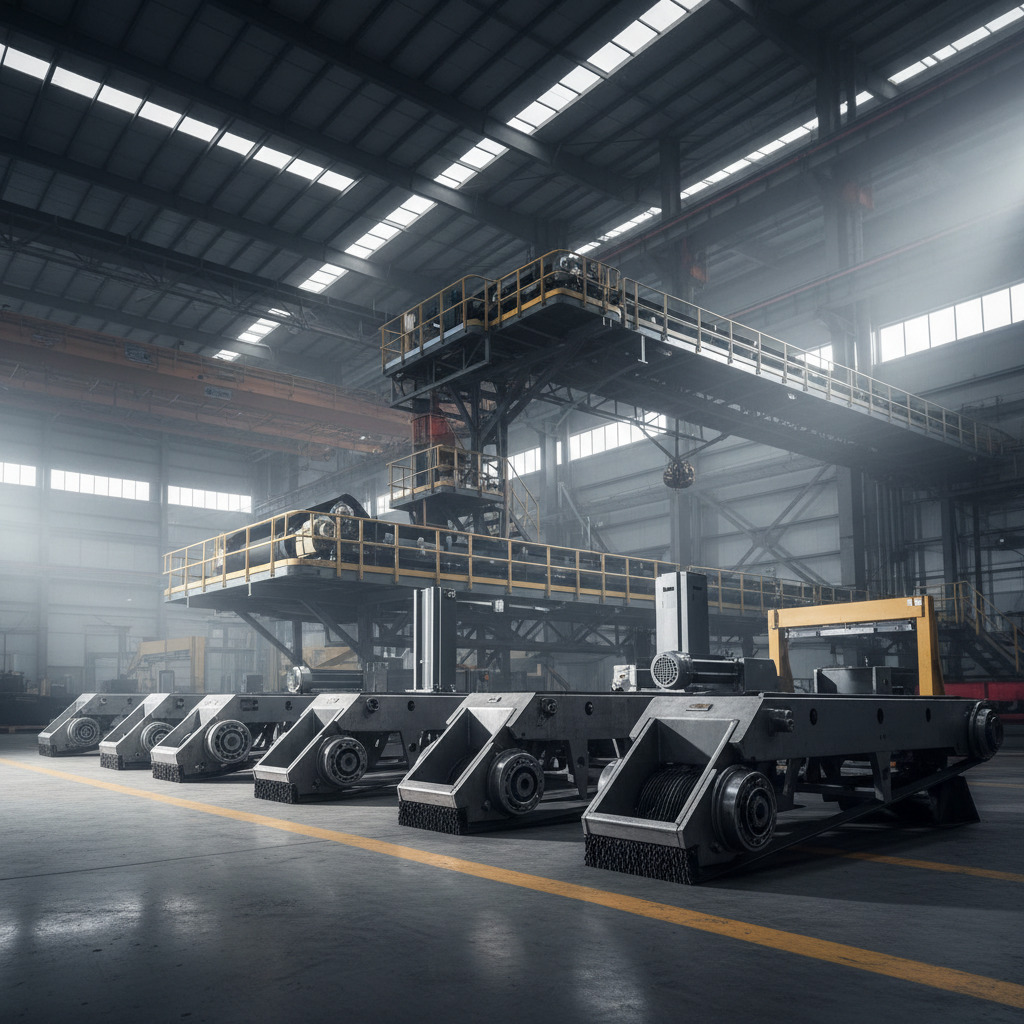
Mechanical Belt Cleaners: A Robust Solution
Mechanical belt cleaners utilize physical scrubbing action to remove adhered material. These are commonly used for a wide range of bulk materials, from coal and aggregates to grains and food products. They are known for their reliability and ability to handle large volumes of material. Different designs cater to varying belt speeds and material characteristics. They generally involve blades made of polyurethane, tungsten carbide, or stainless steel, which are pressed against the belt surface to dislodge the buildup. Regular inspection and blade replacement are essential for maintaining optimal performance. Idler Aohua offers a comprehensive range of mechanical cleaners to suit diverse applications.
Key Highlights: Mechanical cleaners are robust, reliable, and effective for removing a broad spectrum of materials. They are a cost-effective long-term solution for maintaining belt cleanliness.
Air Belt Cleaners: The Power of Airflow
Air belt cleaners utilize high-velocity air jets to dislodge material from the belt surface. These are particularly effective for lighter, dusty materials and where fine particles are a concern. They are often used in conjunction with mechanical cleaners for a more thorough cleaning process. Air cleaners are non-contact, minimizing wear and tear on the belt. However, they can be less effective on heavily loaded belts or with sticky materials. They require a compressed air supply, which adds to the operating cost. These cleaners are ideal for food processing, grain handling, and cement industries. Contact us to learn more about air cleaner solutions.
Air Cleaner Benefits:
• Non-contact cleaning, reducing belt wear
• Effective for light, dusty materials
• Can be used in conjunction with mechanical cleaners
• Suitable for food-grade applications
A Comparison of Different Types of Belt Cleaners
Selecting the right belt cleaner often involves weighing the pros and cons of different technologies. Here’s a comparative overview:
Other Types of Belt Cleaning Solutions
Beyond the core types, several other solutions address specific cleaning challenges. Brush cleaners use rotating brushes to sweep material from the belt, ideal for delicate materials. Skirting rubber, installed along the belt’s edge, prevents material from riding up and accumulating. Finally, scraper cleaners utilize a fixed blade to remove material, commonly used in applications where minimal belt contact is desired. Explore our full product catalog for more information.
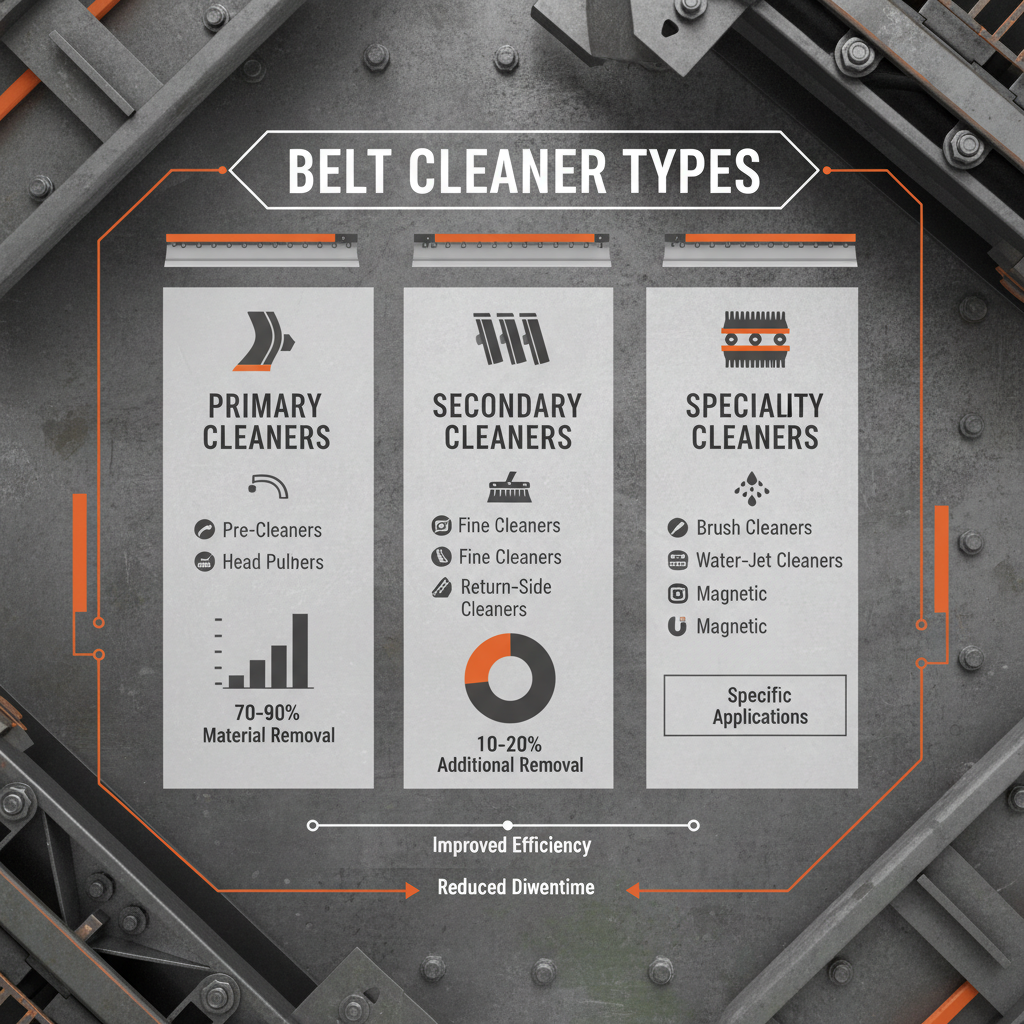
Selecting the Right Belt Cleaner: Key Considerations
Choosing the optimal belt cleaner requires careful consideration of several factors. The type of material being conveyed is paramount. Sticky materials necessitate different solutions than free-flowing granular materials. Belt speed influences the effectiveness of certain cleaners; high-speed belts may require more aggressive cleaning methods. The operating environment, including temperature and exposure to chemicals, also plays a crucial role. Finally, consider the cost-effectiveness of different options, balancing initial investment with long-term maintenance costs. Idler Aohua’s team of experts can help you assess your needs and recommend the most suitable solution.
Conclusion: Optimizing Conveyor Belt Performance
Selecting the right type of belt cleaner is essential for maintaining efficient conveyor operations, extending belt life, and minimizing downtime. By carefully considering the material being conveyed, belt speed, and operating environment, you can choose a solution that delivers optimal performance and cost-effectiveness. Partnering with a trusted supplier like Idler Aohua ensures you receive expert guidance and high-quality products.
Frequently Asked Questions (FAQs)
What maintenance is required for mechanical belt cleaners?
Mechanical belt cleaners require regular inspection and blade replacement. The frequency of blade replacement depends on the abrasiveness of the material being conveyed and the volume of material handled. It's crucial to monitor blade wear and replace them before they become damaged and can potentially harm the belt. Proper tensioning of the blades is also essential for optimal performance. Regular cleaning of the cleaner assembly itself can also help prolong its lifespan. A preventative maintenance schedule is highly recommended.
How often should I clean my conveyor belt?
The frequency of belt cleaning depends on the material being conveyed and the operating environment. Heavily loaded belts or those conveying sticky materials may require more frequent cleaning. A visual inspection of the belt is the best indicator – if you notice significant material buildup, it’s time to clean. Regular cleaning, even if it’s more frequent, is preferable to allowing buildup to accumulate, as this can lead to increased belt wear and reduced efficiency.
Can I use multiple types of belt cleaners together?
Yes, combining different types of belt cleaners is often the most effective approach. For example, using an air cleaner followed by a mechanical cleaner can provide a more thorough cleaning process. Similarly, installing skirting rubber along with a scraper cleaner can prevent material from riding up and accumulating. The best combination depends on your specific application and the characteristics of the material being conveyed.
What should I consider when selecting blades for a mechanical cleaner?
Blade material is a crucial consideration. Polyurethane blades are suitable for general-purpose applications and offer good abrasion resistance. Tungsten carbide blades are more durable and ideal for abrasive materials. Stainless steel blades are often used in food processing applications due to their hygienic properties. Blade profile also matters – different profiles are designed for different materials and belt speeds. It’s essential to choose blades that are compatible with your belt material and operating conditions.
-
Maximize Conveyor Life with a High Performance impact bedNewsApr.16,2026
-
Maximize Conveyor Efficiency Using a v plow belt scraperNewsApr.09,2026
-
Comprehensive Guide to Understanding Different Types of Belt CleanersNewsApr.07,2026
-
Enhancing Conveyor Efficiency with an Effective Scraper Belt CleanerNewsApr.04,2026
-
Optimizing Conveyor Systems with Advanced Cleaning Equipment SolutionsNewsMar.31,2026
-
Effective Conveyor Belt Scraper Adjustment for Optimal System PerformanceNewsMar.28,2026