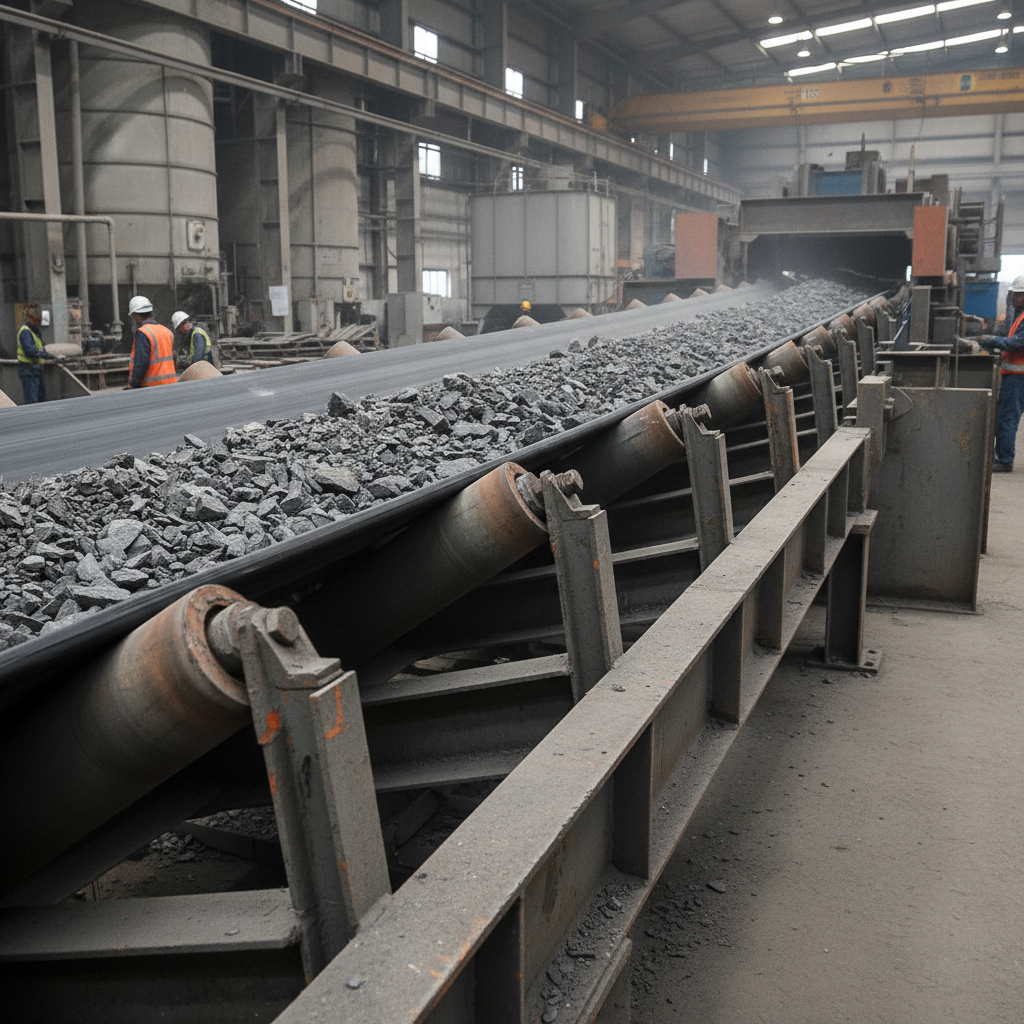
Belt conveyor troughing idlers are essential components in a wide range of material handling systems, playing a critical role in the efficient and reliable transportation of bulk materials. These idlers, positioned beneath the conveyor belt, provide support and maintain the desired belt shape, significantly impacting the system’s capacity, energy consumption, and overall lifespan. Their proper selection and maintenance are paramount to optimal conveyor performance.
Globally, the demand for efficient material handling solutions is consistently increasing, driven by growth in industries such as mining, agriculture, construction, and manufacturing. The increasing need for automation and optimized logistics further emphasizes the importance of robust conveyor systems – and consequently, high-quality troughing idlers. Properly engineered troughing idlers minimize material spillage and ensure consistent material flow, reducing operational costs and enhancing safety.
Understanding the intricacies of belt conveyor troughing idlers is no longer just an engineering concern; it's a crucial aspect of operational efficiency and cost control for businesses across diverse sectors. Investing in the right idlers contributes directly to increased productivity, reduced downtime, and a more sustainable approach to material handling.
The Importance of Belt Conveyor Troughing Idlers
Belt conveyor troughing idlers are fundamental to the performance and efficiency of bulk material handling systems. Without properly functioning idlers, belts can sag, leading to material spillage, increased energy consumption, and premature belt wear. The strategic placement and correct angle of these idlers ensure the belt maintains the optimal shape for carrying materials without loss.
Selecting the appropriate type of troughing idler, considering factors such as load capacity, material characteristics, and conveyor speed, is vital. belt conveyor troughing idlers directly affect the overall reliability and longevity of the conveyor system, minimizing maintenance needs and maximizing throughput.
Defining Belt Conveyor Troughing Idlers
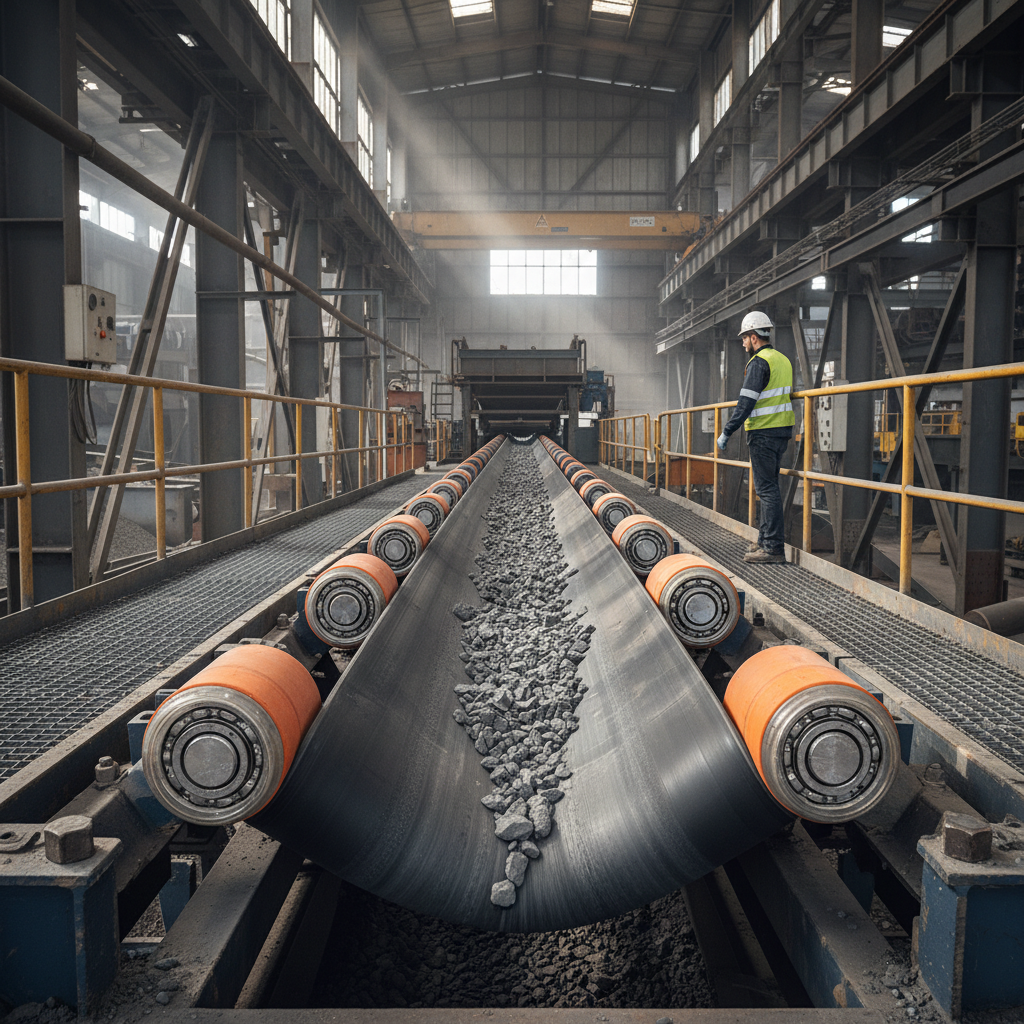
Belt conveyor troughing idlers are rollers strategically positioned beneath a conveyor belt to support its load and maintain a U-shaped trough. This trough shape is essential for containing bulk materials, preventing spillage, and maximizing the carrying capacity of the belt. They come in various configurations, including wing idlers, training idlers, and return idlers, each serving a specific purpose within the conveyor system.
Unlike flat idlers, troughing idlers are angled to create the trough, ensuring materials are centered and secure during transit. This is particularly important for handling materials with varying particle sizes and densities. The correct troughing angle is critical for optimal performance, determined by material characteristics and conveyor speed.
The connection to modern industry is clear: efficient material handling is the backbone of many production processes. From mining and agriculture to manufacturing and logistics, belt conveyor troughing idlers facilitate the smooth flow of materials, contributing to increased productivity and reduced costs.
Core Components & Key Characteristics
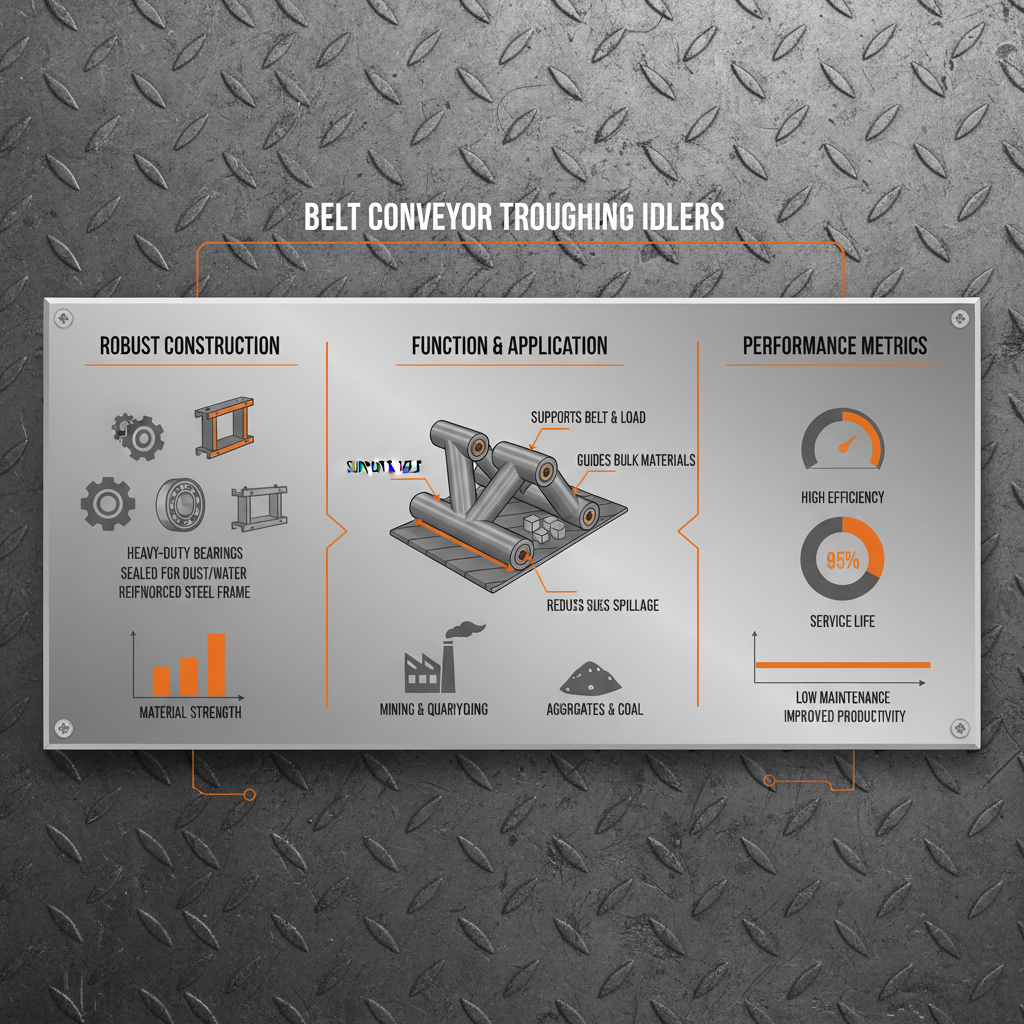
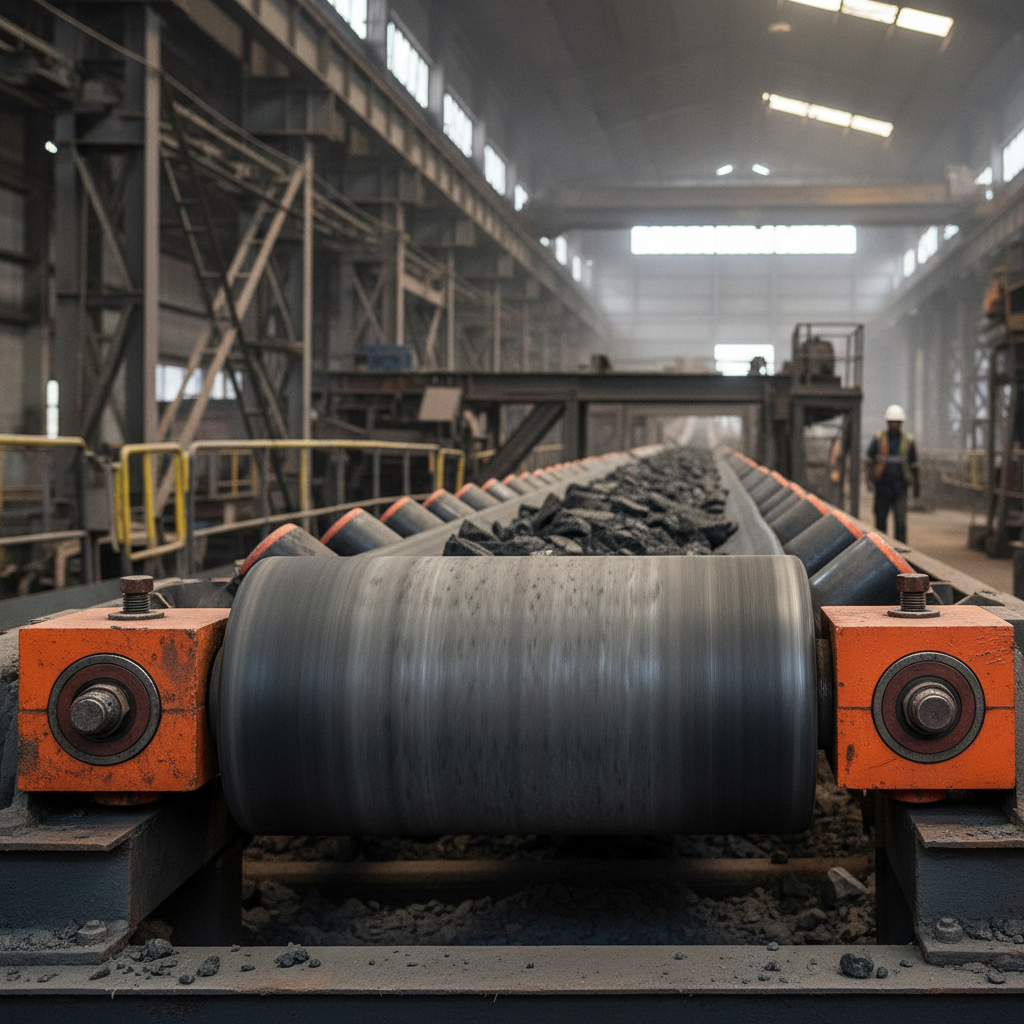
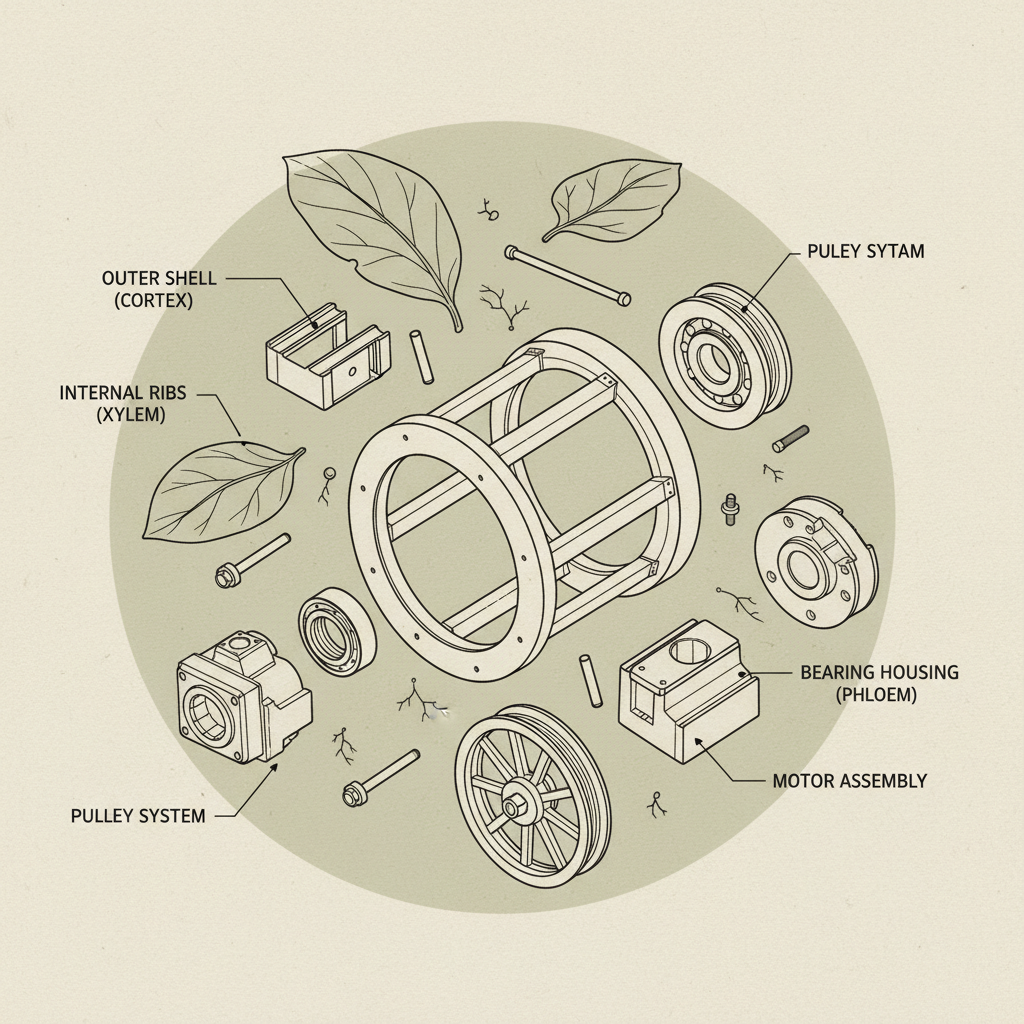
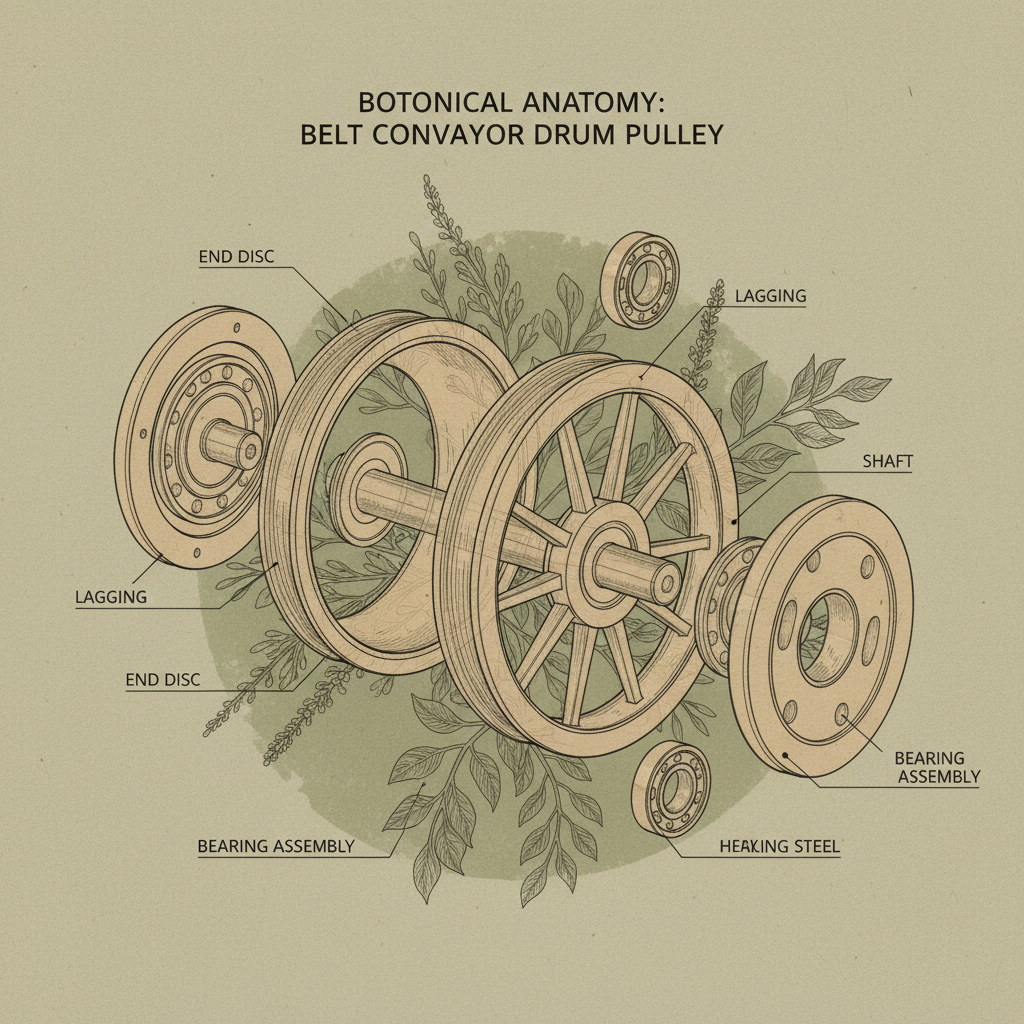
Several key factors contribute to the performance and longevity of belt conveyor troughing idlers. These include the quality of the roller shell material (typically steel), the bearing type (influencing friction and maintenance requirements), and the sealing system (preventing contamination and ensuring smooth operation). The durability of these components directly impacts the overall cost of ownership.
Furthermore, the idler’s construction plays a crucial role. A robust frame design ensures stability and prevents deformation under heavy loads. Properly engineered seals protect the bearings from dust, moisture, and other contaminants, extending their lifespan and reducing the need for frequent replacements. Choosing the correct belt conveyor troughing idlers requires a thorough understanding of these core components.
Finally, the ability to adjust the troughing angle is a valuable characteristic, allowing operators to optimize the system for different materials and operating conditions. Idlers with adjustable angles provide greater flexibility and adaptability, ensuring consistent performance across a range of applications.
Applications Across Industries
Belt conveyor troughing idlers find widespread application across a diverse spectrum of industries. In the mining sector, they are integral to transporting ore, coal, and other bulk materials from extraction sites to processing facilities. In agriculture, they efficiently move grains, fertilizers, and harvested crops.
The construction industry relies heavily on these idlers for handling aggregates, sand, and cement. Manufacturing plants utilize them to convey raw materials, finished products, and waste materials. Even in logistics and distribution centers, belt conveyor troughing idlers are crucial for automated sorting and handling systems.
In remote industrial zones, where access to maintenance personnel can be limited, the reliability of troughing idlers is paramount. Similarly, in post-disaster relief operations, efficient material handling is critical for delivering aid and rebuilding infrastructure; robust conveyor systems utilizing high-quality idlers are indispensable.
Troughing Idler Performance by Method
Advantages & Long-Term Value Proposition
Investing in high-quality belt conveyor troughing idlers delivers significant tangible benefits. Reduced material spillage translates directly into cost savings by minimizing product loss and cleanup requirements. Lower friction within the idlers reduces energy consumption, contributing to lower operating costs and a smaller carbon footprint.
The long-term value extends beyond cost savings. Reliable idlers minimize downtime, ensuring continuous operation and maximizing productivity. The increased safety resulting from reduced spillage and more stable material flow is invaluable. belt conveyor troughing idlers ultimately contribute to a more sustainable and efficient operation.
Future Trends in Troughing Idler Technology
The future of troughing idler technology is focused on enhancing performance, reducing maintenance, and integrating with smart conveyor systems. We're seeing increasing development in self-aligning idlers that automatically adjust to belt misalignment, minimizing wear and tear and extending belt life.
The integration of sensor technology to monitor idler performance – detecting bearing wear, temperature fluctuations, and vibration – is also gaining traction. This predictive maintenance capability allows for proactive replacements, preventing unexpected downtime and reducing maintenance costs.
Furthermore, the use of advanced materials, such as high-strength polymers and ceramics, is improving the durability and lifespan of idlers, particularly in harsh operating environments.
Challenges and Innovative Solutions
One common challenge is bearing failure, often caused by contamination or inadequate lubrication. Innovative solutions include sealed-for-life bearings and automatic lubrication systems, minimizing maintenance requirements and extending bearing lifespan.
Another challenge is dealing with abrasive materials that can accelerate wear on idler components. The use of wear-resistant coatings and specialized roller shell materials, such as ceramic-lined rollers, can significantly extend idler life in these applications.
Finally, ensuring proper alignment and tensioning of the conveyor belt is critical. Advanced training idlers and automatic tensioning systems help maintain optimal belt alignment and tension, reducing stress on the idlers and preventing premature failure.
Summary of Troughing Idler Performance Factors
| Idler Component |
Material Type |
Performance Metric |
Typical Rating (1-10) |
| Roller Shell |
Carbon Steel |
Wear Resistance |
6 |
| Roller Shell |
Stainless Steel |
Corrosion Resistance |
8 |
| Bearing |
Standard Roller Bearing |
Load Capacity |
7 |
| Bearing |
Sealed Roller Bearing |
Maintenance Requirements |
9 |
| Frame |
Steel |
Structural Integrity |
8 |
| Seals |
Rubber |
Contamination Protection |
7 |
FAQS
The optimal troughing angle for fine coal typically ranges between 35 and 45 degrees. This angle helps prevent the material from rolling back and spilling, while also ensuring efficient discharge. However, the exact angle depends on the coal's moisture content, particle size distribution, and the conveyor's speed. A proper assessment of these factors is crucial for maximizing performance.
Regular inspection is vital. A visual inspection should be performed at least monthly, looking for signs of wear, damage, or misalignment. A more thorough inspection, including checking bearing condition and lubrication, should be conducted every six months. Early detection of issues can prevent costly downtime and extend the life of the idlers.
For applications handling highly abrasive materials, ceramic-lined idlers are often a worthwhile investment. While the initial cost is higher, the extended lifespan and reduced maintenance requirements typically result in lower overall costs. Ceramic linings offer superior wear resistance, particularly against materials like aggregates and ores.
The best lubrication depends on the operating environment and bearing type. Lithium-based greases are generally suitable for most applications. However, in dusty or wet environments, specialized greases with enhanced sealing properties are recommended. Following the manufacturer's lubrication guidelines is crucial for ensuring optimal bearing performance.
Signs of a misaligned idler include uneven belt wear, material spillage on one side of the conveyor, and increased noise levels. Visual inspection can often reveal misalignment, but laser alignment tools can provide more accurate measurements and facilitate precise adjustments.
Self-aligning troughing idlers automatically adjust to minor belt misalignments, reducing stress on the belt and idlers. This leads to extended belt life, reduced maintenance requirements, and improved conveyor efficiency. They are particularly beneficial in applications where belt alignment is prone to fluctuations.
Conclusion
Belt conveyor troughing idlers are fundamental components of efficient and reliable material handling systems. Their selection, installation, and maintenance directly impact productivity, cost-effectiveness, and safety across a wide range of industries. Understanding the core characteristics, emerging trends, and potential challenges associated with these idlers is essential for optimizing conveyor performance and maximizing return on investment.
Looking ahead, advancements in materials science, sensor technology, and automation will continue to drive innovation in troughing idler design. Proactive adoption of these technologies, coupled with a commitment to regular inspection and maintenance, will be key to ensuring the long-term sustainability and efficiency of conveyor systems. To learn more about our comprehensive range of high-quality belt conveyor troughing idlers and how we can help you optimize your material handling operations, visit our website today.