

Optimize Conveyor Performance with the Right Conveyor Impact Bar Selection
Choosing the Right Conveyor Impact Bar for Optimal Performance
In the world of material handling, the efficiency and longevity of your conveyor system are paramount. A crucial component often overlooked, but vital to the smooth operation of your line, is the conveyor impact bar. These robust protectors shield your conveyor belt from the wear and tear caused by heavy loads, reducing downtime and extending the life of your investment. This article will explore the importance of impact bars, factors to consider when choosing the right one, and how Idler Aohua can provide tailored solutions for your specific needs.
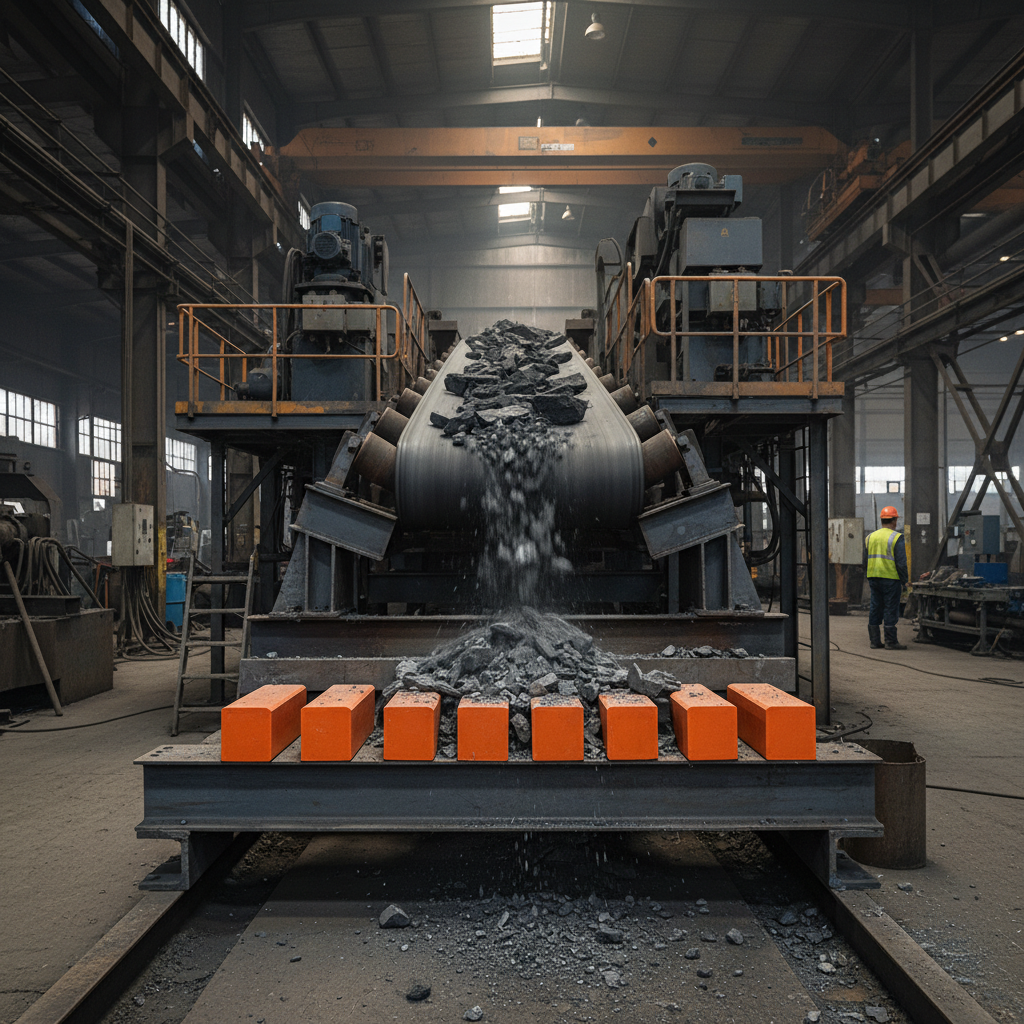
Understanding the Role of a Conveyor Impact Bar
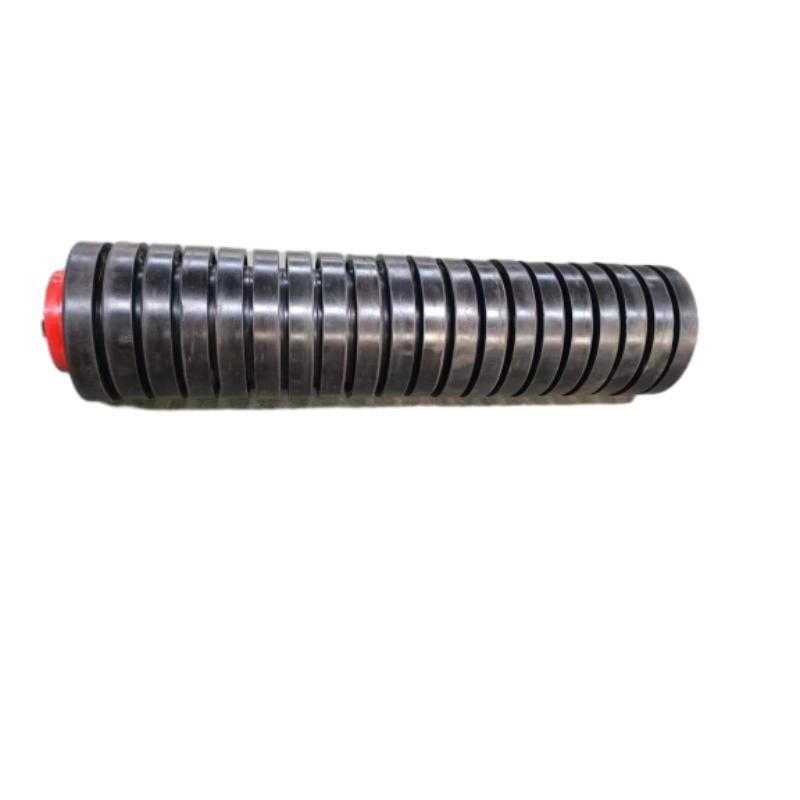
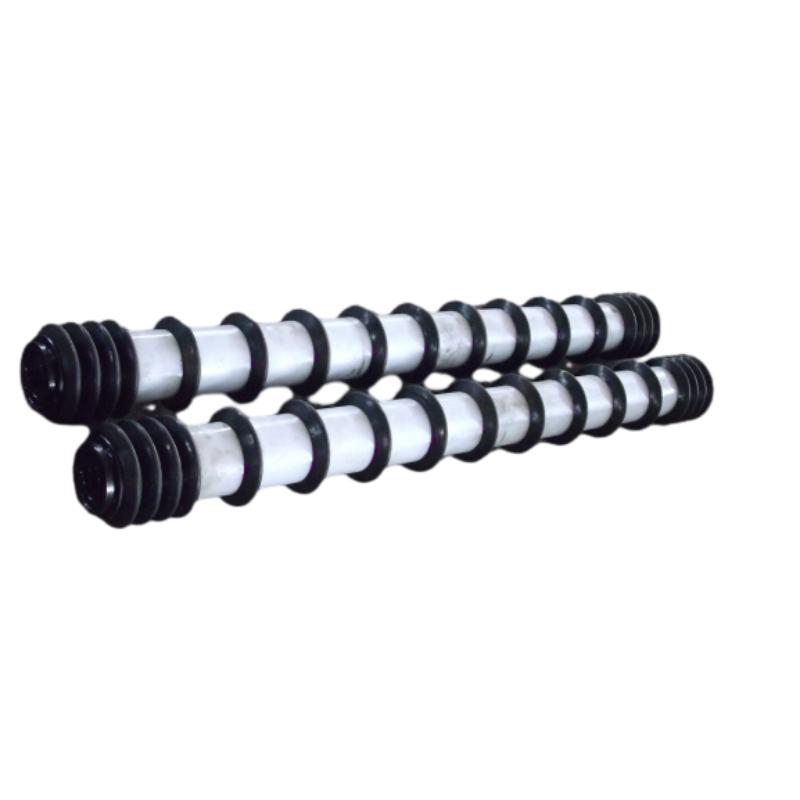
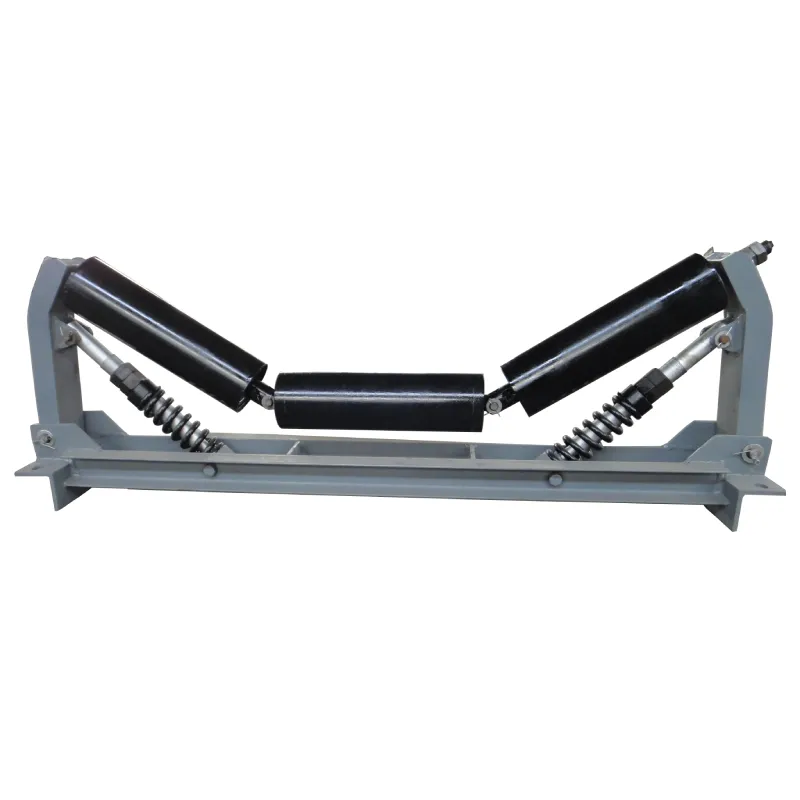
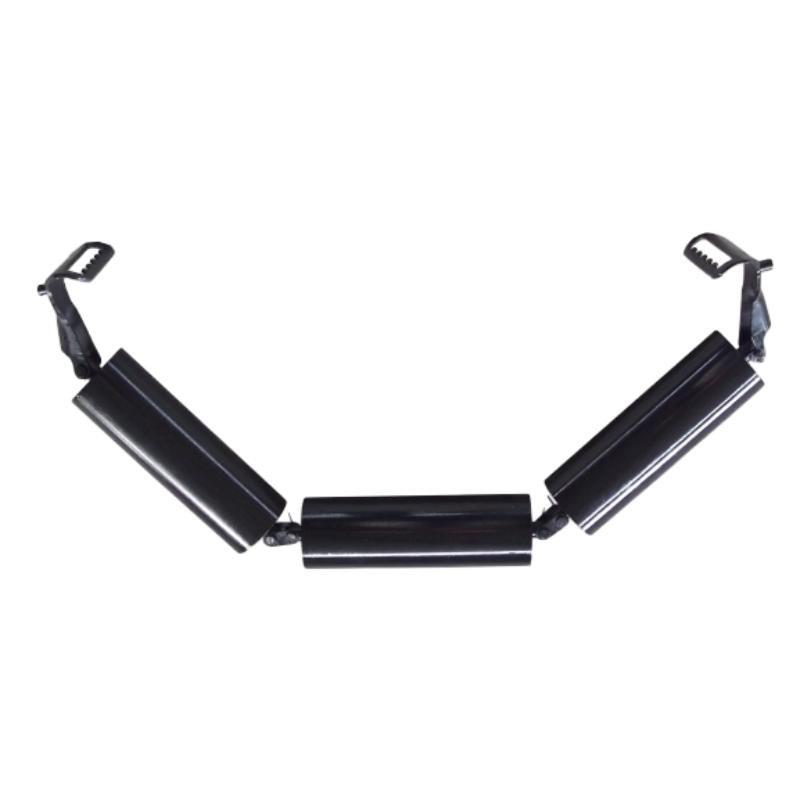
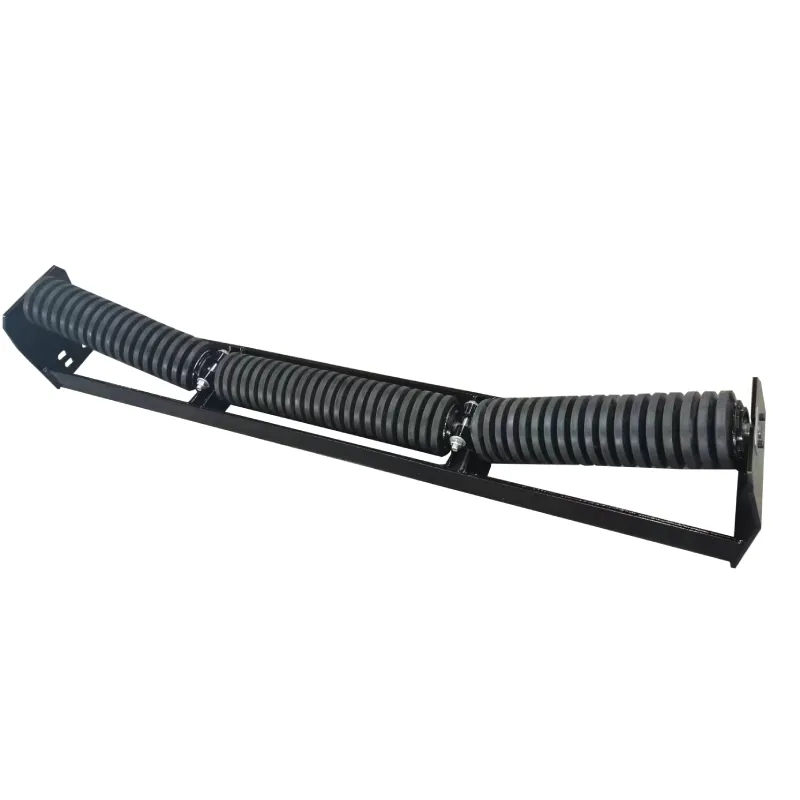
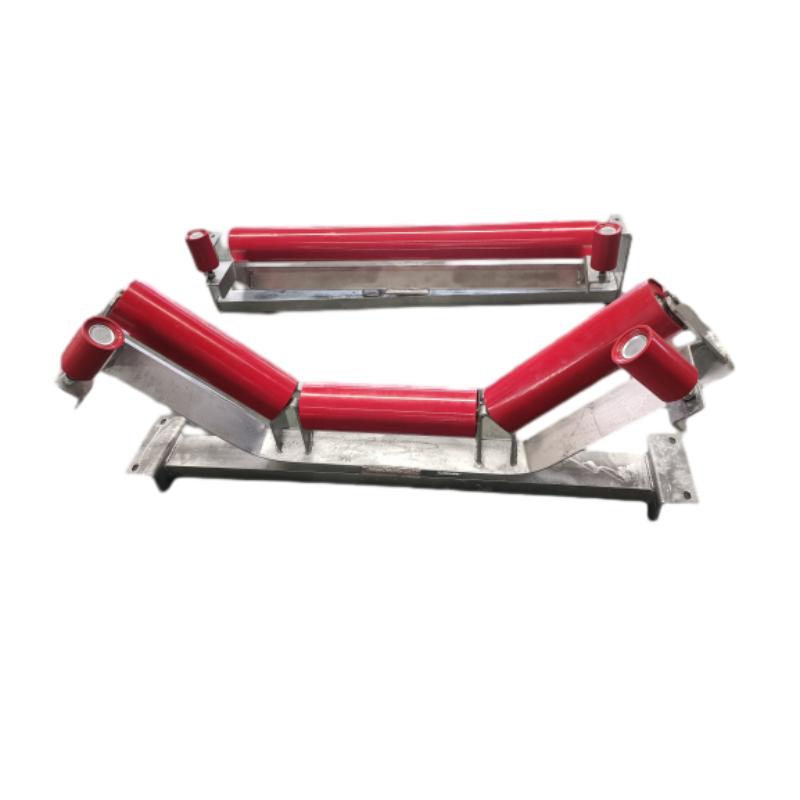
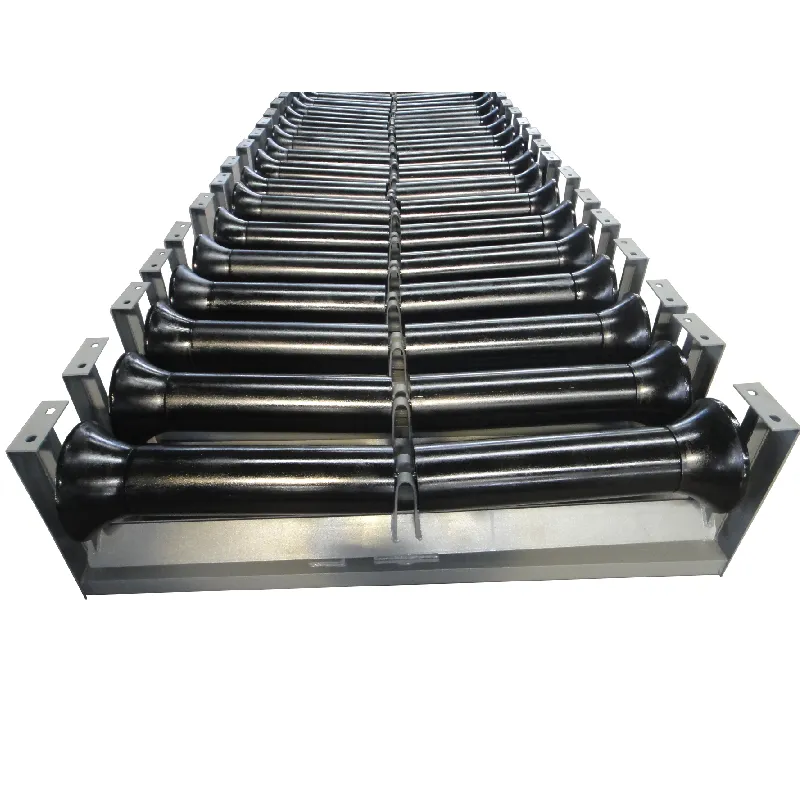
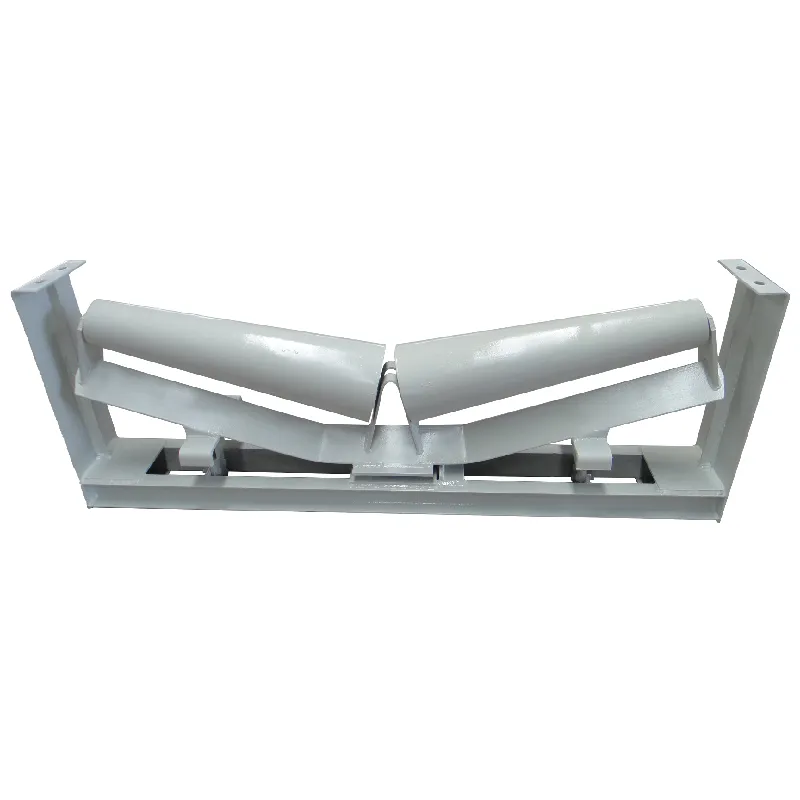
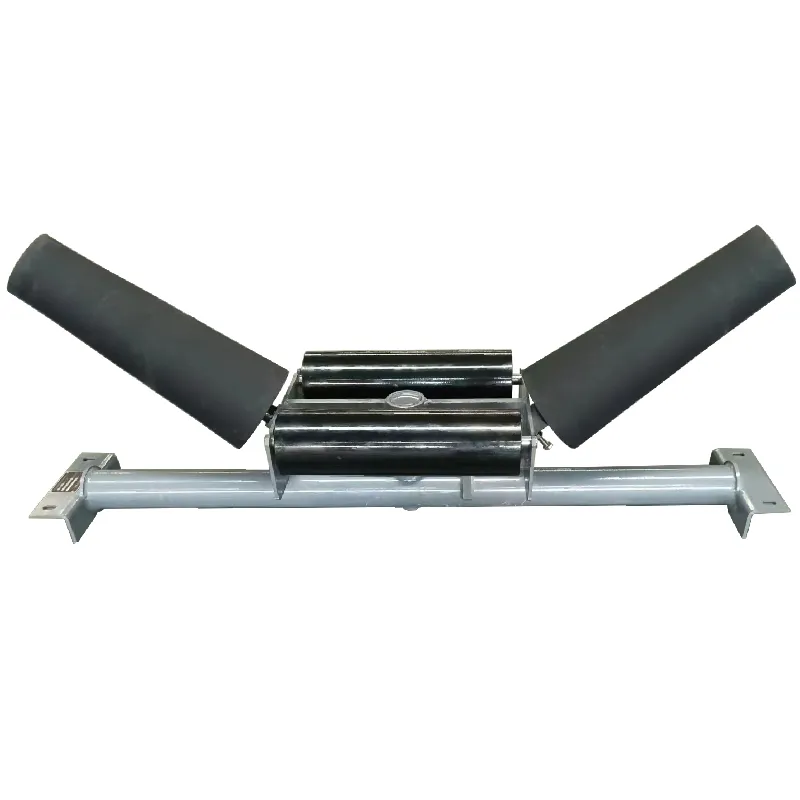
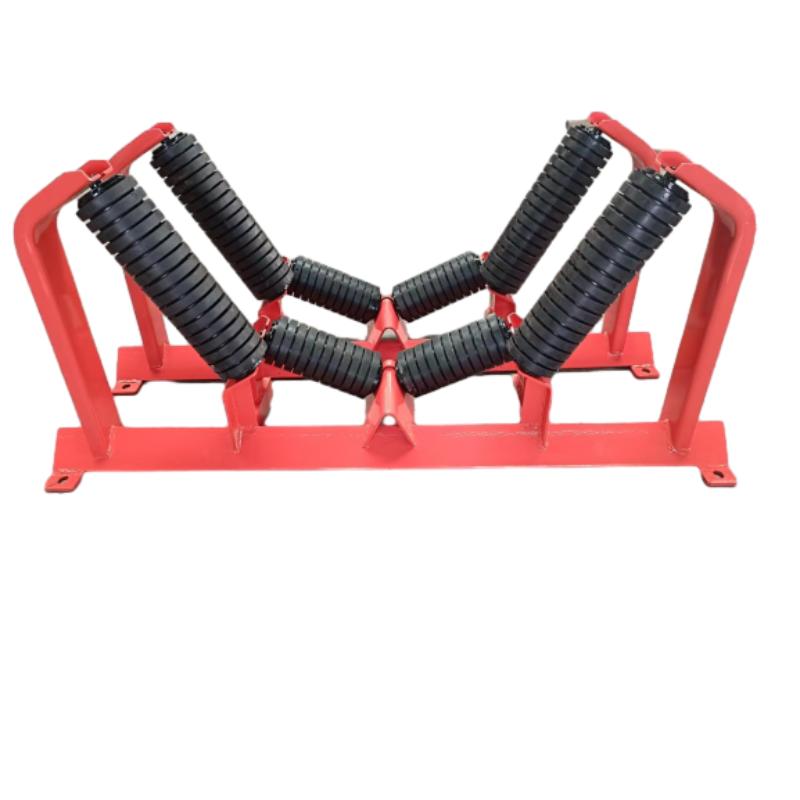
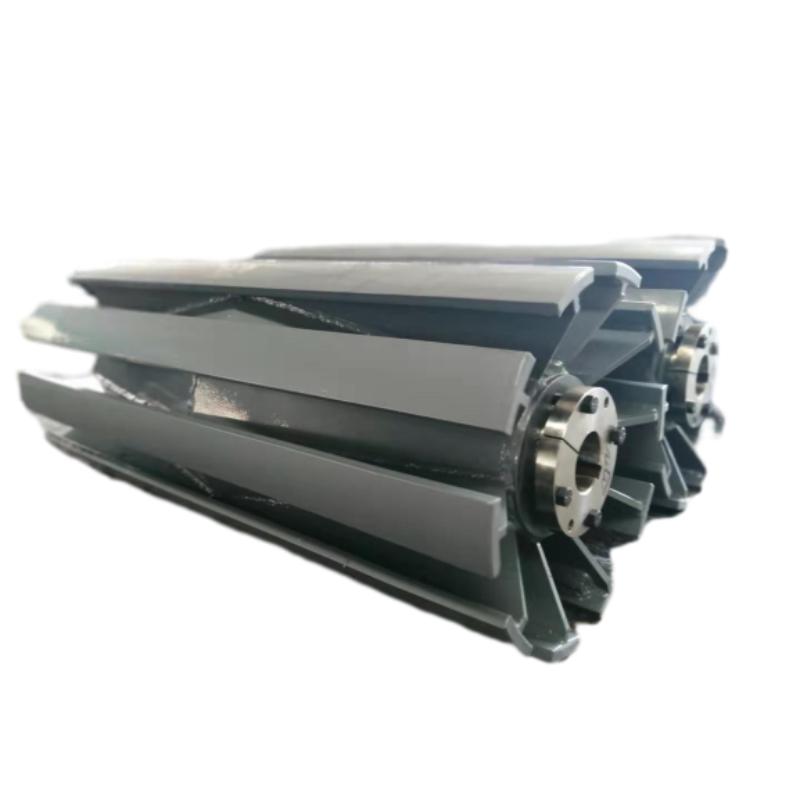
A conveyor impact bar is strategically positioned beneath the conveyor belt where materials are discharged. This area experiences the greatest impact force. The impact bar absorbs this energy, preventing damage to the belt itself, the supporting structure, and ultimately minimizing costly disruptions to your workflow. Without adequate impact protection, belts can experience premature wear, tearing, and even catastrophic failure. Investing in a quality conveyor impact bar is a proactive measure that significantly reduces maintenance costs and extends the service life of your conveyor system.
Key Benefits: Reduces belt wear, minimizes downtime, protects conveyor structure, and extends overall system lifespan.
Factors to Consider When Selecting a Conveyor Impact Bar
Choosing the right impact bar isn’t a one-size-fits-all process. Several factors must be taken into consideration to ensure optimal performance and protection. These include the weight and type of material being conveyed, the belt speed, the impact angle, and the environmental conditions. Different materials like rubber, polyurethane, and steel are available, each offering varying degrees of durability, abrasion resistance, and cost-effectiveness. Properly assessing your operational requirements is crucial for making an informed decision.
Key Selection Criteria:
• Material Type (Rubber, Polyurethane, Steel)
• Material Weight & Size
• Belt Speed
• Impact Angle
A Comparison of Conveyor Impact Bar Materials
The material composition of your impact bar significantly impacts its performance and lifespan. Here's a comparison of the most commonly used materials:
Why Choose Idler Aohua for Your Impact Bar Needs?
At Idler Aohua, we understand the diverse demands of modern conveyor systems. We specialize in providing high-quality conveyor impact bars engineered for superior performance and durability. Our team of experts works closely with you to assess your specific application and recommend the optimal solution. We offer a wide range of materials and custom fabrication options to meet your exact requirements, ensuring a perfect fit and maximized protection. We are committed to delivering reliable products and exceptional customer service.
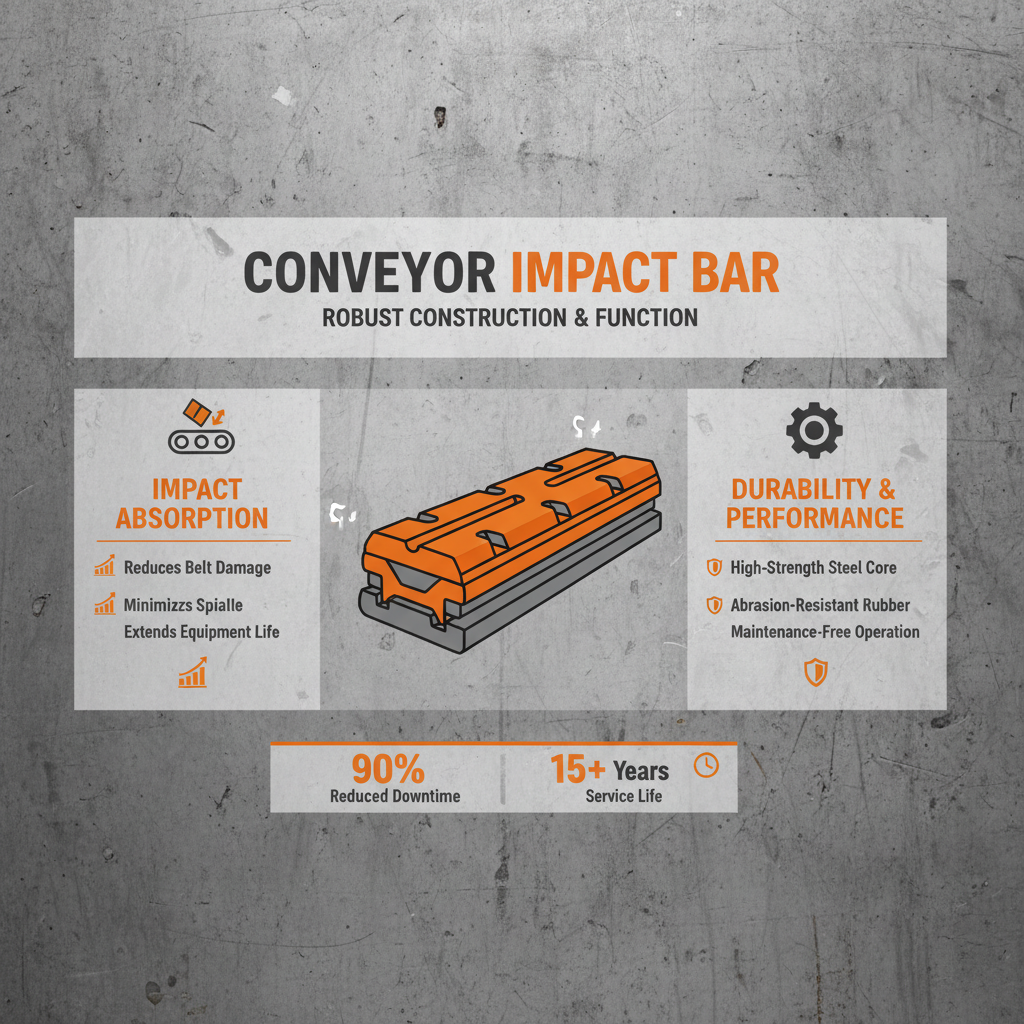
Product Specifications: Idler Aohua Impact Bar Series
Here's a snapshot of our popular impact bar series:
Conclusion: Protect Your Investment with Idler Aohua
Investing in a quality conveyor impact bar is a proactive step towards maximizing the efficiency and longevity of your conveyor system. Idler Aohua provides tailored solutions, expert guidance, and reliable products to meet your specific needs. Don't wait for costly breakdowns – protect your investment today!
Frequently Asked Questions (FAQs)
What is the typical lifespan of a conveyor impact bar?
The lifespan of a conveyor impact bar varies depending on several factors, including the material being conveyed, its weight, the belt speed, and the operating environment. Generally, rubber impact bars last between 6-12 months, polyurethane bars 12-24 months, and steel bars can last several years with proper maintenance. Regularly inspecting the impact bar for wear and tear and replacing it when necessary will help prevent damage to your conveyor belt and supporting structure. Contacting Idler Aohua can help you determine the optimal replacement schedule for your specific application.
How do I determine the correct width of the impact bar?
The width of the impact bar should ideally match the width of the material being discharged onto the conveyor belt. It's crucial to ensure the material lands squarely on the impact bar to effectively absorb the energy and prevent damage to the belt. If the material is wider than the impact bar, it can cause uneven wear and potentially lead to belt failure. Our experts at Idler Aohua can assist you in calculating the appropriate width based on your specific material characteristics and conveyor setup.
Can impact bars be customized to fit specific conveyor systems?
Yes, Idler Aohua offers custom fabrication services to create impact bars that perfectly fit your unique conveyor system. We can adjust the length, width, thickness, and material to meet your exact specifications. This ensures optimal performance and protection, even for complex or non-standard conveyor setups. We are equipped to handle both small and large-scale custom orders.
-
Maximize Conveyor Life with a High Performance impact bedNewsApr.16,2026
-
Maximize Conveyor Efficiency Using a v plow belt scraperNewsApr.09,2026
-
Comprehensive Guide to Understanding Different Types of Belt CleanersNewsApr.07,2026
-
Enhancing Conveyor Efficiency with an Effective Scraper Belt CleanerNewsApr.04,2026
-
Optimizing Conveyor Systems with Advanced Cleaning Equipment SolutionsNewsMar.31,2026
-
Effective Conveyor Belt Scraper Adjustment for Optimal System PerformanceNewsMar.28,2026