feeder idler systems are essential components in bulk material handling across a vast array of industries. From mining and agriculture to cement production and power generation, these seemingly simple devices play a critical role in ensuring the efficient and reliable transport of materials. The global market for conveyor idlers, of which the feeder idler is a key subset, is substantial and projected to continue growing, driven by increased infrastructure development and the demand for automation in material handling processes. Understanding the functionality, maintenance, and optimization of feeder idlers is therefore paramount for operational efficiency and cost reduction.
The importance of feeder idler systems extends beyond mere material conveyance. They directly impact the overall performance of conveying systems, influencing energy consumption, belt life, and potential downtime. A poorly maintained or improperly selected feeder idler can lead to increased friction, belt misalignment, material spillage, and ultimately, costly production delays. Therefore, a proactive approach to feeder idler management, incorporating regular inspections, preventative maintenance, and appropriate component selection, is crucial for maximizing the return on investment in conveyor systems.
Furthermore, advancements in feeder idler technology are contributing to improved sustainability and safety in material handling. Innovations such as self-aligning idlers, sealed-for-life bearings, and intelligent monitoring systems are reducing energy waste, minimizing environmental impact, and enhancing worker safety. This evolution underscores the growing recognition of feeder idler systems as more than just passive components; they are integral to modern, efficient, and responsible industrial operations.
Introduction to feeder idler
A feeder idler, often working in conjunction with other conveyor components, is a crucial element in efficient material handling. These idlers support the conveyor belt, reducing friction and enabling the smooth and consistent transfer of bulk materials. Selecting the appropriate feeder idler for a specific application is crucial to minimize material spillage, ensure belt longevity and optimize overall system performance. feeder idler quality is paramount to operational success.
The design and construction of feeder idler systems have evolved significantly over the years, incorporating advancements in materials science and engineering. Modern feeder idlers often feature sealed bearings, robust frame construction, and specialized coatings to withstand harsh operating environments. These innovations contribute to extended service life, reduced maintenance requirements, and improved system reliability.
Defining the feeder idler
A feeder idler is a rotating component within a conveyor system designed to support the carrying side of the conveyor belt and reduce friction as materials are transported. Unlike other types of conveyor rollers, feeder idlers are specifically designed to provide a controlled feeding action, regulating the flow of material onto the belt. They are instrumental in preventing material buildup, ensuring even distribution, and maintaining consistent conveyor capacity.
The function of the feeder idler is fundamentally linked to modern industrial processes. It's a vital part of automated material handling systems, enabling continuous and efficient production. From large-scale mining operations to automated packaging lines, the ability to consistently and reliably feed materials is paramount, and the feeder idler plays a central role in achieving this.
The term "feeder idler" is sometimes used interchangeably with "loading idler," but there are subtle differences. A loading idler is typically used to receive material from a higher source, whereas a feeder idler is more focused on regulating the flow of material already presented to the conveyor. Regardless of the specific terminology, these components share the common goal of optimizing material handling efficiency.
Core Components of a feeder idler
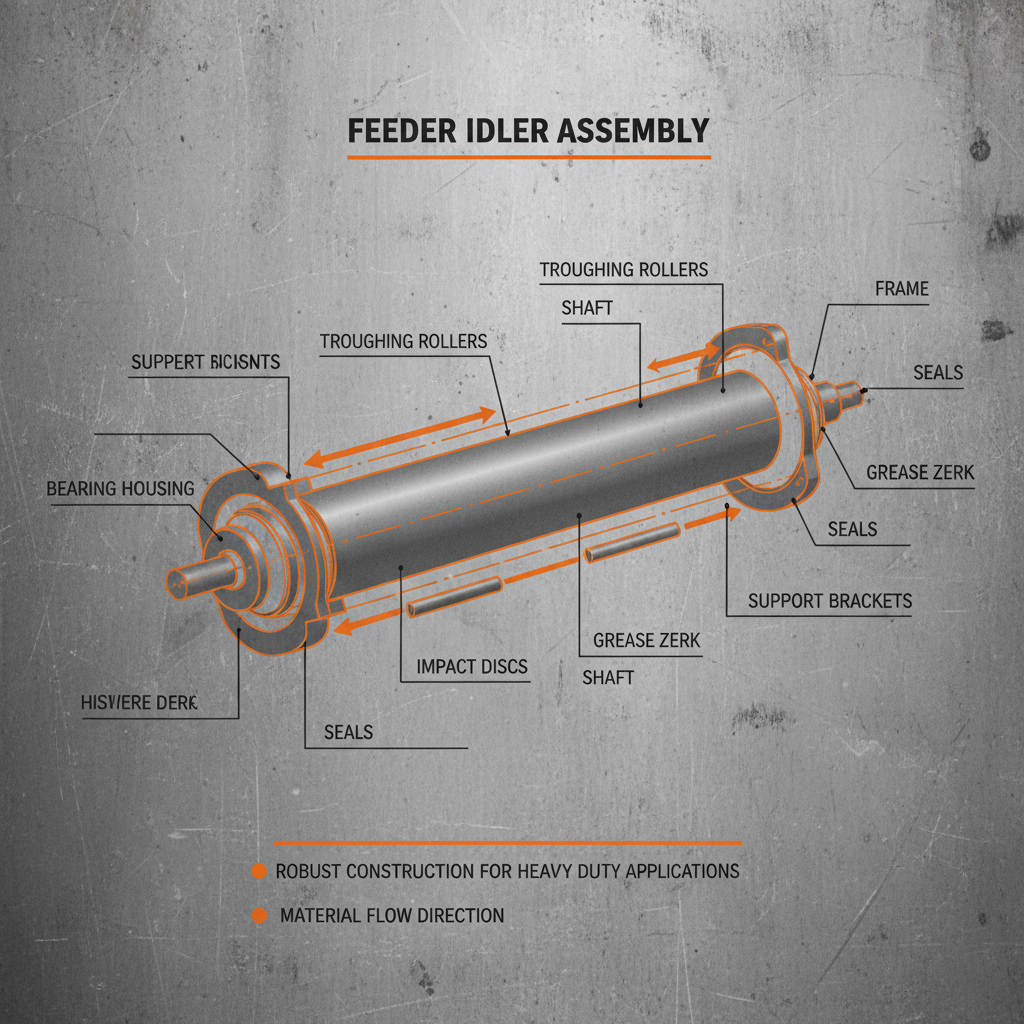
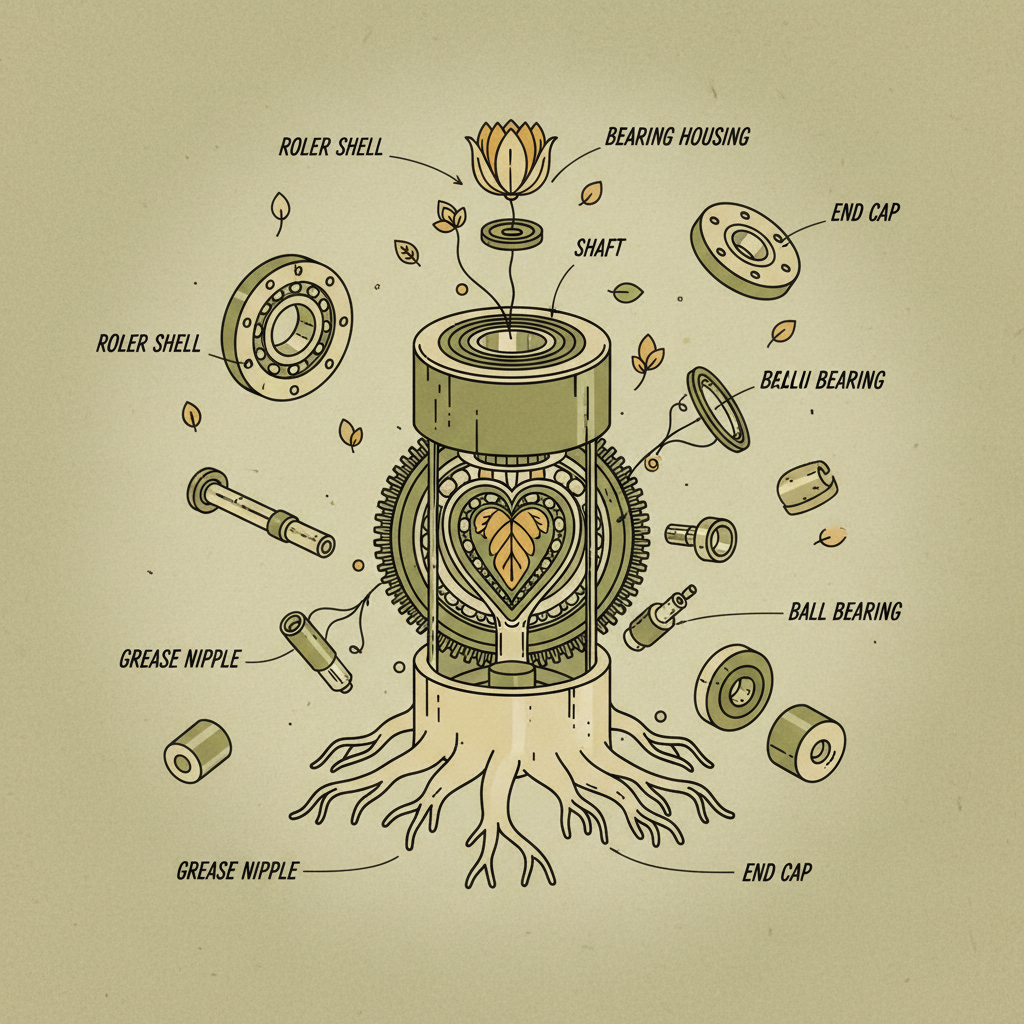
The functionality of a feeder idler relies on a few key components working in harmony. The shell, typically constructed from steel or stainless steel, provides the structural integrity and supports the load. Within the shell, sealed bearings enable smooth rotation and minimize friction. feeder idler designs often incorporate these quality bearings for superior operation.
The shaft, running through the center of the idler, transmits the rotational force. End caps securely seal the bearings, protecting them from contamination and ensuring long-term performance. Finally, the idler frame, which supports the idler shell, is designed to withstand the stresses of operation and maintain proper alignment.
The materials used in the construction of these components are critical to the idler's lifespan and performance. High-quality steel alloys and robust bearing designs contribute to increased durability, reduced maintenance, and improved resistance to wear and tear. Selecting components engineered for specific operating conditions is essential.
Key Performance Indicators for feeder idler
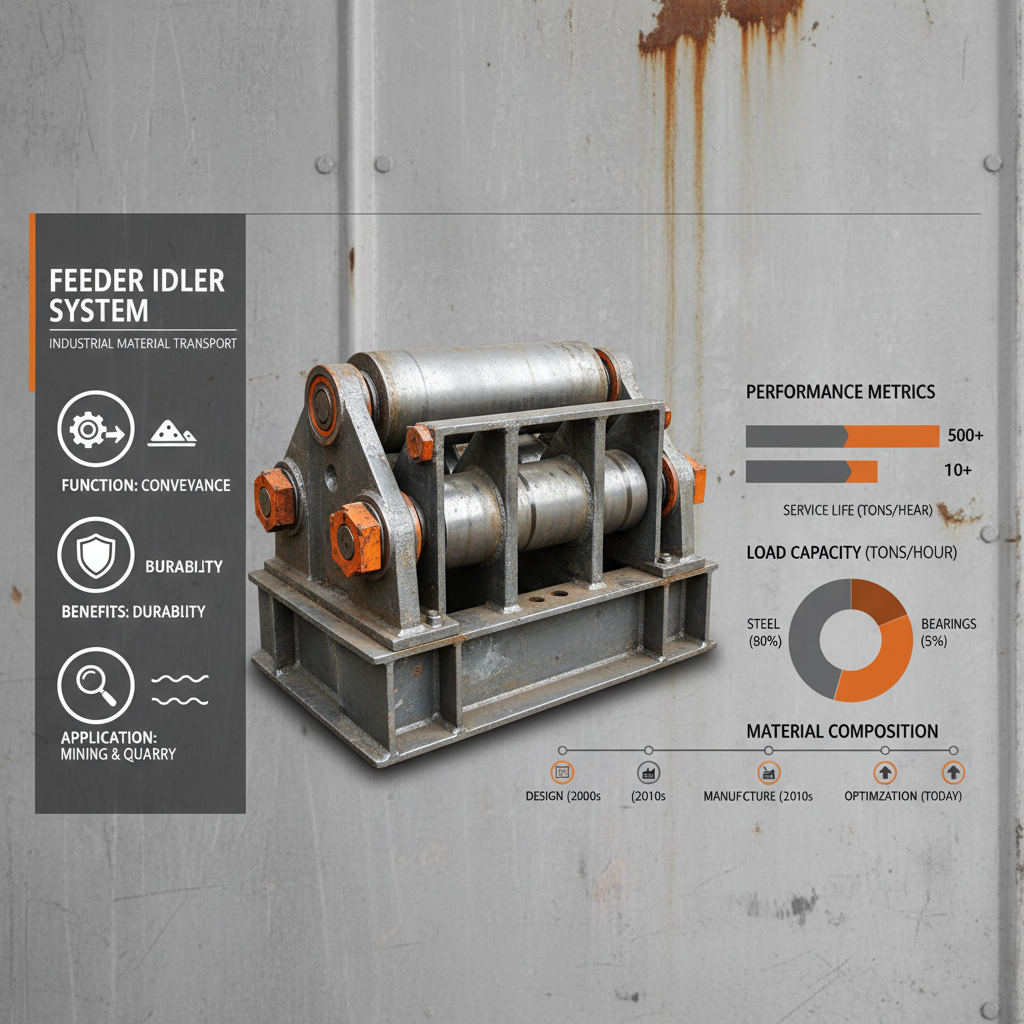
Assessing the performance of feeder idler systems requires monitoring several key indicators. Rotation speed is a crucial factor, ensuring consistent material flow and preventing buildup. Bearing temperature monitoring helps detect potential failures before they lead to costly downtime. feeder idler performance is directly related to the quality of the bearings.
Vibration levels indicate potential misalignment or bearing wear, necessitating immediate inspection and maintenance. Overall system efficiency, measured by material throughput and energy consumption, provides a holistic view of idler performance.
feeder idler Performance Metrics
Global Applications of feeder idler
feeder idler systems are ubiquitous in industries worldwide. In the mining sector, they are critical for transporting ore from extraction sites to processing facilities. In agriculture, they facilitate the handling of grains, fertilizers, and other bulk commodities. Power plants rely on feeder idlers for the efficient handling of coal and other fuels.
Across manufacturing, feeder idlers are used in assembly lines and material handling systems to move components and finished goods. They’re also central in cement production, quarrying, and recycling facilities. These applications span across continents, from large-scale operations in North America and Europe to rapidly developing industries in Asia and South America.
Advantages of Using feeder idler
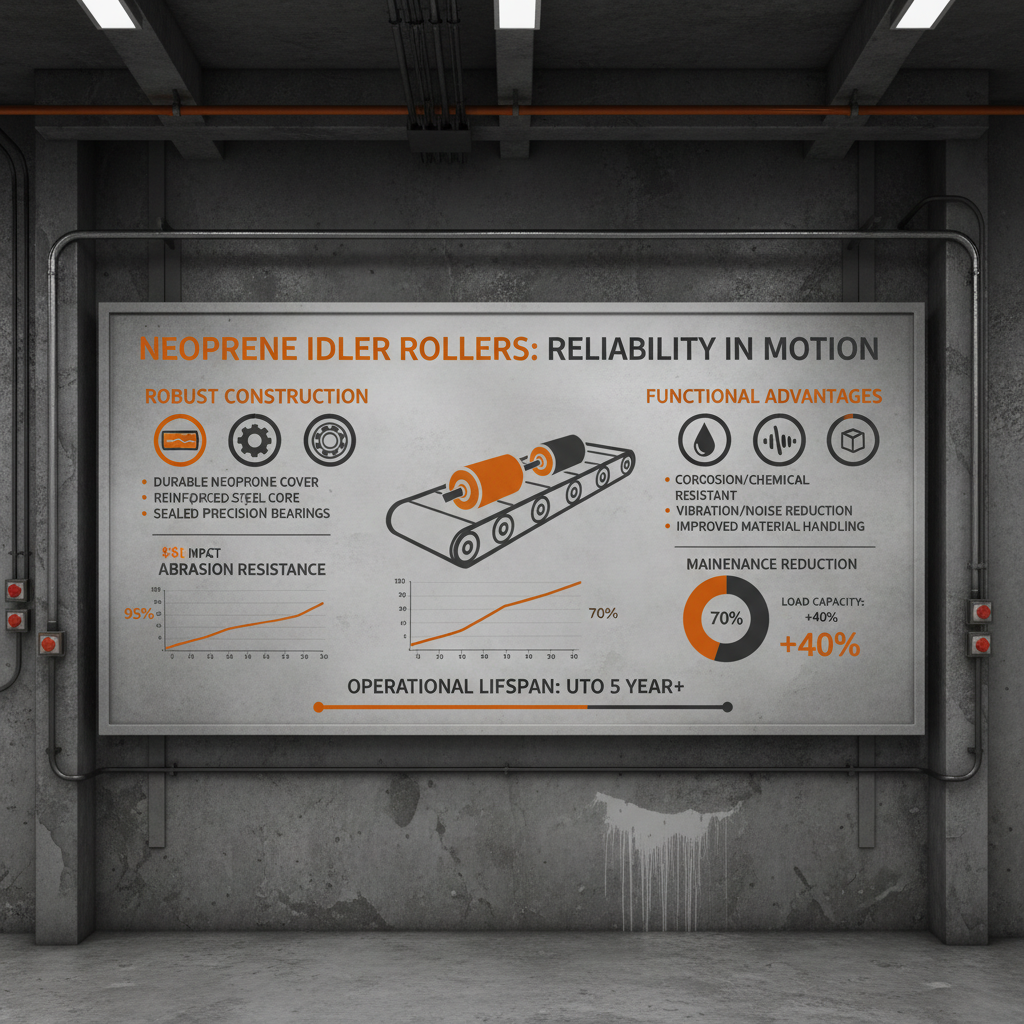
Implementing robust feeder idler systems yields several significant advantages. Reduced material spillage translates to lower waste and increased product recovery. Minimized friction reduces energy consumption, lowering operating costs and contributing to sustainability. Properly maintained feeder idler systems extend conveyor belt life, reducing the frequency of costly replacements.
Furthermore, the reliability of feeder idler systems contributes to improved plant uptime and reduced maintenance requirements. This, in turn, enhances overall productivity and profitability. The inherent safety improvements – stemming from reduced material buildup and smoother operation – contribute to a safer working environment.
Beyond the tangible benefits, using high-quality feeder idler systems fosters trust and confidence in your material handling operations. It demonstrates a commitment to efficiency, sustainability, and employee safety.
Future Trends in feeder idler Technology
The future of feeder idler technology is focused on increased automation, intelligent monitoring, and enhanced sustainability. Smart idlers, equipped with sensors and data analytics capabilities, are emerging as a key trend, providing real-time insights into performance and enabling predictive maintenance. These systems can detect potential failures before they occur, minimizing downtime and optimizing maintenance schedules.
The integration of artificial intelligence (AI) and machine learning (ML) is further enhancing the capabilities of feeder idler systems. AI-powered algorithms can analyze sensor data to identify patterns and anomalies, predicting performance degradation and optimizing material flow. This represents a shift towards proactive and data-driven maintenance strategies.
Moreover, the development of more durable and lightweight materials, coupled with innovative bearing designs, is driving improvements in efficiency and longevity. Sustainable manufacturing practices and the use of eco-friendly materials are also gaining traction, reflecting a growing commitment to environmental responsibility.
Challenges & Solutions in feeder idler Systems
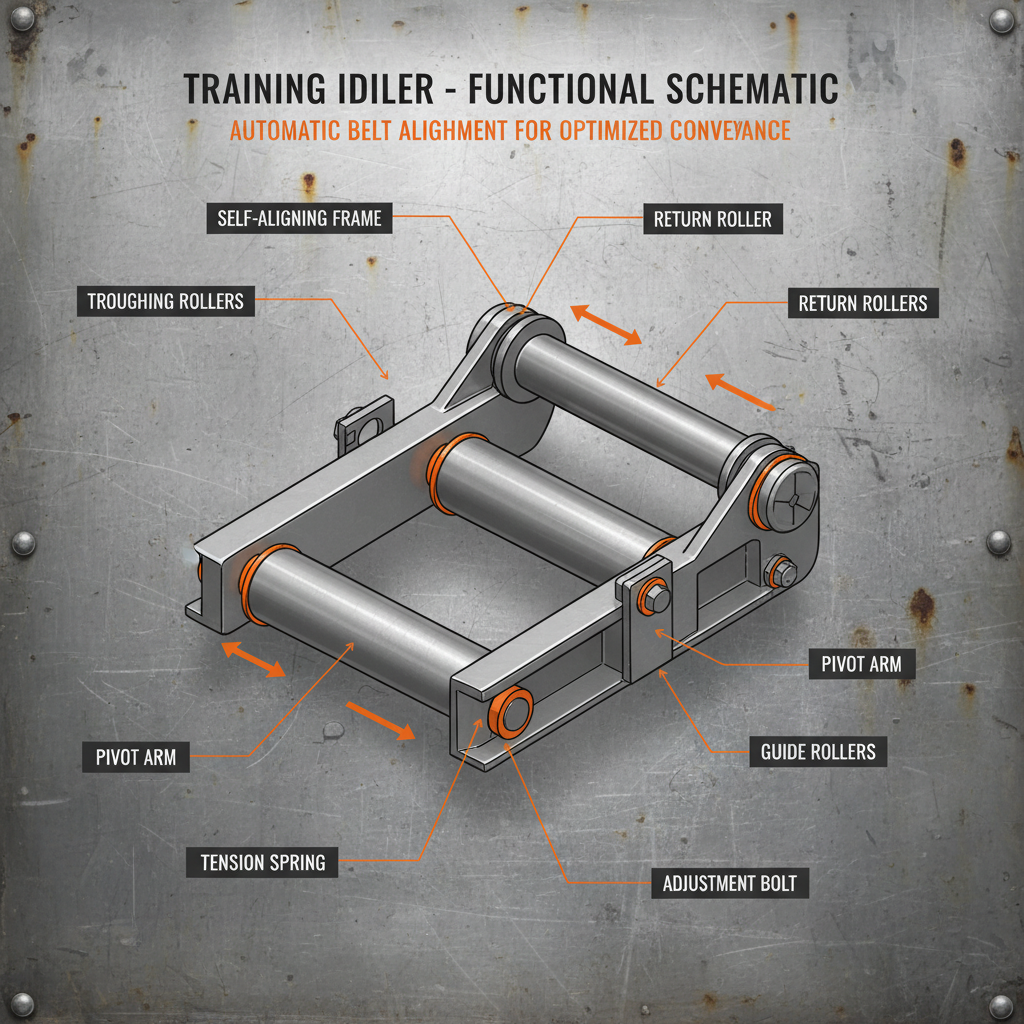
Despite advancements, feeder idler systems face ongoing challenges. Material buildup, particularly with sticky or abrasive materials, remains a common issue, leading to reduced efficiency and increased maintenance. Bearing failures, often caused by contamination or overload, are another frequent concern. Ensuring proper alignment and maintaining consistent tension are critical for optimal performance, yet can be difficult in demanding operating environments.
Solutions include implementing self-cleaning idler designs, utilizing sealed-for-life bearings with advanced lubrication systems, and employing automated alignment monitoring systems. Regular inspections, preventative maintenance, and operator training are essential for addressing potential problems before they escalate. Investing in higher-quality components and seeking expert advice are also crucial.
To summarize the core of “Theme Seven”, a proactive approach to feeder idler management, encompassing robust design, regular maintenance, and intelligent monitoring, is vital for maximizing efficiency, minimizing downtime, and ensuring the long-term reliability of conveyor systems.
Table Summarizing Feeder Idler Challenges and Solutions
| Challenge |
Impact |
Proposed Solution |
Implementation Cost (1-10) |
| Material Buildup |
Reduced efficiency, increased drag |
Self-cleaning idler design |
6 |
| Bearing Failure |
System downtime, maintenance costs |
Sealed-for-life bearings |
7 |
| Misalignment |
Belt wear, energy loss |
Automated alignment system |
8 |
| Corrosion |
Structural weakness, reduced lifespan |
Corrosion-resistant coatings |
5 |
| Overloading |
Premature wear, component failure |
Load monitoring system |
7 |
| Lack of lubrication |
Increased friction, bearing wear |
Automatic lubrication system |
6 |
FAQS
Sealed-for-life bearings eliminate the need for routine greasing, significantly reducing maintenance requirements and associated costs. This also minimizes the risk of contamination, leading to extended bearing life and improved reliability. They are especially advantageous in harsh environments where regular lubrication is challenging or impossible, providing long-term operational efficiency.
Regular inspections are critical for proactive maintenance. Feeder idlers should be visually inspected at least monthly, and a more detailed inspection, including bearing checks and alignment verification, should be conducted quarterly. More frequent inspections are recommended for applications involving abrasive materials or harsh operating conditions. Early detection of wear prevents catastrophic failures.
Misalignment can be caused by several factors, including belt tracking issues, uneven loading, and foundation settlement. Corrective actions include adjusting idler alignment using shims or adjustable mounting brackets, addressing belt tracking problems, and ensuring proper foundation support. Utilizing automated alignment monitoring systems can help detect and correct misalignment promptly.
Selecting the correct feeder idler depends on several factors, including the type of material being conveyed, the conveyor belt speed, the operating environment, and the load capacity. Consider the idler's shell material, bearing type, frame construction, and sealing features. Consulting with a reputable feeder idler supplier is recommended to ensure optimal performance and reliability.
Self-cleaning feeder idlers are designed to prevent material buildup, which can cause drag, belt misalignment, and reduced efficiency. They typically feature a tapered or curved shell design that promotes material shedding. These idlers are particularly beneficial when handling sticky or cohesive materials, minimizing maintenance and maximizing operational uptime.
Correct idler spacing is crucial for proper belt support and load distribution. Insufficient spacing can lead to belt sag and excessive stress, while excessive spacing can result in material spillage and reduced efficiency. Recommended spacing depends on the belt width, material characteristics, and conveyor speed. Consult industry standards and supplier recommendations for optimal spacing guidelines.
Conclusion
In conclusion, feeder idler systems are indispensable components in modern material handling operations. Their proper selection, maintenance, and integration are critical for maximizing efficiency, minimizing downtime, and ensuring the safe and reliable transport of bulk materials. From their fundamental role in supporting conveyor belts to the emerging trend of intelligent monitoring and automation, feeder idlers continue to evolve alongside industrial demands.
Looking forward, continued innovation in materials science, bearing technology, and data analytics will further enhance the performance and sustainability of feeder idler systems. Investing in high-quality components, embracing preventative maintenance practices, and exploring the potential of smart idler technology will be key to unlocking long-term benefits and optimizing material handling operations. Visit our website: www.idleraohua.com for more information.