

Essential Components of Conveyor Systems for Optimal Material Handling
Components of Conveyor System: A Comprehensive Guide
A conveyor system is a mechanical handling system that moves materials from one location to another. Understanding the components of a conveyor system is vital for efficient operation, maintenance, and selection of the right system for your needs. This article dives deep into the essential parts, their functions, and considerations for optimal performance. Choosing the correct components is crucial for maximizing efficiency and minimizing downtime in your material handling processes.
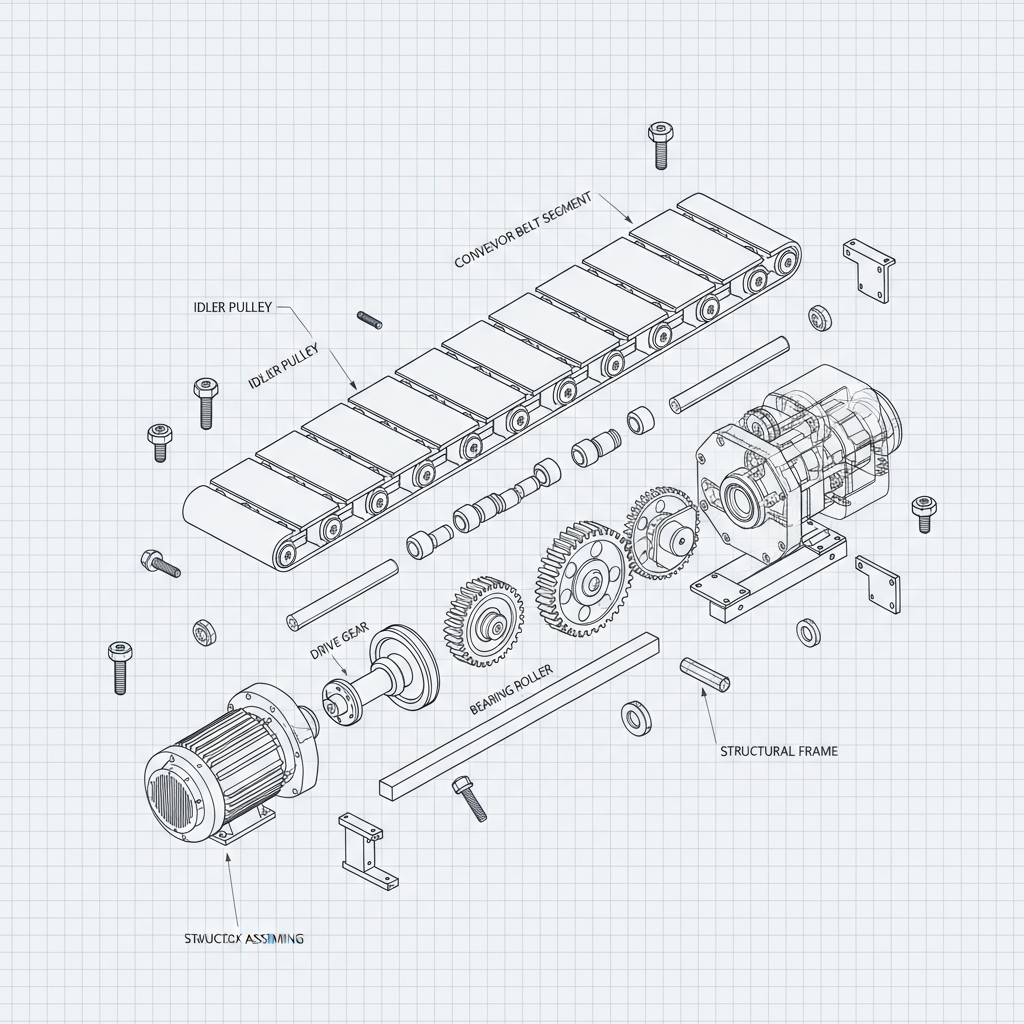
Core Components of a Conveyor System
The foundation of any conveyor system lies in its core components, each playing a critical role in smooth and reliable operation. These include the frame, rollers or belts, drive system, and control system. The frame provides structural support, while the rollers or belts carry the material. The drive system provides the power to move the material, and the control system regulates the operation. A properly designed combination of these elements is key to a successful material handling solution. Understanding how each component functions and interacts with others is essential for efficient system design and maintenance.
Key Takeaway: A functional conveyor system depends on the integrated performance of its core elements - Frame, Belts/Rollers, Drive System, and Control System.
Detailed Look at Conveyor System Components
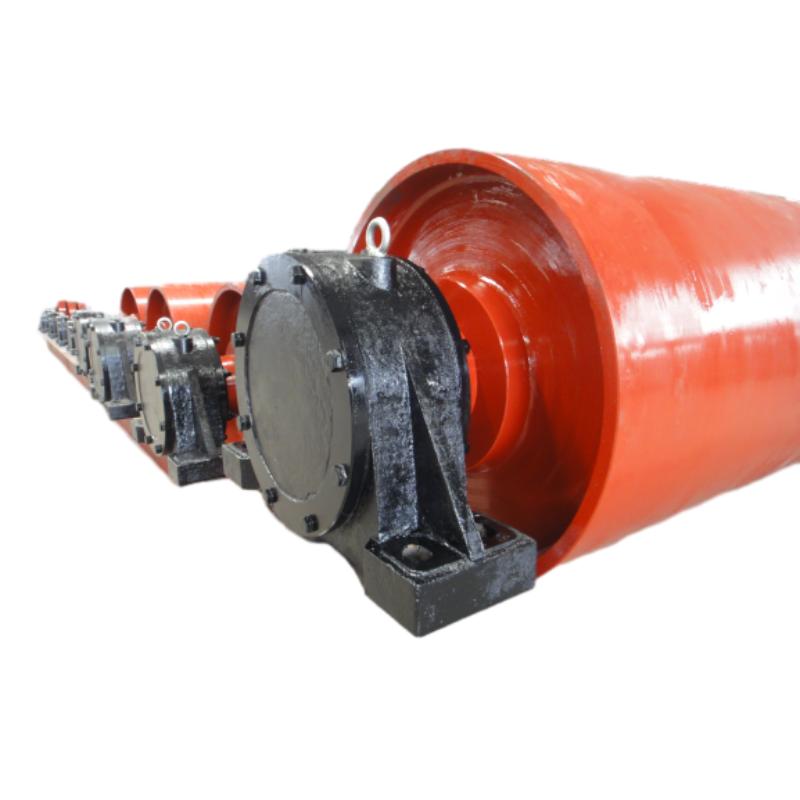
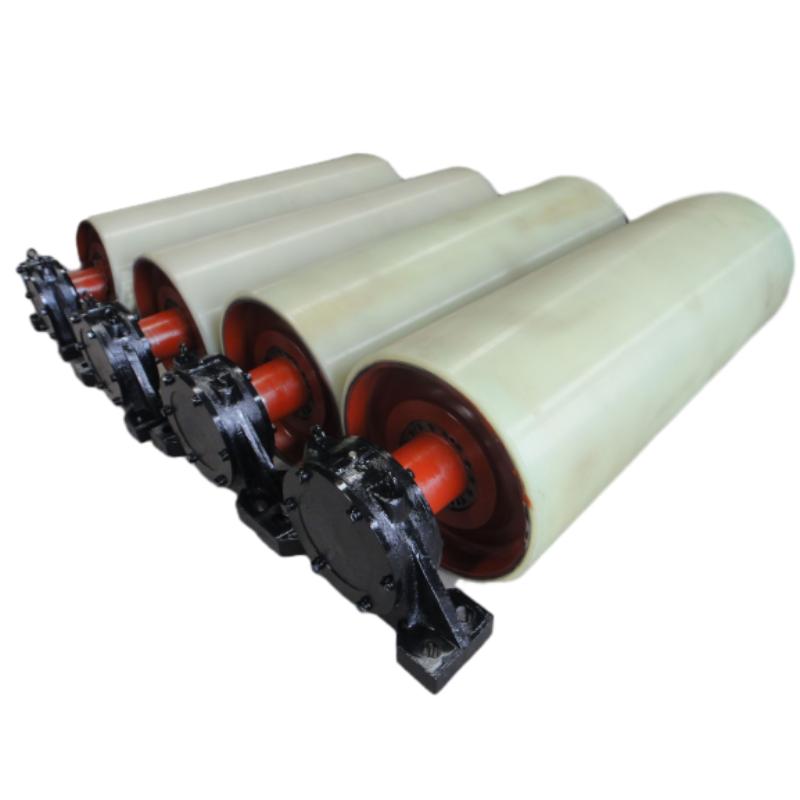
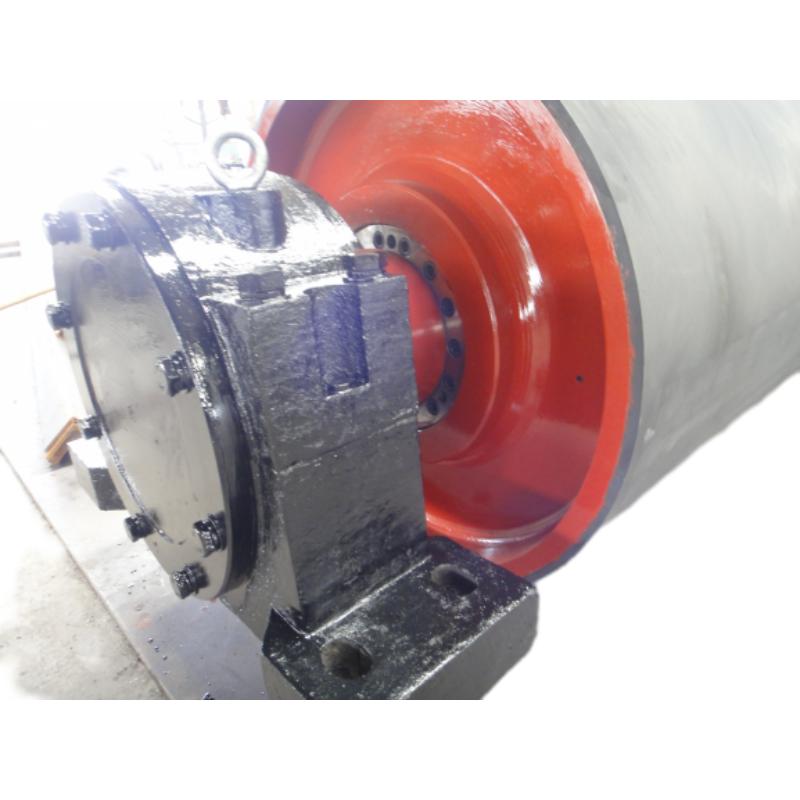
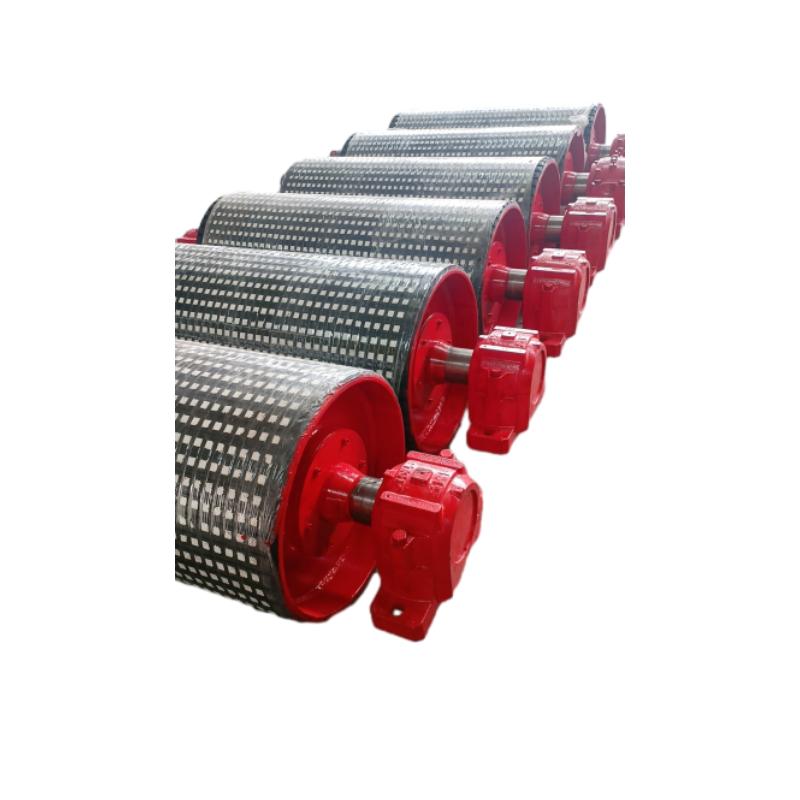
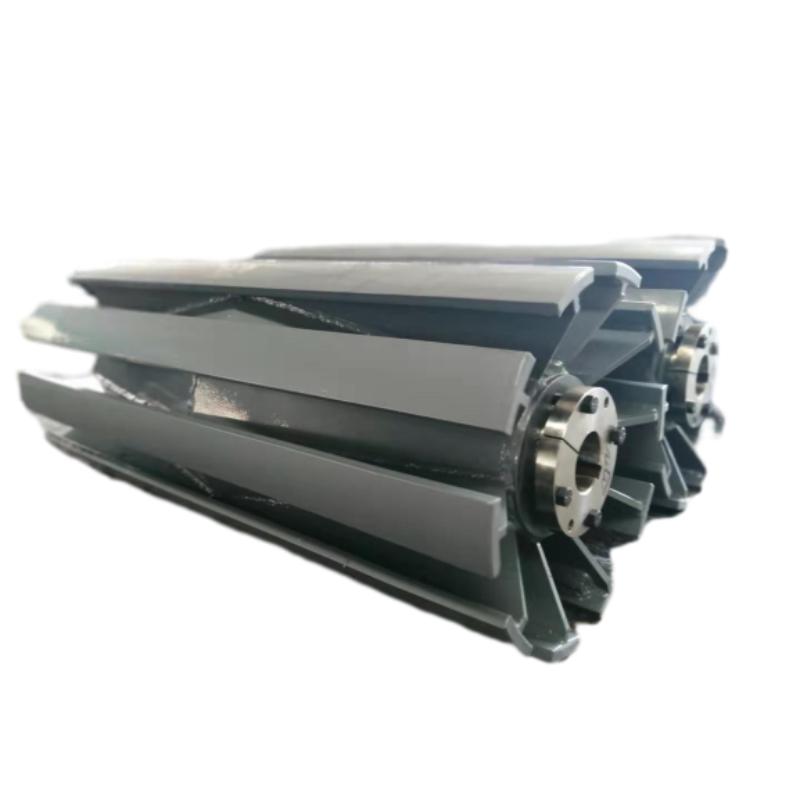
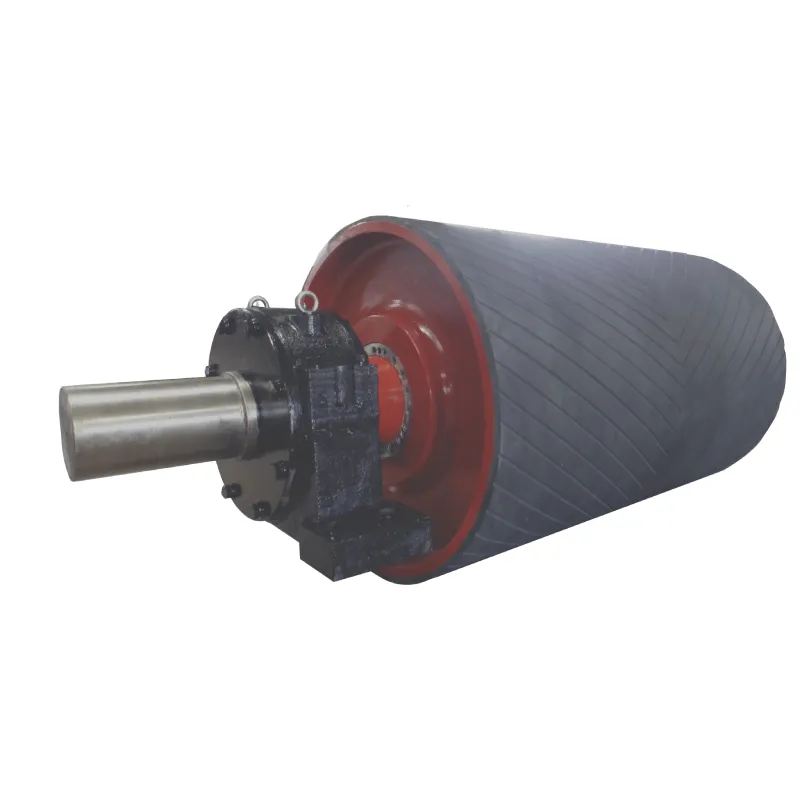
Let's examine each component of a conveyor system in more detail. The frame, typically constructed from steel or aluminum, provides the necessary structural support. The carrying surface comes in various forms, including belts (rubber, PVC, or modular plastic), rollers (powered or unpowered), and chains. The drive system, comprising a motor, gearbox, and couplings, transmits power to move the carrying surface. Finally, the control system, which can range from simple on/off switches to sophisticated programmable logic controllers (PLCs), manages the system's speed, direction, and safety features. Selecting the appropriate materials and configurations for each component is critical for optimal performance and longevity.
Idlers and Rollers: Supporting the Load
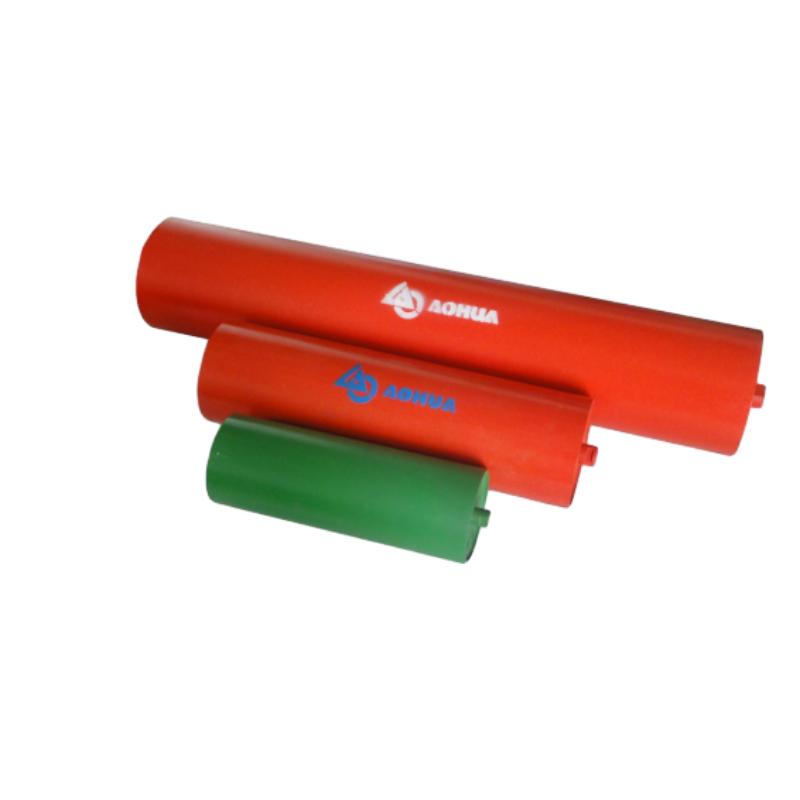
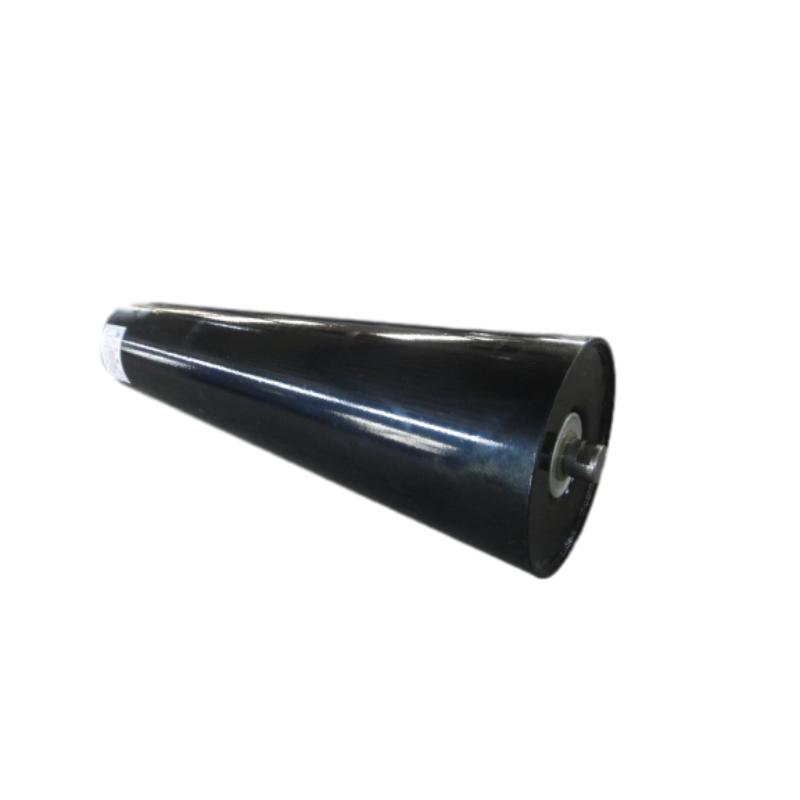
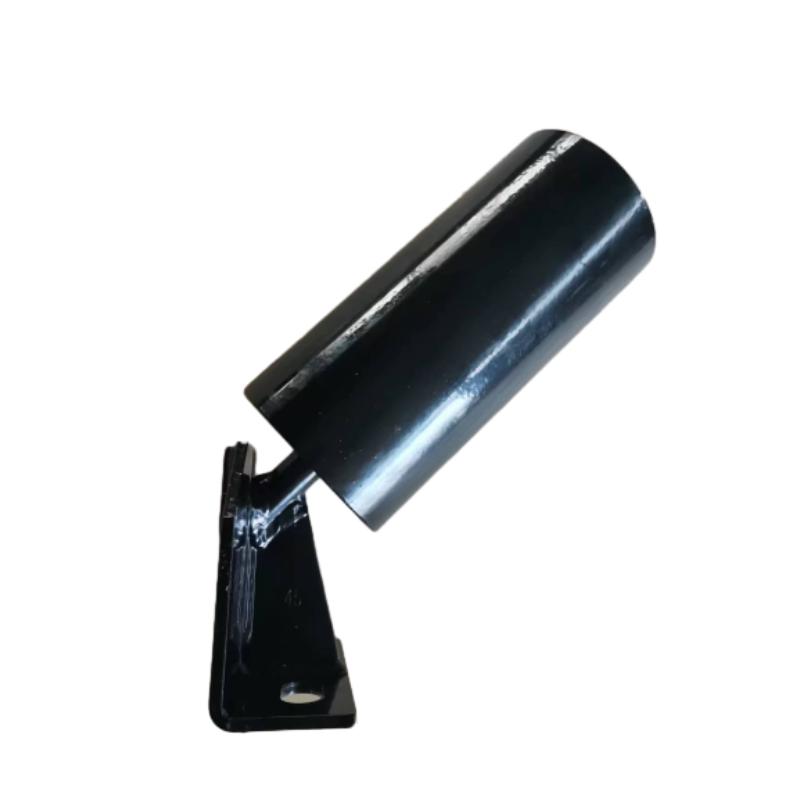
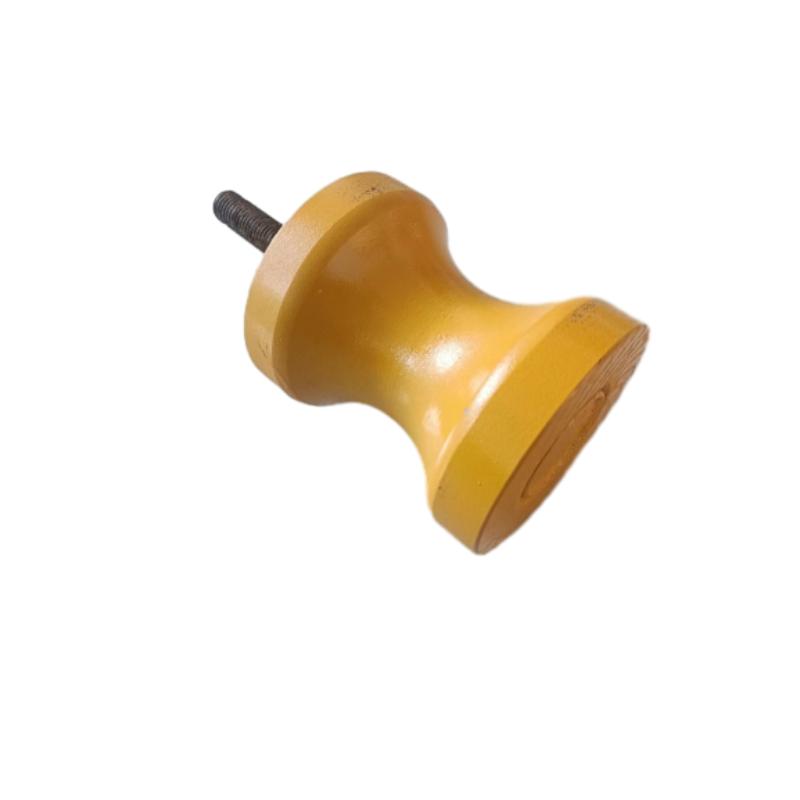
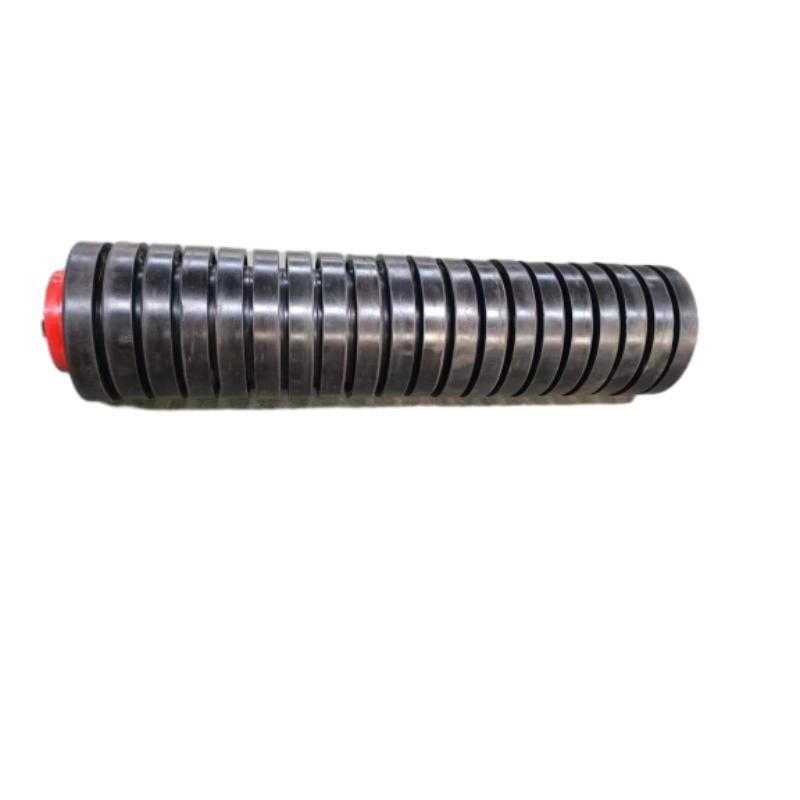
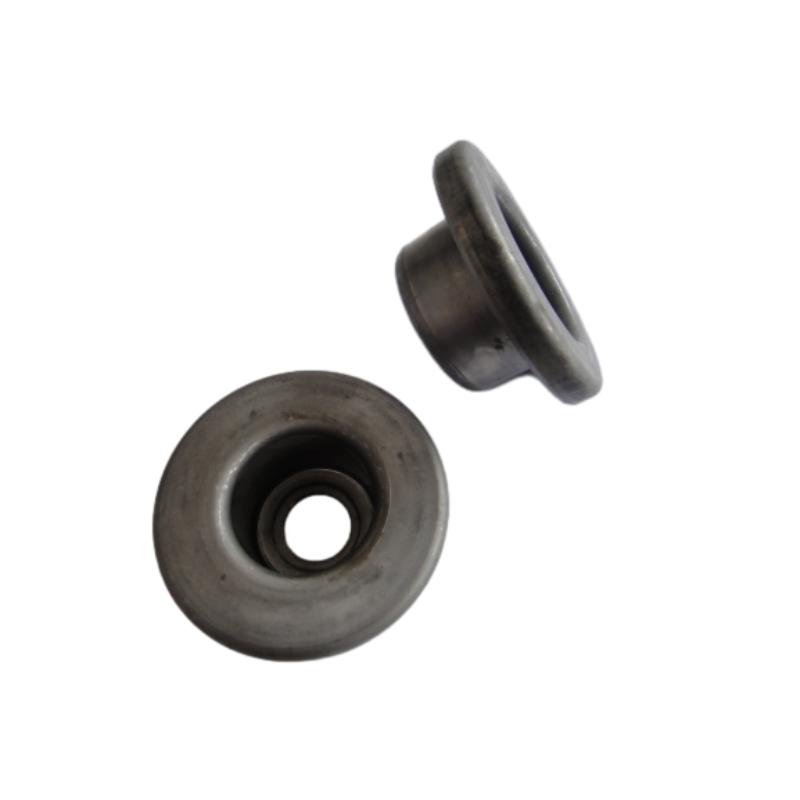
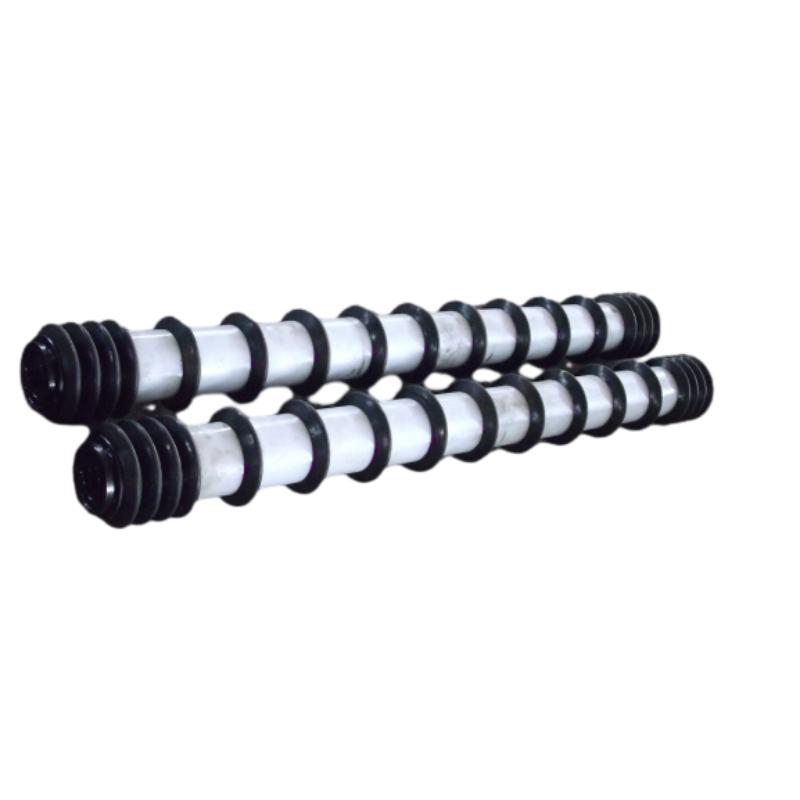
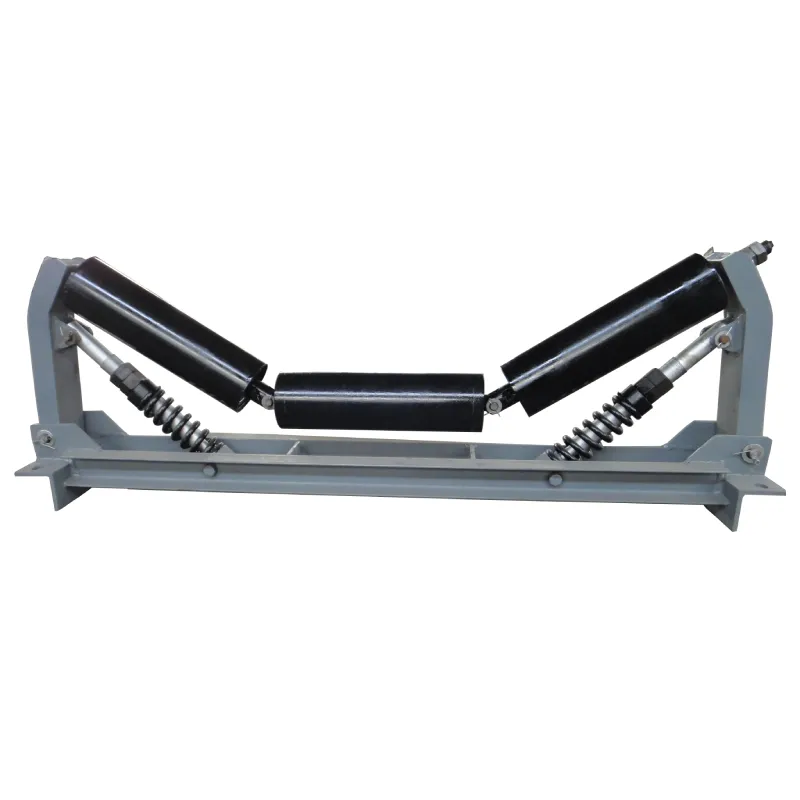
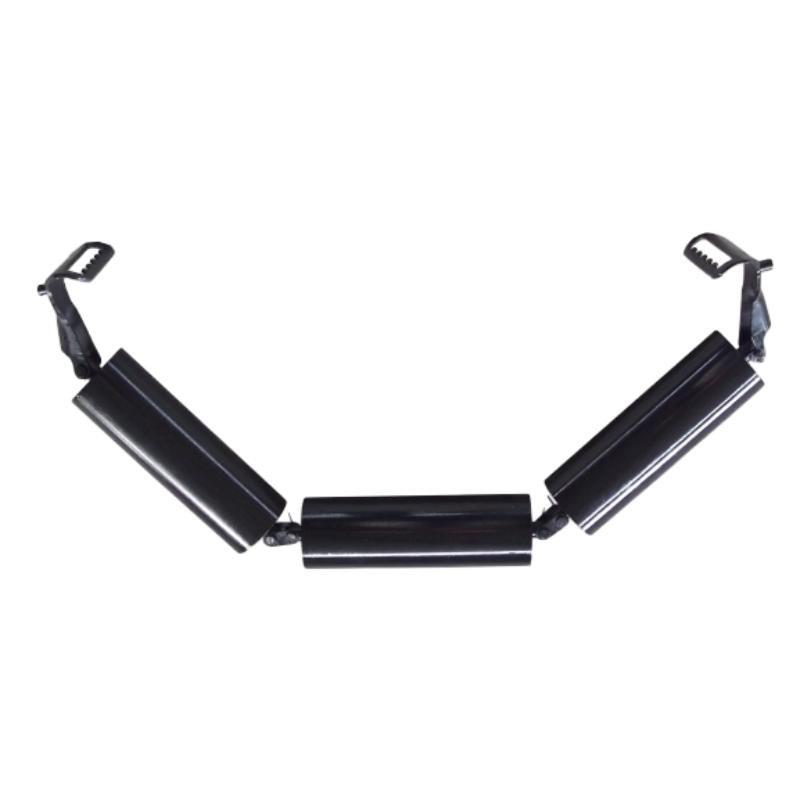
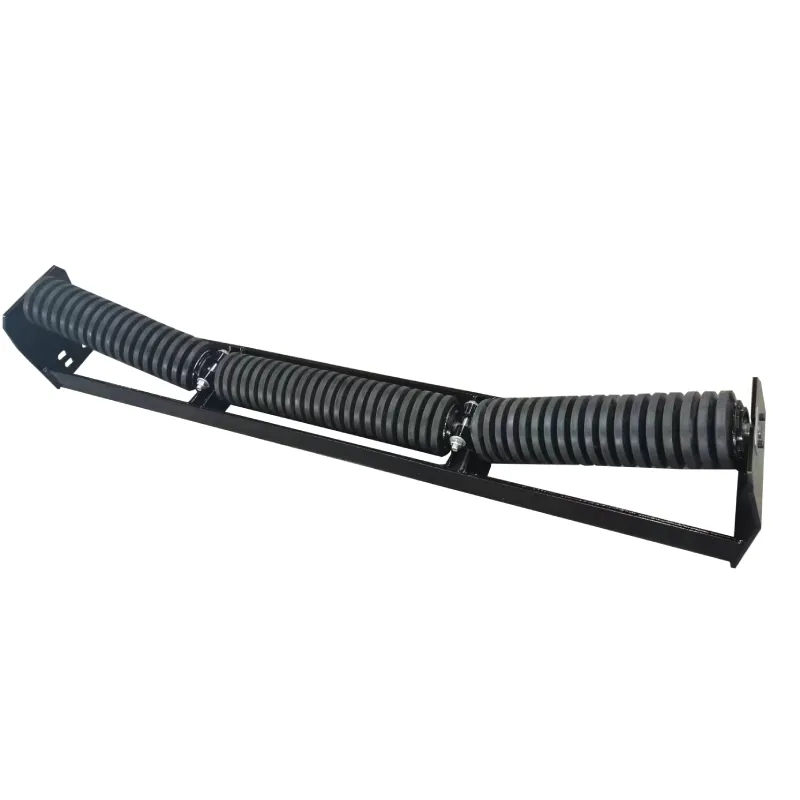
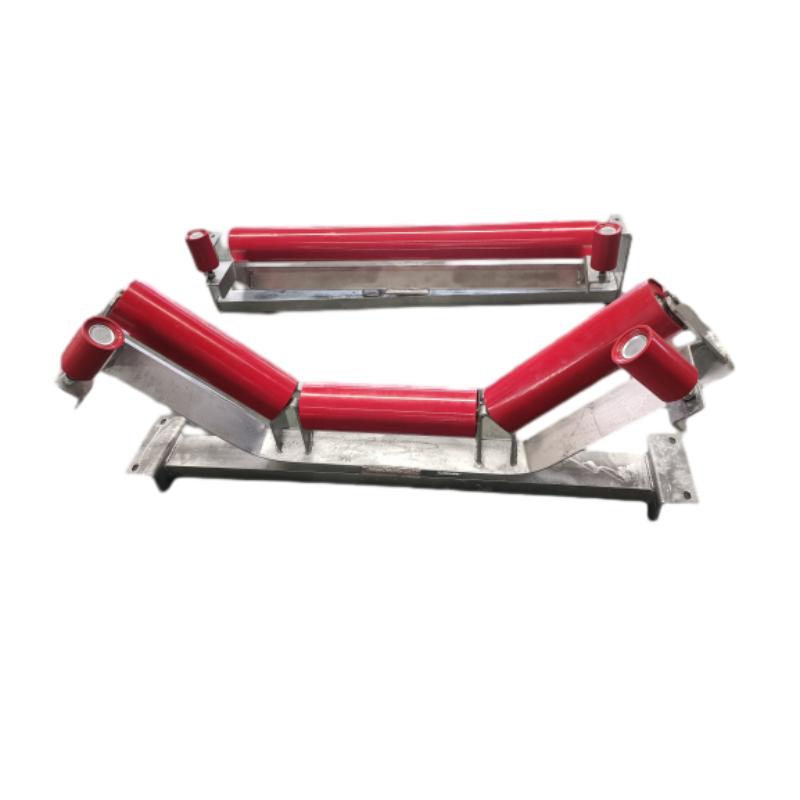
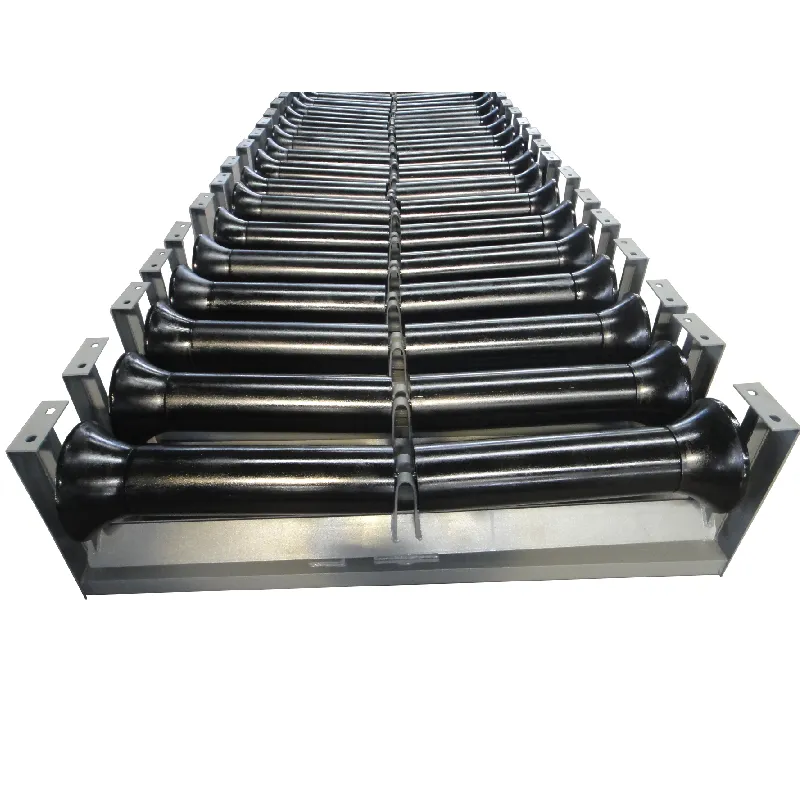
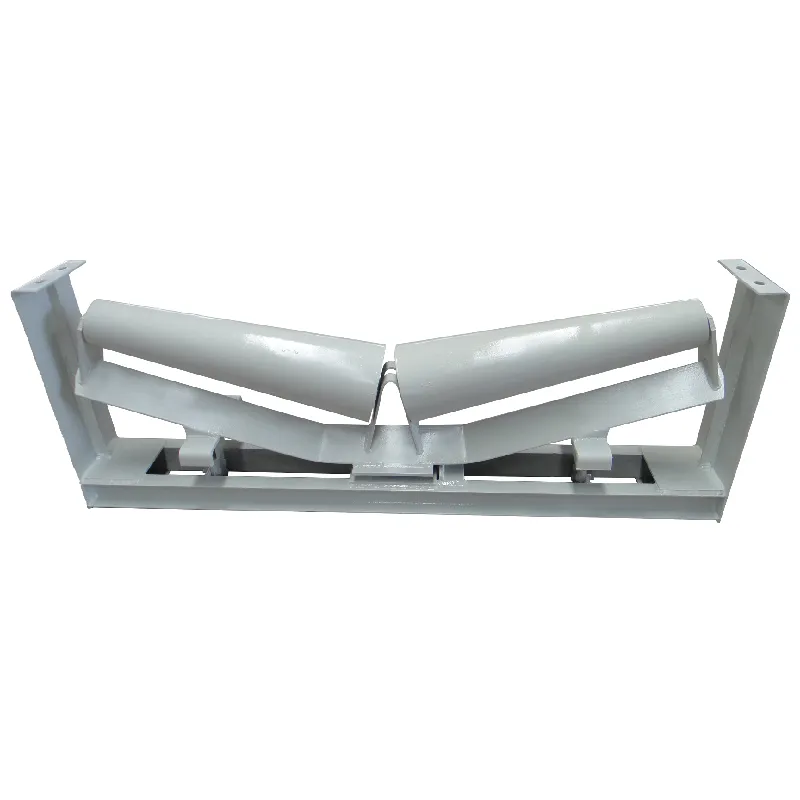
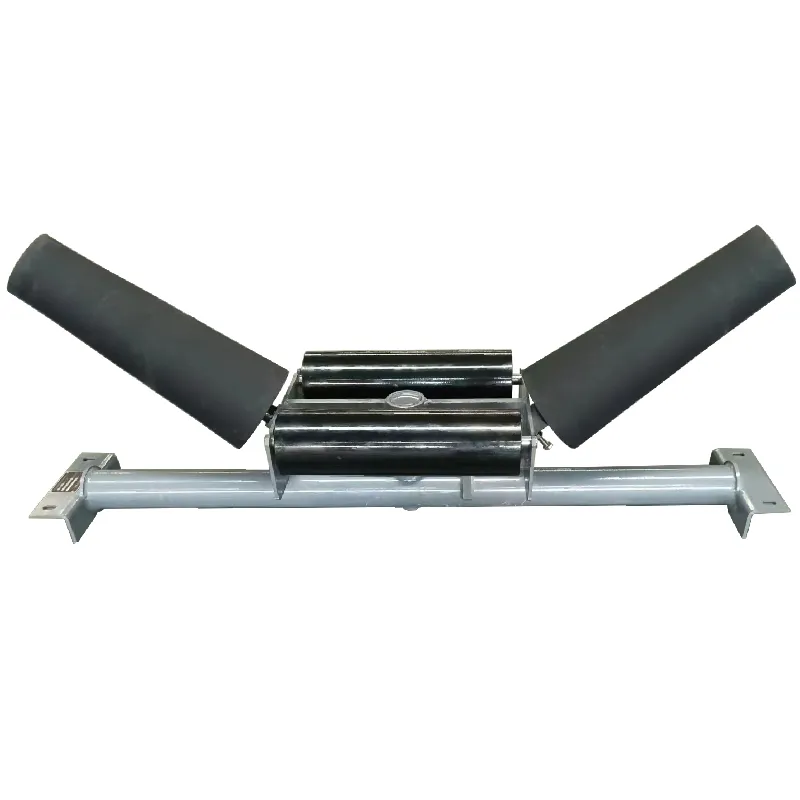
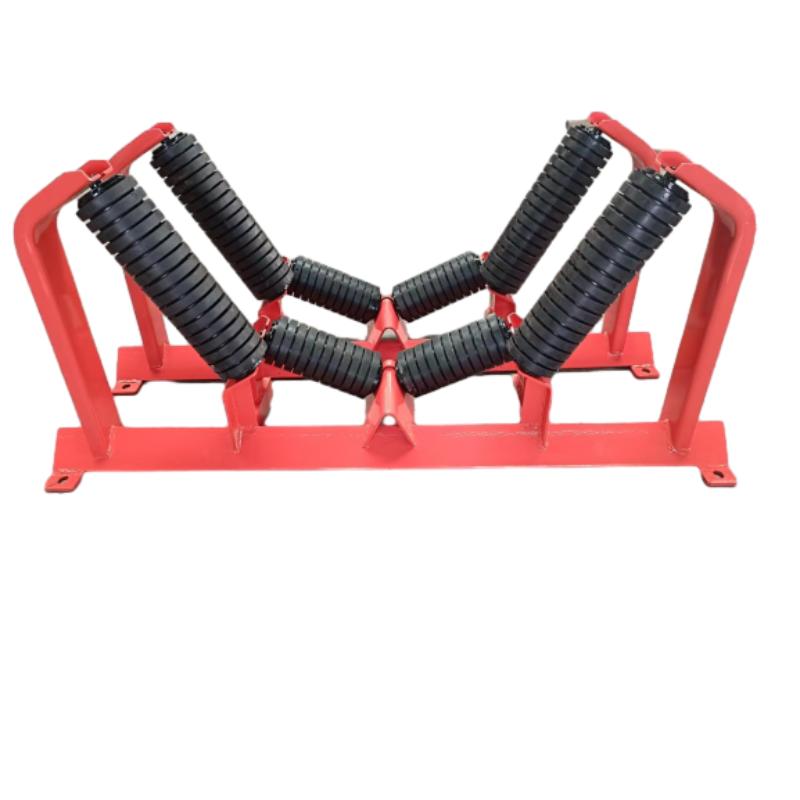
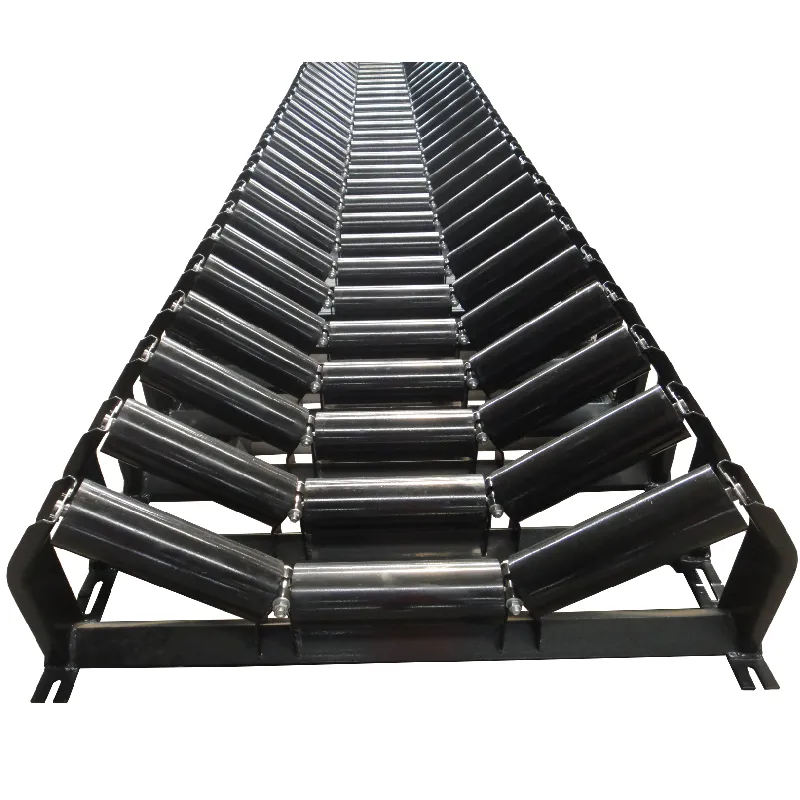
Idlers and rollers are crucial supporting elements within a conveyor system, particularly belt conveyors. They reduce friction and support the weight of the conveyed material. Idlers are typically unpowered rollers, while carry idlers specifically support the loaded section of the belt. Return idlers support the empty returning section. Idlers come in various designs – tapered, flat, or crowned – to suit different belt and material characteristics. The quality and proper alignment of idlers are critical to minimizing belt wear and preventing material spillage.
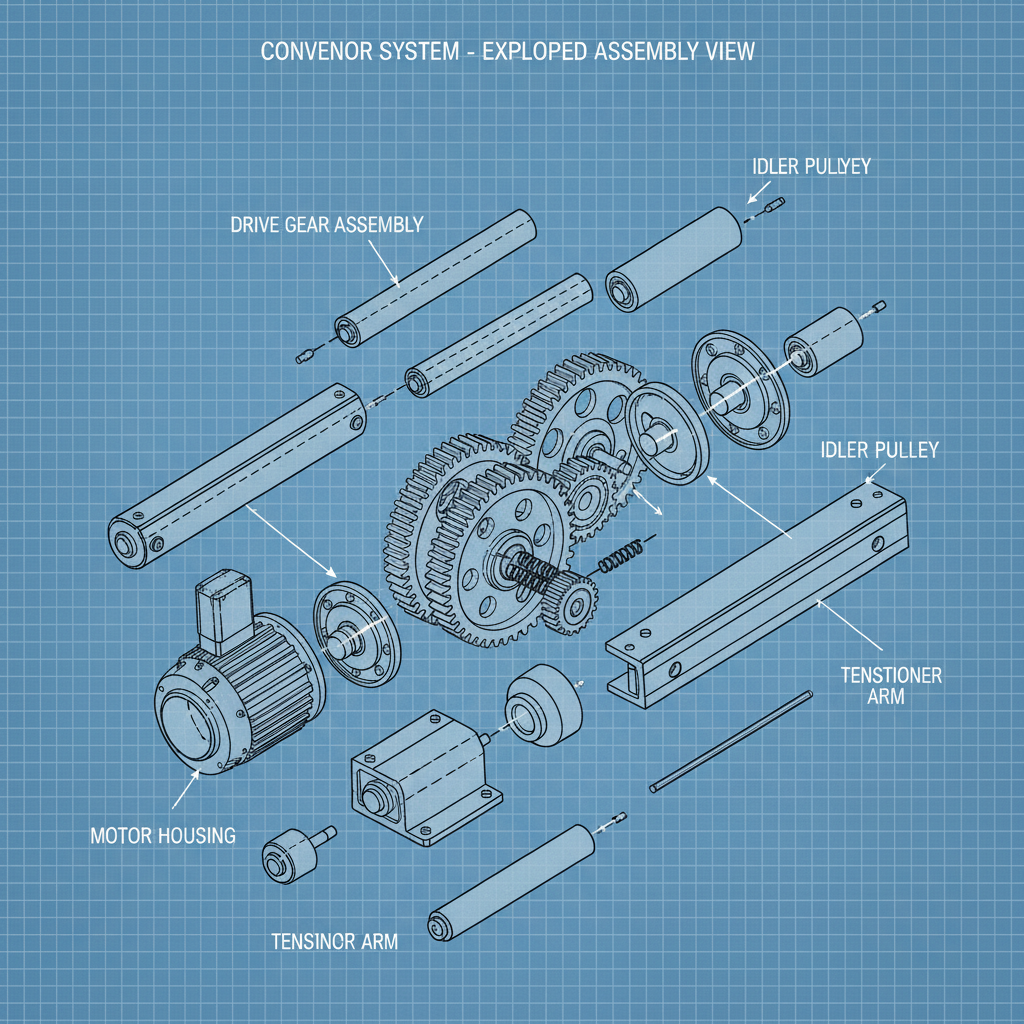
Comparing Belt, Roller, and Chain Conveyors
Different types of conveyors utilize different carrying surfaces, each suited for specific applications. Belt conveyors are versatile and can handle a wide range of materials, including bulk solids, packages, and boxes. Roller conveyors are ideal for handling individual items with flat bottoms, like cartons and pallets. Chain conveyors excel at handling heavy loads and operating in harsh environments. Here’s a comparison table:
Safety Components and Considerations
Safety is paramount in conveyor system design. Essential safety components include emergency stop buttons, guards to prevent access to moving parts, and sensors to detect obstructions. Regular inspection and maintenance of these components are crucial. Adhering to relevant safety standards, such as those set by OSHA, is also vital. Proper training for operators and maintenance personnel is equally important to ensure safe and efficient operation. Remember that preventing accidents is far more cost-effective than dealing with their consequences.
Conclusion: Building Effective Conveyor Systems
Understanding the components of a conveyor system is the first step toward building an efficient and safe material handling solution. From the structural frame to the intricate control systems, each element plays a vital role. By carefully considering your specific needs and selecting high-quality components, you can optimize your operations and maximize your return on investment. Idlerao Hua provides a comprehensive range of conveyor components and expertise to help you create the perfect system for your application.
Frequently Asked Questions (FAQs)
What is the typical lifespan of a conveyor belt?
The lifespan of a conveyor belt varies significantly based on factors like material type, load weight, operating conditions, and maintenance practices. Generally, a conveyor belt can last between 2 to 5 years with proper care. However, belts handling abrasive materials or operating in extreme temperatures may require more frequent replacement. Regular inspection for wear, cracks, and splices is crucial. Promptly addressing minor issues can significantly extend the belt's overall lifespan. Selecting the appropriate belt material for your specific application is also key to maximizing longevity.
How often should conveyor idlers be inspected?
Conveyor idlers should be inspected regularly, ideally as part of a scheduled preventative maintenance program. A visual inspection should be conducted at least monthly, focusing on bearing condition, alignment, and damage. Listen for unusual noises indicating bearing failure. Damaged or misaligned idlers can significantly increase belt wear and reduce system efficiency. Idlerao Hua recommends a thorough inspection every six months, including lubrication of bearings and replacement of worn components.
What factors influence the choice of a conveyor drive system?
Several factors determine the best conveyor drive system, including the load weight, conveyor speed, distance, and operating environment. Motor horsepower must be appropriately sized to handle the load without overheating. Gearboxes are used to reduce speed and increase torque, ensuring smooth and efficient operation. The type of coupling (direct, flexible, or fluid) affects torque transmission and vibration dampening. Consider energy efficiency and maintenance requirements when selecting a drive system. Idlerao Hua can assist in selecting the optimal drive system for your specific application.
How can I improve the energy efficiency of my conveyor system?
Improving energy efficiency involves several strategies. Ensure proper belt alignment and tension to minimize friction. Use variable frequency drives (VFDs) to adjust motor speed based on demand. Regularly lubricate bearings and idlers to reduce resistance. Optimize the conveyor layout to minimize travel distance. Consider using energy-efficient motors and gearboxes. Implementing a preventative maintenance program can also identify and address energy-wasting issues promptly. Conduct an energy audit to pinpoint areas for improvement.
-
Maximize Conveyor Life with a High Performance impact bedNewsApr.16,2026
-
Maximize Conveyor Efficiency Using a v plow belt scraperNewsApr.09,2026
-
Comprehensive Guide to Understanding Different Types of Belt CleanersNewsApr.07,2026
-
Enhancing Conveyor Efficiency with an Effective Scraper Belt CleanerNewsApr.04,2026
-
Optimizing Conveyor Systems with Advanced Cleaning Equipment SolutionsNewsMar.31,2026
-
Effective Conveyor Belt Scraper Adjustment for Optimal System PerformanceNewsMar.28,2026