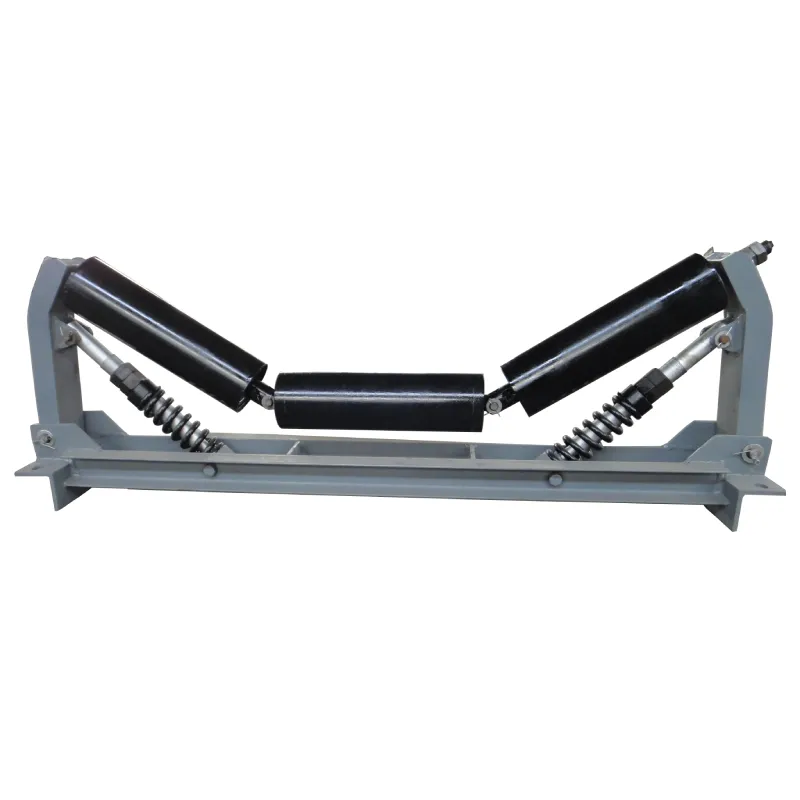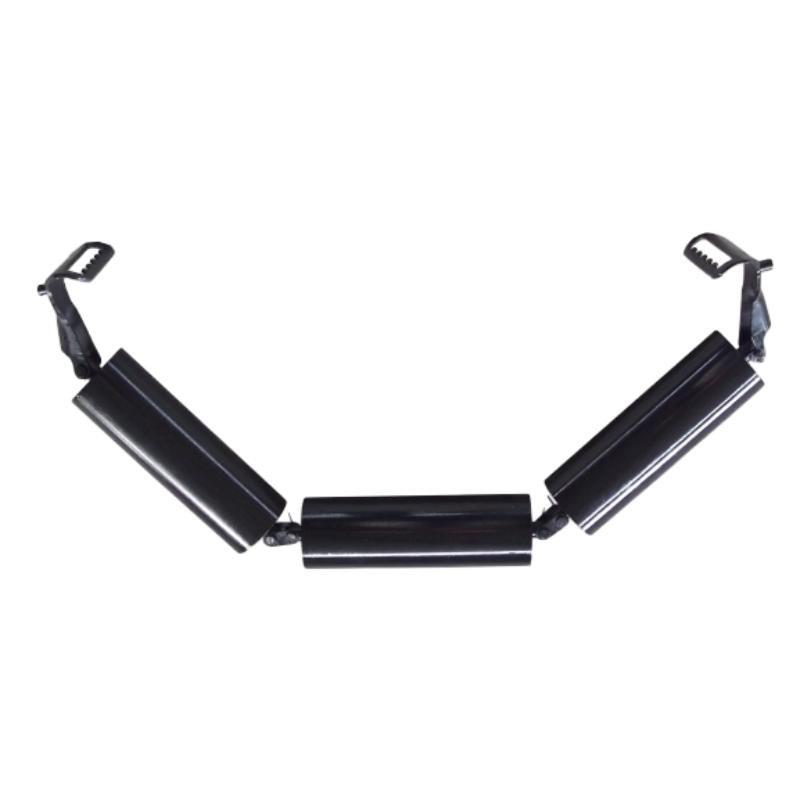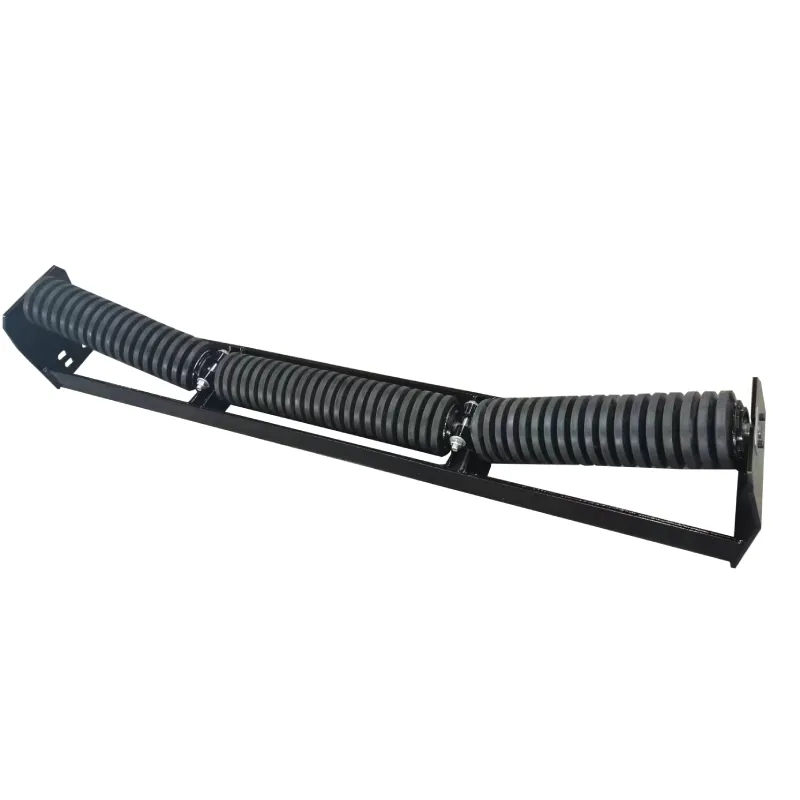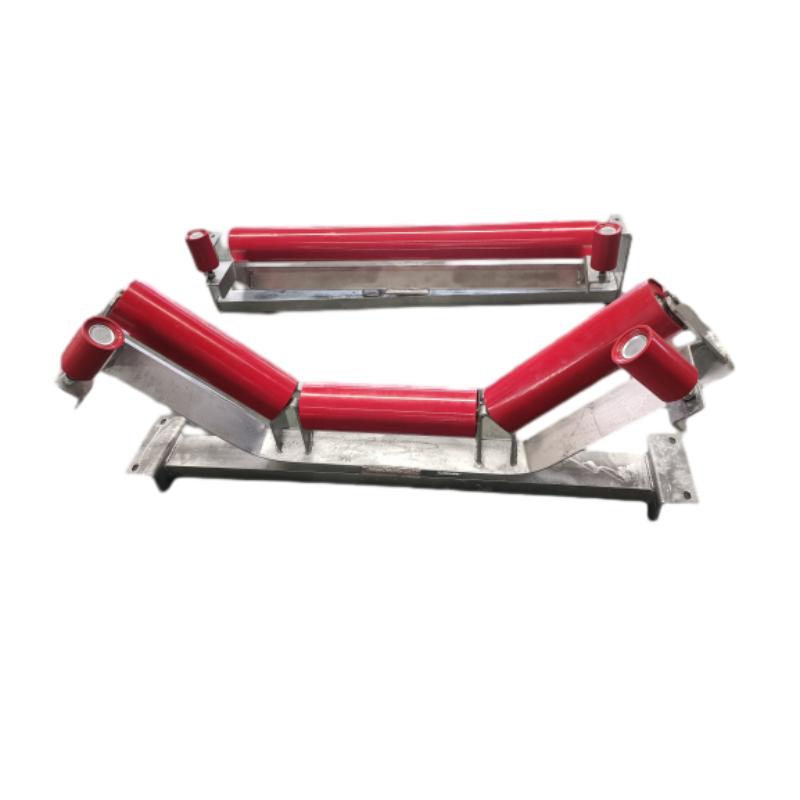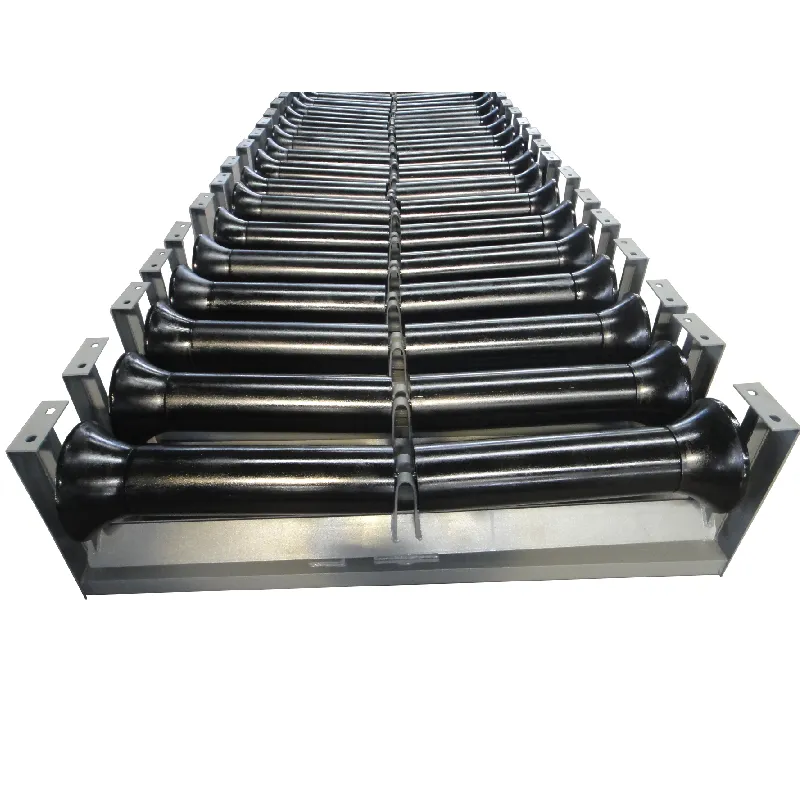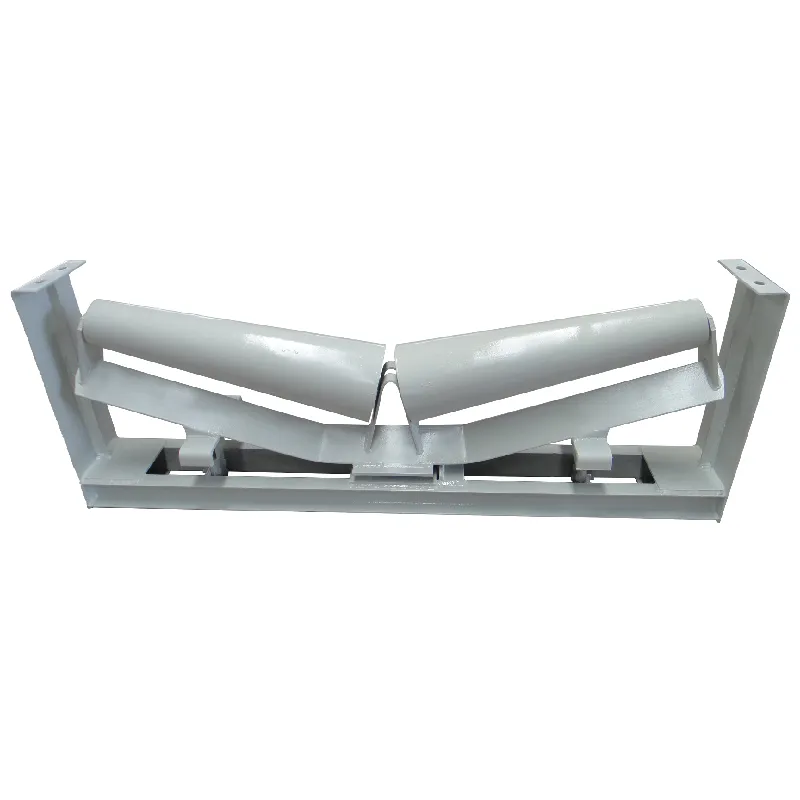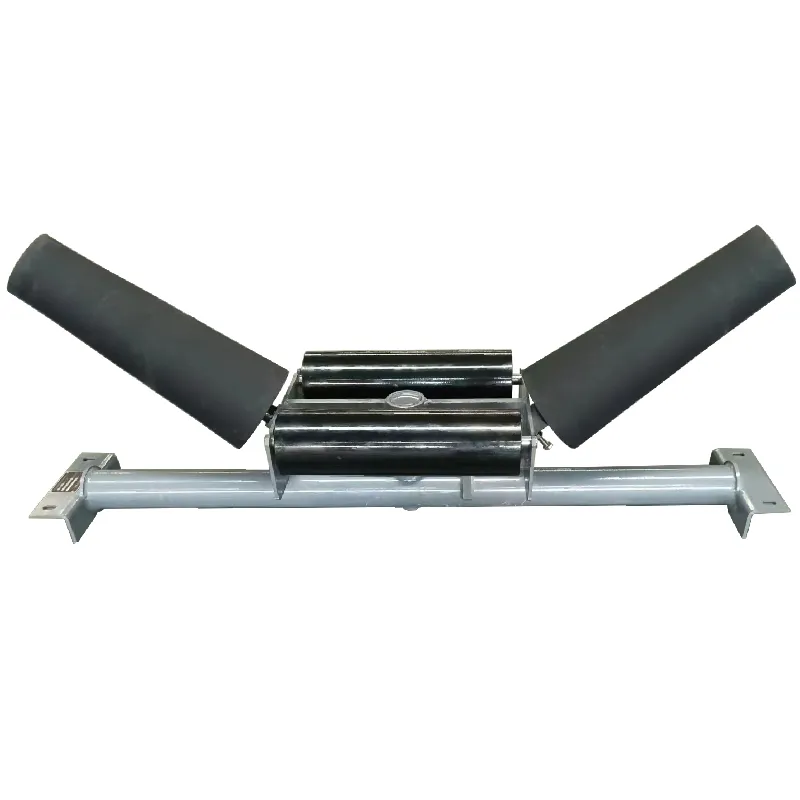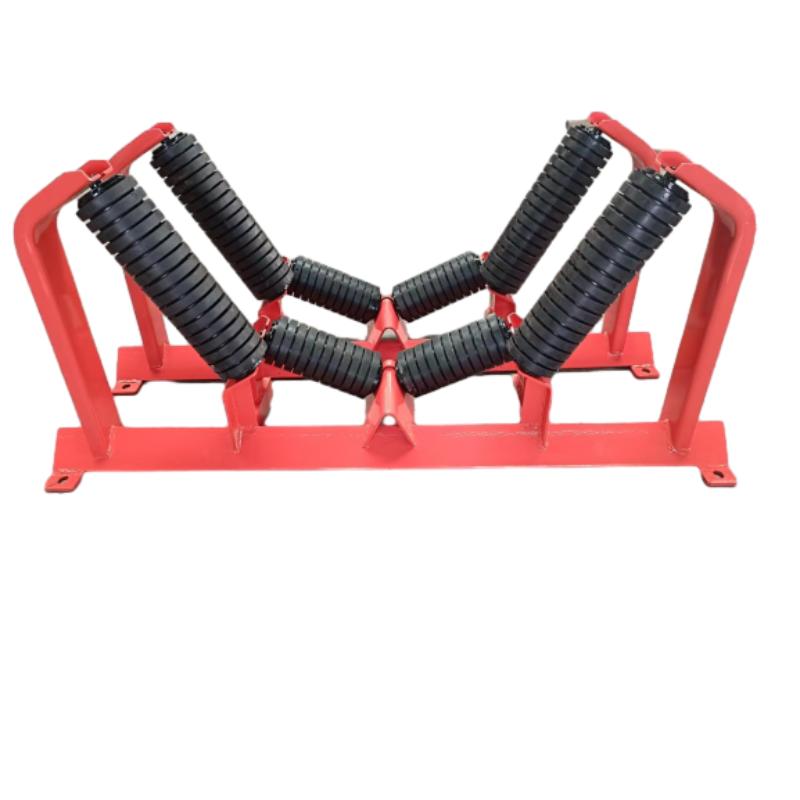


High-Quality Idler Bearing Housing for Durable Conveyor Systems
Idler Bearing Housing: The Unsung Hero of Conveyor Systems
Working in the industrial equipment sector for well over a decade, I’ve seen plenty of components that look simple but actually hold the whole system together. The idler bearing housing is one of those parts. It might not get the spotlight like a heavy-duty motor or a high-tech sensor, but if it isn’t right, the entire conveyor line can falter—sometimes in the worst possible way.
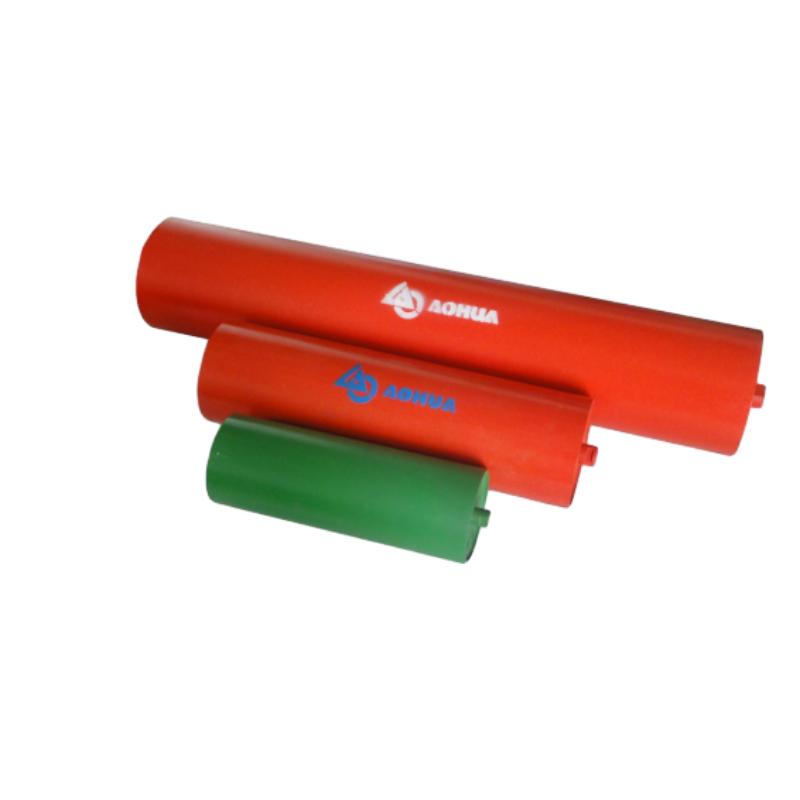
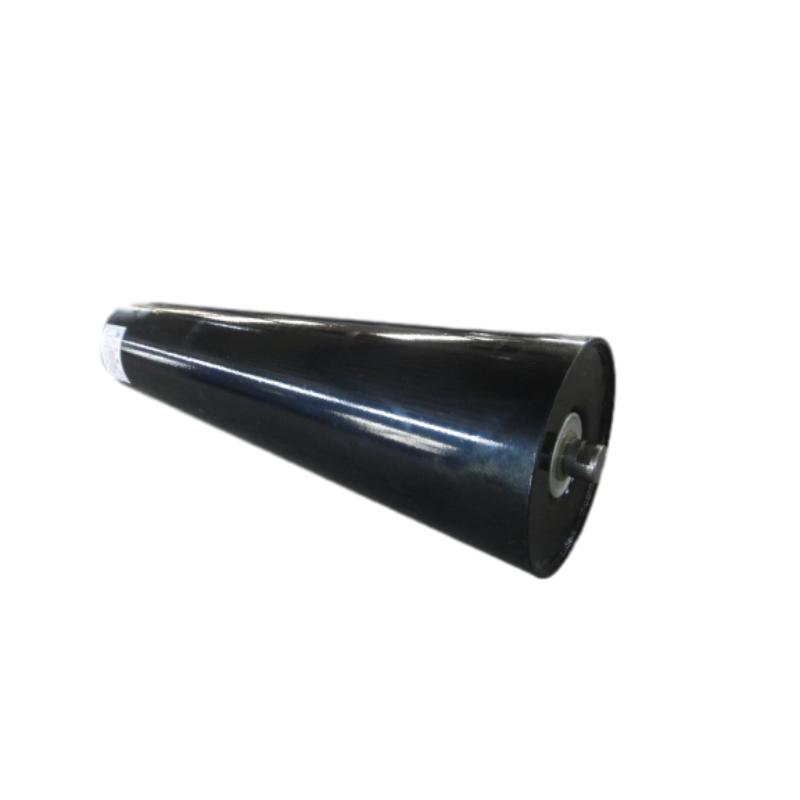
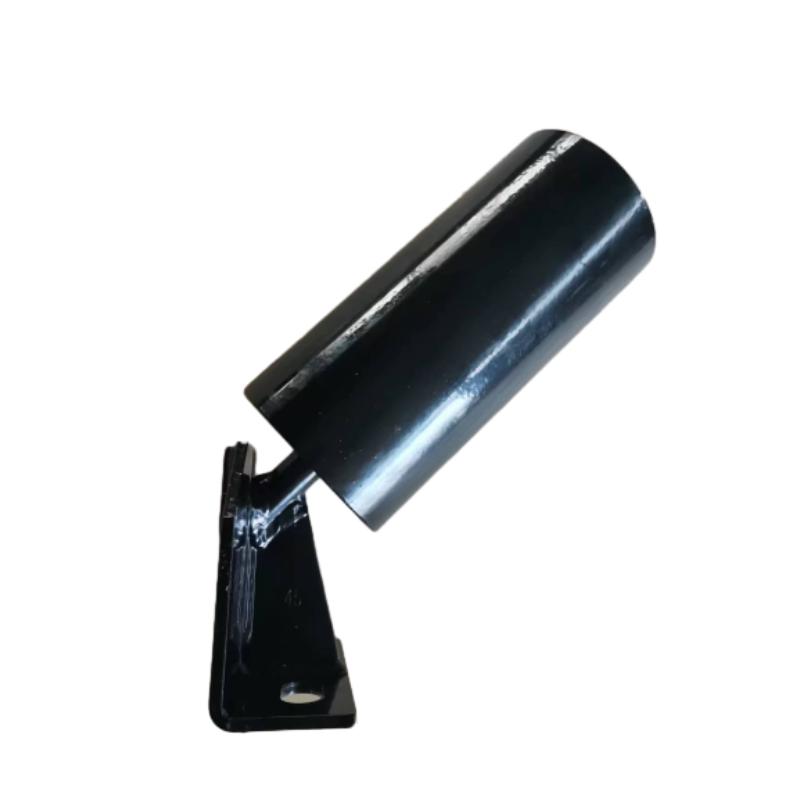
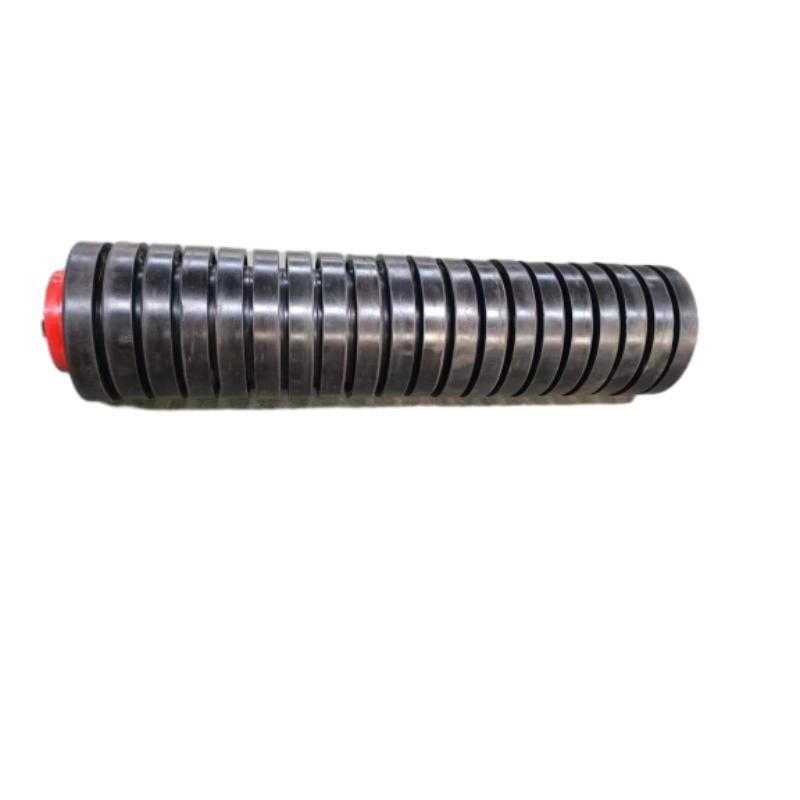
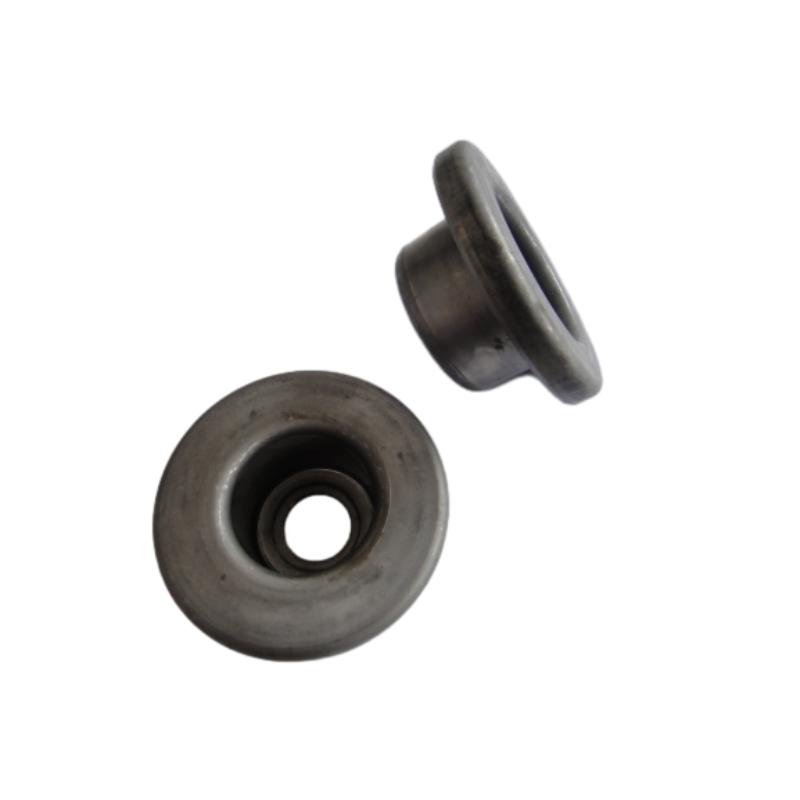
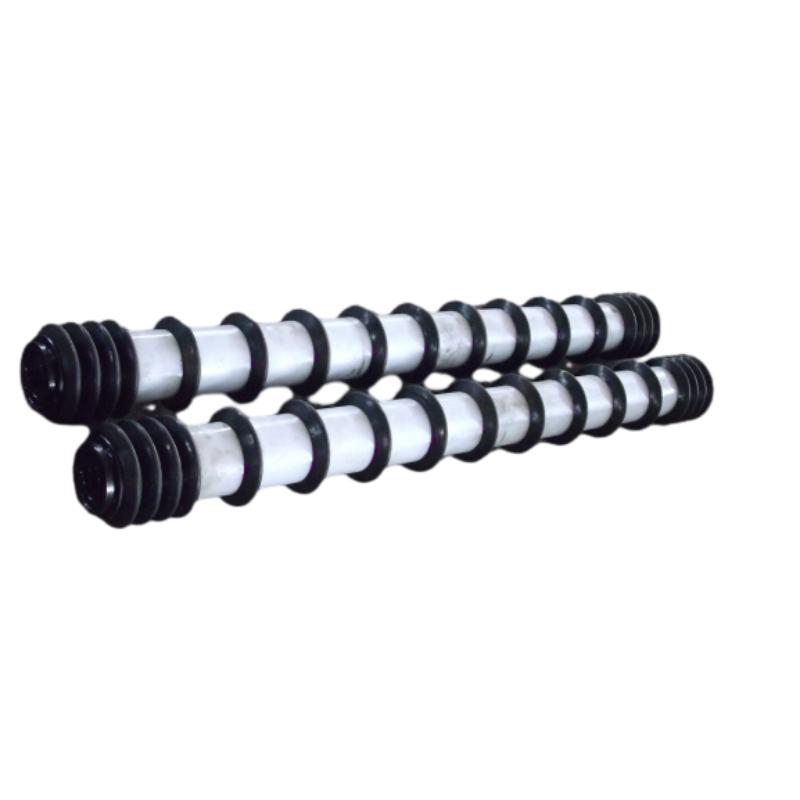
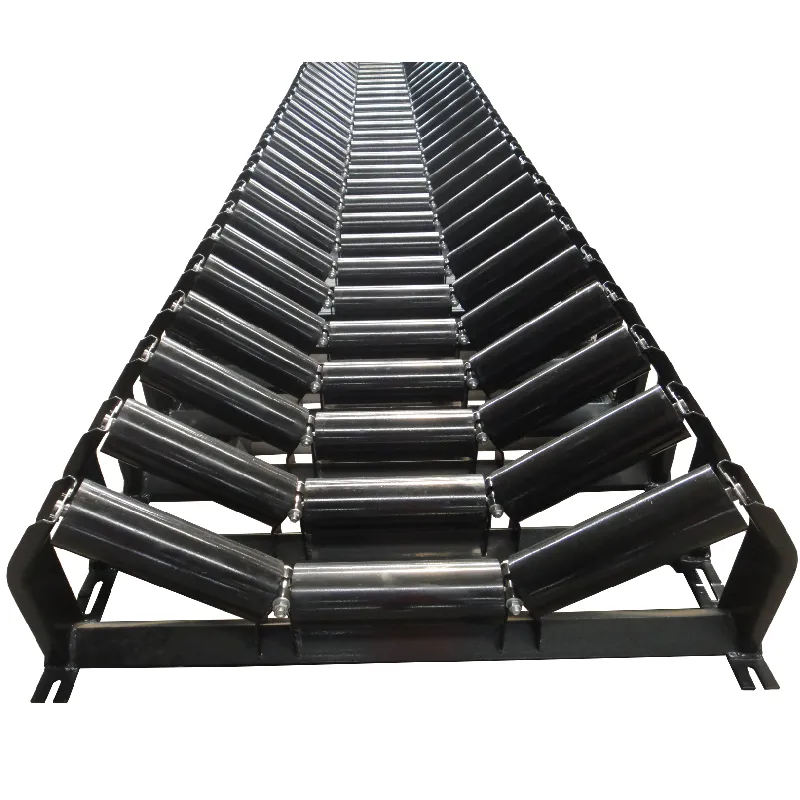
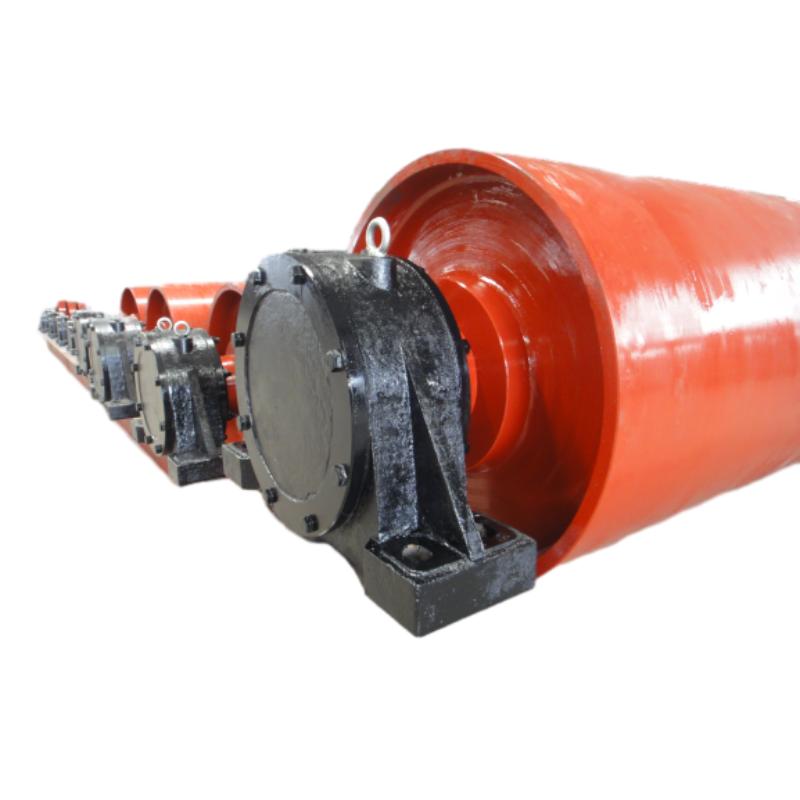
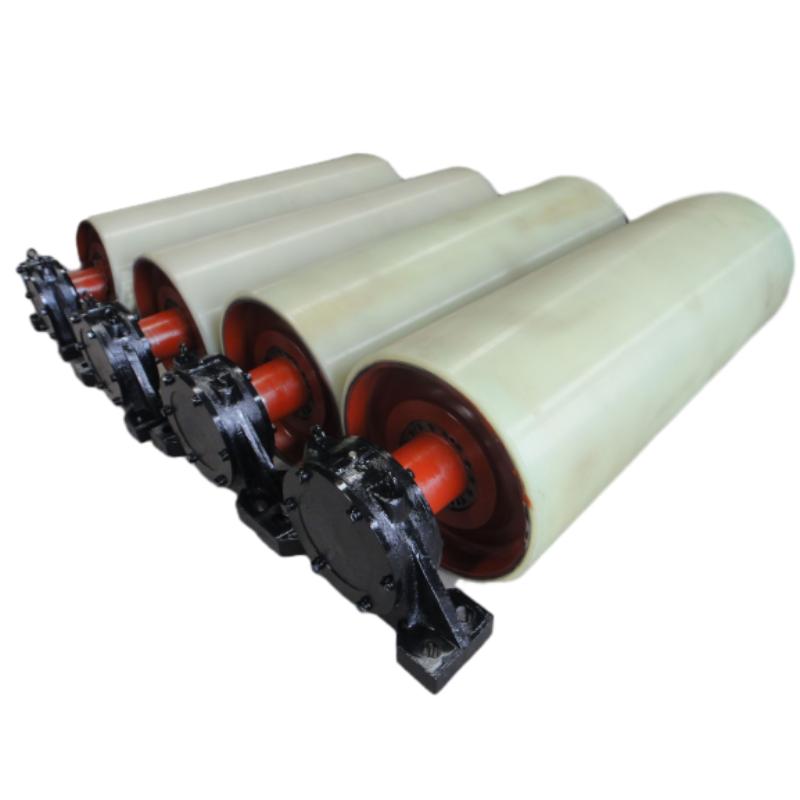
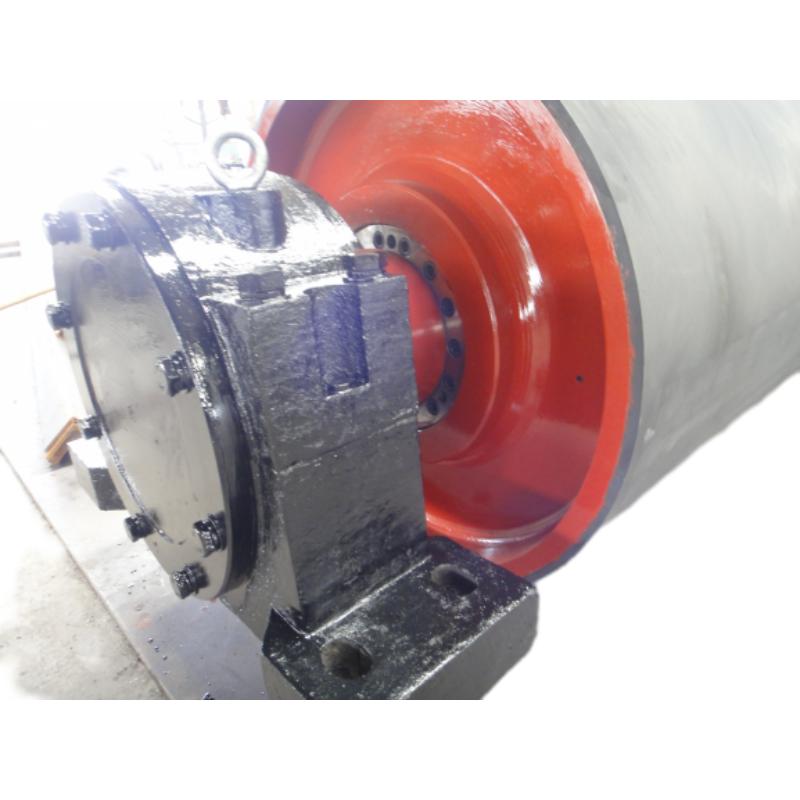
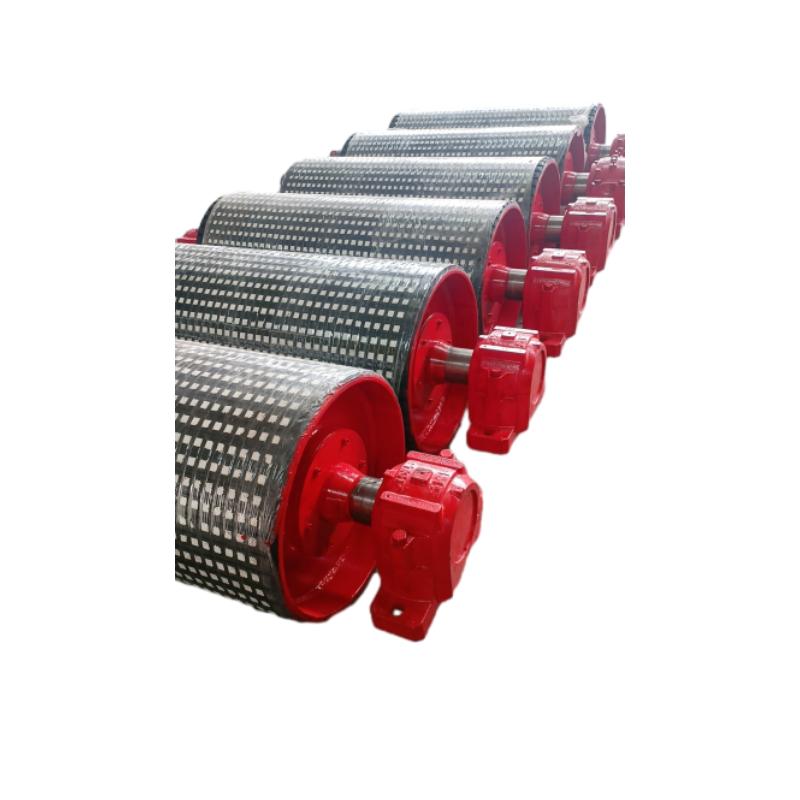
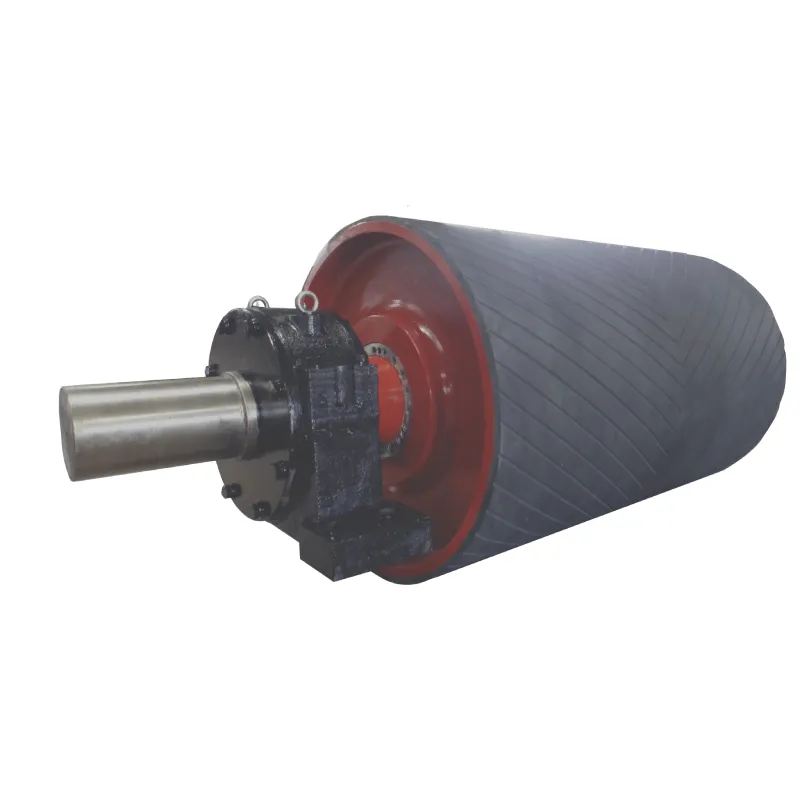
In real terms, an idler bearing housing is the protective casing that holds the bearing supporting the idler roller — one of the conveyor’s most crucial components, especially in bulk handling or mining operations. Frankly, these housings do more than shrink-wrap a bearing; they ensure durability, ease of maintenance, and compatibility with harsh environments.
One thing I’ve come to appreciate about high-quality housings is the material choice. Most are made from cast iron or sheet metal, but the finish and coating make all the difference. For example, corrosion resistance isn’t just a selling point; it’s crucial if you’re operating in humid or abrasive conditions. Some manufacturers even enhance their housings with wear-resistant coatings — which might sound like overkill, but it definitely extends the service life.
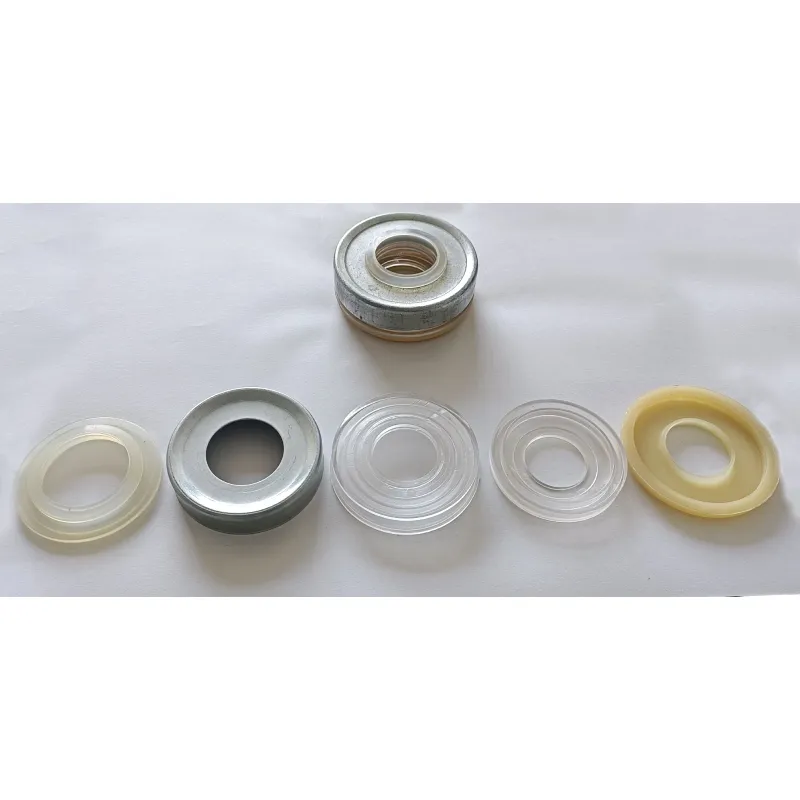
Speaking of manufacturers and standards, testing protocols are often overlooked but are vital. Most housings are subjected to rigorous mechanical integrity tests and sealing examinations to ensure dust and water don’t sneak in where they shouldn’t. Many engineers I’ve met swear by housing units that meet ISO and ASTM standards as a baseline for reliability.
Here’s a quick spec sheet I compiled from a few of the popular idler bearing housing models I’ve worked with:
| Specification | Typical Range | Notes |
|---|---|---|
| Material | Cast Iron / Steel | Depends on environment & load |
| Bearing Size | 6204 to 6311 series | Standardized metric sizes |
| Sealing Type | Double Lip Seals | Enhances dust & water resistance |
| Operating Temp | -40°C to 120°C | Suits most industrial environments |
| Mount Type | Fixed or Bolt-on | Depends on conveyor design |
Now, not all idler bearing housing suppliers are created equal. When I recommend vendors, I consider several factors — not just price. You want quality materials, solid manufacturing tolerances, and responsive customer service, which deserves a table of its own:
| Vendor | Material Quality | Customization | Price Range | Lead Time | Customer Support |
|---|---|---|---|---|---|
| IdlerAohua | High-grade cast iron with corrosion coating | Tailored sizes & seal types | Mid-range | 2-4 weeks | Excellent, proactive |
| Generic Supplier Co. | Cast steel | Limited | Low-end | 4-6 weeks | Basic |
| IndustrialParts Asia | Medium-grade iron | Some options available | Mid-range | 3-5 weeks | Good |
Oddly enough, it’s often the smaller details that make the biggest difference. I remember a customer who switched to a housing model with reinforced sealing and noticed downtime cut by nearly half during the first year. Just goes to show: investing in a quality idler bearing housing pays off beyond initial cost savings.
Customization deserves a mention here too. You’ll find suppliers who offer options for bolt patterns, seal configurations, and even special coatings — which can matter a lot if your environment involves extreme dust, moisture, or chemical exposure.
Wrapping it up, though the idler bearing housing may feel like a small cog in a gigantic machine, it’s really the glue that keeps idler rollers rolling smoothly. If you’re specifying conveyor parts, it’s worth looking beyond price tags and checking those specs carefully, because the last thing you want is to revisit a failure two months after installation.
From where I stand, manufacturers who focus on robust design, high-quality materials, and responsive service are the real winners in this niche. And hey, if you get your housing right, you’ll probably thank yourself a few times for it down the line.
Simply put: a good idler bearing housing isn’t just a part — it’s peace of mind for your entire operation.
References:
1. Conveyor Equipment Manufacturers Association, Best Practices in Conveyor Component Selection, 2022.
2. ISO 1132-1:2020, Rolling bearings — Part 1: Boundary dimensions of rolling bearing housings.
3. Personal experience consulting with bulk material handling plants, 2010–2023.
-
Maximize Conveyor Life with a High Performance impact bedNewsApr.16,2026
-
Maximize Conveyor Efficiency Using a v plow belt scraperNewsApr.09,2026
-
Comprehensive Guide to Understanding Different Types of Belt CleanersNewsApr.07,2026
-
Enhancing Conveyor Efficiency with an Effective Scraper Belt CleanerNewsApr.04,2026
-
Optimizing Conveyor Systems with Advanced Cleaning Equipment SolutionsNewsMar.31,2026
-
Effective Conveyor Belt Scraper Adjustment for Optimal System PerformanceNewsMar.28,2026