

Comprehensive Guide to Effective Cleaning of Conveyor Belt Systems
Effective Cleaning of Conveyor Belt: A Comprehensive Guide
Maintaining the cleanliness of your conveyor belt is crucial for operational efficiency, product quality, and longevity. Contaminants like dust, debris, and spilled materials can lead to slippage, product contamination, and premature wear. This article delves into the best practices for cleaning of conveyor belt systems, covering various methods, safety precautions, and preventative measures. Proper cleaning routines will minimize downtime and maximize the return on your investment.
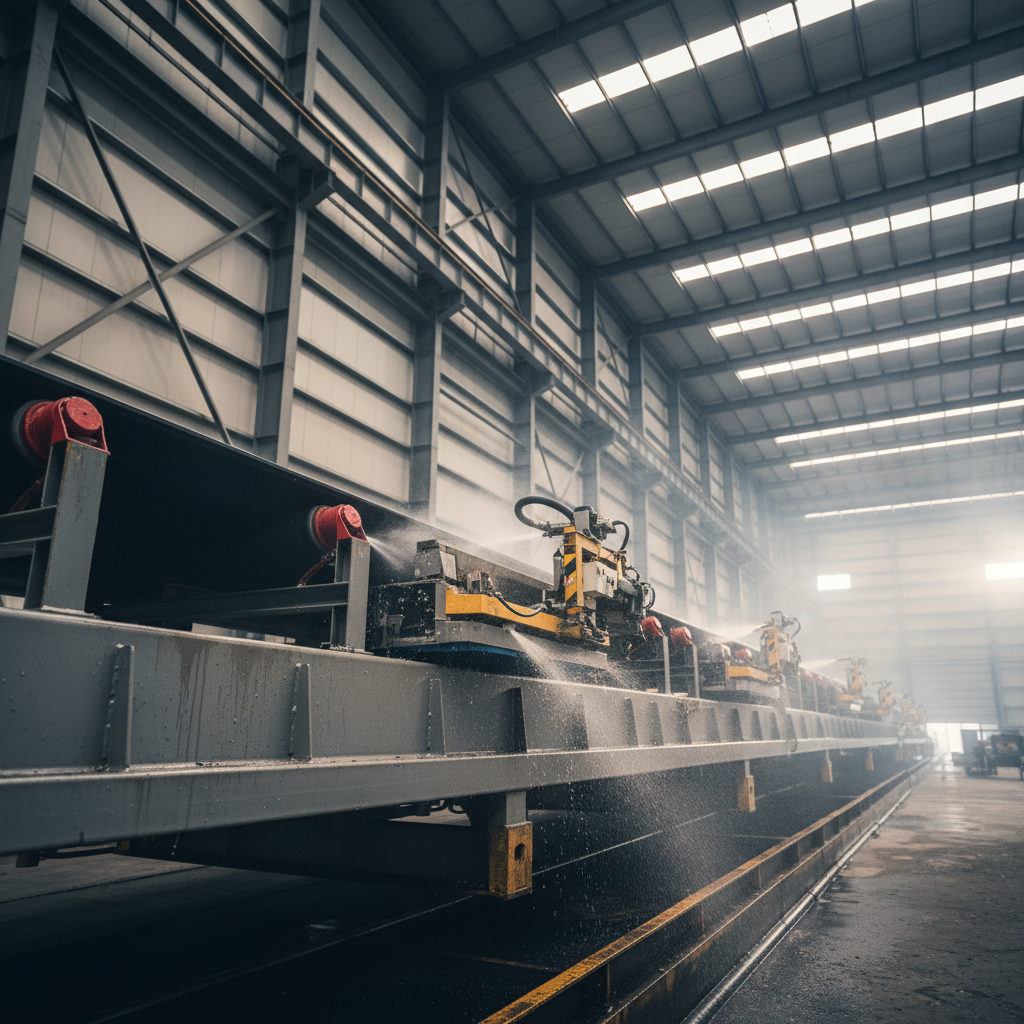
Understanding the Importance of Conveyor Belt Cleaning
A dirty conveyor belt can have a cascading effect on your operations. Accumulated debris can cause inconsistent product flow, leading to jams and downtime. In industries like food processing and pharmaceuticals, contamination is a serious concern, potentially leading to product recalls and reputational damage. Furthermore, abrasive particles can accelerate wear on the belt itself, rollers, and other components, resulting in costly repairs and replacements. Regular cleaning of conveyor belt systems isn't just good maintenance; it's a vital aspect of quality control and cost management.
Key Benefits: Reduced downtime, improved product quality, extended belt life, minimized contamination risks, and increased operational efficiency.
Cleaning Methods for Conveyor Belts
The most effective cleaning method depends on the type of conveyor belt material, the nature of the contaminants, and the industry. Common methods include:
- Brushing: Using rotating brushes to dislodge loose debris. Ideal for dry materials.
- Air Knives: Utilizing compressed air to blow off particles. Effective for lighter dust and debris.
- Vacuuming: Employing industrial vacuums to remove accumulated dust and materials. Good for thorough cleaning.
- Washing: Using water and cleaning solutions to remove sticky or stubborn contaminants. Requires careful consideration of belt material compatibility.
- Scraping: Implementing scrapers to remove buildup as the belt moves. Useful for preventing accumulation.
Selecting the right method, or a combination of methods, is crucial for optimal results. IdlerAohua offers tailored cleaning solutions to suit your specific needs.
Comparing Cleaning Methods: Efficiency and Cost
Each cleaning method has its pros and cons in terms of efficiency, cost, and suitability for different contaminants. Here’s a comparison:
Safety Precautions During Conveyor Belt Cleaning
Safety is paramount during any cleaning operation. Always follow these precautions:
- Lockout/Tagout: Ensure the conveyor is completely de-energized and locked out before beginning any cleaning.
- Personal Protective Equipment (PPE): Wear appropriate PPE, including gloves, safety glasses, and respirators if dust is present.
- Chemical Handling: If using cleaning solutions, follow the manufacturer's instructions and wear appropriate protective gear.
- Water and Electricity: Exercise extreme caution when using water near electrical components.
- Confined Spaces: If cleaning inside enclosed areas, ensure proper ventilation.
Proper training and adherence to safety protocols are essential to prevent accidents and injuries.
Preventative Measures to Reduce Cleaning Frequency
While regular cleaning of conveyor belt systems is necessary, implementing preventative measures can significantly reduce the frequency required. These include:
- Belt Guards: Installing guards to prevent materials from spilling onto the belt.
- Sealed Transfer Points: Enclosing transfer points to minimize dust and debris escape.
- Regular Inspections: Regularly inspecting the belt and surrounding areas for leaks or damage.
- Employee Training: Educating employees on proper material handling procedures.
Proactive measures save time, money, and contribute to a safer working environment.
Conclusion: Maintaining a Clean and Efficient Conveyor System
Effective cleaning of conveyor belt systems is fundamental to operational success. By understanding the various cleaning methods, prioritizing safety, and implementing preventative measures, you can ensure optimal performance, product quality, and longevity of your equipment. IdlerAohua is dedicated to providing high-quality conveyor components and solutions to meet your specific needs.
Frequently Asked Questions (FAQs)
What type of cleaning solutions are safe to use on conveyor belts?
The suitability of cleaning solutions depends heavily on the belt material. For example, harsh solvents can damage rubber belts, while others may be fine for PVC or polyurethane belts. Always check the belt manufacturer's recommendations. Generally, mild detergents and warm water are safe for most materials. Avoid abrasive cleaners that could scratch or damage the belt surface. Consider using specialized conveyor belt cleaning solutions designed to remove specific contaminants without harming the belt. Always perform a spot test in an inconspicuous area before applying any cleaning solution to the entire belt.
How often should I clean my conveyor belt?
The cleaning frequency depends on factors like the operating environment, the type of materials conveyed, and the volume of throughput. As a general guideline, a visual inspection should be conducted daily, with a thorough cleaning scheduled weekly or bi-weekly. In particularly dusty or contaminated environments, more frequent cleaning may be required. Signs that cleaning is needed include visible buildup of debris, slippage, and reduced conveyor efficiency. Implementing a scheduled cleaning routine is essential for maintaining optimal performance.
What are the benefits of using automatic conveyor belt cleaning systems?
Automatic cleaning systems, such as brushes or scrapers, offer several advantages. They provide consistent cleaning, reducing the need for manual labor and minimizing downtime. They can also improve safety by eliminating the need for employees to access potentially hazardous areas of the conveyor. While the initial investment may be higher, automatic systems can offer a significant return on investment through increased efficiency, reduced maintenance costs, and improved product quality.
Can I use high-pressure washers to clean my conveyor belts?
Using high-pressure washers can be risky. While effective at removing debris, the high pressure can damage the belt material, seals, and bearings. If you must use a pressure washer, use a low-pressure setting and maintain a safe distance from the belt. Avoid directing the spray at sensitive components. It's generally recommended to use gentler cleaning methods unless the belt material is specifically designed to withstand high-pressure washing. Always consult the belt manufacturer's guidelines before using a pressure washer.
-
Maximize Conveyor Life with a High Performance impact bedNewsApr.16,2026
-
Maximize Conveyor Efficiency Using a v plow belt scraperNewsApr.09,2026
-
Comprehensive Guide to Understanding Different Types of Belt CleanersNewsApr.07,2026
-
Enhancing Conveyor Efficiency with an Effective Scraper Belt CleanerNewsApr.04,2026
-
Optimizing Conveyor Systems with Advanced Cleaning Equipment SolutionsNewsMar.31,2026
-
Effective Conveyor Belt Scraper Adjustment for Optimal System PerformanceNewsMar.28,2026