

Understanding Conveyor Troughing Rollers: Durability, Applications & Future Trends
Why Conveyor Troughing Rollers Matter in Global Industry Today
Conveyor troughing rollers might not be a household name, but in industries worldwide, they’re absolutely pivotal. These seemingly simple components ensure the smooth flow of materials — whether it’s coal in a mine, grain at a port, or recycled waste in a plant. Given that the global conveyor market is expected to surpass $11 billion by 2027 (source: Fortune Business Insights), understanding what conveyors—and particularly, troughing rollers—bring to the table is key for anyone interested in industrial efficiency and sustainability.
But why should you, as a reader, care? Well, these rollers help reduce energy costs, lower maintenance downtime, and improve worker safety. In many ways, conveyor troughing rollers are unsung heroes, silently supporting everything from disaster relief logistics to massive mining operations. Dive in with me to unpack what makes them tick.
Seeing the Big Picture: Conveyor Troughing Rollers in Today’s Industry
The demand for robust material handling solutions is surging globally. According to the International Organization for Standardization (ISO), conveyor systems contribute significantly to industrial automation and supply chain reliability. However, with rising energy costs and environmental regulations, companies face the challenge of optimizing every part of their conveyors without compromising durability.
Enter conveyor troughing rollers, a durable engineering solution designed to keep belt conveyors steady, aligned, and effective even under demanding loads. The struggle is real: misaligned or inefficient rollers can cause belt damage, spillage, and costly production halts. So industries worldwide — from mining giants in Australia to cement factories in Europe — are banking on these components to ease operations.
What Exactly Are Conveyor Troughing Rollers?
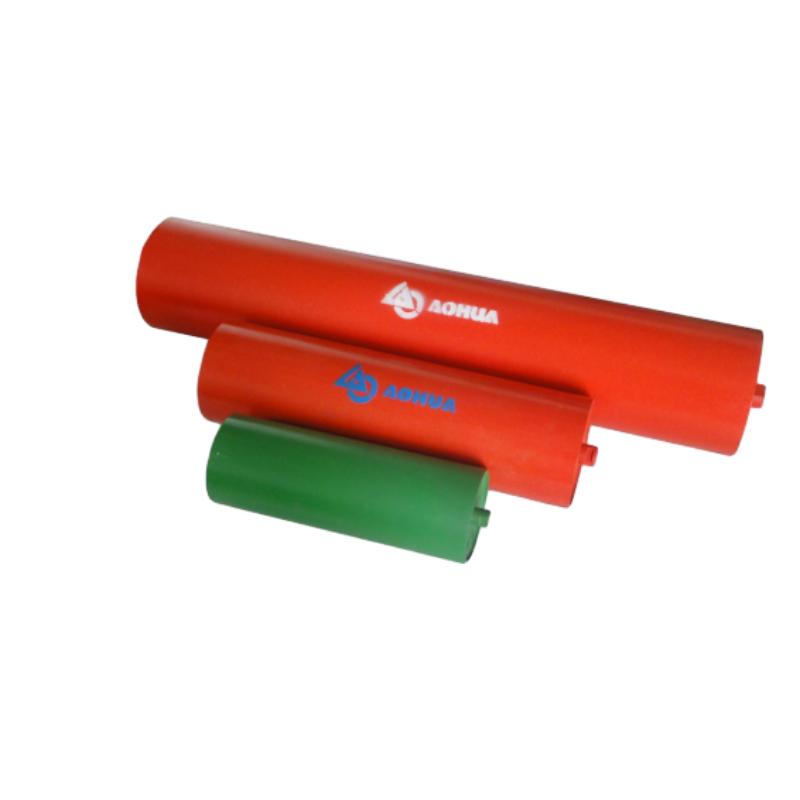
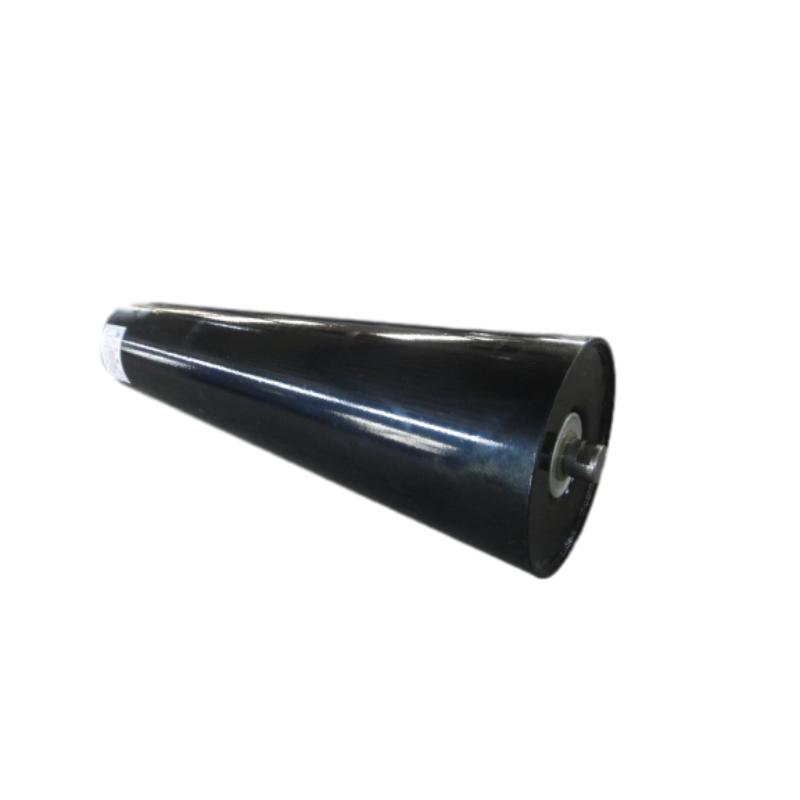
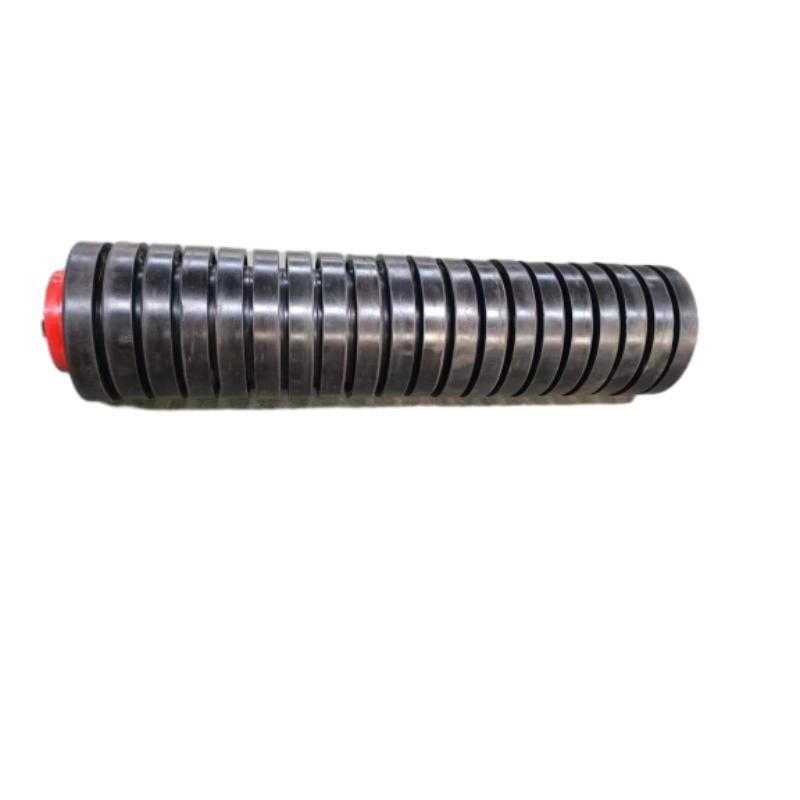
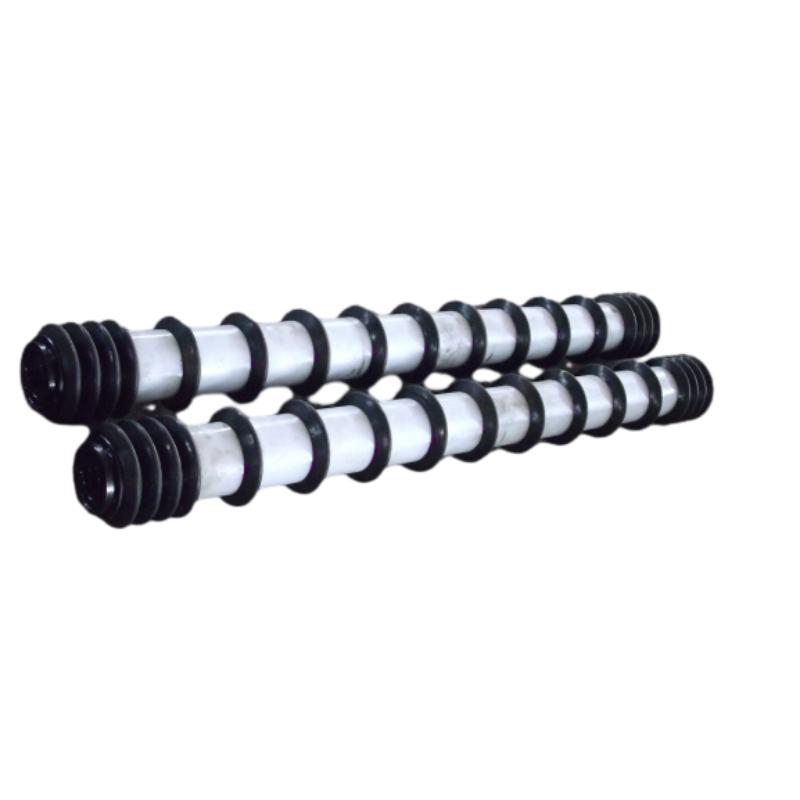
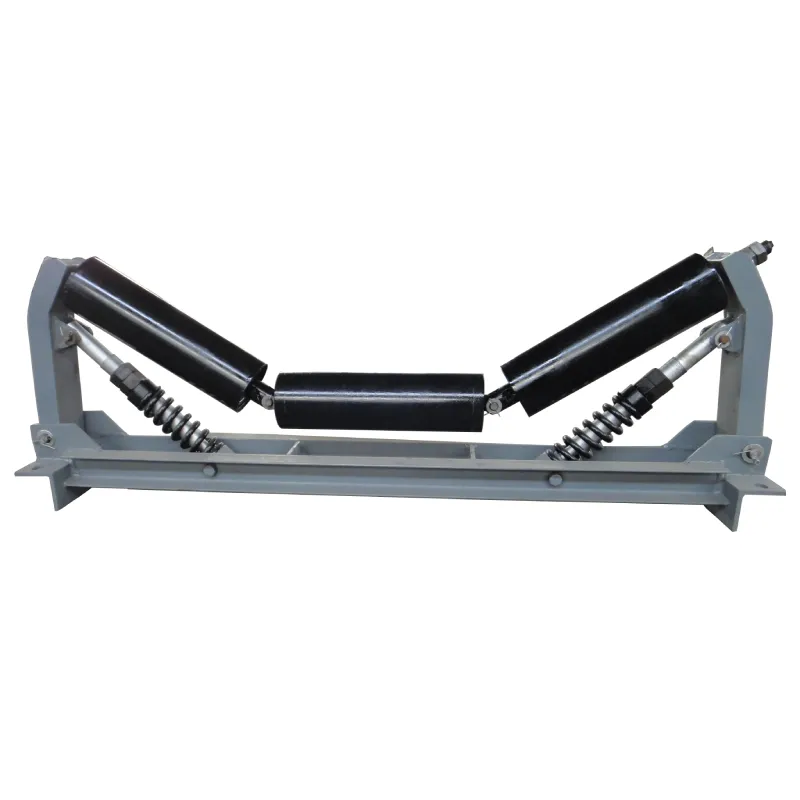
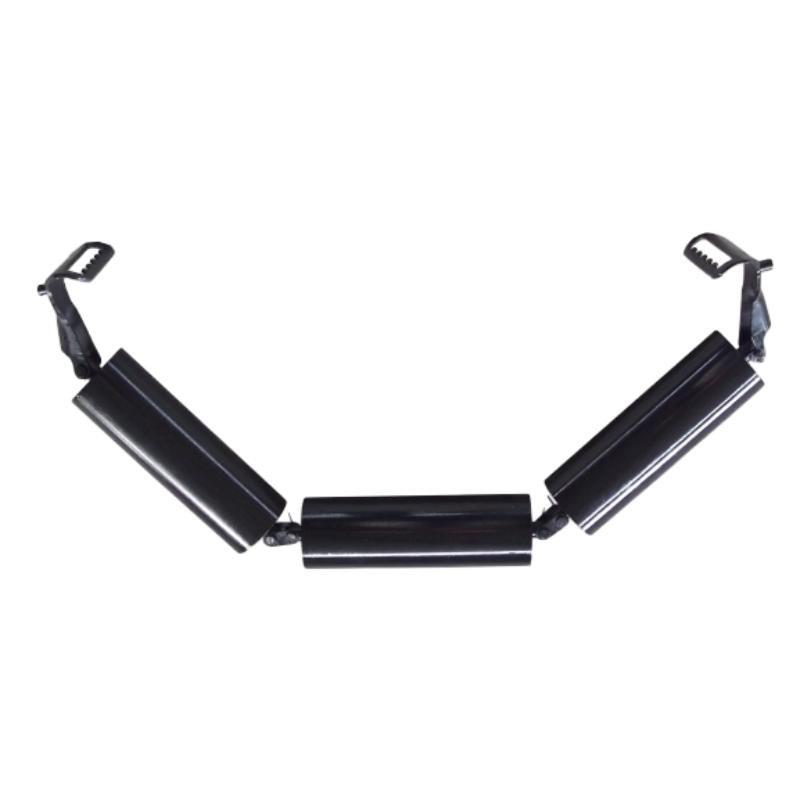
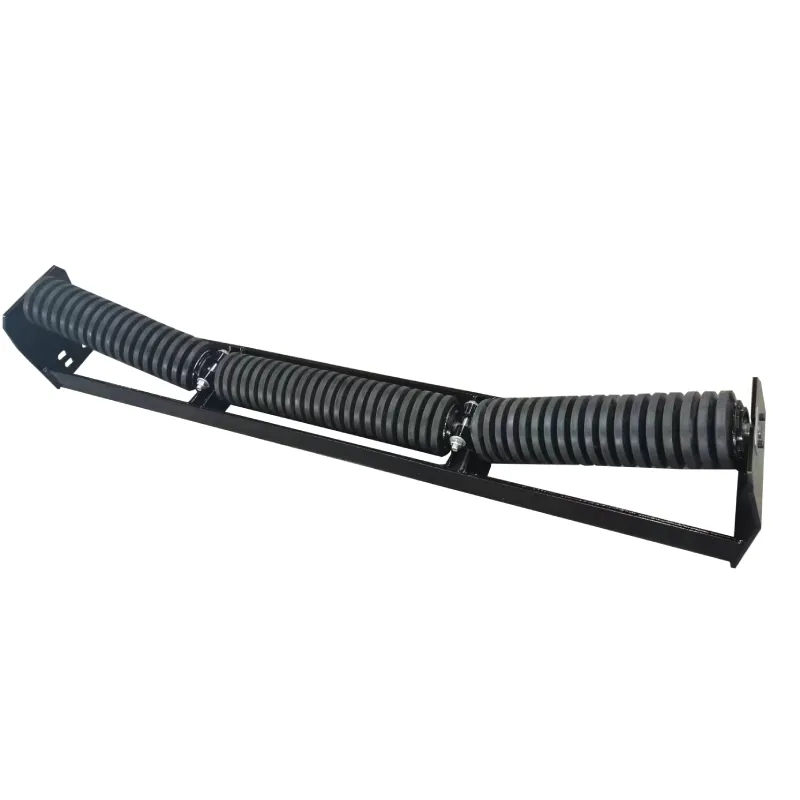
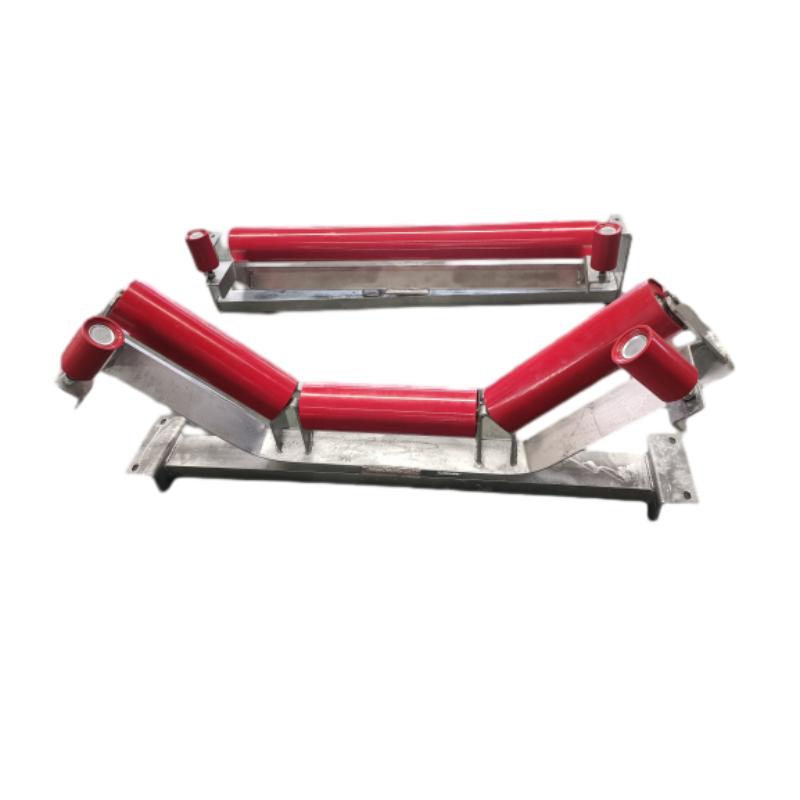
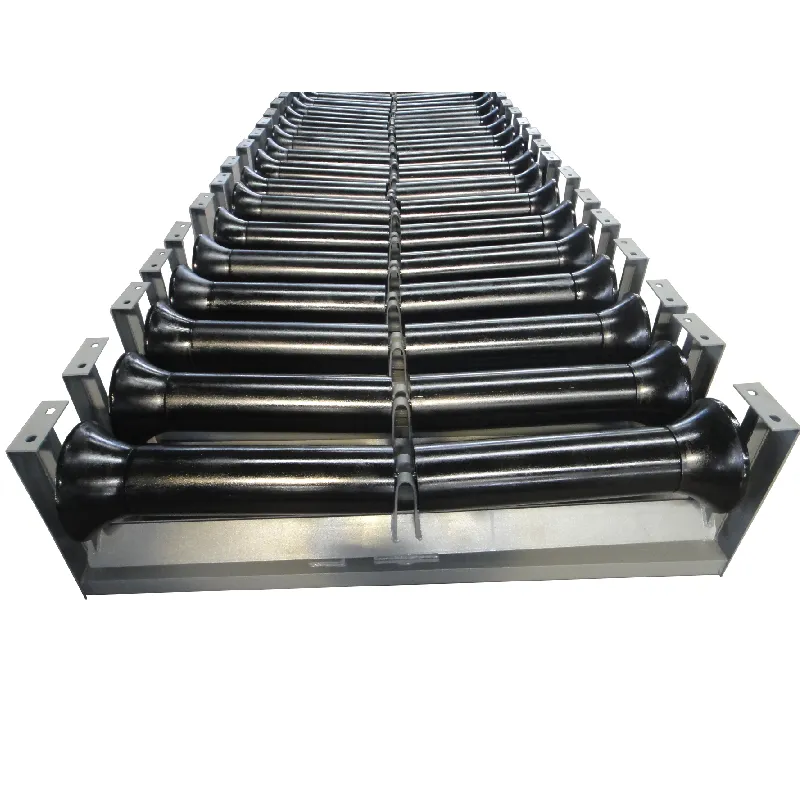
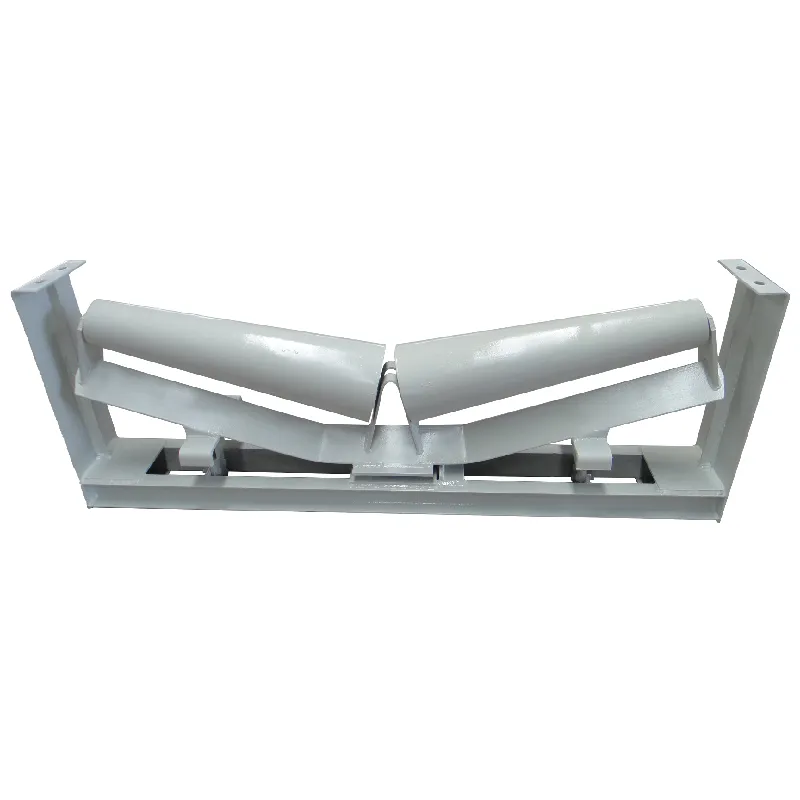
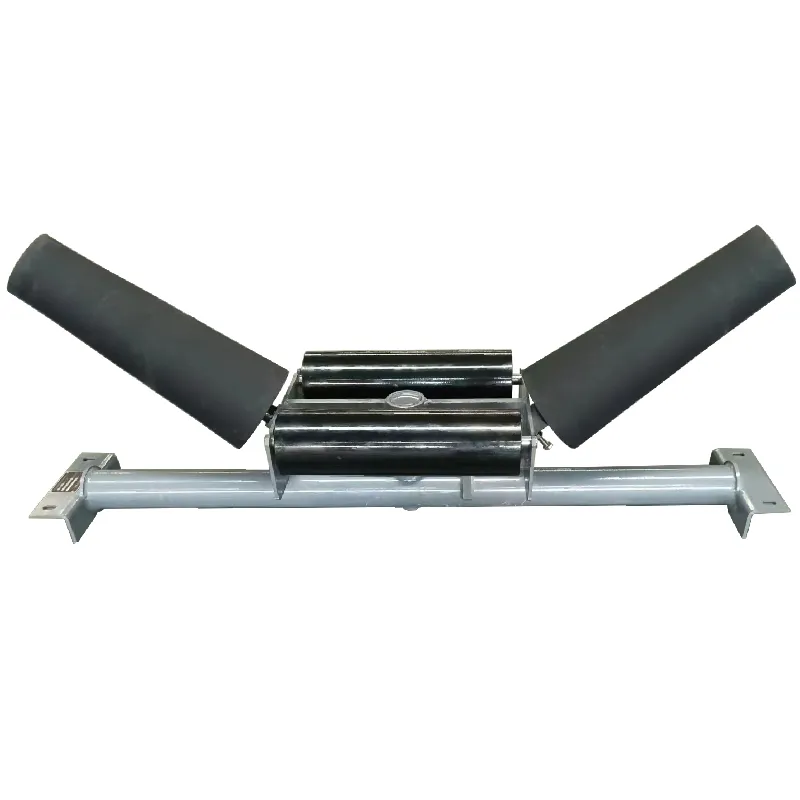
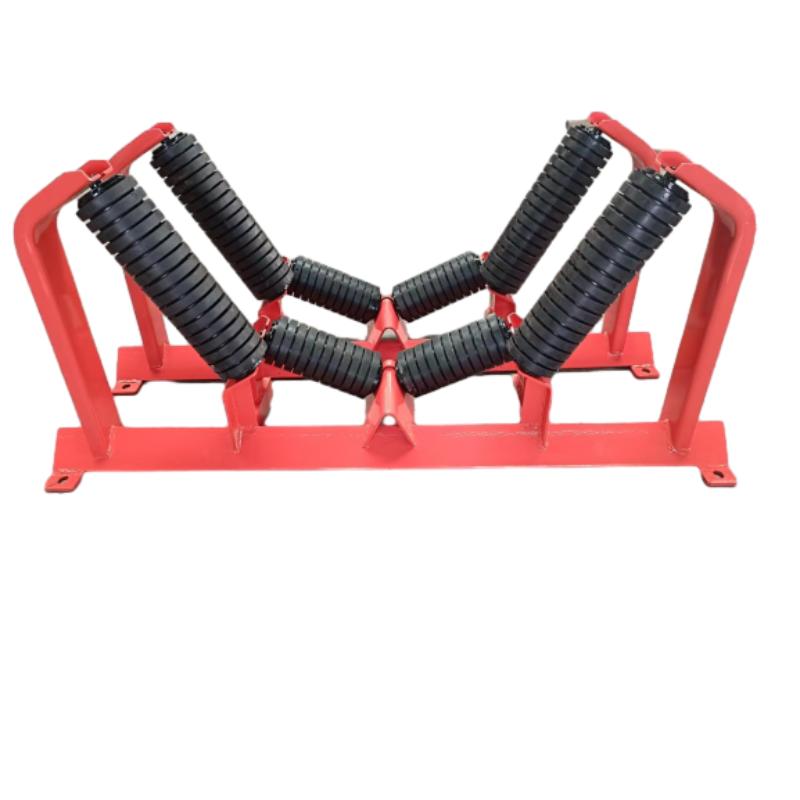
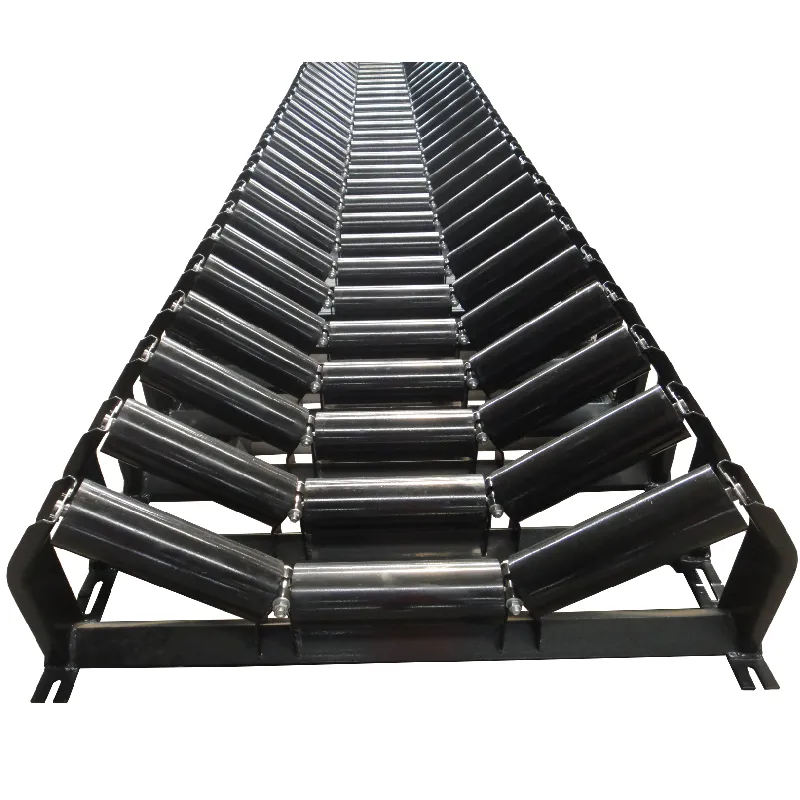
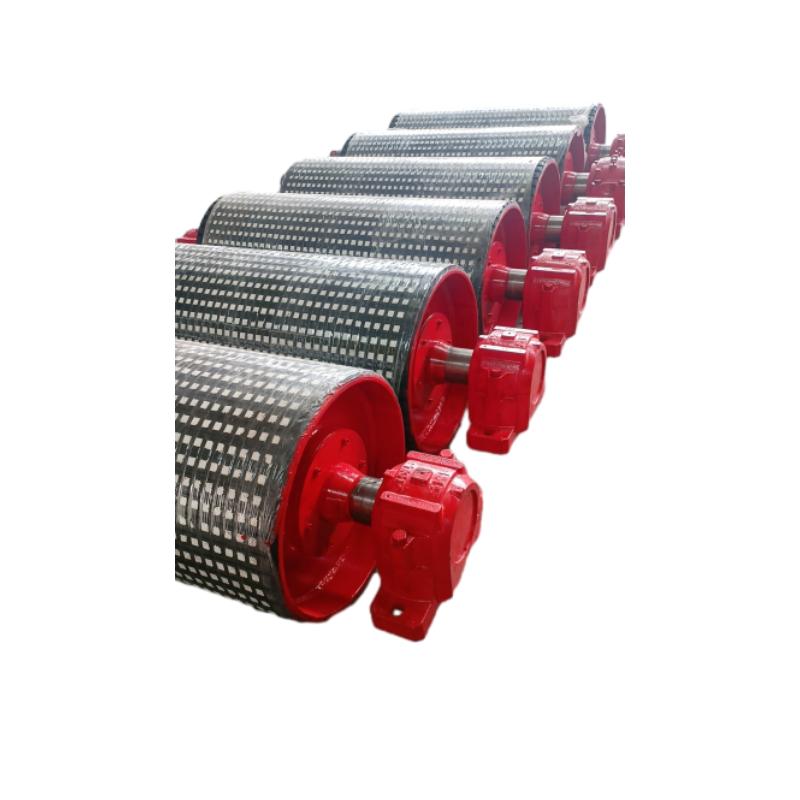
Put simply, conveyor troughing rollers are cylindrical support components arranged in sets to form a "trough" shape under the conveyor belt. This trough shape helps cradle the material, preventing spillage and ensuring smooth transport.
They’re the backbone of many bulk material conveyors — the kind that move heavy or abrasive goods over long distances. Their purpose is twofold: support the belt and the material on it while minimizing friction. Beyond industry, they've even found indirect applications in humanitarian missions, for instance in organizing relief supplies efficiently by facilitating rapid, automated transport.
Main Components of Conveyor Troughing Rollers
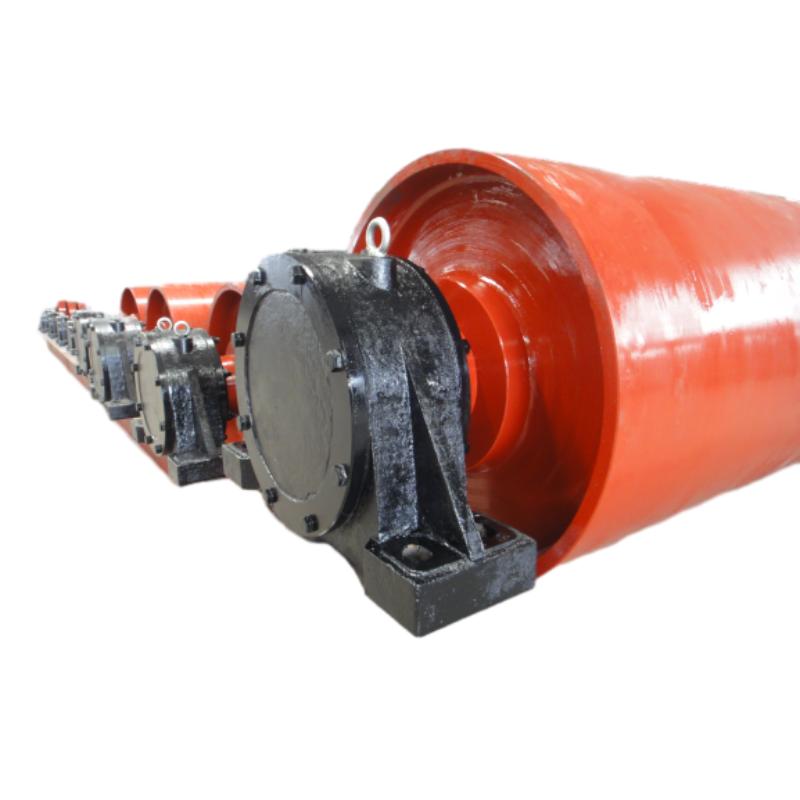
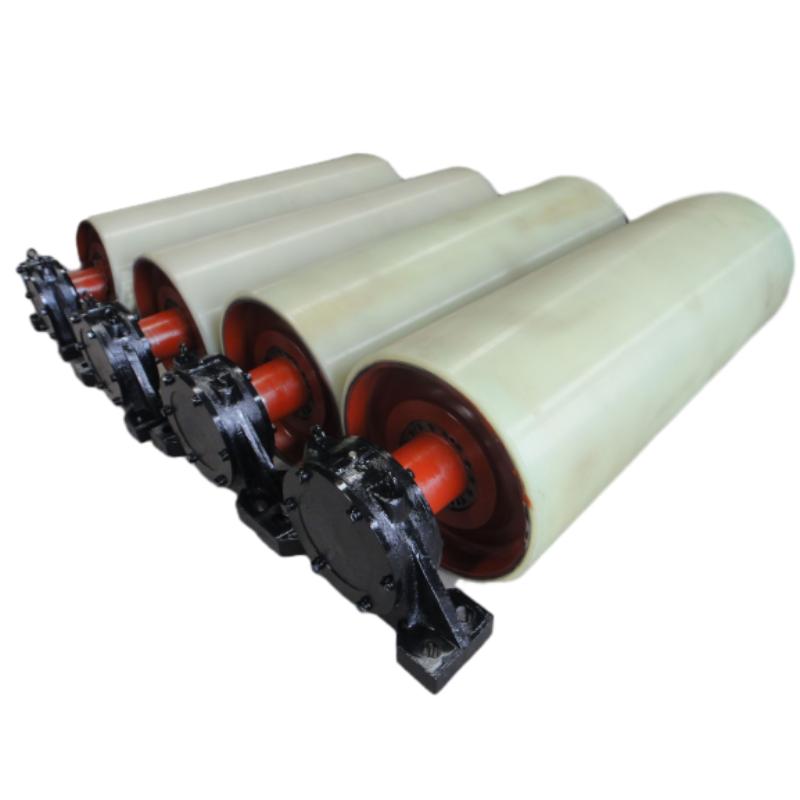
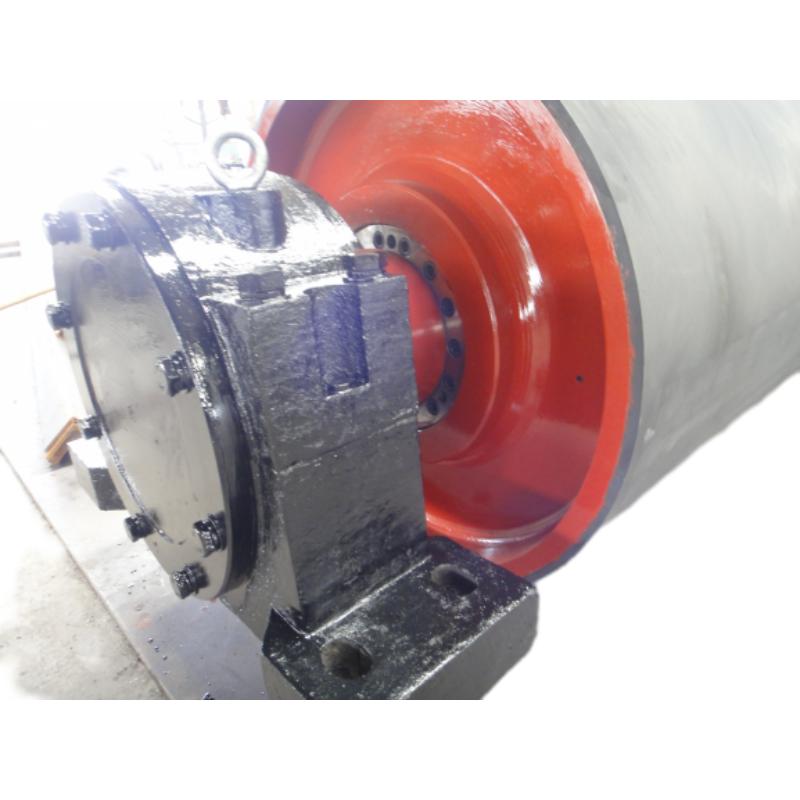
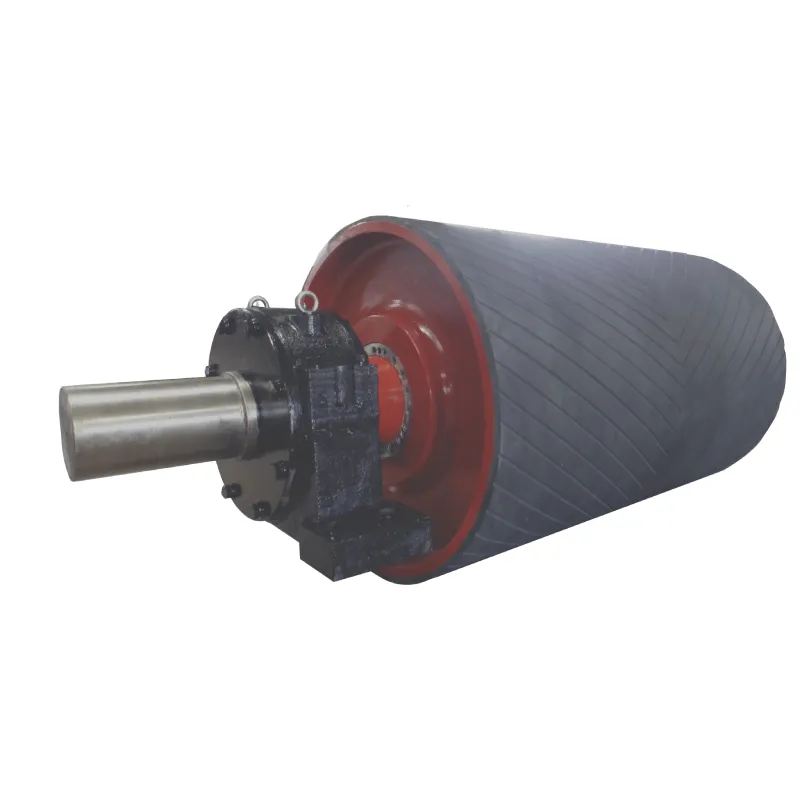
- Roller tube: Usually made of steel or corrosion-resistant materials.
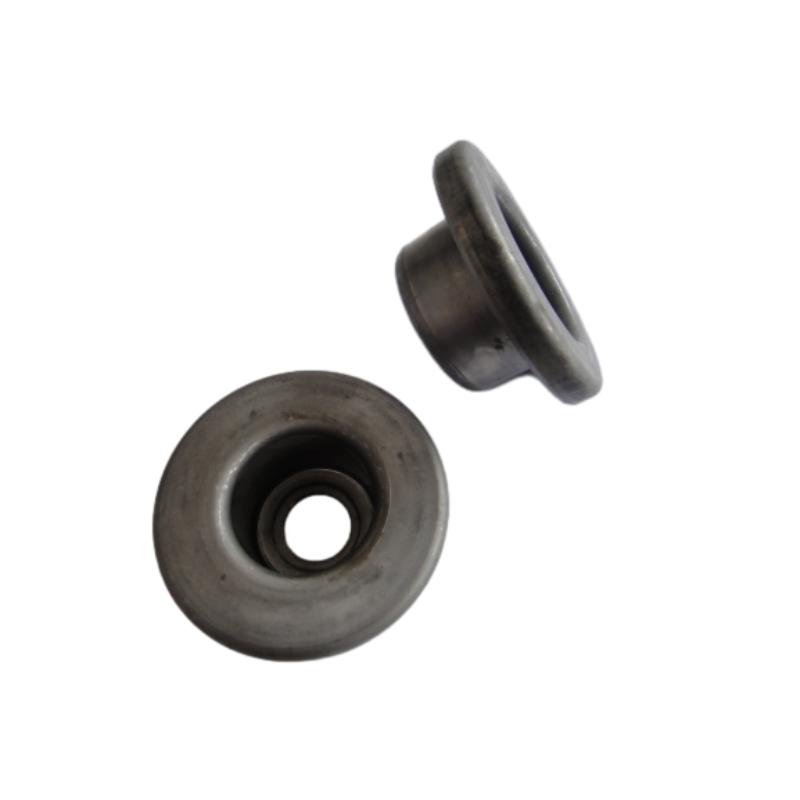
- End caps and shaft: Support the roller on the frame, deliver torque resistance.
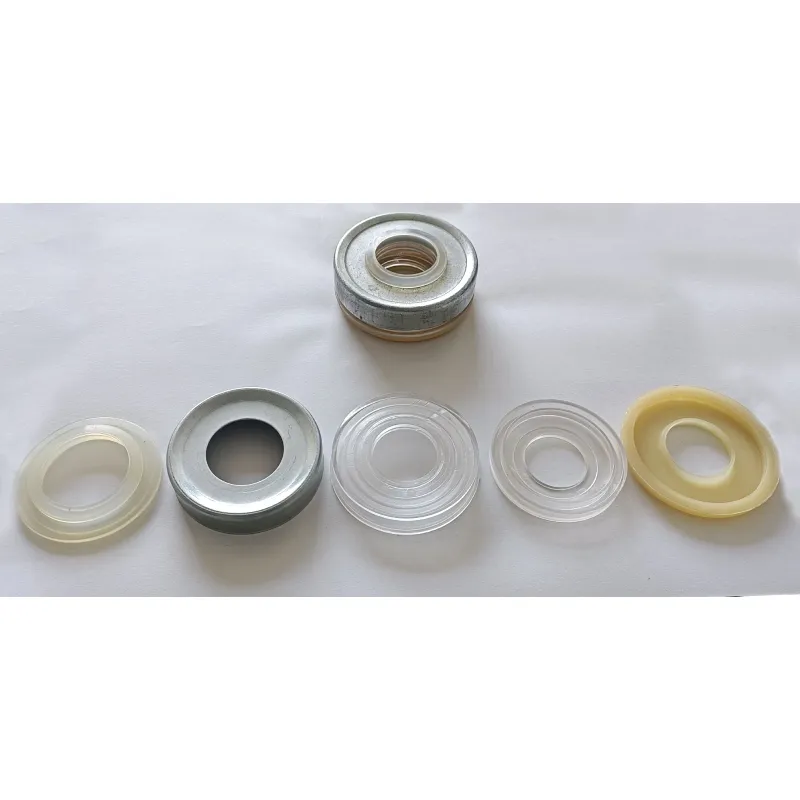
- Bearing assembly: Ensures smooth rotation, often sealed to avoid dust and moisture ingress.
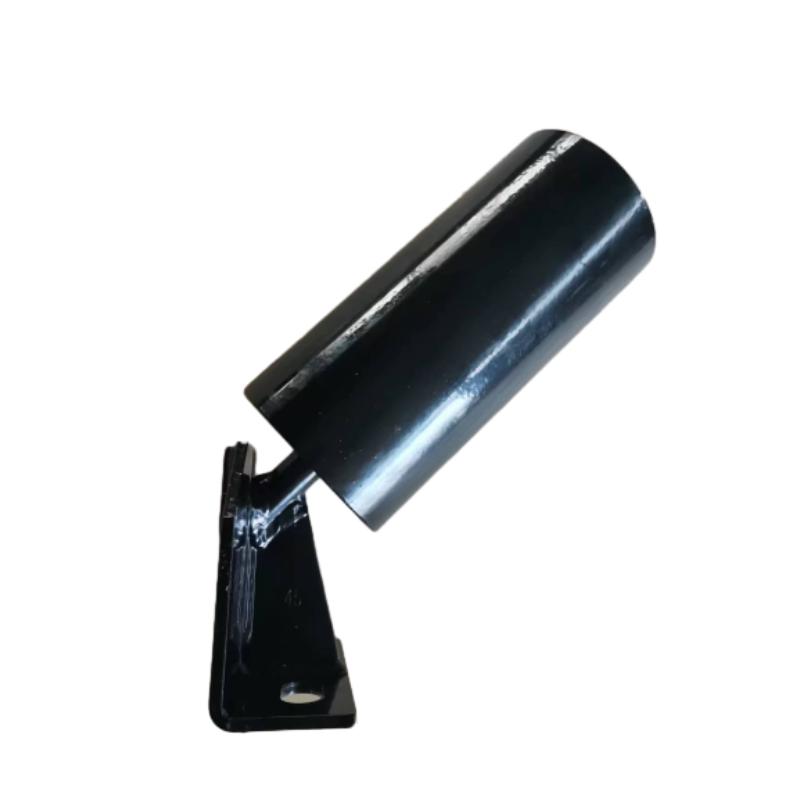
- Frame fitting: Standardized parts for mounting and adjusting alignment.
Key Factors in Choosing Conveyor Troughing Rollers
Durability and Material Quality
Rollers must stand up to abrasive, heavy loads and sometimes harsh weather. Steel or galvanized steel tubes with high-grade sealed bearings are common choices. Durability means less downtime — a crucial factor in industries where every minute counts.
Load Capacity and Size
From small parts conveyors to huge mining belts, rollers come in diverse sizes and load capacities. Matching roller specs to conveyor needs avoids over-engineering (and waste) or underspecification (and breakage).
Maintenance & Cost Efficiency
Designs that allow easy bearing replacement or lubrication lower lifecycle costs. Some modern rollers boast self-lubricating bearings, reducing maintenance frequency — a real lifesaver in remote industrial sites.
Environmental Resistance
In places with high humidity, dust, or chemical exposure, special coatings or materials can dramatically prolong roller life. I’ve noticed manufacturers increasingly offer corrosion-resistant options tailored for coastal and tropical installations.
Customization & Scalability
Whether retrofitting an old conveyor or building a custom system, rollers available in modular sizes and with adaptable mounting options make field adjustments smoother. Oddly enough, custom orders are becoming the norm rather than the exception.
Real-World Applications: Conveyor Troughing Rollers in Action
These components are everywhere — and that’s part of their charm. For example:
- Mining operations in South Africa: Massive belts move tonnes of ore; troughing rollers stabilize material flow while reducing spillage.
- Grain export terminals in the US: Efficient roller setups keep crops flowing smoothly onto ships.
- Waste treatment plants in Germany: Corrosion-resistant rollers endure constant exposure to moisture and chemicals.
- Post-disaster relief in Southeast Asia: Temporary conveyor setups with troughing rollers helped automate supply movement efficiently after floods.
If there’s a bulk material to move, these rollers are likely involved. It’s kind of a quiet industry hero story.
Advantages and Long-Term Value of Conveyor Troughing Rollers
- Cost savings: Reduced wear on conveyor belts lengthens system lifespan and lowers energy use by minimizing friction.
- Safety improvements: Stable material flow reduces spillage and employee exposure to hazardous cleanup tasks.
- Sustainability: Higher quality rollers translate to fewer replacements and less waste.
- Reliability: Trusted components increase confidence in complex supply chains and large-scale operations.
The emotional value, too, is significant: companies take pride in innovations that boost worker safety and cut environmental impact. I suppose it’s reassuring to know every little roller can contribute to that.
Product Specification Table: Sample Conveyor Troughing Roller
| Specification | Details |
|---|---|
| Roller Diameter | 159 mm (6.25 inch) |
| Roller Length | 1000 mm (39.4 inch) |
| Tube Material | Galvanized Steel |
| Bearing Type | Sealed Ball Bearings |
| Load Capacity | Up to 2000 kg per roller |
| Operating Temperature | -20°C to +70°C |
Comparing Top Conveyor Troughing Roller Vendors
| Vendor | Material Options | Customization | Lead Time | Price Range |
|---|---|---|---|---|
| RollTech Industries | Carbon Steel, Stainless Steel | Full Customization | 4-6 weeks | $$$ |
| BulkMove Solutions | Galvanized Steel, Plastic Coated | Standard Sizes | 2-3 weeks | $$ |
| EcoRoll Systems | Recycled Materials, Aluminum | Limited Customization | 6-8 weeks | $$ |
Future Trends and Innovations in Conveyor Troughing Rollers
It feels like we’re on the cusp of several changes: from incorporating smart sensors for predictive maintenance to utilizing greener materials that cut down carbon footprints. Some companies are experimenting with conveyor troughing rollers made of composite materials, aiming for lighter but equally strong rollers.
Automation is another big trend. Imagine rollers that detect misalignment or load imbalances and automatically adjust — reducing human error and downtime. Digital twins and IoT integration also promise better monitoring of wear and tear in real time.
Common Challenges and How the Industry is Addressing Them
Of course, challenges remain. Bearings still risk premature failure if contaminated, and corrosion can undermine reliability in harsh environments. Plus, costs can spiral if manufacturers don’t balance customization with scalable production.
Innovative sealing technologies and modular designs are helping offset these problems. Many experts recommend scheduled inspections combined with condition monitoring tools — technology and old-fashioned diligence teamed up. Also, standardization efforts by industry groups (like ISO 5048) help set benchmarks that suppliers adhere to, improving overall quality.
FAQ: Common Questions About Conveyor Troughing Rollers
- Q1: How often should conveyor troughing rollers be inspected?
- A1: Typically, inspections are recommended every 3 to 6 months depending on the environment and usage intensity. Regular checks for bearing wear, alignment, and corrosion help prevent costly downtime.
- Q2: What materials are best for corrosive environments?
- A2: Stainless steel rollers, or galvanized rollers with protective coatings, are preferred in corrosive settings, like chemical plants or coastal locations. Some are even made with special polymer coatings for extra resistance.
- Q3: Can conveyor troughing rollers be customized for non-standard belt widths?
- A3: Absolutely, most manufacturers provide custom roller lengths and diameters to fit unique conveyor designs. Modular frame fittings also facilitate this.
- Q4: What are the signs that rollers need replacement?
- A4: Signs include unusual noise during operation, increased belt wear, visible corrosion, rough or stuck rotation, and frequent belt misalignment.
- Q5: Are self-lubricating bearings worth the extra cost?
- A5: For remote or harsh environments, yes. They reduce maintenance frequency and extend service life, which often offsets initial price premiums.
Wrapping Up: Why Conveyor Troughing Rollers Deserve Your Attention
Conveyor troughing rollers might seem like a dry technical topic at first glance. But in reality? They’re quietly critical to keeping our modern supply chains humming and industries efficient — across continents and applications.
Their design, material quality, and smart innovations are constantly evolving to respond to real-world challenges like sustainability, costs, and safety. Whether you’re an engineer, a procurement specialist, or just curious about industrial tech, there’s plenty to appreciate here. For detailed product options and more insights, visit our conveyor troughing rollers page. Give these humble rollers the credit they deserve… and keep your belt moving!
-
Maximize Conveyor Life with a High Performance impact bedNewsApr.16,2026
-
Maximize Conveyor Efficiency Using a v plow belt scraperNewsApr.09,2026
-
Comprehensive Guide to Understanding Different Types of Belt CleanersNewsApr.07,2026
-
Enhancing Conveyor Efficiency with an Effective Scraper Belt CleanerNewsApr.04,2026
-
Optimizing Conveyor Systems with Advanced Cleaning Equipment SolutionsNewsMar.31,2026
-
Effective Conveyor Belt Scraper Adjustment for Optimal System PerformanceNewsMar.28,2026