The efficiency of bulk material handling depends heavily on the stability and support of the conveyor system, where conveyor belt idler design plays a pivotal role. By minimizing friction and ensuring precise belt tracking, a well-engineered idler system reduces energy consumption and prevents premature belt wear, which are critical factors in maintaining high throughput in industrial operations.
Across the global manufacturing landscape, the shift toward automation and heavier load capacities has put immense pressure on traditional support components. Modern conveyor belt idler design must now account for extreme environmental variables, such as corrosive chemicals in mining or high temperatures in cement plants, to avoid costly unplanned downtime.
Understanding the nuances of idler geometry, material selection, and bearing configuration allows engineers to optimize the entire lifecycle of the conveyor. Investing in superior conveyor belt idler design not only enhances operational safety but also significantly lowers the total cost of ownership by extending the replacement intervals of critical wear parts.
Global Relevance of Conveyor Belt Idler Design
In the current global industrial climate, the demand for efficient resource extraction and logistics has made conveyor belt idler design a critical focus for ISO-compliant manufacturing. As industries strive for higher tonnage, the failure of a single idler can lead to belt misalignment, causing catastrophic tears that halt production for entire regions, particularly in the mining sectors of Australia and Brazil.
The economic impact of poor idler selection is staggering, with operational losses often reaching millions of dollars per hour in heavy-duty applications. By adhering to advanced conveyor belt idler design principles, companies can reduce rolling resistance, which directly translates to lower electricity consumption and a smaller carbon footprint for global supply chains.
Defining the Mechanics of Idler Engineering
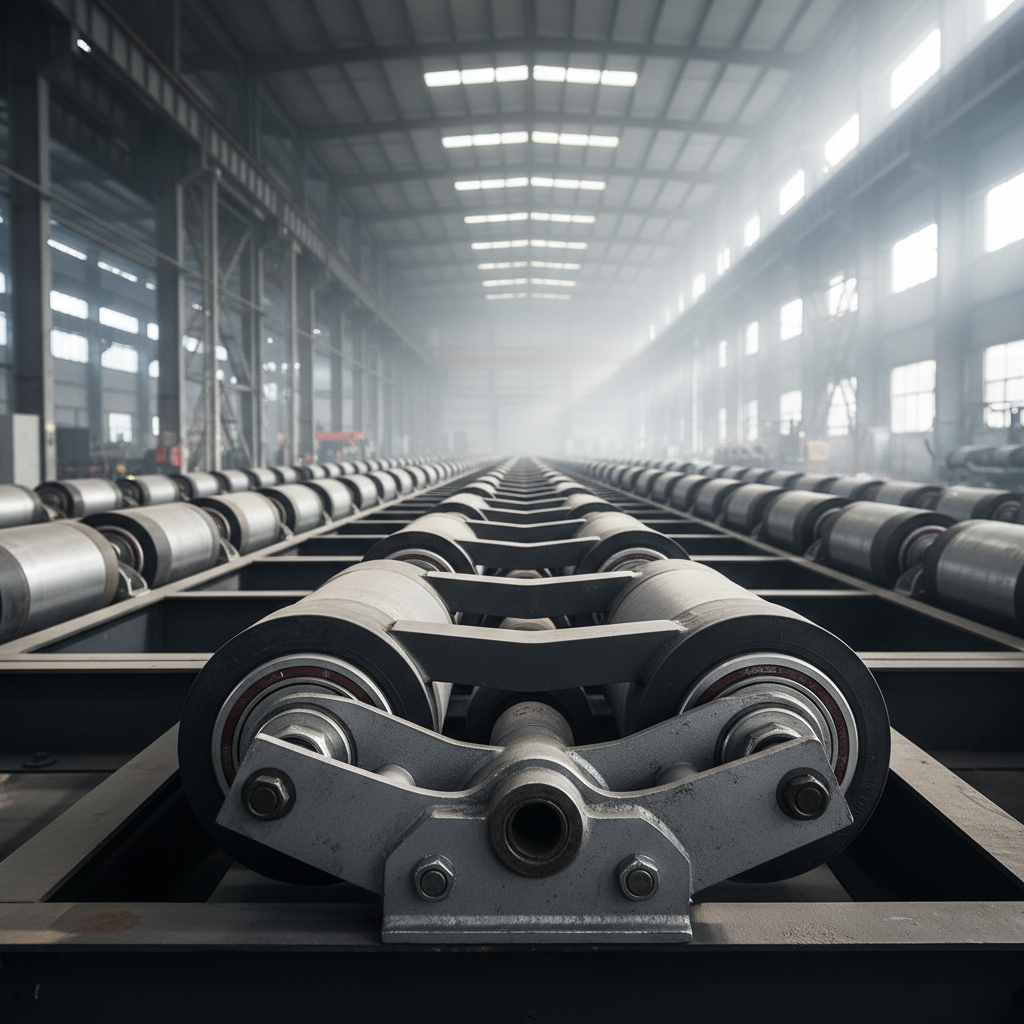
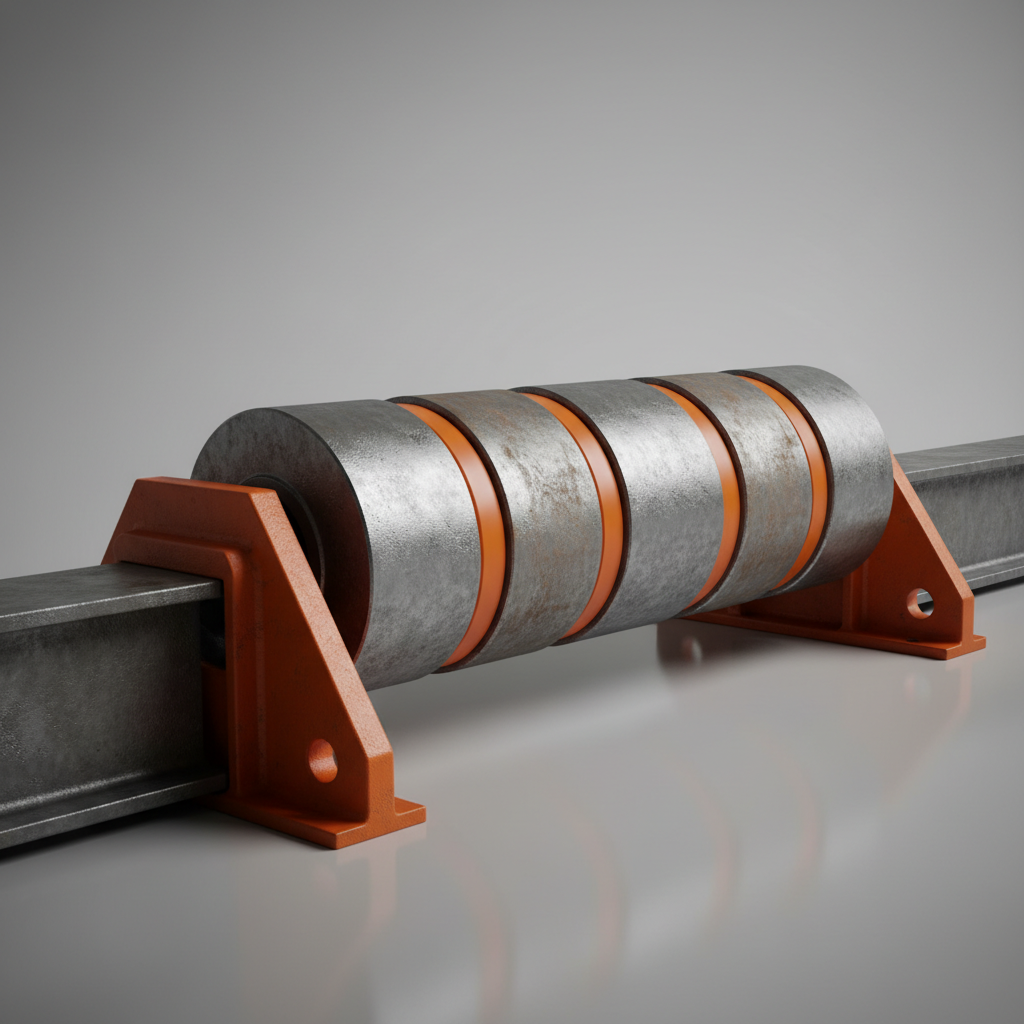
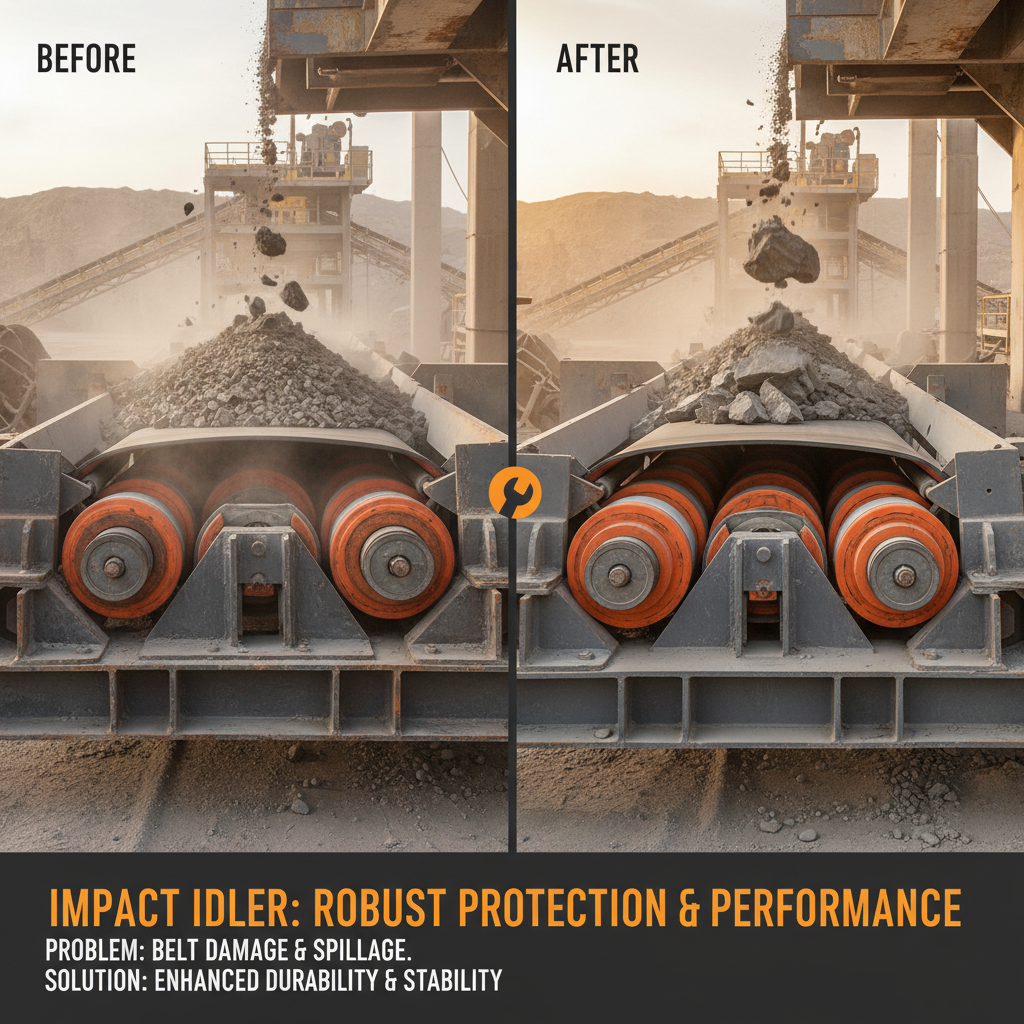
At its core, conveyor belt idler design is the science of creating low-friction support rollers that maintain the belt's shape and position under varying load conditions. Whether it is a troughing idler designed to cradle the material or an impact idler meant to absorb the shock of falling ore, the design ensures that the belt remains centered and supported.
Modern engineering transcends simple rollers; it involves calculating the precise angle of the trough to maximize volume while minimizing spillage. This specialized conveyor belt idler design integrates material science, ensuring that the shell—whether steel, HDPE, or rubber—can withstand the abrasive nature of the transported materials.
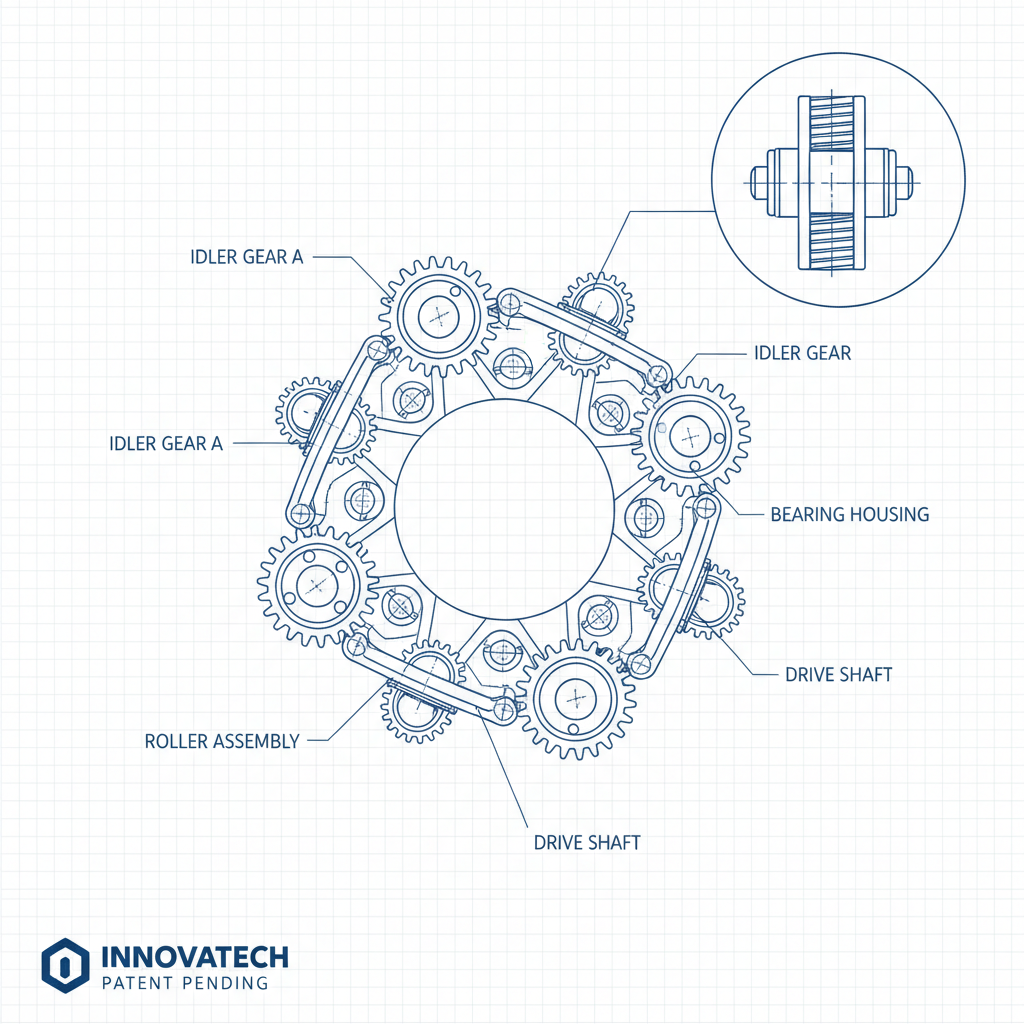
Furthermore, the connection between the idler and the conveyor frame is a critical design element. The use of high-precision bearing housings and sealed lubricants ensures that the system operates with minimal maintenance, addressing the humanitarian need for safer work environments by reducing the frequency of manual interventions in hazardous zones.
Core Components of High-Performance Idlers
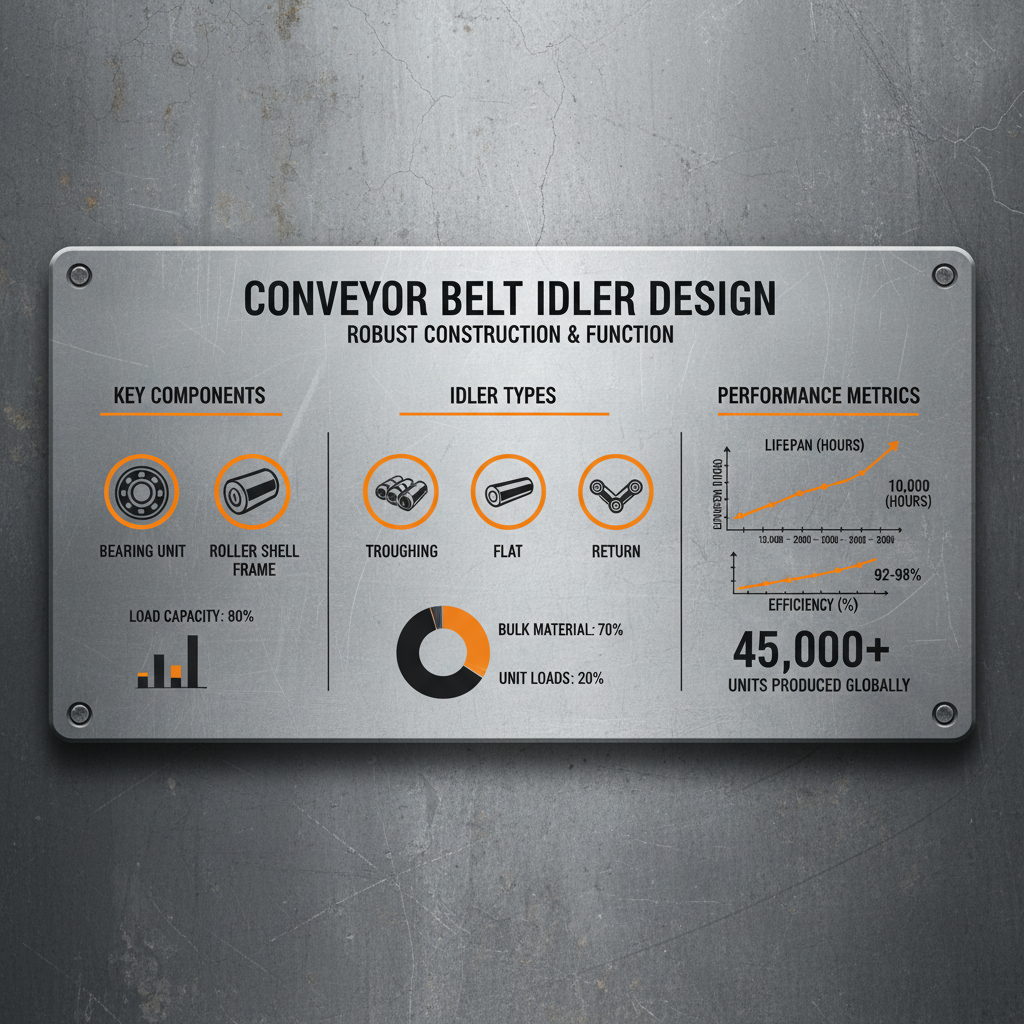
The foundation of any effective conveyor belt idler design begins with the selection of the shell material. Steel shells offer unmatched strength for heavy-duty mining, while polymer shells provide corrosion resistance and lower noise levels for food-grade or chemical processing plants.
Bearing precision is the heartbeat of conveyor belt idler design. The integration of labyrinth seals and high-grade grease prevents the ingress of dust and moisture, which are the primary killers of conveyor rollers. A failure in the bearing leads to "frozen" rollers, which then act as grinders against the belt.
Finally, the frame design ensures stability and ease of installation. Whether utilizing a drop-in frame or a bolted configuration, the structural integrity of the support ensures that the conveyor belt idler design maintains its alignment even under the dynamic loads of varying material densities.
Performance Metrics in Idler Configuration
To evaluate the success of a specific conveyor belt idler design, engineers look at KPIs such as the coefficient of friction and the MTBF (Mean Time Between Failures). A lower rolling resistance directly reduces the horsepower required from the drive motor, leading to significant energy savings over the system's lifespan.
Comparing different design methodologies allows operators to choose the right tool for the job. For instance, impact idlers are rated by their shock absorption capacity, while aligning idlers are measured by their ability to correct belt drift without causing excessive wear.
Comparative Efficiency of Conveyor Belt Idler Design Methods
Industrial Applications Across Global Sectors
In the remote industrial zones of the Andes or the Outback, conveyor belt idler design must prioritize ruggedness and ease of replacement. In these environments, specialized impact beds and heavy-duty troughing rollers are used to handle massive loads of iron ore and copper, where any failure can cause a logistical bottleneck for global mineral supplies.
Conversely, in urban logistics hubs and automated warehouses, the focus shifts toward low-noise conveyor belt idler design. Using polyurethane rollers and precision-guided aligning idlers allows these systems to operate 24/7 in proximity to workers without creating acoustic pollution or requiring frequent lubrication.
Long-Term Value and Sustainability Benefits
The long-term value of optimized conveyor belt idler design is rooted in sustainability. By reducing the friction between the belt and the roller, operators can lower the energy demand of the entire plant. This logical approach to engineering reduces the carbon footprint of the facility, aligning industrial growth with global environmental goals.
Beyond the numbers, there is a human element: safety. A well-designed idler prevents belt mistracking, which is a leading cause of material spillage and subsequent workplace accidents. When workers trust that the equipment is stable and predictable, the psychological stress of maintaining high-risk machinery is significantly reduced.
Furthermore, the transition to recyclable materials in conveyor belt idler design, such as high-density polyethylene, ensures that the end-of-life disposal of these components does not contribute to landfill waste, creating a circular economy within the conveyor parts industry.
Future Innovations in Smart Idler Technology
The future of conveyor belt idler design is inextricably linked to the Industrial Internet of Things (IIoT). We are seeing the emergence of "smart idlers" equipped with embedded vibration sensors and temperature monitors that can predict a bearing failure before it occurs, moving maintenance from a reactive to a predictive model.
Material science is also evolving, with the introduction of nano-coatings that virtually eliminate friction and repel adhesive materials. This next generation of conveyor belt idler design will allow for even thinner belt profiles and faster conveyor speeds without sacrificing stability.
As automation expands, the integration of AI-driven alignment systems will allow idlers to adjust their angle in real-time based on the load distribution. This dynamic approach to conveyor belt idler design will essentially eliminate the need for manual tracking adjustments.
Analysis of Idler Design Specifications Across Different Load Conditions
| Application Type |
Recommended Idler Design |
Durability Score (1-10) |
Maintenance Cycle |
| Heavy Mining |
Steel Impact Idlers |
9 |
6-12 Months |
| Food Processing |
Stainless Poly-Rollers |
7 |
12-24 Months |
| Chemical Plant |
HDPE Corrosion-Resistant |
8 |
18-36 Months |
| Logistics Hub |
Low-Noise Precision Rollers |
6 |
24-48 Months |
| Aggregate Quarry |
Reinforced Troughing Idlers |
9 |
6-18 Months |
| Cement Plant |
Heat-Resistant Rubber Idlers |
8 |
12-18 Months |
FAQS
Optimized idler design reduces the coefficient of rolling resistance. When rollers rotate freely with minimal friction, the drive motor requires less torque to move the belt and material. Over miles of conveyor, this reduction in drag can lower total electricity consumption by 5% to 15%, leading to significant annual cost savings.
Troughing idlers are designed in a V-shape to support the belt and hold materials in place during transport. Impact idlers, however, feature rubber rings or specialized cushioning to absorb the kinetic energy of materials falling from a height, preventing the belt from puncturing or stretching.
Mistracking occurs when the belt shifts laterally, often due to poor idler alignment or uneven loading. This leads to edge wear, material spillage, and potential structural damage. Incorporating self-aligning idlers into the design allows the system to automatically pivot and steer the belt back to the center.
In many cases, yes. High-density polymers offer superior corrosion resistance and lower weight. While steel is still preferred for extreme impact zones, modern composite designs provide sufficient load-bearing capacity for most transport sections while offering the added benefit of reduced noise and wear on the belt.
Inspection frequency depends on the environment. In high-abrasion mining, monthly visual checks for "frozen" rollers are recommended. In cleaner environments, quarterly audits are sufficient. Predictive maintenance sensors are now being used to monitor heat and vibration in real-time, eliminating the need for scheduled manual checks.
Labyrinth seals are generally the gold standard for dusty industrial environments. They create a complex, winding path that makes it physically difficult for particulate matter to reach the bearing race. When combined with a high-quality grease, these seals significantly extend the life of the idler.
Conclusion
Effective conveyor belt idler design is not merely a matter of selecting rollers, but a strategic engineering decision that impacts the entire operational efficiency of a facility. From the precision of bearing seals to the selection of shell materials and the implementation of smart monitoring, every detail contributes to reduced downtime, lower energy costs, and enhanced worker safety.
As the industry moves toward a more sustainable and automated future, the integration of IIoT and advanced composites will redefine how we support bulk material transport. We recommend that plant managers conduct a comprehensive audit of their current idler configurations to identify bottlenecks and upgrade to high-efficiency designs that offer long-term value. Visit our website for professional solutions: www.idleraohua.com