

Components of Belt Conveyor Systems: A Deep Dive
Understanding the Components Of Belt Conveyor System
Components Of Belt Conveyor System. It’s a phrase that gets thrown around a lot in materials handling, and frankly, it’s more than just a rubber belt. It’s the backbone of so many operations – mining, agriculture, even package sorting at distribution centers. I've spent a good portion of the last decade looking at these systems, and you quickly realize how integrated everything is. It’s not enough to just have a strong belt; you need the right rollers, the proper frame, and a drive system that can handle the load. And it all has to work together. That’s where the quality of the individual components really shines through. You know?
Key Components & Specifications
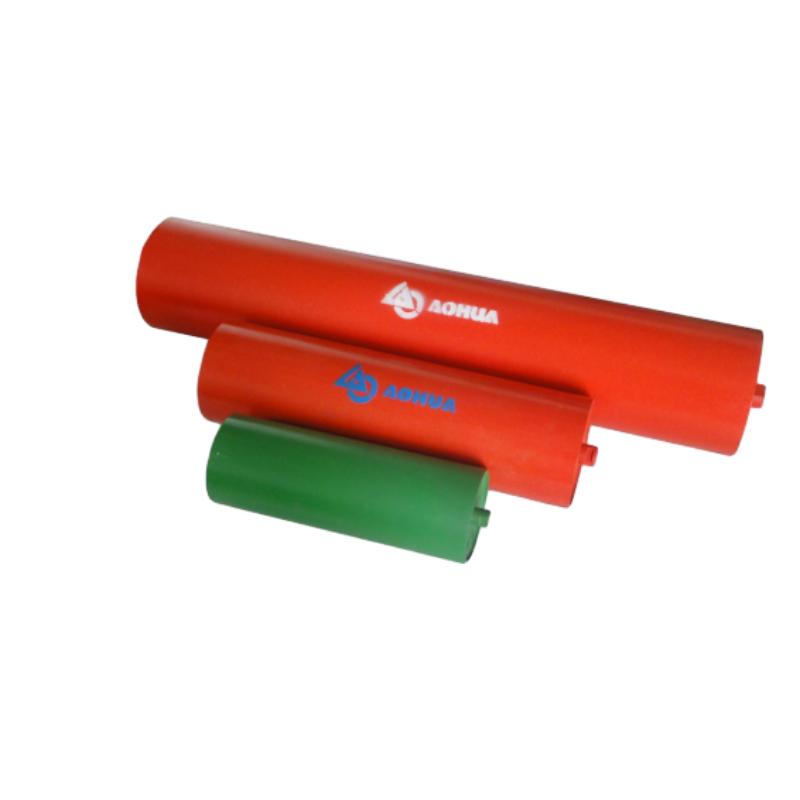
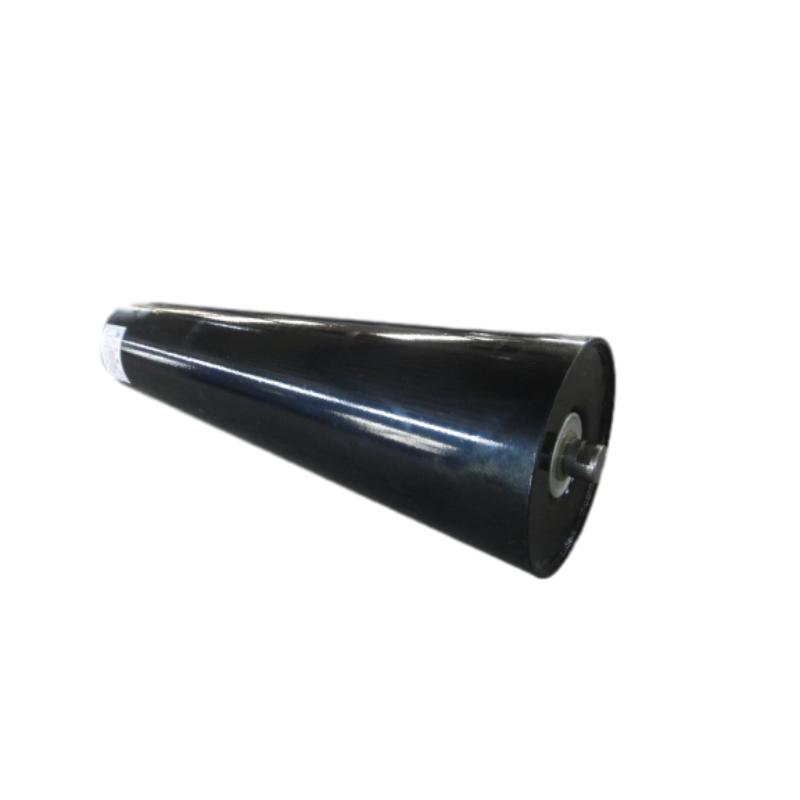
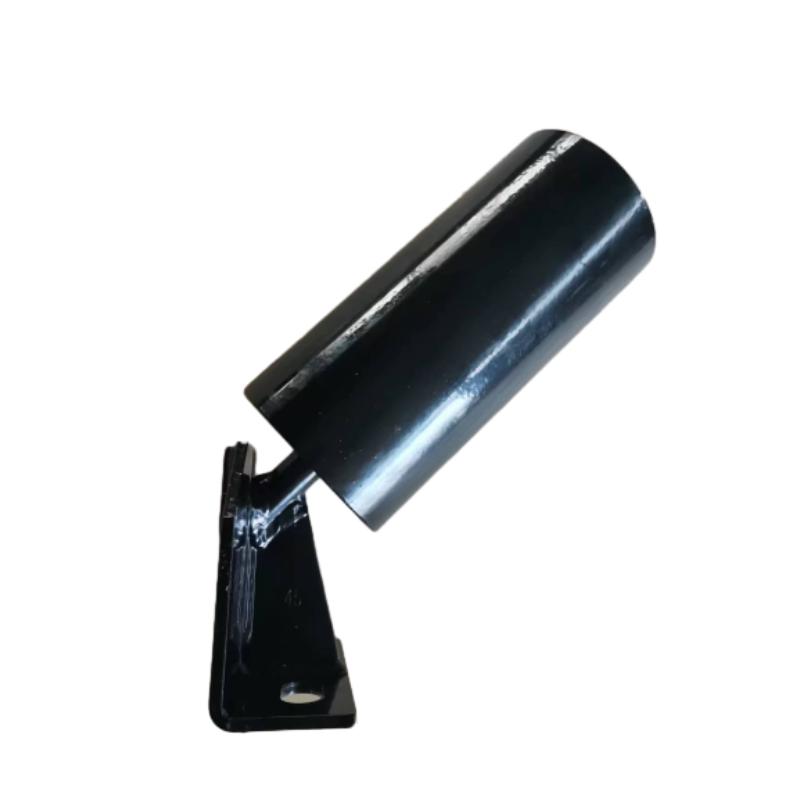
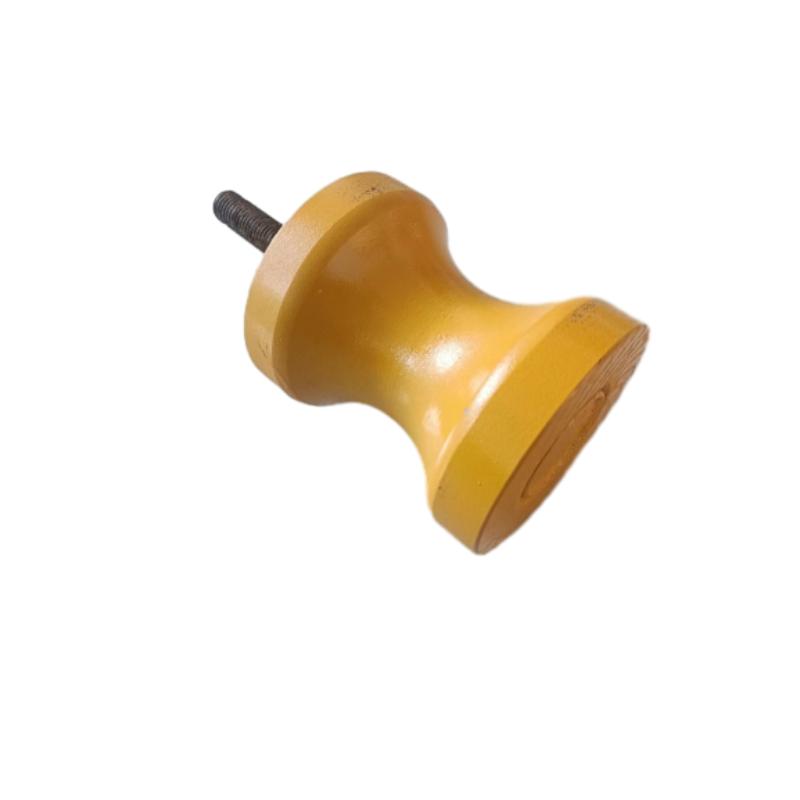
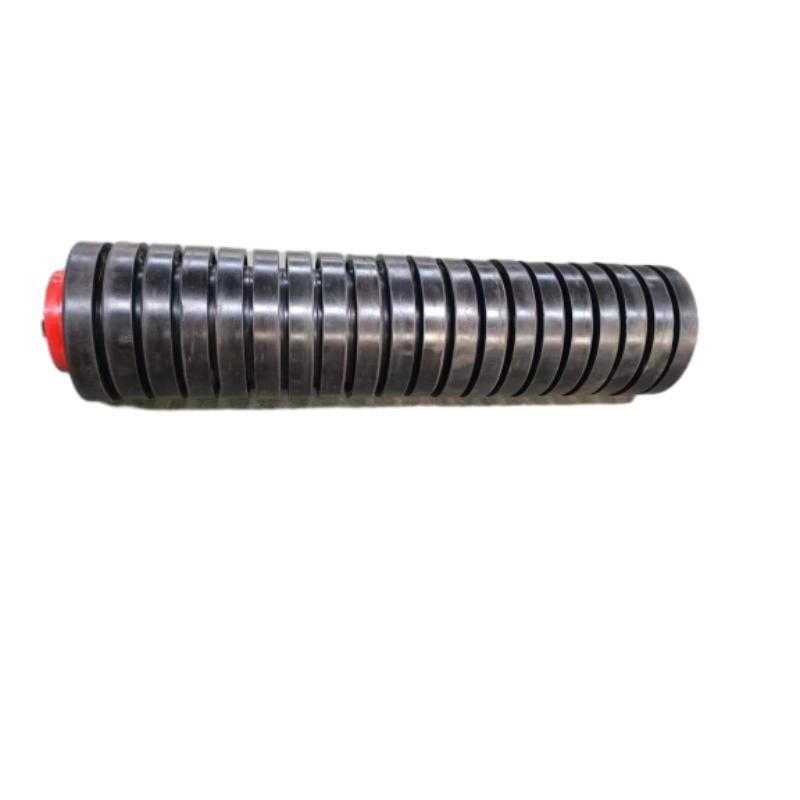
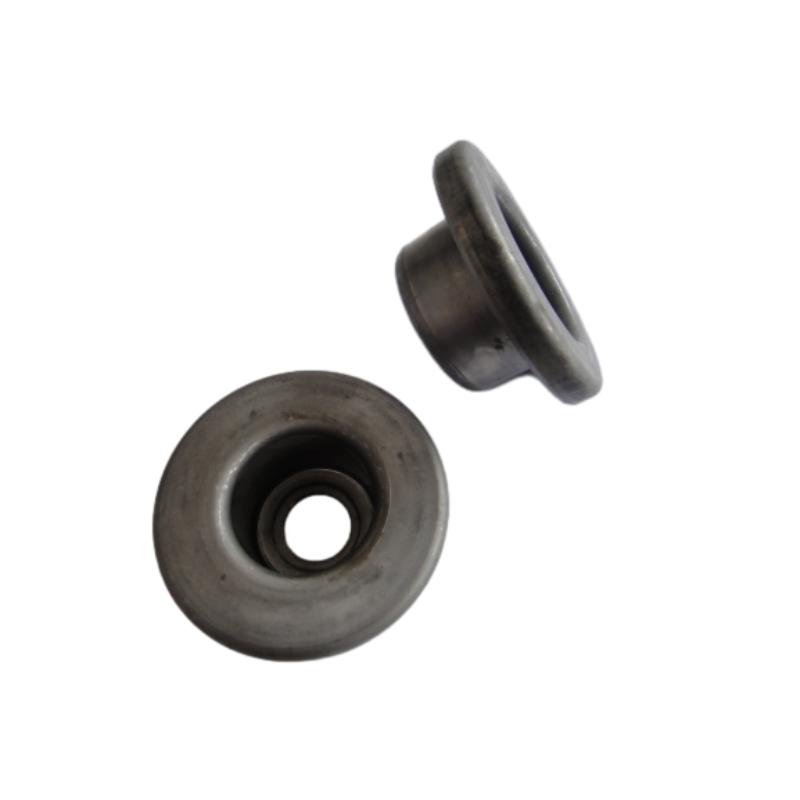
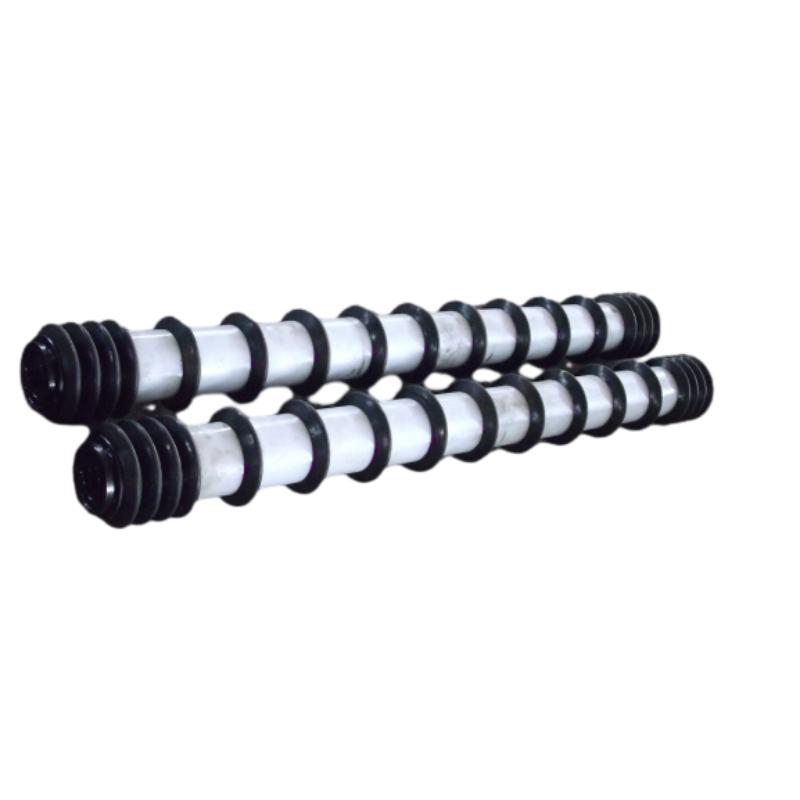
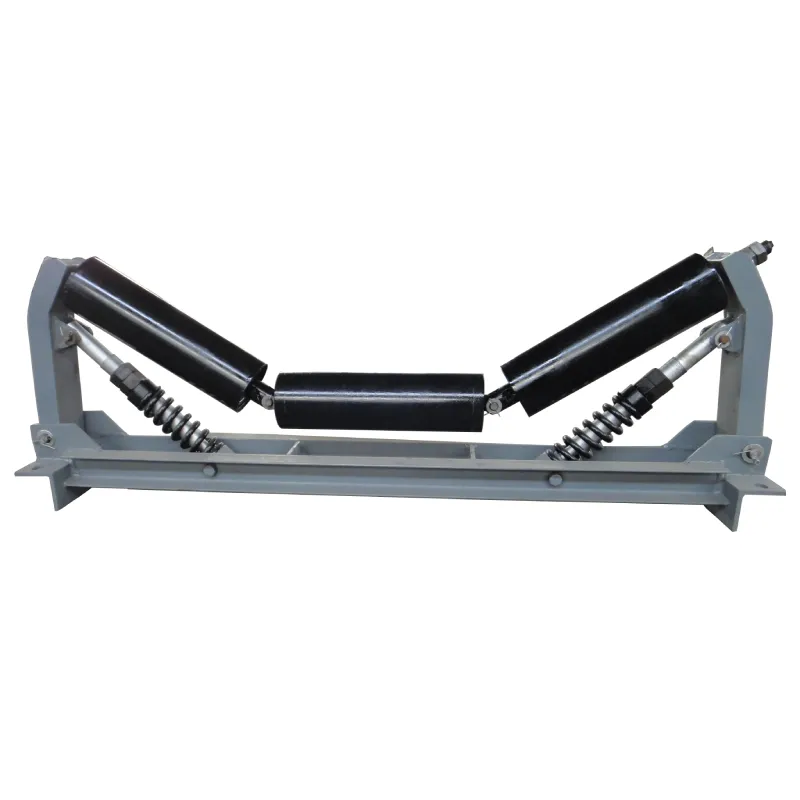
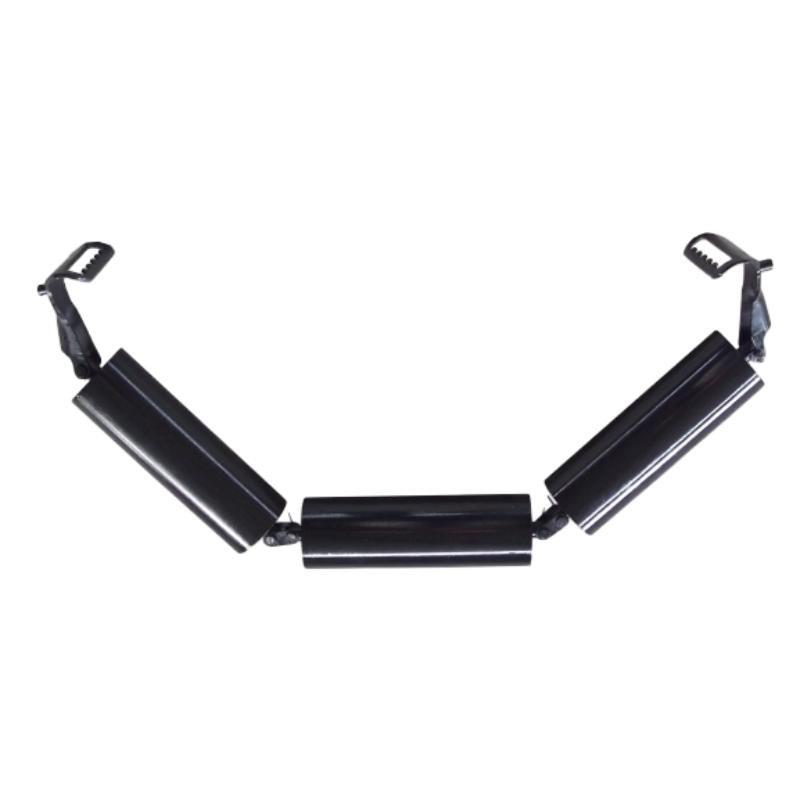
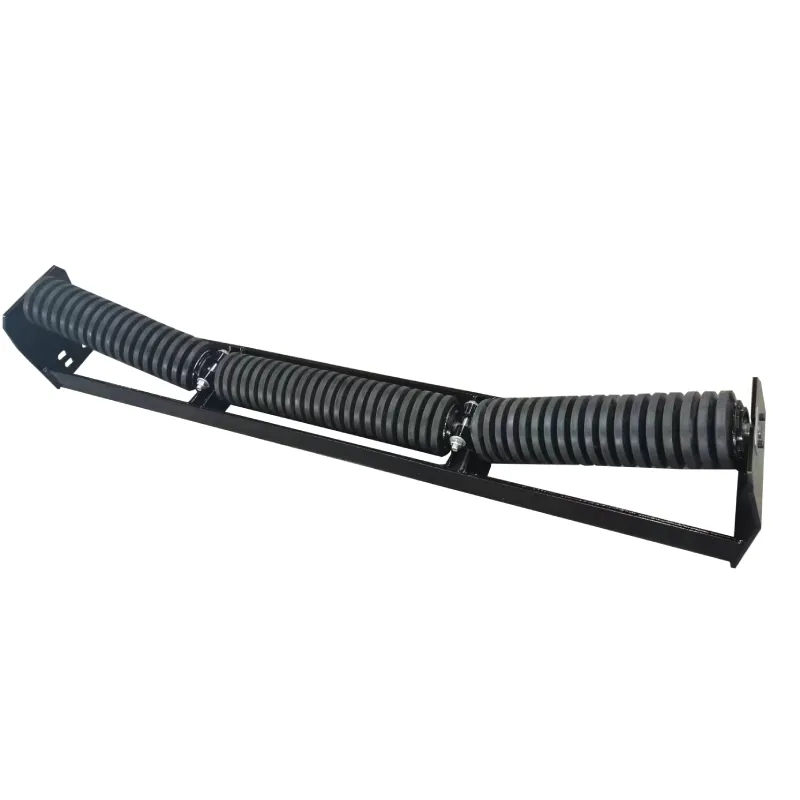
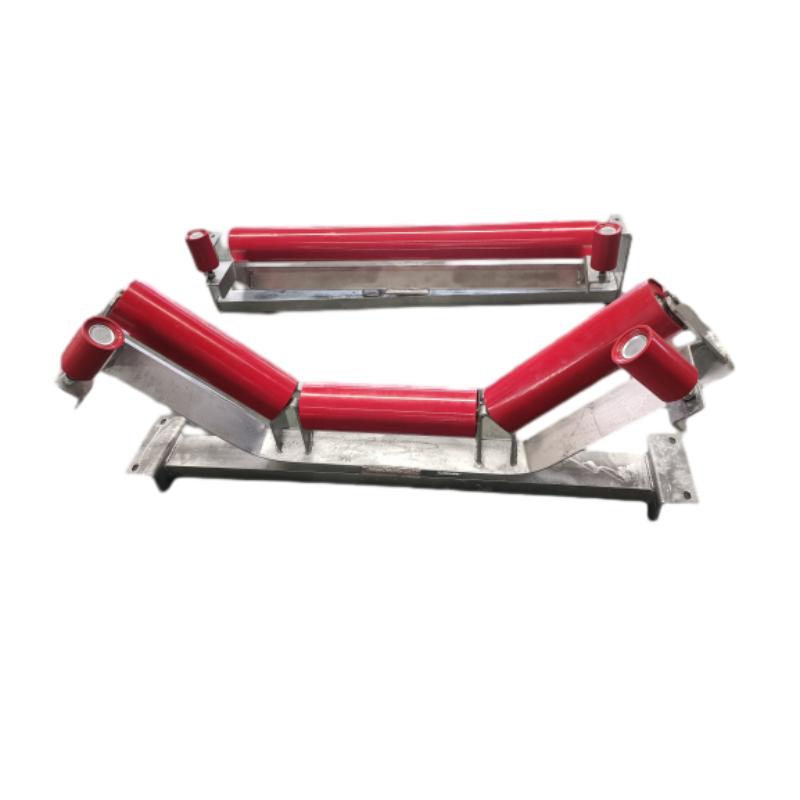
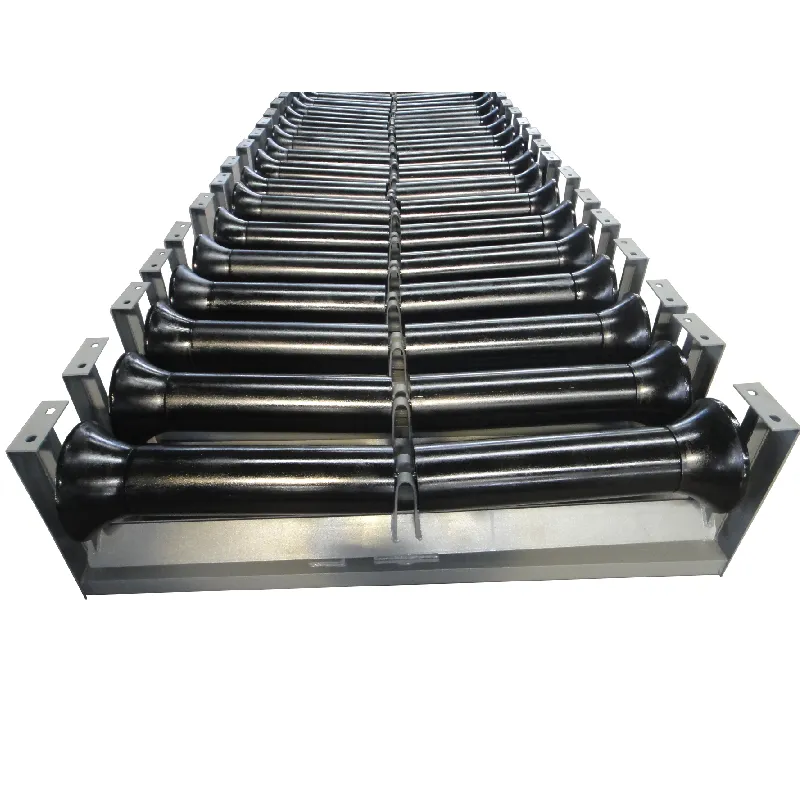
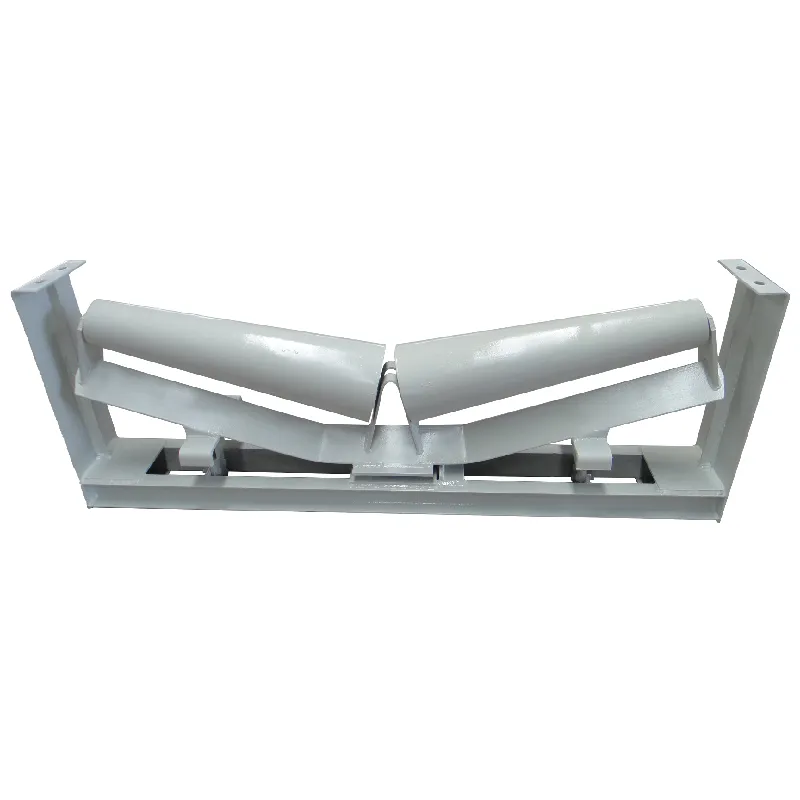
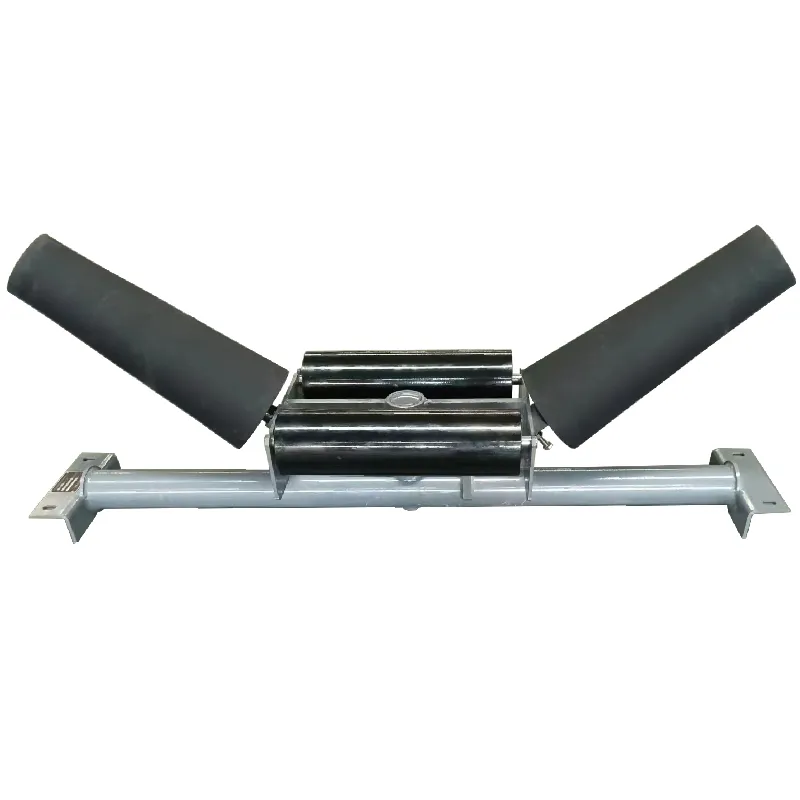
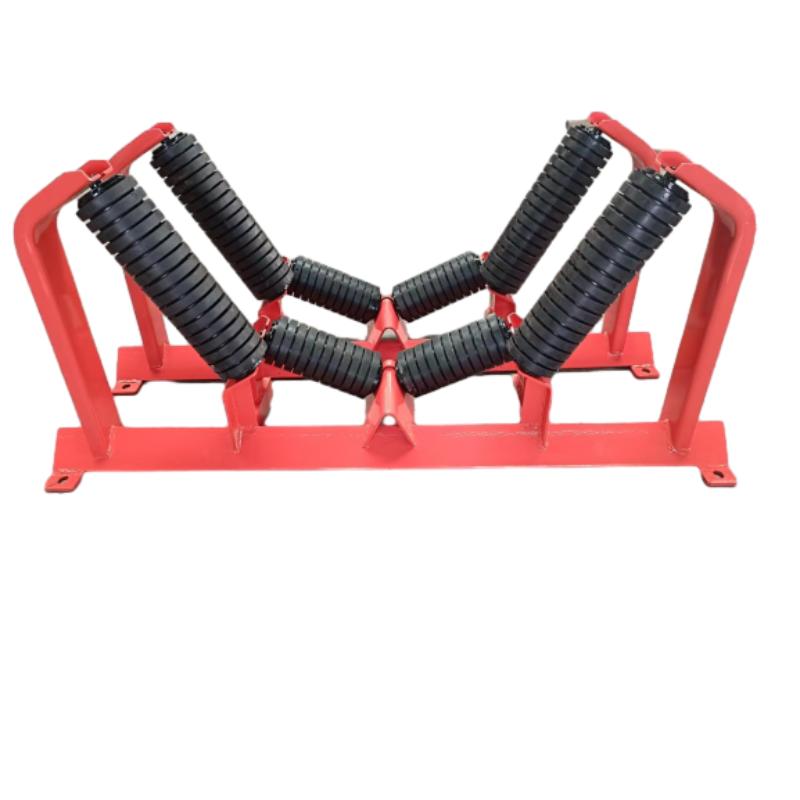
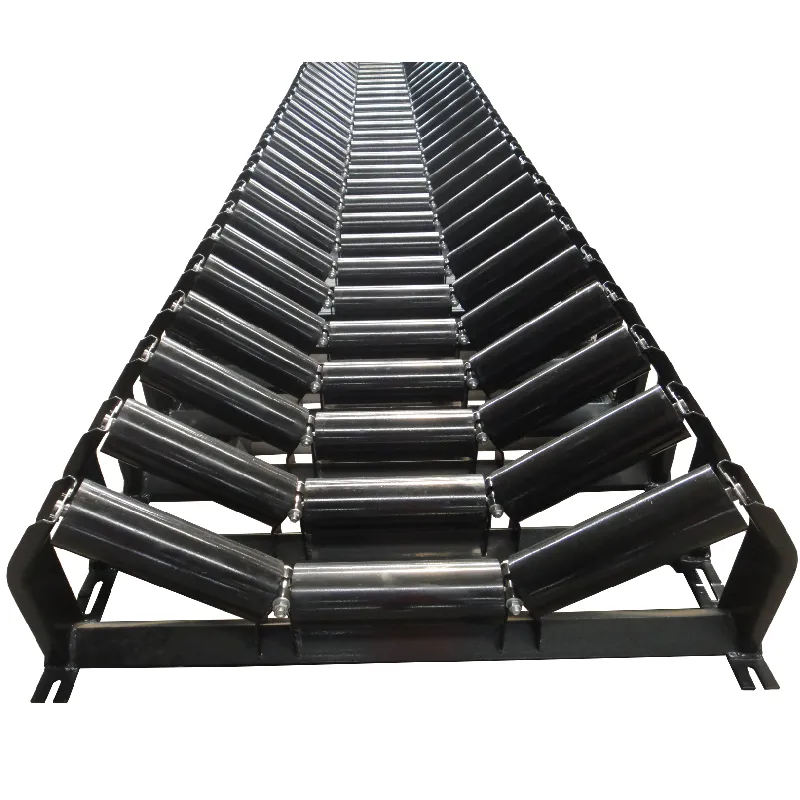
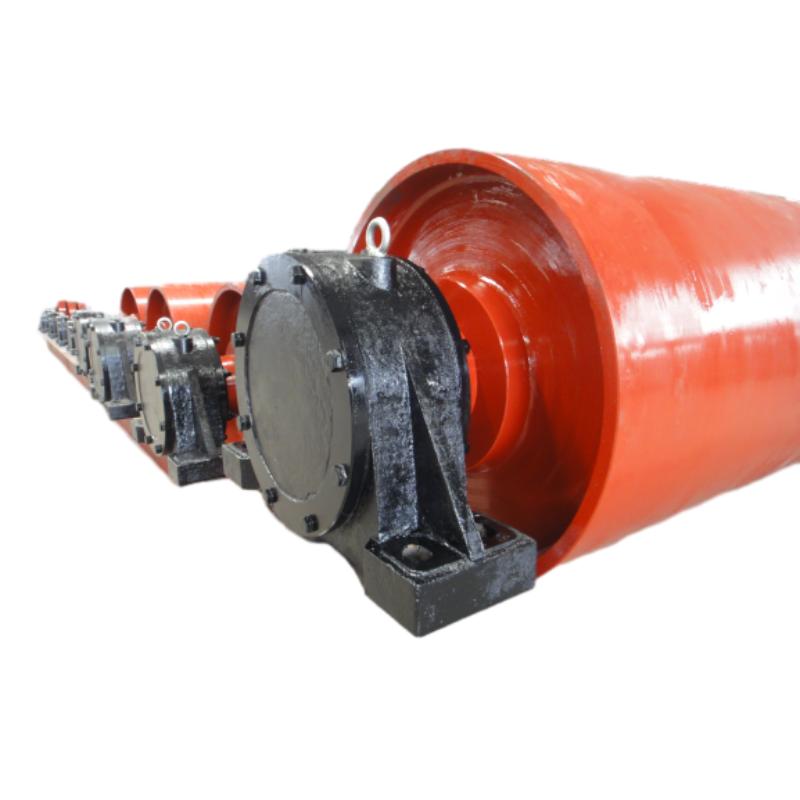
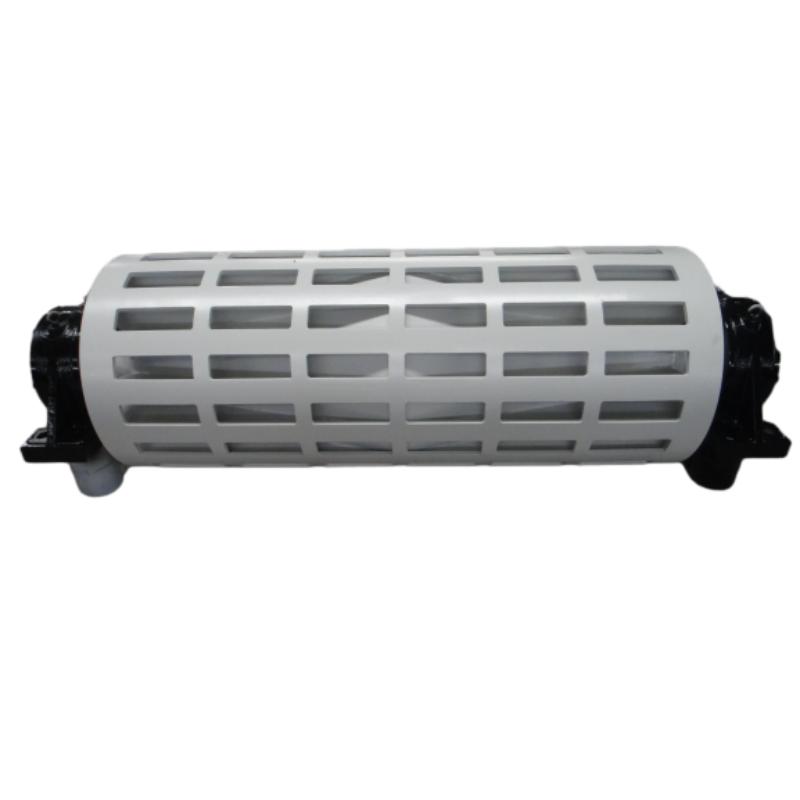
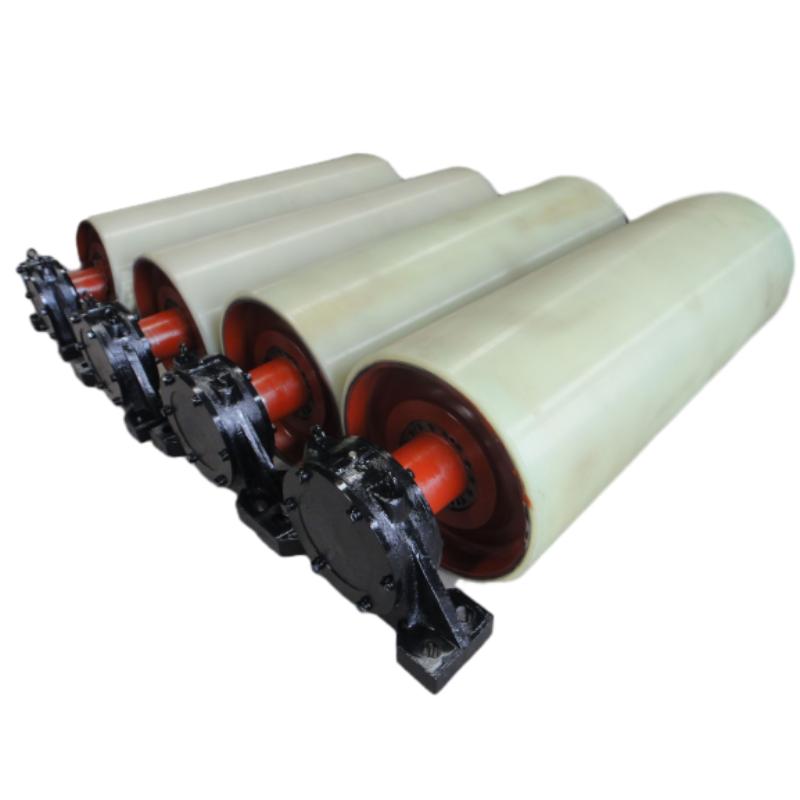
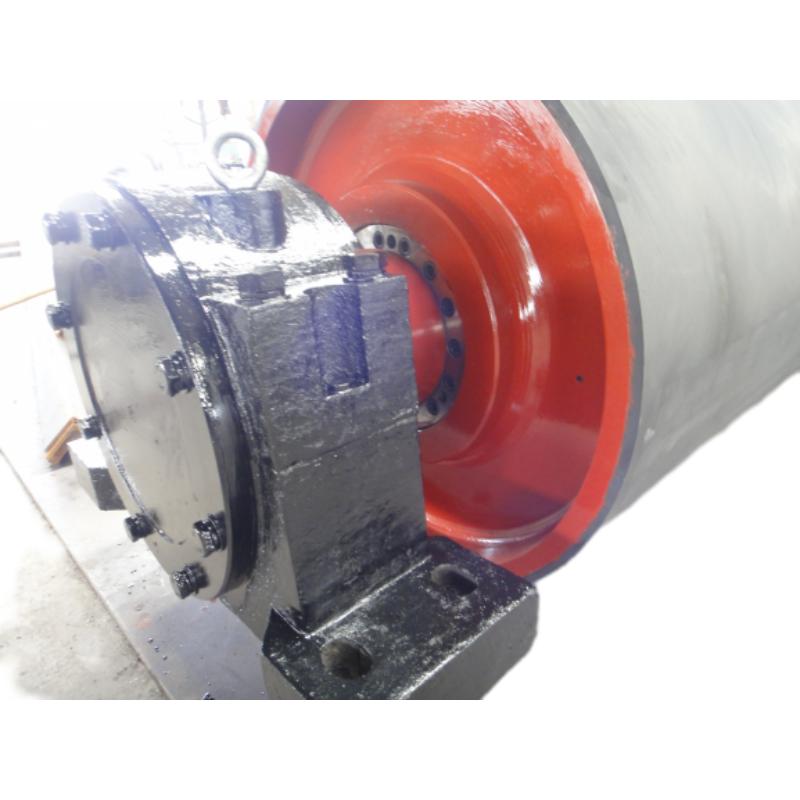
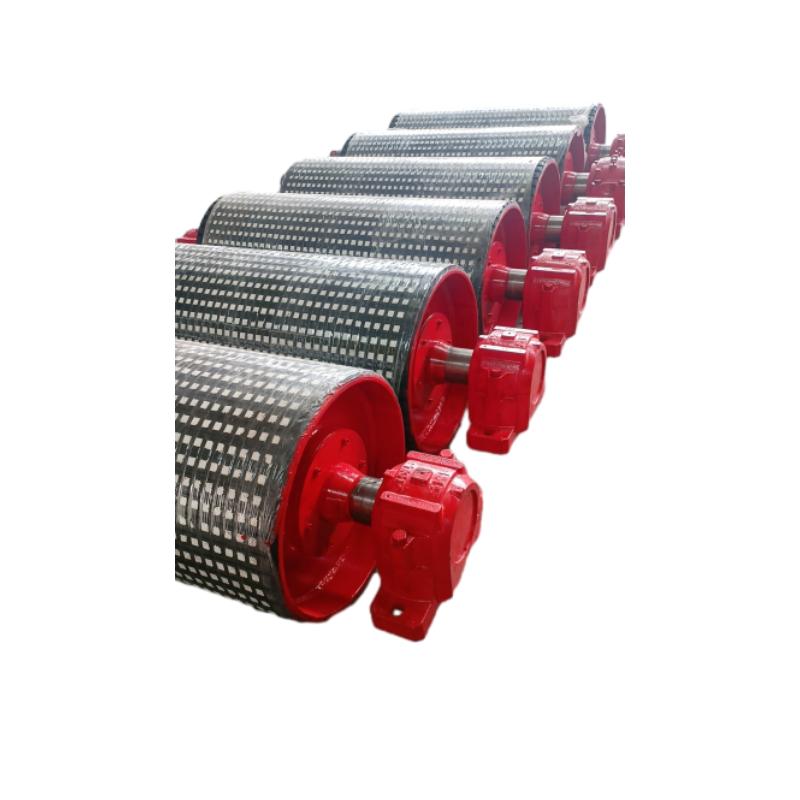
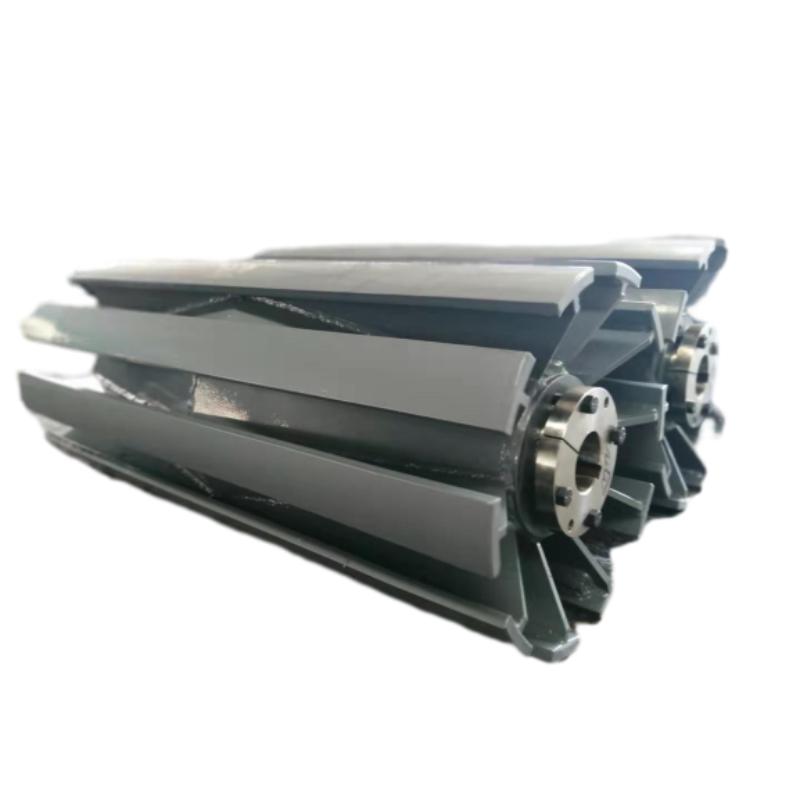
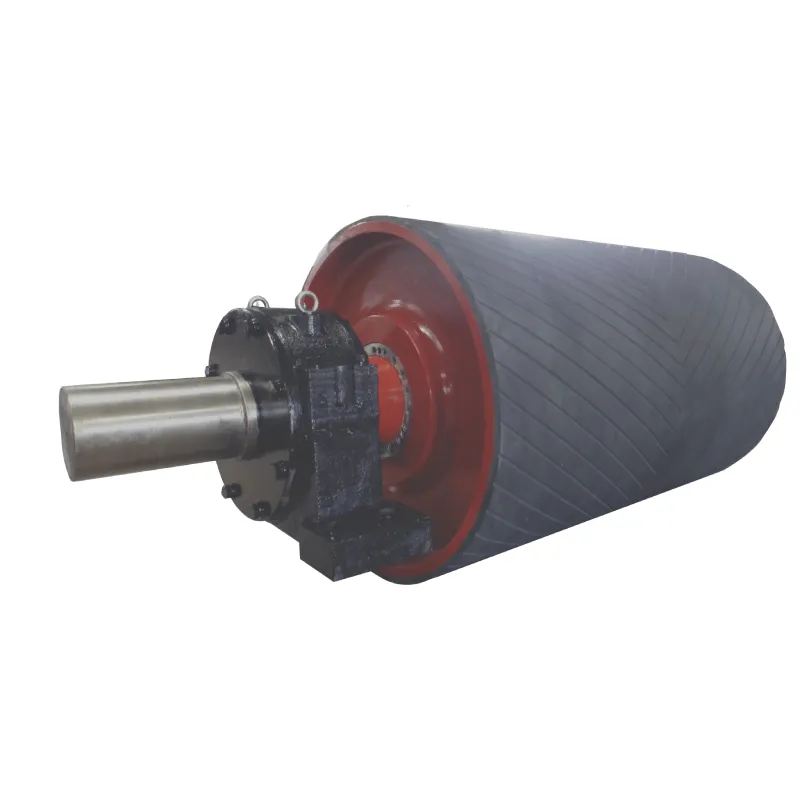
Let's break down the essential parts. The belt itself – typically made from rubber, PVC, or sometimes even steel cord – is obviously crucial. But then you have idlers, which support the belt and reduce friction. These can be either troughable (shaped to cradle the material) or flat. Then there’s the drive pulley, responsible for moving the belt, and the tail pulley, which provides tension. The frame, often steel, provides structural support. And don't forget the cleaning systems, to prevent material buildup. I suppose it sounds simple when you list it out, but each of these has a huge number of variations depending on the application. We recently worked with a client who needed a particularly abrasion-resistant belt for handling aggregate; that required some serious material science.
| Component | Material | Typical Specification |
|---|---|---|
| Belt | EP Rubber, PVC, Steel Cord | Width: 600-2000mm, Thickness: 3-30mm |
| Idler | Steel, Cast Iron | Diameter: 89-133mm |
| Drive Pulley | Carbon Steel | Diameter: 300-1200mm |
Vendor Landscape and Competitive Advantages
There are a lot of players in this space. Oddly enough, the market is quite fragmented. You've got the big multinational corporations, and then a ton of smaller, specialized manufacturers – like IdleraoHua. Many engineers I’ve spoken with say that the smaller companies often offer more customization and faster lead times. I noticed a trend towards modular designs too, making maintenance and upgrades easier. The right choice really depends on your specific needs. We had a client in the cement industry who was struggling with downtime due to idler failures. Switching to a higher-quality idler from IdleraoHua dramatically reduced their maintenance costs. It's not always about the cheapest option upfront; it’s about the total cost of ownership.
| Vendor | Strengths | Weaknesses |
|---|---|---|
| Siemens | Global reach, comprehensive solutions | Higher cost, potentially slower response |
| IdleraoHua | Customization, competitive pricing, fast lead times | Smaller scale, less brand recognition |
| Continental | Belt technology, extensive product range | Can be complex to integrate with other systems |
Sustainability and Future Trends
There's a growing focus on sustainability, which is impacting the industry. People are looking for belts made from recycled materials, and for energy-efficient drive systems. The push for predictive maintenance – using sensors to monitor component wear and tear – is also significant. It feels like that's the direction things are going. And, of course, the integration of IoT (Internet of Things) for remote monitoring and control is becoming more common. We are also seeing increased demand for explosion-proof conveyor systems, especially in the mining sector, driven by safety regulations. It’s a constantly evolving field, honestly...
Frequently Asked Questions about Components Of Belt Conveyor System
- What is Components Of Belt Conveyor System and how does it work?
- A Components Of Belt Conveyor System is a system used for transporting materials horizontally or on an incline. It works by utilizing a continuous loop of belt supported by rollers, driven by a motor, to move items from one point to another.
- What are the main benefits of using Components Of Belt Conveyor System in industrial applications?
- Key benefits include increased efficiency, reduced labor costs, improved safety, and the ability to handle a wide range of materials and loads.
- How does Components Of Belt Conveyor System compare to traditional alternatives?
- Compared to manual handling or other methods, Components Of Belt Conveyor System offers higher throughput, lower risk of damage to goods, and more consistent operation.
- What industries can benefit most from Components Of Belt Conveyor System implementation?
- Industries such as mining, agriculture, manufacturing, logistics, food processing, and postal services commonly utilize Components Of Belt Conveyor System for efficient material handling.
In Conclusion
Choosing the right Components Of Belt Conveyor System is about more than just specs; it’s about understanding your application and finding a partner who can deliver a reliable, cost-effective solution. And really, considering the long-term impact on efficiency and safety, it’s an investment worth making. Visit our website: https://www.idleraohua.com
- Invest in quality components.
- Consider total cost of ownership.
-
Maximize Conveyor Life with a High Performance impact bedNewsApr.16,2026
-
Maximize Conveyor Efficiency Using a v plow belt scraperNewsApr.09,2026
-
Comprehensive Guide to Understanding Different Types of Belt CleanersNewsApr.07,2026
-
Enhancing Conveyor Efficiency with an Effective Scraper Belt CleanerNewsApr.04,2026
-
Optimizing Conveyor Systems with Advanced Cleaning Equipment SolutionsNewsMar.31,2026
-
Effective Conveyor Belt Scraper Adjustment for Optimal System PerformanceNewsMar.28,2026