

Comprehensive Guide to Conveyor Belt Scraper Types and Selection
Understanding Conveyor Belt Scraper Types
Efficient material handling relies heavily on the proper maintenance of conveyor belts. A critical component of this maintenance is the conveyor belt scraper, responsible for preventing material buildup and ensuring consistent operation. Selecting the right scraper type is paramount for optimal performance and longevity of your conveyor system. This article will delve into the various conveyor belt scraper types available, their applications, and how to choose the best option for your specific needs. Investing in the correct scraper reduces downtime, minimizes material loss, and extends the life of your conveyor belt system.
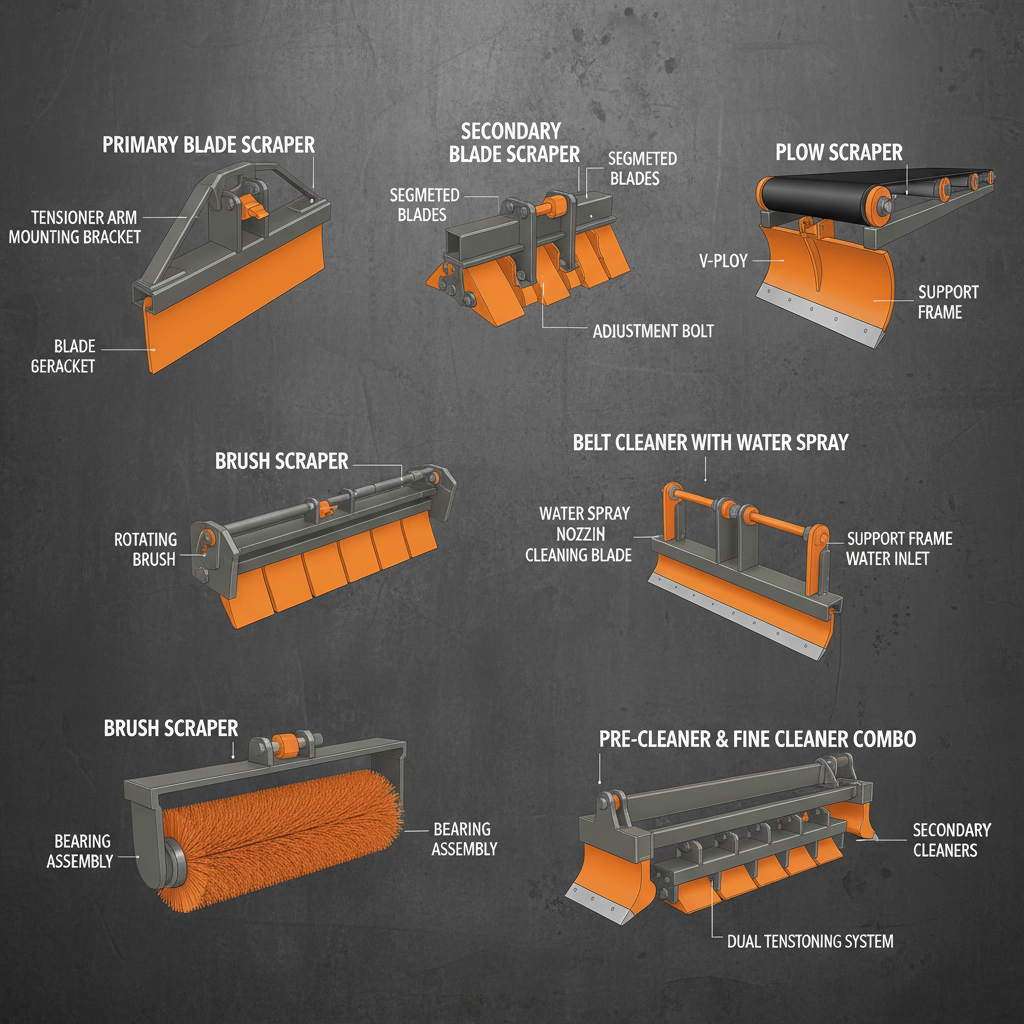
Types of Conveyor Belt Scrapers
Conveyor belt scrapers come in a diverse range of designs, each tailored for specific applications and belt types. Understanding these variations is key to making an informed decision. The main categories include mechanical scrapers, spring-loaded scrapers, carbide scrapers, and urethane scrapers. Each type utilizes different materials and mechanisms to effectively remove buildup. The best choice depends on factors like the type of material being conveyed, belt speed, and the degree of buildup. IDLERAOHUA offers a comprehensive selection of scraper types to meet diverse industrial demands.
Key Takeaway: Selecting the right scraper type significantly impacts conveyor belt efficiency, reduces maintenance costs, and minimizes material loss.
Mechanical Conveyor Belt Scrapers
Mechanical scrapers are a traditional and widely used type, employing a fixed blade to remove material buildup. They are generally robust and effective for handling dry, free-flowing materials. However, they may struggle with sticky or abrasive substances, requiring frequent adjustment and replacement. Their simplicity makes them relatively inexpensive, but they demand regular maintenance to prevent belt damage. These are often used in applications like coal handling and aggregate processing. Explore mechanical scraper options at IDLERAOHUA.
Spring-Loaded Conveyor Belt Scrapers
Spring-loaded scrapers offer a significant advantage over mechanical scrapers by automatically adjusting to belt variations and maintaining consistent cleaning pressure. This flexibility is especially valuable in systems with fluctuating loads or uneven belt surfaces. They are excellent for handling a wider range of materials, including those with some degree of stickiness. The spring mechanism ensures the blade remains in contact with the belt, maximizing cleaning efficiency and minimizing material carryback. These scrapers are a popular choice for food processing and grain handling applications.
Benefits of Spring-Loaded Scrapers:
• Automatic adjustment to belt variations
• Consistent cleaning pressure
• Suitable for a wider range of materials
• Reduced belt wear
Conveyor Belt Scraper Types: A Comparative Analysis
Choosing between different scraper types requires careful consideration of your specific application. Here’s a comparison of the most common options:
Selecting the Right Scraper: Key Considerations
When choosing a conveyor belt scraper, consider the following factors: material type, belt speed, operating environment, and maintenance requirements. For abrasive materials, carbide scrapers offer superior durability. For sticky materials, spring-loaded or urethane scrapers are more effective. Regularly inspect your scrapers for wear and tear, and replace them promptly to maintain optimal performance. Proper scraper selection and maintenance are vital for maximizing conveyor system efficiency and minimizing costly downtime. Contact IDLERAOHUA today for expert guidance.
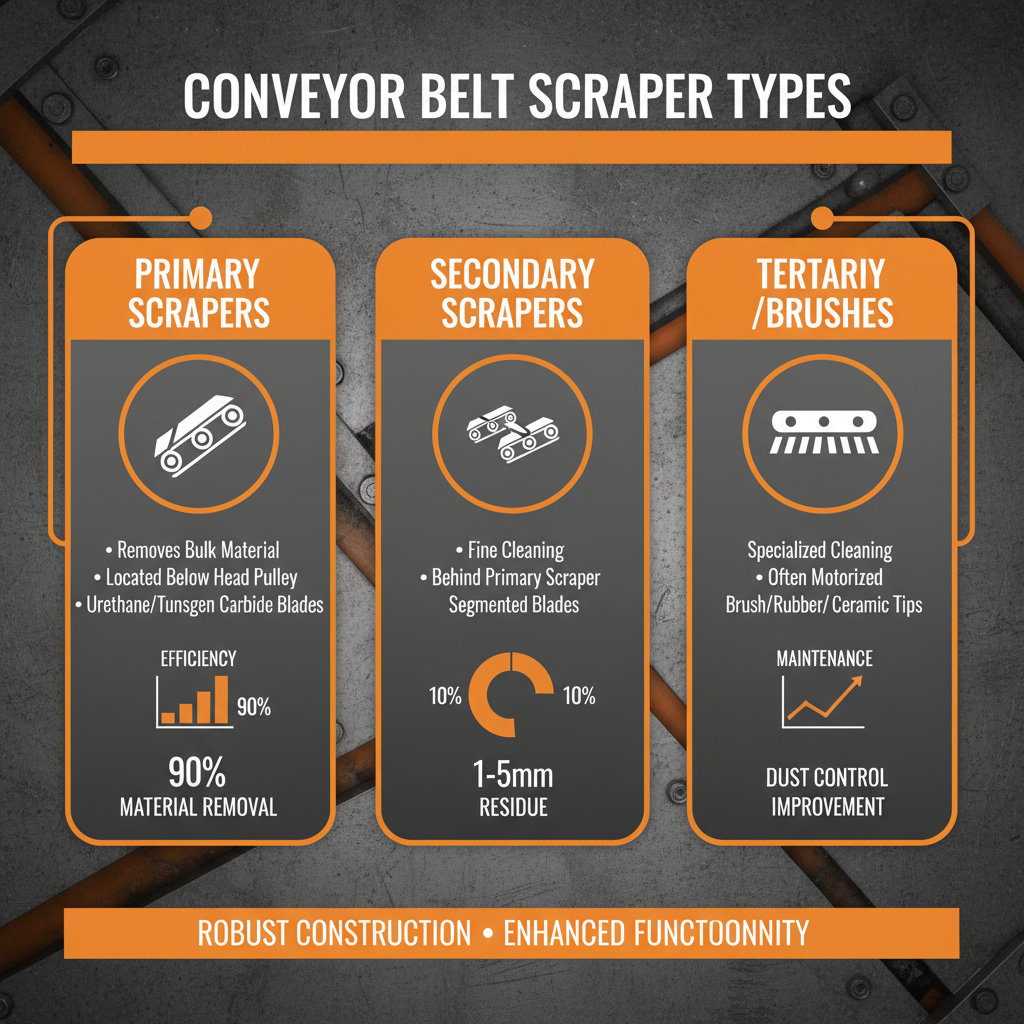
Conclusion: Optimizing Conveyor Performance with the Right Scraper
Investing in the right conveyor belt scraper is a crucial step in ensuring efficient material handling. By understanding the various types available and their respective advantages, you can choose the best solution for your specific needs. Regular maintenance and timely replacement are also essential for maximizing scraper performance and extending the life of your conveyor system.
Don’t let material buildup slow down your operations – choose the right scraper and optimize your conveyor system today!
Frequently Asked Questions (FAQs)
How often should I replace my conveyor belt scraper?
The frequency of scraper replacement depends on several factors, including the abrasiveness of the material being conveyed, belt speed, and operating environment. Regularly inspect your scraper for signs of wear, such as cracks, gouges, or reduced scraping efficiency. As a general guideline, mechanical scrapers may require more frequent replacement than spring-loaded or urethane scrapers. Consider a preventative maintenance schedule based on your specific application. If you notice increased material carryback or reduced belt performance, it’s time for a replacement. Proactive replacement minimizes belt damage and ensures continuous operation.
What is the best scraper type for handling sticky materials?
Spring-loaded and urethane scrapers are generally the best choices for handling sticky materials. Spring-loaded scrapers maintain consistent pressure on the belt, preventing buildup from adhering. Urethane scrapers offer excellent resistance to sticky substances and can withstand continuous use without significant wear. Mechanical scrapers often struggle with sticky materials, leading to buildup and reduced efficiency. Choosing the right material for the blade is also important – consider using a blade specifically designed for sticky applications.
Can I use a universal scraper for all my conveyor belts?
While some scrapers may be adaptable, using a universal scraper isn’t always the best approach. Different conveyor belts and materials require specific scraper designs to achieve optimal performance. Factors like belt speed, material characteristics, and operating environment all influence scraper selection. Using the wrong scraper can lead to reduced efficiency, increased belt wear, and potential damage. It’s best to consult with a scraper specialist, like the team at IDLERAOHUA, to determine the ideal scraper for your unique application.
-
Maximize Conveyor Life with a High Performance impact bedNewsApr.16,2026
-
Maximize Conveyor Efficiency Using a v plow belt scraperNewsApr.09,2026
-
Comprehensive Guide to Understanding Different Types of Belt CleanersNewsApr.07,2026
-
Enhancing Conveyor Efficiency with an Effective Scraper Belt CleanerNewsApr.04,2026
-
Optimizing Conveyor Systems with Advanced Cleaning Equipment SolutionsNewsMar.31,2026
-
Effective Conveyor Belt Scraper Adjustment for Optimal System PerformanceNewsMar.28,2026