

Seal TR Guide: Industrial Equipment Seal Solutions Explained
Seal TR: The Unsung Hero in Industrial Equipment
Having spent quite a few years elbow-deep in the industrial equipment sector, I can tell you one thing for sure — seal TR quietly holds a pivotal role in countless machinery setups. Oddly enough, it rarely gets the spotlight it deserves, but in real terms, it’s the difference between smooth operation and costly downtime.
Seal TRs, as I’ve noticed on numerous job sites and factory floors, are primarily designed to maintain the integrity of the system they're part of — preventing leaks, holding pressures, and resisting wear. The tricky part is that these seals must withstand extreme conditions: high temperatures, pressure fluctuations, abrasive materials, and sometimes aggressive chemicals. This is why material selection and design precision are vital. Frankly, not all seal TRs are created equal.
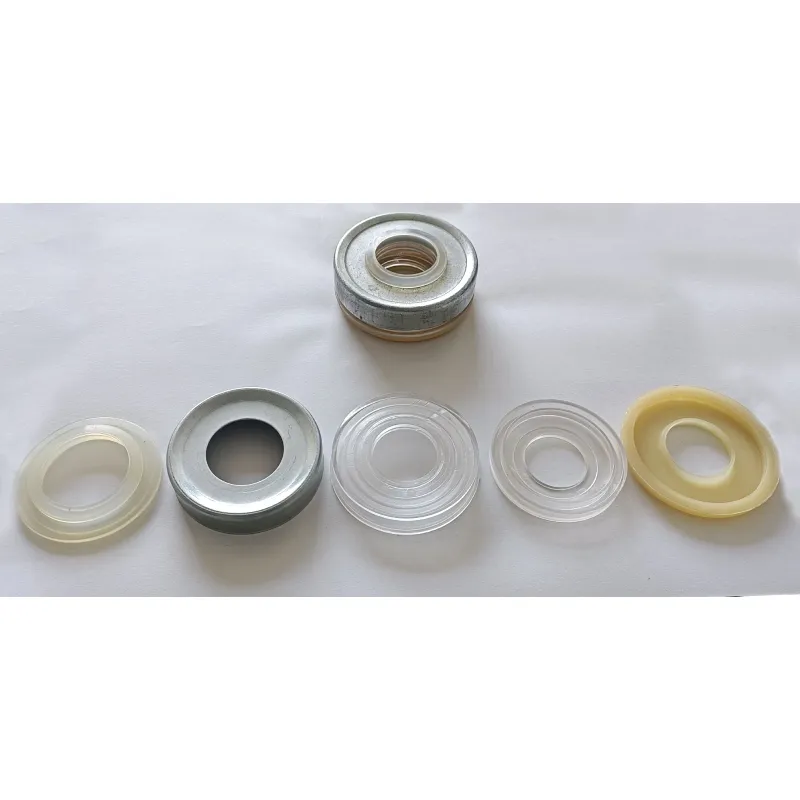
Let me pull back the curtain a bit on what makes these products tick. In my experience, a well-engineered seal TR often combines a mixture of rubber compounds (like NBR or FKM) with metal reinforcements, which gives it the flexibility to form tight contact surfaces, and durability to resist deformation. Some manufacturers also embed fabric layers for extra abrasion resistance — a nifty tweak many engineers appreciate on dusty or gritty lines.
Testing? Absolutely crucial. I’ve seen suppliers run their seals through accelerated aging tests and simulated real-world strokes — simulating everything from heat cycles to chemical exposure. It’s reassuring when you receive seals that have passed such rigorous trials; it saves you headaches down the line.
| Specification | Details |
|---|---|
| Material | NBR/FKM rubber with metal reinforcement |
| Temperature Range | -30°C to +120°C (NBR); up to 200°C (FKM) |
| Pressure Tolerance | Up to 25 MPa |
| Chemical Resistance | Hydraulic fluids, oils, some acids |
| Custom Sizes | Available on request |
Customization really is where the industry moves forward. A friend of mine once shared how a client insisted on a slightly modified seal TR to fit a newly designed hydraulic pump. The regular catalog sizes didn’t cut it, but the manufacturer was able to tweak material hardness and outer diameter — just enough to extend operational life by nearly 30%. That kind of responsiveness still impresses me.
Now, when it comes to picking the right vendor for seal TRs, the choices can get a bit… confusing. Many promise high performance and durability, but I've learned to value a few key factors: proven testing procedures, material traceability, and after-sales support. I've jotted down a quick comparison of some leading players I’ve worked with over my career:
| Vendor | Material Quality | Customization Options | Lead Time | Customer Service |
|---|---|---|---|---|
| Idler Aohua | High-grade NBR & FKM | Wide, tailored on demand | 2-3 weeks | Responsive & technical support |
| Vendor B | Mid-range compounds | Limited | 1-2 weeks | Average |
| Vendor C | Premium materials but costly | Extensive | 4-5 weeks | High |
To sum up (for now), I find that investing a little time upfront in selecting the right seal TR — exploring materials, testing data, and vendor track records — pays off in the long run. This isn’t just about keeping a machine running; it’s about avoiding those frustrating, costly stops that nobody wants on a tight production schedule.
If you’ve got the chance, try to seek vendors that not only supply quality products but also stand behind them with good support. I noticed that doing so tends to build stronger trust and smoother operations overall.
Anyway, seal TRs might be small parts, but in this industry, the devil is very much in the details. If you want to dive deeper into specific products or get advice tailored to your application, I recommend checking out the experts directly at Idler Aohua. They’ve been around long enough to really know their stuff.
Until next time, keep your seals tight and your machines humming.
References:
- Industrial Seal Design Handbook, 4th Edition.
- Hydraulic Equipment Testing Standards, ISO 3320.
- “Field Experience with Custom Seal TR Solutions” – Journal of Industrial Equipment, 2021.
-
Maximize Conveyor Life with a High Performance impact bedNewsApr.16,2026
-
Maximize Conveyor Efficiency Using a v plow belt scraperNewsApr.09,2026
-
Comprehensive Guide to Understanding Different Types of Belt CleanersNewsApr.07,2026
-
Enhancing Conveyor Efficiency with an Effective Scraper Belt CleanerNewsApr.04,2026
-
Optimizing Conveyor Systems with Advanced Cleaning Equipment SolutionsNewsMar.31,2026
-
Effective Conveyor Belt Scraper Adjustment for Optimal System PerformanceNewsMar.28,2026