

The Essential Guide to Belt Wipers for Optimal Conveyor System Performance
The Ultimate Guide to Belt Wipers for Efficient Conveyor Systems
Maintaining the efficiency and cleanliness of conveyor systems is crucial for a smooth-running operation, especially in industries like food processing, pharmaceuticals, and logistics. A key component in achieving this is the belt wiper. These seemingly simple devices play a vital role in removing debris, moisture, and unwanted materials from conveyor belts, preventing slippage, extending belt life, and ensuring product quality. This article will comprehensively explore belt wipers, covering their types, applications, benefits, and how to choose the right one for your specific needs. Investing in the right belt wiper system can significantly improve operational efficiency and reduce long-term maintenance costs.
Understanding the Different Types of Belt Wipers
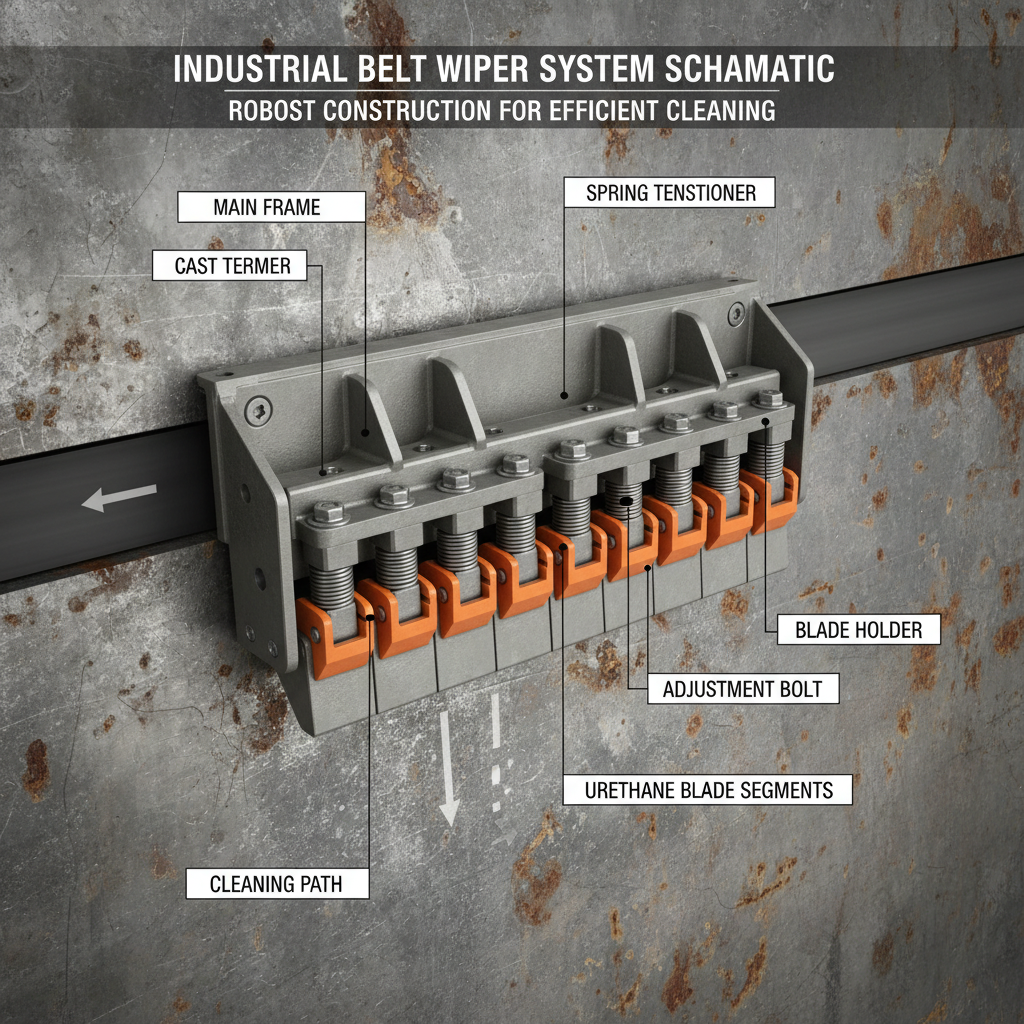
Belt wipers aren't one-size-fits-all. Different applications demand different wiper designs. The most common types include: Mechanical Belt Wipers, utilizing a blade or brush system driven by the conveyor itself; Air Knife Belt Wipers, which use a focused stream of compressed air to remove debris; and Brush Belt Wipers, employing rotating or static brushes to clean the belt surface. Each type has its strengths and weaknesses, which will be discussed in further detail. Choosing the appropriate wiper type depends on factors like the type of material being conveyed, the speed of the conveyor, and the environment's cleanliness level. Idlerao Hua offers a wide range of belt wipers tailored to diverse industrial requirements.
Key Takeaway: Selecting the right belt wiper type is vital for optimal performance and longevity. Consider your specific application and operational needs to make the best choice.
The Benefits of Implementing a Belt Wiper System
Implementing a belt wiper system provides a multitude of benefits. Firstly, it significantly reduces material buildup, preventing slippage and maintaining consistent conveyor speed. Secondly, it extends belt life by minimizing wear and tear caused by abrasive materials. Thirdly, it improves product quality by preventing contamination from debris. Finally, it reduces downtime associated with belt cleaning and maintenance. These benefits translate into increased productivity, reduced costs, and a safer working environment. Investing in a belt wiper is an investment in the overall health and efficiency of your conveyor system.
Key Benefits:
• Reduces material buildup & slippage
• Extends belt lifespan
• Improves product quality
• Minimizes downtime for cleaning
Comparing Belt Wiper Technologies: A Detailed Look
Choosing between mechanical, air knife, and brush belt wipers can be challenging. Here’s a comparative analysis to help you decide. Mechanical wipers are best for removing sticky materials, but require regular blade replacement. Air knives are ideal for dry debris and high-speed conveyors, but require a compressed air supply. Brush wipers are effective for light dust and particles and are gentler on the belt surface, but may not be suitable for heavy or sticky materials. Idlerao Hua can help assess your specific requirements and recommend the optimal solution.
Applications Across Industries
Belt wipers are essential across numerous industries. In food processing, they prevent contamination and maintain hygiene. In mining and aggregate, they remove abrasive materials that can damage belts. Logistics and warehousing rely on them to ensure smooth package handling. Furthermore, in pharmaceuticals and chemical processing, maintaining a clean conveyor system is crucial for product purity and safety. Choosing a belt wiper designed for the specific challenges of your industry is paramount.
Choosing the Right Belt Wiper: Key Considerations
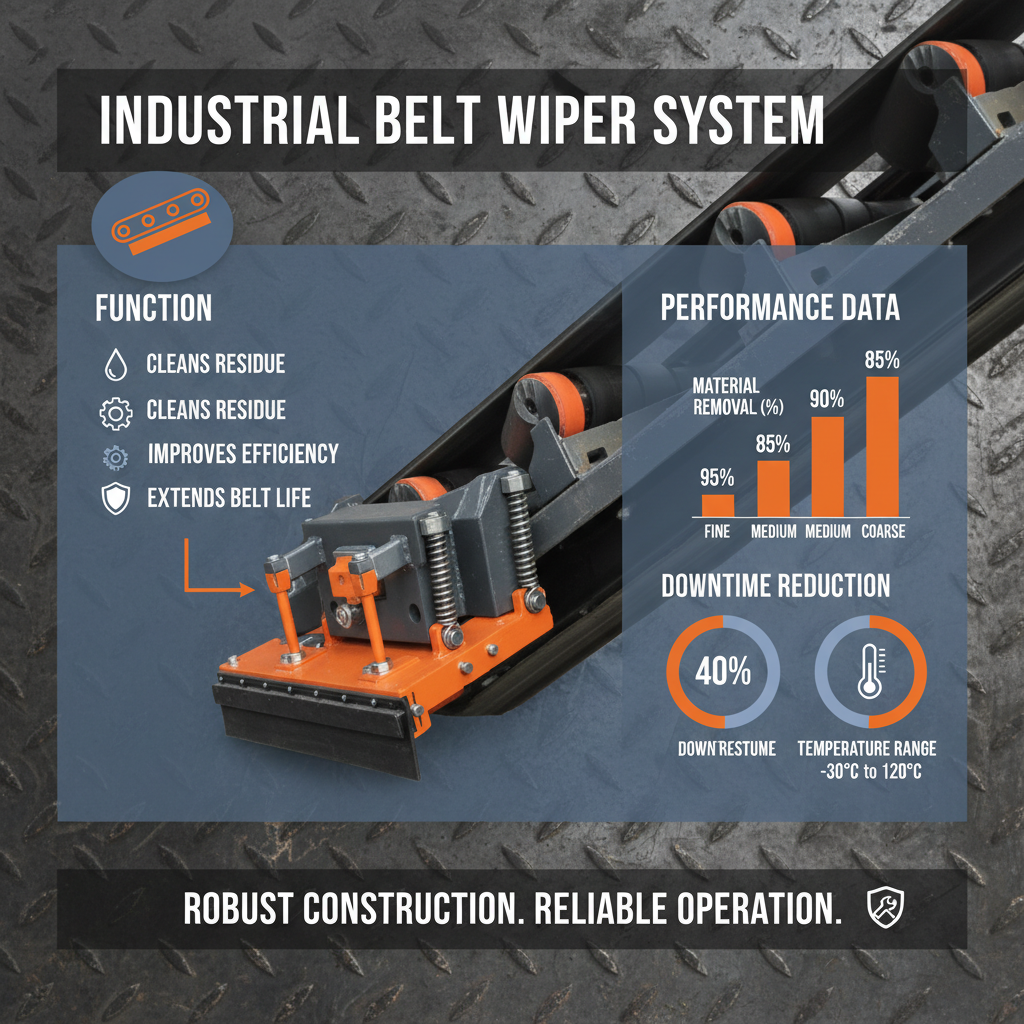
Selecting the optimal belt wiper requires careful consideration. Factors to assess include the type of material being conveyed, the belt speed, the ambient temperature, and the level of contamination. The wiper's material compatibility with the conveyed product is also vital. Finally, consider the ease of maintenance and blade/brush replacement. Idlerao Hua provides expert guidance and customized solutions to help you make the informed decision.
Conclusion: Investing in a Cleaner, More Efficient Future
A belt wiper is a relatively small investment that yields significant returns in terms of improved efficiency, reduced maintenance costs, and enhanced product quality. By carefully considering your specific needs and choosing the right type of wiper, you can optimize your conveyor system's performance and safeguard your operations. Don't underestimate the power of a clean belt!
Frequently Asked Questions (FAQs)
How often should I replace the blade on a mechanical belt wiper?
The replacement frequency depends on the material being conveyed and the operating conditions. Generally, blades should be inspected regularly (weekly or monthly) for wear and tear. Replace the blade when it shows signs of cracking, dulling, or significant wear. Ignoring blade wear can lead to ineffective cleaning and potential damage to the conveyor belt. Using high-quality blades from a reputable supplier like Idlerao Hua can extend blade life and ensure optimal performance.
What is the best way to clean a belt wiper system?
Regular cleaning is essential for maintaining a belt wiper’s effectiveness. For mechanical wipers, periodically remove any accumulated debris from the blade and mounting bracket. Air knife systems should be checked for nozzle blockages and cleaned as needed. Brush wipers may require occasional cleaning to remove embedded particles. Always disconnect power before performing any maintenance or cleaning procedures. Follow the manufacturer's recommendations for specific cleaning instructions.
Can belt wipers be used on inclined conveyor belts?
Yes, belt wipers can be used on inclined conveyors, but the wiper type and mounting angle must be carefully considered. Mechanical wipers and brush wipers are often preferred for inclined applications, as they can effectively remove material moving uphill. The wiper angle should be adjusted to ensure optimal contact with the belt without causing excessive drag. Idlerao Hua can provide guidance on selecting the appropriate wiper and mounting configuration for your specific inclined conveyor system.
What safety precautions should be taken when installing and maintaining belt wipers?
Safety is paramount. Always disconnect power to the conveyor system before installing or maintaining a belt wiper. Wear appropriate personal protective equipment (PPE), such as safety glasses and gloves. Ensure the wiper is securely mounted and properly aligned to prevent it from interfering with the conveyor's operation. Follow all manufacturer's safety guidelines and local regulations.
-
Maximize Conveyor Life with a High Performance impact bedNewsApr.16,2026
-
Maximize Conveyor Efficiency Using a v plow belt scraperNewsApr.09,2026
-
Comprehensive Guide to Understanding Different Types of Belt CleanersNewsApr.07,2026
-
Enhancing Conveyor Efficiency with an Effective Scraper Belt CleanerNewsApr.04,2026
-
Optimizing Conveyor Systems with Advanced Cleaning Equipment SolutionsNewsMar.31,2026
-
Effective Conveyor Belt Scraper Adjustment for Optimal System PerformanceNewsMar.28,2026