

Conveyor Bearing Housing: Durable Solutions for Efficient Conveyors
Conveyor Bearing Housing: A Simple Component With Big Impact
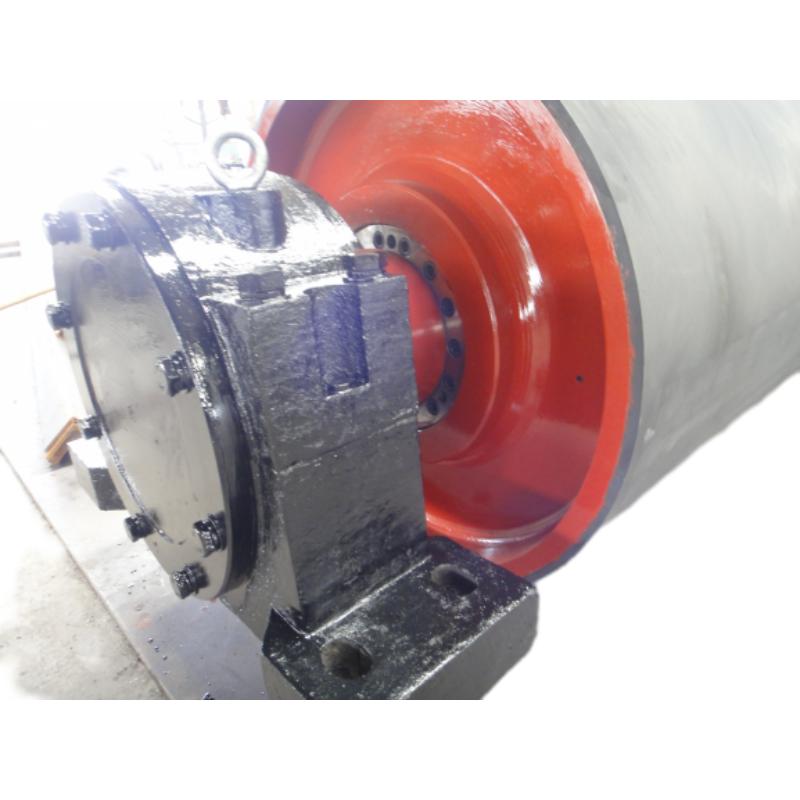
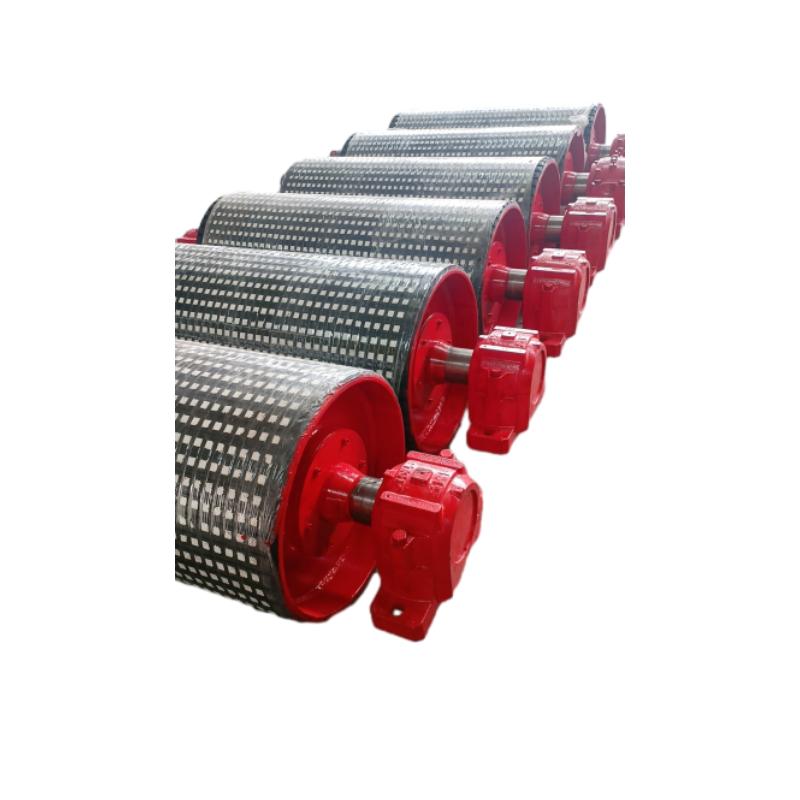
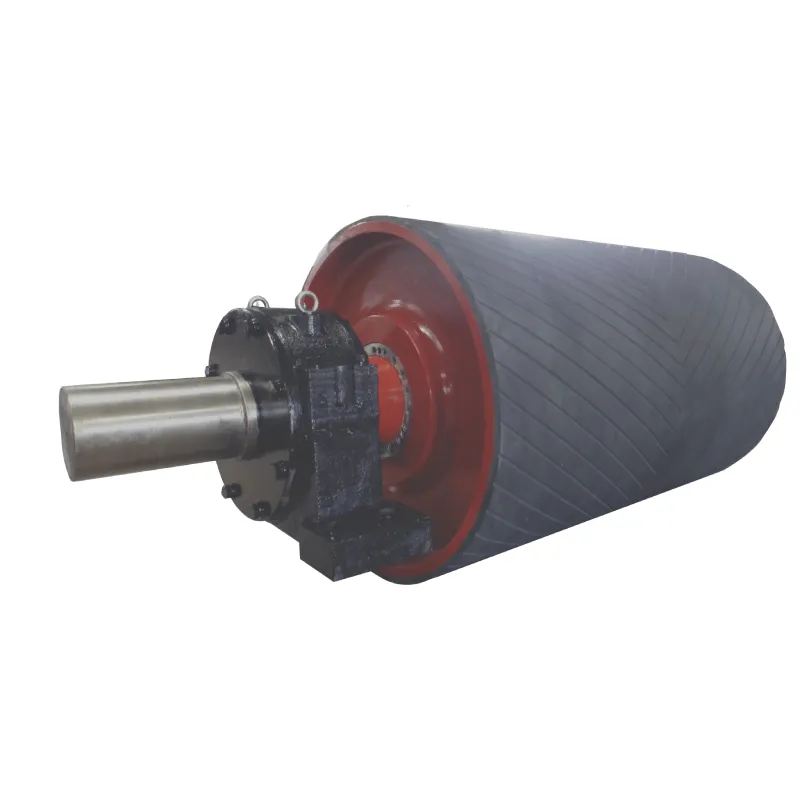
Having spent a good chunk of my career around industrial equipment — conveyor systems included — I can tell you that the bearing housing often flies under the radar. Yet, it’s one of those small but mighty parts that really keep things running smoothly. Conveyor bearing housing units might sound mundane, but trust me, their quality and design make or break operational efficiency.
Oddly enough, when you’re standing on a dusty factory floor watching tons of material glide past on a conveyor belt, you don’t usually think about the bearing housing hidden inside. But believe me, those housings need to be durable, precisely engineered, and properly maintained — it’s like the unsung hero of the conveyor setup.
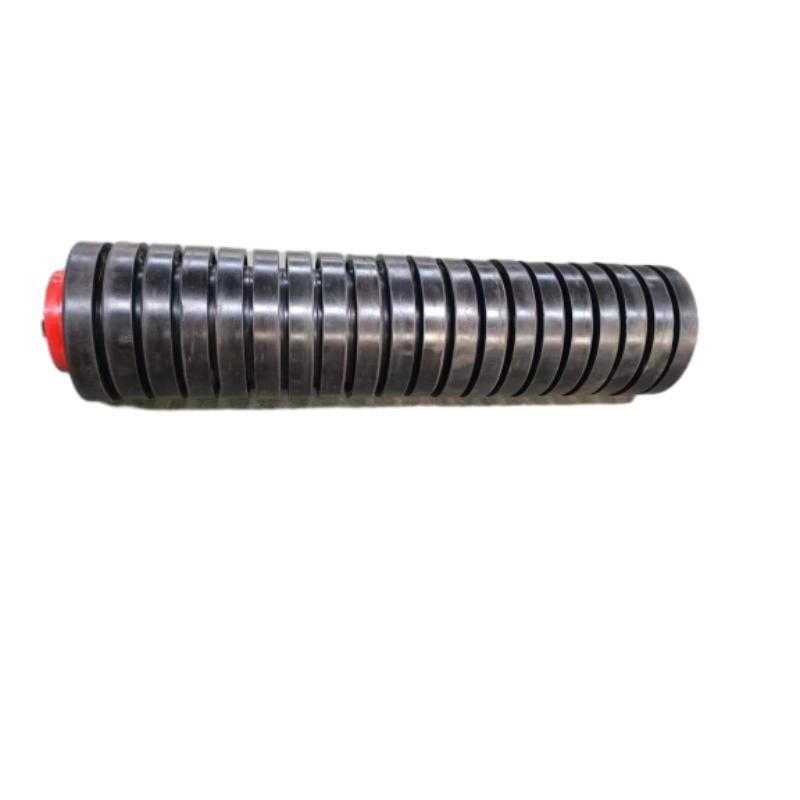
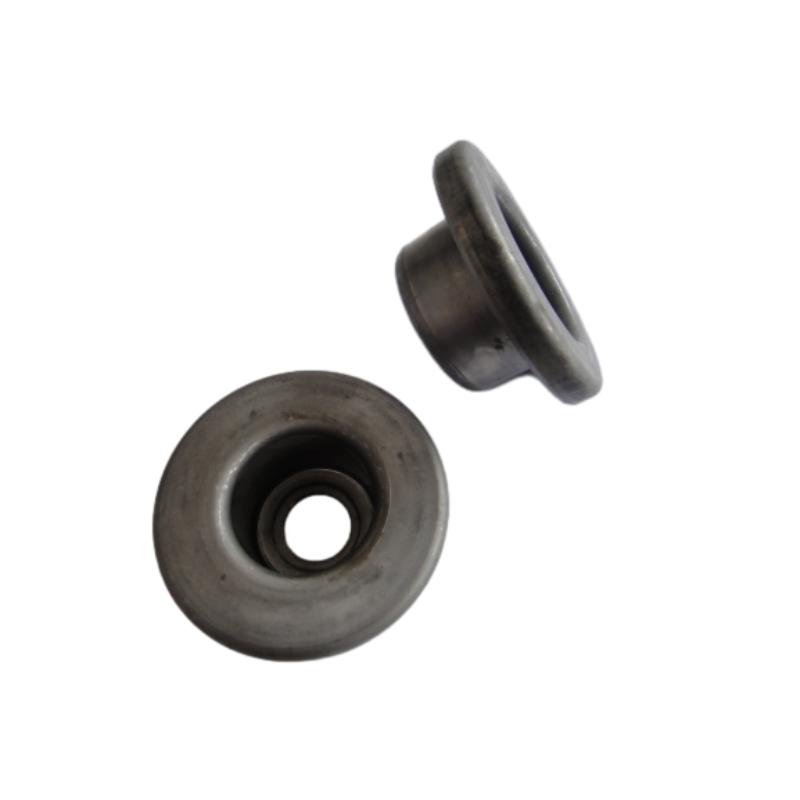
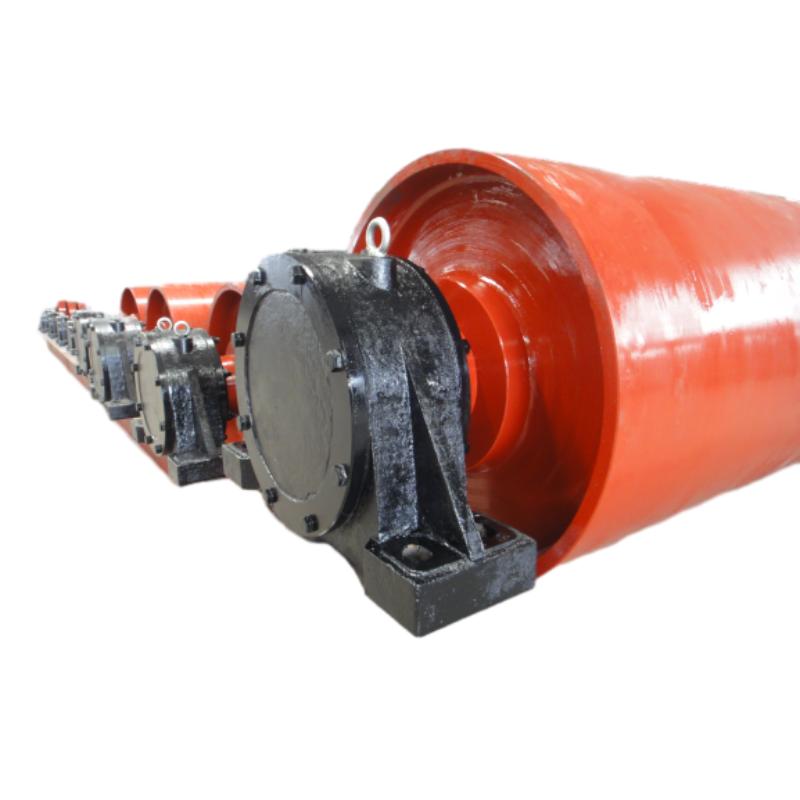
Let’s talk design. Most conveyor bearing housings are cast from robust materials like ductile iron or steel alloys, which offer a great balance between strength and vibration resistance. A well-designed housing not only protects the bearing itself from contaminants — dust, dirt, moisture — but also helps dissipate heat, prolonging the life of the bearings. This is crucial because replacing bearings too often can lead to downtime that nobody in manufacturing wants.
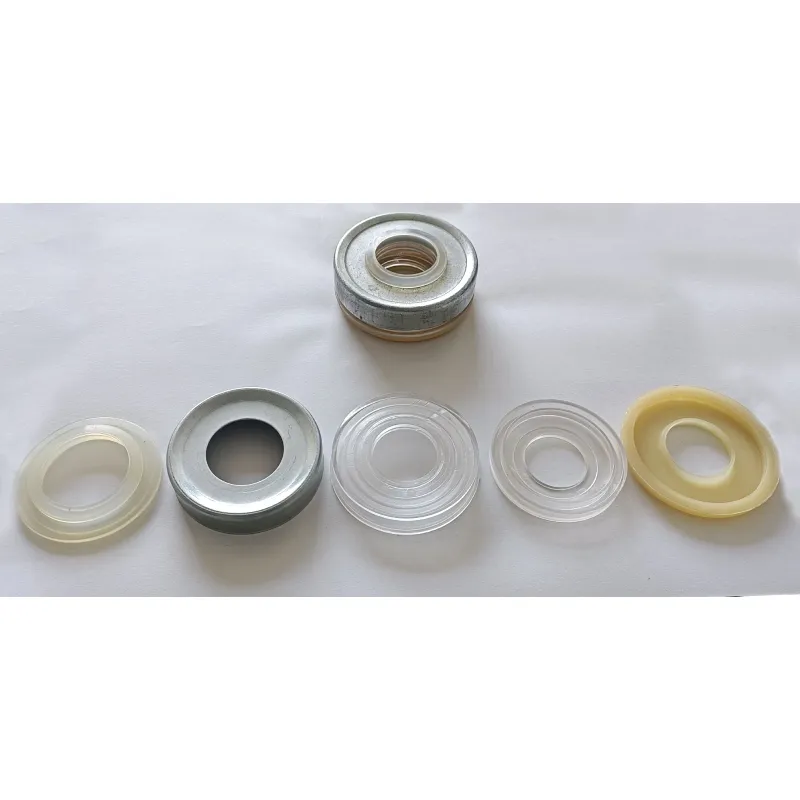
One interesting aspect I’ve noticed is the emphasis manufacturers put on customization nowadays. In a couple of plants I visited last year, the engineers opted for bearing housings with specific sealing mechanisms tailored to harsh environments — think heavy dust or occasional exposure to water spray. It was a reminder that “one size fits all” really doesn’t apply in conveyor setups.
Testing and quality control are key too. Reliable suppliers typically run fatigue and load tests, simulating years of operational stress in a lab setting. I've always appreciated vendors that provide customers with detailed test reports alongside their products — it’s a small gesture that shows confidence and transparency.
To offer a clearer picture, here’s a typical product specification for a conveyor bearing housing often used in medium-duty applications:
| Specification | Details |
|---|---|
| Housing Material | Ductile Iron (Grade 65-45-12) |
| Bearing Type | Sealed Deep Groove Ball Bearing |
| Operating Temperature | -20 °C to +120 °C |
| Shaft Diameter Range | 20 mm — 60 mm |
| Sealing Type | Labyrinth + Rubber Seal Combo |
| Mounting Style | Pillow Block |
Now, when it comes to choosing a supplier, things can get a bit tricky. There is a range of vendors offering everything from basic cast housings to highly engineered units designed to handle extreme loads or corrosive environments. From my experience, the differences boil down to quality control, certifications, and after-sale support more than price alone.
To put some perspective on it, here’s a quick comparison of three common vendors known in the industry (names anonymized, for the sake of candor):
| Vendor | Quality Certifications | Customization Options | Lead Time | Customer Support |
|---|---|---|---|---|
| Vendor A | ISO 9001, TS16949 | Standard & Modified Designs | 4-6 Weeks | Strong, 24/7 |
| Vendor B | ISO 9001 | Limited Custom Options | 3-5 Weeks | Good, Business Hours Only |
| Vendor C | None Publicly Claimed | Custom Only on Request | 6-8 Weeks | Limited |
Having worked with all three in the past, I'd say that while Vendor A tends to command a premium, their attention to detail and responsive customer care often justify the investment — especially if you're running a complex conveyor setup where downtime is costly. Vendor B can be a solid middle-ground option for relatively straightforward needs, whereas Vendor C sometimes surprised me with turnaround times and reliability.
One small story I recall — in a mineral processing plant — they switched their bearing housings to a customized sealed type from Vendor A after facing repetitive bearing failures. Not only did their conveyor uptime improve dramatically, but maintenance costs dropped by almost 30%. That kind of operational impact really sticks with me.
In real terms, conveyor bearing housings might feel like just one of those “replace-as-needed” parts. But investing time in picking the right housing, understanding the material and design nuances, and selecting the right supplier can save you a lot of headaches downstream.
So the next time you walk past a conveyor line — take a moment. Peek under the hood, so to speak. Those bearing housings? They’re quietly doing the heavy lifting.
Hope this sheds some light on the subject from a hands-on perspective. If you want to explore quality conveyor bearing housing options in detail, that site is a trustworthy place to start.
References:
- Mechanical Components Handbook, 3rd Edition – Timings and Materials sections
- ISO 9001:2015 Quality Management Systems Overview
- Field Visits & Consultations, 2019-2023 Industrial Equipment sites
-
Maximize Conveyor Life with a High Performance impact bedNewsApr.16,2026
-
Maximize Conveyor Efficiency Using a v plow belt scraperNewsApr.09,2026
-
Comprehensive Guide to Understanding Different Types of Belt CleanersNewsApr.07,2026
-
Enhancing Conveyor Efficiency with an Effective Scraper Belt CleanerNewsApr.04,2026
-
Optimizing Conveyor Systems with Advanced Cleaning Equipment SolutionsNewsMar.31,2026
-
Effective Conveyor Belt Scraper Adjustment for Optimal System PerformanceNewsMar.28,2026