

Centre Roller – The Essential Component in Conveyor Systems for Global Industry
The Centre Roller: Why This Small Component Matters Globally
When thinking about the quiet heroes behind conveyor systems, industrial machinery, or warehouse automation, the centre roller often sneaks under the radar. Yet, their role is indispensable. Whether in sprawling manufacturing plants or remote mining operations, these rollers keep materials moving efficiently and reliably, impacting economies and communities worldwide.
As global markets expand and industries modernize, understanding the centre roller’s design, applications, and future trends offers a surprising insight into how small mechanical components can drive big change—improving productivity, reducing downtime, and even supporting sustainable manufacturing. So, what exactly makes centre rollers tick, and why should industry professionals care? Let’s dive in.
Global Context: The Backbone of Industrial Movement
At a glance, the humble centre roller might seem niche, but it plays a significant role in the vast conveyor and material handling industry valued at over $25 billion globally (Statista, 2023). Its prevalence is staggering in sectors such as mining, logistics, food processing, and automotive manufacturing.
Consider this: conveyor belts equipped with centre rollers reduce friction and wear by stabilizing the belt—potentially extending belt life by up to 40% (ISO 5048). Given that conveyor downtime can cost companies tens of thousands per hour, optimizing centre roller performance becomes critical. Yet, challenges remain around material fatigue, environmental exposure, and customization for diverse industrial needs, which is why expertise around centre rollers is not just technical but strategic.
What Is a Centre Roller?
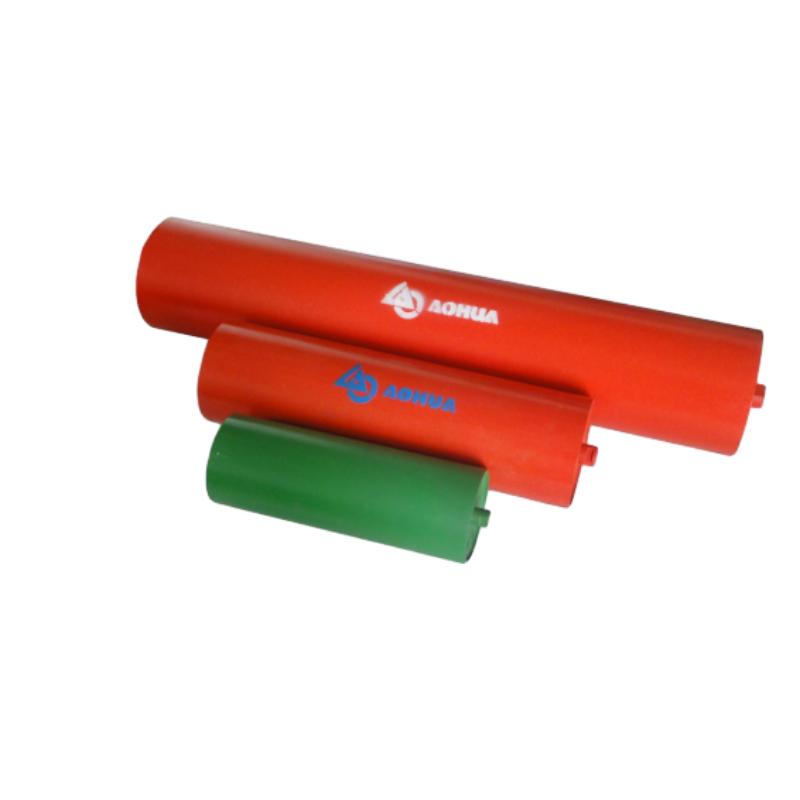
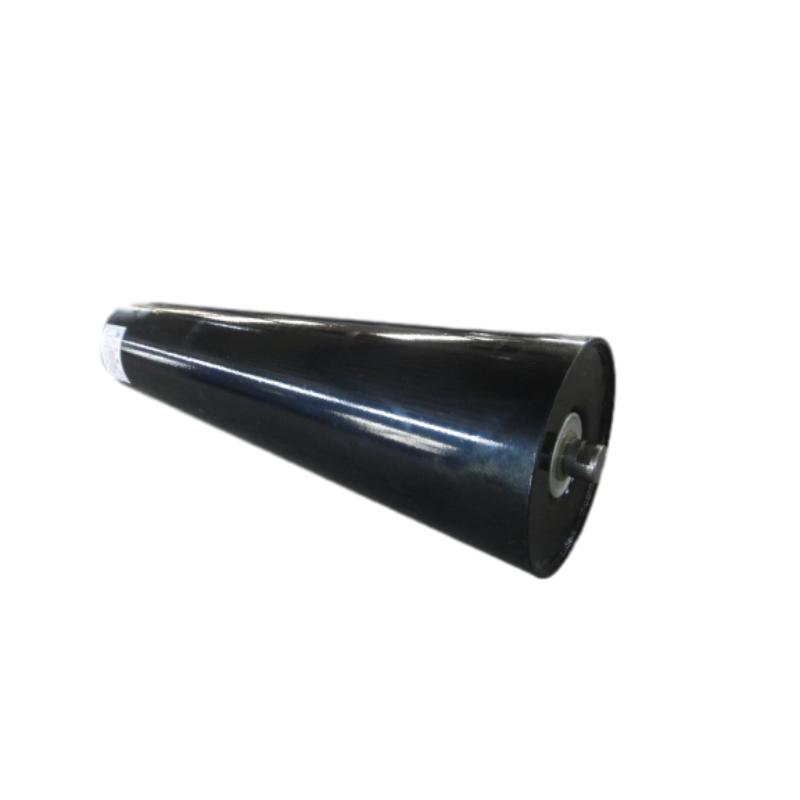
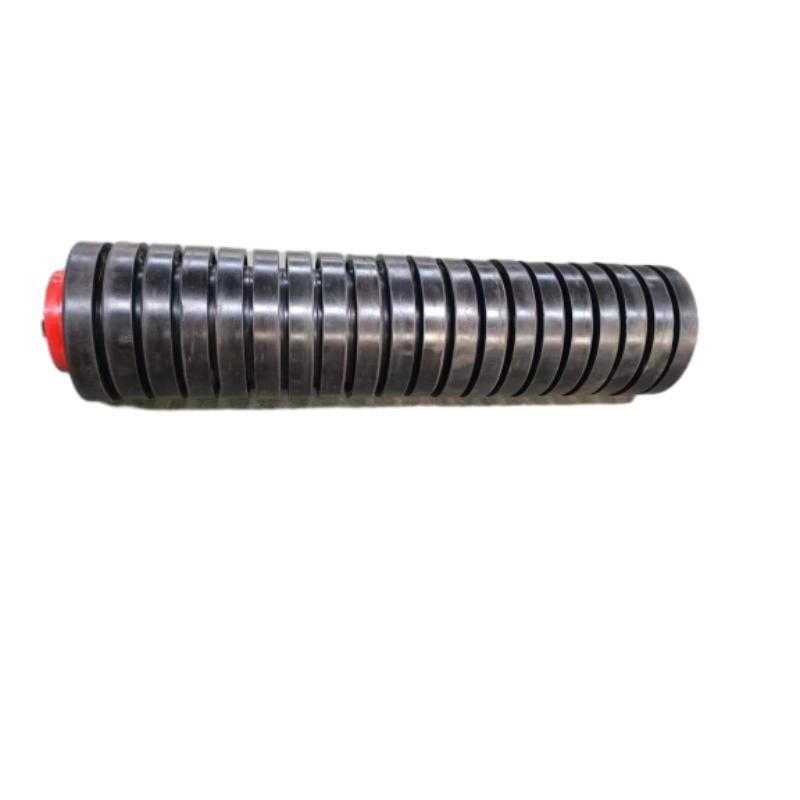
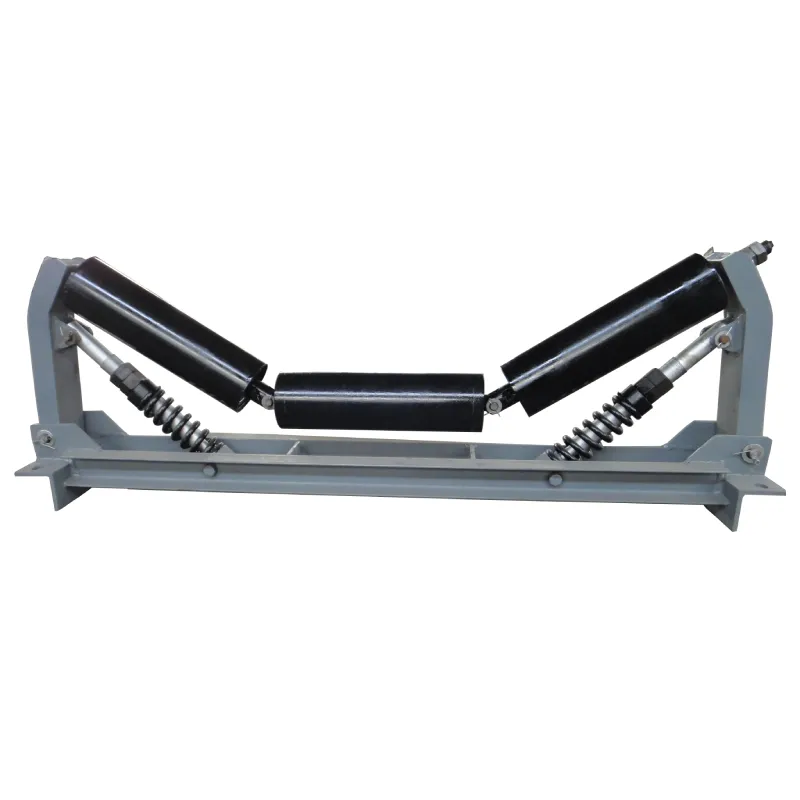
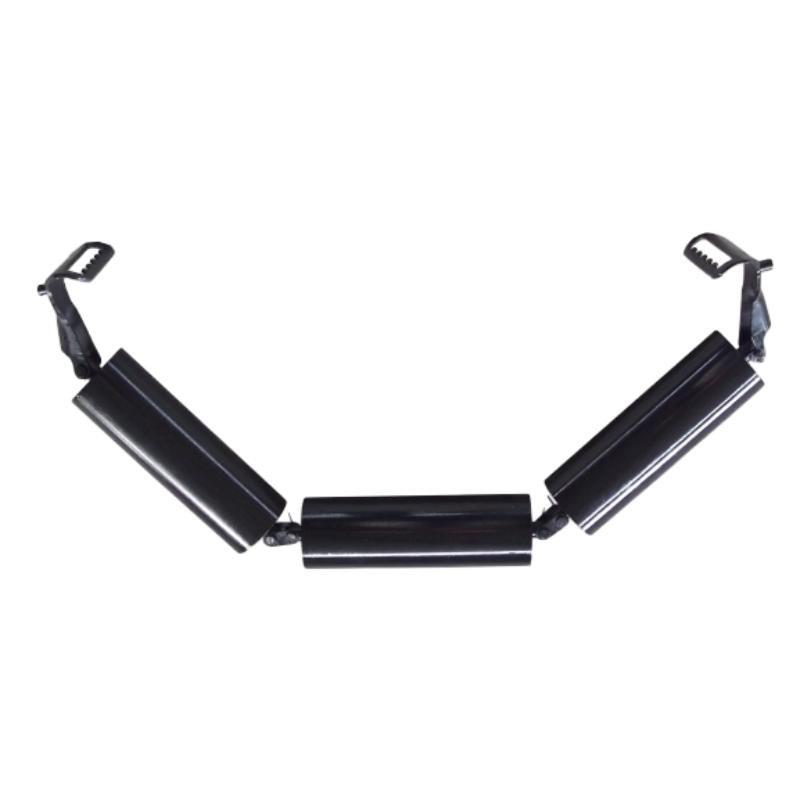
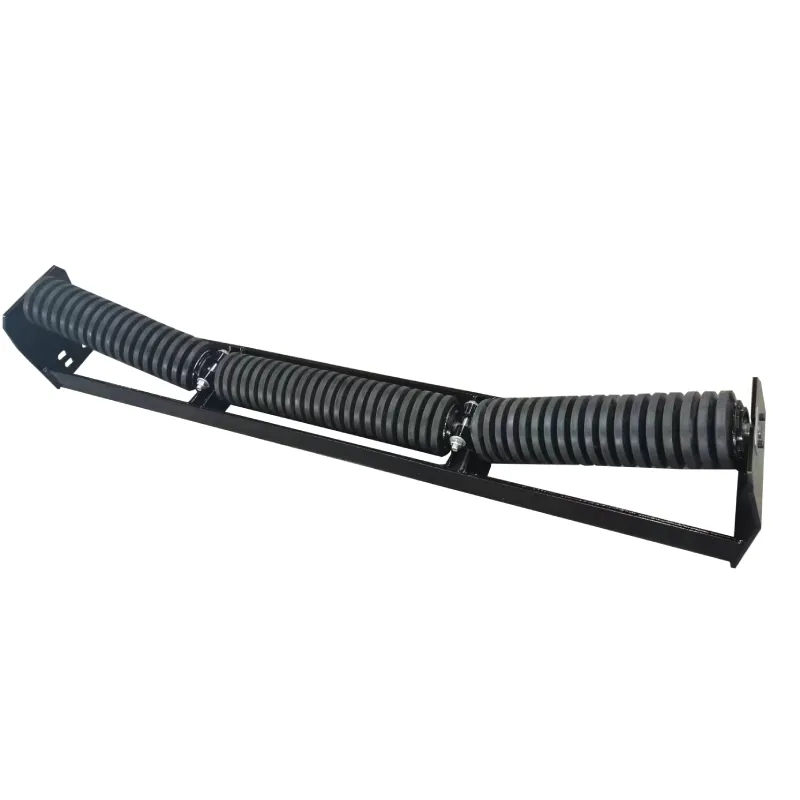
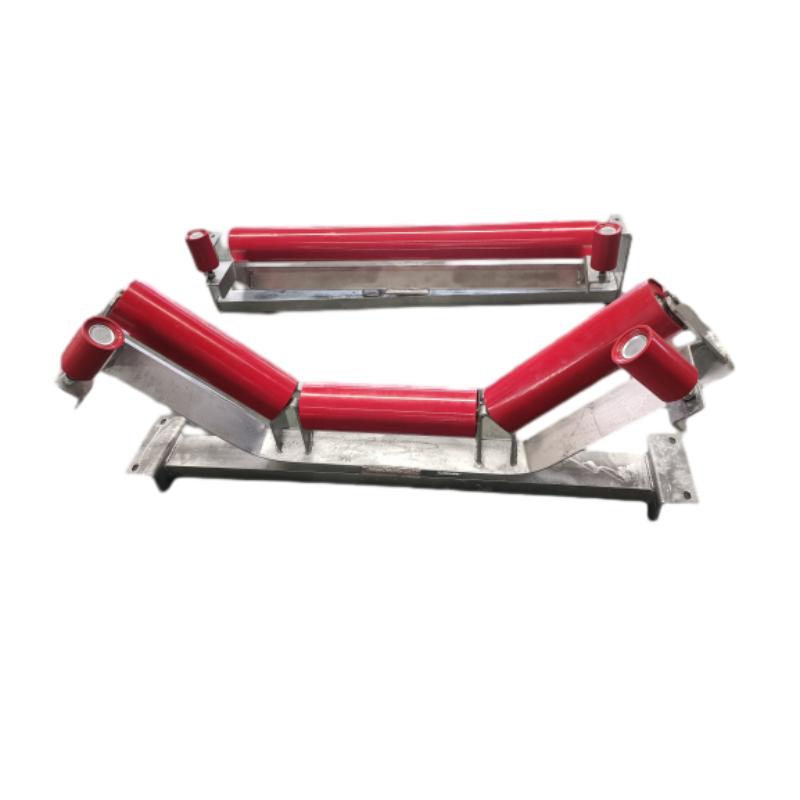
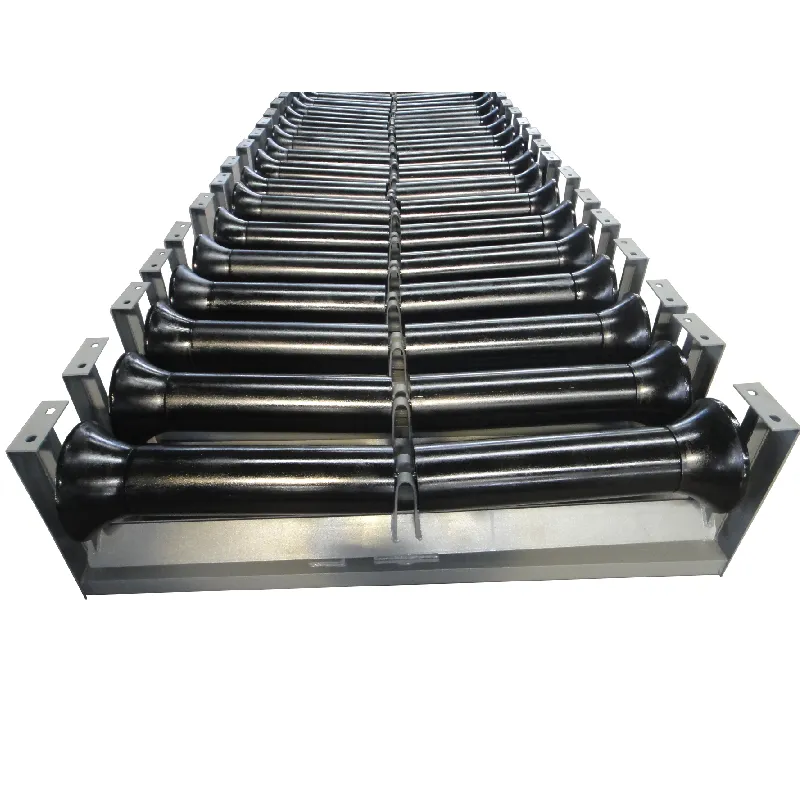
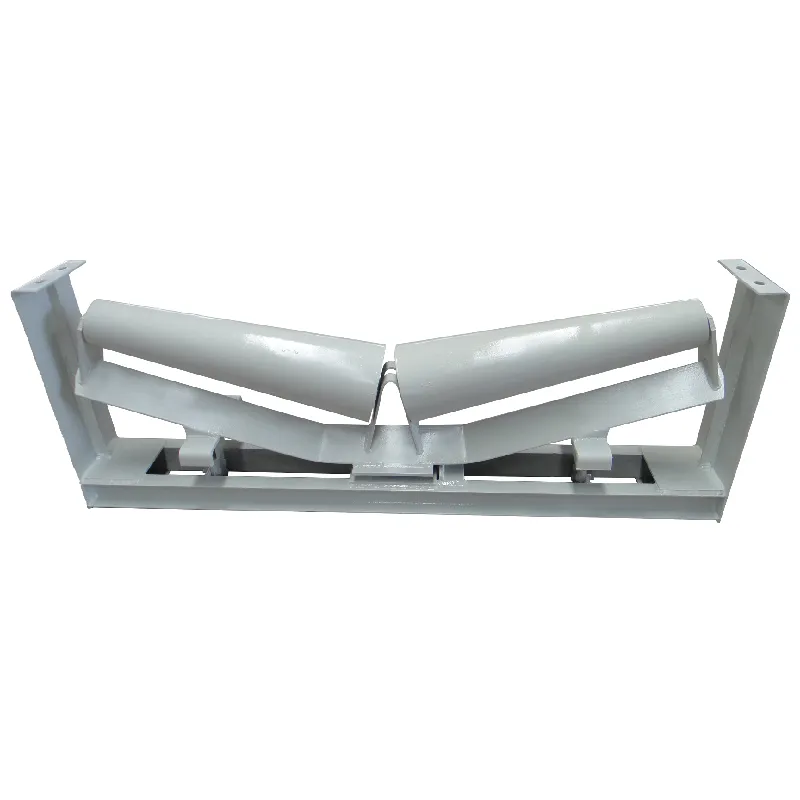
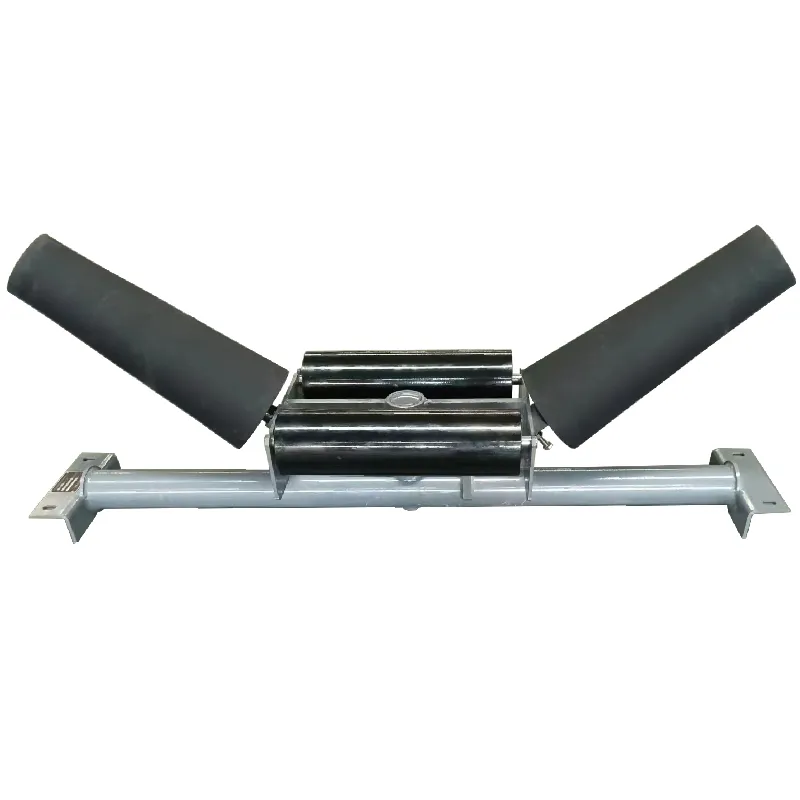
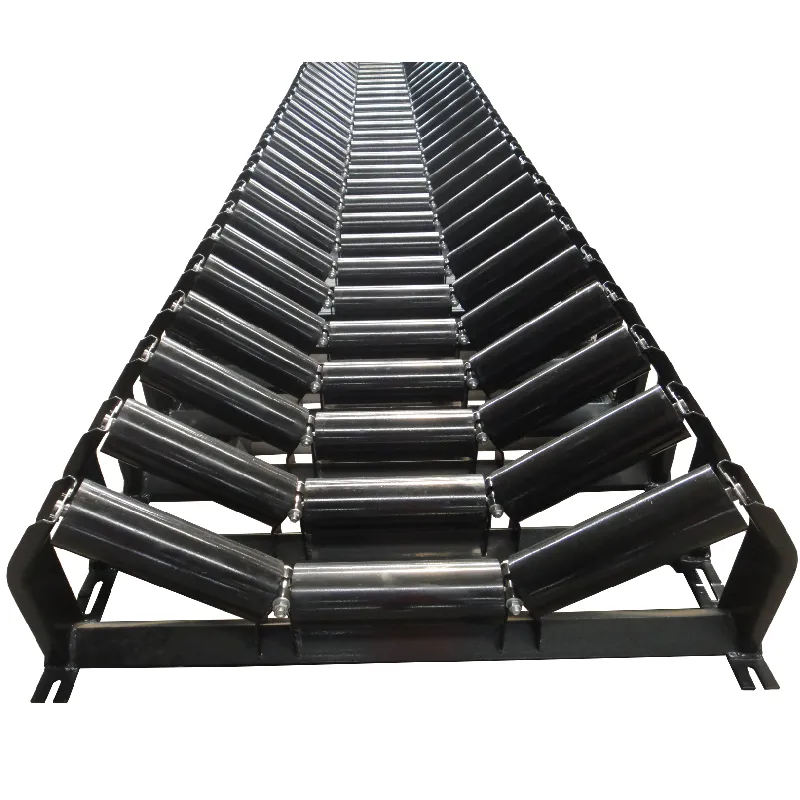
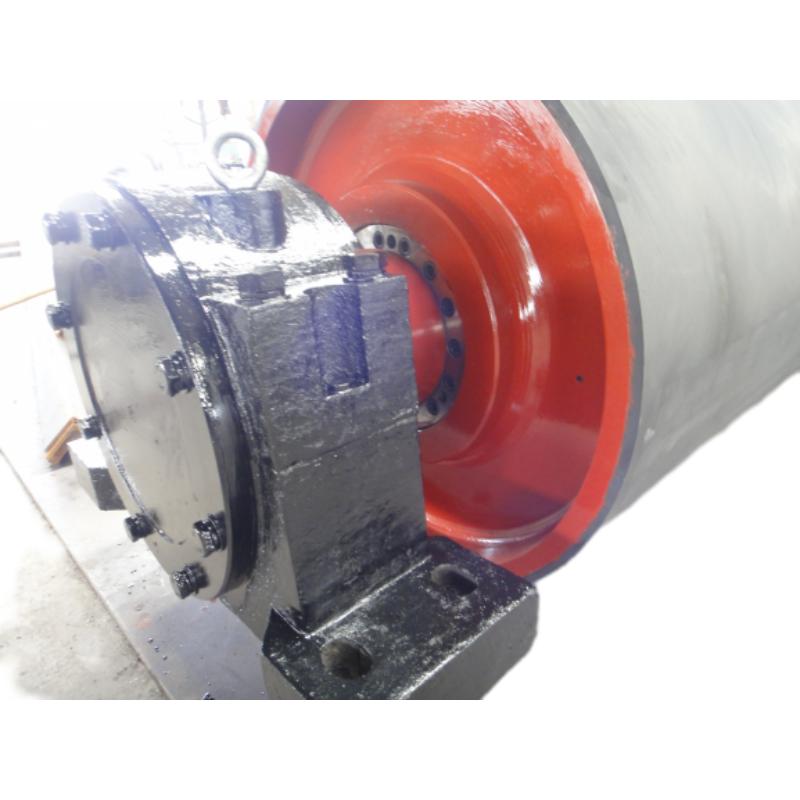
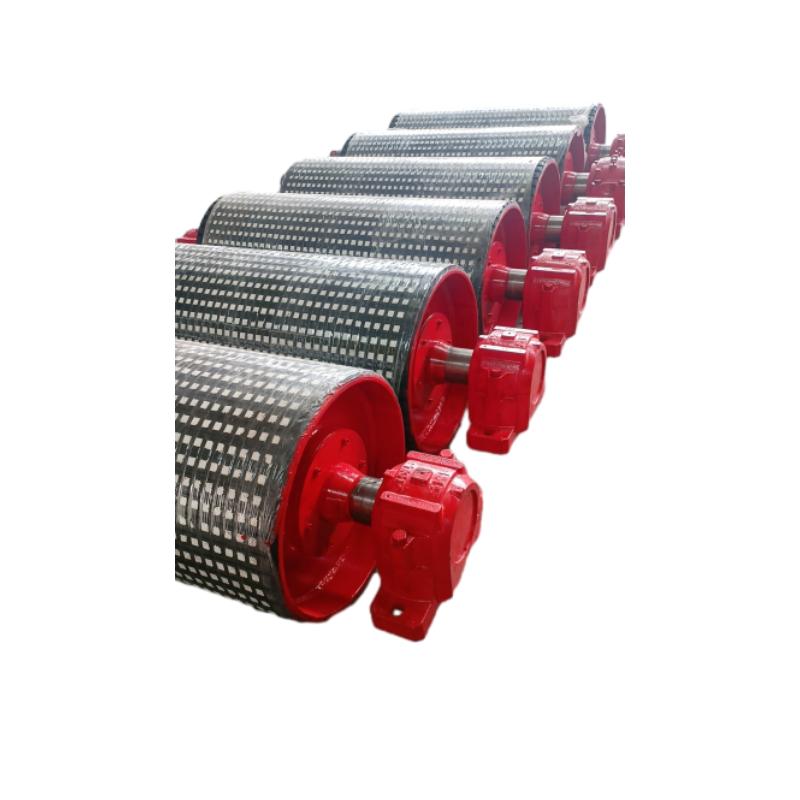
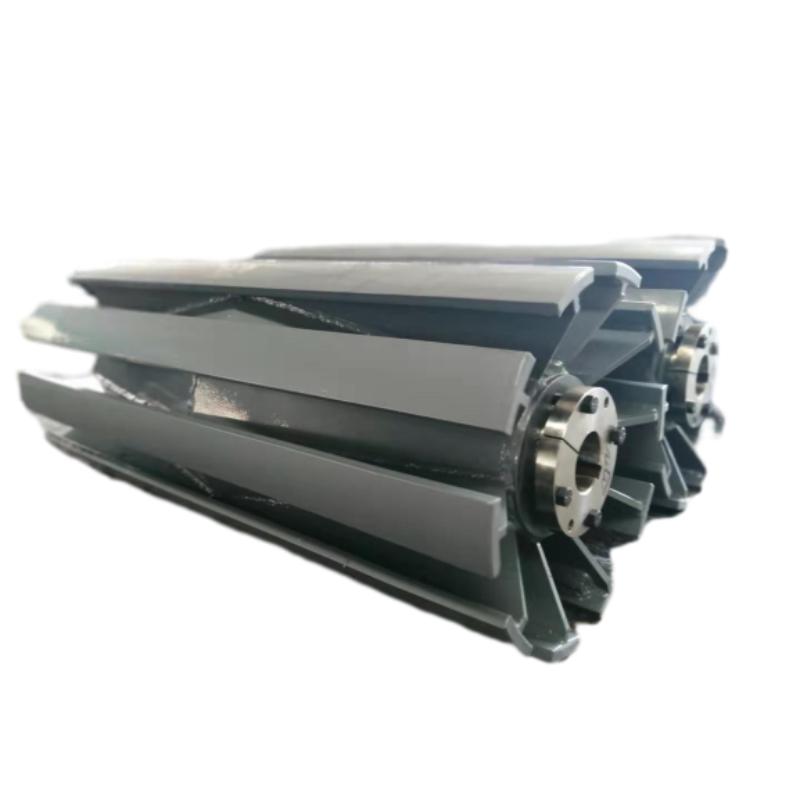
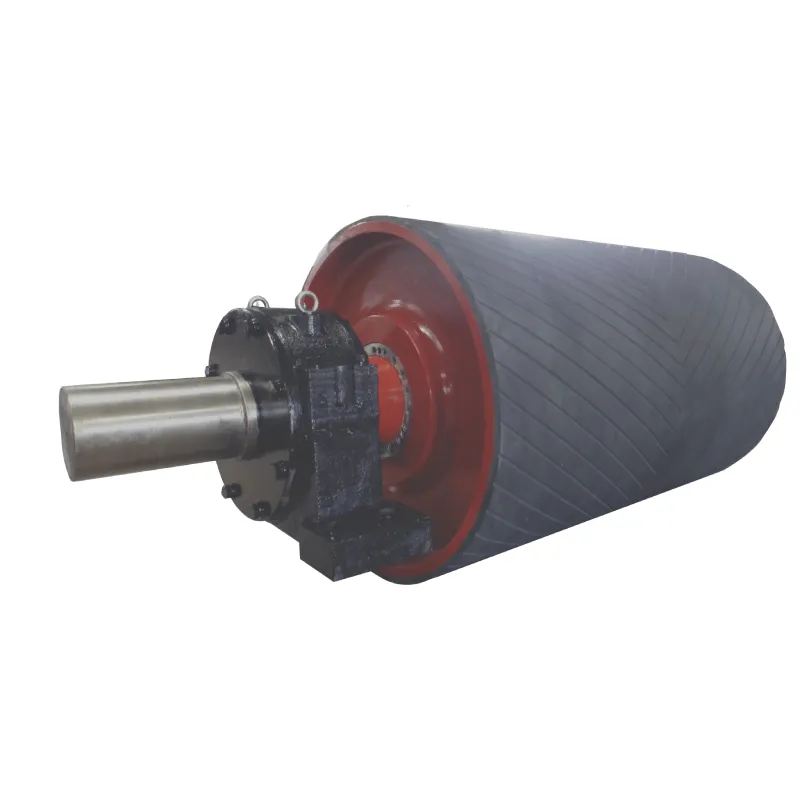
Simply put, a centre roller is a mechanical component positioned in the middle of conveyor belt systems to support, guide, and stabilize the conveyor belt, ensuring it runs smoothly and stays aligned. It typically sits between side rollers, bearing the bulk of the belt’s load where it’s most prone to sagging or drifting.
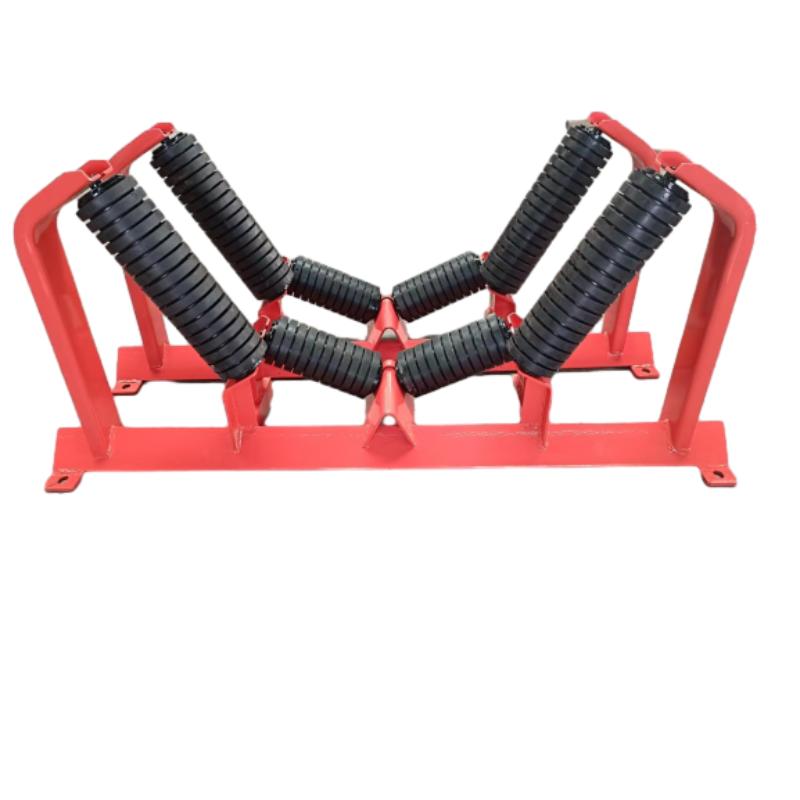
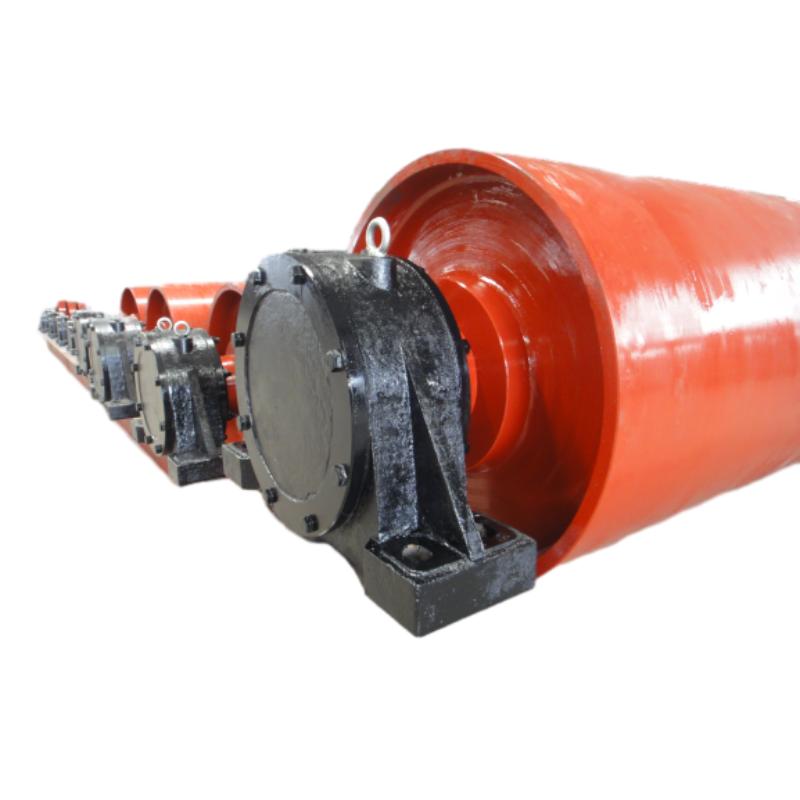
Beyond just a cylindrical wheel, many centre rollers incorporate advanced materials like rubber coatings or corrosion-resistant alloys. This makes them highly versatile for modern industries where conveyor belts must operate in dusty mines, wet food processing plants, or outdoor logistics zones.
Why does this matter?
Because conveyors underpin global supply chains—from humanitarian relief shipments after natural disasters to everyday manufacturing lines—reliable centre rollers mean less downtime, safer work environments, and faster delivery of goods worldwide.
Core Components and Key Factors of Centre Rollers
1. Durability and Materials
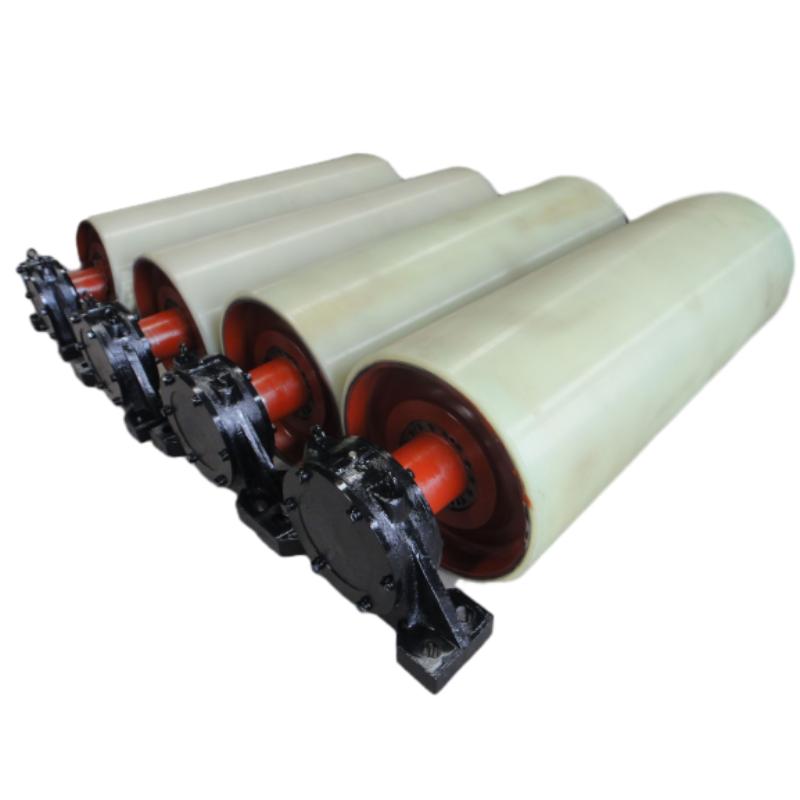
Centre rollers must withstand constant pressure, impact, and environmental conditions. Typical materials include galvanized steel for strength, rubber or polyurethane coatings for grip and noise reduction, and sometimes stainless steel for corrosion resistance.
2. Load Capacity
The roller’s ability to carry weight directly affects conveyor reliability. Engineers usually select rollers based on the conveyor belt’s speed and load, balancing cost with lifespan.
3. Precision and Alignment
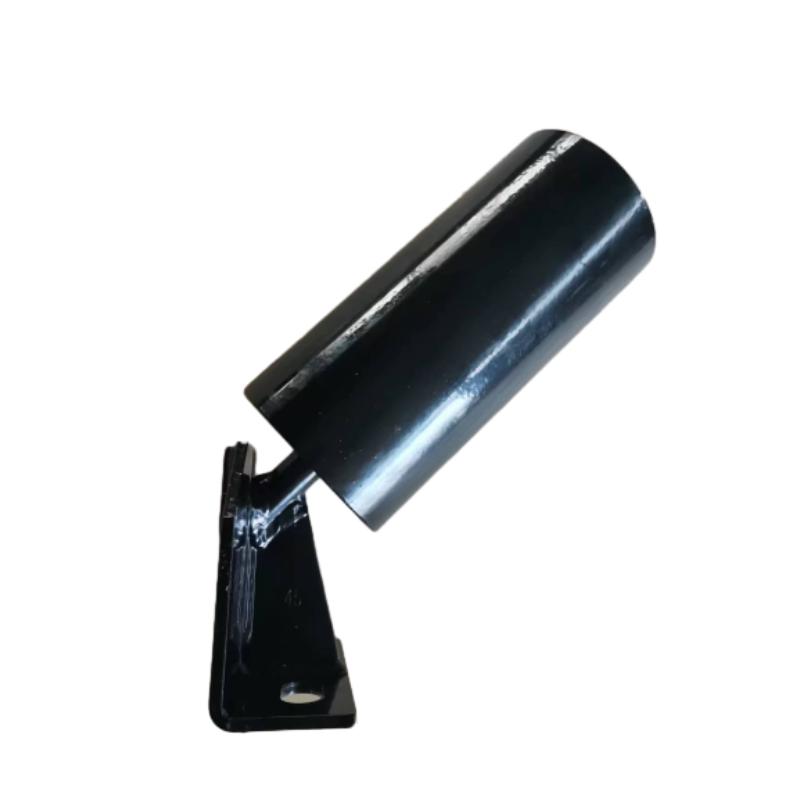
The exact positioning of centre rollers is critical. Misaligned rollers lead to belt drift, causing premature wear or spillage. Many systems now incorporate adjustable brackets to fine-tune alignment.
4. Maintenance and Replaceability
Easy access to rollers and modular designs reduce downtime. Some manufacturers even offer “quick-swap” roller kits designed for rapid replacement in high-use environments.
5. Environmental Resistance
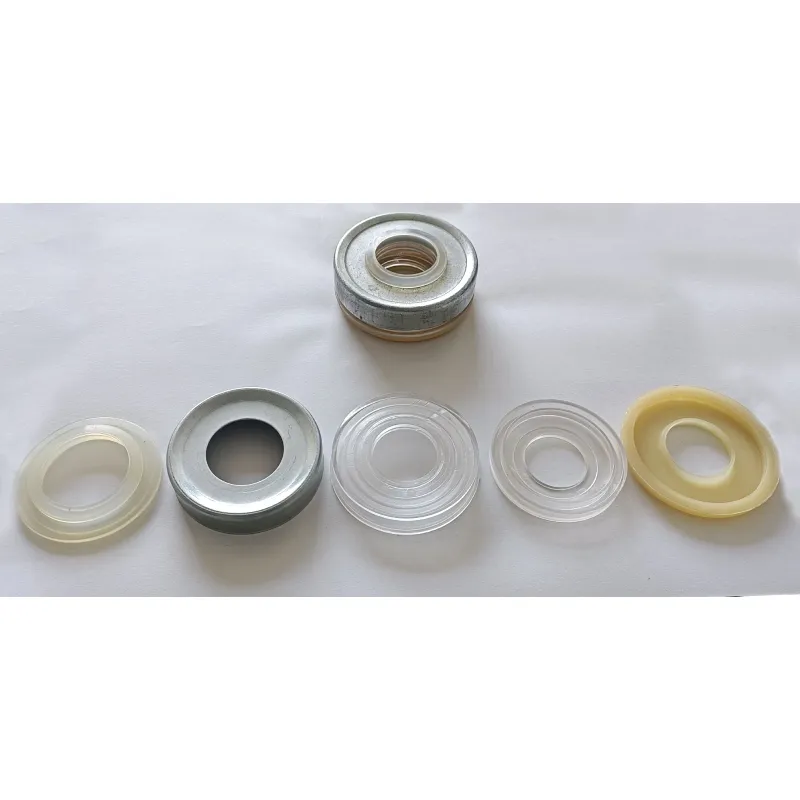
For applications exposed to moisture, dust, or chemicals, rollers come with specially treated surfaces or seals to prevent degradation.
Centre Roller in Real World Applications
The utility of centre rollers extends across dynamic, physically demanding industries. Here are a few notable examples:
- Mining: In harsh underground mines in Australia and South Africa, centre rollers stabilize conveyor belts transporting tons of ore daily, where failure would mean costly delays and safety risks.
- Food Processing: Hygienic rollers with FDA-approved rubber coatings maintain smooth operations in refrigerated environments, like meatpacking plants in Europe and North America.
- Logistics Hubs: Massive distribution centers in Asia rely on precise centre roller alignment for automated sorting systems to reduce package damage and improve delivery speed.
- Humanitarian Aid Operations: In post-disaster zones, temporary conveyor setups with rugged centre rollers move supplies quickly, often under tough environmental conditions.
Common Product Specifications
| Specification | Typical Value | Notes |
|---|---|---|
| Diameter | 89 - 159 mm | Common sizes for medium conveyors |
| Load Capacity | 100 - 600 kg per roller | Depends on bearing and material |
| Material | Galvanized steel, stainless steel, rubber coating | Material affects corrosion resistance |
| Belt Width Compatibility | 400 - 1200 mm belts | Varies by system design |
| Operating Temperature | -20 °C to 70 °C | Higher temps require special seals |
Vendor Comparison: Choosing the Right Centre Roller Supplier
| Vendor | Product Range | Customization | Lead Time | Price Level | Warranty |
|---|---|---|---|---|---|
| RollCorp | Standard & Custom | High | 2-4 weeks | Mid | 2 years |
| MoveRoll | Limited sizes | Low | 1 week | Low | 1 year |
| IdlerPlus | Broad industrial range | Moderate | 3-5 weeks | High | 3 years |
Why Invest in Quality Centre Rollers? Long-Term Advantages
There’s a lot more at stake than just machinery uptime. High-grade centre rollers drive:
- Cost savings: Less frequent belt replacements and maintenance.
- Sustainability: Durable materials mean fewer waste products and lower environmental impact.
- Safety: Avoiding belt slippage or breakdowns protects workers and cargo.
- Reliability: Consistent throughput supports business continuity—especially crucial in high-volume industries.
Many engineers I’ve spoken with say investing in quality rollers is one of those 'small upfront costs, big downstream gains' scenarios. After all, a conveyor system that halts for repairs can ripple downtime for hours or days.
Looking Forward: Trends Shaping Centre Roller Technologies
Innovation is alive and rolling—literally—within this space:
- Smart Rollers: Embedded sensors now monitor bearing temperature, wear, and alignment, pushing predictive maintenance forward.
- Eco-friendly Materials: Increasing use of recycled polymers and bio-based coatings reflects growing sustainability demands.
- Automation-Friendly Designs: Rollers engineered for faster assembly and automated diagnostics ease integration with Industry 4.0 systems.
- Energy Efficiency: Low-friction bearings help reduce conveyor energy consumption, appealing to green manufacturing policies.
Current Challenges & How to Overcome Them
Despite improvements, centre rollers face limitations including:
- Wear and Corrosion: Especially in harsh environments, premature degradation remains a headache.
- Customization Complexity: Balancing standard sizes with unique project needs can delay deliveries.
- Cost Pressures: The push for lower prices often conflicts with the demand for high durability.
Addressing these challenges involves a combination of better material science, modular designs for easy upgrades, and digital tracking of component health. Collaborations between suppliers and end-users to refine specs also help bridge the gap.
FAQ: Your Centre Roller Questions Answered
- Q1: How do centre rollers prevent belt misalignment?
A1: Centre rollers support the belt’s middle, ensuring it stays centered over the conveyor frame. Properly aligned rollers reduce lateral movement, preventing material spillage and wear. - Q2: What lifespan can I expect from a quality centre roller?
A2: Under typical industrial conditions, a well-maintained roller can last 3-5 years, though harsh environments or heavier loads may shorten this span. - Q3: Are rubber-coated rollers better for food processing?
A3: Yes, rubber coatings improve grip and reduce noise, and when FDA-approved materials are used, they also meet hygiene standards essential for food safety. - Q4: Can centre rollers be retrofitted into existing conveyor systems?
A4: In most cases, yes. Many rollers are designed with compatibility in mind, but it’s important to verify dimensions and load specs before installation.
Wrapping Up: Why Centre Rollers Deserve Your Attention
In a way, these simple yet critical components embody the wider industrial drive: optimize small parts to uplift the whole system. From saving costs to improving safety and sustainability, understanding centre rollers unlocks value often overlooked but deeply felt on factory floors and supply chains worldwide.
For businesses looking to enhance their conveyor systems, investing in the right centre roller is more than a maintenance decision—it’s a strategic move toward efficiency and resilience.
Curious to learn more or ready to upgrade your setup? Visit our website: https://www.idleraohua.com for comprehensive solutions and expert advice.
-
Maximize Conveyor Life with a High Performance impact bedNewsApr.16,2026
-
Maximize Conveyor Efficiency Using a v plow belt scraperNewsApr.09,2026
-
Comprehensive Guide to Understanding Different Types of Belt CleanersNewsApr.07,2026
-
Enhancing Conveyor Efficiency with an Effective Scraper Belt CleanerNewsApr.04,2026
-
Optimizing Conveyor Systems with Advanced Cleaning Equipment SolutionsNewsMar.31,2026
-
Effective Conveyor Belt Scraper Adjustment for Optimal System PerformanceNewsMar.28,2026