

Reliable Roller Wings for Industrial Applications | Idleraohua
Exploring the Roller Wing: An Industrial Staple
Having worked in the industrial equipment sector for more than a decade, I've seen quite a few components come and go. But the roller wing always seems to stick around — and for good reason. It’s one of those unsung heroes that quietly keeps a lot of machinery running smoothly behind the scenes.
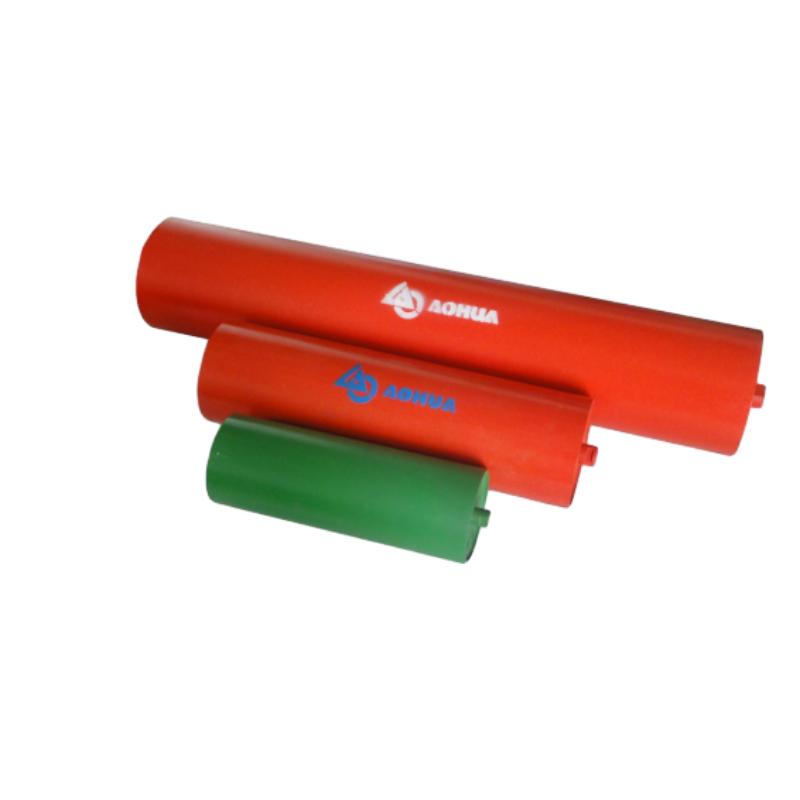
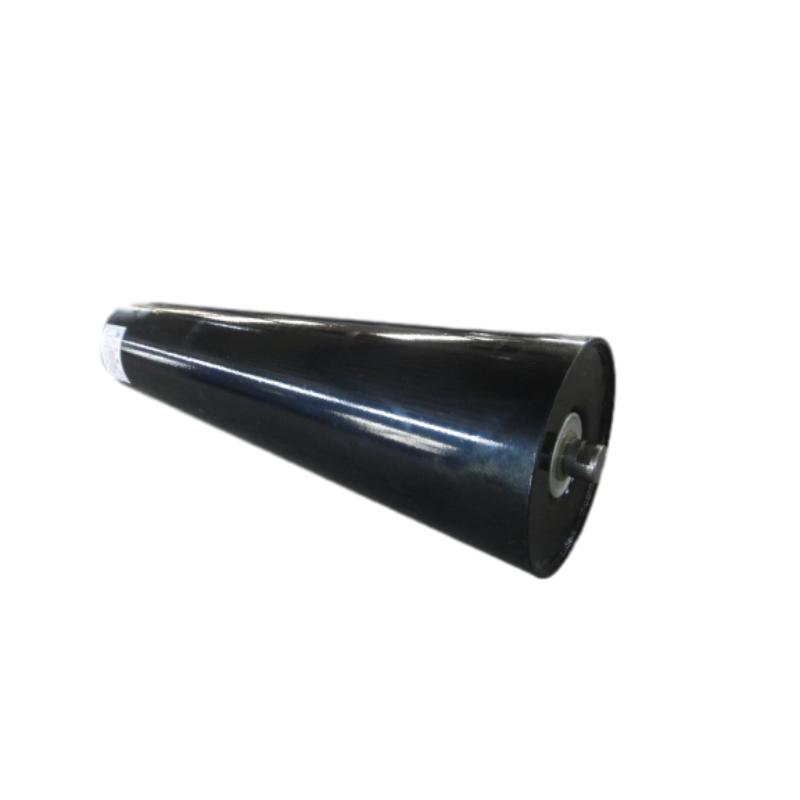
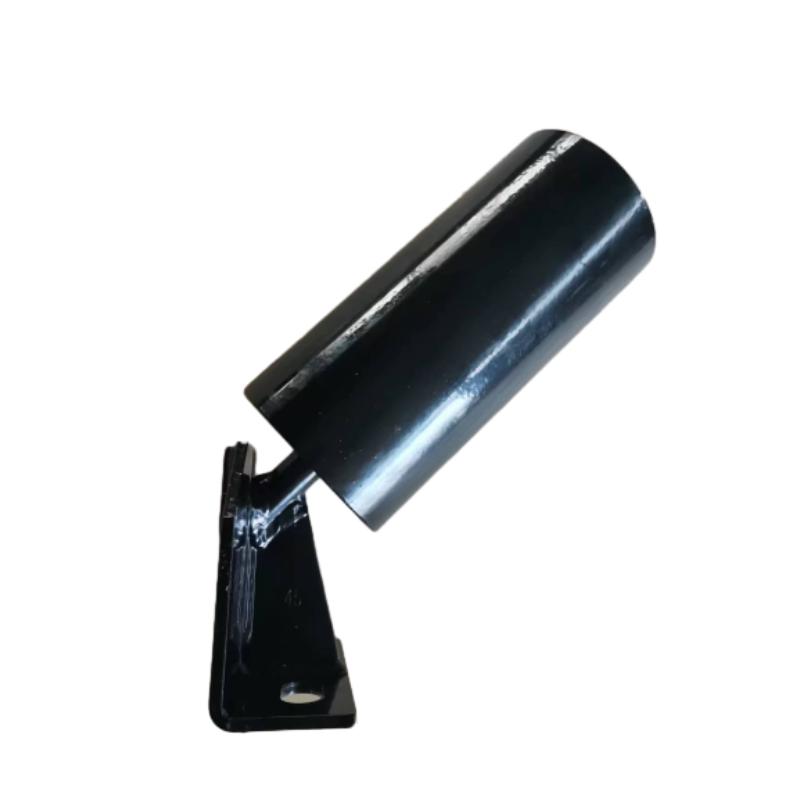
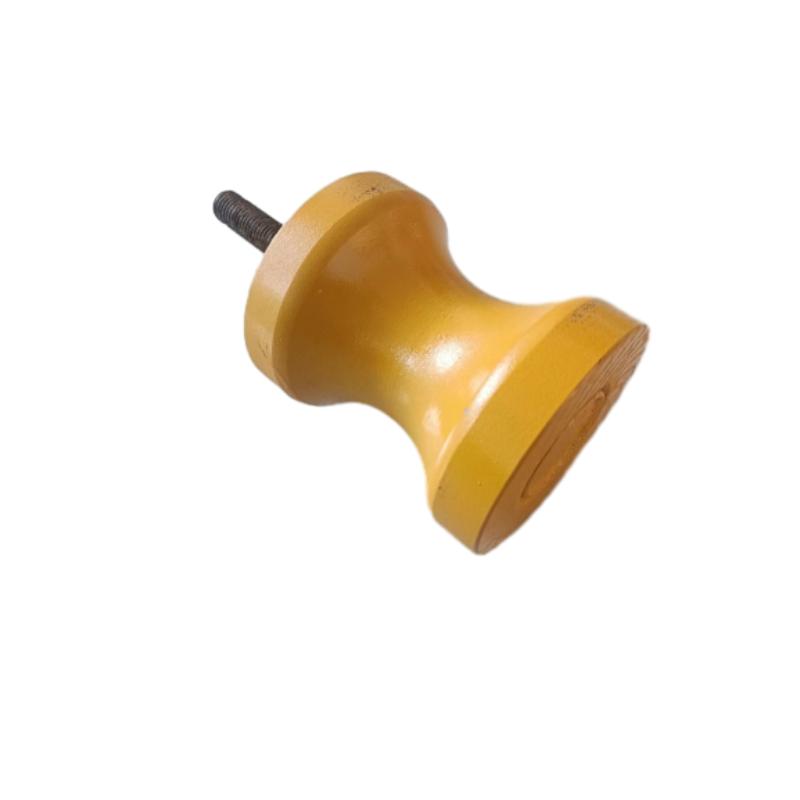
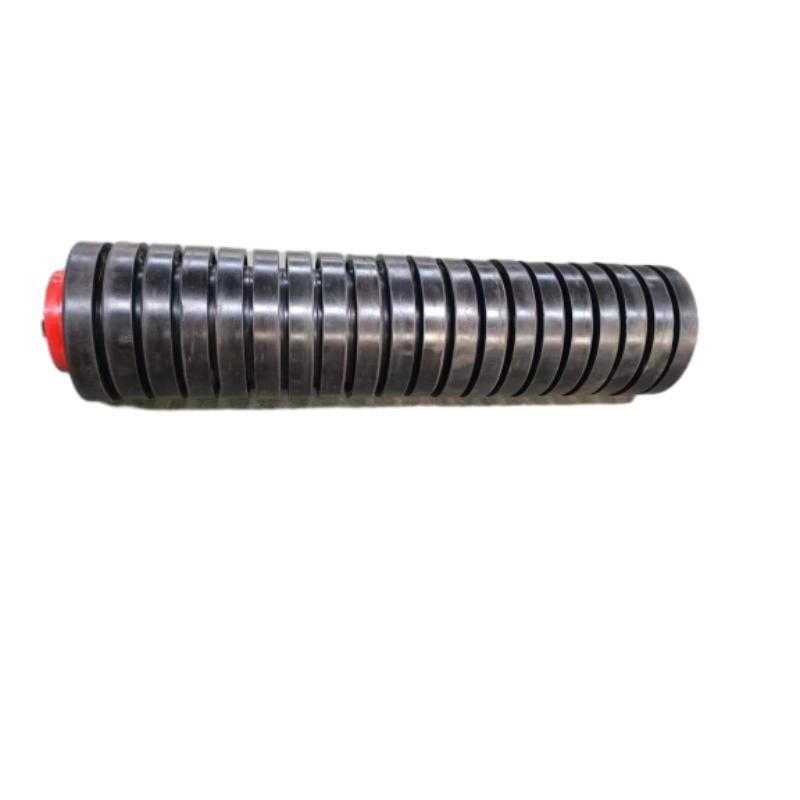
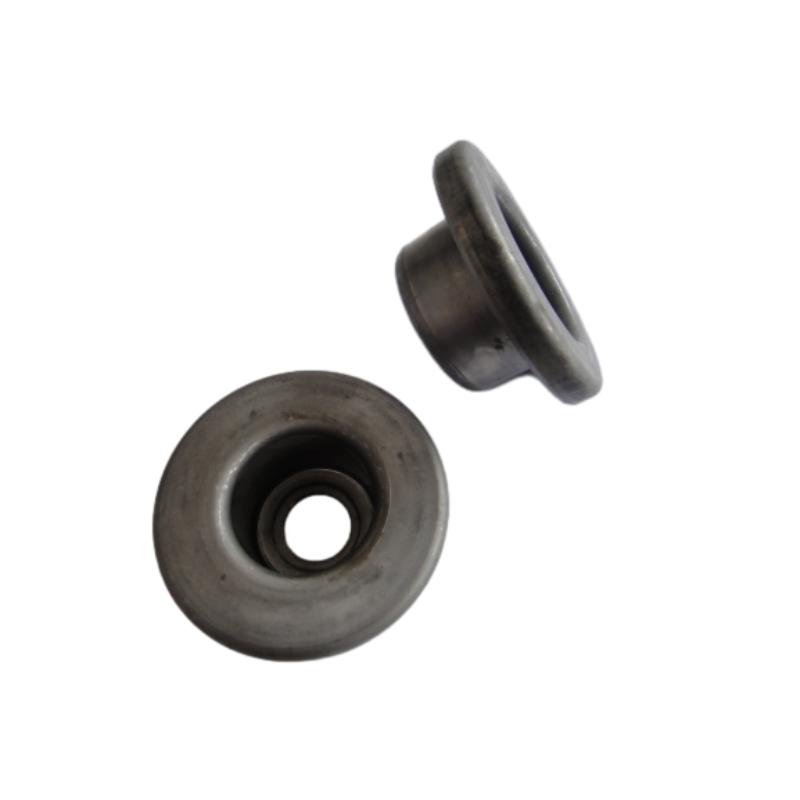
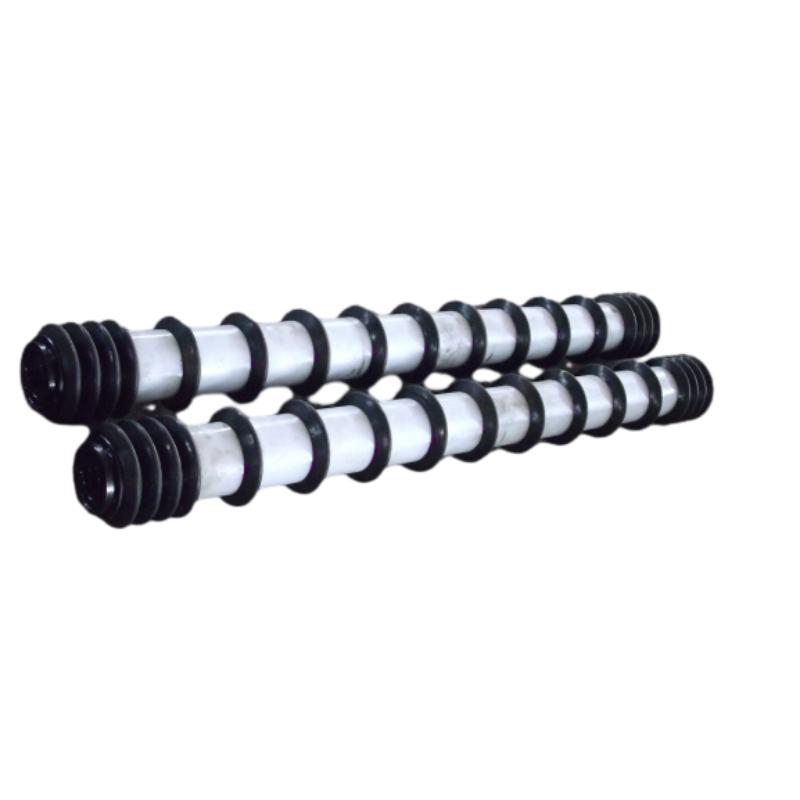
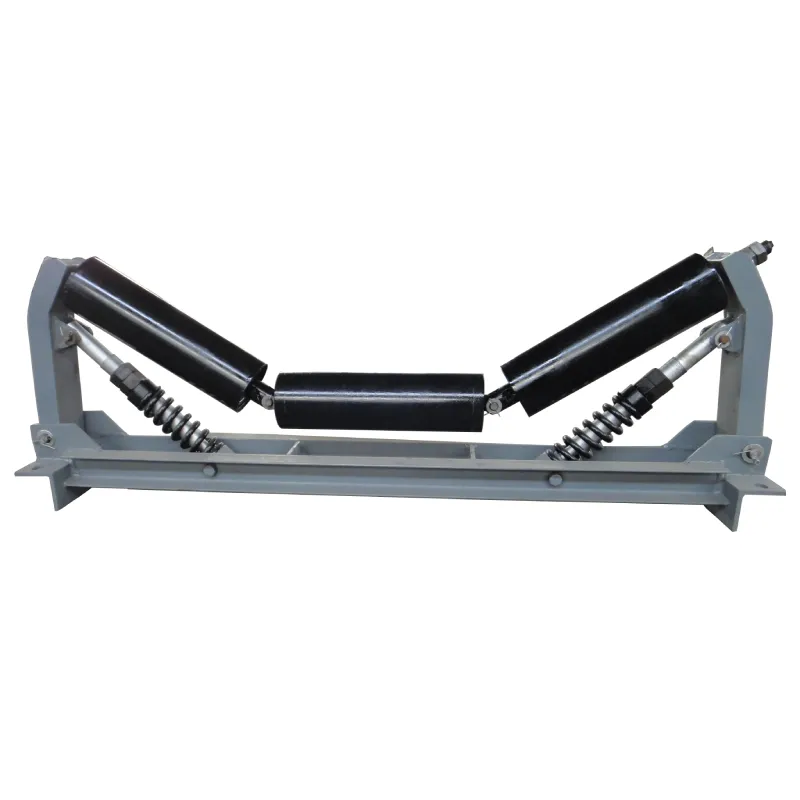
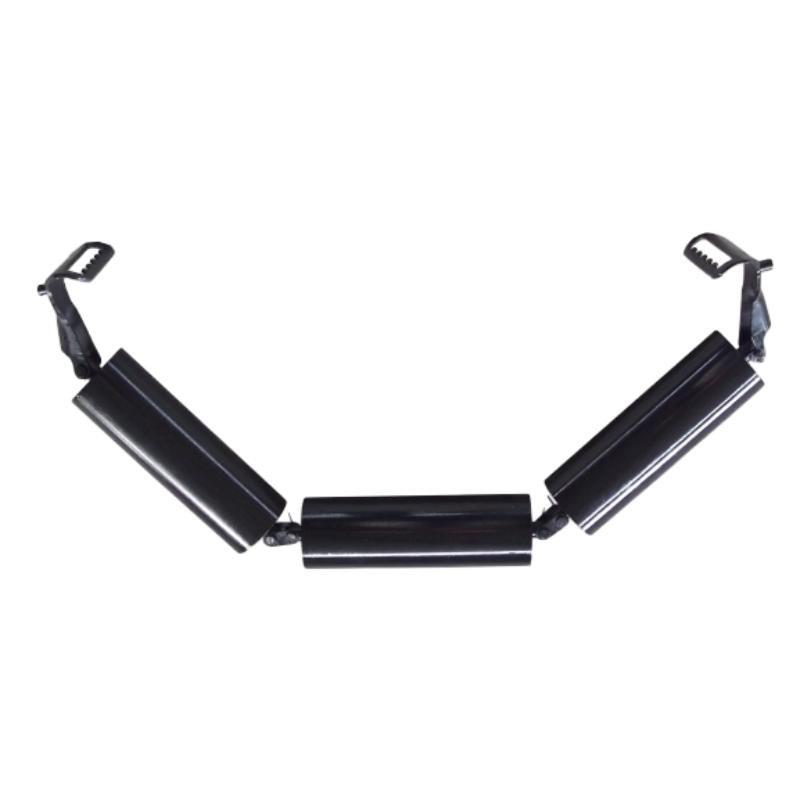
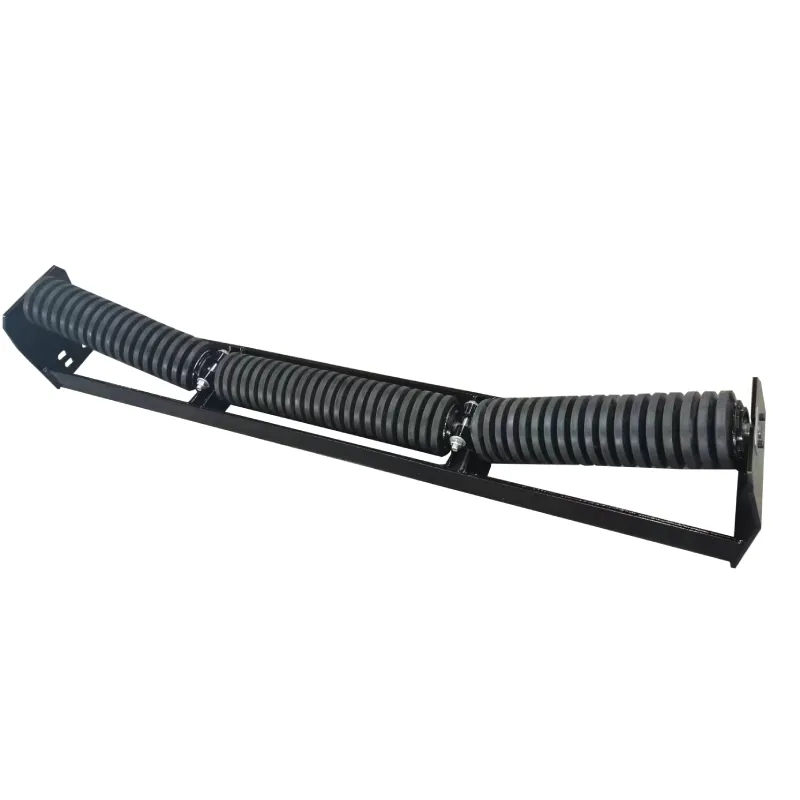
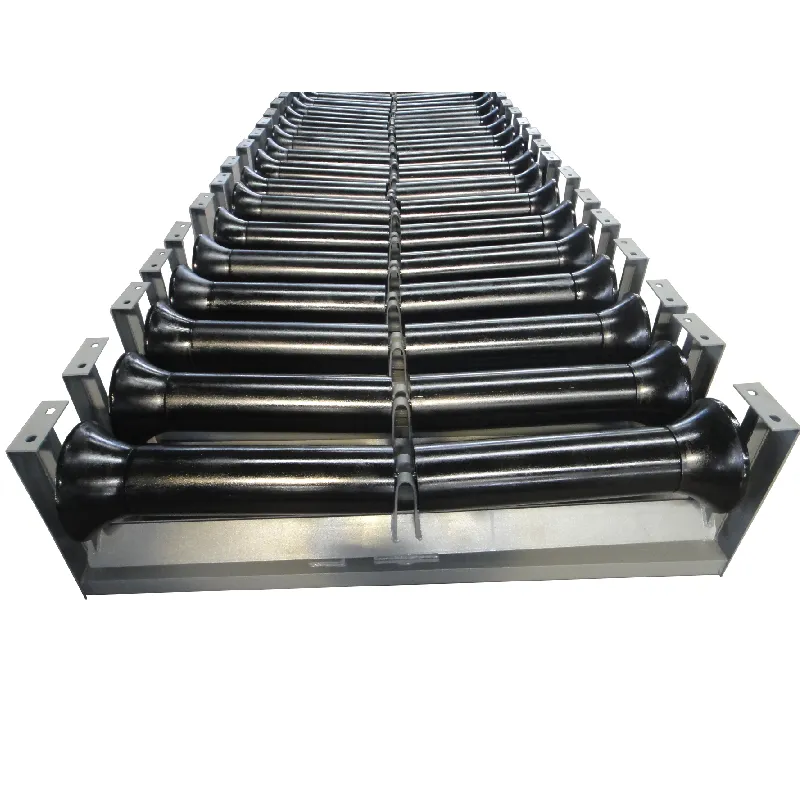
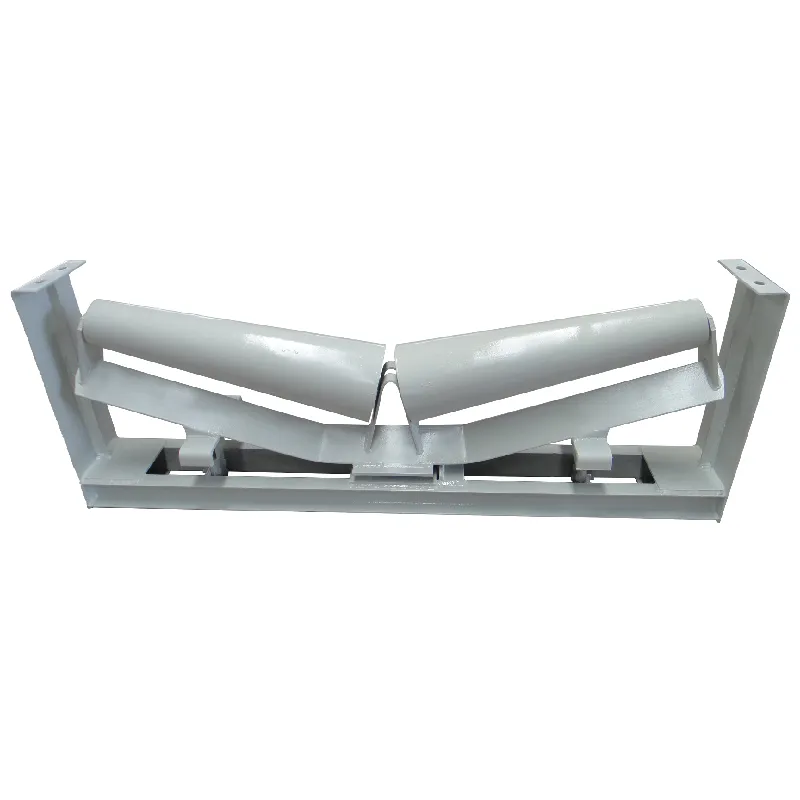
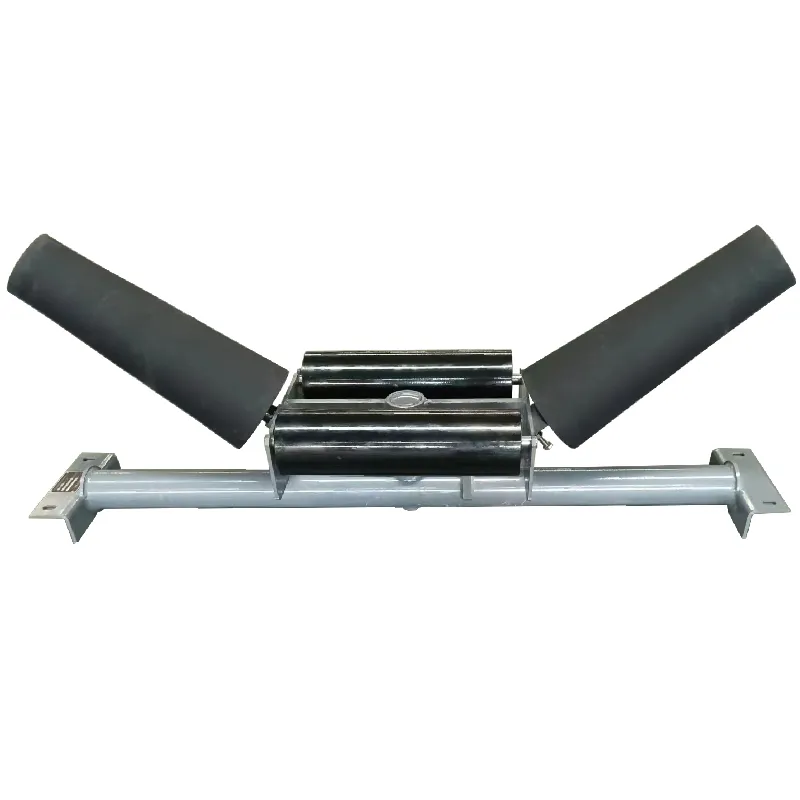
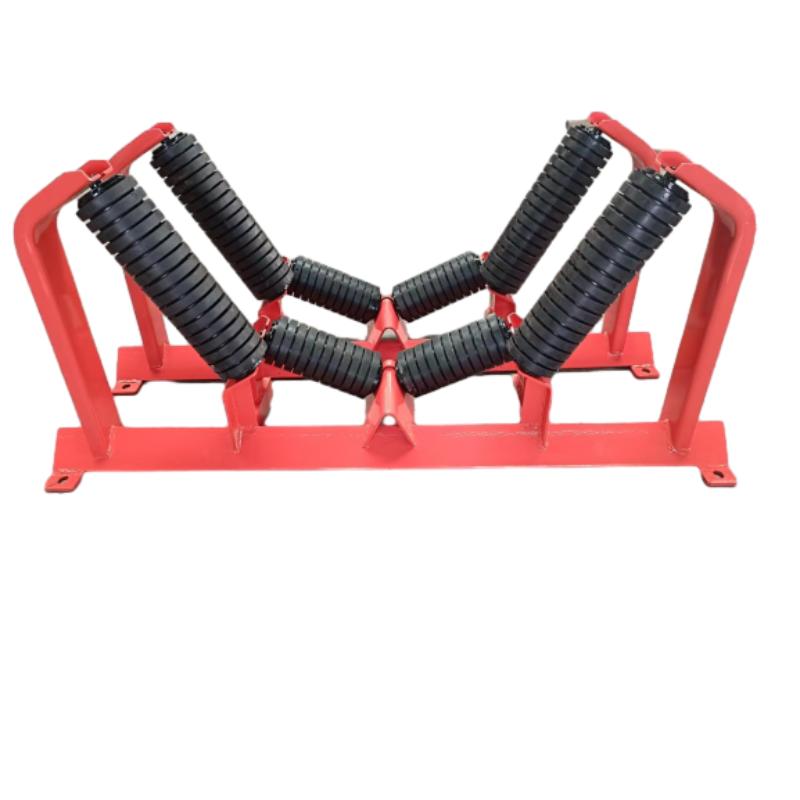
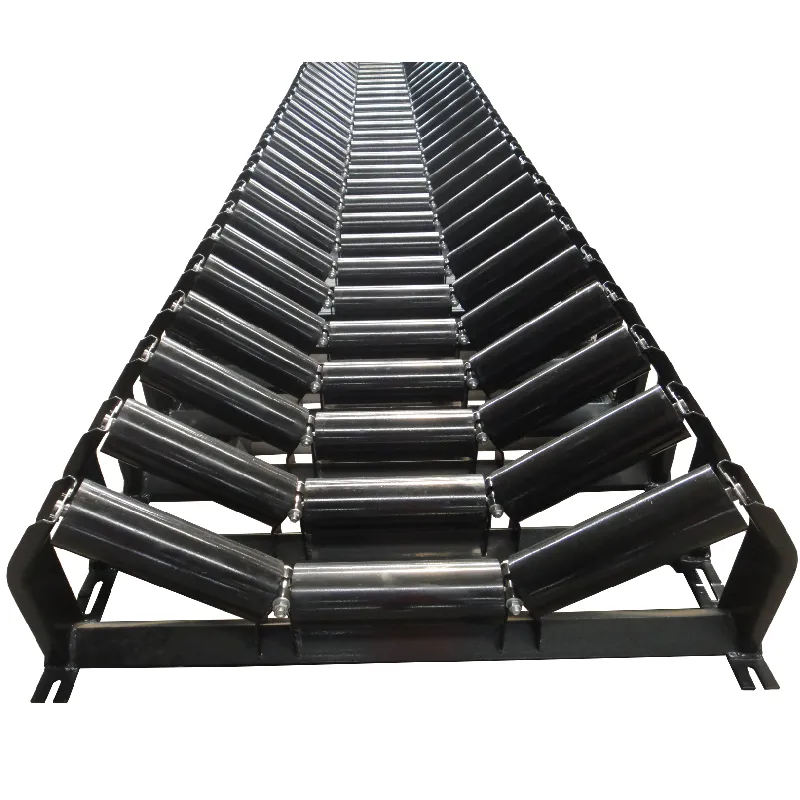
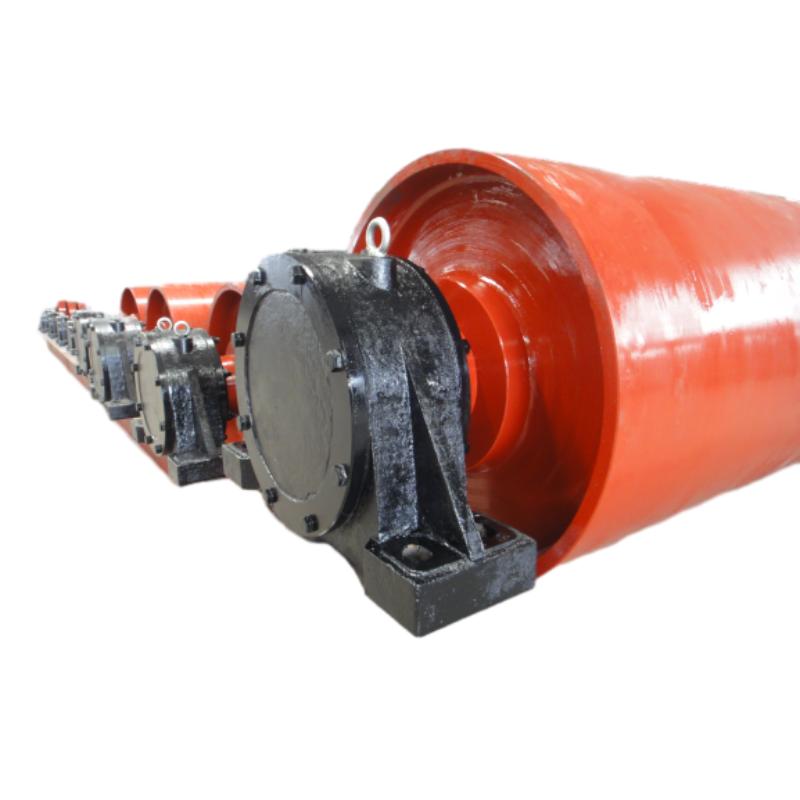
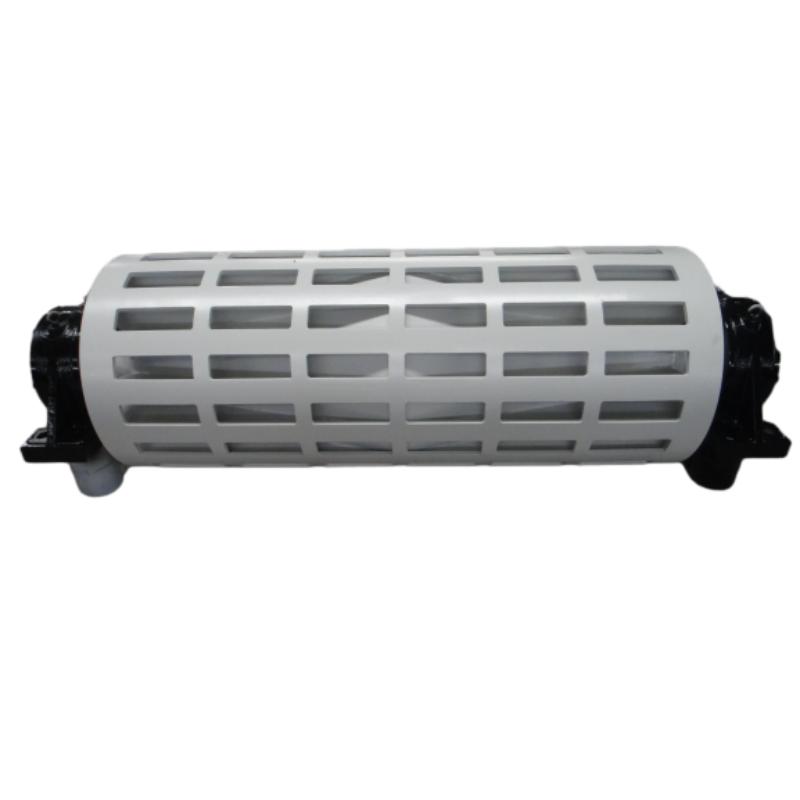
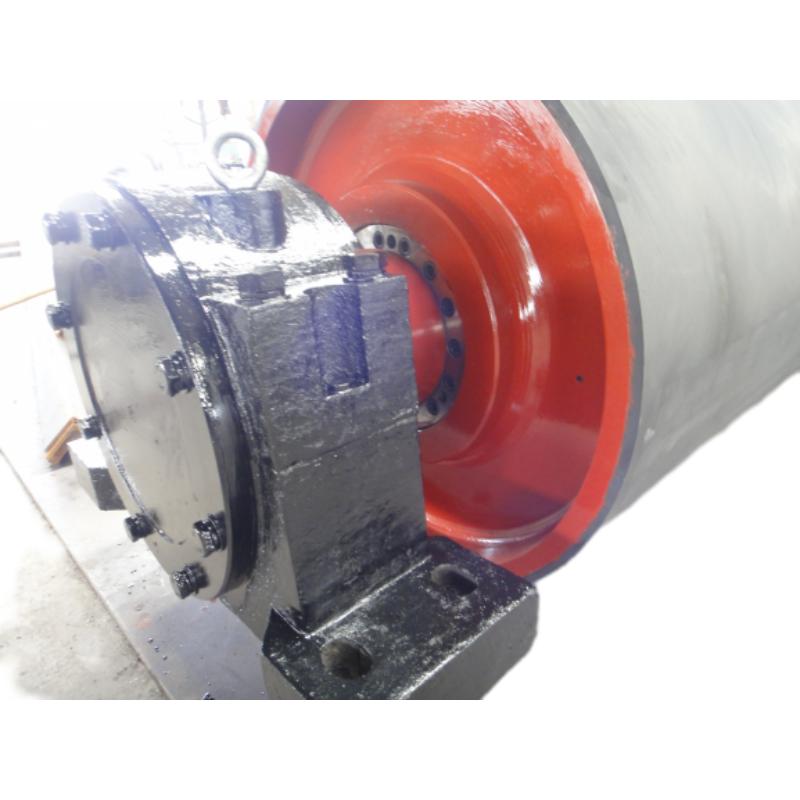
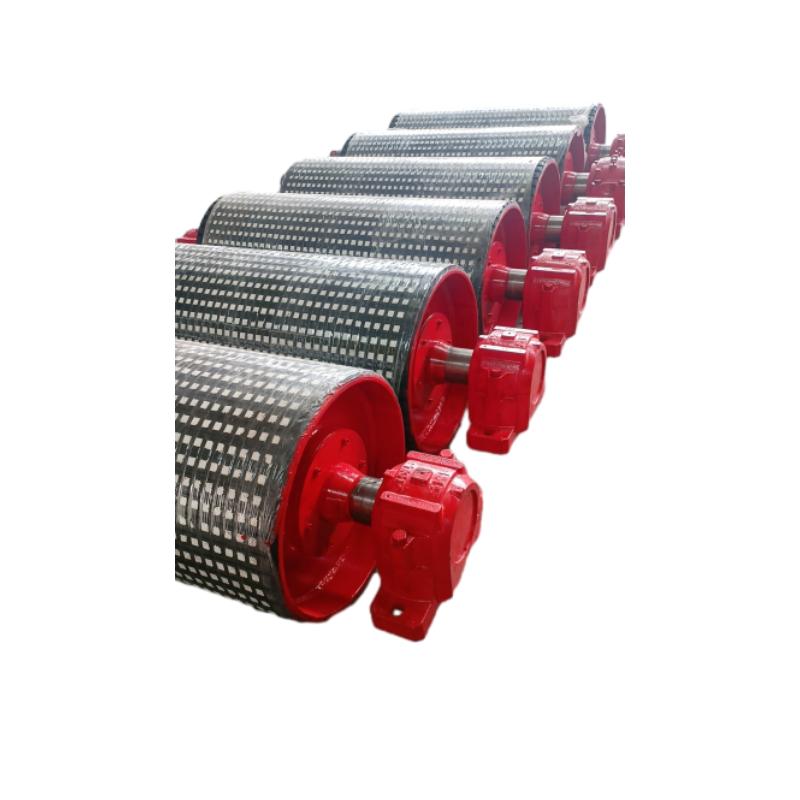
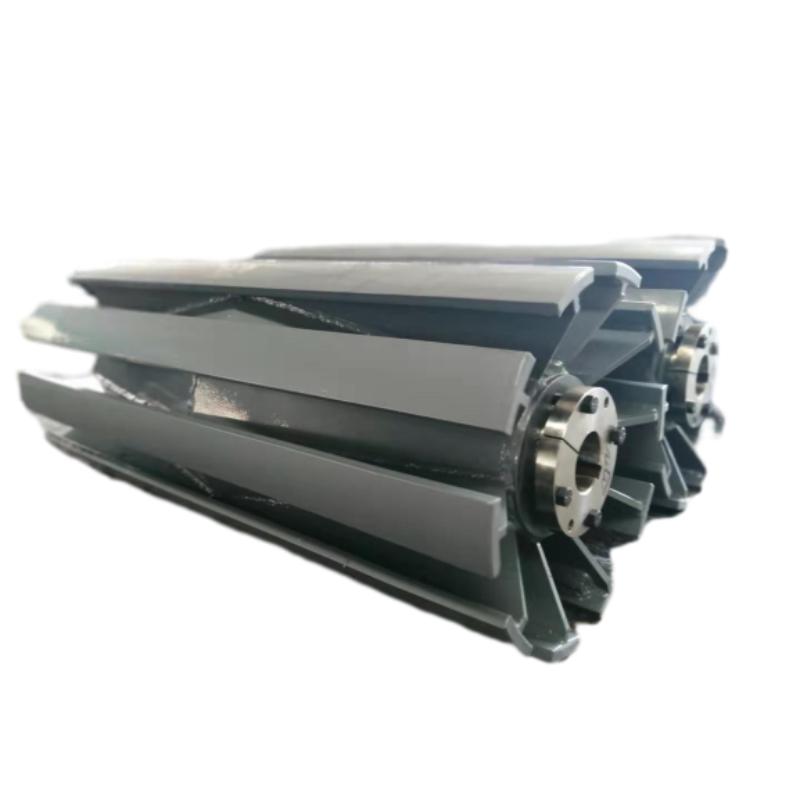
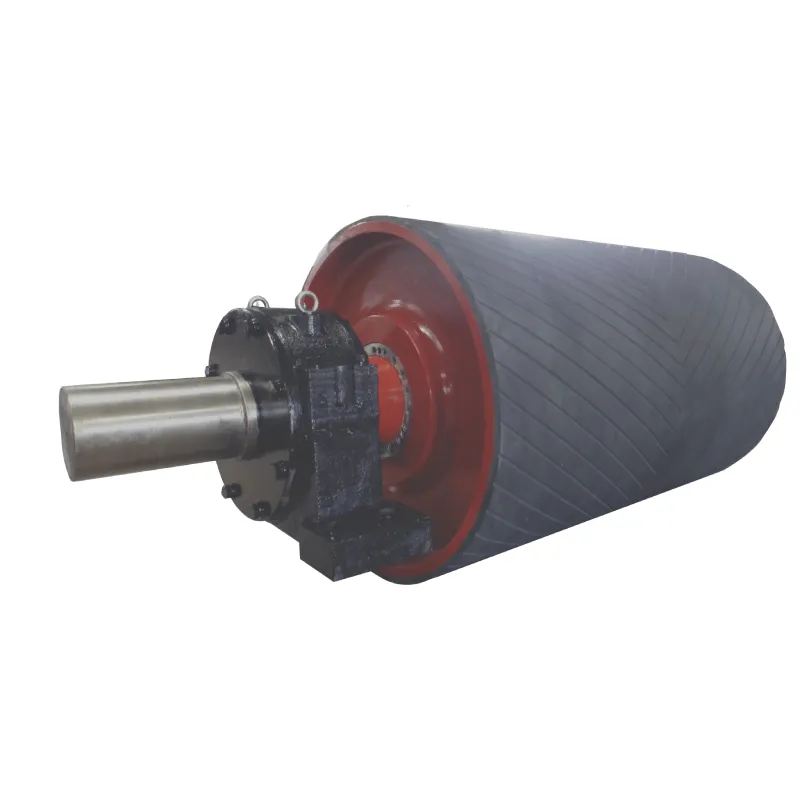
In simple terms, a roller wing is a specialized component often used in conveyor systems or material-handling equipment. It’s designed to help guide or support loads while minimizing friction — which is crucial when you’re moving heavy goods all day long. From an engineer’s perspective, the blend of strength and precision in roller wing design is kind of elegant.
One thing I particularly like about roller wings is how manufacturers have embraced advanced materials and testing protocols over the years, which makes them not just functional but more reliable than ever. Think about it: in industries like mining, automotive, or packaging, even a tiny failure can be costly and dangerous. So, durability isn’t just a bonus; it’s a necessity.
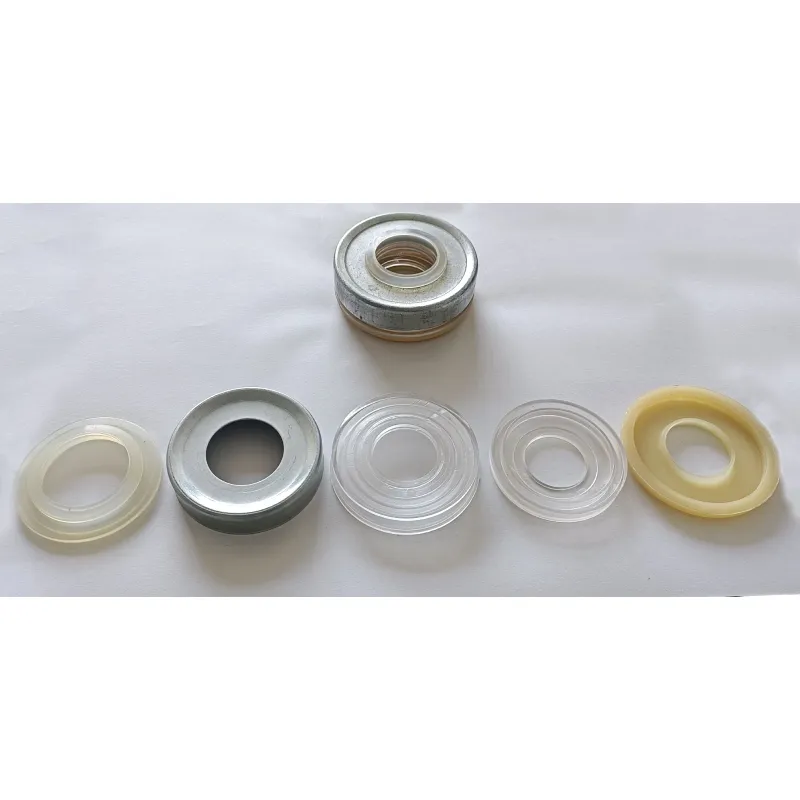
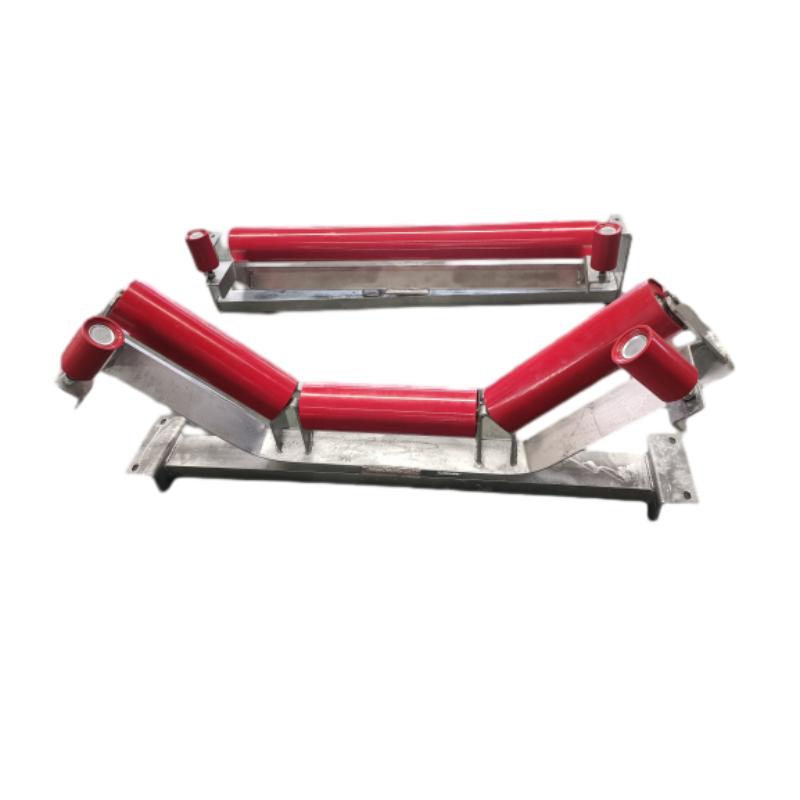
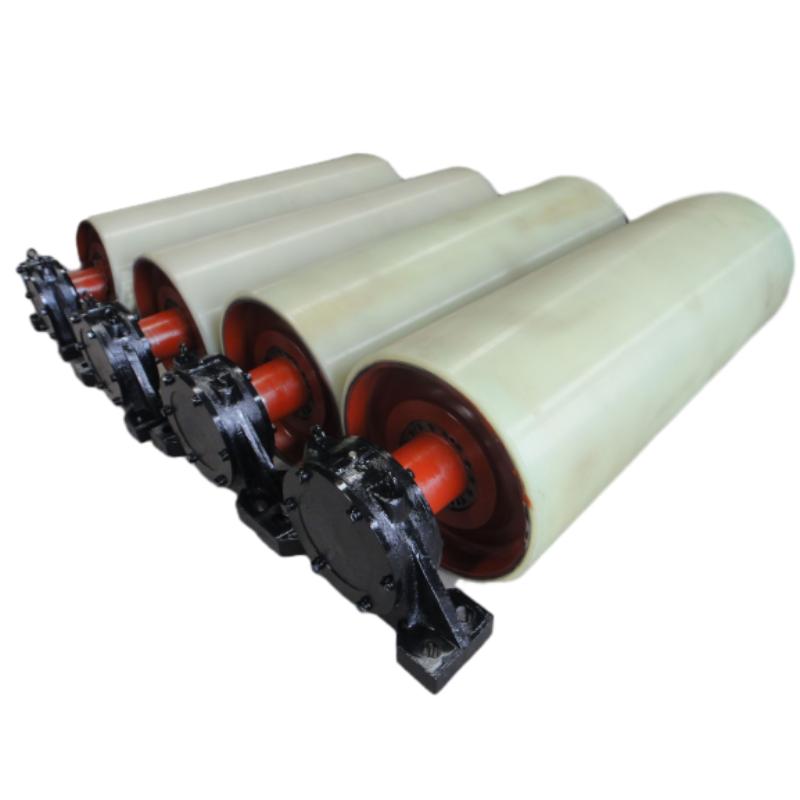
Here’s a quick insight— many roller wings are made from high-grade steel alloys, sometimes supplemented with corrosion-resistant coatings or engineered polymers. This combination helps them handle harsh environments while keeping maintenance intervals longer. I remember one project where swapping from a steel roller wing to a polymer-coated version cut downtime noticeably. Oddly enough, the newer material felt smoother right out of the box.
Of course, there’s no one-size-fits-all roller wing. Customization plays a big role, depending on your conveyor width, load weight, and speed requirements. In real terms, a good supplier will collaborate closely to fine-tune dimensions or surface finishes — kind of like tailoring a suit for performance rather than fashion.
| Parameter | Common Range / Value |
|---|---|
| Material | Carbon Steel / Stainless Steel / Polymer-Coated Options |
| Diameter | 50 mm – 150 mm |
| Load Capacity | Up to 500 kg (per roller) |
| Surface Finish | Polished / Matte / Textured |
| Operating Temperature | -20°C to +120°C |
If you’re weighing suppliers, it's helpful to compare not just their prices, but their expertise, range of customization options, and delivery times. I recall a time when a vendor promised quick turnaround but ended up delaying a critical job by weeks, which caused a ripple effect across the plant — not something you want. In contrast, others offer great customer service and walk you through selecting the best specs for your needs.
| Vendor | Customization Options | Typical Lead Time | Material Quality | Customer Support |
|---|---|---|---|---|
| Idleraohua | Extensive (material & dimensions) | 2-3 weeks | High-grade steel & polymer coatings | Responsive, technical guidance included |
| Competitor A | Limited (mostly standard sizes) | 4-6 weeks | Standard steel alloys | Basic support |
| Competitor B | Moderate (some custom sizes) | 3-5 weeks | Good quality steel | Above average |
I suppose, the best advice I can share is not just to look at roller wings as simple spare parts. They are important building blocks in the smooth, reliable operation of industrial equipment. When you invest in quality, you often save time and money down the line — and frankly, less downtime means a lot less stress.
For anyone in logistics, manufacturing, or material handling, a reliable roller wing is worth knowing about—it might even surprise you how much difference a seemingly modest component can make.
References:
1. Industrial Conveyor Design Handbook, 7th Edition
2. Material Handling Today Magazine, March 2023 Issue
3. Personal Industry Experience, 2010–Present
-
Maximize Conveyor Life with a High Performance impact bedNewsApr.16,2026
-
Maximize Conveyor Efficiency Using a v plow belt scraperNewsApr.09,2026
-
Comprehensive Guide to Understanding Different Types of Belt CleanersNewsApr.07,2026
-
Enhancing Conveyor Efficiency with an Effective Scraper Belt CleanerNewsApr.04,2026
-
Optimizing Conveyor Systems with Advanced Cleaning Equipment SolutionsNewsMar.31,2026
-
Effective Conveyor Belt Scraper Adjustment for Optimal System PerformanceNewsMar.28,2026