

Plastic Conveyor Parts: Durable, Sustainable, and Essential for Modern Material Handling
Understanding Plastic Conveyor Parts: The Backbone of Modern Material Handling
Plastic conveyor parts may not be the headline heroes of industrial innovation, but in truth, they quietly keep the wheels turning—literally—across countless industries worldwide. These components are essential in ensuring smooth, efficient material transport, which is pivotal in manufacturing, distribution, and even humanitarian relief logistics. Understanding the role and benefits of plastic conveyor parts is not just technical nitpicking; it’s about appreciating the small things that make modern supply chains robust, flexible, and sustainable.
Introduction: A Global Perspective on Plastic Conveyor Components
Across the globe, industries rely heavily on conveyor systems to move goods efficiently. The International Organization for Standardization (ISO) notes the critical role of conveyor technology in increasing workplace efficiency and safety. Financially, according to a World Bank report, global manufacturing depends on streamlined logistics operations, where conveyor parts—especially plastic components—play a growing role in reducing costs and environmental footprints.
One challenge that stands out is the balance between durability and environmental impact. Traditional metal parts, while strong, may corrode and require frequent maintenance. Plastic conveyor parts, by contrast, offer intriguing alternatives that address some of these issues—but not without challenges of their own.
What Are Plastic Conveyor Parts?
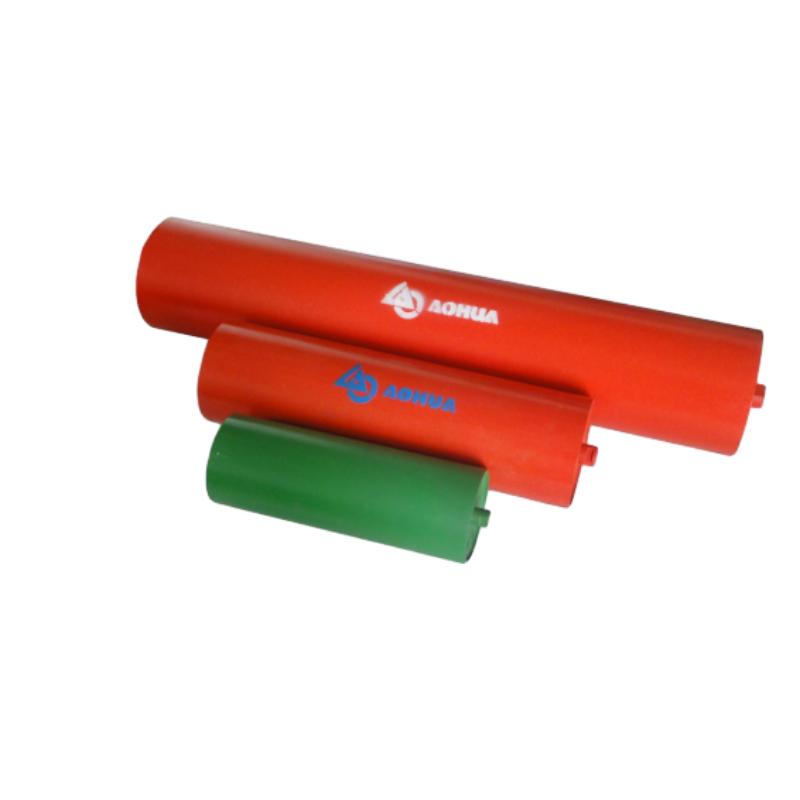
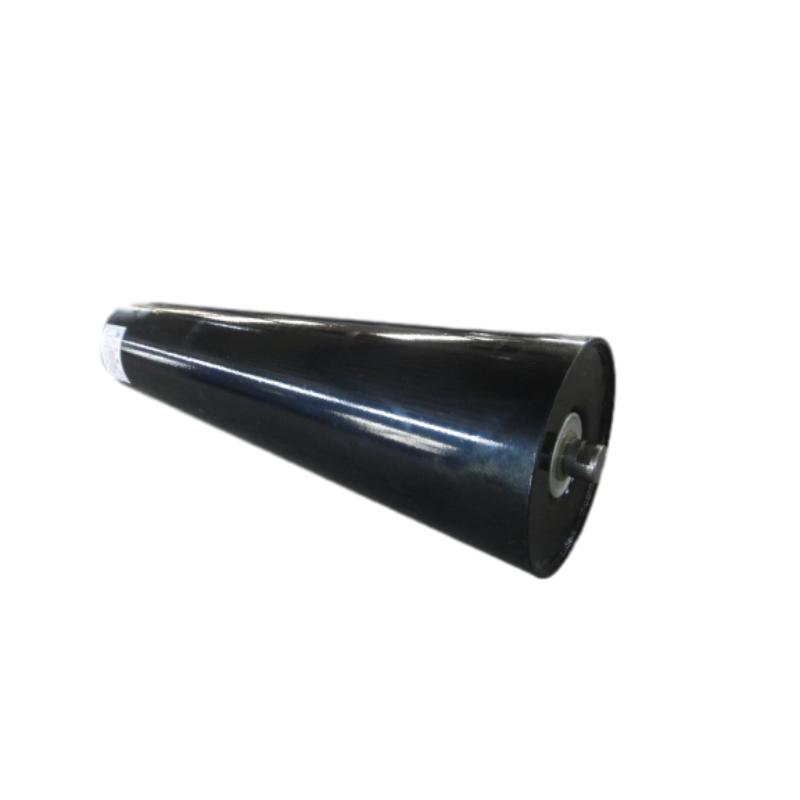
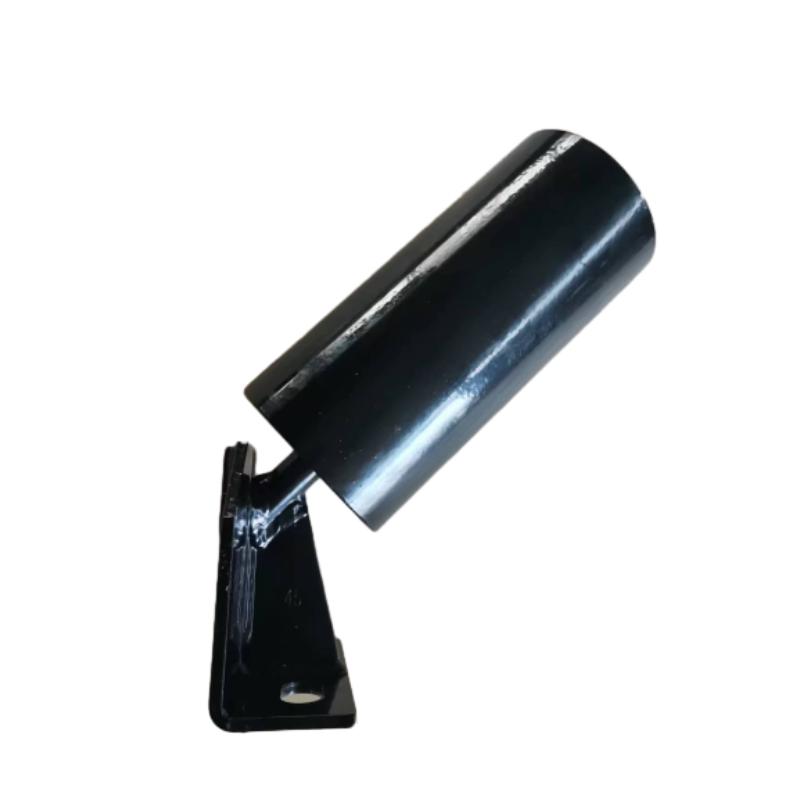
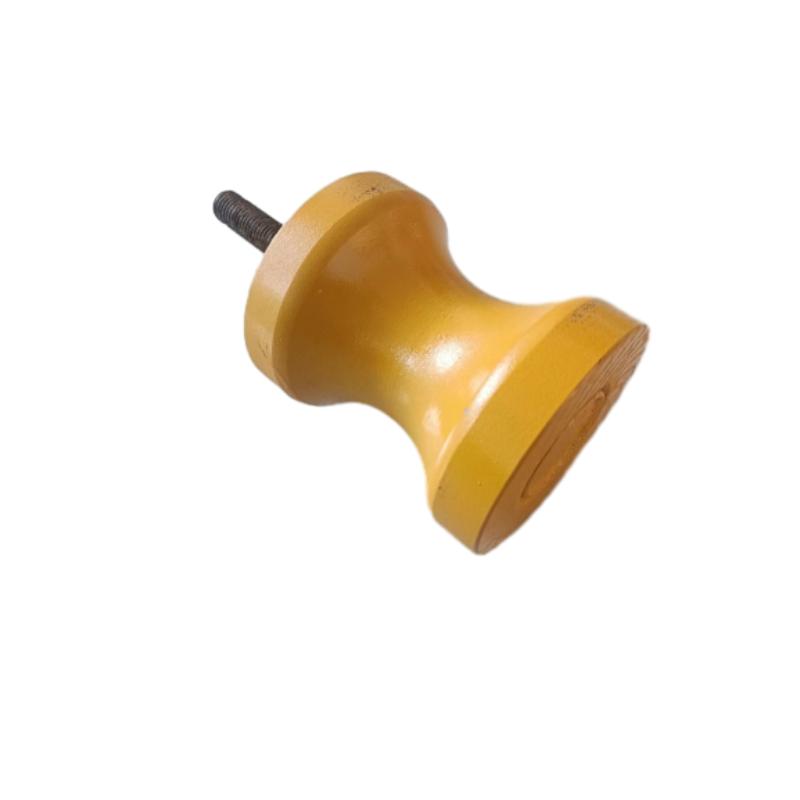
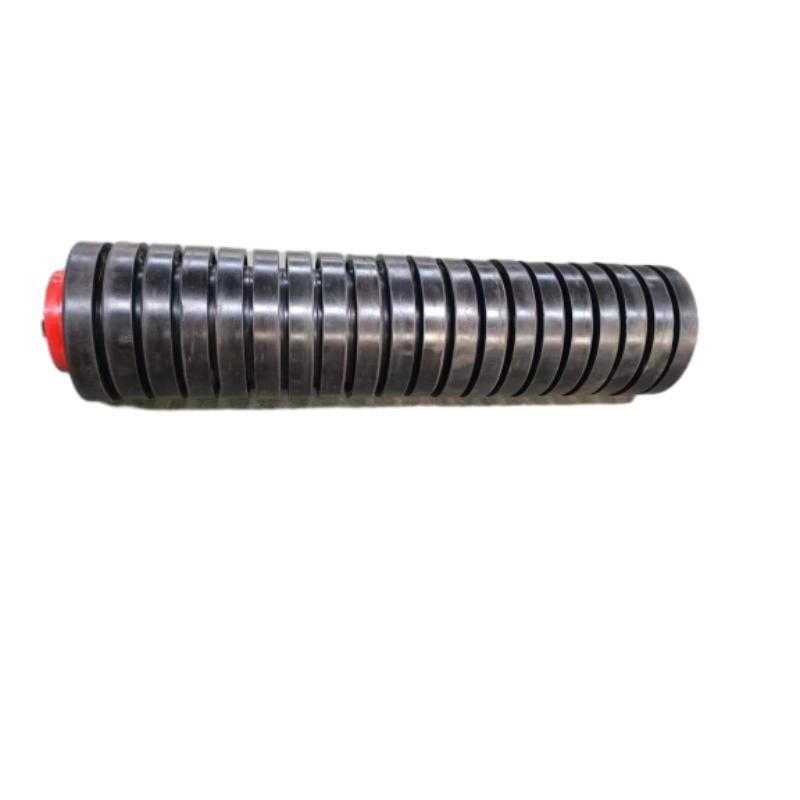
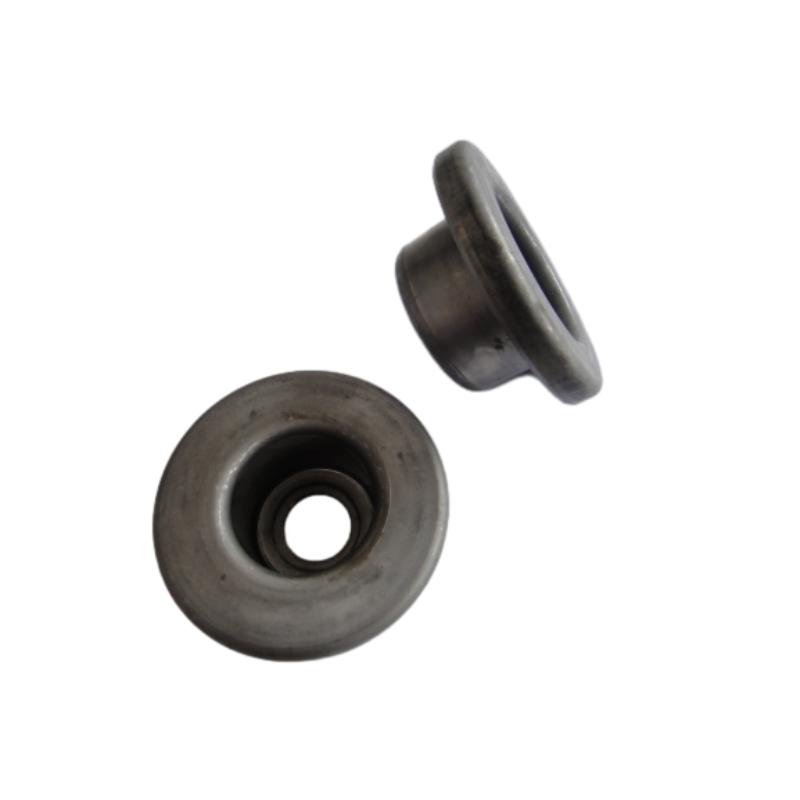
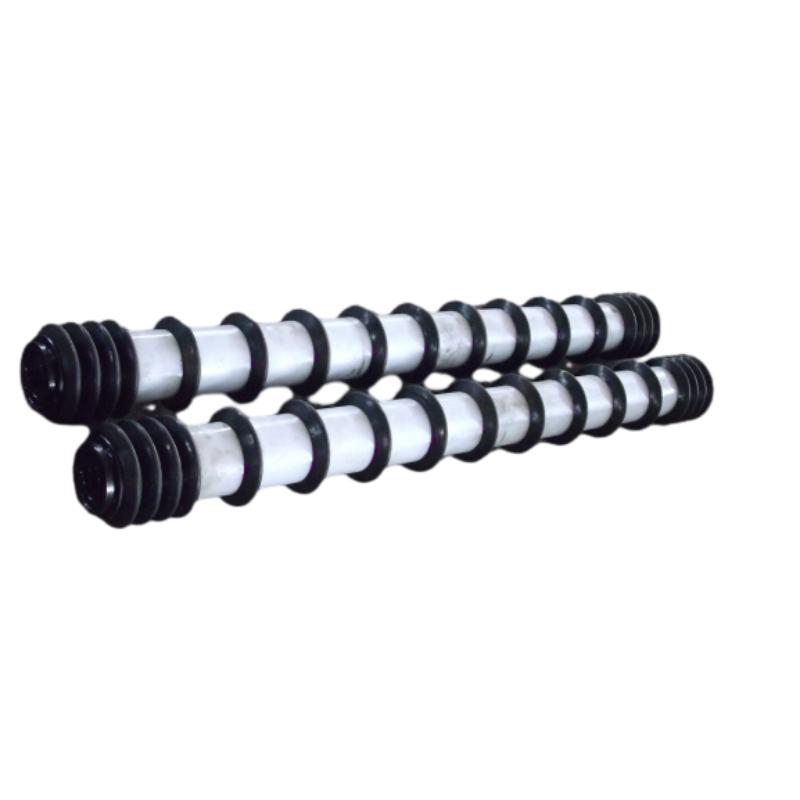
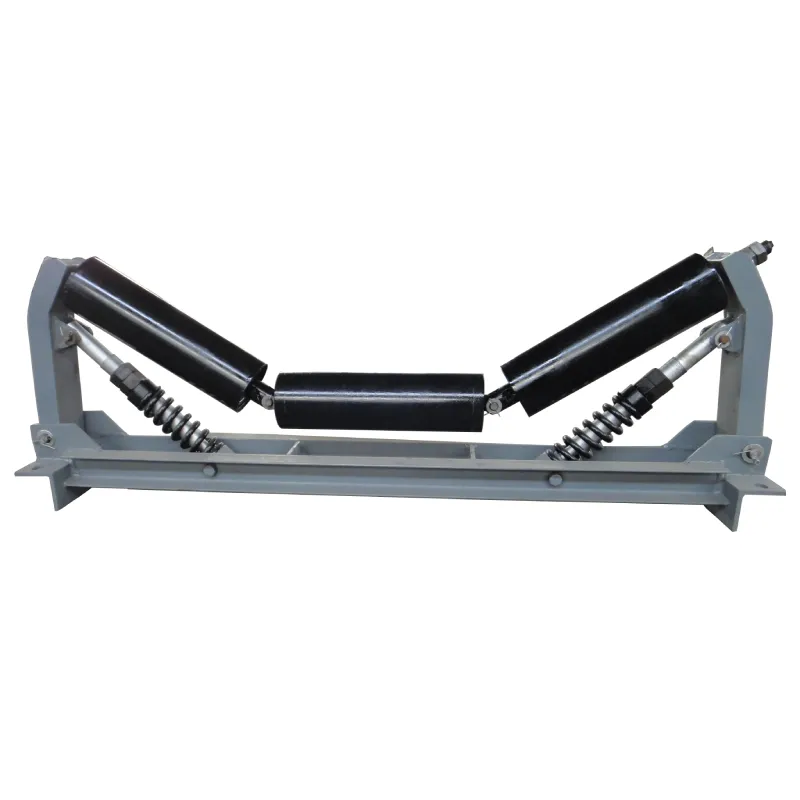
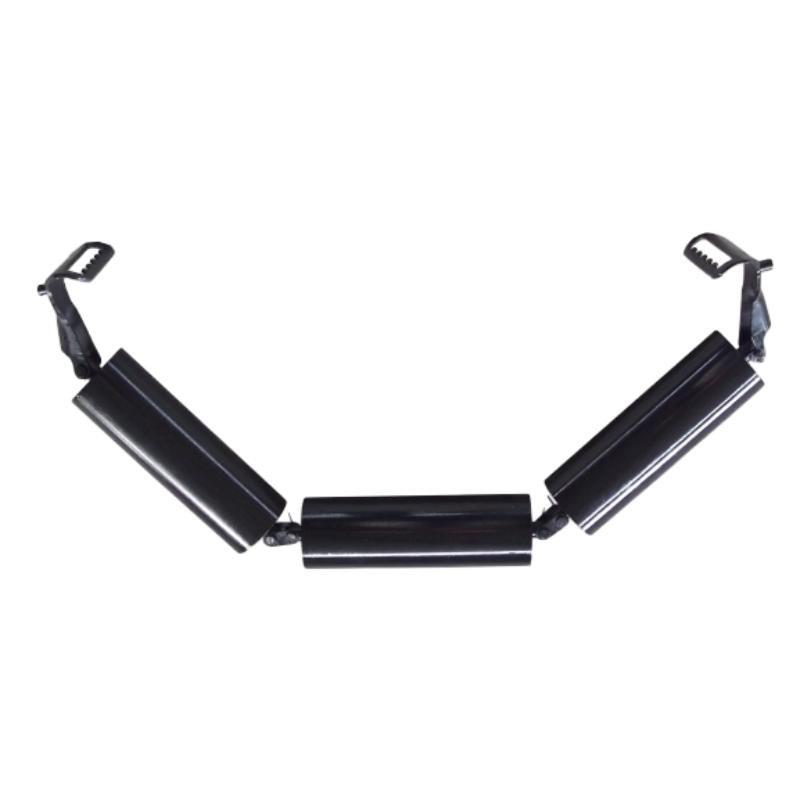
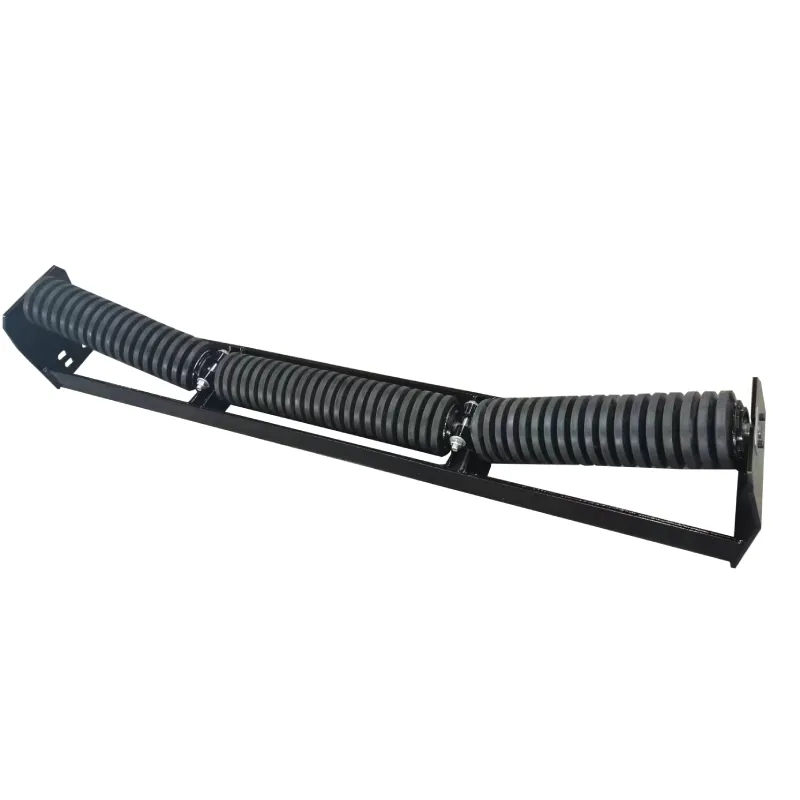
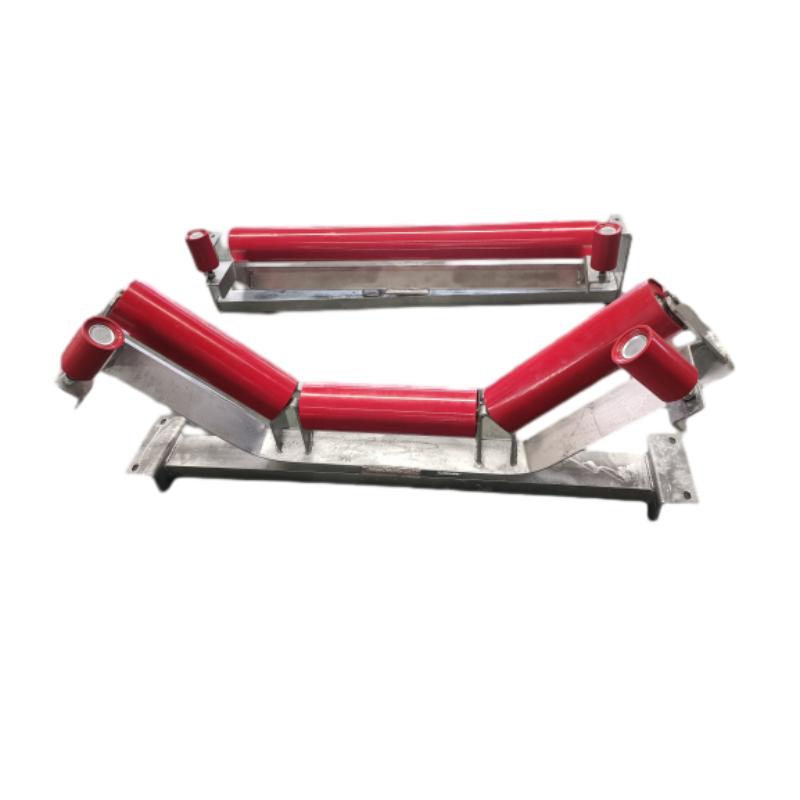
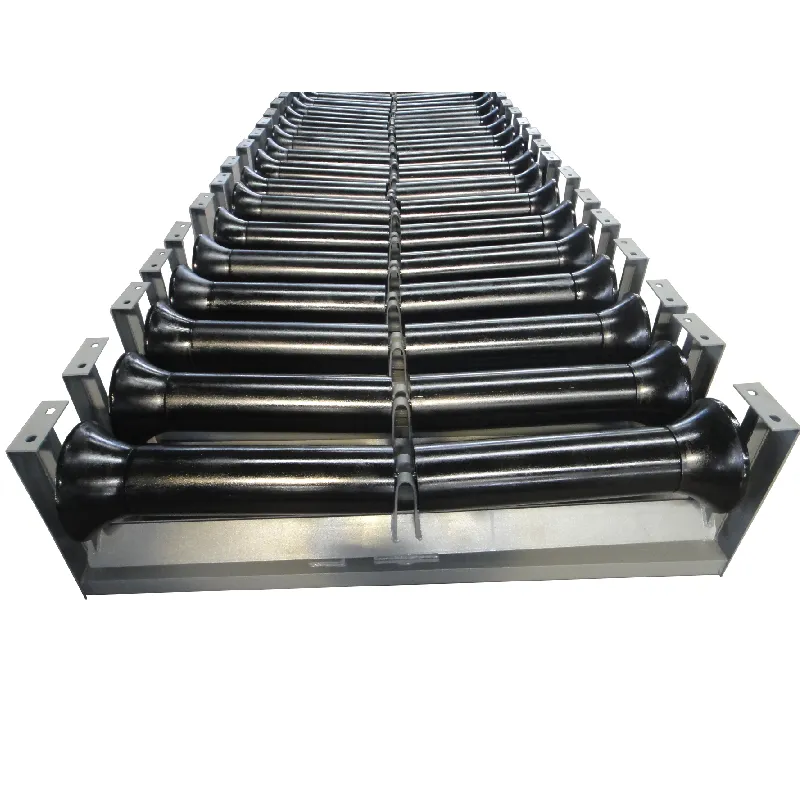
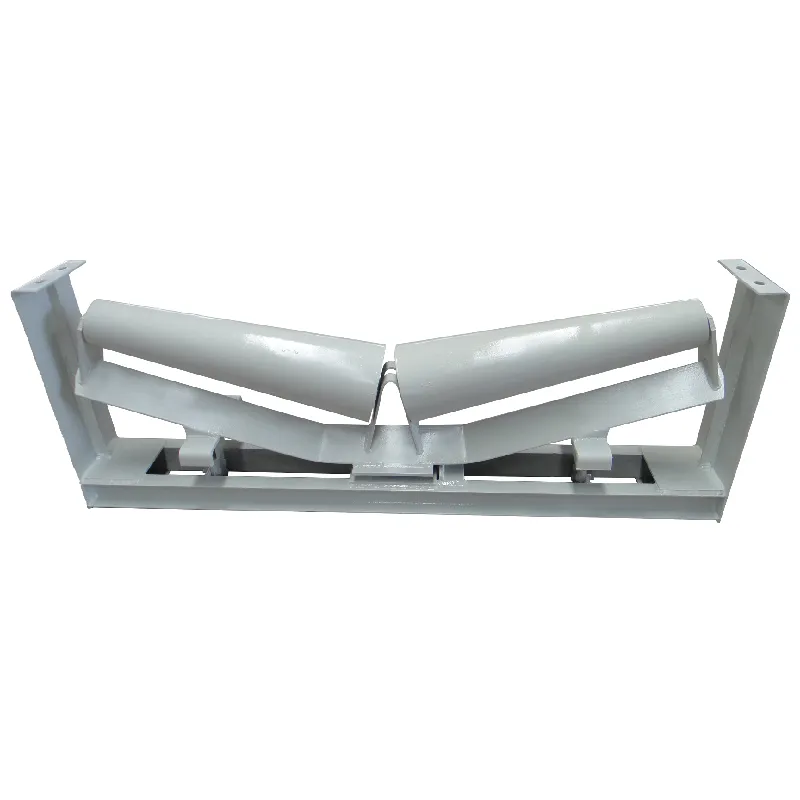
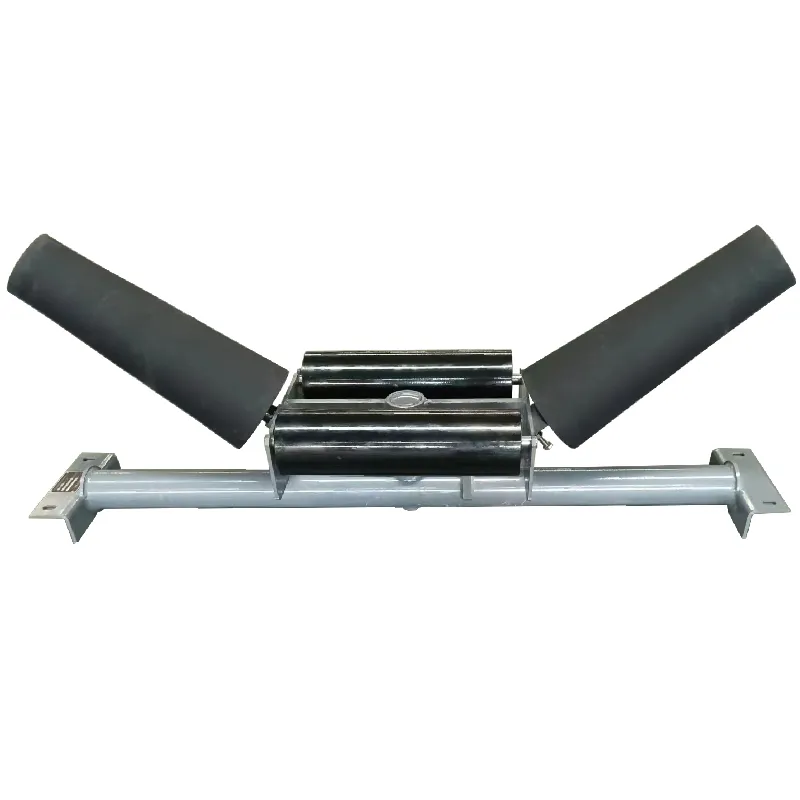
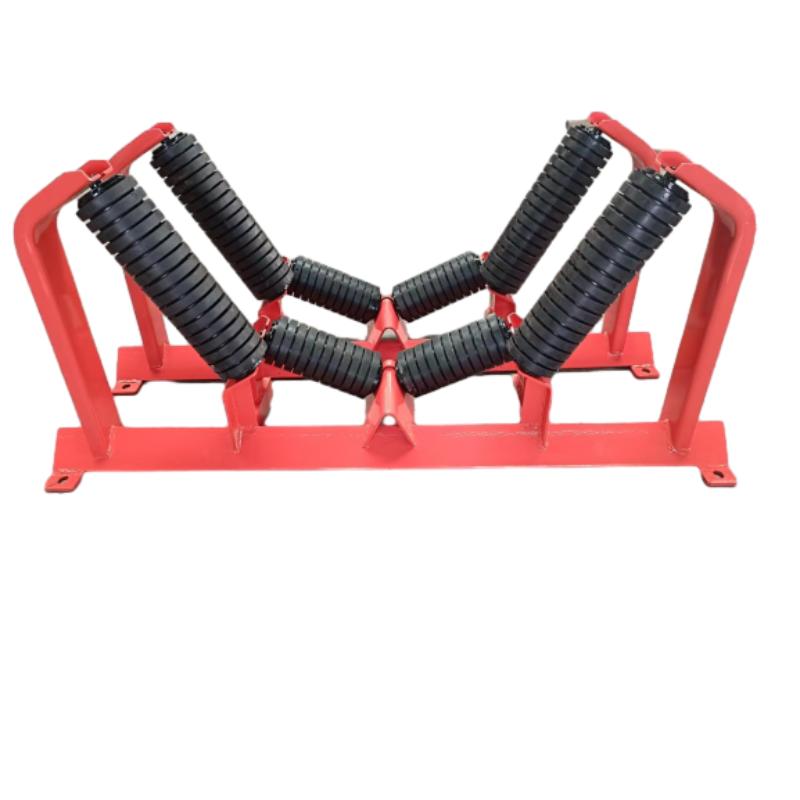
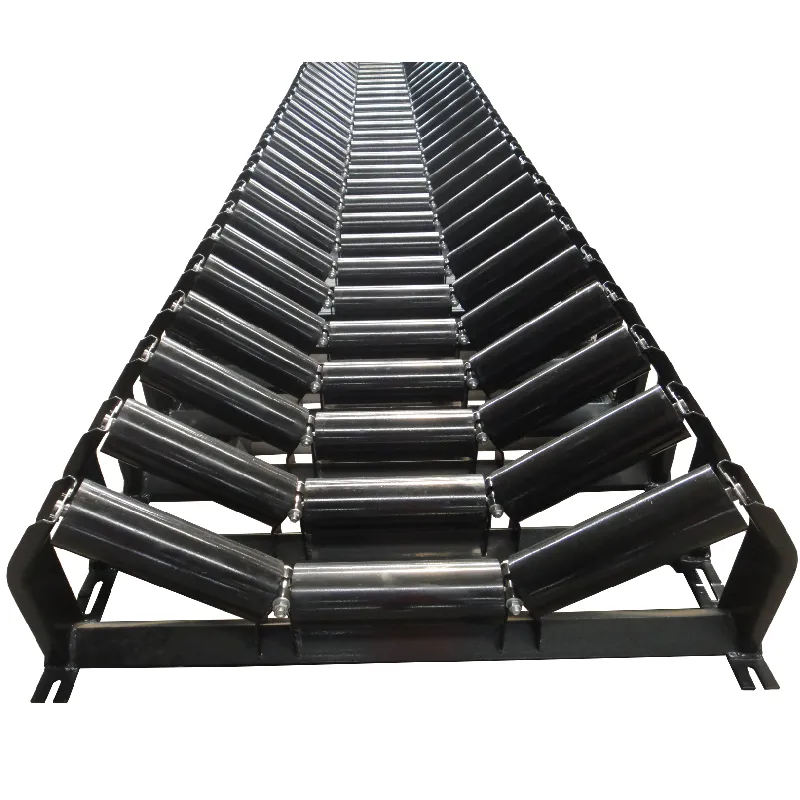
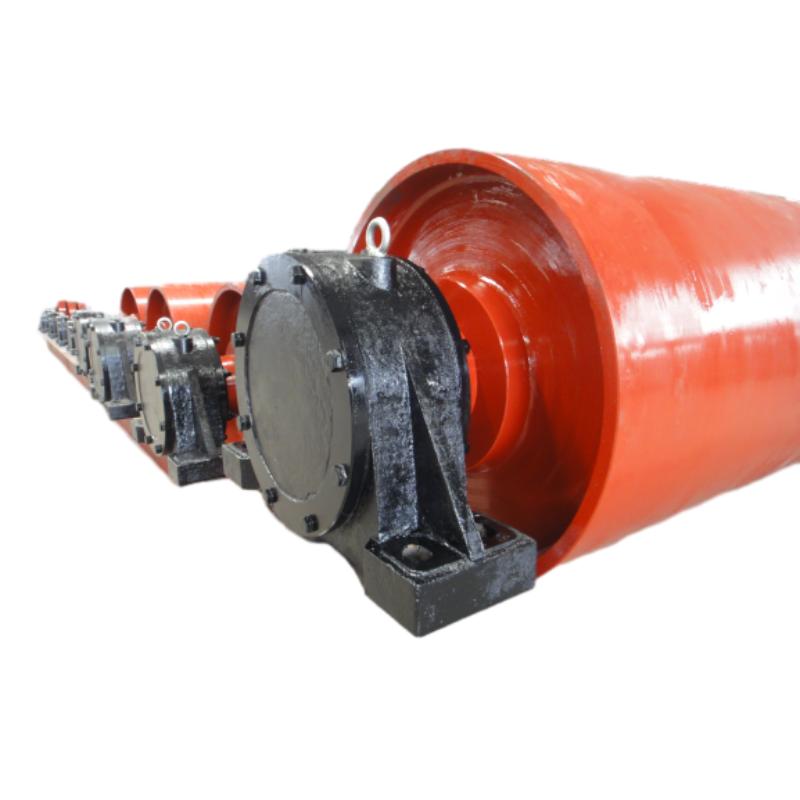
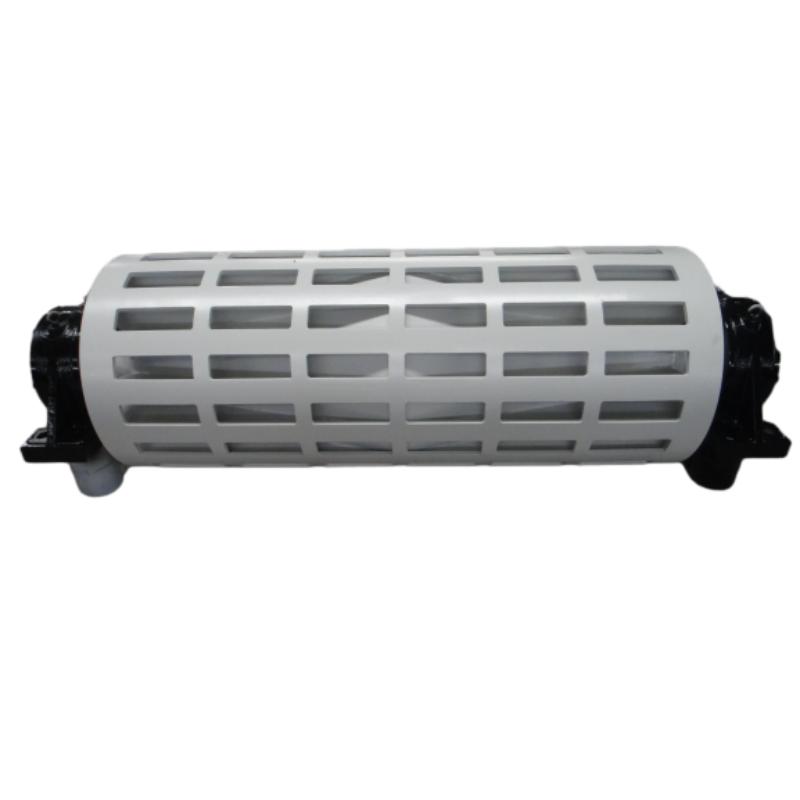
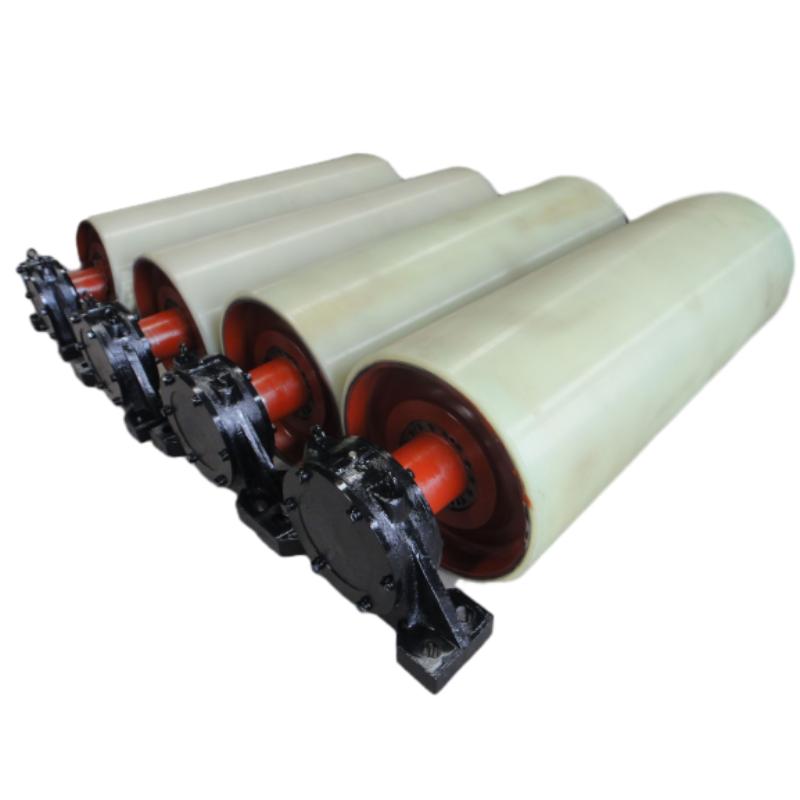
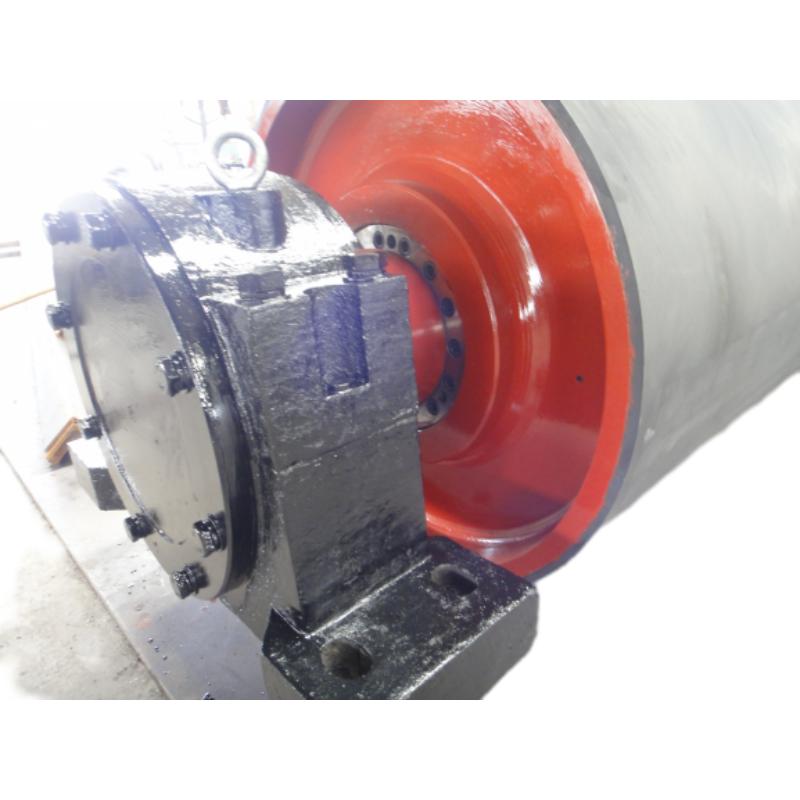
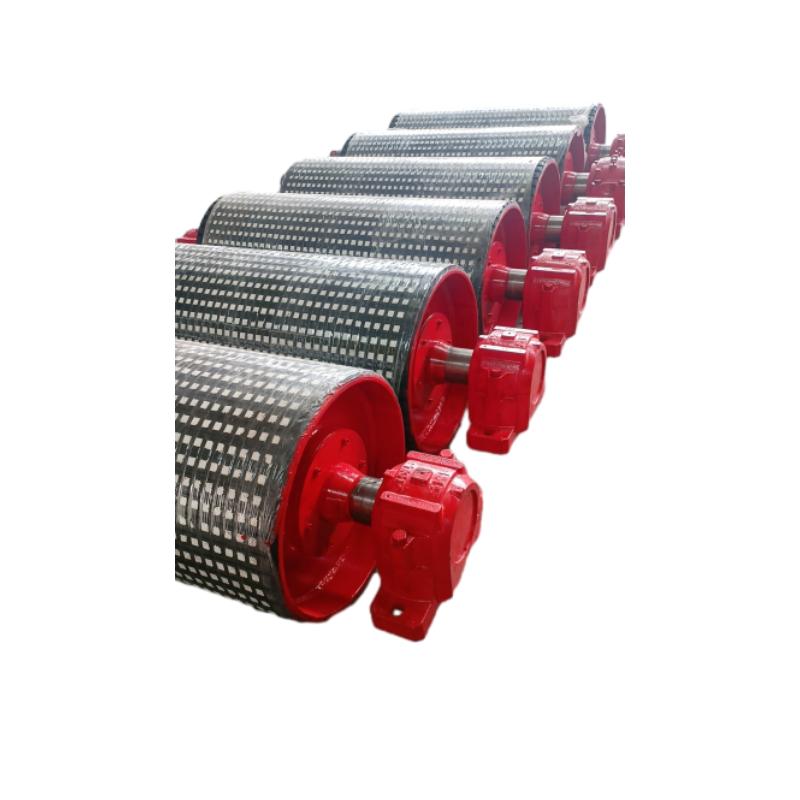
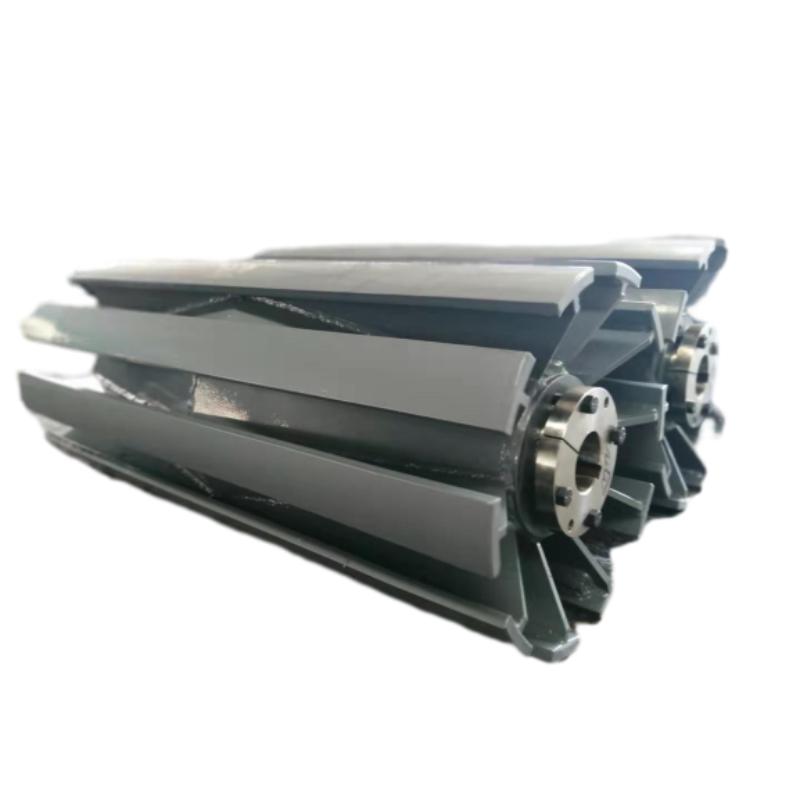
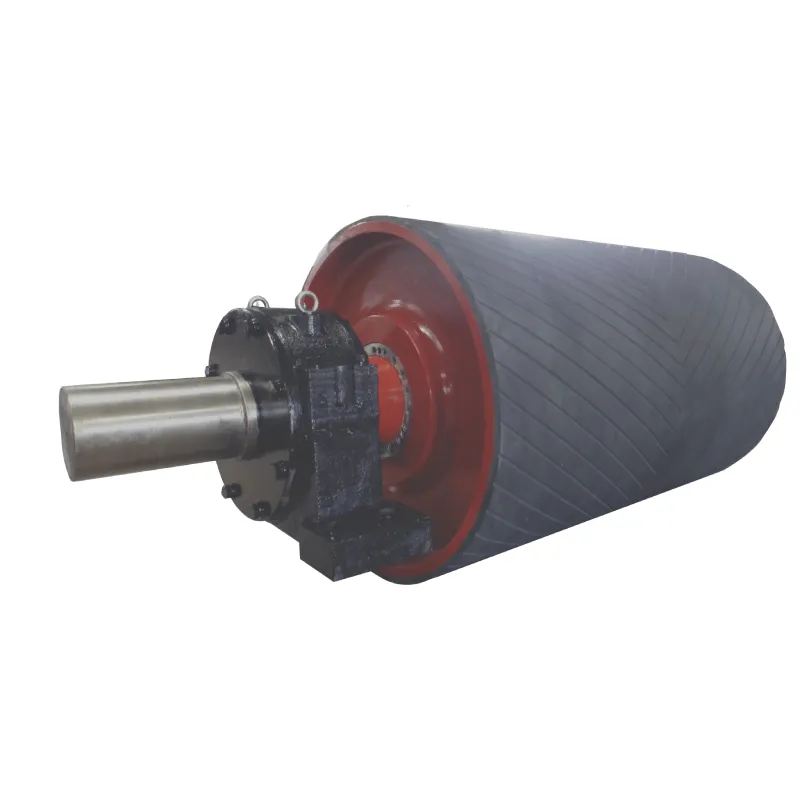
Simply put, plastic conveyor parts are components made from engineered polymers designed to replace or complement metal parts in conveyor systems. They include belts, rollers, guides, side guards, and chain links, tailored to fit specific industry needs. Their versatility makes them indispensable across sectors such as food processing, pharmaceuticals, electronics, and humanitarian aid logistics.
In practical terms, these parts offer lighter weight and corrosion resistance, which translates into less downtime and maintenance. Oddly enough, many people don’t realize just how widespread their use is—from conveyor belts delivering packages in bustling warehouses to the food-safe plastics that help sort fresh produce without contamination.
Core Components and Key Factors in Plastic Conveyor Parts
Durability and Wear Resistance
Plastic conveyor parts are often designed with tough polymers like UHMW polyethylene or polypropylene. These materials provide impressive wear resistance and withstand abrasive conditions, which is crucial for long-running operations. Unlike metals, they don't rust or corrode, especially in humid or wet environments.
Scalability and Customization
Manufacturers appreciate the ease of customizing plastic parts to different sizes and shapes. Need a specialized chain link or a unique belt profile? Plastic can be molded or extruded quickly and affordably, which is not always possible with metal.
Cost Efficiency
Although plastics might have a higher upfront cost for some specialized applications, their reduced maintenance requirements and lighter weight often yield cost benefits over time. A lighter conveyor chain means less motor energy consumption, ultimately lowering operational costs—a fairly direct win.
Hygiene and Contamination Resistance
In food processing or pharmaceutical settings, plastics excel due to their resistance to chemicals and sanitizing agents. They support strict hygiene protocols better than porous or corrodible metals, safeguarding product safety and worker health.
Environmental Sustainability
Many modern plastic conveyor parts are made from recyclable or bio-based plastics, aligning with growing sustainability standards. This makes them appealing in industries striving to reduce carbon footprints and comply with directives like the European Green Deal.
Mini takeaway: Plastic conveyor parts blend durability with adaptability, making them practical choices for varied, demanding industrial environments.
Applications Around the World: Where Plastic Conveyor Parts Shine
From sprawling logistics hubs in Europe to remote mining operations in Australia, plastic conveyor parts are used extensively. Consider the agricultural sector in South America, where food-grade conveyor chains move fruits and vegetables swiftly while minimizing damage and contamination risks.
In humanitarian relief, organizations often rely on conveyor systems with plastic parts because of their lightweight and corrosion-resistant properties, which can be crucial in post-disaster zones with challenging environments.
Oddly enough, manufacturing plants in East Asia favor plastic rollers because they reduce noise and vibration—big pluses in tightly regulated urban zones.
| Product | Material | Typical Use | Temperature Range | Special Feature |
|---|---|---|---|---|
| UHMW PE Conveyor Chain | Ultra High Molecular Weight Polyethylene | Food processing, packaging | -150°C to 80°C | Low friction and abrasion resistant |
| Polypropylene Guide Rails | Polypropylene | Electronics assembly | -10°C to 100°C | Chemical resistant, lightweight |
| Acetal Rollers | Polyoxymethylene (POM) | Automotive parts conveying | -40°C to 100°C | High stiffness & dimensional stability |
Advantages and the Long-Term Value of Plastic Conveyor Parts
When you look beyond upfront costs, plastic conveyor parts often win on overall value. Their resistance to corrosion and chemicals reduces downtime and repair cycles. There’s a certain dignity in knowing equipment isn’t breaking down during critical operations—employees and supervisors alike gain confidence in the system.
Socially, safer, quieter, and cleaner conveyors improve worker well-being. Plus, innovation in plastic composites means companies can tailor parts for sustainability goals, meeting both regulatory and ethical demands.
Future Trends: What’s Next for Plastic Conveyor Parts?
- Smart Materials: Integration of sensors into conveyor parts for predictive maintenance and real-time system health monitoring.
- Bio-based Polymers: Adoption of renewable plastics to further reduce environmental impact.
- Automation Compatibility: Parts designed to interface seamlessly with robotic handling systems, increasing throughput.
- Energy Efficiency: Lighter plastic chains reduce energy use, contributing to green manufacturing initiatives.
Challenges and Solutions in Using Plastic Conveyor Parts
It’s not all sunshine and roses. Plastics can suffer from UV degradation or may have limited load capacity compared to metal. However, engineers often combine metals with plastics in hybrid designs, or use additives to improve UV resistance.
Another challenge is thermal expansion, which sometimes causes alignment issues. Careful design tolerances and installation methods can mitigate these effects. Frankly, ongoing R&D is addressing many such teething problems successfully.
Frequently Asked Questions About Plastic Conveyor Parts
- Q: Are plastic conveyor parts suitable for heavy loads?
A: While many plastics are strong, heavy-load operations often require engineering plastics like UHMW or reinforced composites. Hybrid systems using metal supports with plastic parts also work well to balance strength and flexibility. - Q: How often do plastic conveyor parts need replacement?
A: This varies widely depending on use conditions. Generally, they last longer than traditional metals in corrosive environments but may wear faster under high heat or abrasion. Routine inspection helps maximize lifespan. - Q: Can plastic conveyor components be recycled?
A: Yes, many plastic parts are recyclable, especially if made from thermoplastics. Some manufacturers also offer take-back programs for end-of-life parts to support circular economy goals. - Q: Are plastic conveyor parts hygienic enough for food processing?
A: Absolutely. Food-grade plastics resist contaminants and tolerate cleaning agents, making them excellent for maintaining sanitary conditions.
Conclusion: Why Plastic Conveyor Parts Matter
Looking forward, plastic conveyor parts aren't just a substitute for metals—they’re a fundamental evolution in material handling. Their blend of durability, hygiene, and sustainability offers industries a toolbox for tackling increasingly complex logistical challenges worldwide. If you want to explore these innovative components further, visit our website: plastic conveyor parts.
It feels like every conveyor system carries with it a story of resilience and ingenuity, and plastic parts are quietly inscribing the future.
| Vendor | Range of Products | Customization Options | Lead Time | Sustainability Credentials |
|---|---|---|---|---|
| Idleraohua | Full range, modular parts | High customization available | 2-4 weeks | Uses recycled & bio-based plastics |
| ConveyorCo | Standard parts | Limited customization | 3-5 weeks | No official sustainability program |
| PolyMove | Specialized components | Moderate customization | 4-6 weeks | Some recyclable materials used |
Final takeaway: Plastic conveyor parts offer a compelling blend of durability, efficiency, and sustainability — proving that sometimes, small components carry big impacts.
- ISO - Conveyor equipment standards
- World Bank - Manufacturing and logistics reports
- Wikipedia - Conveyor belt overview
-
Maximize Conveyor Life with a High Performance impact bedNewsApr.16,2026
-
Maximize Conveyor Efficiency Using a v plow belt scraperNewsApr.09,2026
-
Comprehensive Guide to Understanding Different Types of Belt CleanersNewsApr.07,2026
-
Enhancing Conveyor Efficiency with an Effective Scraper Belt CleanerNewsApr.04,2026
-
Optimizing Conveyor Systems with Advanced Cleaning Equipment SolutionsNewsMar.31,2026
-
Effective Conveyor Belt Scraper Adjustment for Optimal System PerformanceNewsMar.28,2026