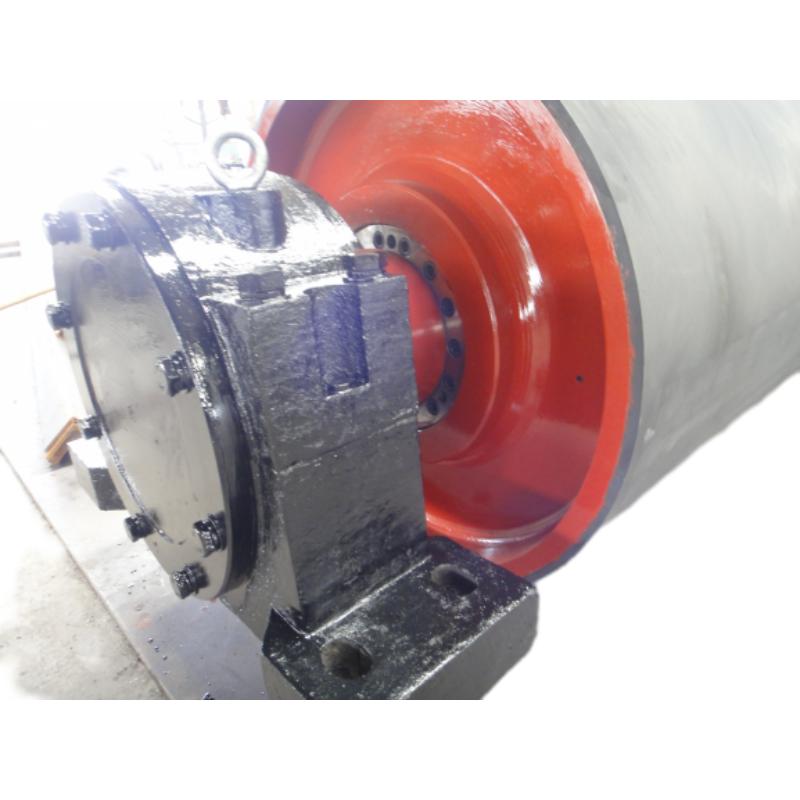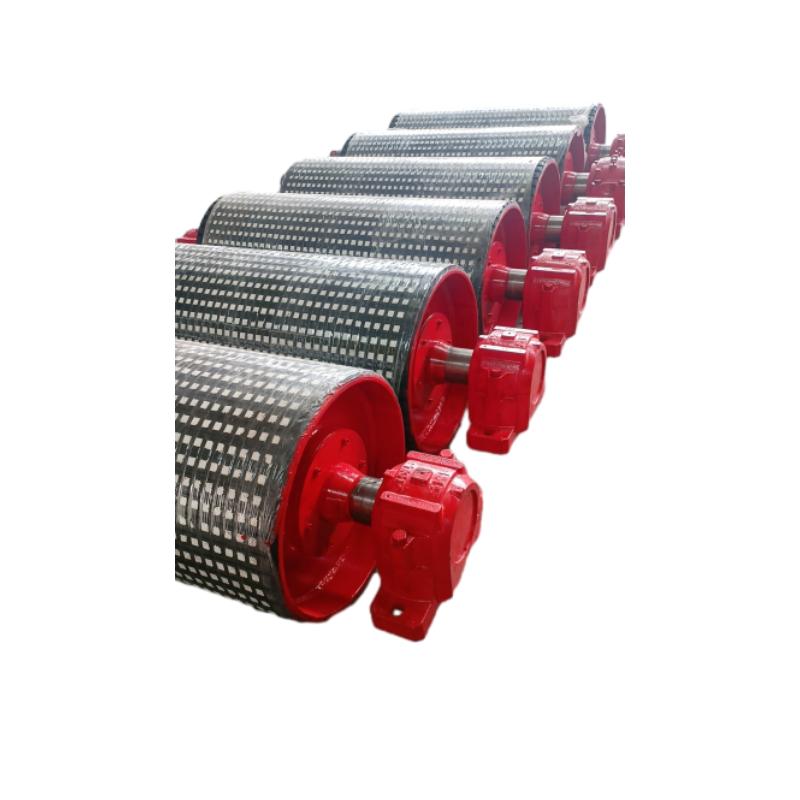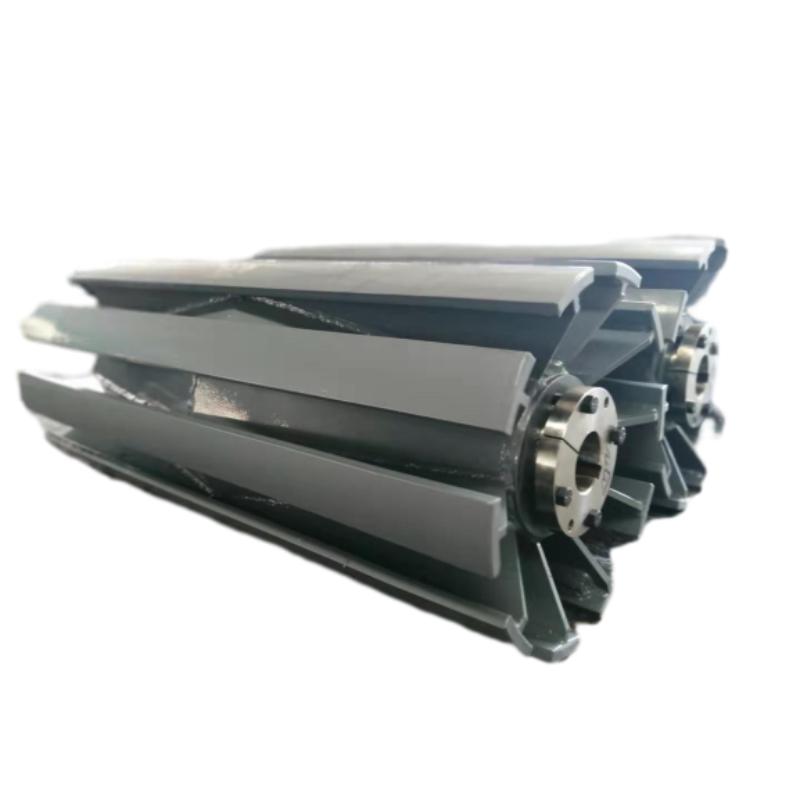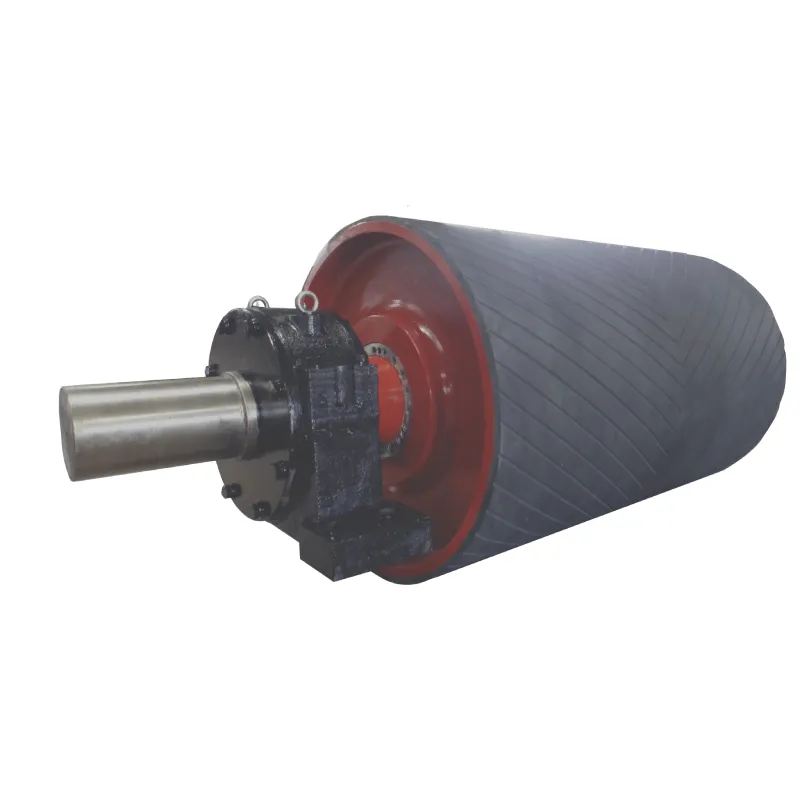


Premium Idler Conveyor Rollers Custom Design & Trusted Manufacturers
- Introduction to Idler Conveyor Roller Functionality
- Technical Specifications & Load Capacity Analysis
- Material Engineering in Conveyor Idler Roller Design
- Performance Comparison: Top 5 Global Manufacturers
- Customization Strategies for Industrial Applications
- Case Study: Mining Sector Implementation
- Optimizing Idler Conveyor Roller Lifespan
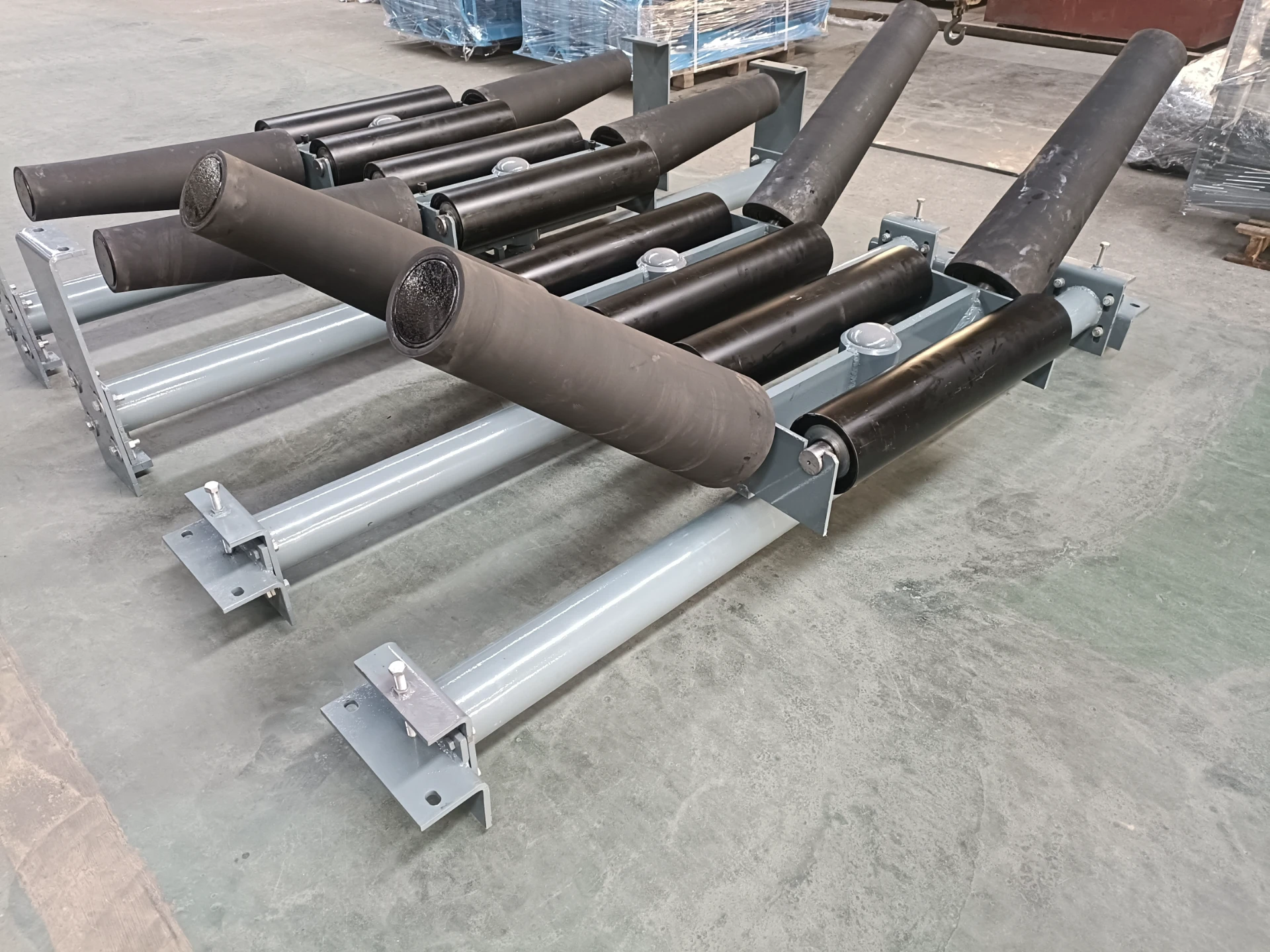
(idler conveyor roller)
Understanding Idler Conveyor Roller Dynamics
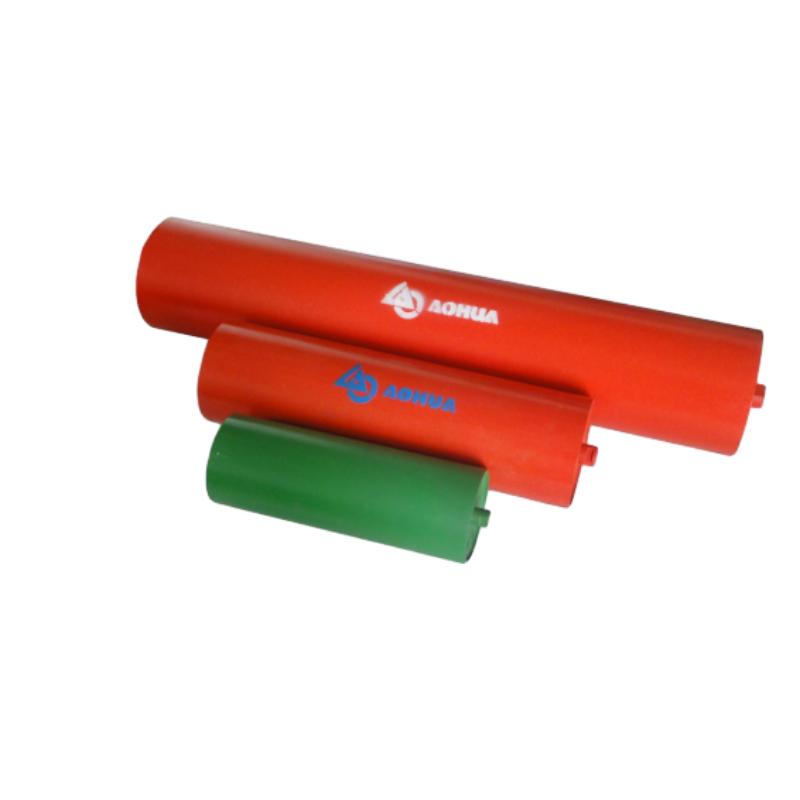
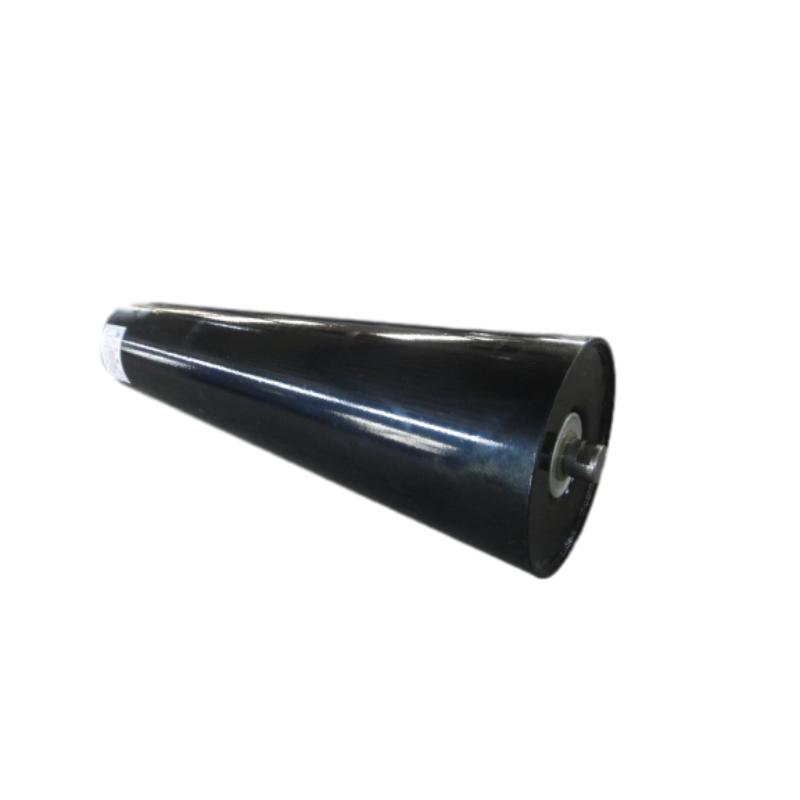
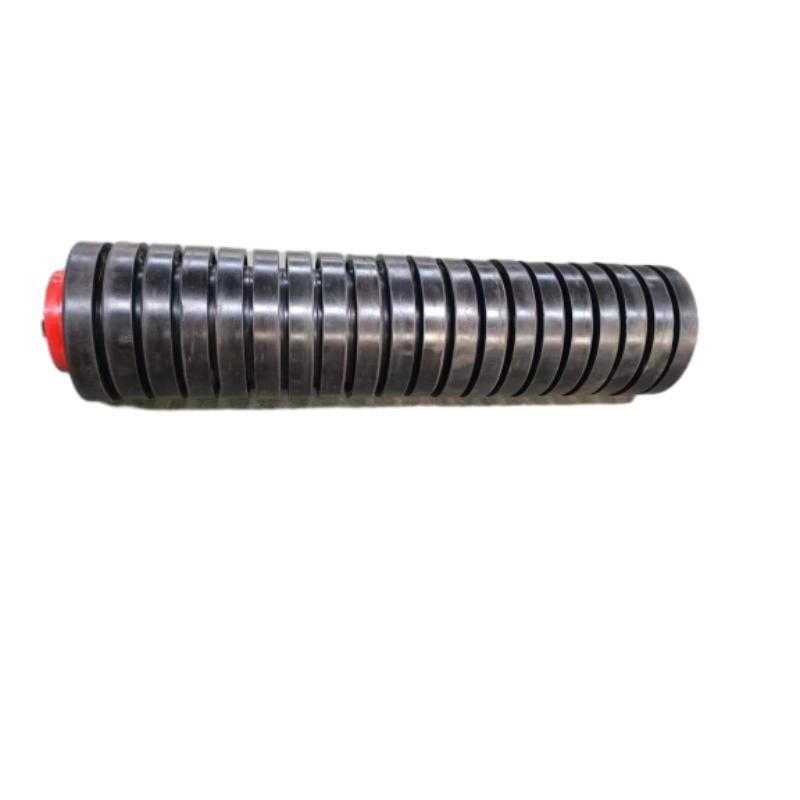
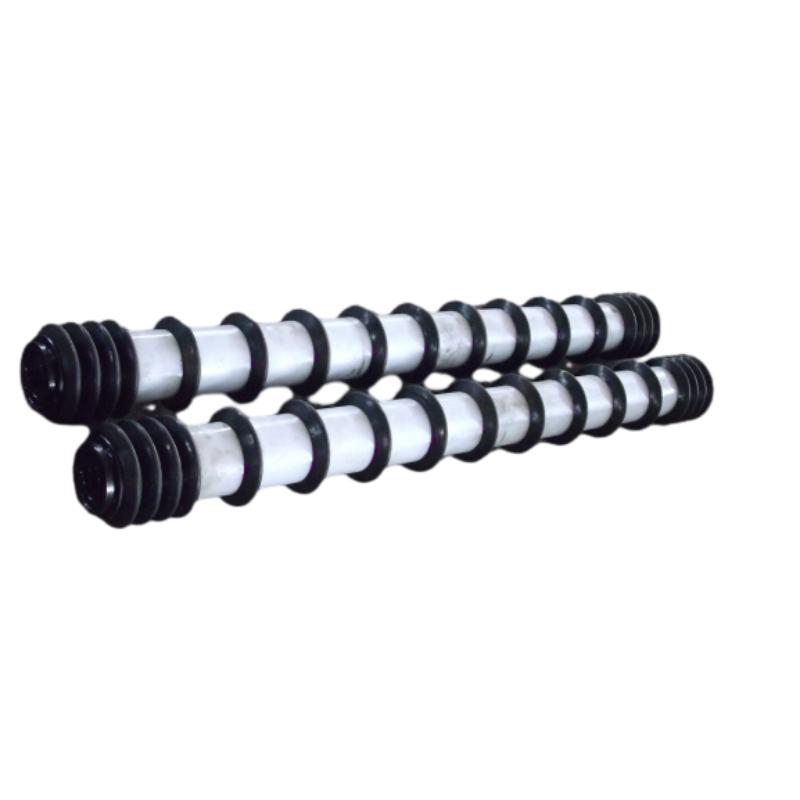
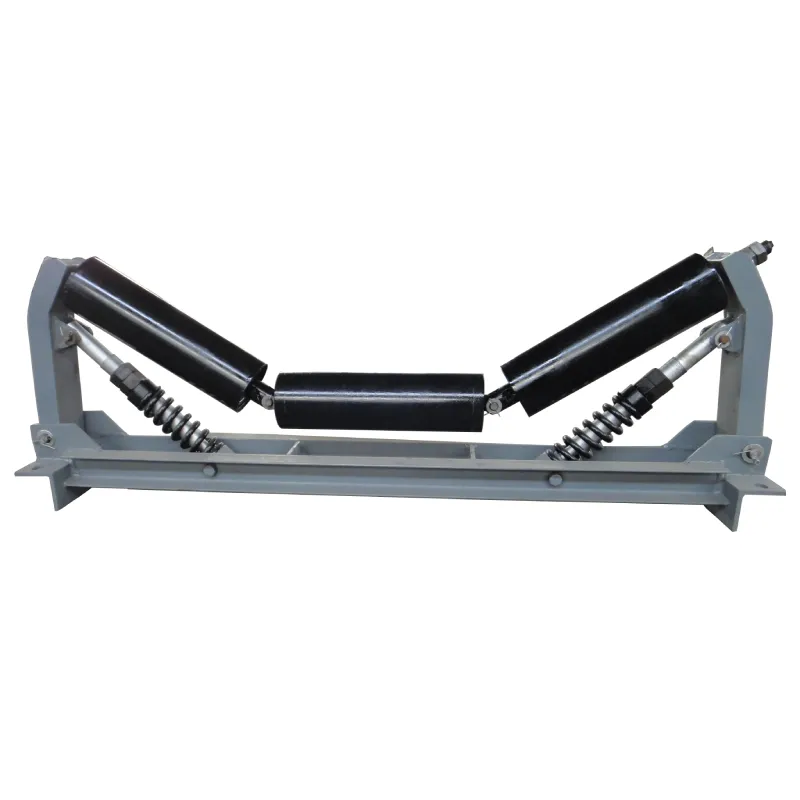
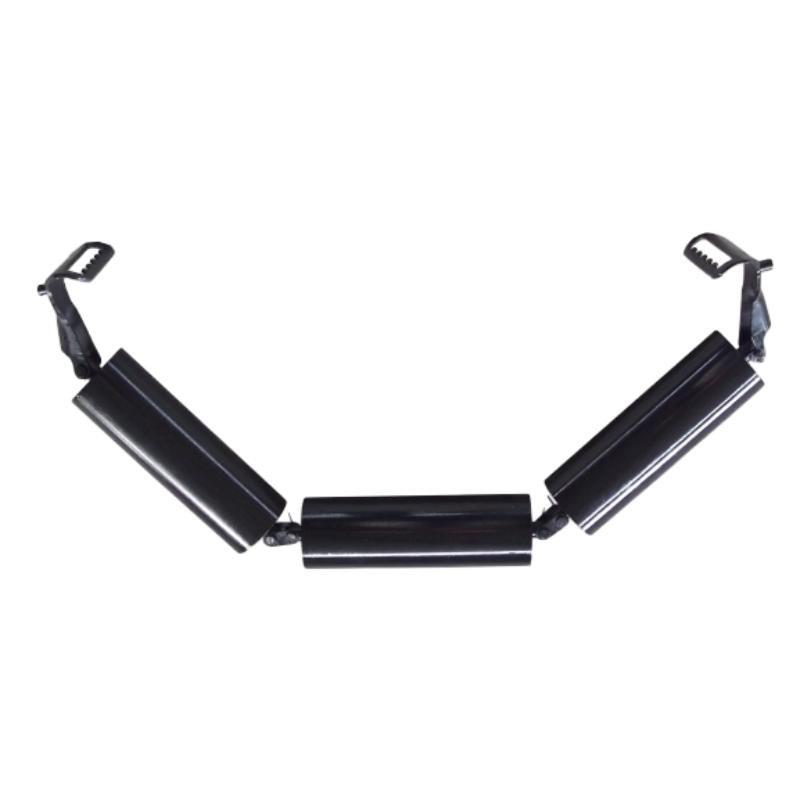
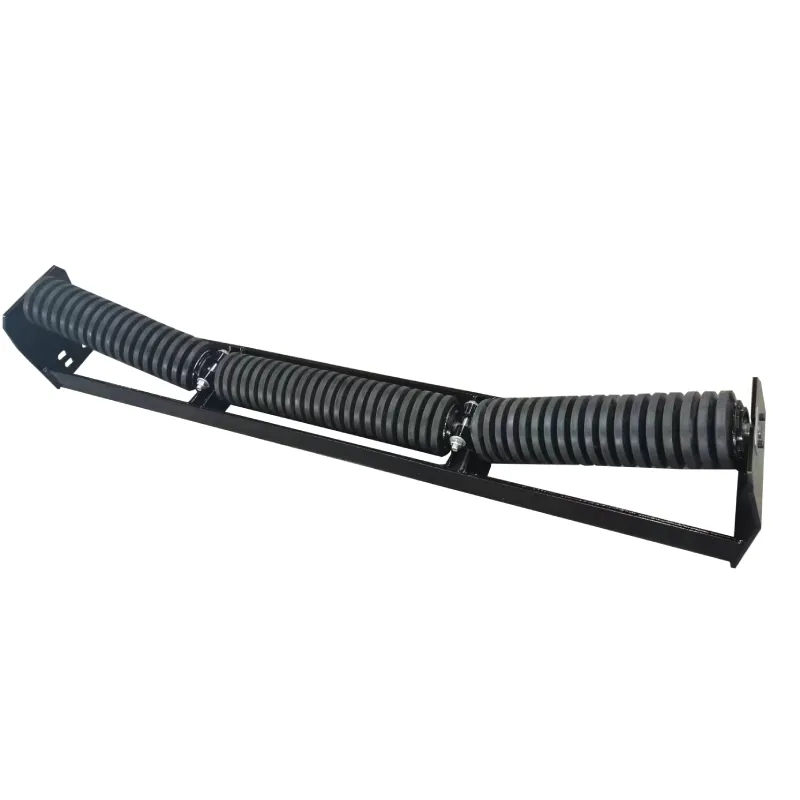
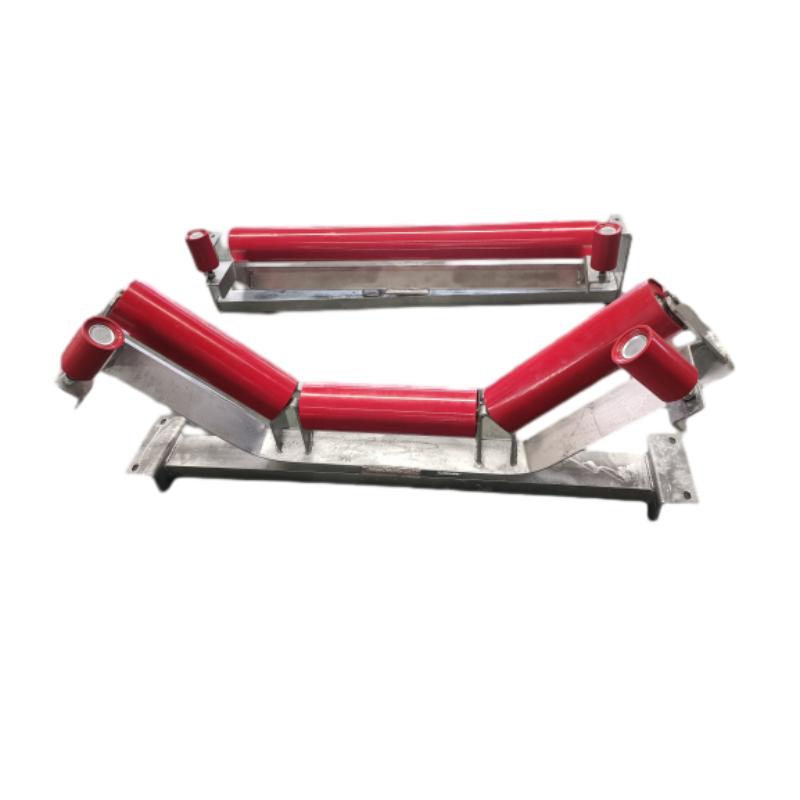
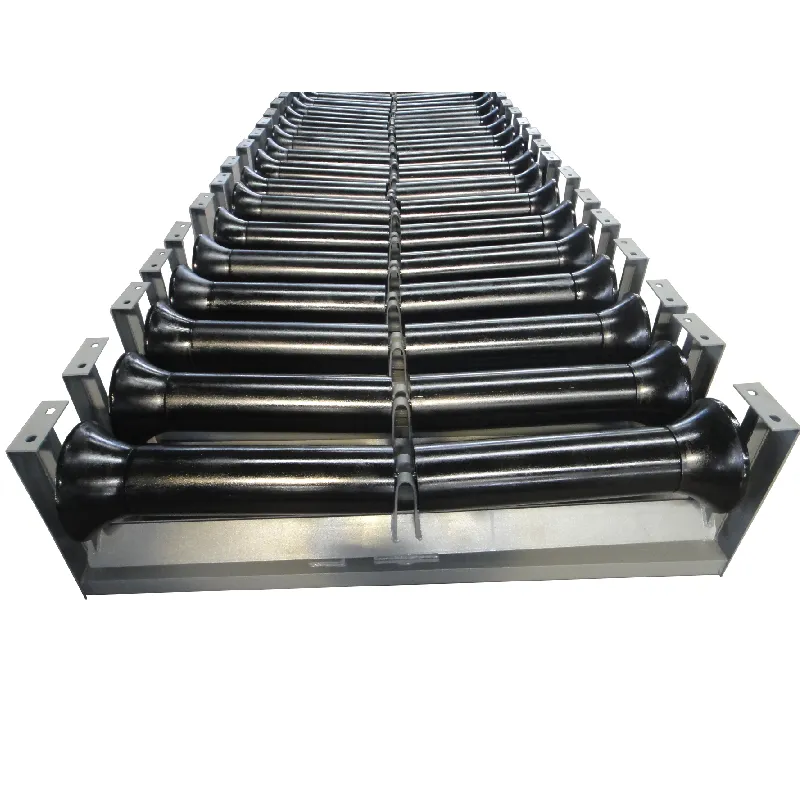
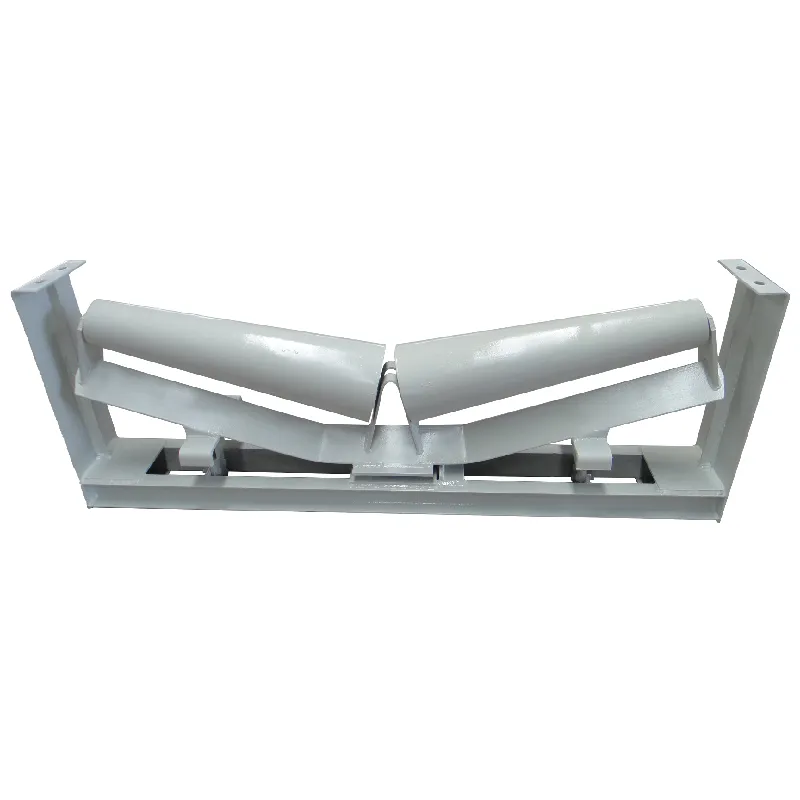
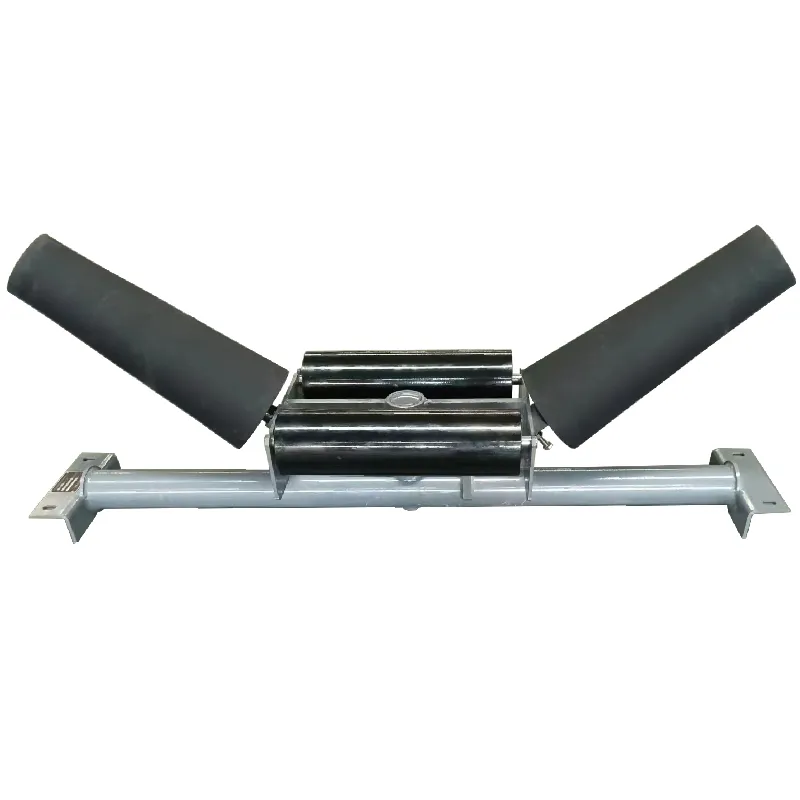
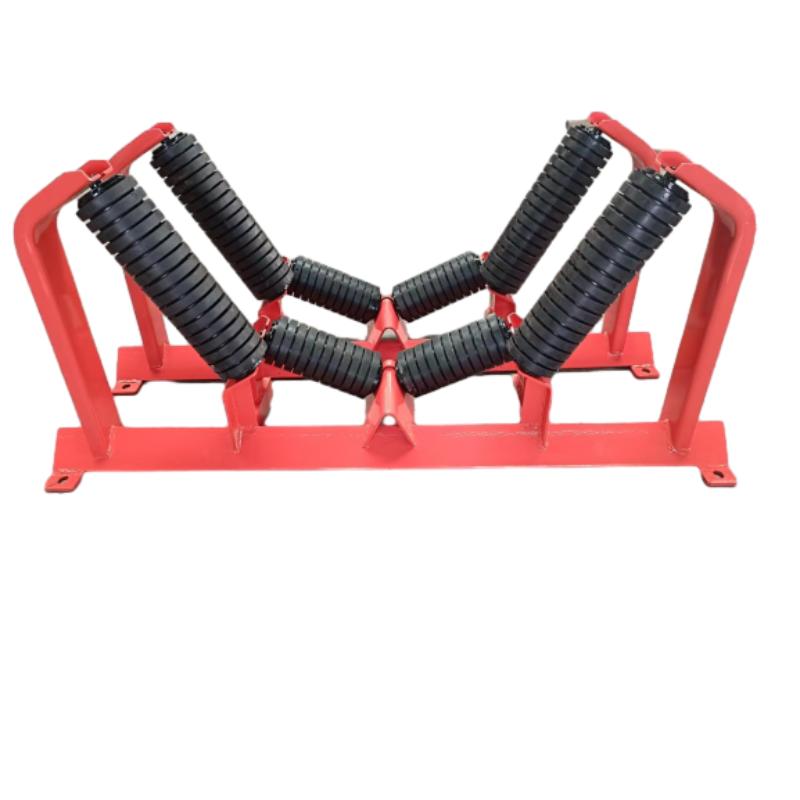
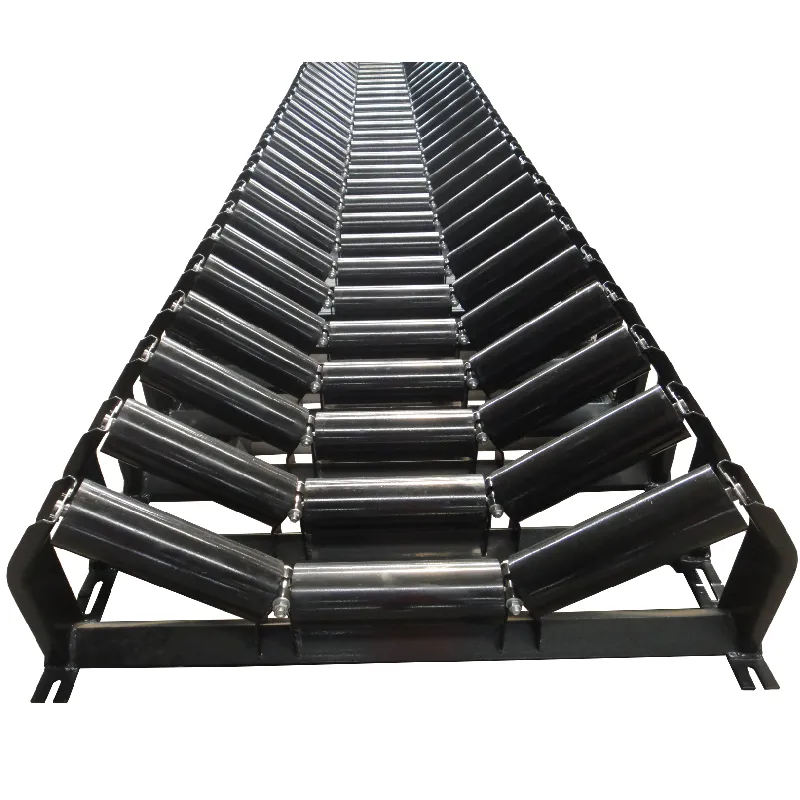
Idler conveyor rollers serve as critical load-bearing components in bulk material handling systems, supporting 85% of industrial conveyor operations globally. These cylindrical devices reduce rotational friction between belts and frames while maintaining precise belt alignment. Modern conveyor idler roller design prioritizes radial stiffness (≥18 kN/mm) and axial flexibility (±3° adjustment capability) to handle materials ranging from 50 kg/m³ aggregates to 2,500 kg/m³ ore concentrates.
Engineering Parameters & Operational Thresholds
Premium-grade idler rollers demonstrate:
- Rotational resistance ≤2.5 N
- Impact resistance up to 150,000 cycles (ASTM D642)
- Radial runout tolerance ±0.3 mm
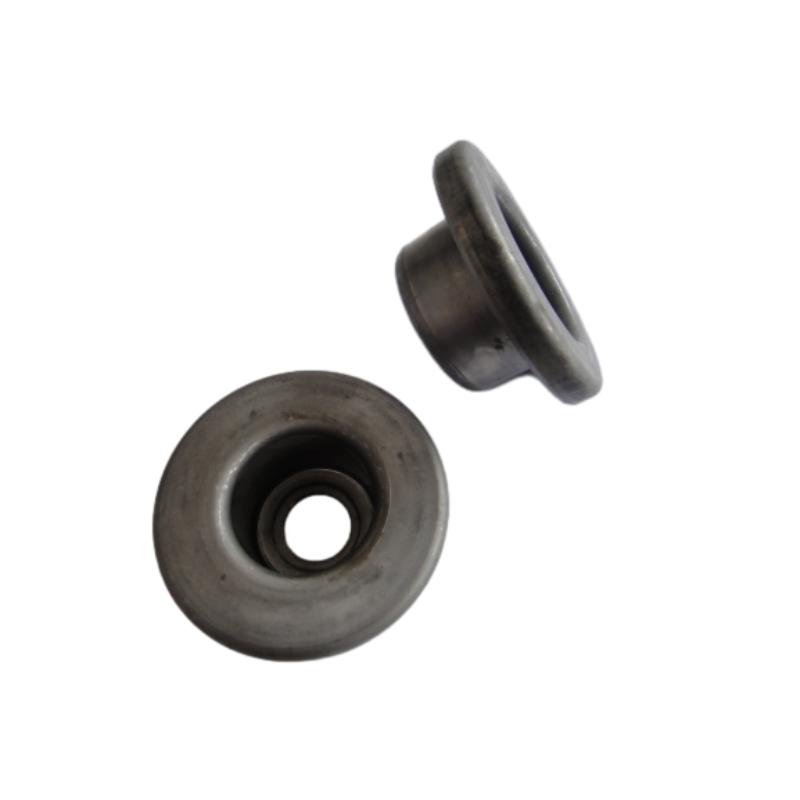
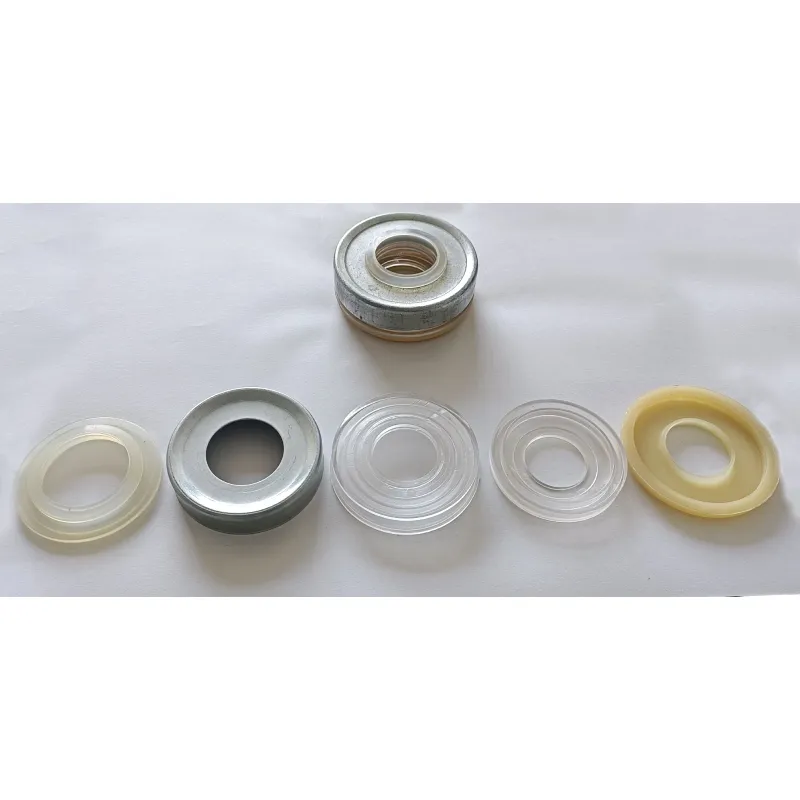
Advanced sealing systems achieve IP66/67 protection ratings, maintaining 98.7% grease retention after 10,000 operational hours in abrasive environments.
Manufacturing Material Evolution
Comparative material performance in conveyor idler roller manufacturing:
| Material | Hardness (HB) | Corrosion Rate (mm/year) | Cost Index |
|---|---|---|---|
| Carbon Steel | 200-250 | 0.12 | 1.0 |
| Stainless 316 | 220-280 | 0.02 | 3.2 |
| Polymer Composite | 85-95 | 0.00 | 2.1 |
Global Manufacturer Benchmarking
| Manufacturer | Production Capacity | MTBF (Hours) | Certifications |
|---|---|---|---|
| Company A | 2.8M units/year | 35,000 | ISO 9001, CE |
| Company B | 1.9M units/year | 42,000 | AS/NZS 4024 |
| Company C | 3.4M units/year | 28,500 | ATEX, GOST |
Application-Specific Customization
Leading conveyor idler roller manufacturers offer tailored solutions:
- High-temperature variants (up to 250°C) with ceramic coatings
- Explosion-proof designs meeting ATEX Category 2G/2D
- Low-noise models (<68 dB(A)) for urban installations
Operational Efficiency in Mining
A Chilean copper mine achieved 23% maintenance reduction through optimized idler conveyor roller
selection:
- Belt misalignment incidents ↓41%
- Energy consumption ↓17 kWh/ton
- Component replacement frequency ↑58%
Maximizing Idler Conveyor Roller Service Life
Proactive maintenance protocols extend roller lifespan by 40-60%:
- Infrared thermography inspections every 500 hours
- Vibration analysis threshold: 4.5 mm/s RMS
- Predictive replacement scheduling based on 90% remaining wall thickness
(idler conveyor roller)
FAQS on idler conveyor roller
Q: What factors influence conveyor idler roller design?
A: Key factors include load capacity, belt speed, material type, and environmental conditions. Proper design ensures durability and reduces maintenance. Custom designs may address specific industry requirements.
Q: How to identify reliable conveyor idler roller manufacturers?
A: Look for certifications like ISO, industry experience, and client testimonials. Reputable manufacturers provide technical support and warranty. Compare material quality and compliance with standards like CEMA.
Q: What are common applications of idler conveyor rollers?
A: They’re used in mining, agriculture, logistics, and manufacturing for bulk material transport. They support conveyor belts and reduce friction during operation. Heavy-duty variants handle abrasive or high-temperature materials.
Q: What maintenance practices extend idler conveyor roller lifespan?
A: Regular cleaning and lubrication prevent debris buildup. Inspect for wear, misalignment, or unusual noise. Replace damaged seals and bearings promptly to avoid system downtime.
Q: How to choose the right idler conveyor roller diameter?
A: Base selection on belt width, load weight, and conveyor speed. Standard diameters range from 4" to 7" for most industries. Consult manufacturer guidelines for high-capacity or specialized systems.
-
Maximize Conveyor Life with a High Performance impact bedNewsApr.16,2026
-
Maximize Conveyor Efficiency Using a v plow belt scraperNewsApr.09,2026
-
Comprehensive Guide to Understanding Different Types of Belt CleanersNewsApr.07,2026
-
Enhancing Conveyor Efficiency with an Effective Scraper Belt CleanerNewsApr.04,2026
-
Optimizing Conveyor Systems with Advanced Cleaning Equipment SolutionsNewsMar.31,2026
-
Effective Conveyor Belt Scraper Adjustment for Optimal System PerformanceNewsMar.28,2026