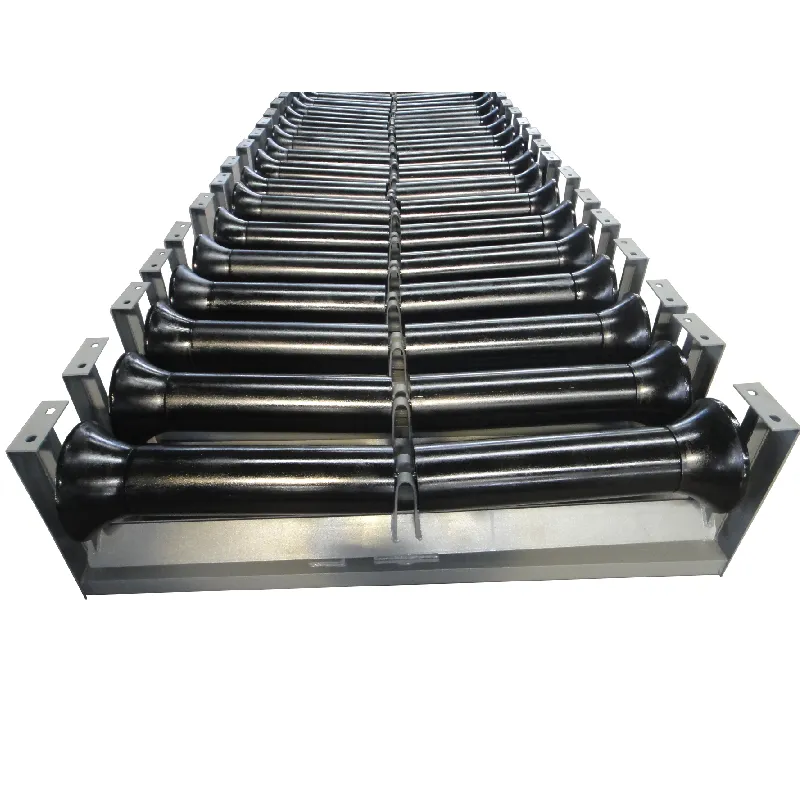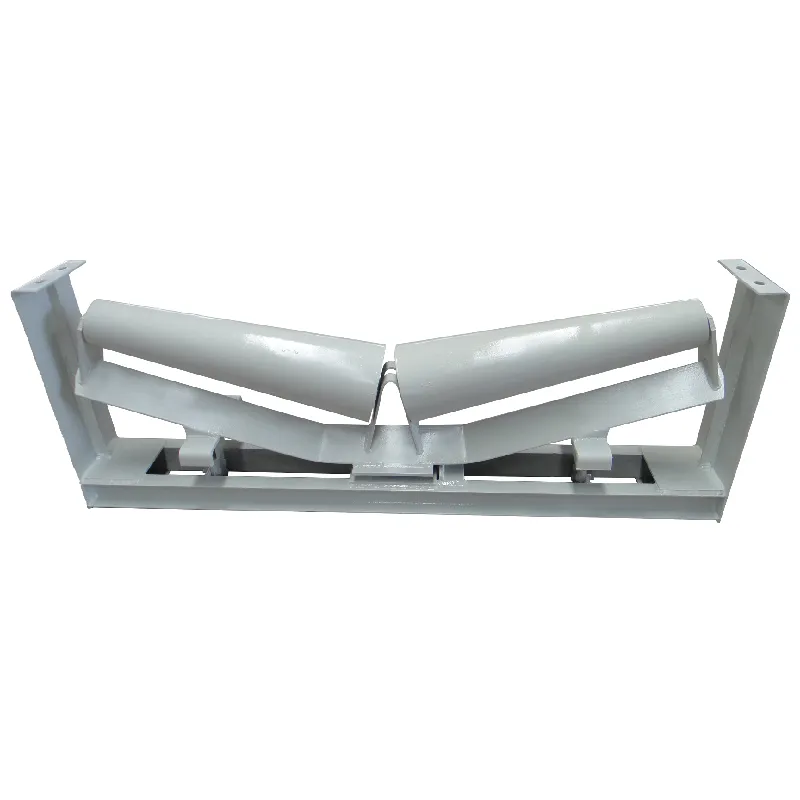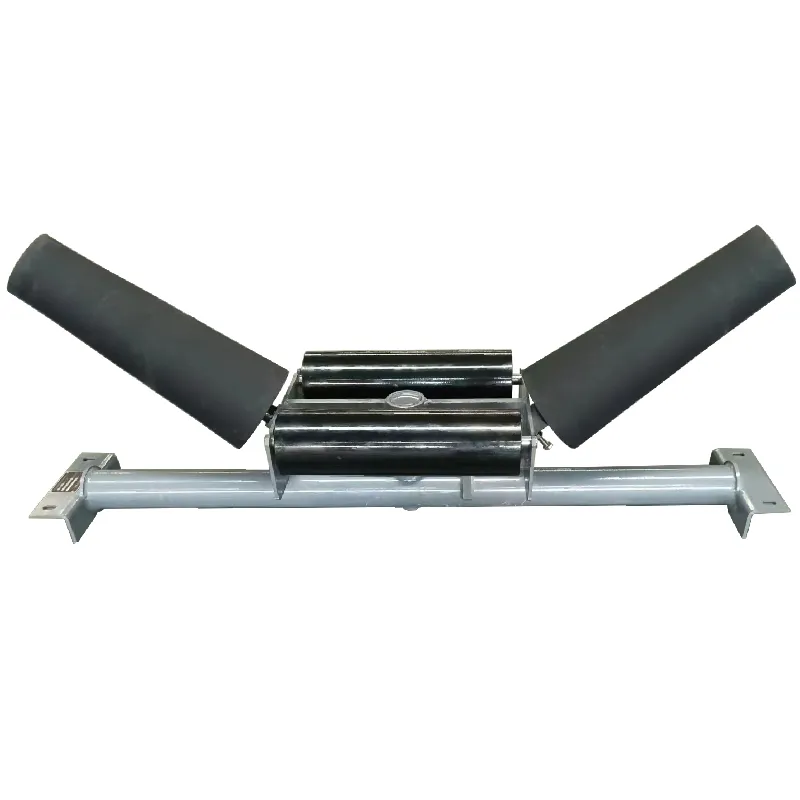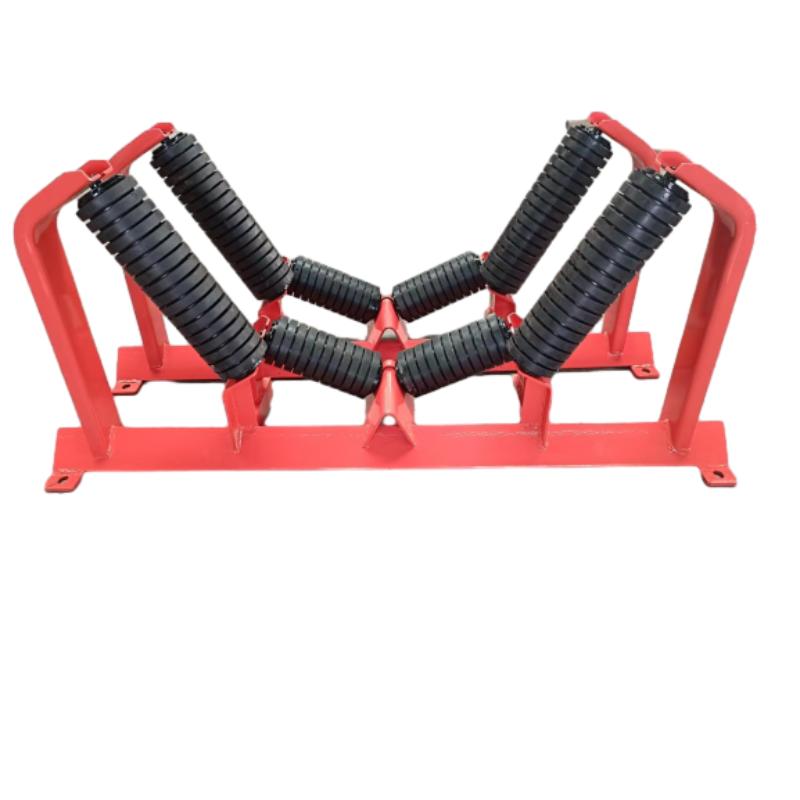


High-Performance Vertical Roller Solutions for Industrial Use
Understanding the Vertical Roller: An Industrial Staple
Having spent a good chunk of my career in the industrial equipment sector, I’ve seen firsthand how something as seemingly simple as a vertical roller quietly carries a big load — literally and figuratively. These components might not be the flashiest part of a plant, but they play a pivotal role in everything from milling systems to material handling.
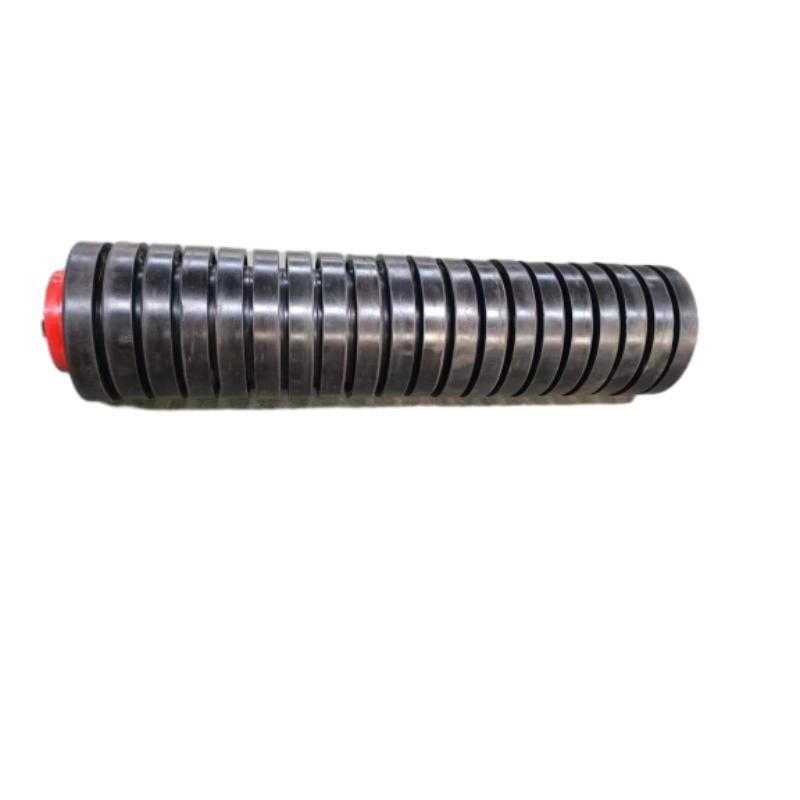
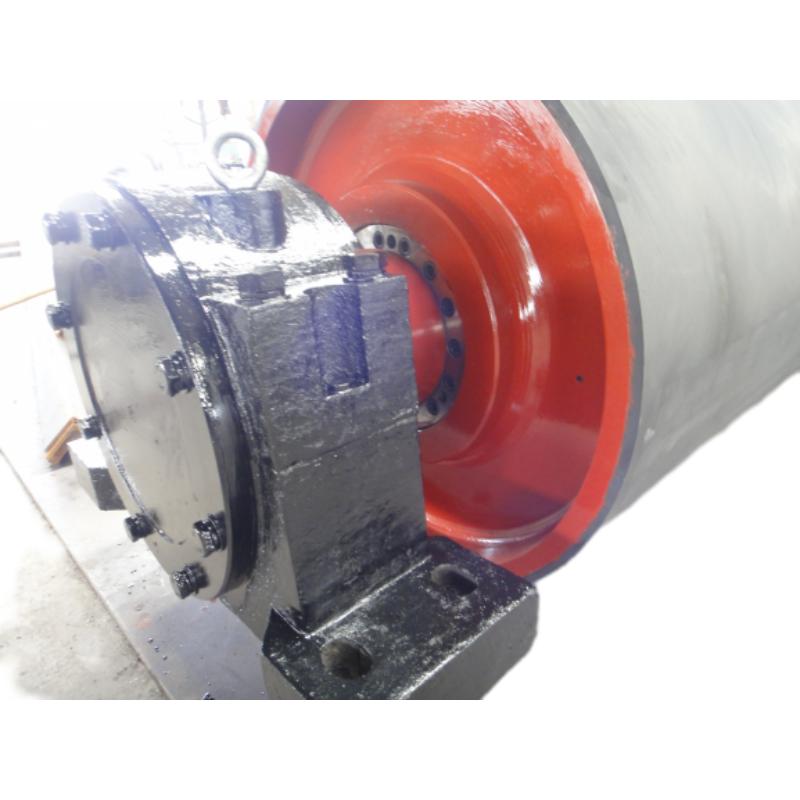
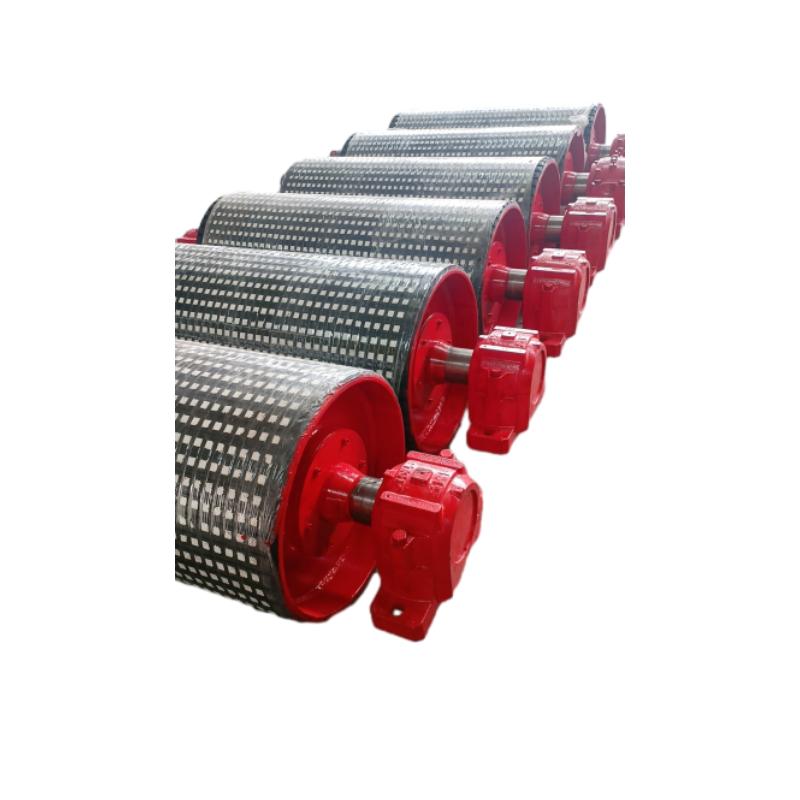
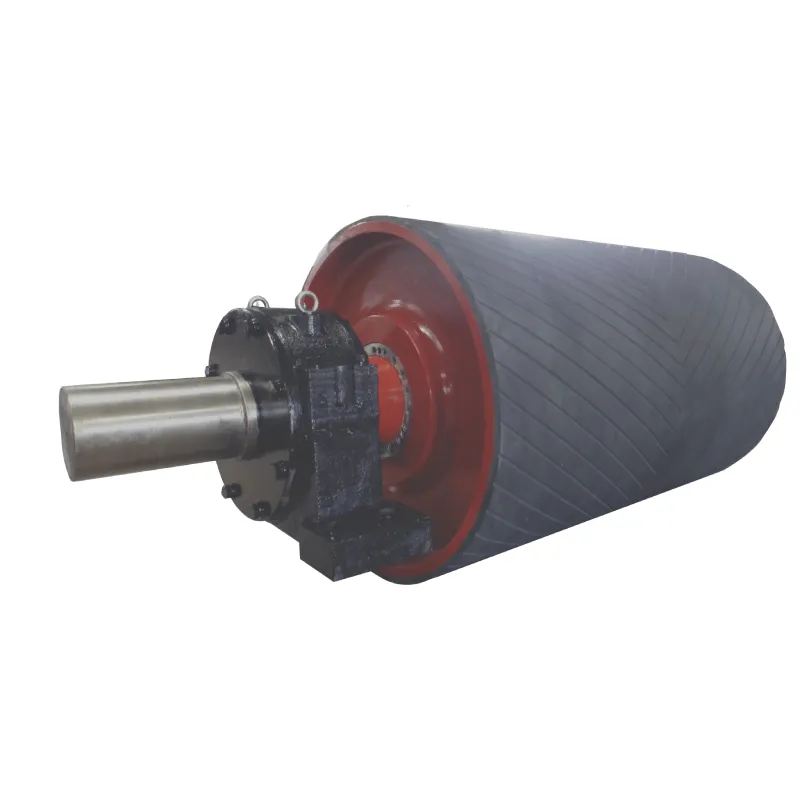
When you hear “vertical roller,” you might picture a spinning drum or some hefty wheel. And you’d be right. In real terms, these rollers act as heavy-duty, vertical cylinders that compress, grind, or support materials under intense pressure. They’re often found in cement mills, coal pulverizers, and other industrial machines—where durability and precision matter a lot.
One odd thing I noticed over the years is how many engineers underestimate the importance of proper roller selection. It’s not just about size or metal grade; you’ve got to factor in the operating environment, the abrasiveness of the materials, and even the heat tolerance. Customization is more than a buzzword here—it can be the difference between smooth operations and costly downtime.
| Specification | Details |
|---|---|
| Material Composition | High-grade alloy steel, with options for tungsten carbide coating |
| Diameter Range | 300 mm to 1200 mm (custom sizes available) |
| Operating Temperature | Up to 600°C (depending on configuration) |
| Load Capacity | Up to 50 tons per roller |
| Surface Treatment | Heat treatment and precision grinding for wear resistance |
What really fascinates me is the evolution of surface treatments on these rollers. Years ago, we relied mostly on simple hardening techniques. Now, it’s common to see advanced coatings that resist corrosion, abrasion, and even thermal shocks. This tech leap helps extend service life—which, frankly, saves both time and money.
Here’s a quick story: a client I worked with a while back was dealing with frequent roller failures due to unusually abrasive raw materials. Their production kept halting unexpectedly. We managed to specify rollers with special tungsten-carbide overlays combined with improved heat treatment—and the interruptions dropped dramatically. It felt like a small but meaningful victory, you know?
| Feature | Idleraohua | Competitor A | Competitor B |
|---|---|---|---|
| Custom Size Availability | Yes | Limited | Standard Sizes Only |
| Surface Treatment Options | Multiple coatings & heat treatments | Basic hardening | Selective coatings |
| Lead Time | 4-6 weeks | 6-8 weeks | 5-7 weeks |
| Warranty | 12 months | 6 months | 9 months |
One more thing I’ve noticed, and maybe it’s obvious but worth mentioning, is how critical testing is for these rollers. From hardness tests to thermal cycling, real-world conditions can quickly expose weak points. High-quality manufacturers invest heavily in quality control, something you can’t really skimp on if you want reliability over time.
In summary: the vertical roller may not be the glam part of your setup, but it’s the kind of piece that quietly keeps your operation humming. Whether you’re involved in cement, minerals, or coal processing, understanding your rollers — their makeup, capabilities, and suppliers — can pay dividends. Choosing wisely is just as important as choosing at all.
So next time you walk near one of these rollers, take a moment. They’re steadfast workhorses; sometimes old-school, sometimes cutting-edge—but always essential.
— From someone who’s seen a few hundred of these in the wild
References:
1. Industry Case Studies on Roller Longevity, 2022
2. Technical Whitepaper: Advances in Roller Coatings, Materials Today, 2023
3. Interviews with Plant Engineers, Global Cement Review, 2023
-
Maximize Conveyor Life with a High Performance impact bedNewsApr.16,2026
-
Maximize Conveyor Efficiency Using a v plow belt scraperNewsApr.09,2026
-
Comprehensive Guide to Understanding Different Types of Belt CleanersNewsApr.07,2026
-
Enhancing Conveyor Efficiency with an Effective Scraper Belt CleanerNewsApr.04,2026
-
Optimizing Conveyor Systems with Advanced Cleaning Equipment SolutionsNewsMar.31,2026
-
Effective Conveyor Belt Scraper Adjustment for Optimal System PerformanceNewsMar.28,2026