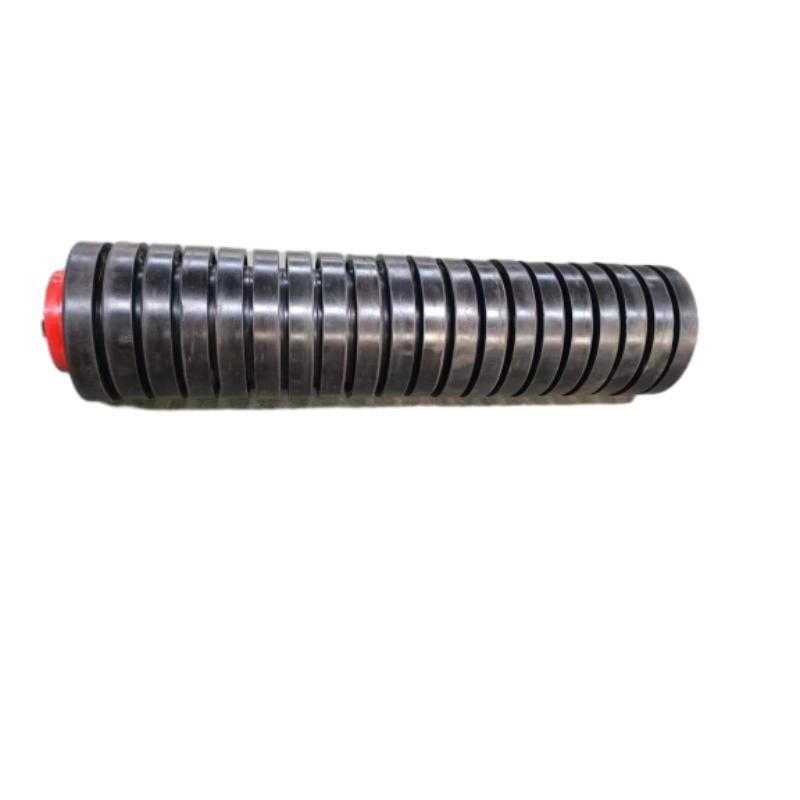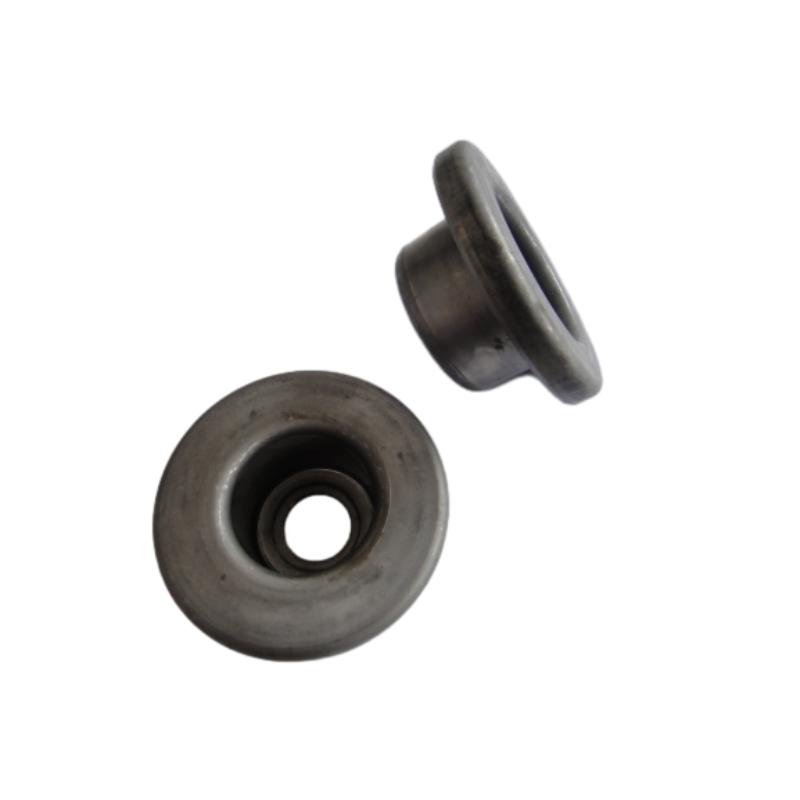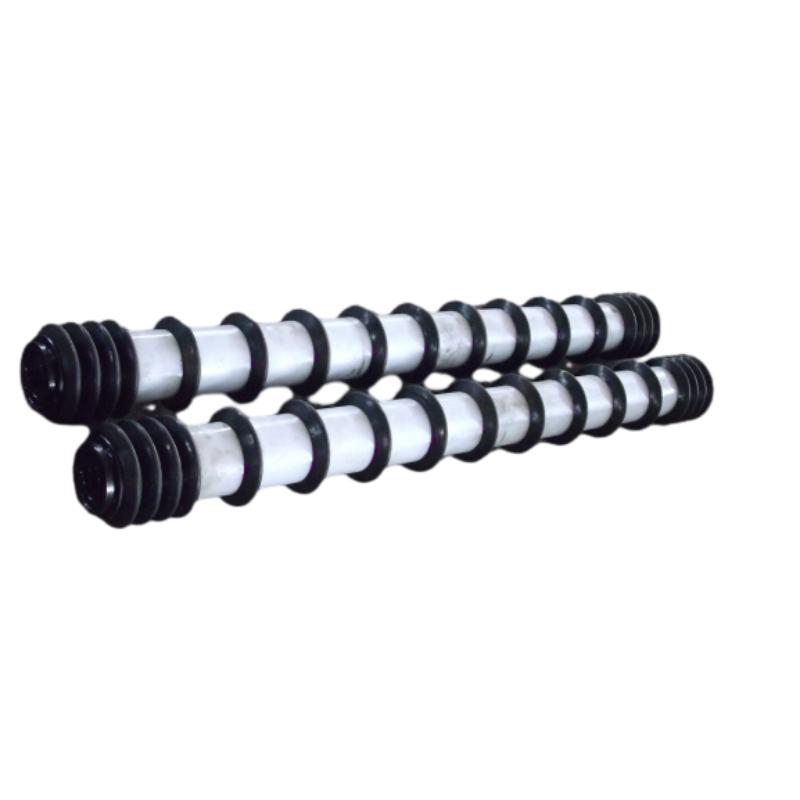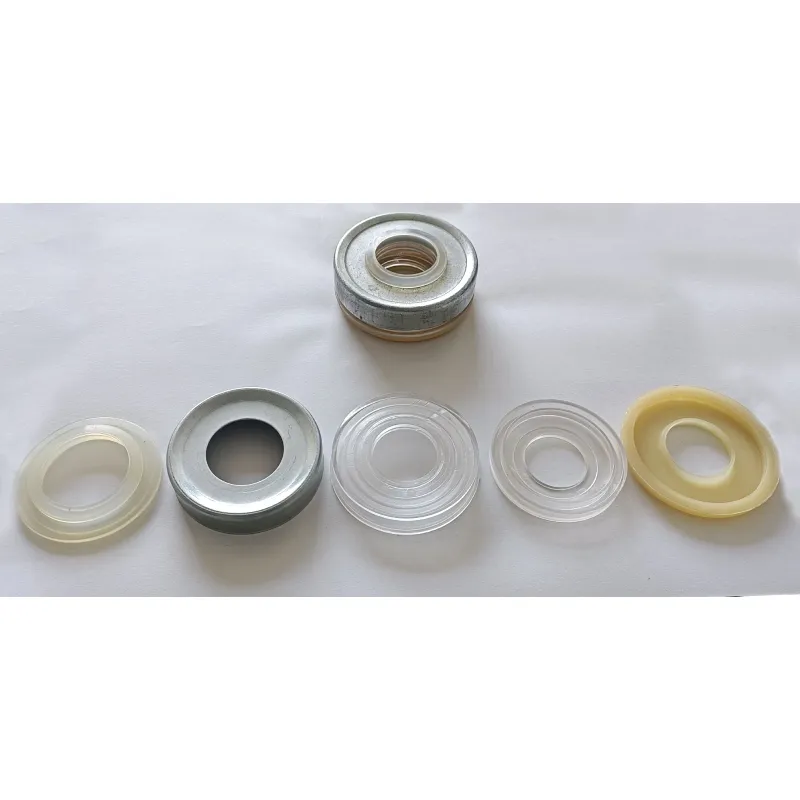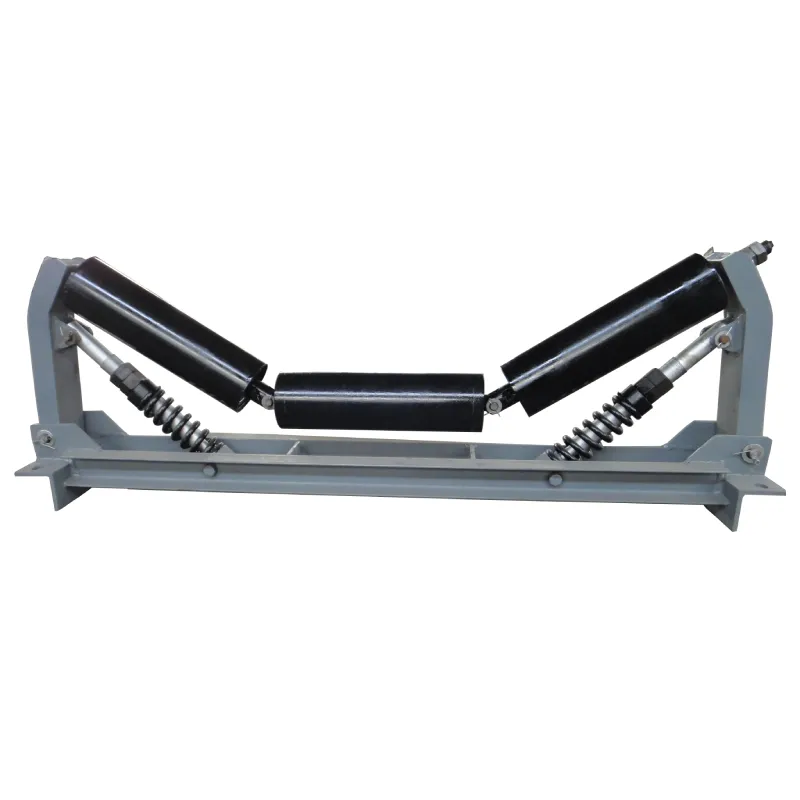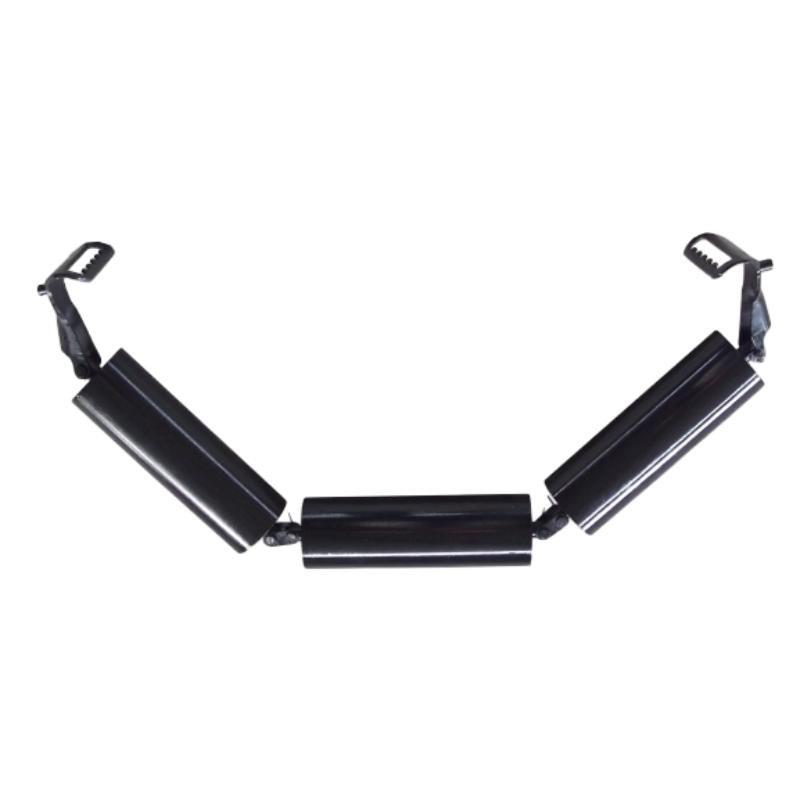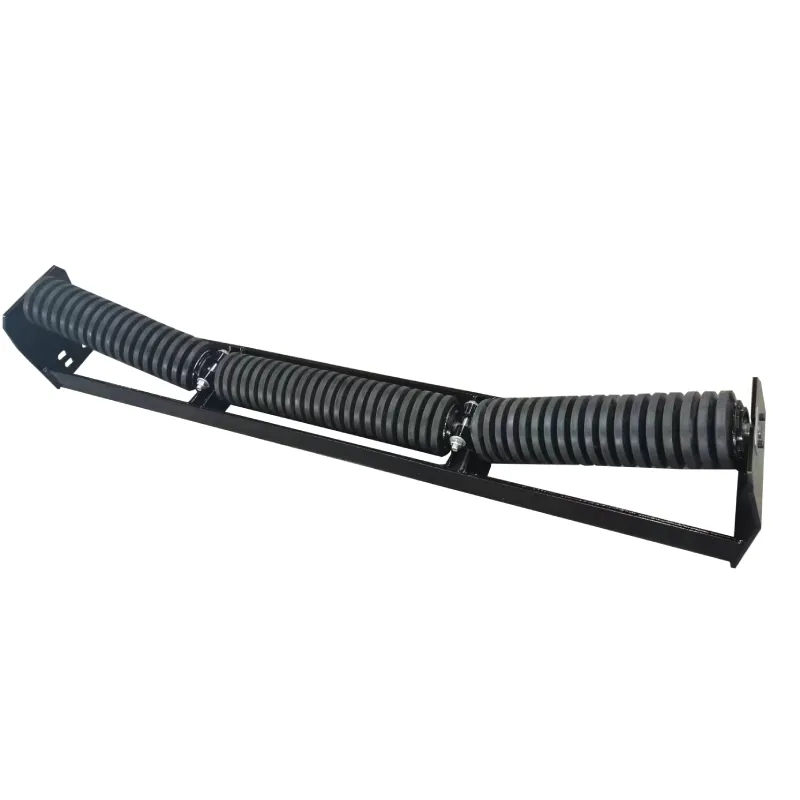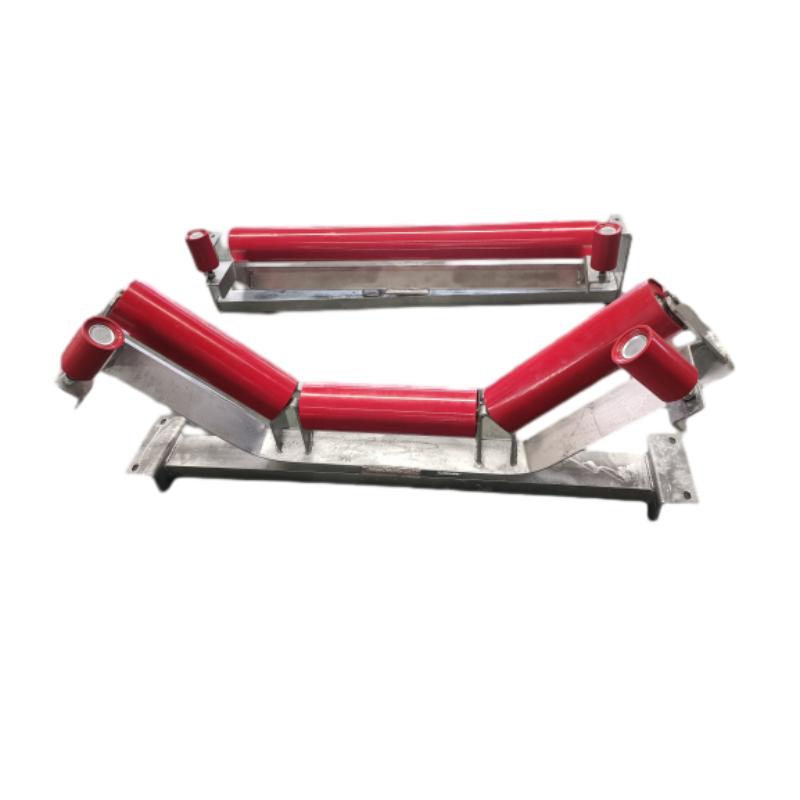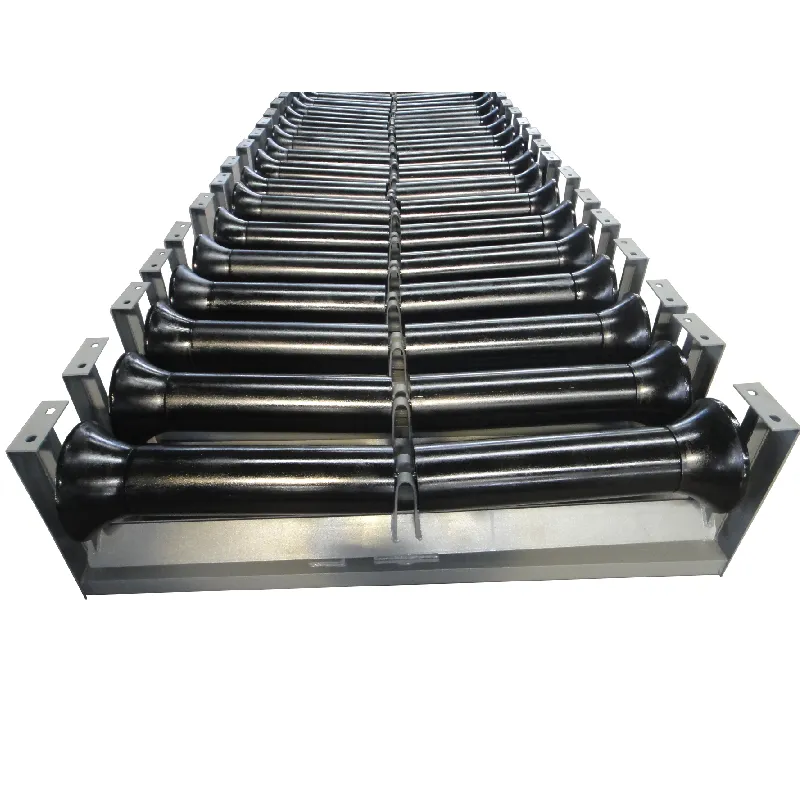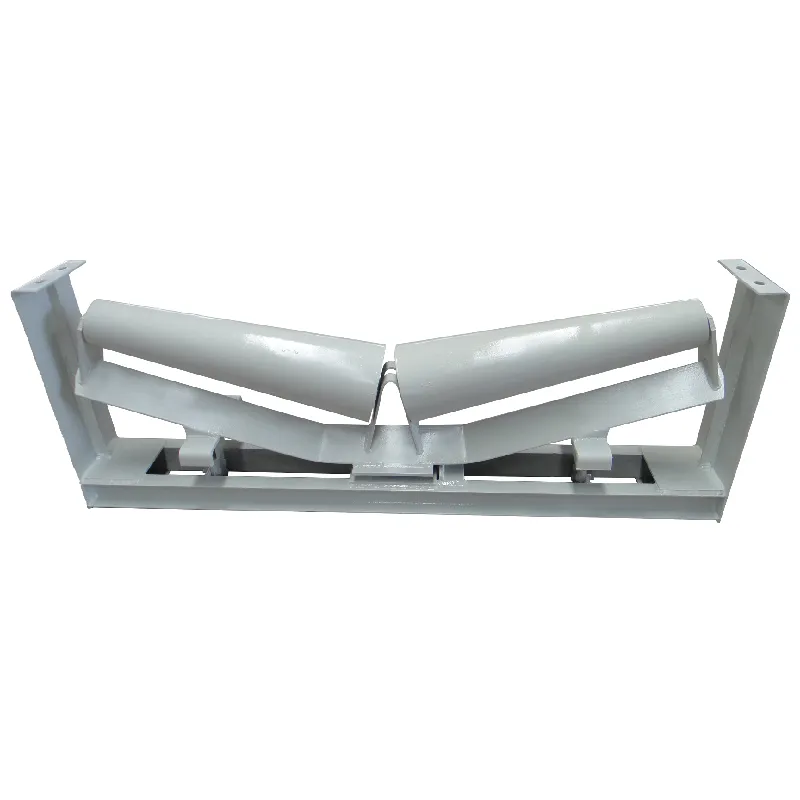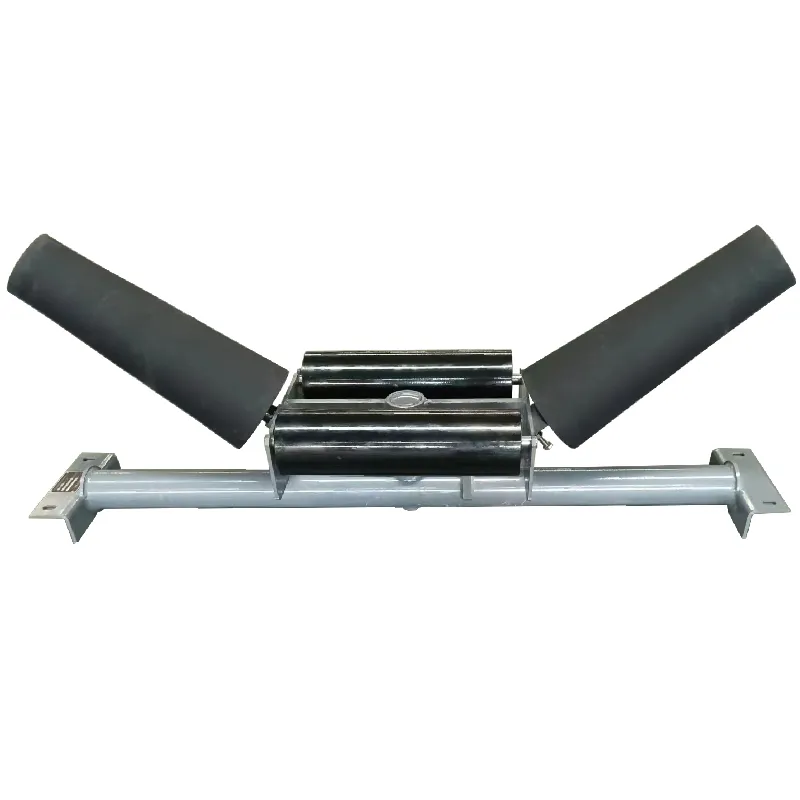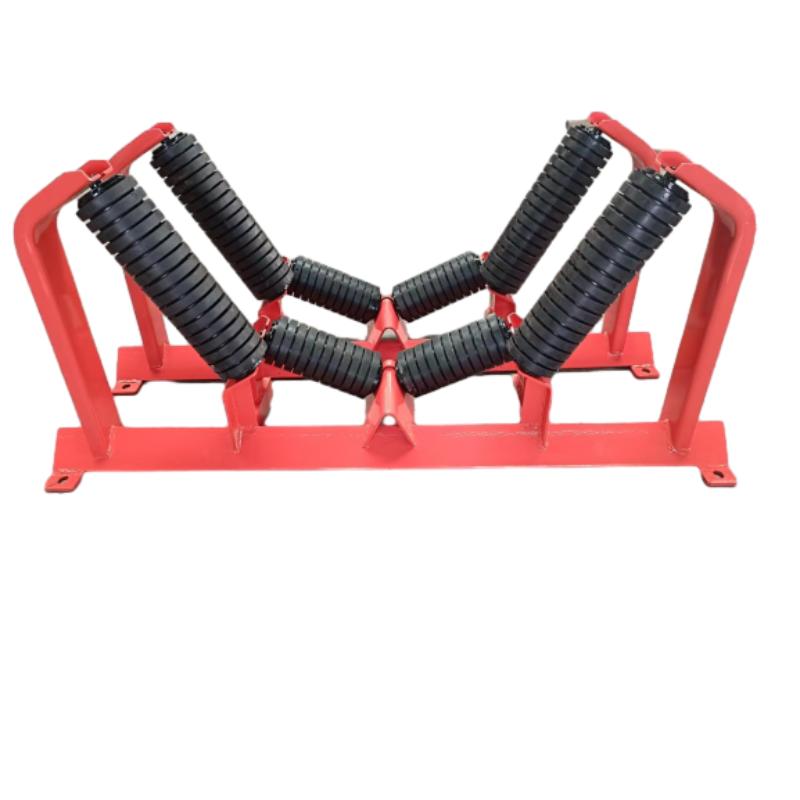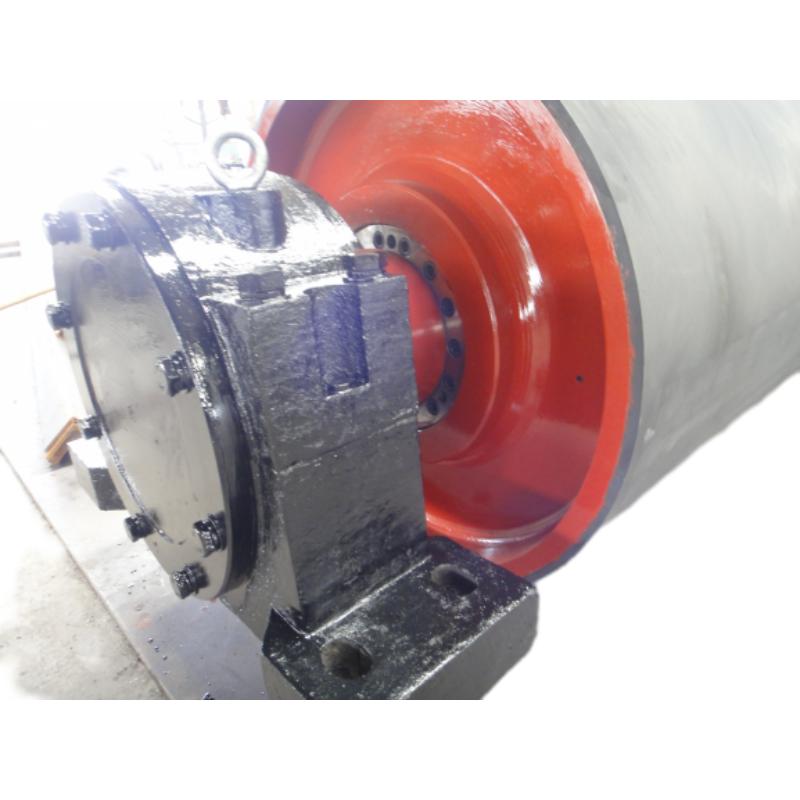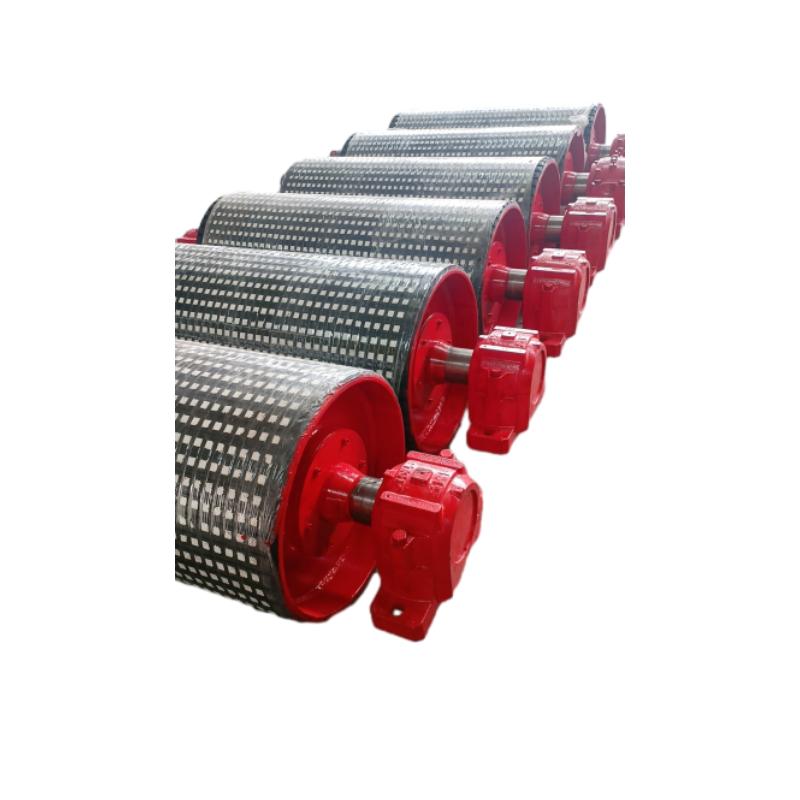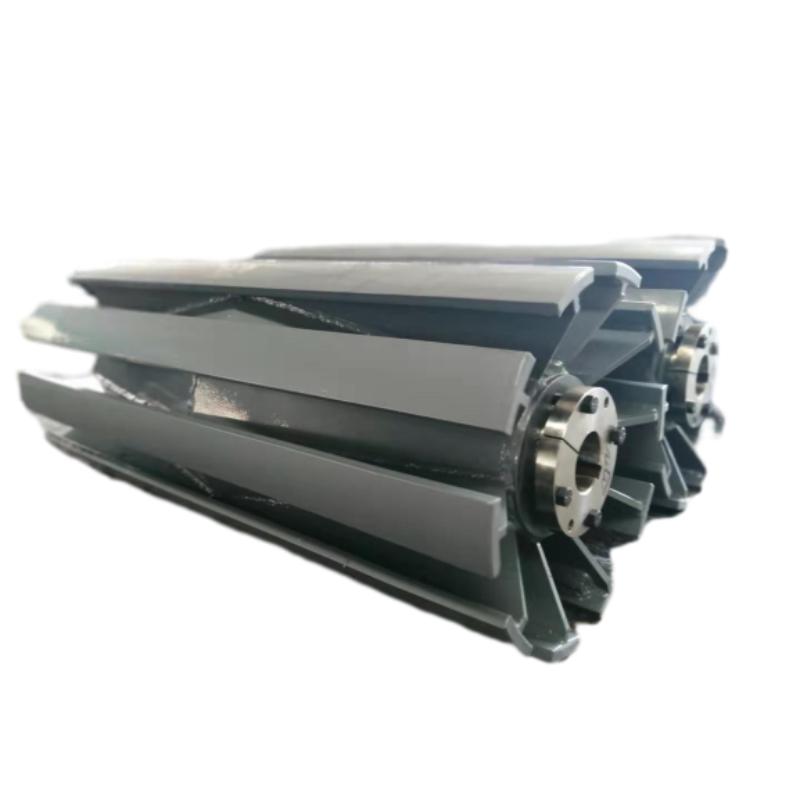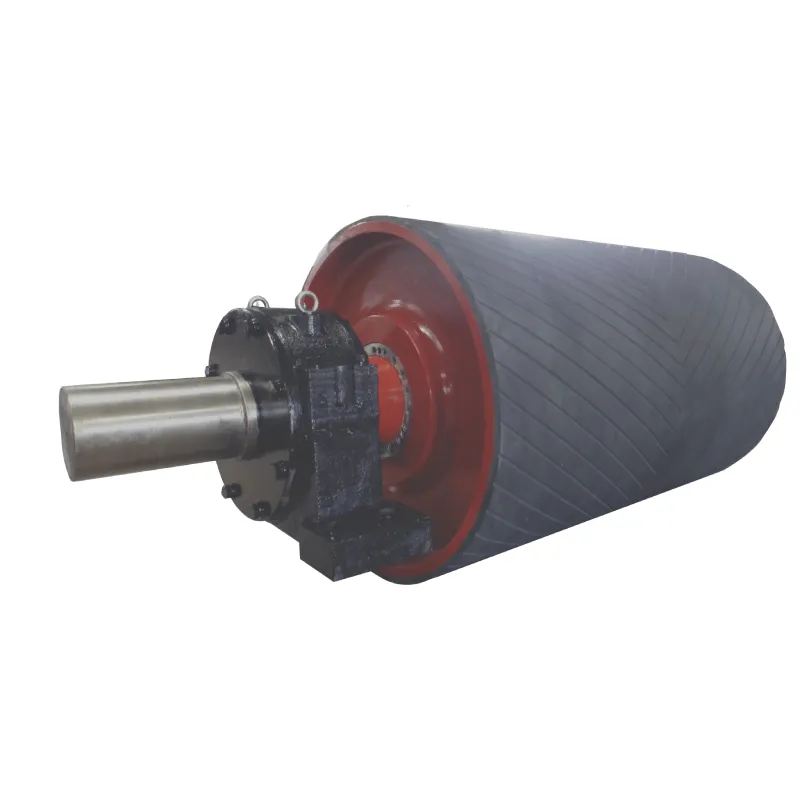


Conveyor Side Guide Rollers | Reliable Industrial Conveyor Components
Why Conveyor Side Guide Rollers Are a Game-Changer in Industrial Systems
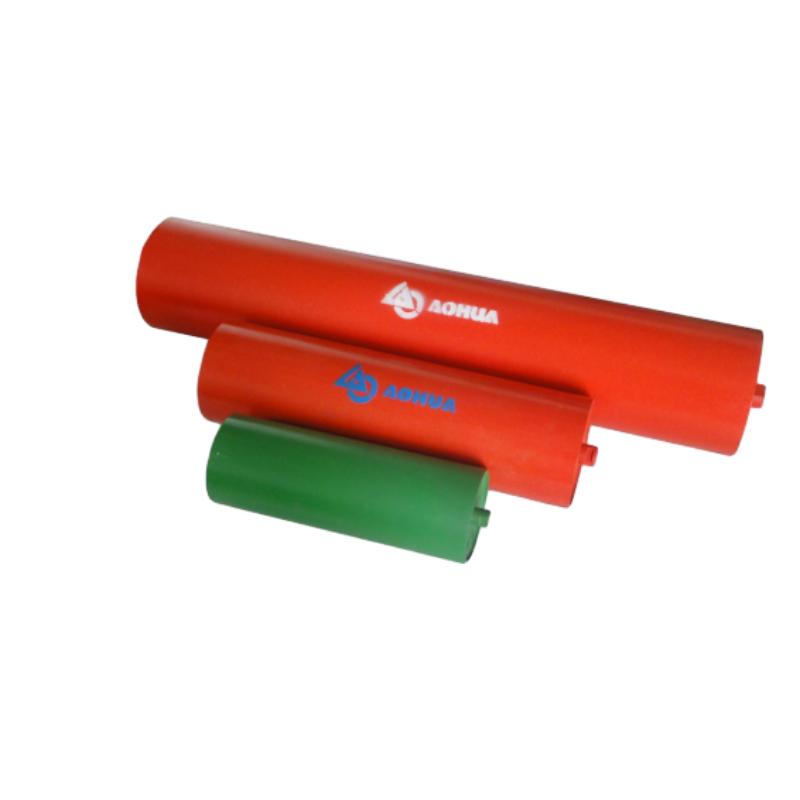
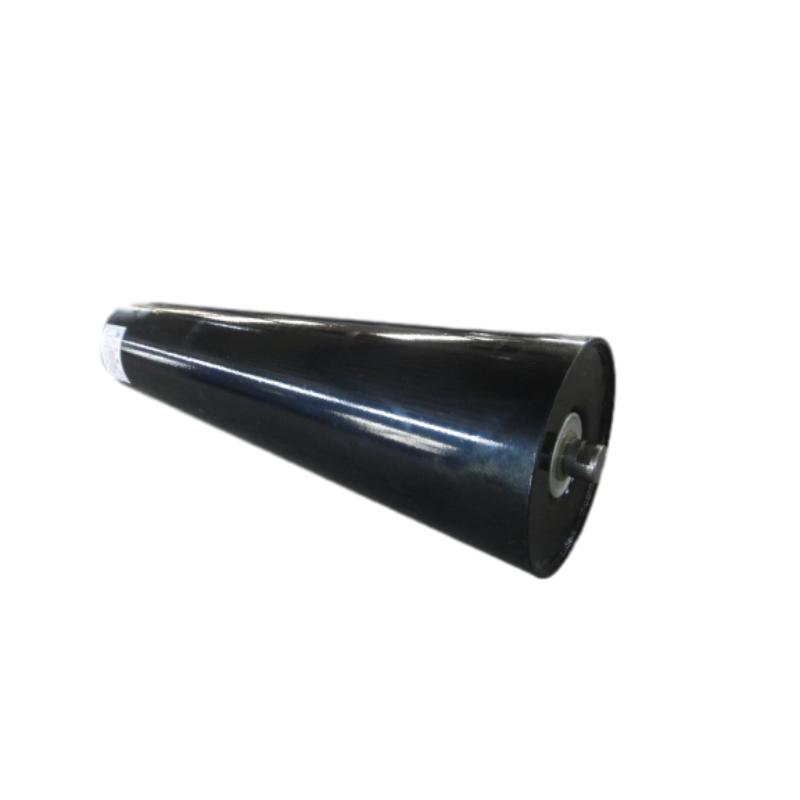
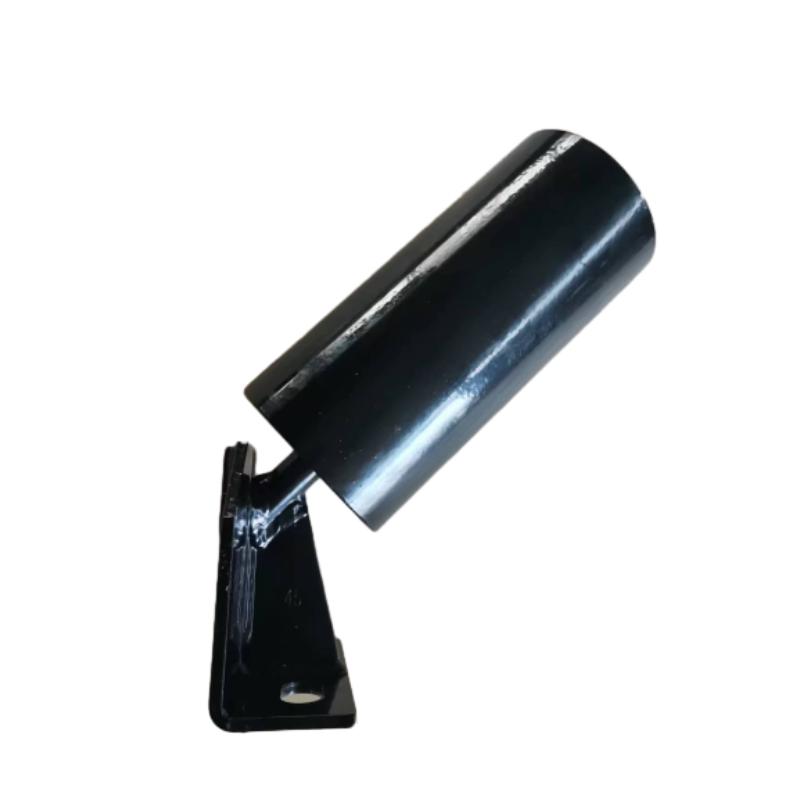
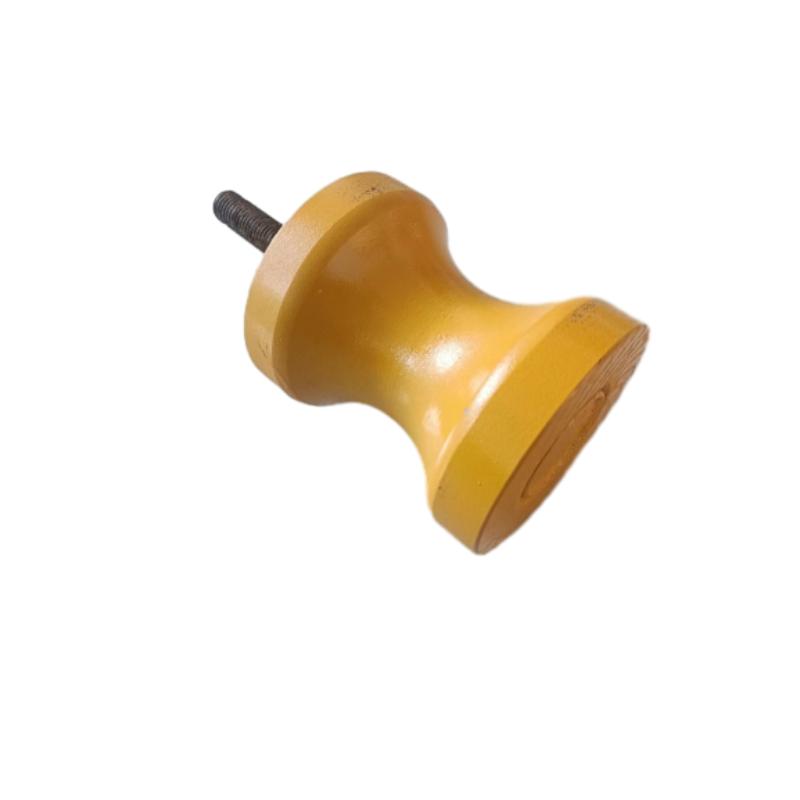
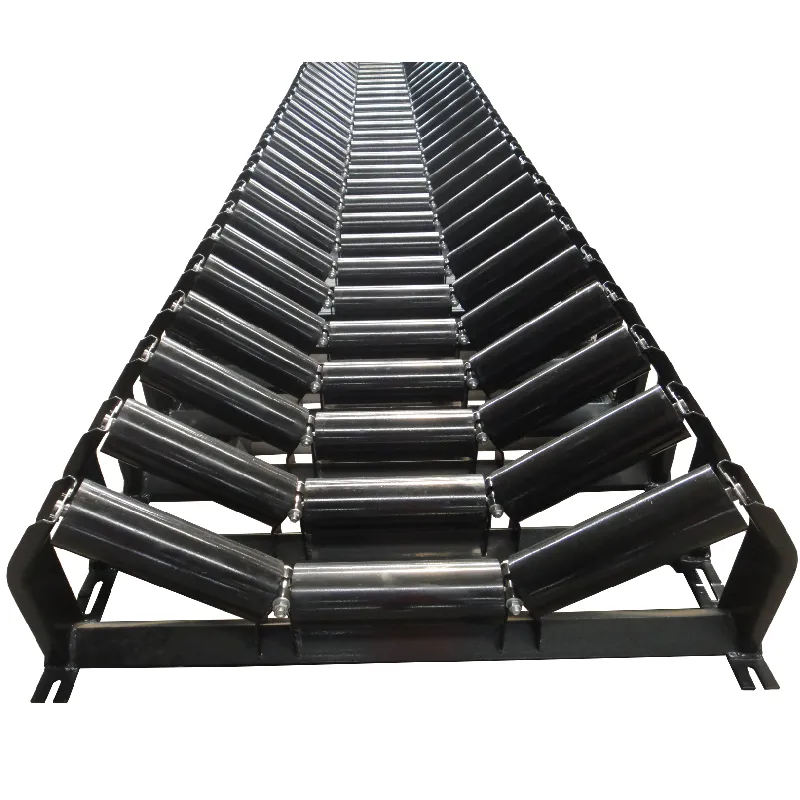
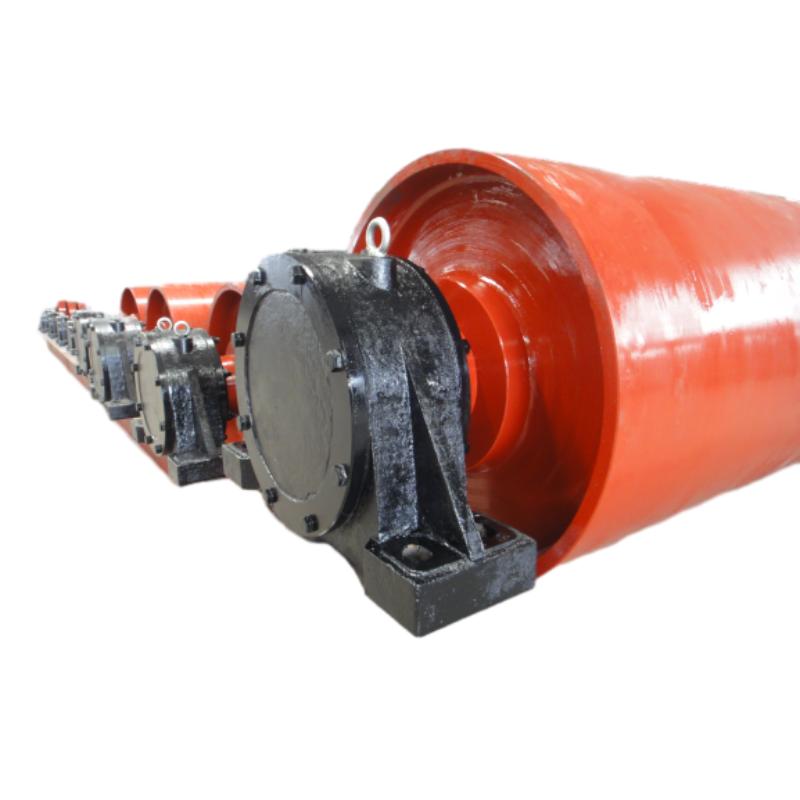
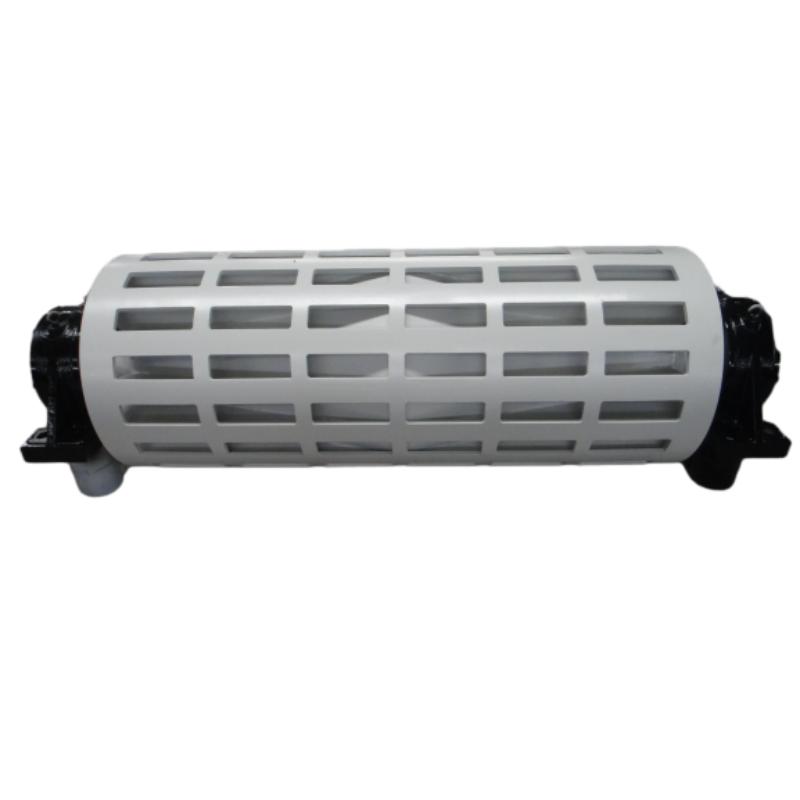
Having spent a fair number of years wandering factory floors and troubleshooting conveyor lines, I can honestly say conveyor side guide rollers don’t get the spotlight they deserve. These humble components quietly keep everything running smoothly. They’re sort of the unsung heroes of material handling — guiding products along a belt, ensuring alignment, and preventing spillage or jams that can quickly escalate into costly downtime.
In the world of bulk and packaged goods, conveyor side guide rollers serve as the guardians of flow consistency. What’s fascinating is how a seemingly simple design touches so many points: from the choice of material, durability against wear, to the way they adapt in harsh environments — dusty, oily, or wet. You’ll find them in lines carrying anything from food products to heavy metal parts.
Frankly, the roller’s role may seem straightforward, but selecting the right one requires some nuanced understanding of operational demands. For instance, I remember a client who repeatedly faced tracking issues on their conveyor line because their rollers were too smooth. Switching to rollers with a slight textured finish made all the difference; the belts ran true, and the jams became rare.
Key Specifications of Conveyor Side Guide Rollers
| Specification | Typical Range / Values | Notes |
|---|---|---|
| Roller Diameter | 30 mm – 150 mm | Depends on conveyor width & load |
| Material | Polyurethane, Nylon, Steel | Polyurethane preferred for abrasion resistance |
| Load Capacity | Up to 500 kg per roller | Varies based on shaft and bearing design |
| Bearing Type | Sealed Ball, Roller Bearings | Sealed bearings enhance durability |
| Operating Temperature | -20°C to 80°C (standard) | Higher temp versions available on request |
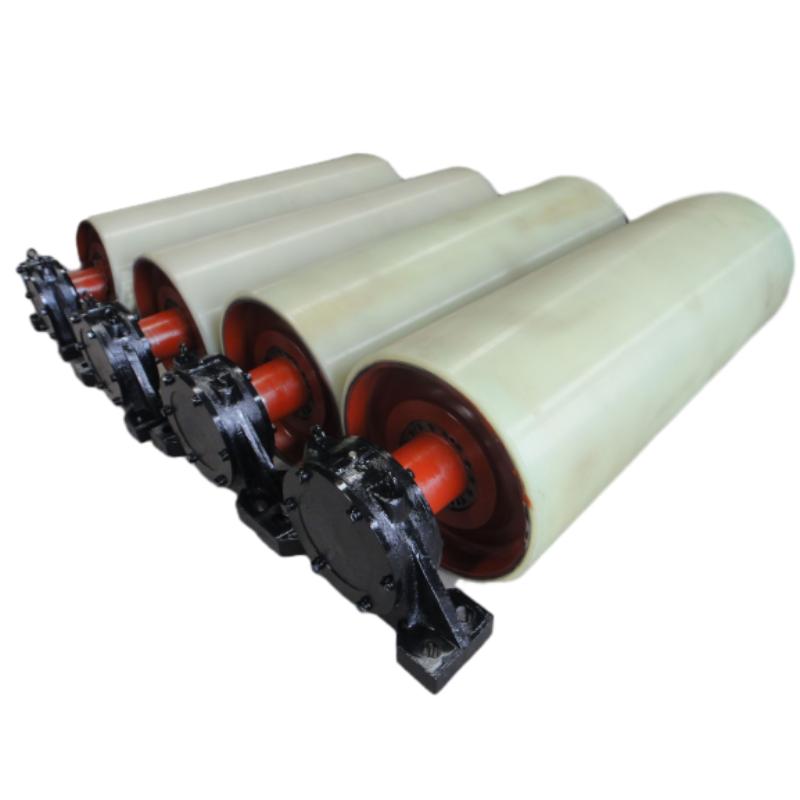
What I’ve noticed over time is that material choice often dictates how long these rollers last. Definitely go for polyurethane rollers when handling abrasive particles. Nylon can be a good budget alternative but may wear faster in demanding environments.
Comparing Conveyor Side Guide Roller Vendors
| Feature | IdlerAohua | Competitor A | Competitor B |
|---|---|---|---|
| Range of Sizes | Wide (30 mm–150 mm) | Medium (40 mm–100 mm) | Limited (50 mm–90 mm) |
| Material Options | Polyurethane, Nylon, Steel | Nylon, Steel | Polyurethane only |
| Customizable Designs | Yes, tailored solutions | Limited customization | No |
| Lead Time | 2-4 weeks | 4-6 weeks | 4-8 weeks |
| Warranty | 12 months | 6 months | No warranty |
Personally, I’ve found IdlerAohua to hit a nice balance of quality and customization. They’re responsive and often open to tweaking specs to suit unusual conveyor setups — which, you know, doesn’t happen every day, but when it does, their support really shines. Oddly enough, having that reliable back-and-forth stood out compared to other vendors I’ve worked with.
Of course, for high-volume production lines, understanding the exact demands — speed, temperature, load — helps a lot in fine-tuning roller choice. Many engineers I’ve worked alongside swear by investing upfront in high-grade polyurethane rollers, which usually pays off with less frequent replacements and smoother operations.
Before I wrap up, here’s a little story: a manufacturing plant I consulted for had been fighting recurring conveyor misalignments leading to downtime and damaged packaging. After analyzing the system, we replaced their aging side guide rollers with polyurethane units from IdlerAohua, featuring sealed bearings. The difference was immediate — alignment improved, noise dropped, and their weekly maintenance time shrank noticeably. It felt like solving a persistent headache after weeks of trial and error.
In real terms, conveyor side guide rollers are a small part of a big operation, but their impact is tangible. Next time you’re walking past a conveyor line, spare a thought for these little workhorses. They help keep the entire system humming without fuss.
If you want to dive deeper or explore options, I recommend checking out IdlerAohua’s site — full of specs and custom solutions for a variety of industrial needs.
Well, that’s my two cents on these rollers from years of field experience. It’s often the small details—the right material, the correct size, the trusted vendor—that make all the difference.
Here’s to smooth-running conveyors and less downtime ahead...
- Conveyor Equipment Manufacturers Association (CEMA) Guidelines
- Polyurethane vs Nylon Wear Tests, Industrial Materials Journal, 2021
- Case Study: IdlerAohua Rollers in Bulk Handling, Internal Report 2023
-
Maximize Conveyor Life with a High Performance impact bedNewsApr.16,2026
-
Maximize Conveyor Efficiency Using a v plow belt scraperNewsApr.09,2026
-
Comprehensive Guide to Understanding Different Types of Belt CleanersNewsApr.07,2026
-
Enhancing Conveyor Efficiency with an Effective Scraper Belt CleanerNewsApr.04,2026
-
Optimizing Conveyor Systems with Advanced Cleaning Equipment SolutionsNewsMar.31,2026
-
Effective Conveyor Belt Scraper Adjustment for Optimal System PerformanceNewsMar.28,2026