

Comprehensive Guide to Conveyor Hanger: Key Benefits, Applications & Innovations
Understanding Conveyor Hangers: A Critical Component in Industrial Automation
Conveyor hangers might not be the first thing that springs to mind when you think about manufacturing or logistics, but they quietly ensure thousands of items move smoothly every day across global industries. Whether you’re overseeing a sprawling warehouse or managing a conveyor belt in a food processing plant, the humble conveyor hanger is often a linchpin. Knowing how it works, why it matters worldwide, and the benefits it brings, can make a surprising difference — in durability, efficiency, even safety.
Introduction: The Global Importance of Conveyor Hangers
In today’s fast-paced industrial world, conveyor systems are the veins through which supply chains pulse. According to the International Organization for Standardization (ISO), efficient materials handling reduces cost, energy consumption, and waste. Conveyor hangers, as essential mounting components, help maintain continuous flow and reduce downtime — challenges the World Bank notes are global bottlenecks for manufacturing economies. When a conveyor hanger fails, the entire system risks halting, which can ripple through supply chains, increasing operational costs dramatically.
So the problem is clear: how do you ensure conveyor hangers are both reliable and adaptable across wildly different industries and environments? Customers from automotive parts manufacturers in Germany to textile warehouses in Bangladesh all rely on these devices to keep goods flowing.
What Is a Conveyor Hanger?
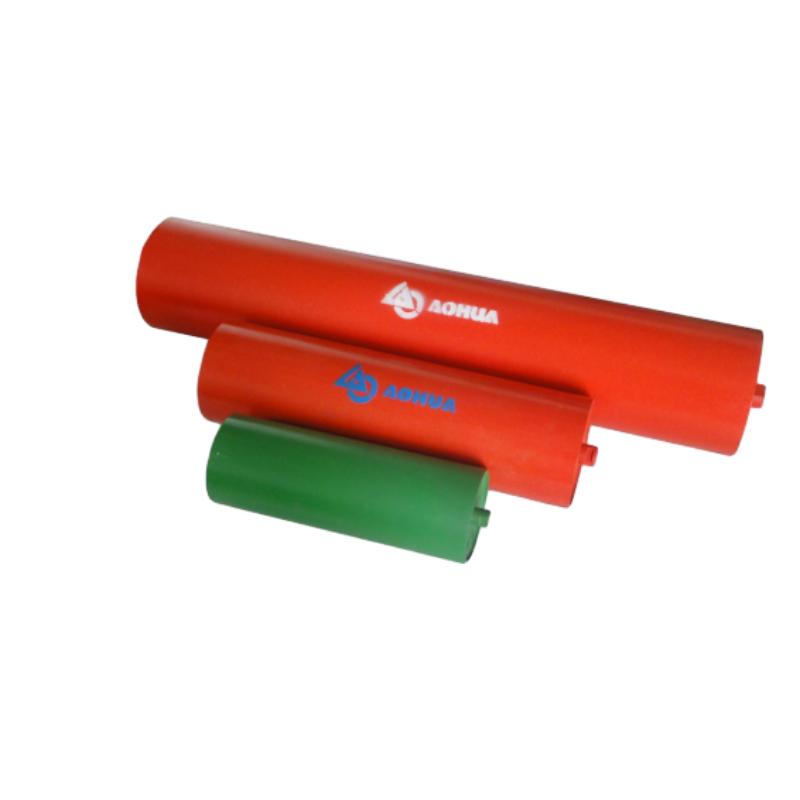
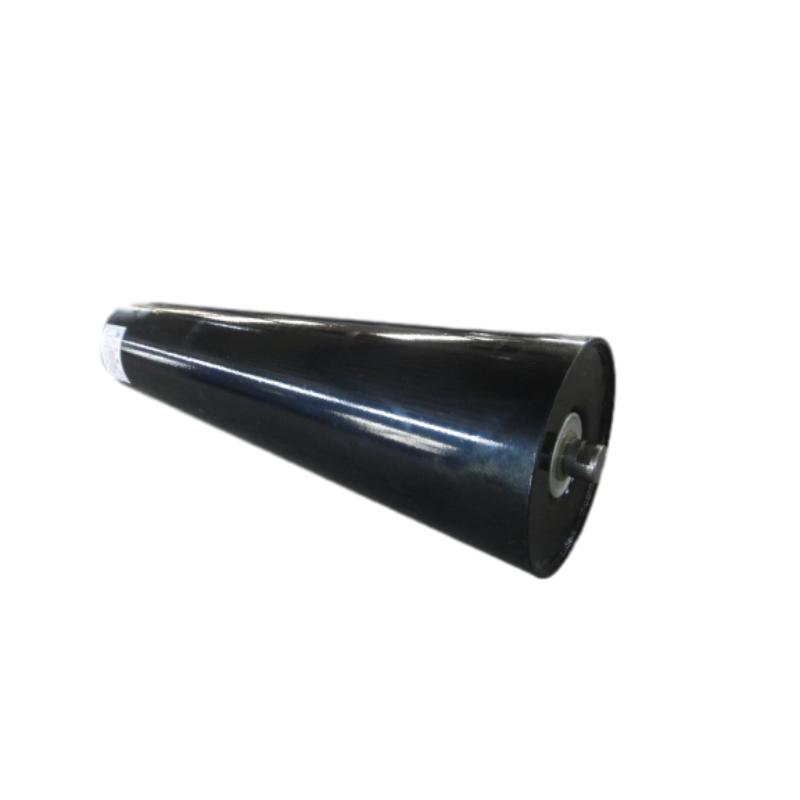
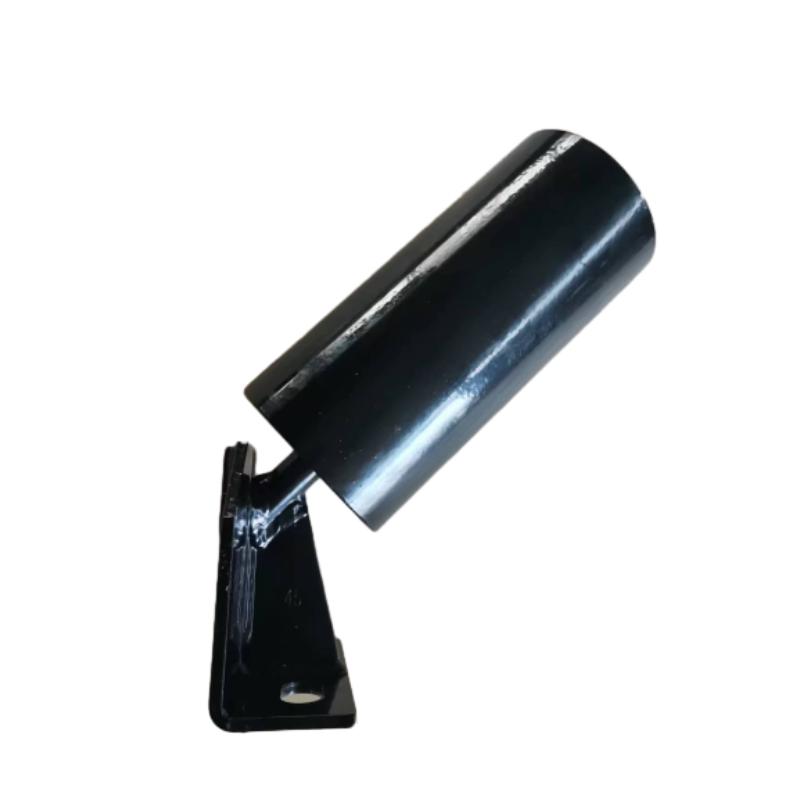
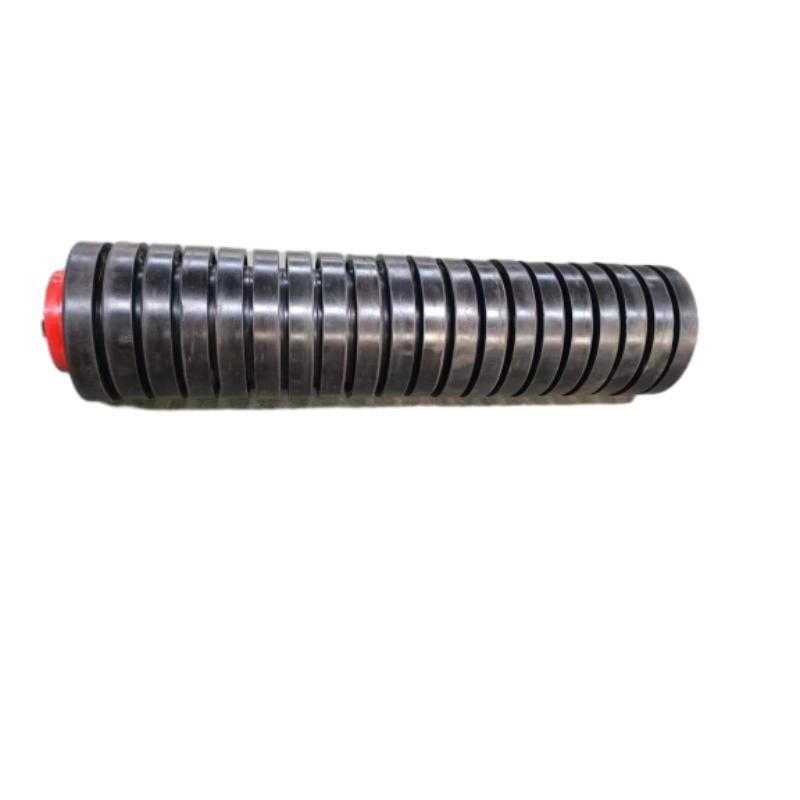
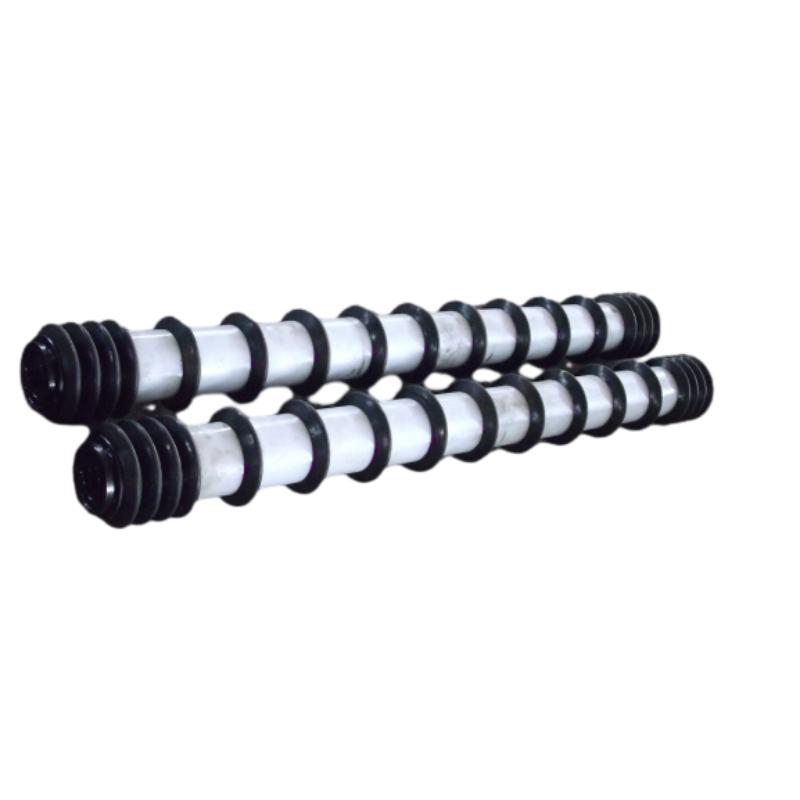
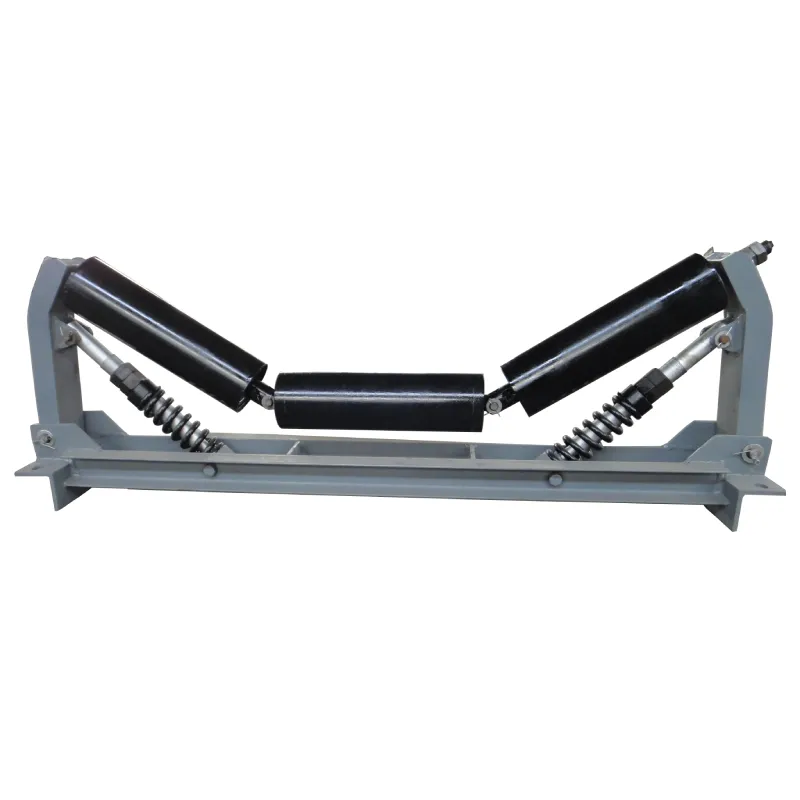
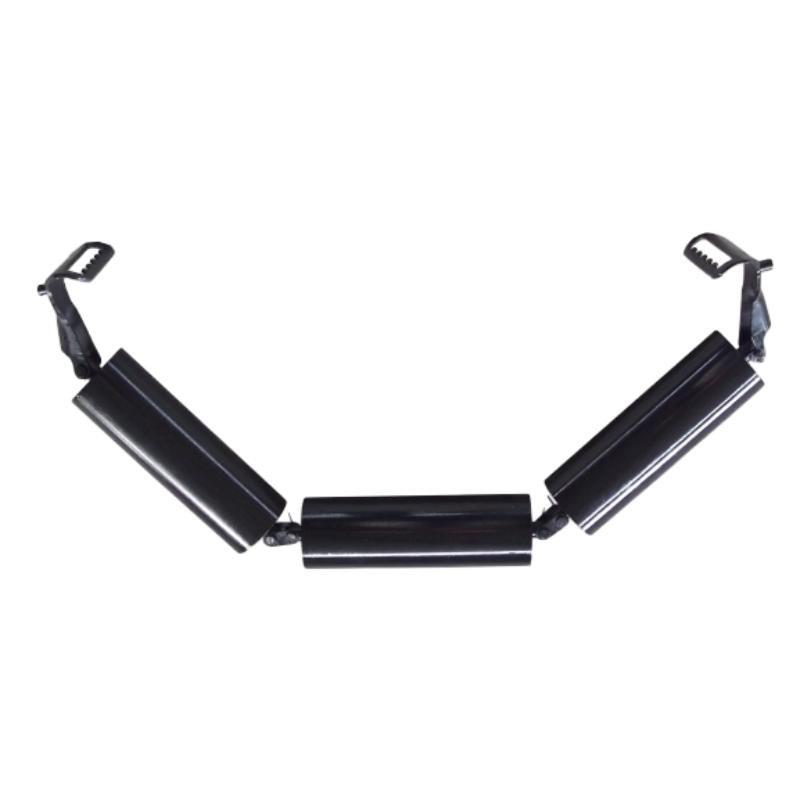
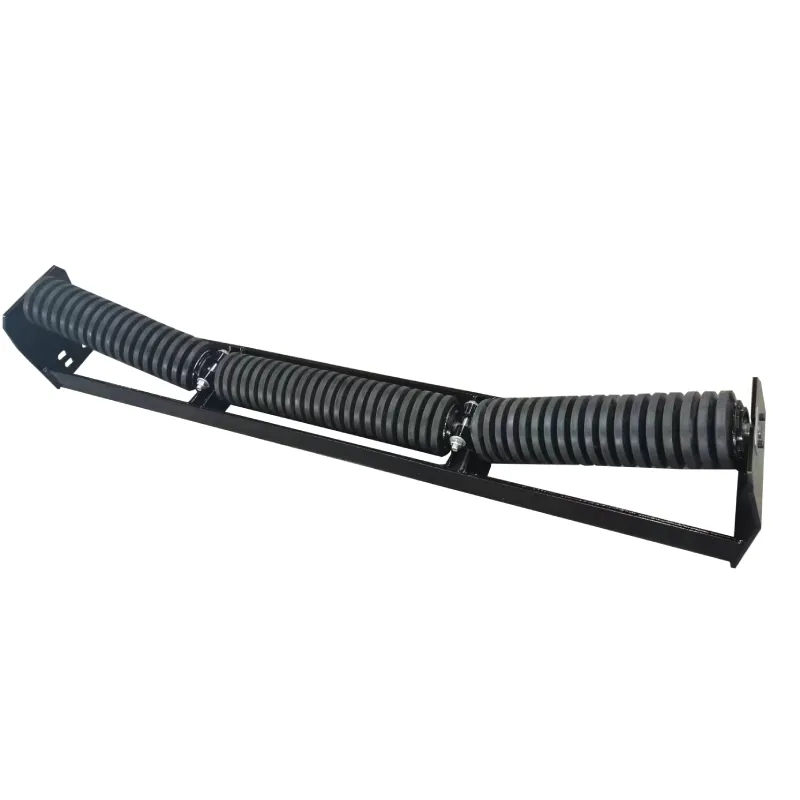
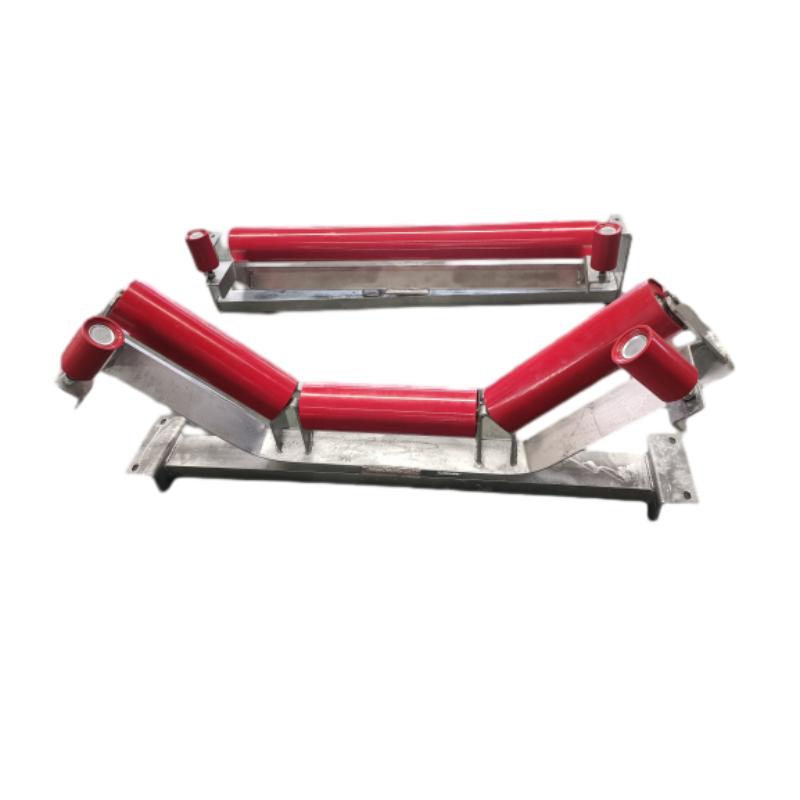
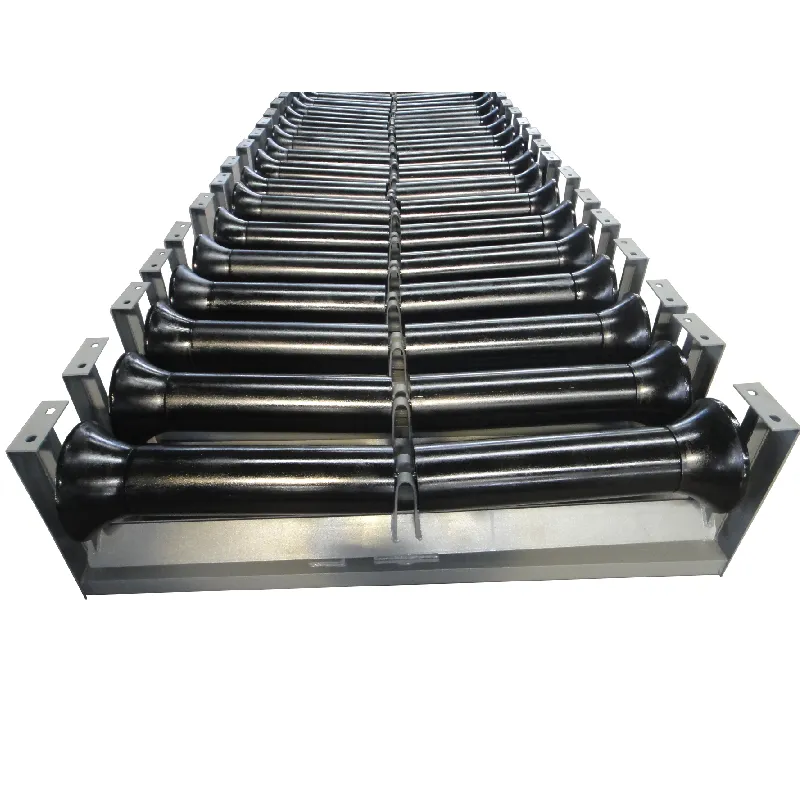
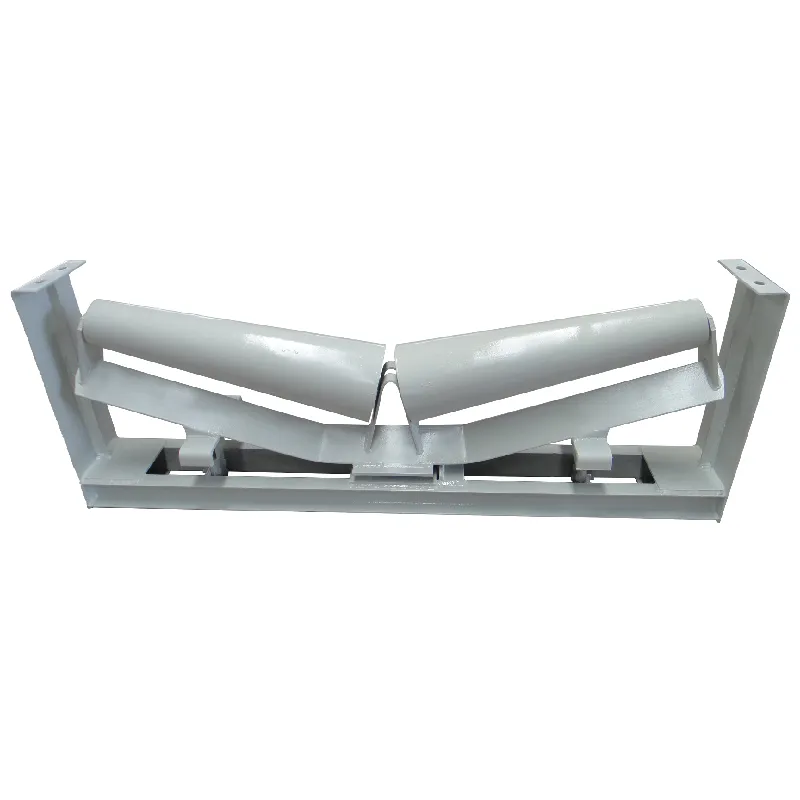
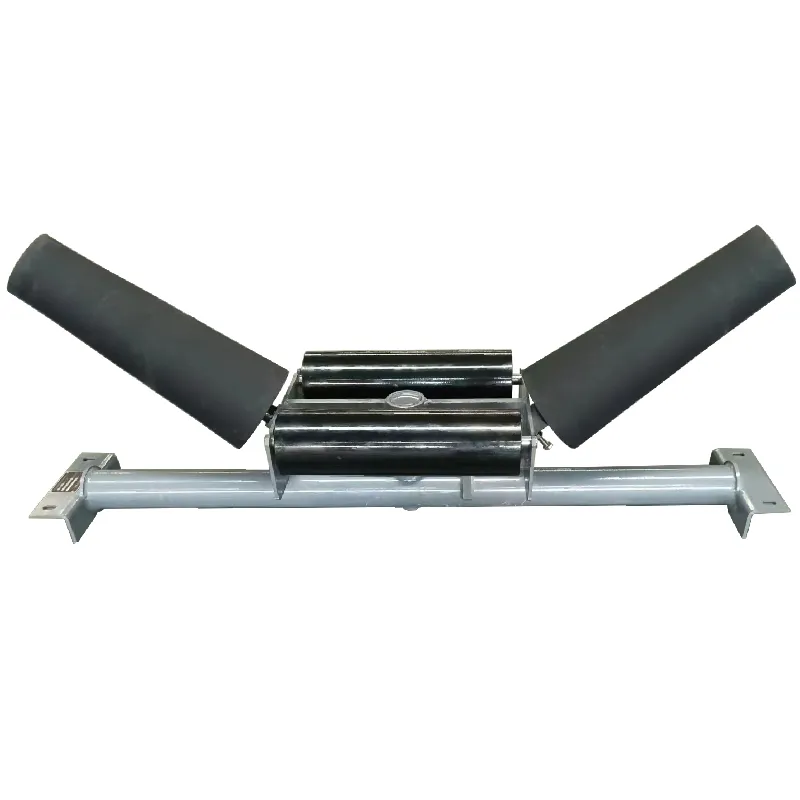
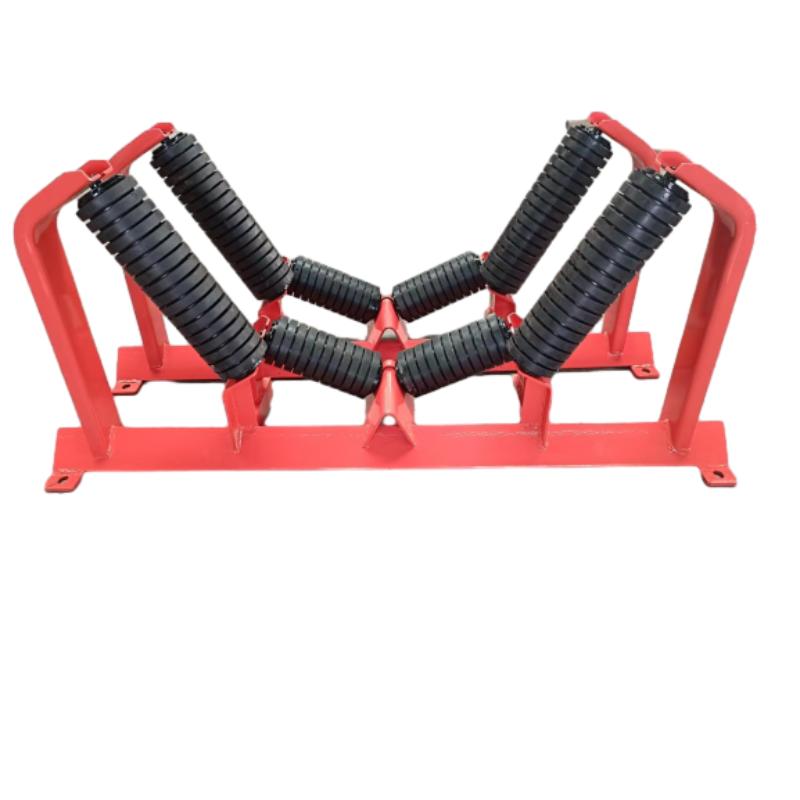
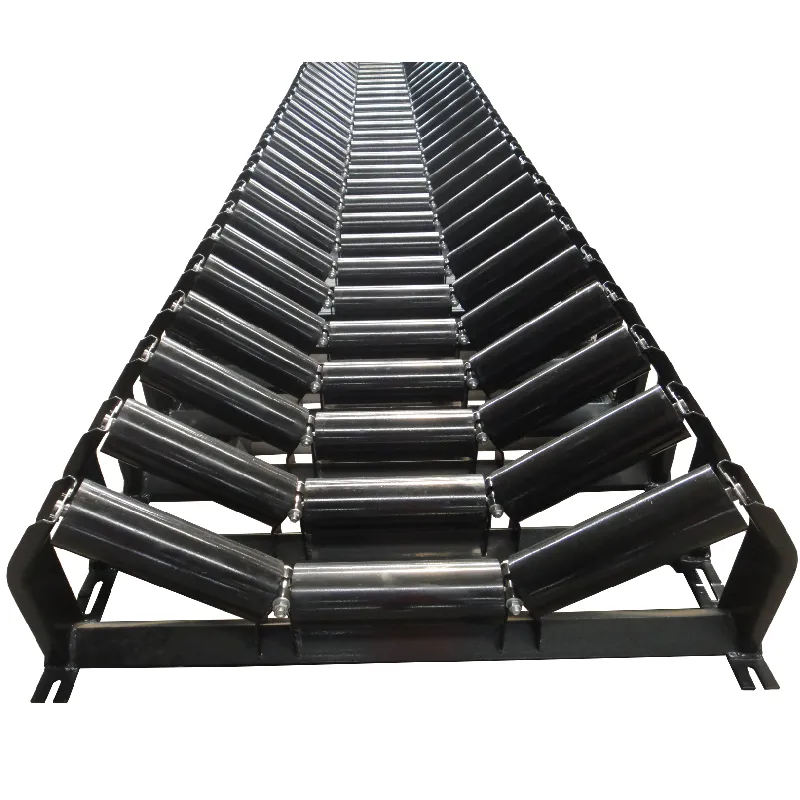
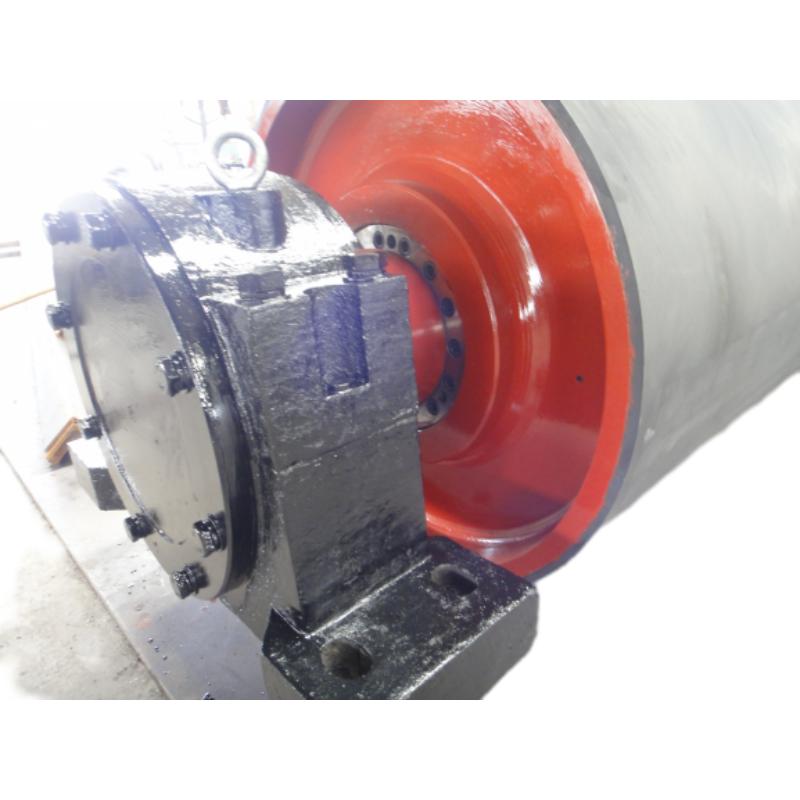
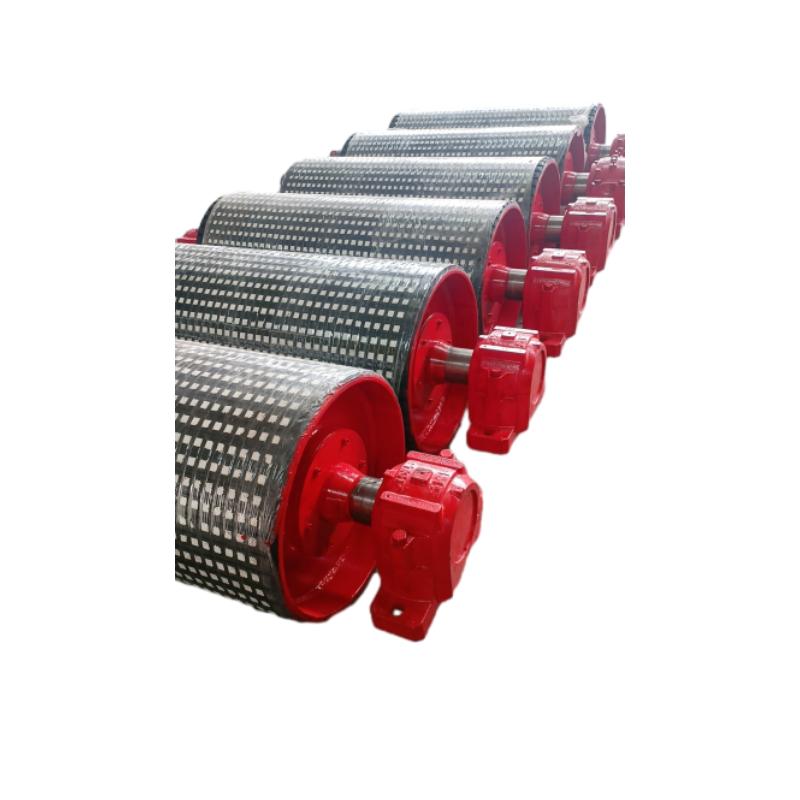
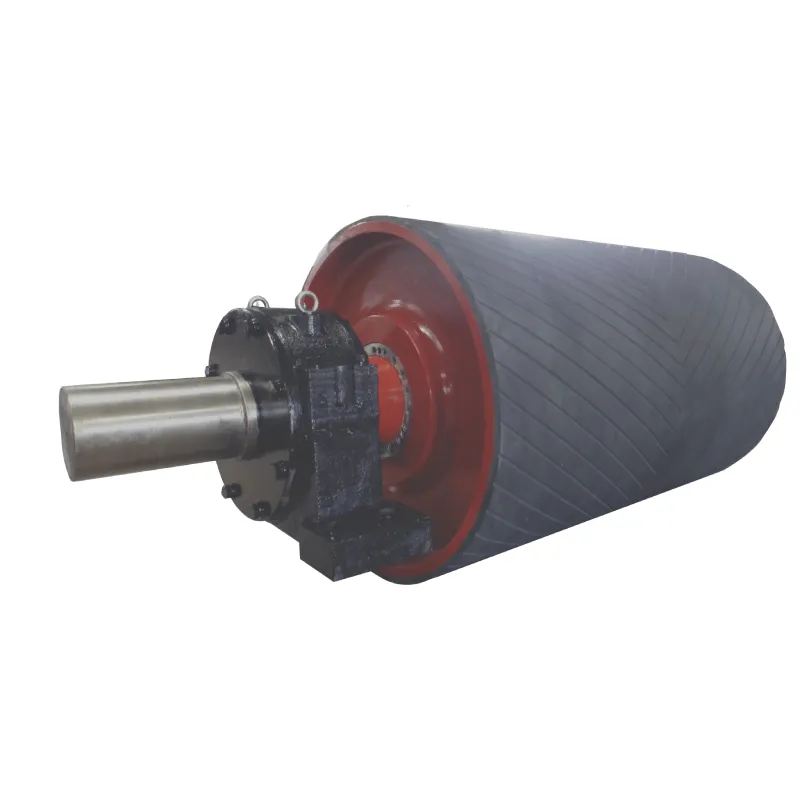
Put simply, a conveyor hanger is a mechanical support that suspends or guides conveyor components like belts, rollers, or chains along their path. Think of it as the industrial equivalent of a clothes hanger — it holds the item in the right place to ensure it functions as intended without sagging or misalignment.
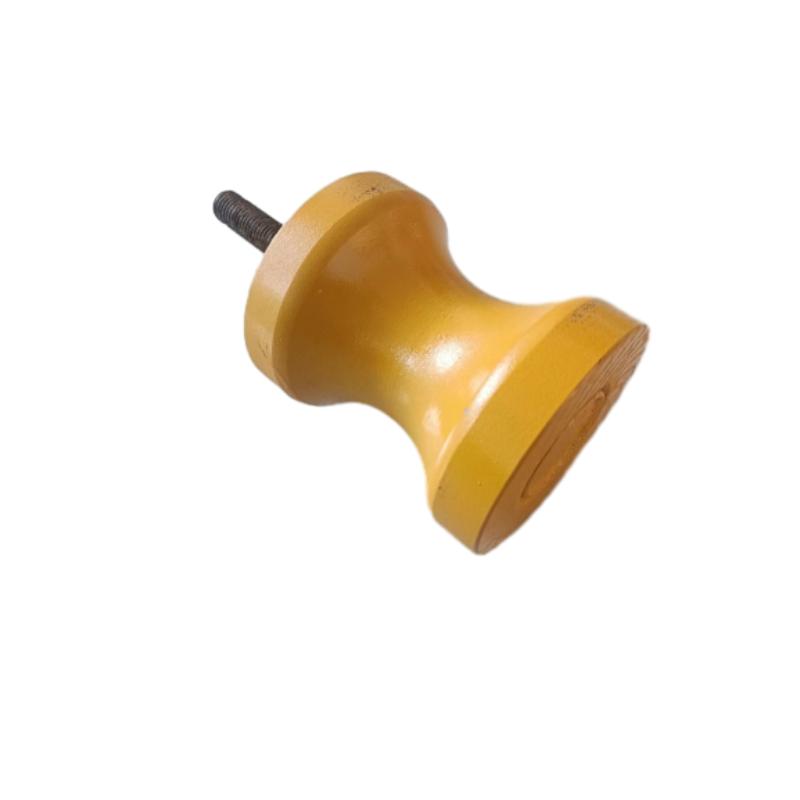
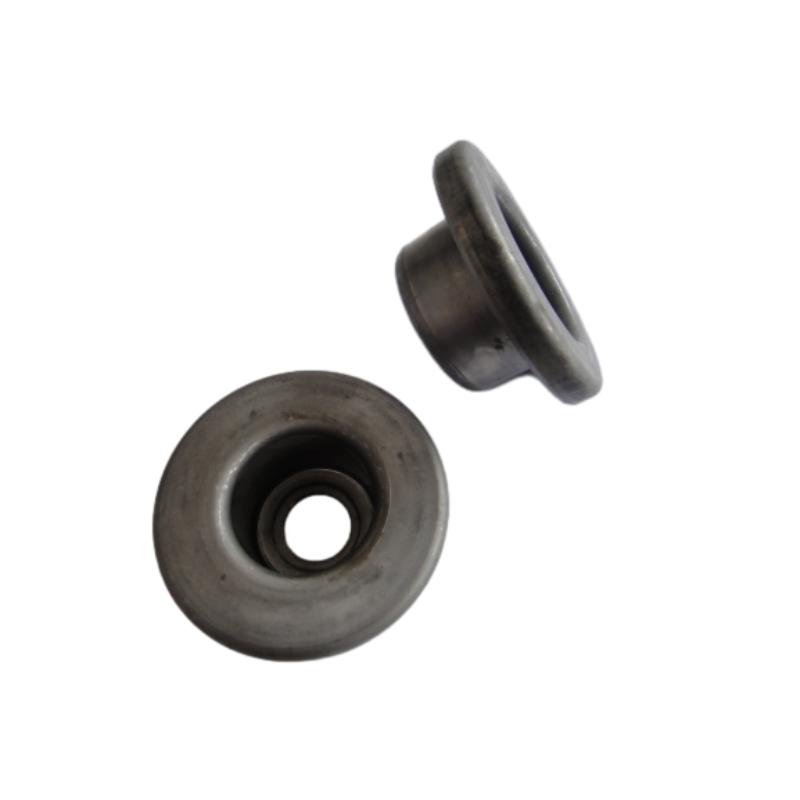
They come in various forms — hooks, brackets, clamps — made from metal alloys or composites, chosen for strength and longevity. Beyond being a simple mounting part, a conveyor hanger is crucial to the conveyor system’s integrity. With global trade and humanitarian logistics increasingly dependent on automated and modular systems, conveyor hangers have taken on a new importance in ensuring rapid deployment and scalability, for example, in building temporary warehouses or emergency supply chains.
Core Components and Key Factors of Conveyor Hangers
Durability
Conveyor hangers must endure continuous mechanical stress and resist corrosion, especially in harsh environments such as coastal ports or chemical plants. Generally, stainless steel or treated alloys are favored for long lifespans.
Scalability & Flexibility
Industrial lines change frequently, so hangers that allow quick adjustments or modular connections reduce downtime substantially. Some modern designs offer adjustable clamps or snap-fit hooks.
Cost Efficiency
Balancing upfront costs with maintenance expenses is vital. An expensive hanger might seem steep at first but saves money in the long haul by reducing replacements and wear on belts.
Ease of Installation and Maintenance
Fast, tool-free installations are increasingly popular, allowing teams to swap hangers without halting operations — vital in high-throughput plants.
Compatibility
Since conveyor types vary, hangers must fit a variety of roller sizes, belt widths, or chain dimensions, often adhering to industry standards like ISO 5048 for conveyor belts.
| Feature | Specification |
|---|---|
| Material | Stainless Steel (304 / 316 grades) |
| Load Capacity | Up to 500 kg per hanger |
| Adjustability | 0-50 mm vertical adjustment range |
| Corrosion Resistance | IP67 rated coating options available |
| Installation Time | Average 5 minutes per hanger, tool-free option |
Global Applications and Real-World Use Cases
Conveyor hangers support everything from massive automotive assembly lines in Germany and Japan to grain processing in Brazil or textile warehouses in Southeast Asia. They’re also crucial in humanitarian contexts; for instance, during flood relief operations in Southeast Asia, modular conveyor hangers enabled quick setup of temporary conveyor lines for moving supplies.
Oddly enough, even in cold storage facilities in Canada, specialized hangers prevent conveyor belts from stiffening or misaligning due to freezing temperatures. Logistic hubs in the U.S. and Europe increasingly prioritize conveyor technology to boost e-commerce fulfillment throughput.
Vendor Comparison: Conveyor Hanger Options
| Vendor | Material Quality | Adjustability | Price Range | Availability |
|---|---|---|---|---|
| Alpha Conveyors | High-grade stainless steel | 30 mm adjustable range | $$$ | Global distribution |
| Beta Industrial | Alloy steel with coatings | 20 mm, fixed | $$ | Regional focus (Asia) |
| ConveyXperts | Composite materials | 50 mm, tool-free | $$$ | E-commerce & OEM focused |
Advantages and Long-Term Value of Conveyor Hangers
Obviously, a robust conveyor hanger reduces unexpected stoppages, which saves money and headache. But there’s also a sustainability story — durable hangers made from recyclable materials cut down on industrial waste. Plus, better designs allow for preventive maintenance, reducing the environmental footprint by extending the whole conveyor’s life cycle.
On a social note, secure, well-maintained conveyors improve worker safety by preventing belt slippage or sagging that might cause injuries. Some companies even cite team trust in machinery as a cultural bonus — it feels like the line really respects their workflow.
Emerging Trends and Innovations in Conveyor Hangers
- Smart Hangers: IoT-enabled components that monitor wear and alert maintenance teams.
- Eco-Friendly Materials: Biodegradable composites or recycled metals becoming common.
- Automation Friendly Designs: Rapid install/removal for AI-driven flexible production setups.
In real terms, these advances herald an era where conveyor hangers don't just hold belts but communicate, predict failures, and adapt dynamically.
Challenges & How Experts Are Solving Them
Conveyor hangers sometimes struggle with balancing load and movement, especially where vibrations or temperature swings are intense. Wear and corrosion remain pesky problems. But engineers are exploring advanced coatings and composite blends while redesigning hangers to incorporate shock absorbers or flexible joints.
Furthermore, standardizing parts worldwide — a challenge on its own given varying industrial norms — is underway, improving interoperability and supply chain efficiency.
FAQ: Frequently Asked Questions About Conveyor Hanger
- Q1: How do I know which conveyor hanger suits my conveyor type?
- Check the load capacity and compatibility with your conveyor’s belt width or roller diameter. Manufacturers usually provide detailed specs. Consulting product datasheets or engineering advisors can prevent costly mismatches.
- Q2: Can conveyor hangers improve energy efficiency?
- Indirectly, yes. Properly aligned and tensioned conveyor belts reduce motor work and friction, thus consuming less power. High-quality hangers help maintain this alignment consistently.
- Q3: Are conveyor hangers customizable?
- Absolutely. Many vendors offer custom sizes, materials, and adjustment ranges to fit unique industrial setups, especially for specialized manufacturing lines.
- Q4: What maintenance is required for conveyor hangers?
- Routine inspection for corrosion, wear, and proper attachment is advisable. Lubrication usually isn’t needed, but cleaning to prevent debris buildup is essential.
Conclusion & Call To Action
Conveyor hangers, though often overlooked, are vital cogs in the complex machinery of global manufacturing and logistics. Understanding their role, benefits, and innovations empowers operators and engineers to optimize systems for cost, durability, and safety.
If you want to explore high-quality, versatile conveyor hangers designed for your industry’s needs, visit our website: conveyor hanger.
Just like I noticed in a recent plant visit, a well-chosen hanger isn’t just a part — it’s peace of mind for the whole team.
References:
-
Maximize Conveyor Life with a High Performance impact bedNewsApr.16,2026
-
Maximize Conveyor Efficiency Using a v plow belt scraperNewsApr.09,2026
-
Comprehensive Guide to Understanding Different Types of Belt CleanersNewsApr.07,2026
-
Enhancing Conveyor Efficiency with an Effective Scraper Belt CleanerNewsApr.04,2026
-
Optimizing Conveyor Systems with Advanced Cleaning Equipment SolutionsNewsMar.31,2026
-
Effective Conveyor Belt Scraper Adjustment for Optimal System PerformanceNewsMar.28,2026