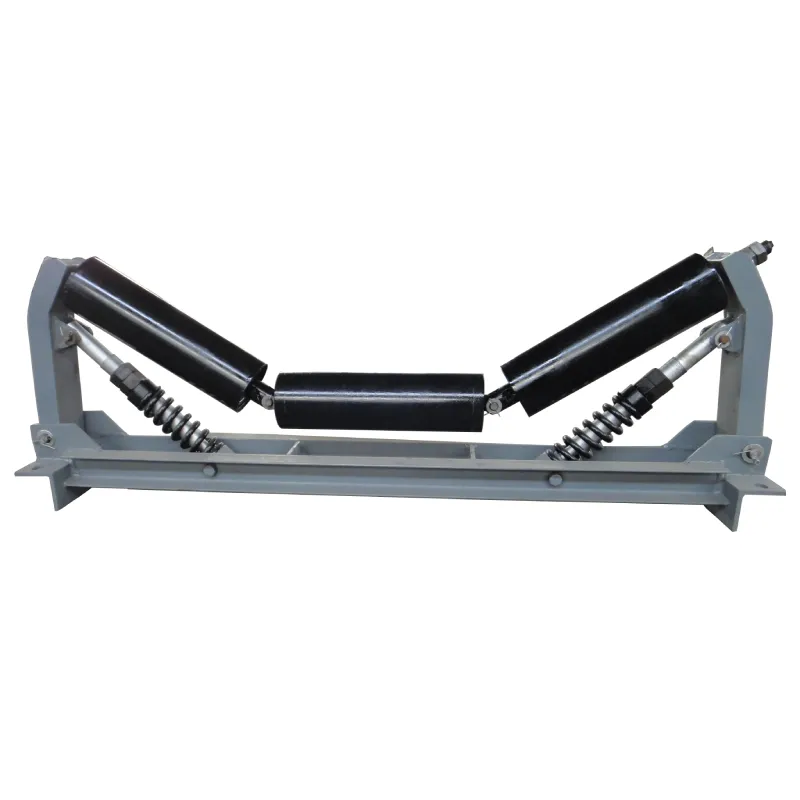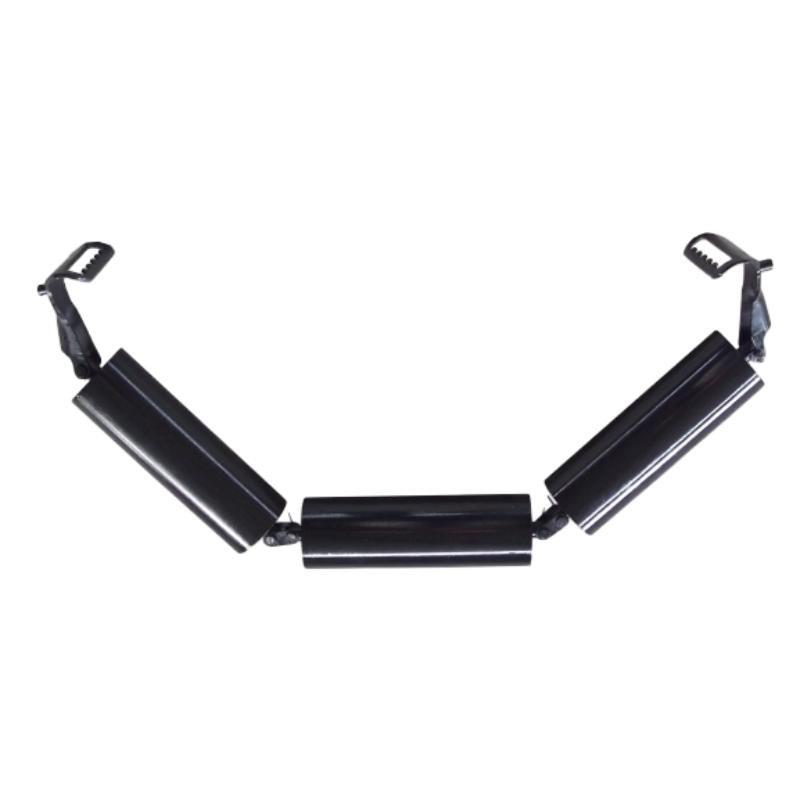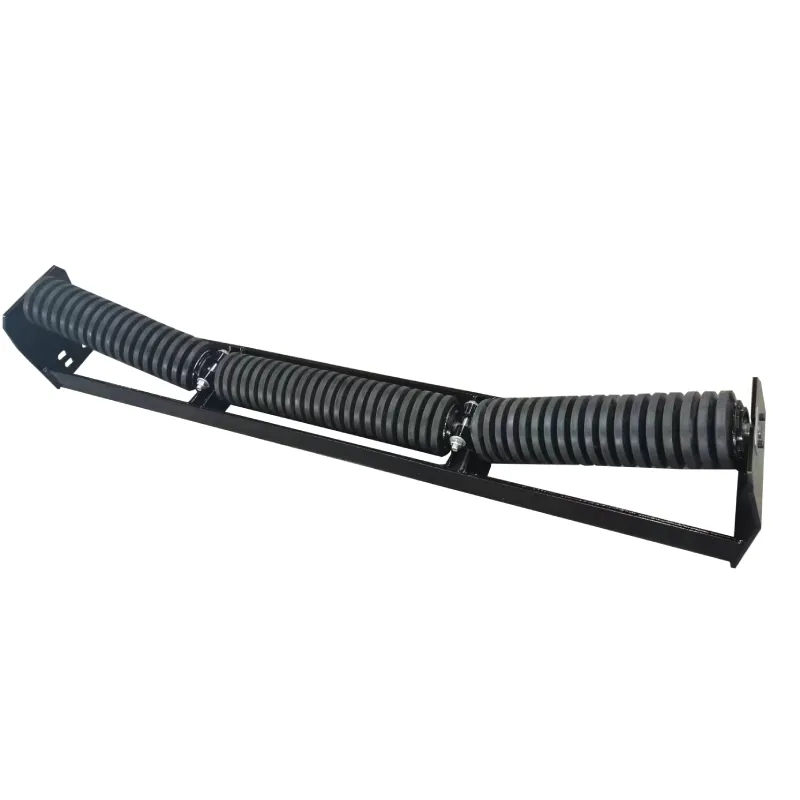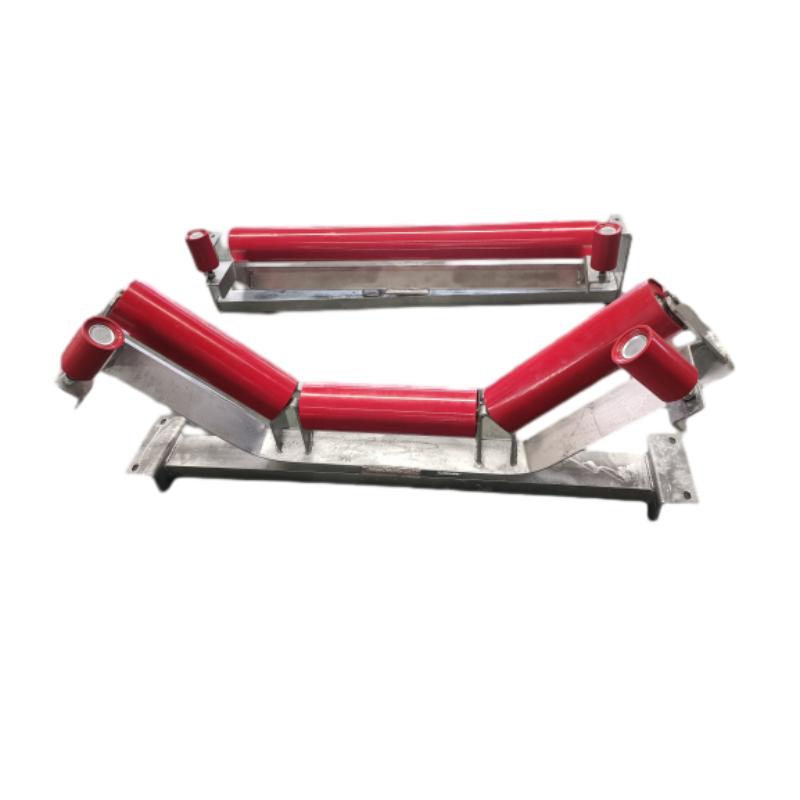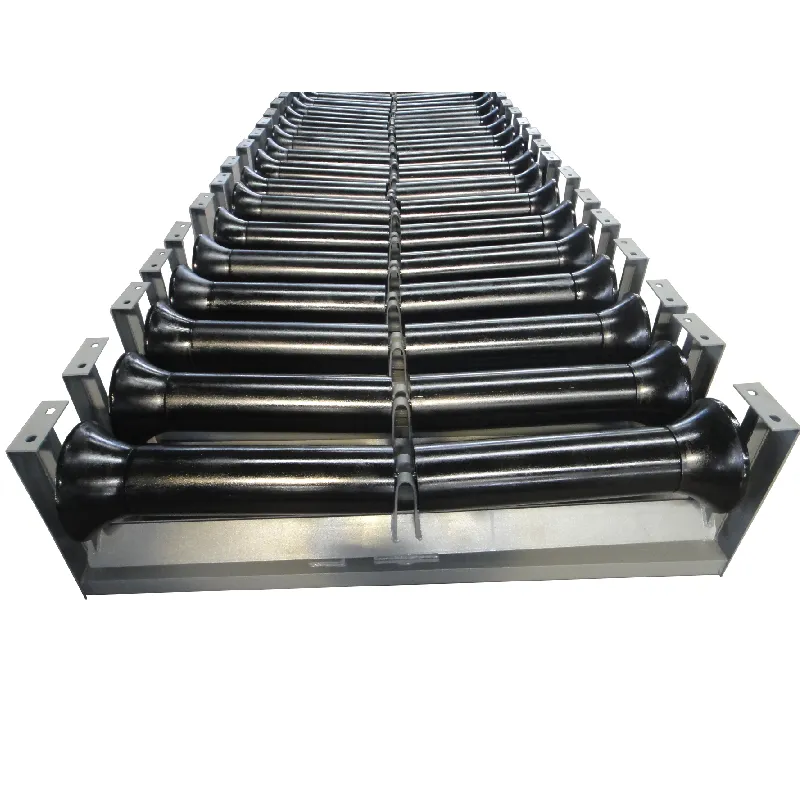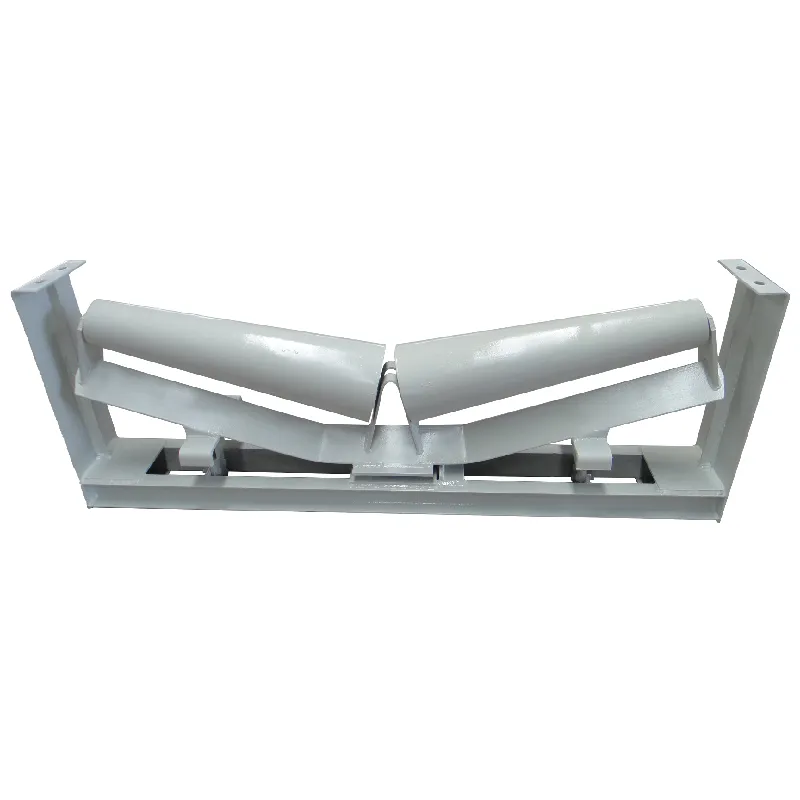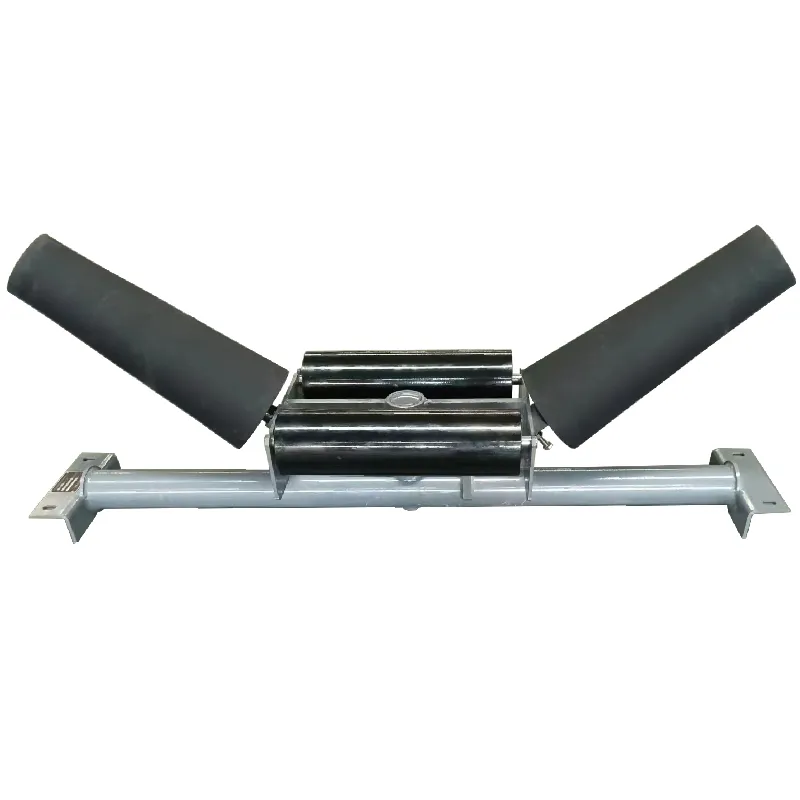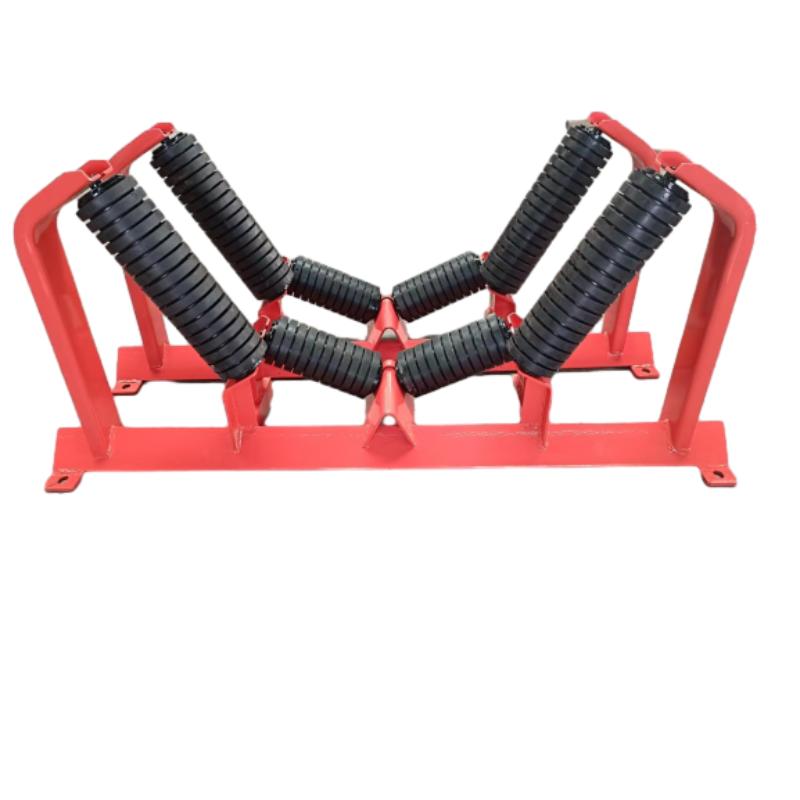


High-Efficiency Scraper & Rubber Belt Cleaners Reduce Wear & Tear
- Industry Data & Maintenance Challenges
- Technical Superiority in Modern Designs
- Performance Comparison: Leading Manufacturers
- Custom Solutions for Specific Operations
- Real-World Implementation Scenarios
- Installation Best Practices
- Why Belt Cleaner Systems Matter Long-Term
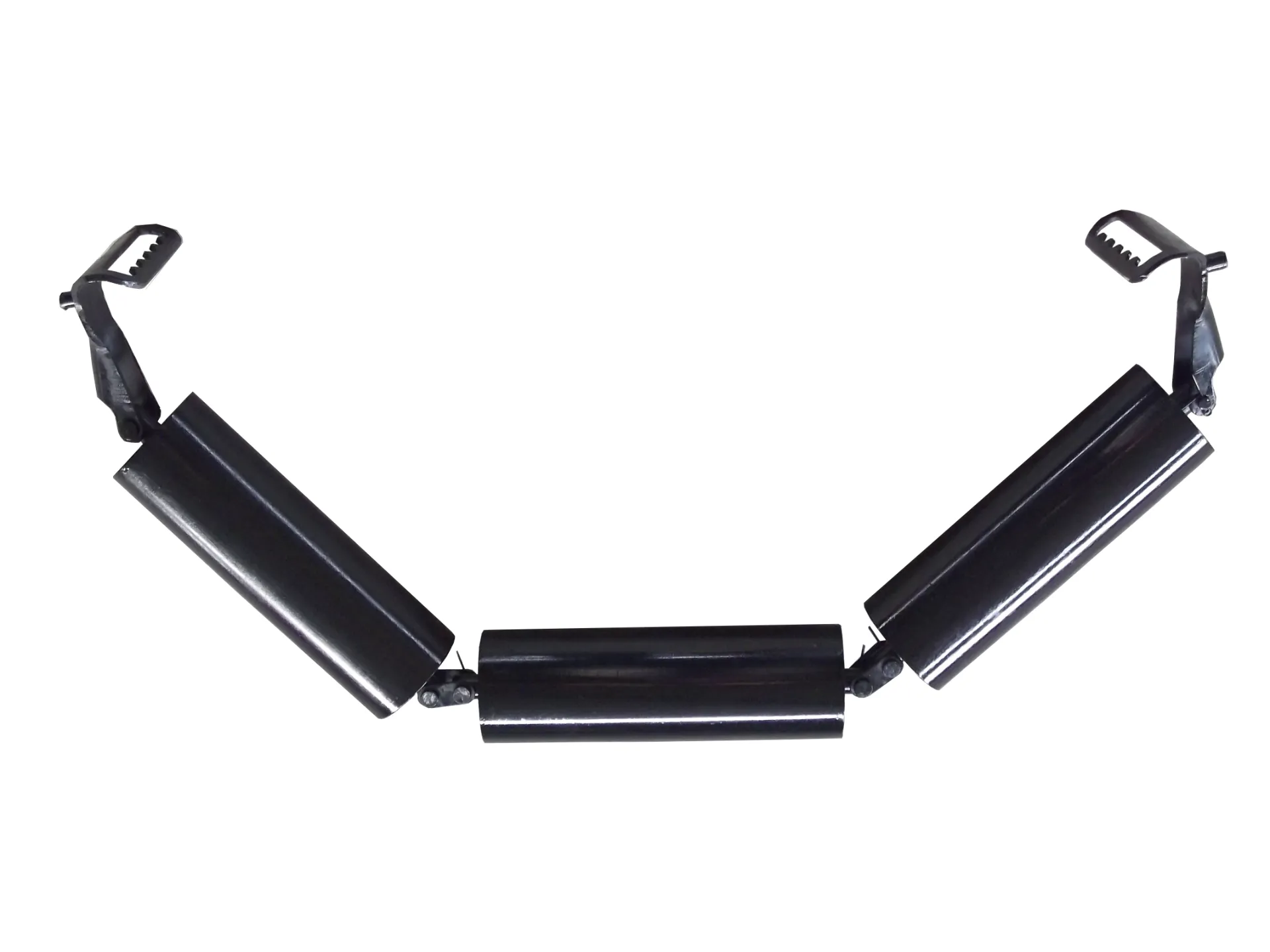
(belt cleaner)
Belt Cleaner Solutions Addressing Industrial Data Challenges
Conveyor belt abrasion accounts for 12-15% of annual operational costs in bulk material handling, according to SME Mineral Processing Report 2023. Scraper belt cleaner
adoption reduces unscheduled downtime by 38% while extending belt lifespan by 2.7 years on average.
Engineering Advancements in Conveyor Maintenance
Modern rubber belt cleaner systems feature:
- Polyurethane blades with 90-120 PSI pressure tolerance
- Modular designs enabling 45-minute installations
- Multi-stage scraping configurations for 99.2% material removal
Manufacturer Benchmarking Analysis
| Vendor | Cleaning Efficiency | Installation Time | Warranty | Price Range |
|---|---|---|---|---|
| Flexco | 98.6% | 50 mins | 24 months | $850-$1,200 |
| Martin Engineering | 99.1% | 40 mins | 36 months | $1,100-$1,600 |
| Brelko | 97.9% | 55 mins | 18 months | $700-$950 |
Tailored Configuration Strategies
Operations handling abrasive materials (e.g., iron ore) require tungsten-reinforced scraper belt cleaner blades, while food-grade facilities opt for FDA-compliant rubber compounds. Temperature variations (-40°F to 220°F) demand specialized elastomer formulations.
Case Study: Mining Sector Application
A Chilean copper mine achieved 30% lower maintenance costs after implementing dual-arm conveyor belt cleaner systems across 14 km of belts. Material carryback reduced from 4.2 kg/m to 0.3 kg/m within 8 operational months.
Optimal Installation Protocols
Proper blade alignment ensures 3-5° contact angle for maximum efficiency. Torque values must be maintained between 18-22 N·m to prevent premature wear while allowing necessary flexing.
Why Belt Cleaner Systems Ensure Operational Continuity
Advanced scraper belt cleaner solutions prevent 23% of conveyor-related safety incidents according to OSHA data. Facilities using AI-monitored rubber belt cleaner systems report 17% higher MTBF (Mean Time Between Failures) compared to manual systems.
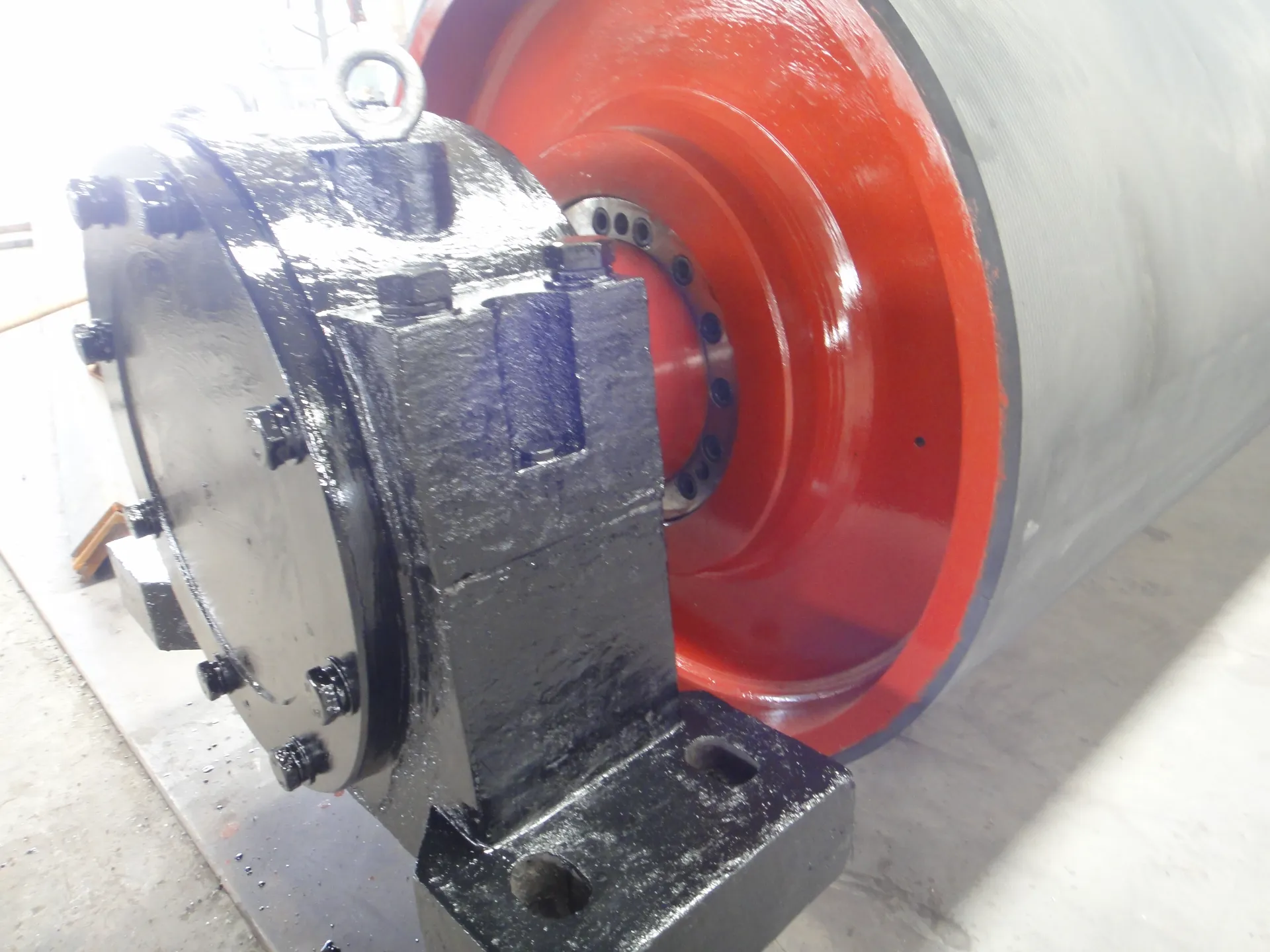
(belt cleaner)
FAQS on belt cleaner
Q: What is the primary function of a scraper belt cleaner?
A: A scraper belt cleaner removes residual material stuck on conveyor belts. It prevents buildup and reduces wear, ensuring smoother operation. This enhances belt longevity and minimizes maintenance costs.
Q: When should I use a conveyor belt cleaner scraper?
A: Use a conveyor belt cleaner scraper for heavy-duty material handling. It’s ideal for sticky or abrasive substances like coal or ore. The design ensures thorough cleaning without damaging the belt surface.
Q: Where is a rubber belt cleaner typically installed?
A: Rubber belt cleaners are installed at the conveyor’s discharge point. They contact the belt’s surface to scrape off debris. Their flexibility adapts to belt contours for efficient cleaning.
Q: How often should a scraper belt cleaner be maintained?
A: Inspect scraper belt cleaners monthly for wear or misalignment. Replace blades when worn down by 20-30%. Regular upkeep prevents unexpected downtime and optimizes performance.
Q: Why choose a rubber belt cleaner over other materials?
A: Rubber belt cleaners are durable and gentle on belts. They resist corrosion and handle varying temperatures. This makes them suitable for industries like mining and agriculture.
-
Maximize Conveyor Life with a High Performance impact bedNewsApr.16,2026
-
Maximize Conveyor Efficiency Using a v plow belt scraperNewsApr.09,2026
-
Comprehensive Guide to Understanding Different Types of Belt CleanersNewsApr.07,2026
-
Enhancing Conveyor Efficiency with an Effective Scraper Belt CleanerNewsApr.04,2026
-
Optimizing Conveyor Systems with Advanced Cleaning Equipment SolutionsNewsMar.31,2026
-
Effective Conveyor Belt Scraper Adjustment for Optimal System PerformanceNewsMar.28,2026