

Jun . 26, 2024 12:44
Back to list
3. Return Mechanism for Conveyor Rollers
Return Roller for Conveyor Belt Essential Component in Automated Processes
In the realm of manufacturing and material handling, conveyor belts are integral components that facilitate the transportation of goods from one point to another. These belts, often running continuously, are responsible for moving everything from raw materials to finished products through various stages of production. However, despite their importance, conveyor belts can experience wear and tear over time, necessitating regular maintenance and replacement of worn components.
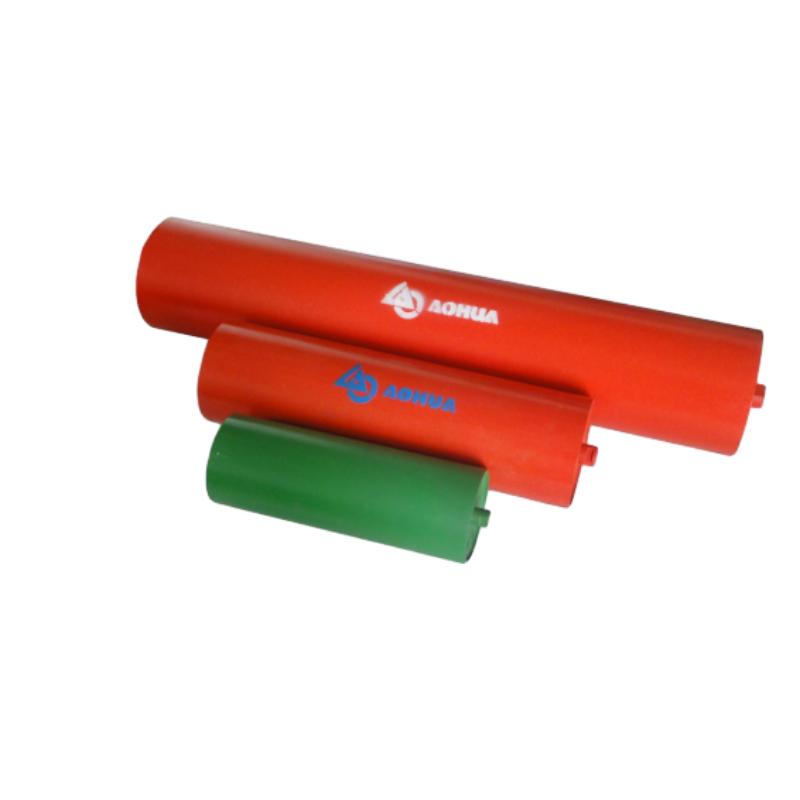
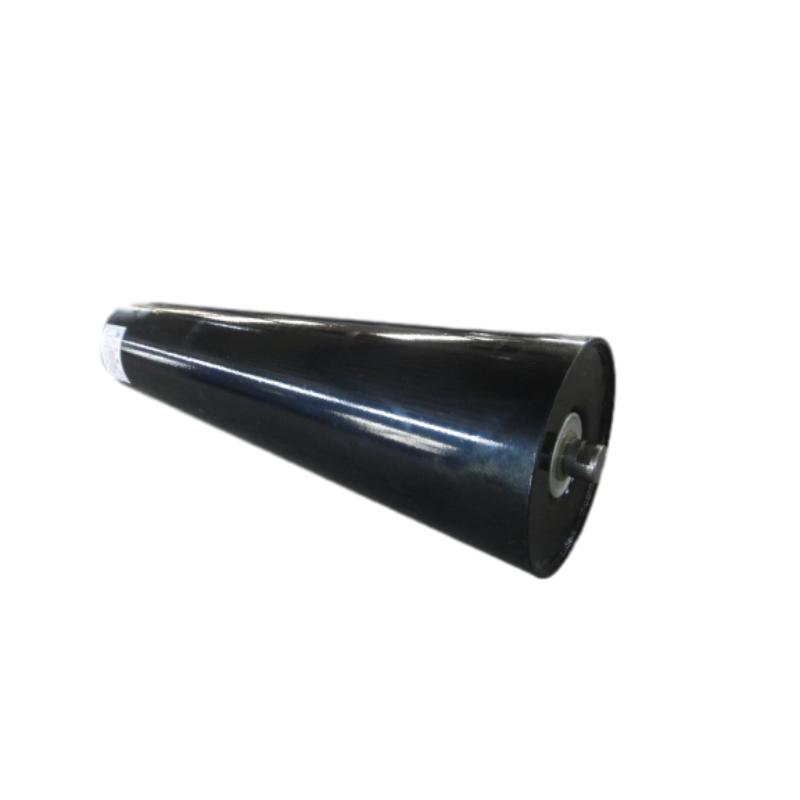
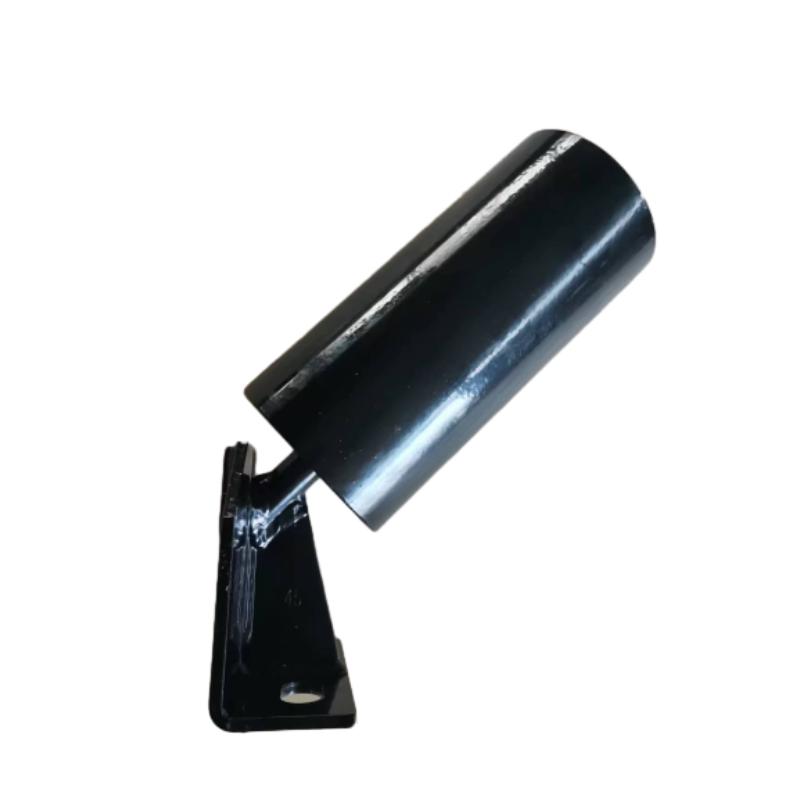
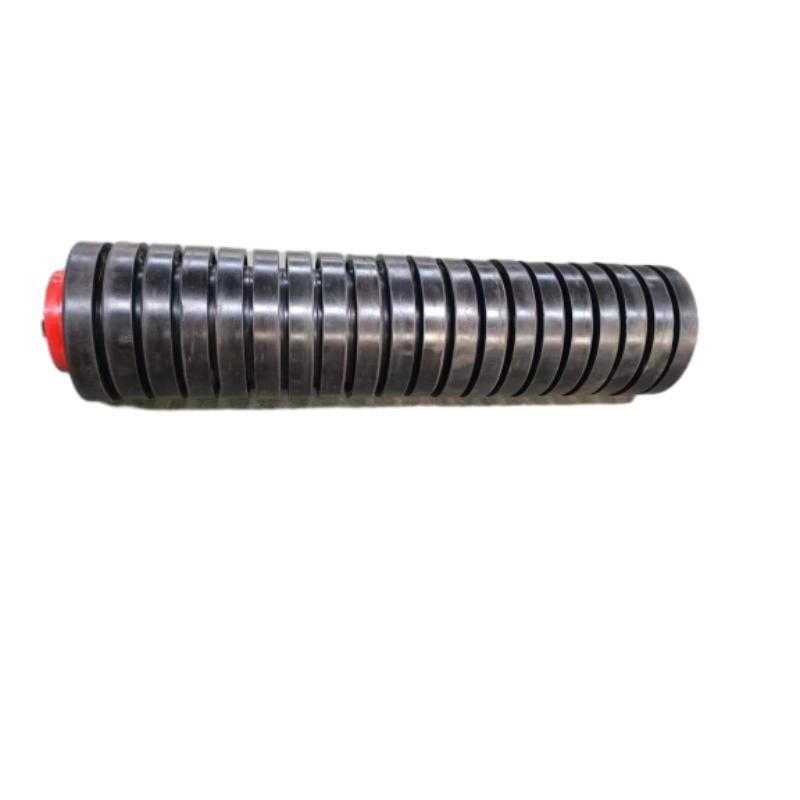
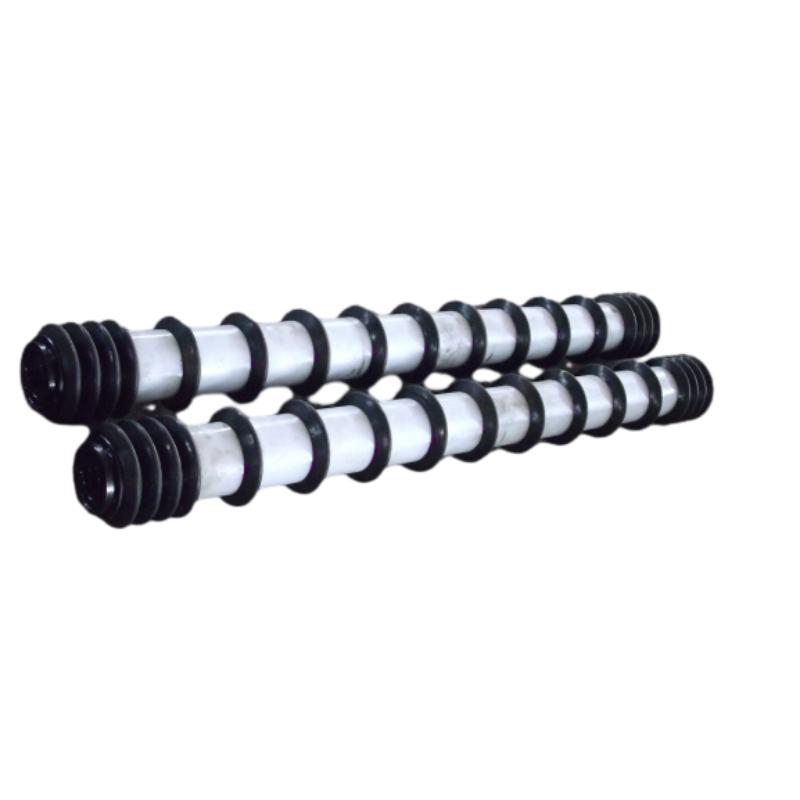
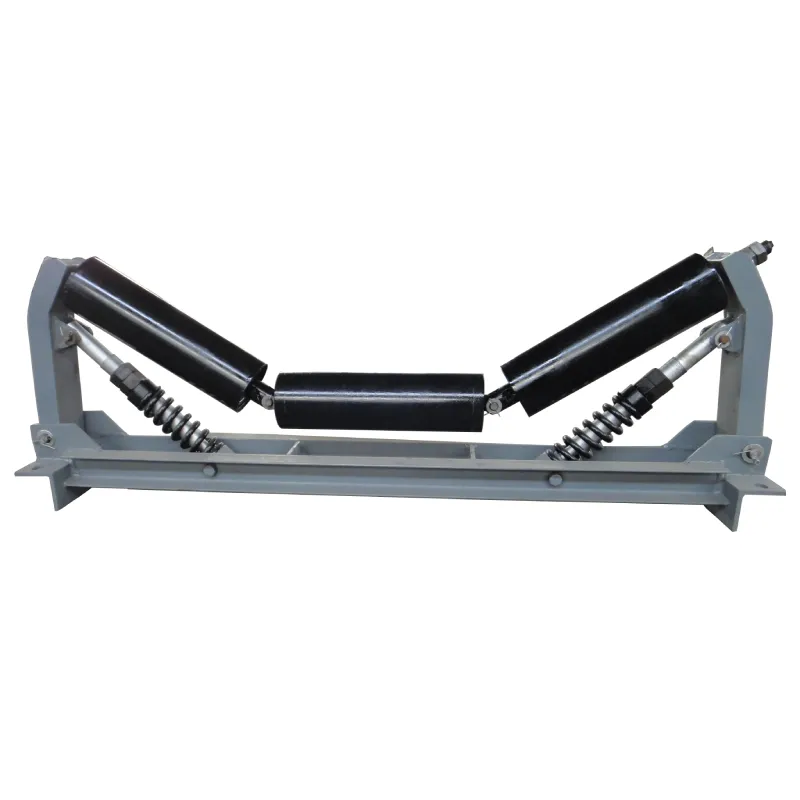
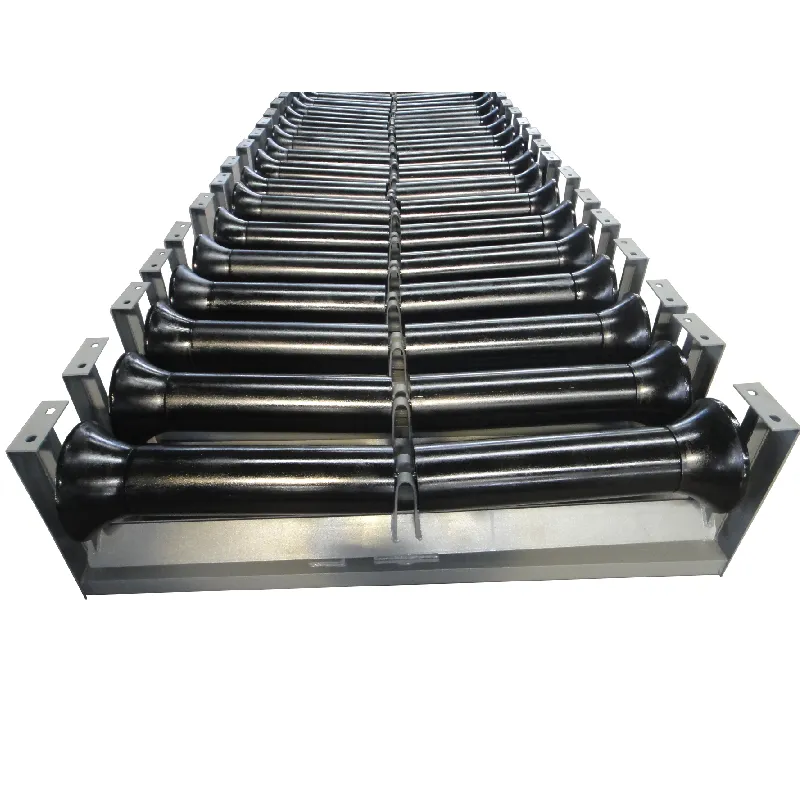
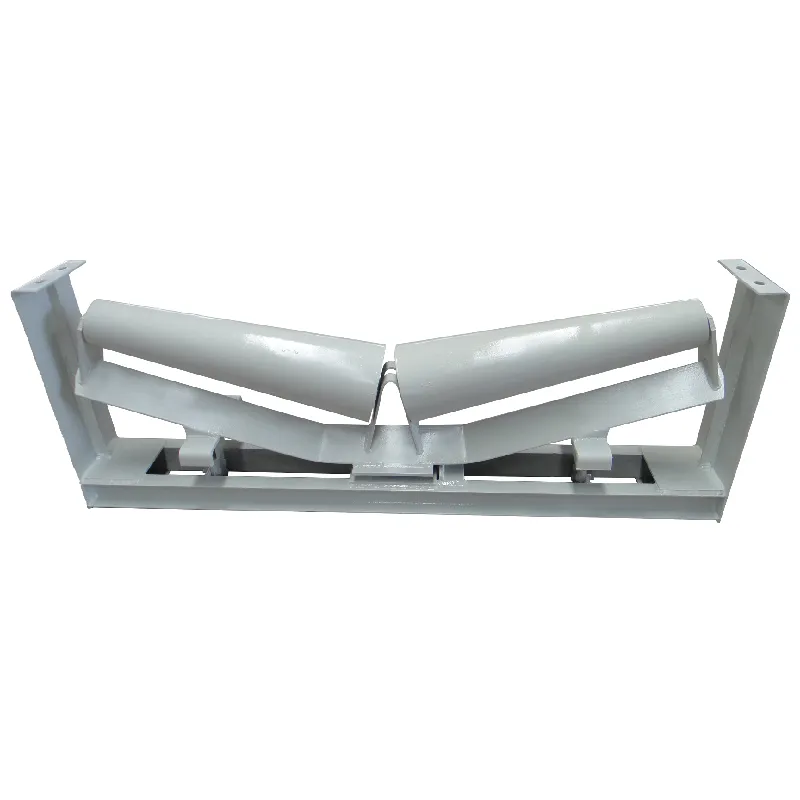
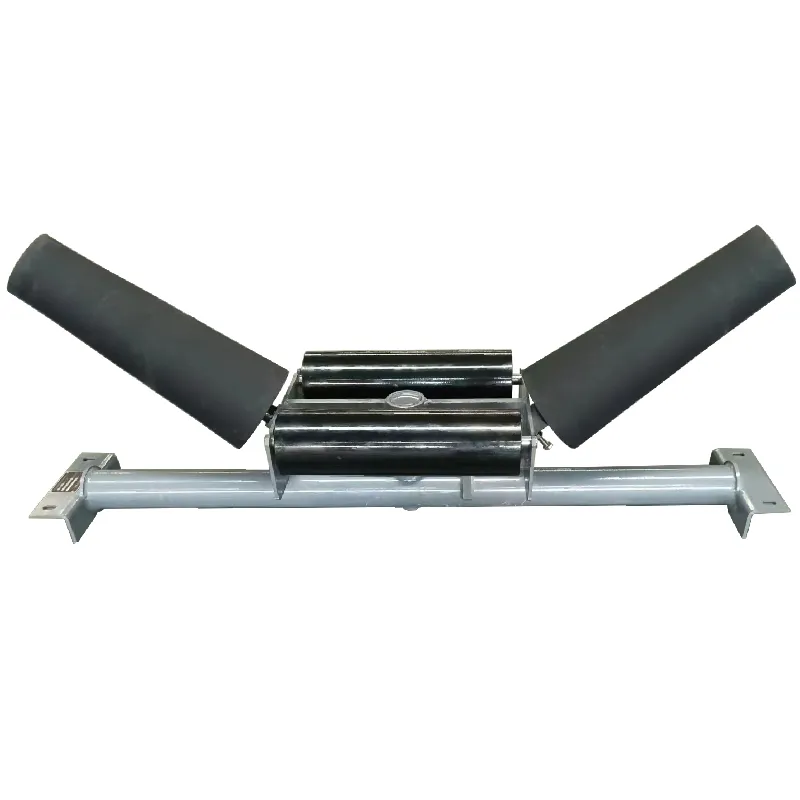
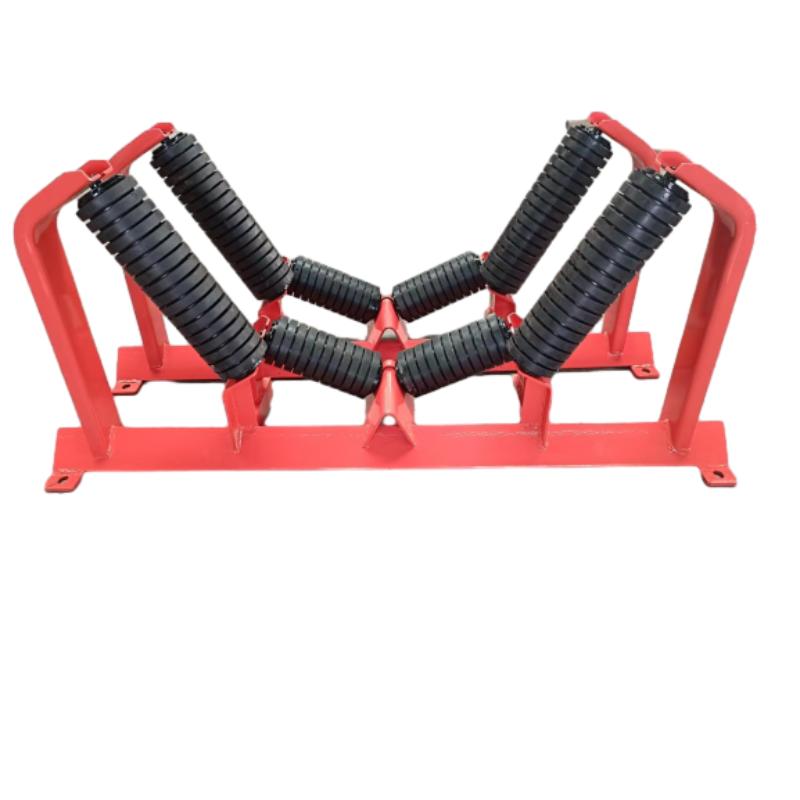
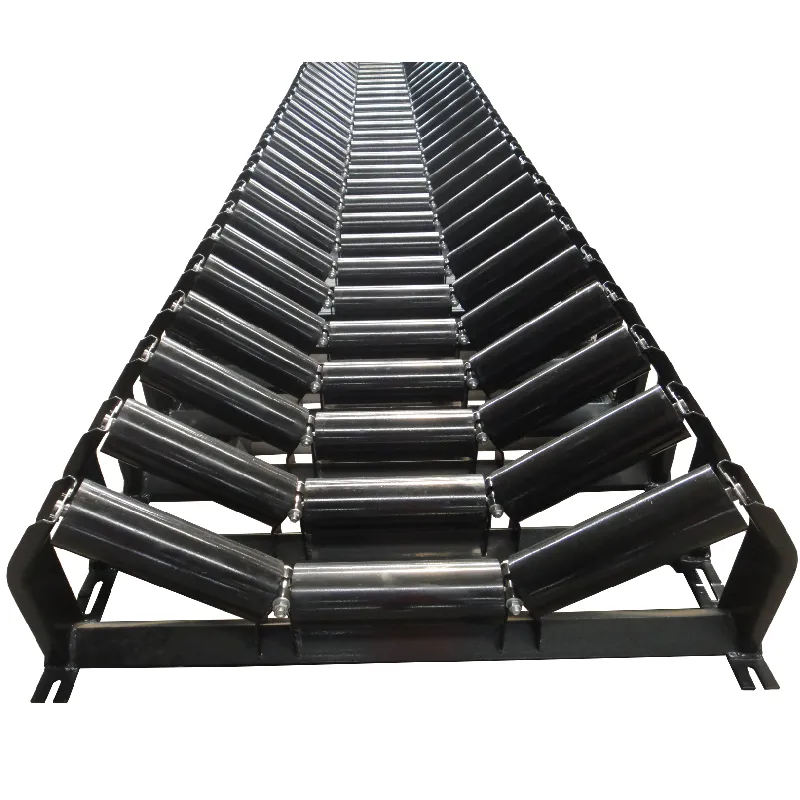
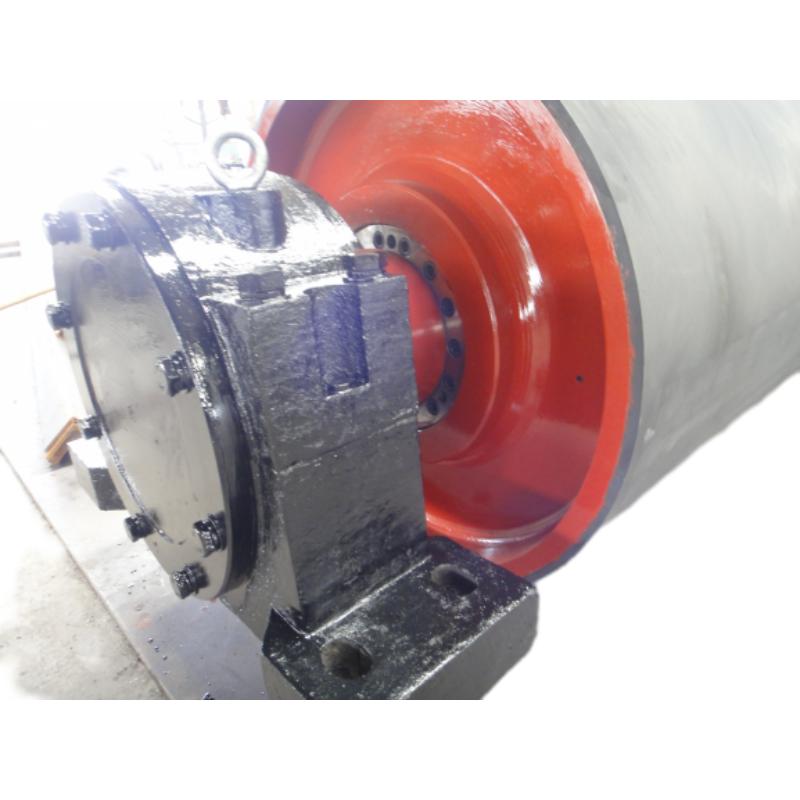
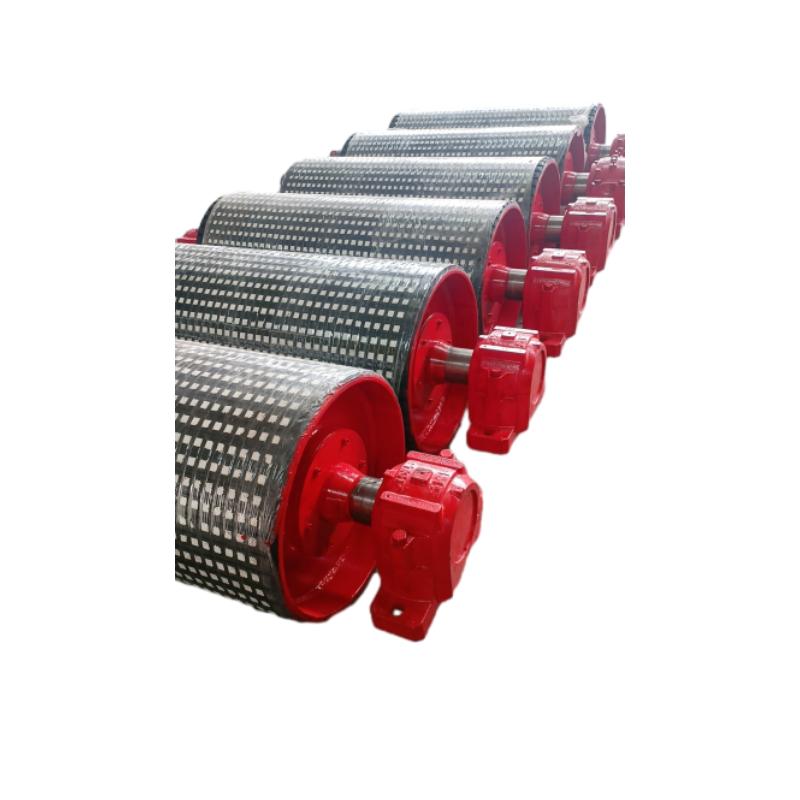
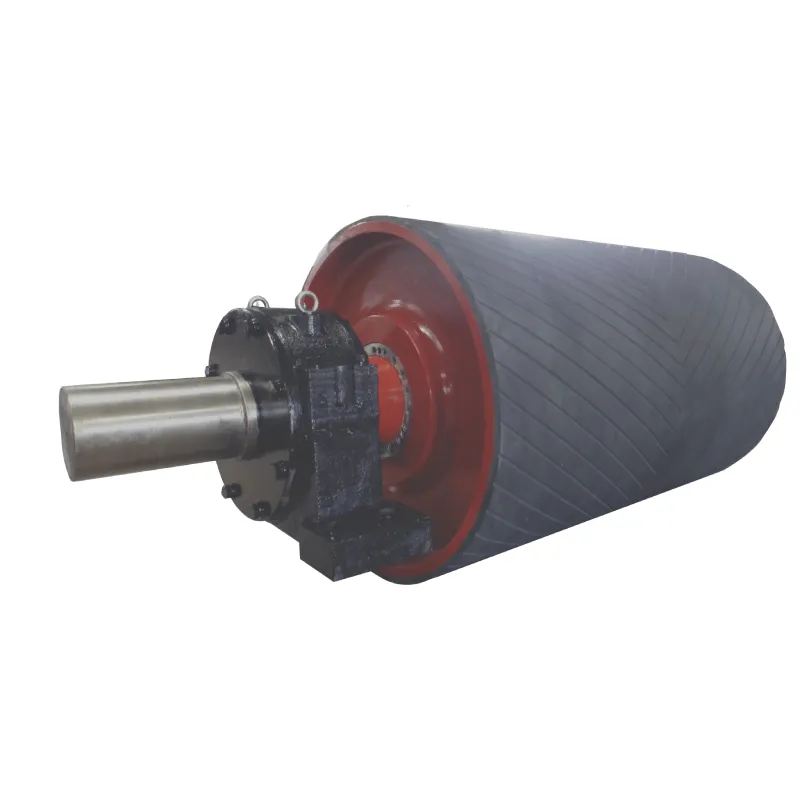
One such critical component is the return roller. These rollers, typically positioned at the end of a conveyor belt's journey, serve a dual purpose. Firstly, they help guide the belt back towards its starting point, ensuring a continuous flow of materials. Secondly, they provide support to the belt, preventing it from sagging or becoming misaligned.
The significance of return rollers becomes even more apparent when one considers the impact of their failure on an automated process. A damaged return roller can cause the belt to derail, leading to delays, disruptions, and potential damage to the goods being transported. In addition, the resulting downtime can be costly, affecting productivity and overall efficiency In addition, the resulting downtime can be costly, affecting productivity and overall efficiency In addition, the resulting downtime can be costly, affecting productivity and overall efficiency In addition, the resulting downtime can be costly, affecting productivity and overall efficiencyreturn roller for conveyor belt.
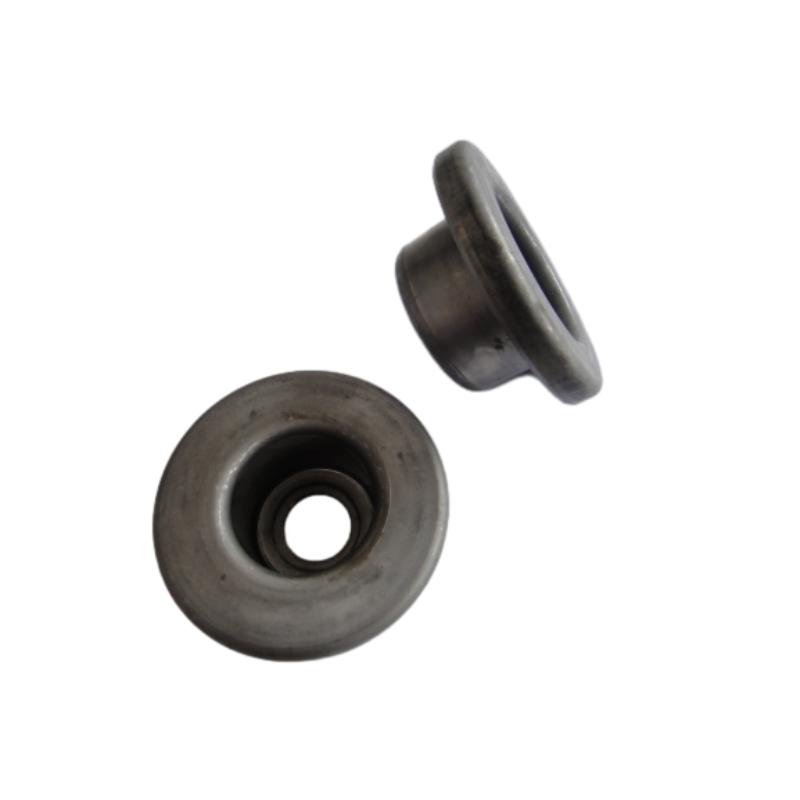
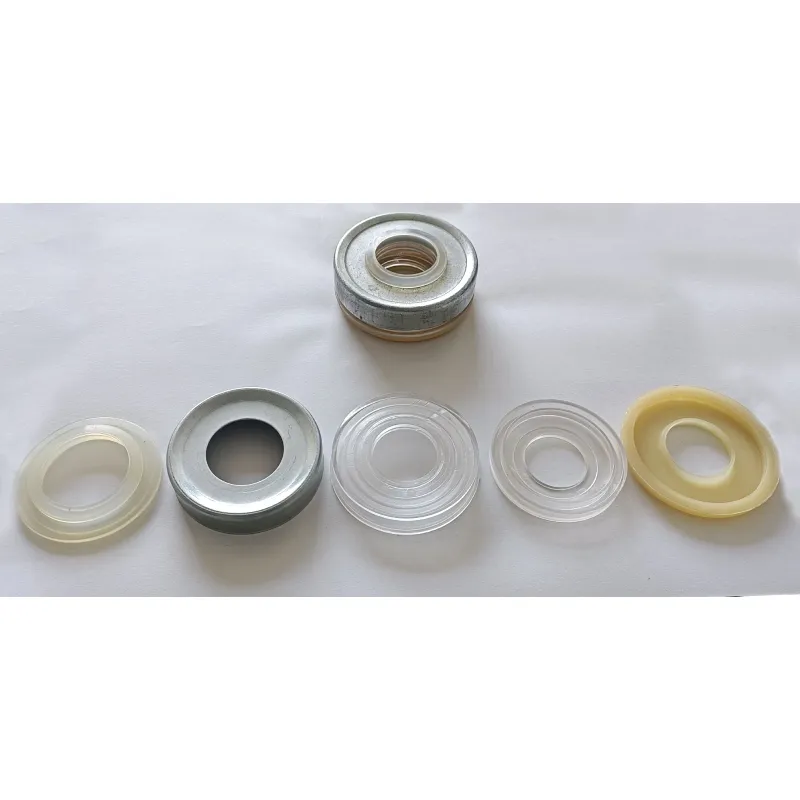
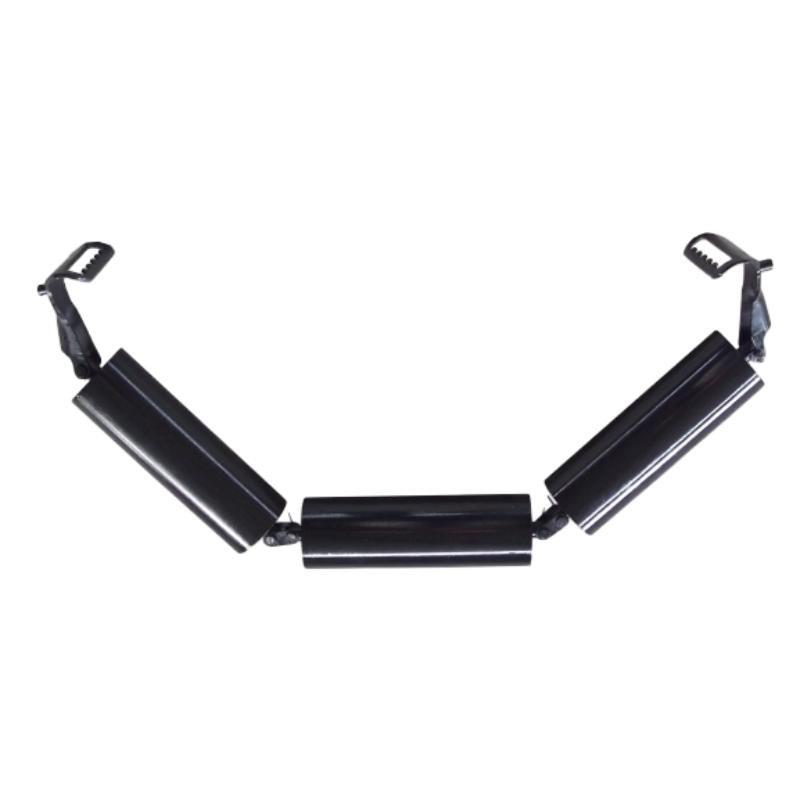
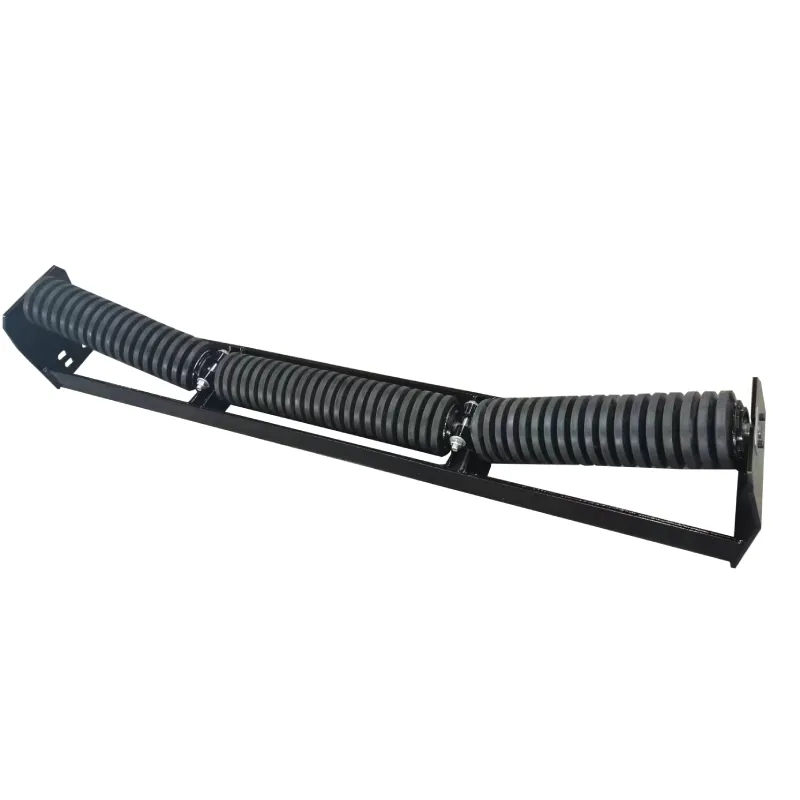
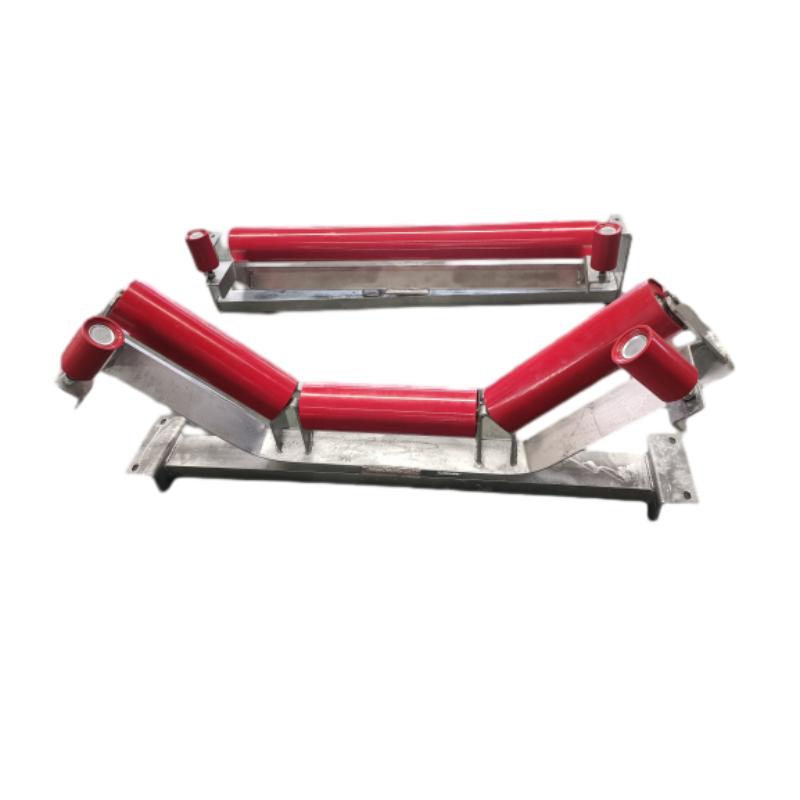
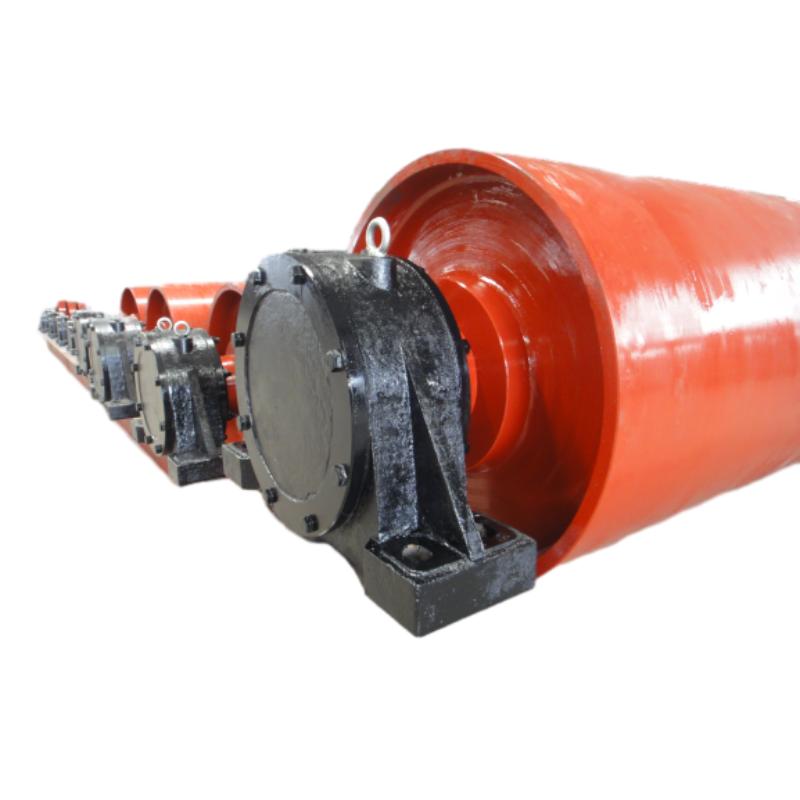
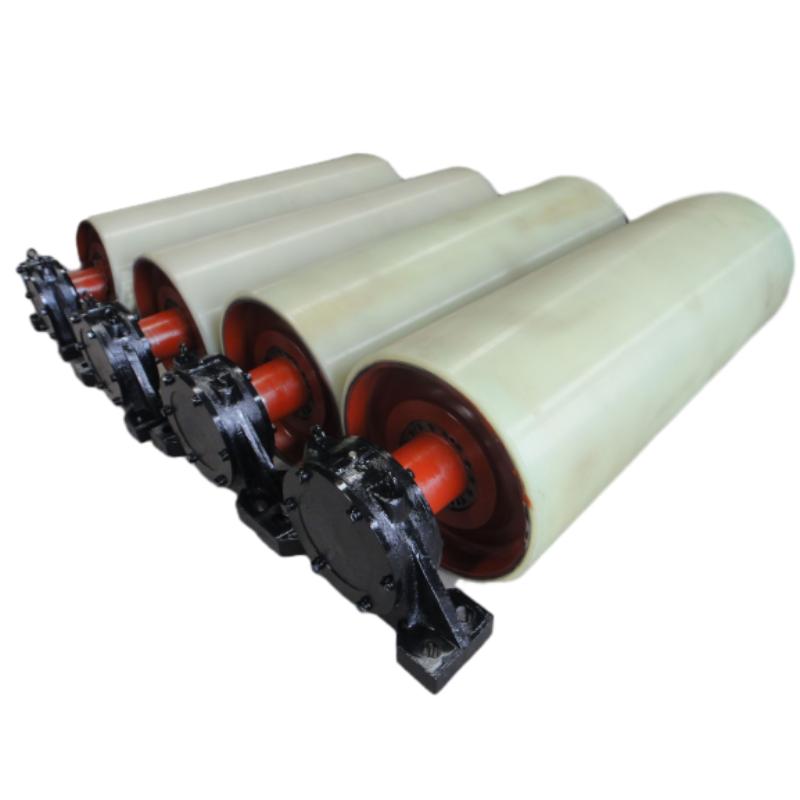
To ensure the longevity and optimal performance of conveyor belts, it is crucial to invest in high-quality return rollers. These rollers are typically made from durable materials such as steel or aluminum, and are designed to withstand the rigors of constant use. They are also equipped with bearings that reduce friction and prevent wear, further extending their lifespan.
Regular maintenance is another key factor in maintaining the integrity of return rollers. This may involve cleaning the rollers to remove debris, checking for signs of wear or damage, and lubricating the bearings as needed. By taking these proactive measures, manufacturers can prevent minor issues from escalating into major problems, ensuring uninterrupted operation of their conveyor systems.
In conclusion, return rollers are indispensable components of conveyor belts, playing a vital role in maintaining the smooth and efficient flow of materials in automated processes. By investing in high-quality rollers and practicing regular maintenance, manufacturers can minimize downtime, reduce costs, and enhance overall productivity.
In addition, the resulting downtime can be costly, affecting productivity and overall efficiency In addition, the resulting downtime can be costly, affecting productivity and overall efficiencyreturn roller for conveyor belt.
To ensure the longevity and optimal performance of conveyor belts, it is crucial to invest in high-quality return rollers. These rollers are typically made from durable materials such as steel or aluminum, and are designed to withstand the rigors of constant use. They are also equipped with bearings that reduce friction and prevent wear, further extending their lifespan.
Regular maintenance is another key factor in maintaining the integrity of return rollers. This may involve cleaning the rollers to remove debris, checking for signs of wear or damage, and lubricating the bearings as needed. By taking these proactive measures, manufacturers can prevent minor issues from escalating into major problems, ensuring uninterrupted operation of their conveyor systems.
In conclusion, return rollers are indispensable components of conveyor belts, playing a vital role in maintaining the smooth and efficient flow of materials in automated processes. By investing in high-quality rollers and practicing regular maintenance, manufacturers can minimize downtime, reduce costs, and enhance overall productivity.
In addition, the resulting downtime can be costly, affecting productivity and overall efficiency In addition, the resulting downtime can be costly, affecting productivity and overall efficiencyreturn roller for conveyor belt.
To ensure the longevity and optimal performance of conveyor belts, it is crucial to invest in high-quality return rollers. These rollers are typically made from durable materials such as steel or aluminum, and are designed to withstand the rigors of constant use. They are also equipped with bearings that reduce friction and prevent wear, further extending their lifespan.
Regular maintenance is another key factor in maintaining the integrity of return rollers. This may involve cleaning the rollers to remove debris, checking for signs of wear or damage, and lubricating the bearings as needed. By taking these proactive measures, manufacturers can prevent minor issues from escalating into major problems, ensuring uninterrupted operation of their conveyor systems.
In conclusion, return rollers are indispensable components of conveyor belts, playing a vital role in maintaining the smooth and efficient flow of materials in automated processes. By investing in high-quality rollers and practicing regular maintenance, manufacturers can minimize downtime, reduce costs, and enhance overall productivity. Latest news
-
Maximize Conveyor Life with a High Performance impact bedNewsApr.16,2026
-
Maximize Conveyor Efficiency Using a v plow belt scraperNewsApr.09,2026
-
Comprehensive Guide to Understanding Different Types of Belt CleanersNewsApr.07,2026
-
Enhancing Conveyor Efficiency with an Effective Scraper Belt CleanerNewsApr.04,2026
-
Optimizing Conveyor Systems with Advanced Cleaning Equipment SolutionsNewsMar.31,2026
-
Effective Conveyor Belt Scraper Adjustment for Optimal System PerformanceNewsMar.28,2026
OUR PRODUCTS