

Optimizing Conveyor Systems with the Right Conveyor Belt Cleaner Scraper
Choosing the Right Conveyor Belt Cleaner Scraper
Maintaining the efficiency and safety of conveyor systems is crucial for industries ranging from mining and agriculture to manufacturing and logistics. A key component in this maintenance is the conveyor belt cleaner scraper. These devices effectively remove debris, buildup, and materials that can cause slippage, damage, and costly downtime. This article will provide a comprehensive overview of conveyor belt cleaner scrapers, their types, benefits, selection criteria, and maintenance practices. Ensuring optimal scraper performance leads to increased belt life, reduced material waste, and improved overall operational efficiency.
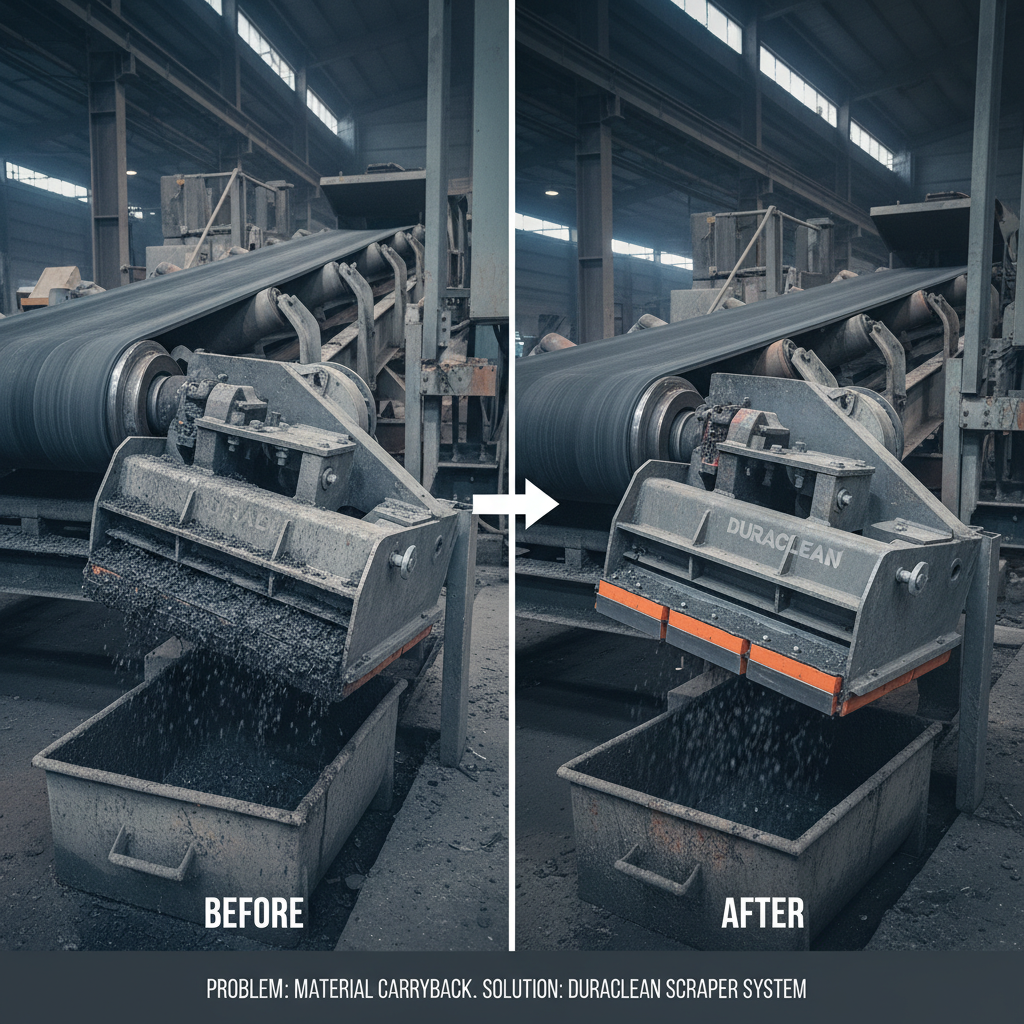
Understanding the Importance of a Conveyor Belt Cleaner Scraper
The build-up of materials on conveyor belts, such as sticky residues, dust, and loose aggregates, can significantly impact performance. This buildup leads to increased belt wear, reduced traction, and potential material spillage. A well-maintained conveyor belt cleaner scraper system prevents these issues by effectively removing these contaminants. This not only extends the life of the conveyor belt but also minimizes material loss, leading to cost savings and a more sustainable operation. Regular cleaning also improves energy efficiency, as the system doesn’t have to work as hard to move a loaded belt.
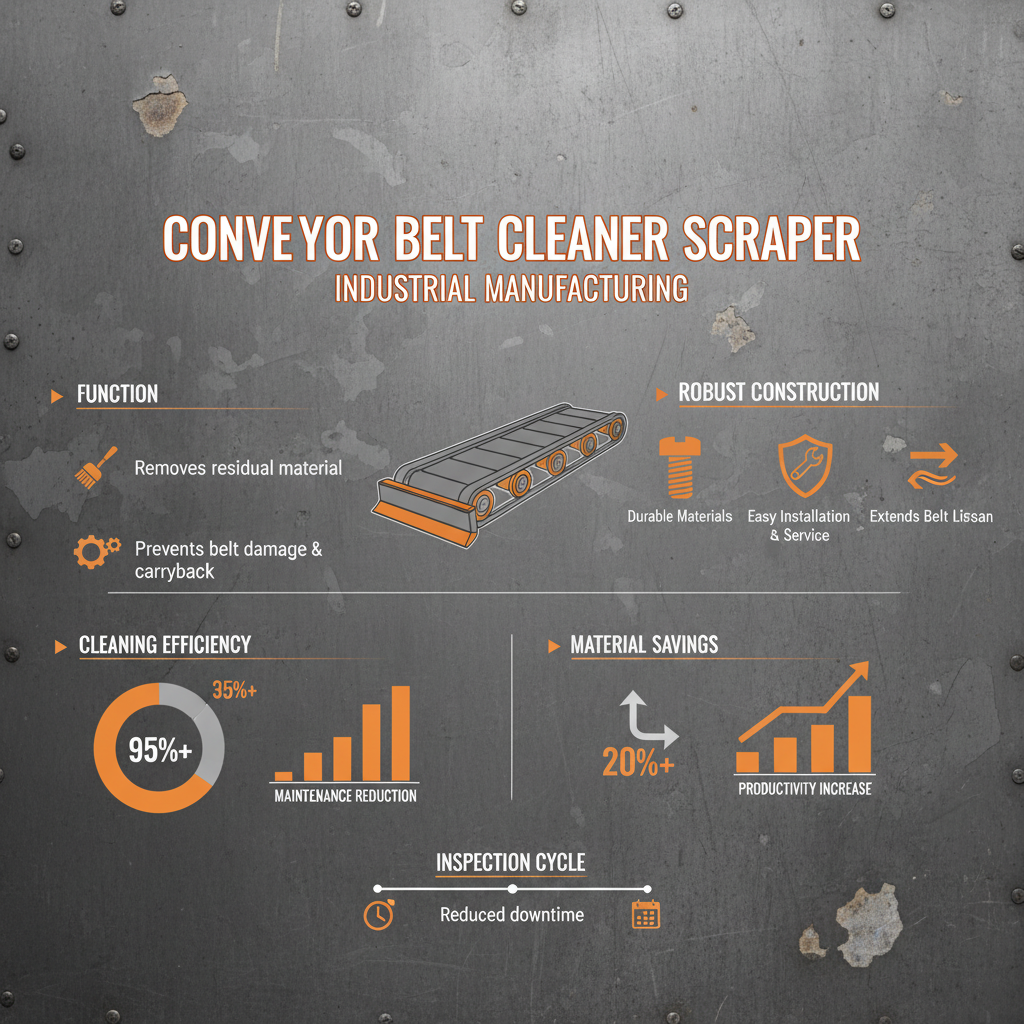
Key Benefits: Extended belt life, minimized material loss, reduced energy consumption, and improved operational efficiency.
Types of Conveyor Belt Cleaner Scrapers
Several types of conveyor belt cleaner scrapers are available, each suited for different materials and applications. Primary scrapers are installed at the head pulley and remove the bulk of the material. Secondary scrapers are located further down the conveyor line and remove any remaining residue. V-plow scrapers are effective for removing large volumes of sticky materials, while turbine scrapers utilize a rotating mechanism for thorough cleaning. Blade scrapers offer a cost-effective solution for lighter buildup. Understanding the specific requirements of your conveyor system is critical for selecting the appropriate scraper type.
Scraper Type Overview:
• Primary Scrapers: Remove bulk material at the head pulley.
• Secondary Scrapers: Remove remaining residue.
• V-Plow Scrapers: Effective for sticky materials.
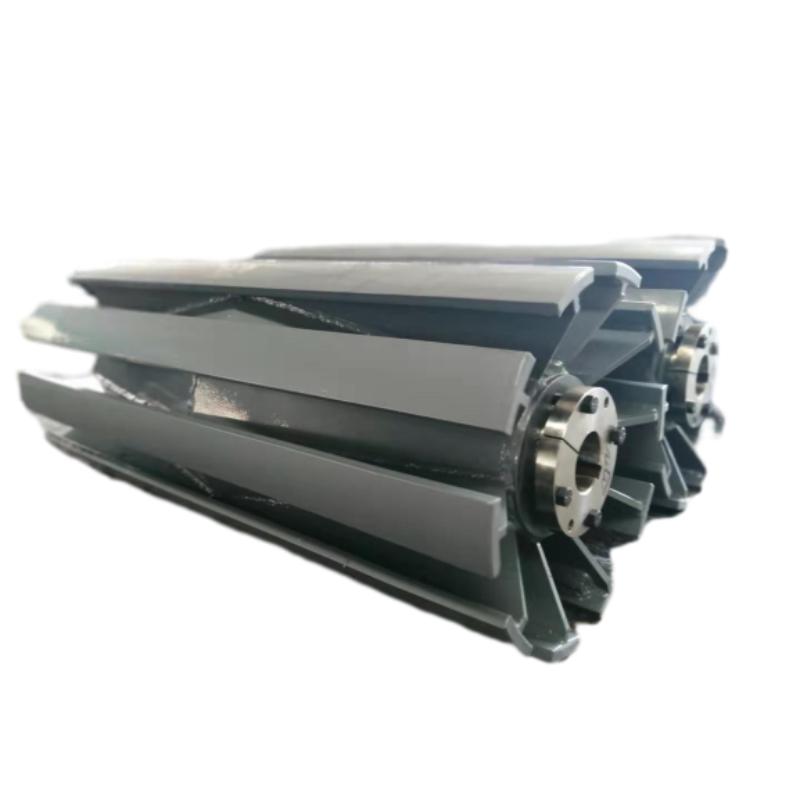
• Turbine Scrapers: Rotating mechanism for thorough cleaning.
• Blade Scrapers: Cost-effective for light buildup.
Comparing Scraper Materials: Durability and Performance
The material of the conveyor belt cleaner scraper blade significantly impacts its durability and effectiveness. Common materials include polyurethane, tungsten carbide, and stainless steel. Polyurethane is a versatile and cost-effective option for many applications, while tungsten carbide offers exceptional wear resistance for abrasive materials. Stainless steel is ideal for food-grade or sanitary environments. The choice of material depends on the type of material being conveyed, the abrasive nature of the material, and the operating temperature.
Selecting the Right Scraper: Key Considerations
Choosing the right conveyor belt cleaner scraper requires careful consideration of several factors. First, assess the type of material being conveyed and its abrasive properties. Second, determine the operating temperature and environmental conditions. Third, consider the belt speed and load. Finally, evaluate the available space and accessibility for installation and maintenance. Consulting with a conveyor system specialist can provide valuable insights and ensure optimal scraper selection.
Maintenance and Troubleshooting
Regular maintenance is essential for ensuring the long-term performance of your conveyor belt cleaner scraper. This includes inspecting the blade for wear and tear, adjusting the blade pressure, and cleaning the scraper housing. Common issues, such as blade slippage or uneven wear, can often be resolved with simple adjustments. More significant problems may require blade replacement or component repair. Proactive maintenance prevents costly downtime and extends the scraper's lifespan.
Conclusion: Maximizing Conveyor System Efficiency
Investing in a high-quality conveyor belt cleaner scraper and implementing a robust maintenance program is vital for optimizing conveyor system performance. By effectively removing buildup and preventing damage, you can extend belt life, reduce material waste, and improve overall operational efficiency. Idler Aohua provides a wide range of scraper solutions to meet your specific needs.
Frequently Asked Questions (FAQs)
How often should I replace my conveyor belt cleaner scraper blade?
The frequency of blade replacement depends on the material being conveyed and the operating conditions. Generally, inspect the blade regularly for wear, cuts, or deformation. As a guideline, replace the blade when it loses its edge or when its thickness is reduced beyond the manufacturer's specifications. Monitoring performance and observing any signs of reduced cleaning efficiency are also important indicators. Idler Aohua recommends a scheduled inspection every 3-6 months, adjusting based on usage.
What causes uneven wear on a conveyor belt scraper blade?
Uneven wear can be caused by several factors, including inconsistent material loading, belt misalignment, or improper blade pressure. Ensure the material is distributed evenly across the belt width and that the belt is properly aligned. Adjust the blade pressure to ensure consistent contact without excessive force. Inspect the scraper housing for damage or obstructions that could cause uneven wear. Regularly cleaning the scraper housing and the belt itself will also help.
Can I use a cleaner scraper on a reversible conveyor belt?
Yes, however, special consideration is required. Reversible belts require scrapers that can effectively clean in both directions of travel. Typically, this involves using two scrapers positioned to clean the belt regardless of its direction. Ensure the scraper design is compatible with the belt's reversing mechanism and does not interfere with its operation. Consult with a conveyor system specialist to determine the best scraper solution for your reversible conveyor.
-
Maximize Conveyor Life with a High Performance impact bedNewsApr.16,2026
-
Maximize Conveyor Efficiency Using a v plow belt scraperNewsApr.09,2026
-
Comprehensive Guide to Understanding Different Types of Belt CleanersNewsApr.07,2026
-
Enhancing Conveyor Efficiency with an Effective Scraper Belt CleanerNewsApr.04,2026
-
Optimizing Conveyor Systems with Advanced Cleaning Equipment SolutionsNewsMar.31,2026
-
Effective Conveyor Belt Scraper Adjustment for Optimal System PerformanceNewsMar.28,2026