

Effective Belt Cleaner Solutions for Enhanced Conveyor System Performance
Choosing the Right Belt Cleaner for Optimal Conveyor Performance
Maintaining a clean conveyor belt is critical for operational efficiency and product quality. A belt cleaner removes debris, buildup, and contaminants that can cause slippage, damage, and premature wear. This article explores the importance of belt cleaners, different types available, factors to consider when selecting one, and how Idler Aohua offers effective solutions for various industries. Investing in a quality belt cleaner minimizes downtime, extends belt life, and ensures a consistent, reliable process.
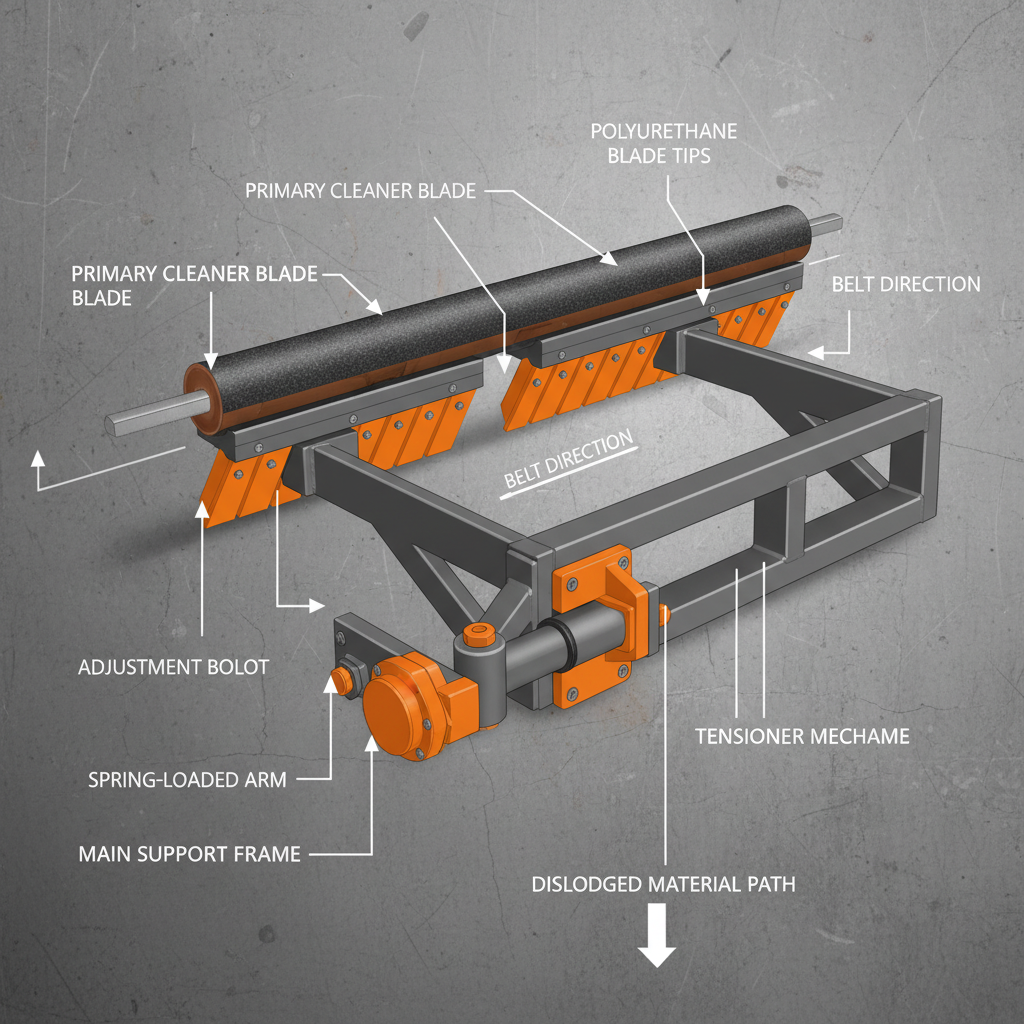
Why is a Belt Cleaner Important?
Contaminants on conveyor belts—like dust, rocks, sticky materials, and process by-products—pose several problems. These include reduced friction, leading to slippage and decreased carrying capacity. Buildup can also cause uneven wear on the belt, pulleys, and idlers, resulting in costly repairs and replacements. Furthermore, contamination can compromise product quality, particularly in food processing and pharmaceutical industries. A robust belt cleaning system mitigates these risks, ensuring smoother operations, extended component life, and consistent product integrity. Properly maintained belts also enhance workplace safety by reducing the risk of accidents caused by slipping or failing belts.
Key Benefits: Reduced slippage, minimized wear and tear, improved product quality, enhanced safety, and increased operational efficiency.
Types of Belt Cleaners
Several types of belt cleaners cater to different applications and belt types. Primary scrapers remove bulk material immediately after discharge, preventing it from adhering to the belt. Secondary scrapers clean any remaining residue, ensuring a thorough clean. V-plows are effective for removing large volumes of material, while brush cleaners excel at removing fine particles. Air knives use compressed air to blow off debris. The optimal choice depends on the nature of the material being conveyed, belt speed, and the specific cleaning requirements. Idler Aohua provides a comprehensive range of these cleaners to suit diverse needs.
Belt Cleaner Options:
• Primary Scrapers
• Secondary Scrapers
• V-Plows
• Brush Cleaners
• Air Knives
Selecting the Right Belt Cleaner: A Comparative Overview
Choosing the right belt cleaner involves considering several factors. The type of material being conveyed (abrasive, sticky, fine particles), belt speed, belt material (rubber, PVC, etc.), and the operating environment (temperature, humidity) all play a role. Here’s a comparison table to help illustrate the strengths of each cleaner type:
Idler Aohua: Your Trusted Belt Cleaner Partner
At Idler Aohua, we understand the diverse needs of industries relying on conveyor systems. We offer a wide selection of high-quality belt cleaners, engineered for durability and performance. Our expert team can help you assess your specific requirements and recommend the optimal solution. We pride ourselves on providing reliable products, competitive pricing, and exceptional customer support. Contact us today to discuss your belt cleaning needs and experience the Idler Aohua difference!
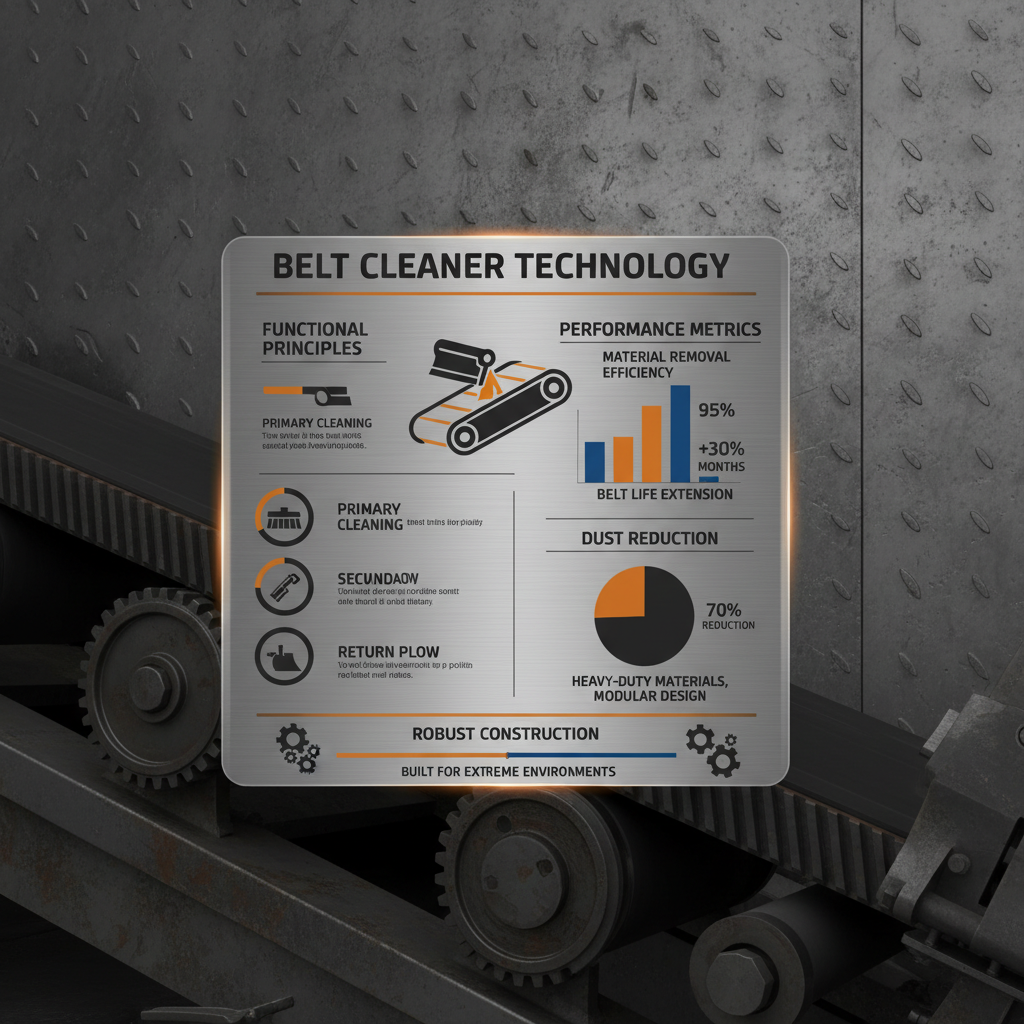
Frequently Asked Questions (FAQs)
How often should I replace my belt cleaner blades?
The frequency of blade replacement depends on the material being conveyed and the operating conditions. Regularly inspect the blades for wear, cracking, or corrosion. As a general guideline, replace blades when they lose their sharpness or when their cleaning effectiveness diminishes. Typically, blades may need replacing every 3-6 months with heavy use. Consistent monitoring and timely replacement are crucial for maintaining optimal cleaning performance. Ignoring worn blades can lead to reduced efficiency and potential belt damage.
What type of belt cleaner is best for sticky materials?
For sticky materials, a combination of a primary scraper and a secondary scraper is often the most effective solution. The primary scraper removes the bulk of the material, while the secondary scraper, typically featuring a more aggressive blade material or a brush-style cleaner, tackles the remaining sticky residue. Air knives can also be used in conjunction with scrapers to further remove stubborn buildup. Choosing the right blade material and adjusting the pressure are essential for optimal performance. Idler Aohua can advise on the best configuration for your specific sticky material.
Can belt cleaners be used on all types of conveyor belts?
While most belt cleaners are adaptable, it’s essential to ensure compatibility with the belt material. Aggressive cleaners may damage softer belts like PVC. Carefully consider the belt material and the type of material being conveyed when selecting a cleaner. Adjustable cleaners that allow for pressure control are often a good choice, as they can be fine-tuned to minimize the risk of damage. Consulting with a belt cleaner specialist, like those at Idler Aohua, is recommended to ensure proper selection and avoid potential issues.
-
Maximize Conveyor Life with a High Performance impact bedNewsApr.16,2026
-
Maximize Conveyor Efficiency Using a v plow belt scraperNewsApr.09,2026
-
Comprehensive Guide to Understanding Different Types of Belt CleanersNewsApr.07,2026
-
Enhancing Conveyor Efficiency with an Effective Scraper Belt CleanerNewsApr.04,2026
-
Optimizing Conveyor Systems with Advanced Cleaning Equipment SolutionsNewsMar.31,2026
-
Effective Conveyor Belt Scraper Adjustment for Optimal System PerformanceNewsMar.28,2026