

Maximize Conveyor Life with a High Performance impact bed
Maximizing Conveyor Life with a High-Performance Impact Bed
In the world of bulk material handling, the point where material drops onto a conveyor belt is often the most vulnerable area. Without proper protection, the sheer force of falling materials can lead to belt punctures, structural damage, and costly downtime. This is where the impact bed becomes an indispensable asset. By absorbing the energy of the impact and distributing it evenly, these systems prevent belt sagging and prolong the lifespan of the entire conveying system. In this guide, we will explore how integrating a professional impact solution can optimize your operational efficiency and reduce maintenance overhead.
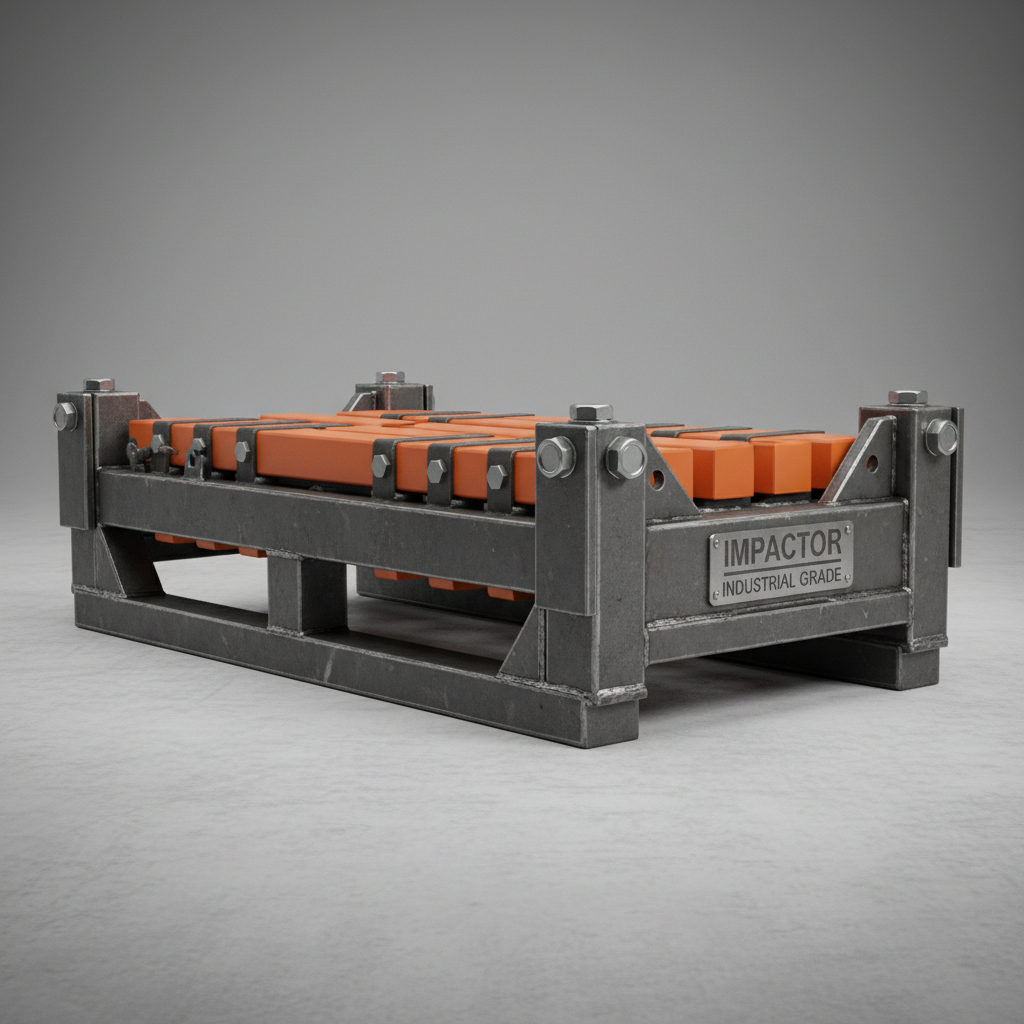
The Critical Role of an Impact Bed in Material Handling
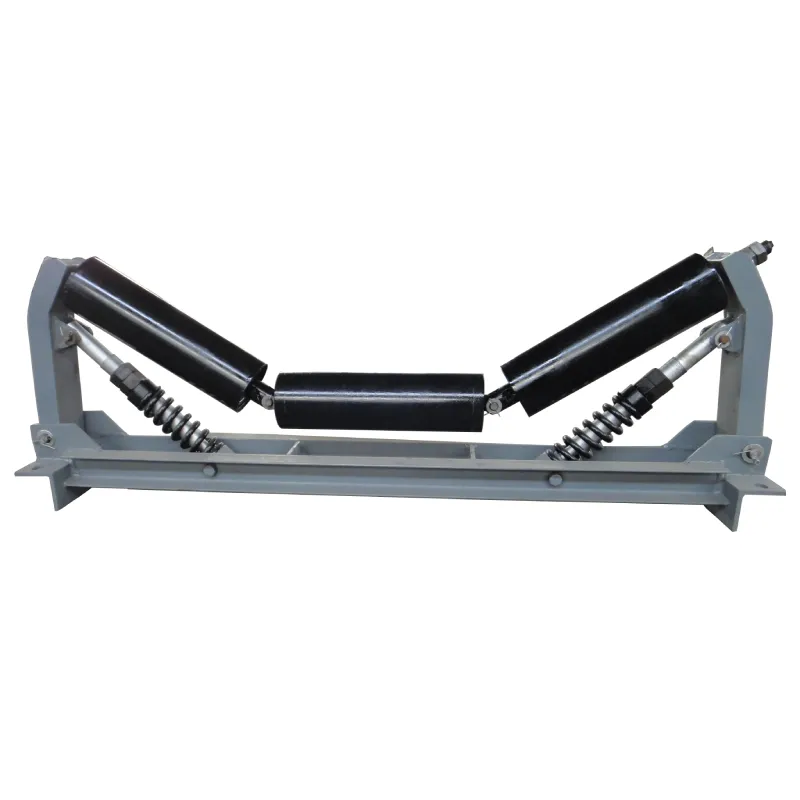
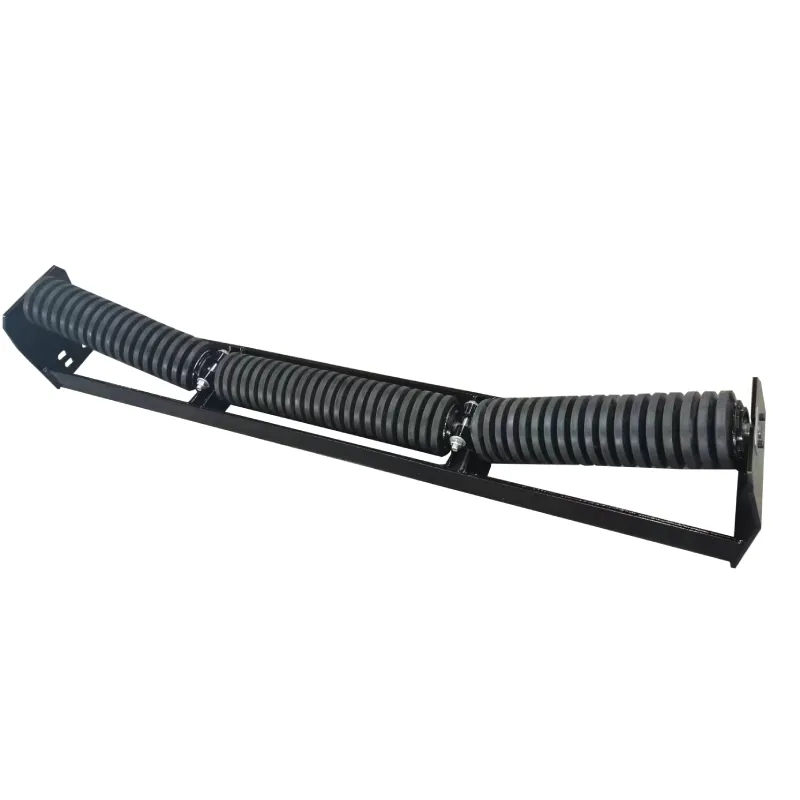
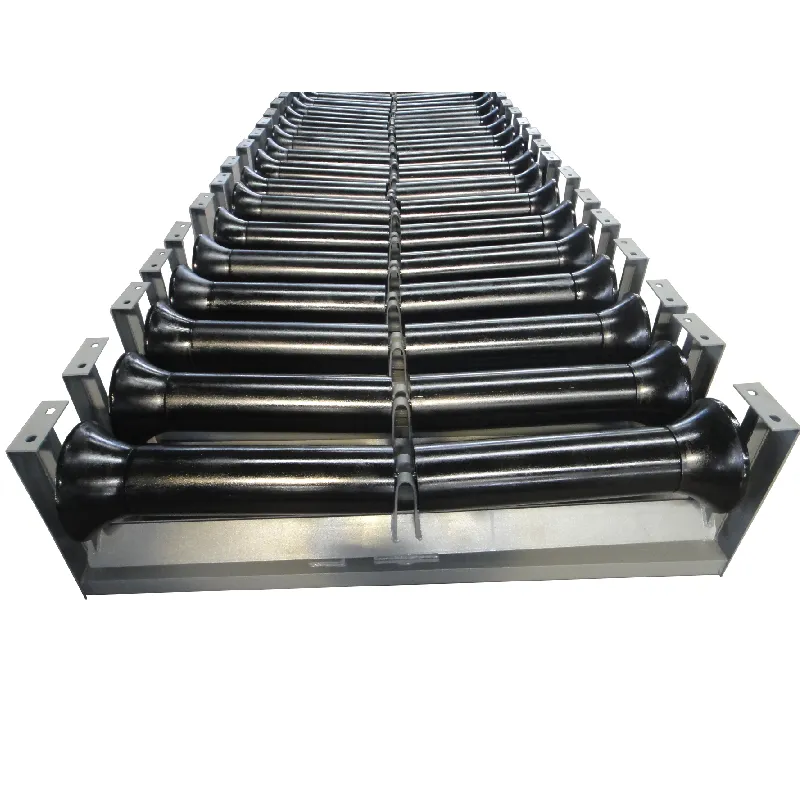
An impact bed is specifically engineered to replace standard idlers at loading zones. Unlike traditional rollers, which can cave in or cause the belt to "dip" under heavy loads, an impact bed provides a continuous, supportive surface. This eliminates the gaps between rollers where material can build up and create friction. By providing a solid foundation, the bed ensures that the belt remains flat and taut, which significantly reduces the risk of longitudinal rips and premature wear. For industries handling abrasive materials like ores or heavy aggregates, this protection is not just an upgrade—it is a necessity for continuous production.
Pro Tip: Installing an impact bed reduces the "bounce" effect of materials, leading to fewer spills and less material wastage at the transfer point.
Key Design Features of the Modern Impact Bed
Modern designs focus on a combination of strength and elasticity. Most high-quality systems utilize impact bars made from high-density polymers or specialized rubber that can compress under load and rebound quickly. These bars are typically arranged in a way that allows fine particles to fall through, preventing the "cushion" of debris that often causes belt slippage. Furthermore, the structural frame is usually galvanized or coated to withstand corrosive environments. By choosing a high-grade impact bed, operators can ensure that the system remains stable even under the most extreme tonnage.
Technical Advantages:
• Energy Absorption: High-impact bars mitigate the shock of heavy falling loads.
• Belt Support: Continuous support prevents the "troughing" effect at loading points.
• Low Maintenance: Fewer moving parts compared to traditional impact idlers.
• Customizability: Available in various widths and bar spacings for specific materials.
Impact Bed vs. Impact Idlers: A Comparative Analysis
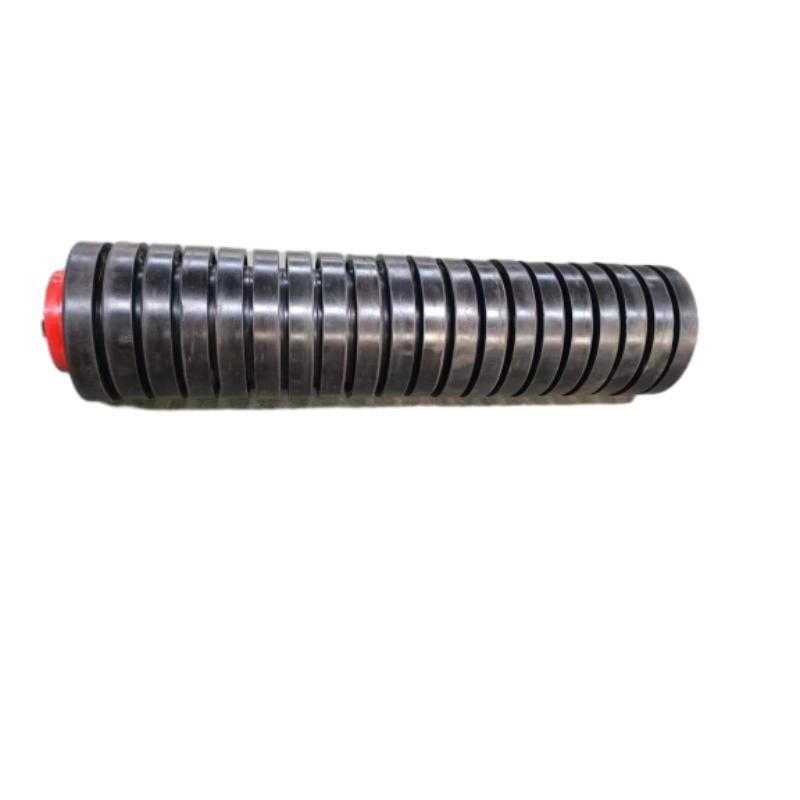
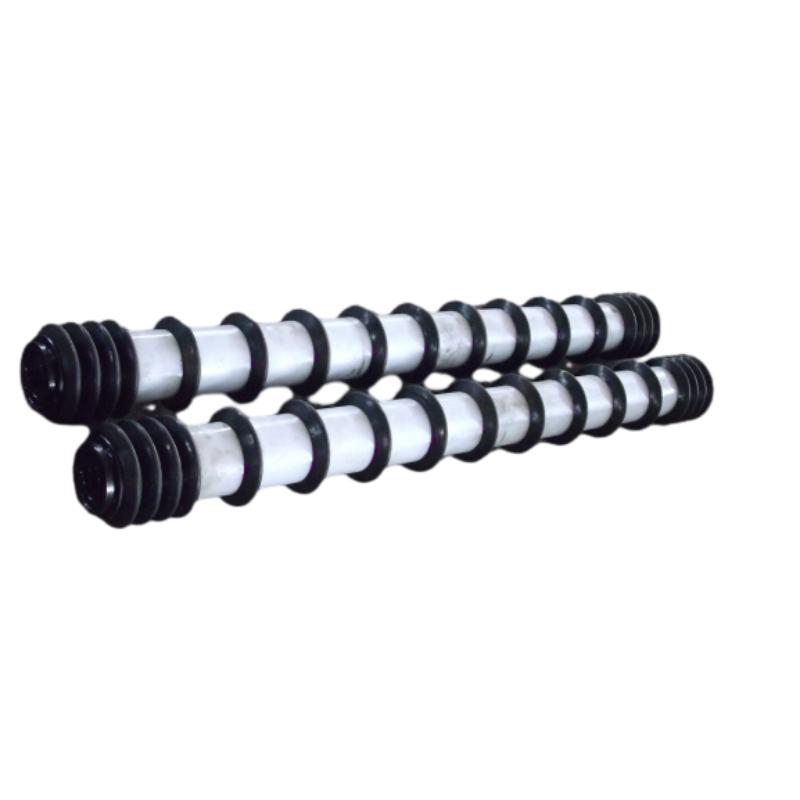
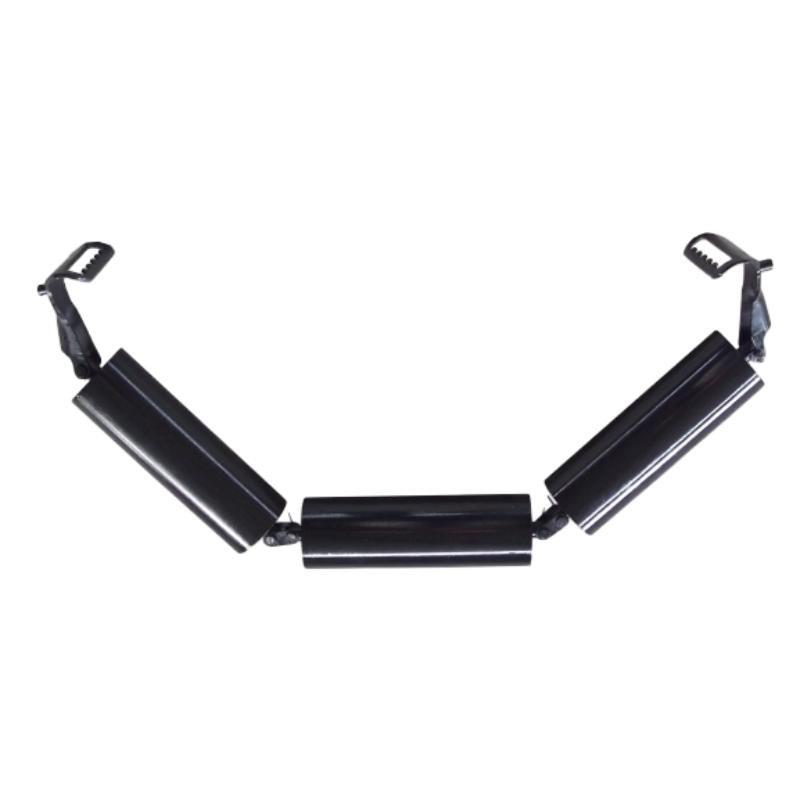
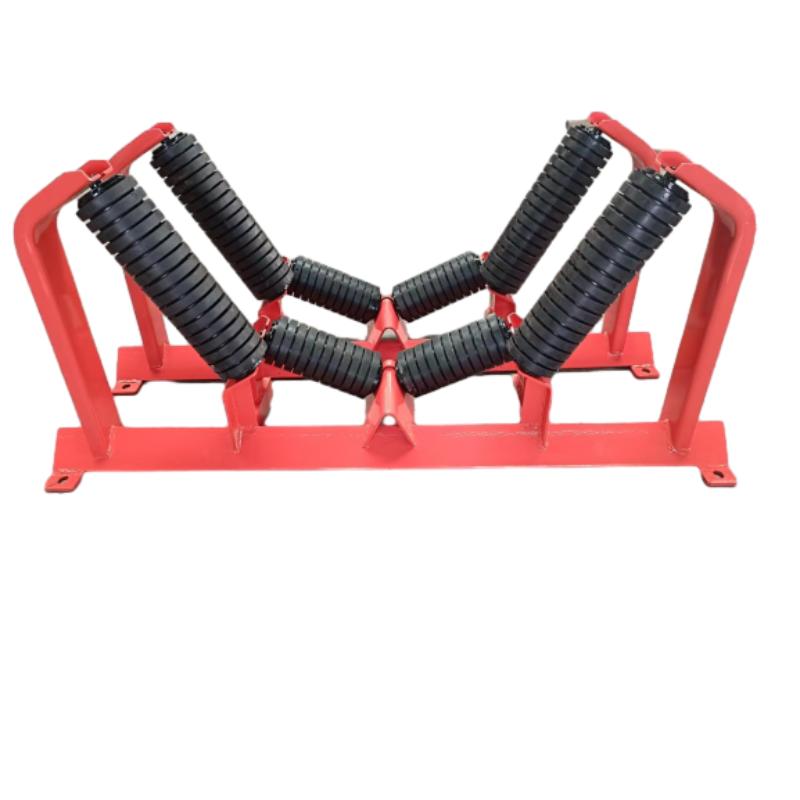
Many facilities struggle to decide between traditional impact idlers (rubber-ringed rollers) and a full impact bed. While idlers are easier to install initially, they create "voids" between the rollers. When heavy material hits these voids, the belt stretches and stresses the carcass. An impact bed, however, distributes the load across the entire width and length of the loading zone. This comparative shift in support leads to a drastic reduction in belt failure rates and a more streamlined flow of material.
Industry Applications for the Impact Bed
The adaptability of the impact bed allows it to be deployed across various heavy-duty sectors. In mining operations, it handles the massive impact of crushed rock and ore. In power plants, it supports the transport of coal without damaging the belt. Even in recycling facilities, where materials vary wildly in size and weight, these beds provide the necessary stability to prevent system failures. The ability to customize the bar material—choosing between softer rubber for lighter materials or hard polymers for abrasive ones—makes it a versatile solution for any bulk handling challenge.
Technical Specifications of a Premium Impact Bed
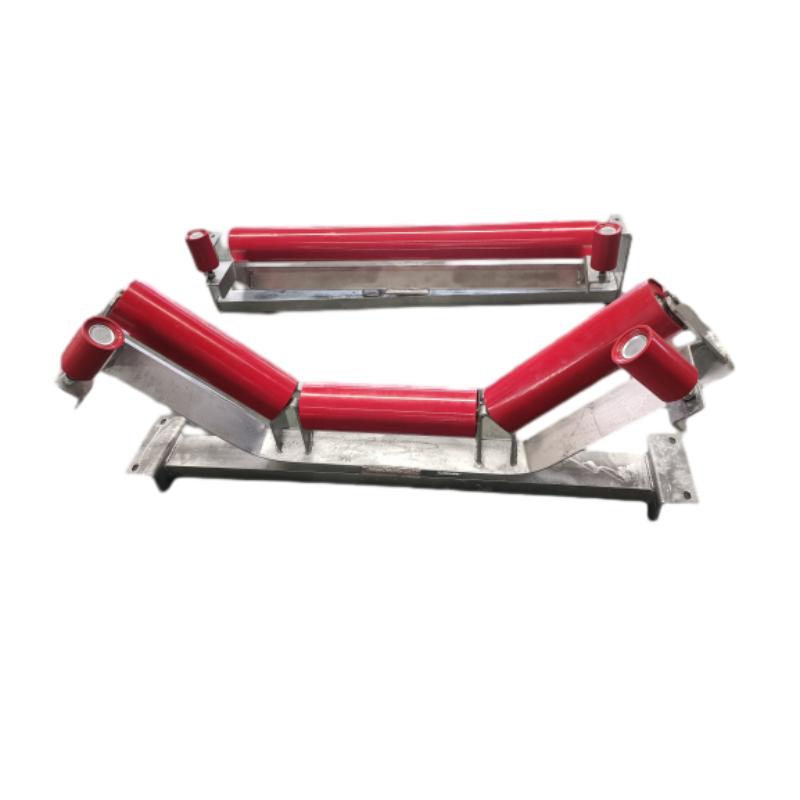
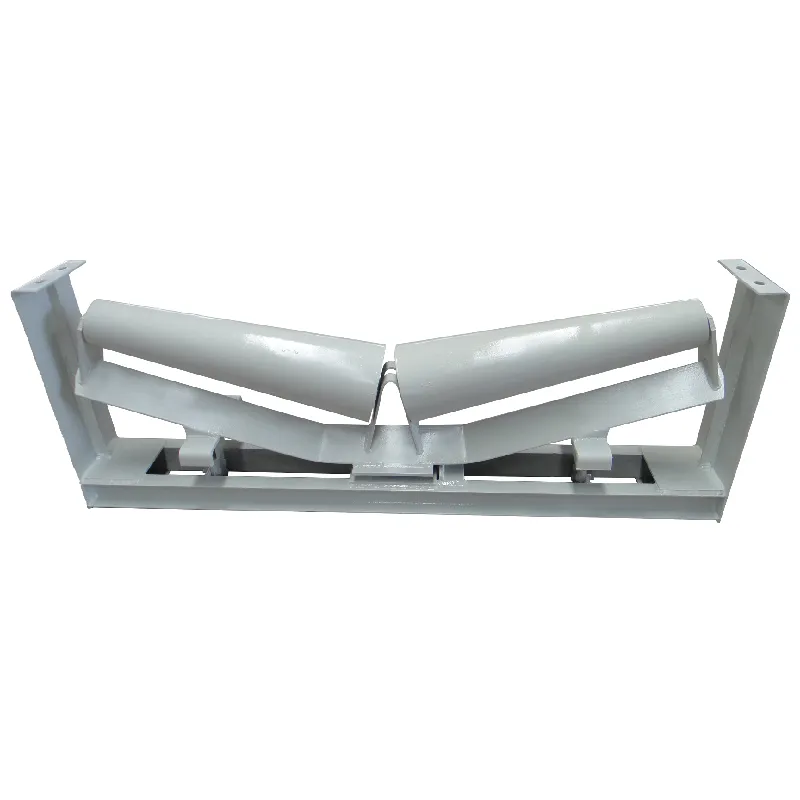
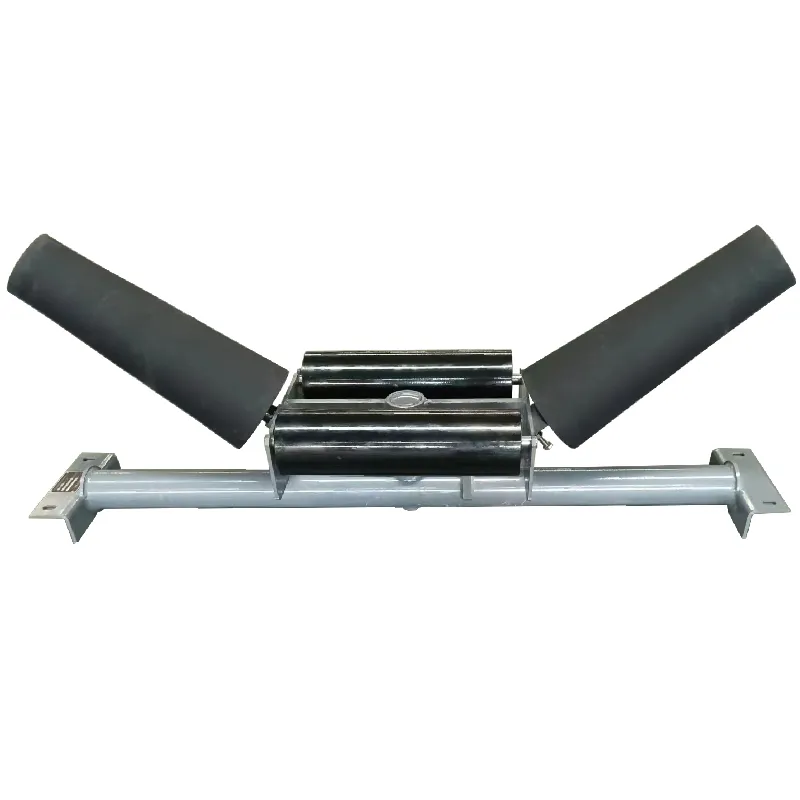
When selecting an impact bed, technical precision is key to ensuring a perfect fit with your existing conveyor. The bed must align with the troughing angle of your belt to maintain the correct profile. High-performance beds typically feature modular designs, allowing for the quick replacement of individual impact bars without dismantling the entire frame. Below are the standard specifications typically found in industrial-grade systems:
Installation and Maintenance Best Practices
To get the most out of your impact bed, precise installation is mandatory. The bed should be perfectly centered under the chute to ensure the material impact is evenly distributed. Misalignment can lead to one-sided wear on the impact bars and potentially cause the belt to mistrack. For maintenance, we recommend a monthly visual inspection to check for worn-down bars or accumulated debris. Because of the modular design of top-tier beds, replacing a worn bar is a fast process that doesn't require significant downtime, keeping your operations running smoothly.
Conclusion: Securing Your Conveyor's Future
Implementing a professional impact bed is one of the most cost-effective ways to protect your conveyor belt and reduce operational risks. By eliminating the gaps found in traditional idlers and providing superior energy absorption, these systems significantly lower the cost of ownership and increase system reliability. Whether you are in mining, power generation, or general manufacturing, investing in high-quality impact protection is a strategic move toward sustainable and efficient material handling. Protect your assets and optimize your throughput today.
Frequently Asked Questions (FAQs)
How does an impact bed differ from a standard idler?
A standard idler consists of individual rollers that support the belt at specific points. In a loading zone, these rollers can be crushed by heavy materials, and the belt often sags between them, leading to punctures. An impact bed provides a continuous, flat, and elastic surface using impact bars. This means there are no gaps for the belt to sag into, and the impact energy is distributed across a larger area, which significantly reduces the stress on the conveyor belt carcass and extends its overall lifespan.
Which material is best for impact bars?
The choice depends on the material being conveyed. Polyurethane (PU) is excellent for general use due to its balance of durability and elasticity. For highly abrasive materials like mining ores, HDPE or specially reinforced rubber may be more suitable as they offer higher wear resistance. The goal is to select a material that can absorb the energy of the falling load without wearing down too quickly. Consulting with a specialist at idleraohua.com can help you determine the best bar material for your specific application.
Can an impact bed be retrofitted to an existing conveyor?
Yes, most impact beds are designed to be retrofitted. The process typically involves removing the existing impact idlers at the loading point and installing the impact bed frame in their place. Because they are built to standard industry widths and troughing angles, they integrate seamlessly into most systems. We recommend ensuring that the loading chute is properly aligned with the new bed during installation to maximize the effectiveness of the impact absorption and prevent uneven wear on the bars.
How often should the impact bars be replaced?
There is no one-size-fits-all answer, as replacement frequency depends on the volume and abrasiveness of the material. However, it is best practice to perform monthly inspections. Replace bars when they show significant flattening, deep gouges, or when the belt begins to show signs of sagging in the loading zone. Thanks to the modular design of the impact bed, individual bars can be swapped out quickly, ensuring your system never suffers from unplanned, prolonged downtime.
-
Maximize Conveyor Life with a High Performance impact bedNewsApr.16,2026
-
Maximize Conveyor Efficiency Using a v plow belt scraperNewsApr.09,2026
-
Comprehensive Guide to Understanding Different Types of Belt CleanersNewsApr.07,2026
-
Enhancing Conveyor Efficiency with an Effective Scraper Belt CleanerNewsApr.04,2026
-
Optimizing Conveyor Systems with Advanced Cleaning Equipment SolutionsNewsMar.31,2026
-
Effective Conveyor Belt Scraper Adjustment for Optimal System PerformanceNewsMar.28,2026