

What Is a Rubber Lagging Roller? Industrial Uses, Benefits & Future Trends
Why Rubber Lagging Rollers Matter in Today's Industrial World
Often overlooked yet absolutely essential, the rubber lagging roller plays a quiet but crucial role in multiple industries worldwide. Whether you’re dealing with mining conveyors in Australia, heavy-duty industrial plants in Germany, or large-scale shipping docks in the US, these components keep processes smooth, efficient, and safe.
Understanding rubber lagging rollers is more than just a niche technical concern — it’s about optimizing industrial productivity, reducing unscheduled downtime, and even ensuring worker safety on a global scale. With the industrial sector expected to grow by roughly 4% annually according to the ISO, performance components like these are in the spotlight. Plus, the growing focus on sustainability and cost efficiency means the quality of such rollers is under ever closer scrutiny.
In short: if you want to get a better grip on how industries keep their belts moving—quite literally—you need to know about rubber lagging rollers.
The Global Context Behind Rubber Lagging Rollers
The conveyor belt system is the backbone of many industries – mining, manufacturing, agriculture, logistics, and more. Consider that according to the World Bank, global industrial output is expanding steadily, driving up the demand for robust conveyor systems. These systems rely heavily on rubber lagging rollers to improve friction between the roller and belt, preventing slippage and wear.
Now, here’s the kicker: Without optimal lagging, these rollers can fail prematurely, leading to costly breakdowns. For industries operating on razor-thin margins, that’s a real headache. In regions like Southeast Asia, where heavy rainfall and humidity accelerate wear, product performance can be the difference between a smooth operation and a standstill.
So yes, lagging rollers aren’t just components—they are problem solvers tackling global industrial challenges head on.
Rubber Lagging Roller: What Exactly Is It?
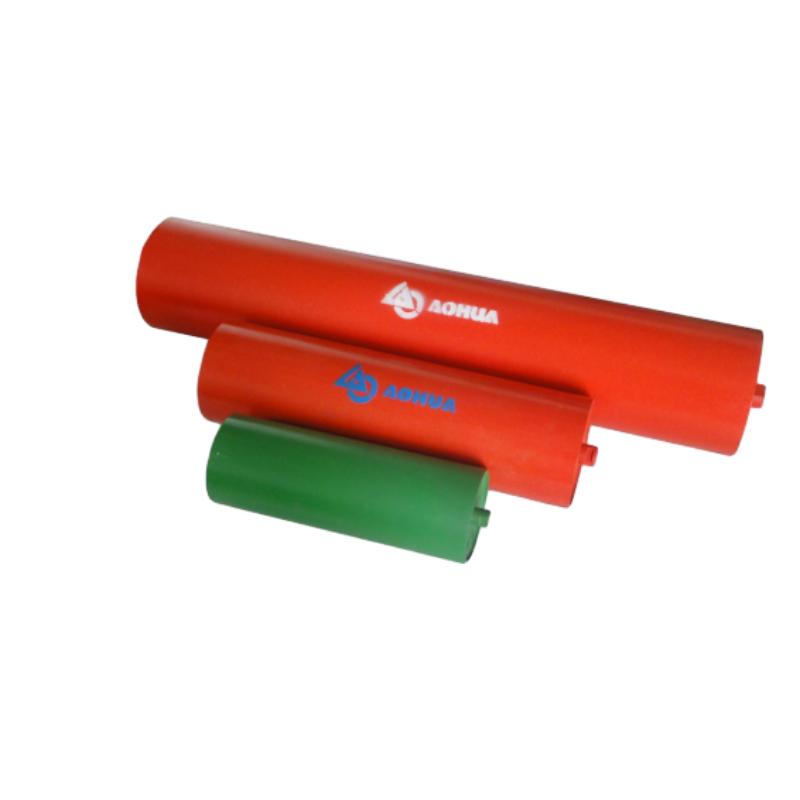
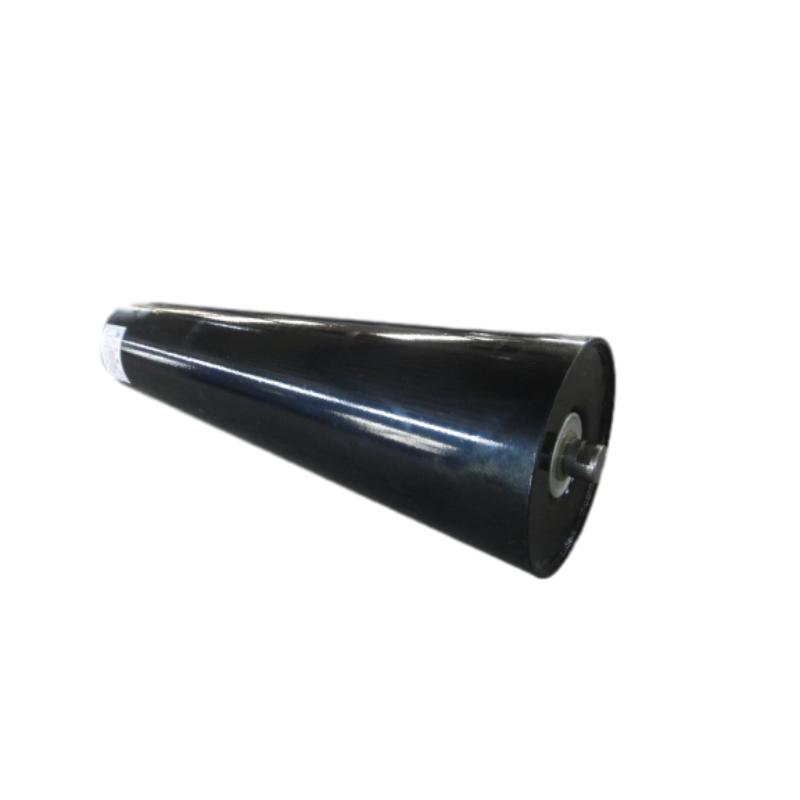
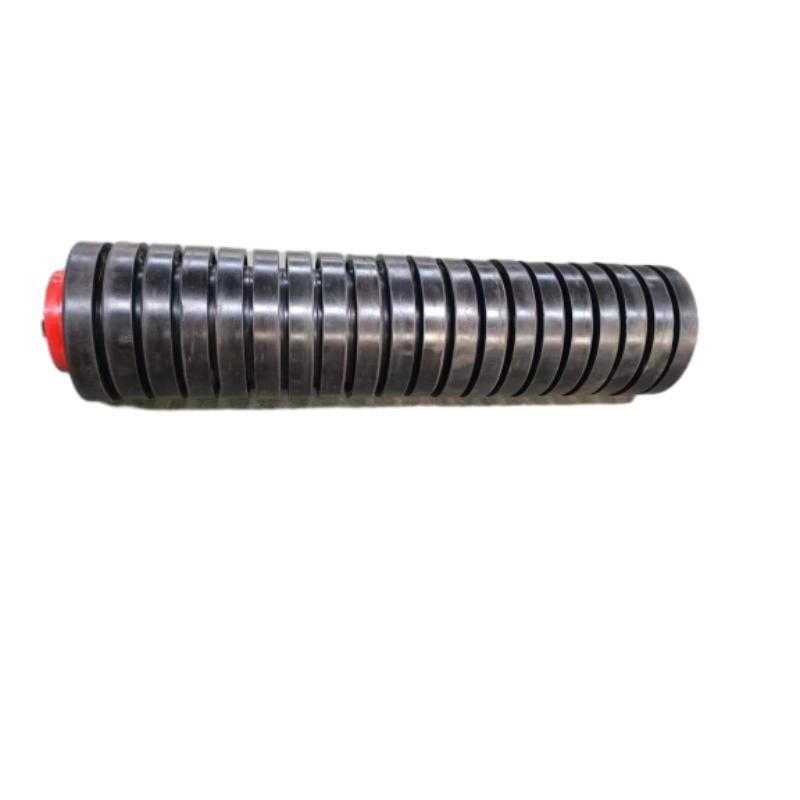
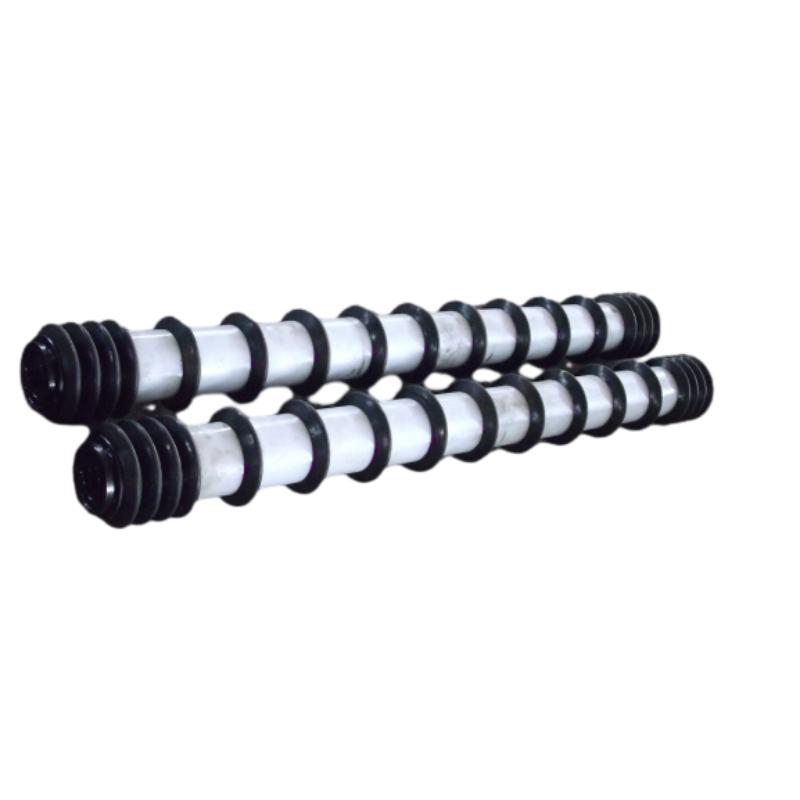
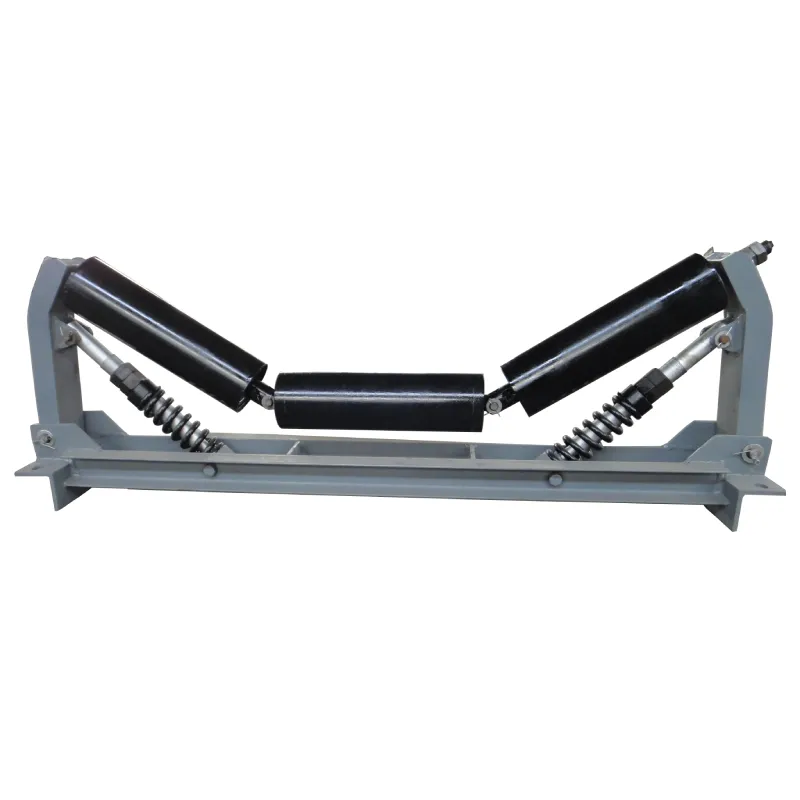
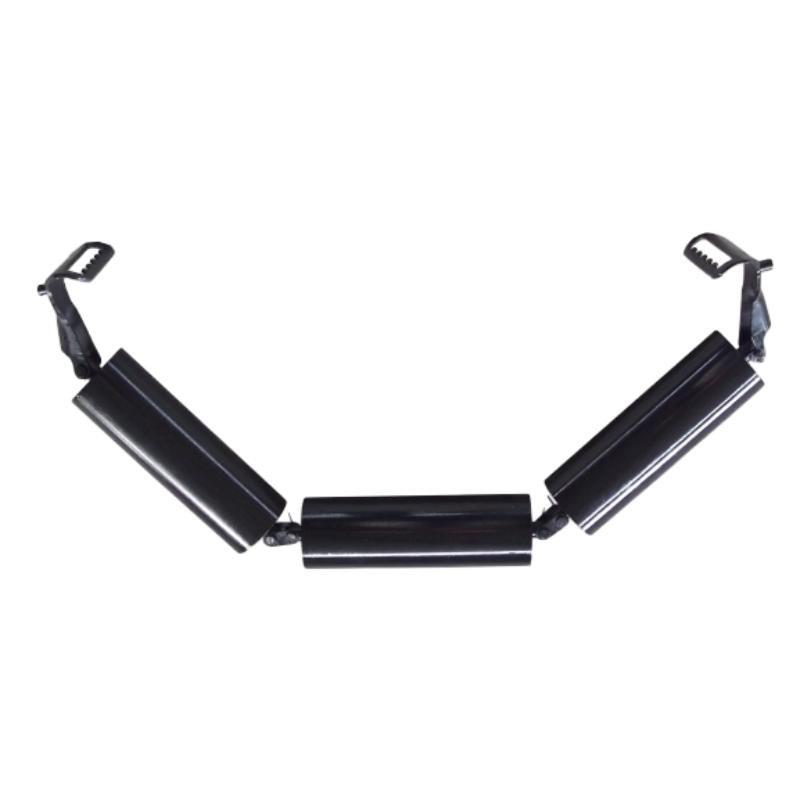
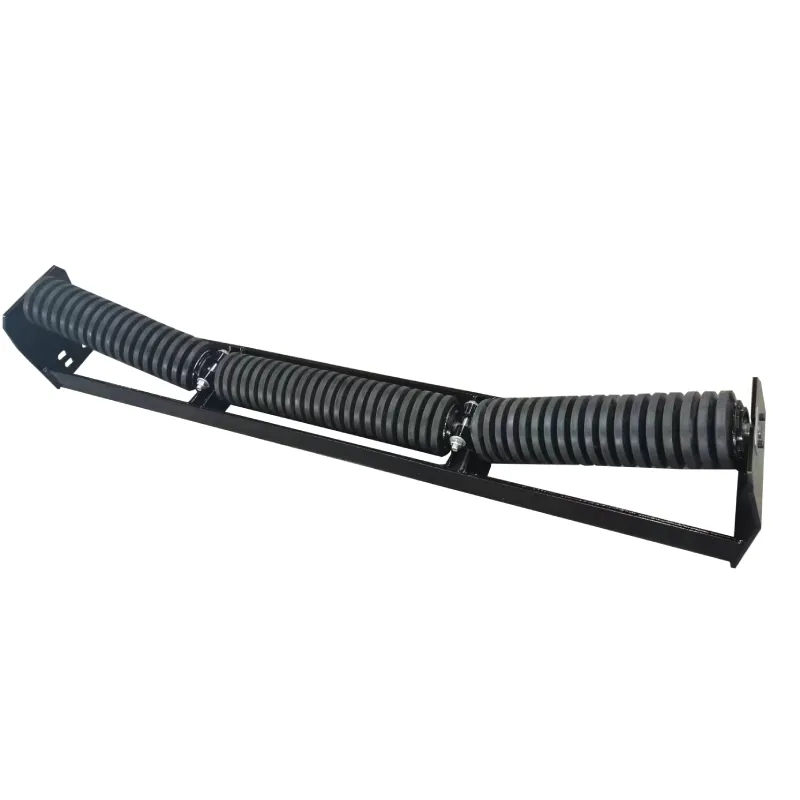
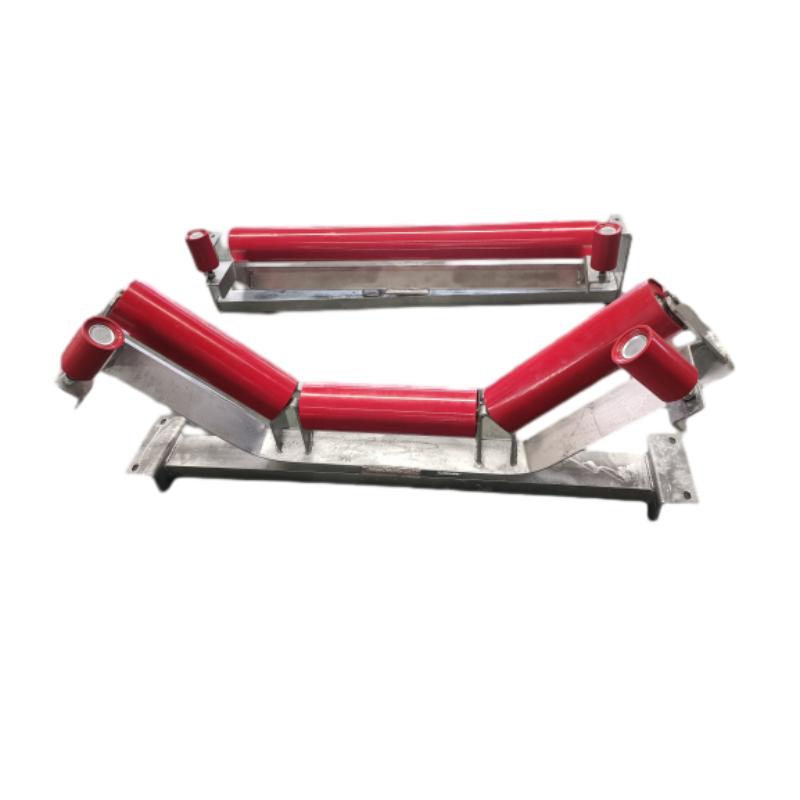
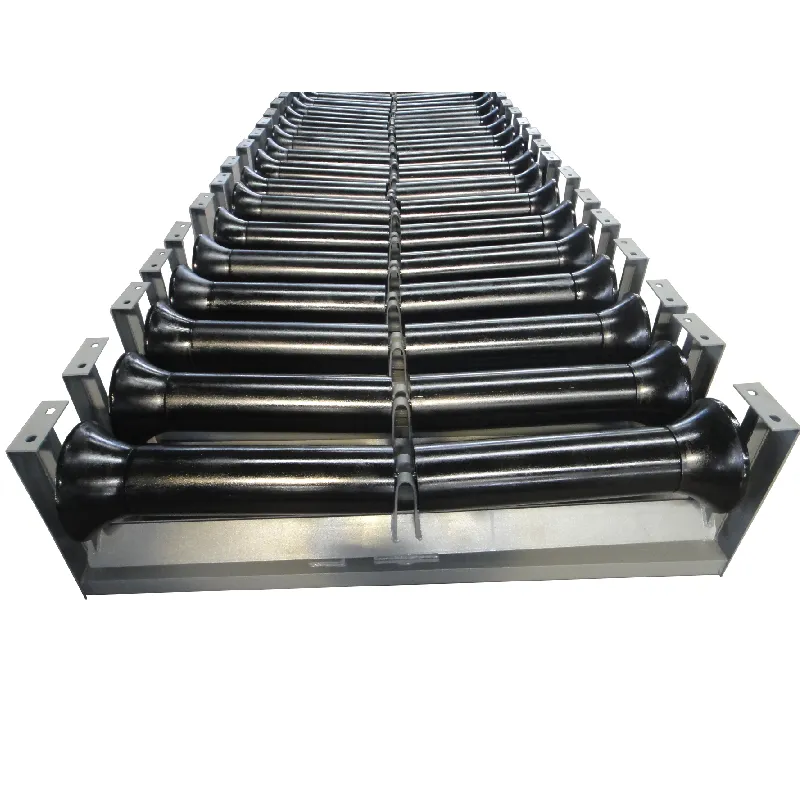
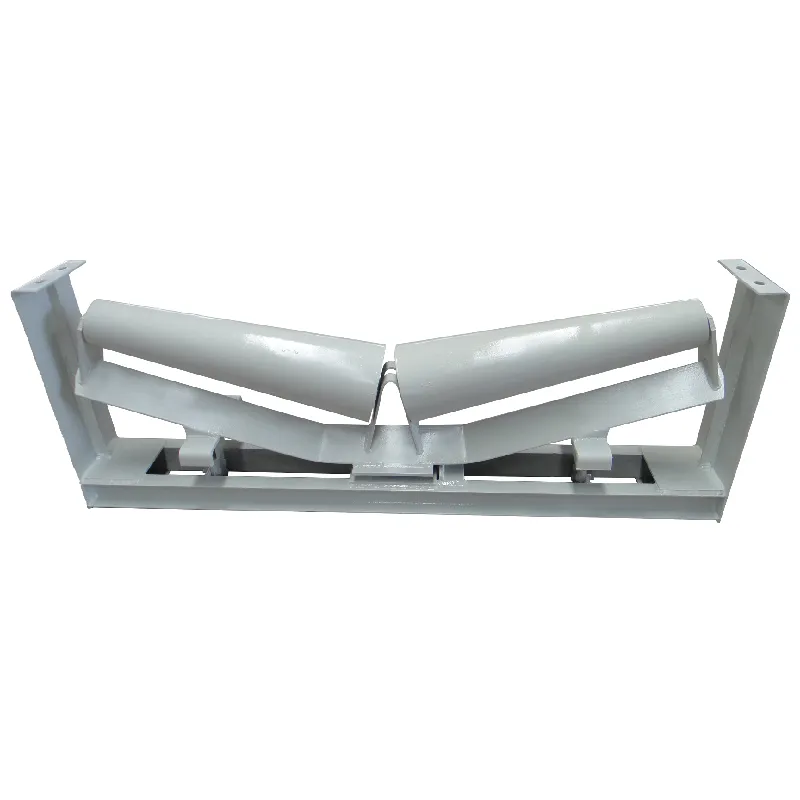
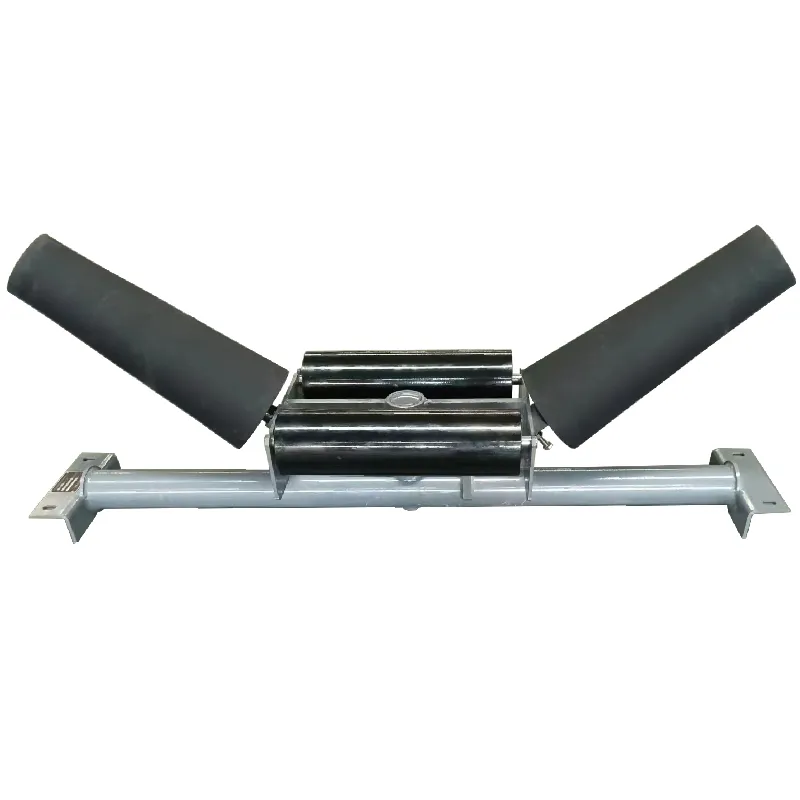
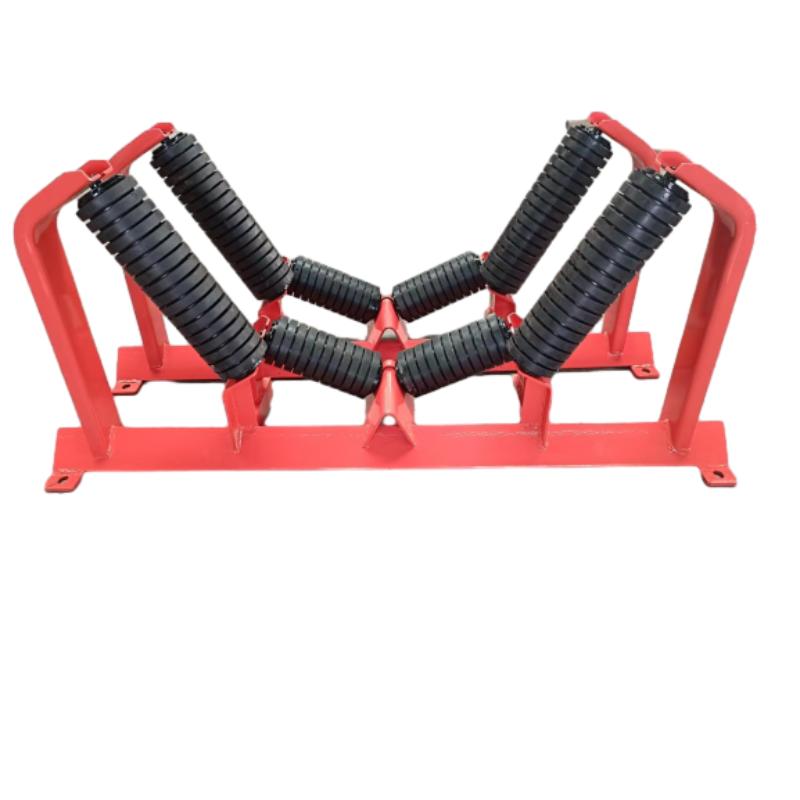
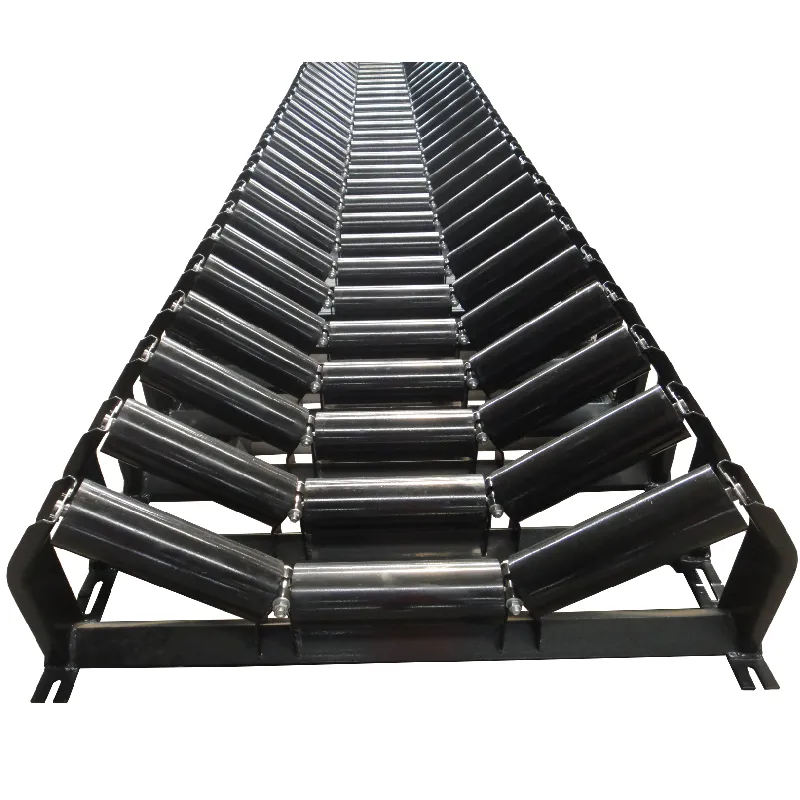
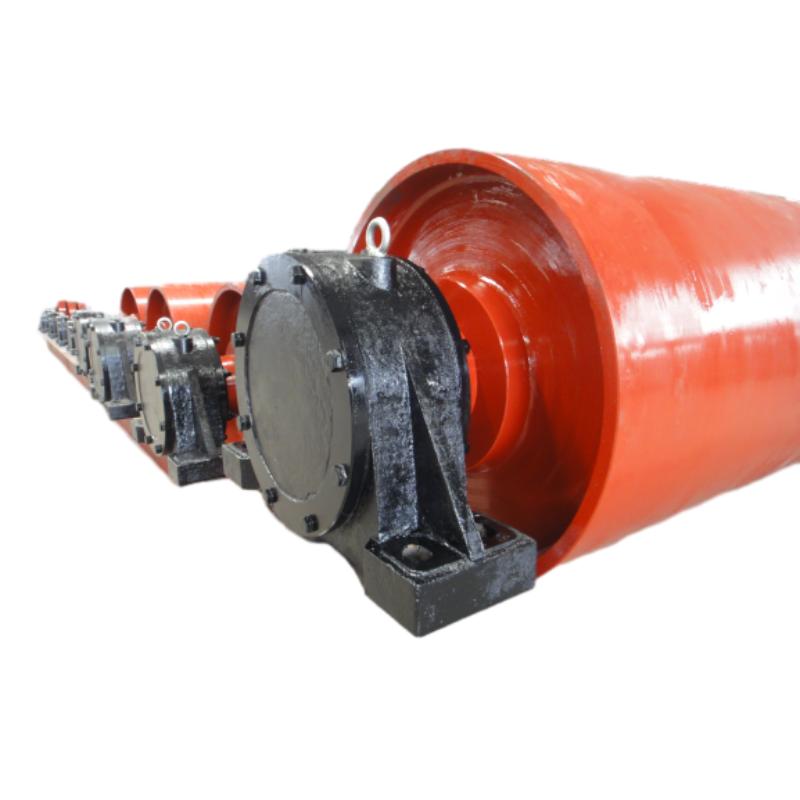
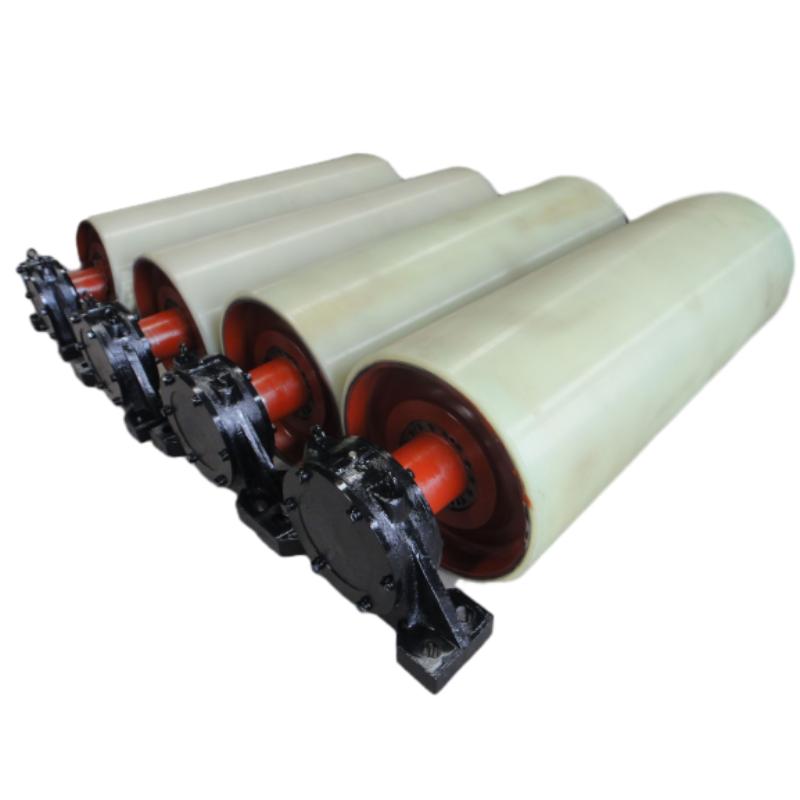
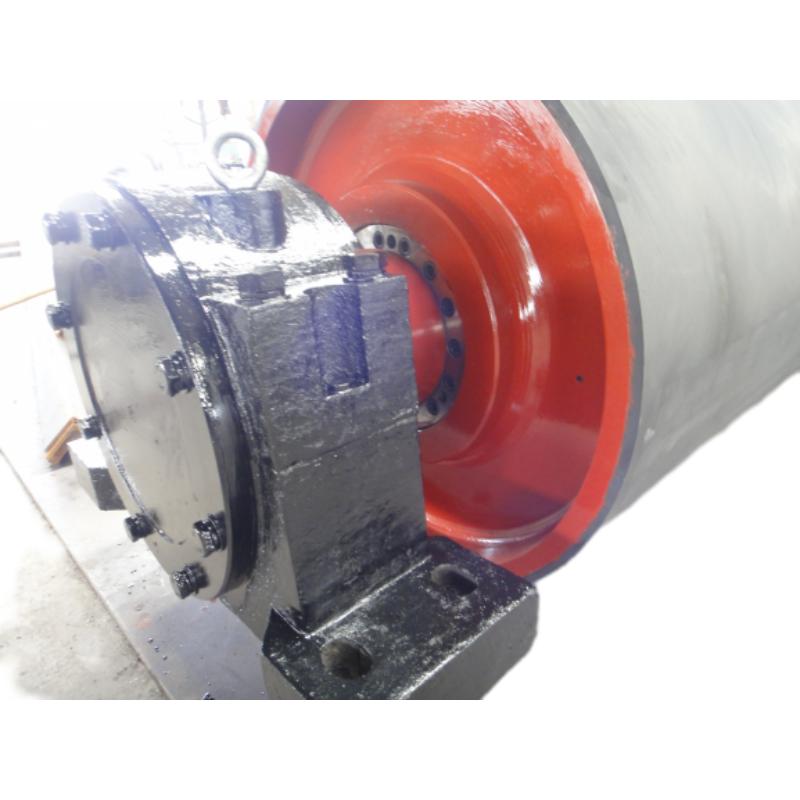
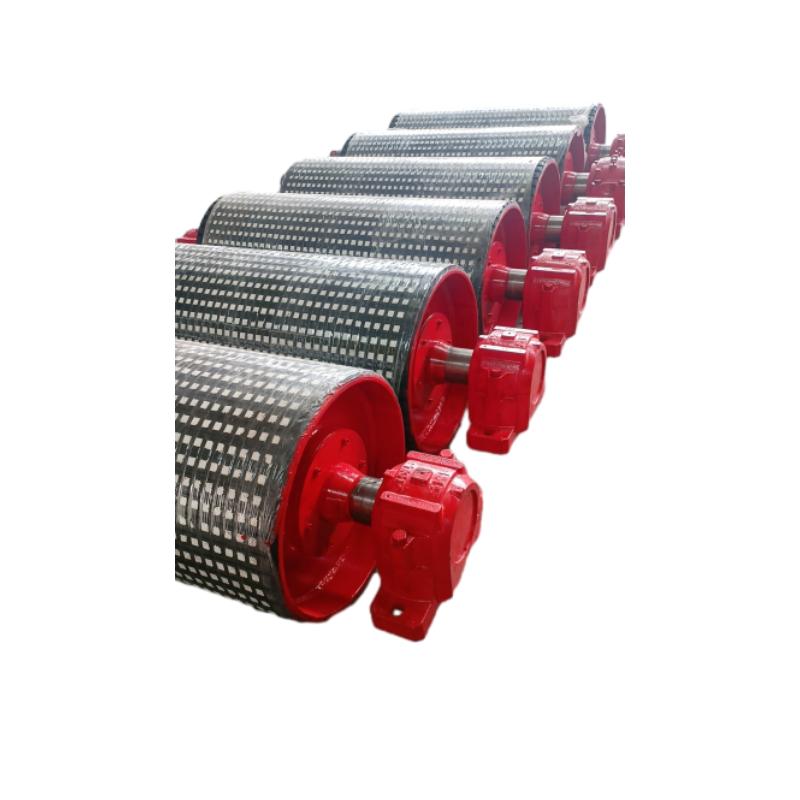
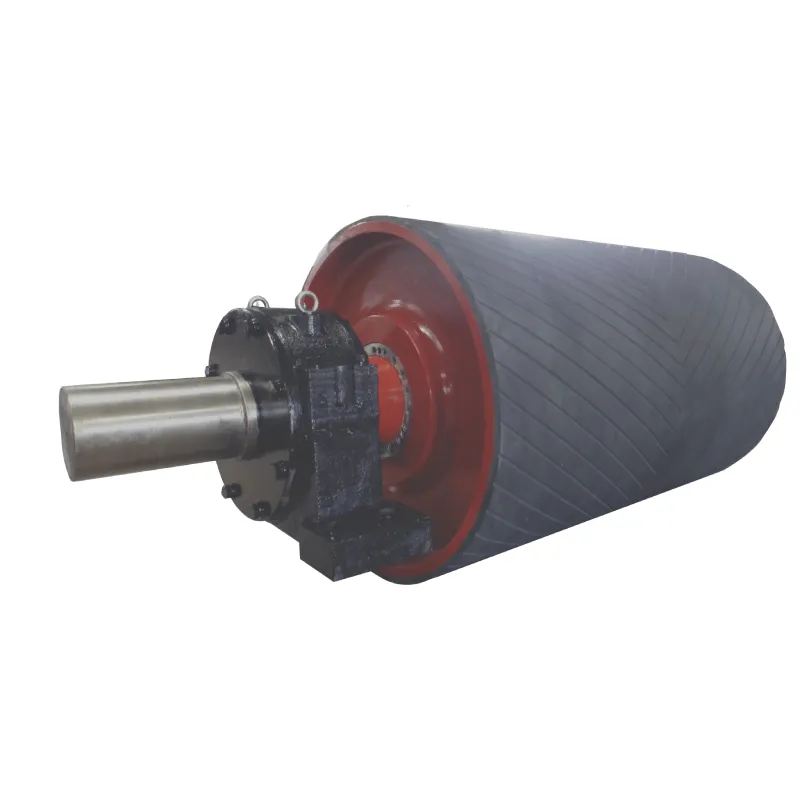
Simply put, a rubber lagging roller is a conveyor roller wrapped in a layer of rubber (or a rubber composite) designed to enhance grip and protect the roller surface. This lagging improves belt traction, reduces belt slippage, and extends the life span of the roller and belt.
It’s essentially the interface between the conveyor belt and its support system. Without it, the rollers might as well be skating on ice — belt slippage leads to energy waste, downtime, and frequent maintenance.
In modern industries, where efficiency and sustainability matter, the lagging roller helps reduce wear and tear, promoting a smoother, faster, and safer flow of materials.
Core Factors in Rubber Lagging Roller Design and Performance
1. Durability and Wear Resistance
Rubber lagging must be tough enough to withstand abrasive materials and environmental factors. Depending on the operation—mining ores or handling aggregates—the thickness, hardness, and compound of the rubber differs. Many engineers I’ve talked to swear by premium grade rubber that balances durability with just enough flexibility.
2. Traction and Slip Prevention
The whole point of lagging is to increase the friction coefficient between the roller and belt. Different surface patterns (smooth, diamond, or chevron) are chosen based on the material handled and the angle of the conveyor.
3. Cost Efficiency and Maintenance
Though premium lagging rollers might cost more upfront, in real terms they lower overall maintenance expenses by avoiding premature belt replacements and downtime. This balance between initial cost and lifecycle value is a key driver for procurement managers worldwide.
4. Environmental and Operational Conditions
These rollers might need to operate in extremely hot or cold temperatures, high humidity, or corrosive environments. Rubber compounds get tailored accordingly. For example, EPDM rubber fares better in UV-exposed outdoor environments.
5. Customization and Compatibility
Many manufacturers offer bespoke solutions to fit non-standard roller sizes or specific conveyor setups — a nice touch if you’re working with legacy systems or have unique loading requirements.
Mini takeaway: rubber lagging rollers succeed or fail based on their material science and design nuance—making them a surprisingly technical field.
Real-World Uses and Who Benefits
The demand is global and widespread. Key sectors include:
- Mining: In Australia and South Africa, rubber lagging rollers help manage heavy loads and rough environments, preventing conveyor disruptions that could cost millions.
- Manufacturing: Asia's booming factory floors rely on steady material flow; lagging rollers minimize slip and damage to finished goods.
- Logistics and Ports: In ports across Northern Europe and the U.S., conveyor belt systems with rubber lagging rollers assist in handling container loads and bulk materials efficiently.
- Disaster Relief and Aid Agencies: Think about rapid deployment operations requiring mobile conveyor setups to sort supplies quickly — here, durable lagging rollers can make or break the mission speed.
Oddly enough, beyond the usual suspects, some agricultural industries in remote areas also turn to rubber lagging rollers for crop handling systems, proving the product’s versatility.
Rubber Lagging Roller Specifications
| Specification | Typical Range | Notes |
|---|---|---|
| Rubber Thickness | 3mm - 20mm | Depends on load & material |
| Rubber Hardness (Shore A) | 60-85 | Higher for abrasive materials |
| Lagging Pattern | Smooth, Chevron, Diamond | Chosen by application |
| Operating Temperature | -20°C to 80°C | Varies with rubber compound |
| Roller Diameter | 50mm - 219mm | Standard sizes available |
Vendor Comparison: What to Look For in a Supplier
| Feature | Vendor A | Vendor B | Vendor C |
|---|---|---|---|
| Custom Sizing | Yes | Limited | Yes |
| Rubber Type Options | Nitrile, EPDM, Natural | Nitrile only | EPDM, Natural |
| Delivery Speed | 2-4 weeks | 4-6 weeks | 3-5 weeks |
| Warranty Period | 12 months | 6 months | 12 months |
| ISO Certified | Yes | No | Yes |
Advantages of Investing in Quality Rubber Lagging Rollers
It might feel like just another part, but choosing the right rubber lagging roller means:
- Lower maintenance costs: Less frequent replacement, less unplanned downtime.
- Improved safety: Reduced belt slippage avoids accidents.
- Better environmental footprint: Longer life and optimized energy consumption.
- Enhanced operational efficiency: Smooth handling and consistent material flow.
One plant manager in Canada mentioned that upgrading rollers with superior lagging reduced energy consumption by about 8%. Not insignificant at all.
Emerging Trends and Innovations in Rubber Lagging Technology
With digital transformation creeping into even mechanical components, you’ll find smarter, sensor-embedded lagging rollers that monitor wear patterns in real time. Meanwhile, some manufacturers experiment with eco-friendly, recycled rubber compounds — a nod to the growing sustainability drive.
Automation in conveyor maintenance is another on-ramp where condition monitoring coupled with predictive analytics can warn operators about lagging wear long before it causes trouble.
Common Challenges and How to Overcome Them
The main issues tend to revolve around:
- Premature wear: Caused by improper rubber compound or environmental exposure.
- Installation errors: Leading to uneven lagging or gaps.
- Compatibility problems: Resulting from mismatched roller and belt designs.
Experts often recommend routine visual checks and scheduled replacements with products suited precisely to the operational environment to combat these problems.
FAQs about Rubber Lagging Rollers
Q1: How often should rubber lagging rollers be replaced?
A1: It depends on factors like roller usage, material handled, and operating conditions. Generally, inspections every 6 months help identify wear early. Many rollers last 1–3 years under moderate usage, but heavy-duty environments might need replacements sooner.
Q2: Can rubber lagging rollers be customized for unusual conveyor systems?
A2: Absolutely. Many manufacturers offer bespoke sizes, rubber types, and lagging patterns to fit special machines, ensuring enhanced performance and reduced downtime.
Q3: Do rubber lagging rollers improve energy efficiency on conveyors?
A3: Yes. By reducing belt slippage and optimizing friction, they decrease the energy needed to maintain belt movement, lowering operational costs.
Q4: How do environmental conditions affect roller lifespan?
A4: Conditions like extreme heat, cold, or chemical exposure can degrade rubber compounds faster. Choosing the right rubber type (e.g., EPDM for sun exposure) is essential to extend lifespan.
Q5: Where can I buy reliable rubber lagging rollers?
A5: Check out credible suppliers like rubber lagging roller specialists who offer ISO-certified products with warranty and technical support.
Wrapping Up: Why Every Conveyor System Needs Reliable Rubber Lagging Rollers
At the end of the day, the rubber lagging roller might just feel like a small cog in the big industrial machine. But its impact? Oh, it’s huge. When you invest in the right kind, you’re not just extending machine life—you’re safeguarding your operational budgets, improving safety, and supporting sustainable practices. So next time you hear about conveyor reliability, you might just think—what’s the lagging roller doing down there?
To learn more or source quality rollers, visit our website. It’s worth the click.
References
-
Maximize Conveyor Life with a High Performance impact bedNewsApr.16,2026
-
Maximize Conveyor Efficiency Using a v plow belt scraperNewsApr.09,2026
-
Comprehensive Guide to Understanding Different Types of Belt CleanersNewsApr.07,2026
-
Enhancing Conveyor Efficiency with an Effective Scraper Belt CleanerNewsApr.04,2026
-
Optimizing Conveyor Systems with Advanced Cleaning Equipment SolutionsNewsMar.31,2026
-
Effective Conveyor Belt Scraper Adjustment for Optimal System PerformanceNewsMar.28,2026