

Understanding Types Of Conveyor Belt Rollers: Benefits, Specs & Market Trends
Types Of Conveyor Belt Rollers is a key solution in the industry, specifically within material handling and manufacturing sectors. This article explores how https://www.idleraohua.com supports professionals with durable, high-performance products, and explains why this product is an ideal choice for businesses in these sectors.
Table of Contents
- Types Of Conveyor Belt Rollers Overview
- Benefits & Use Cases of Types Of Conveyor Belt Rollers
- Cost, Maintenance & User Experience
- Sustainability & Market Trends
Types Of Conveyor Belt Rollers Overview
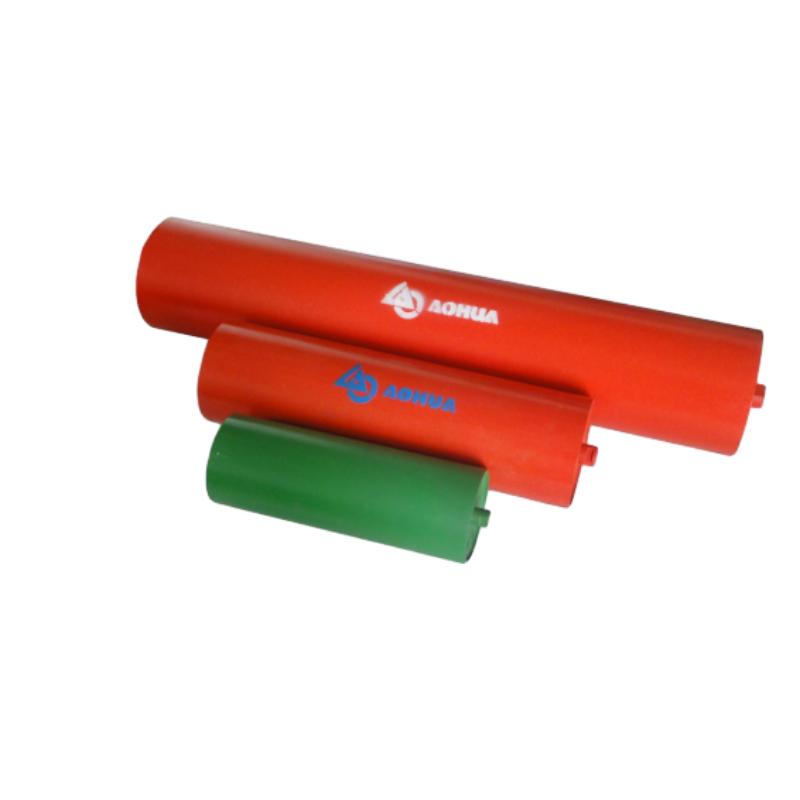
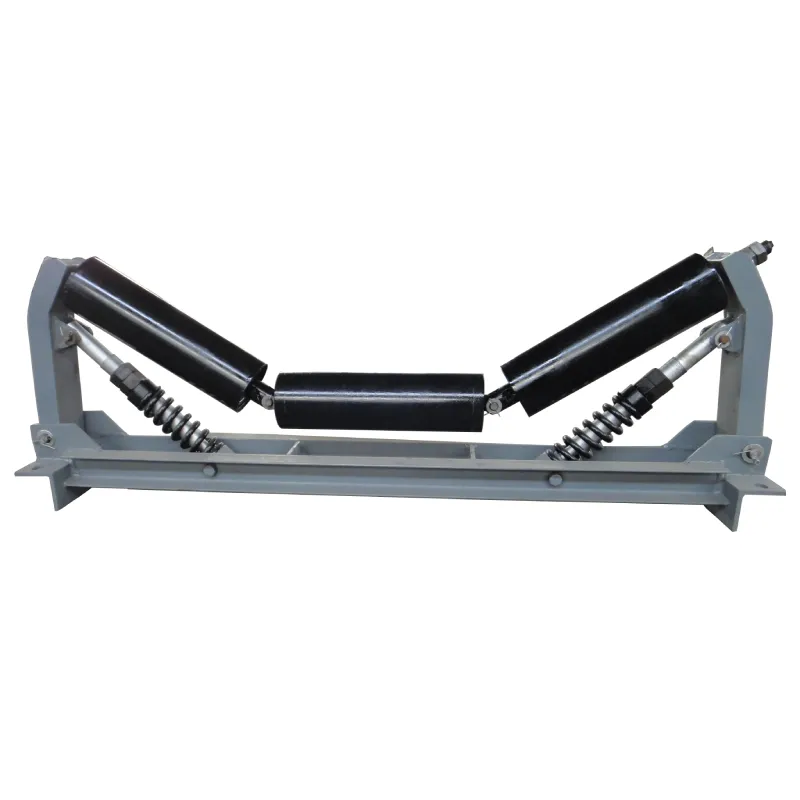
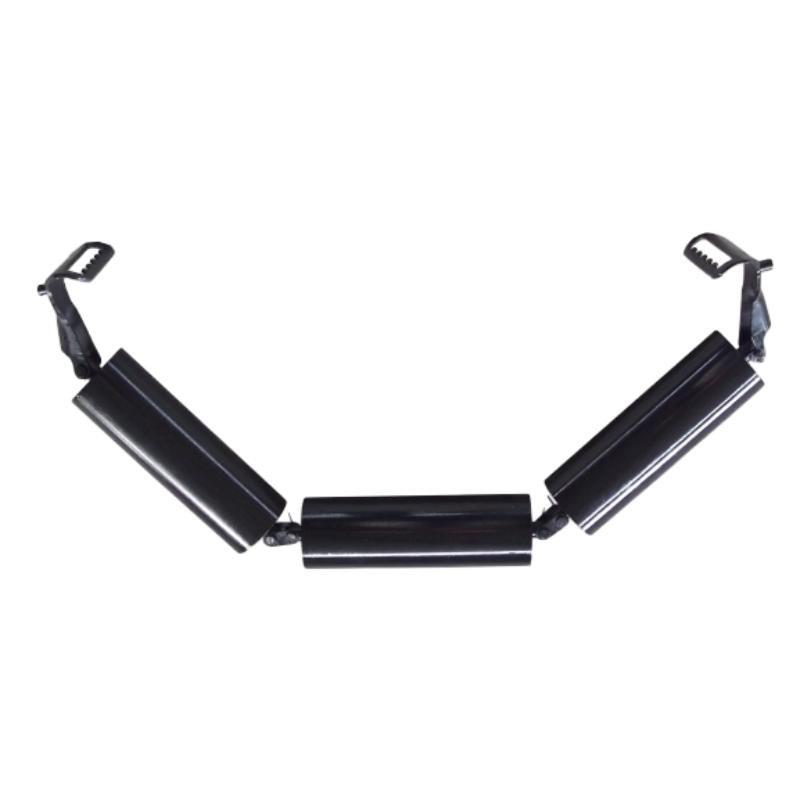
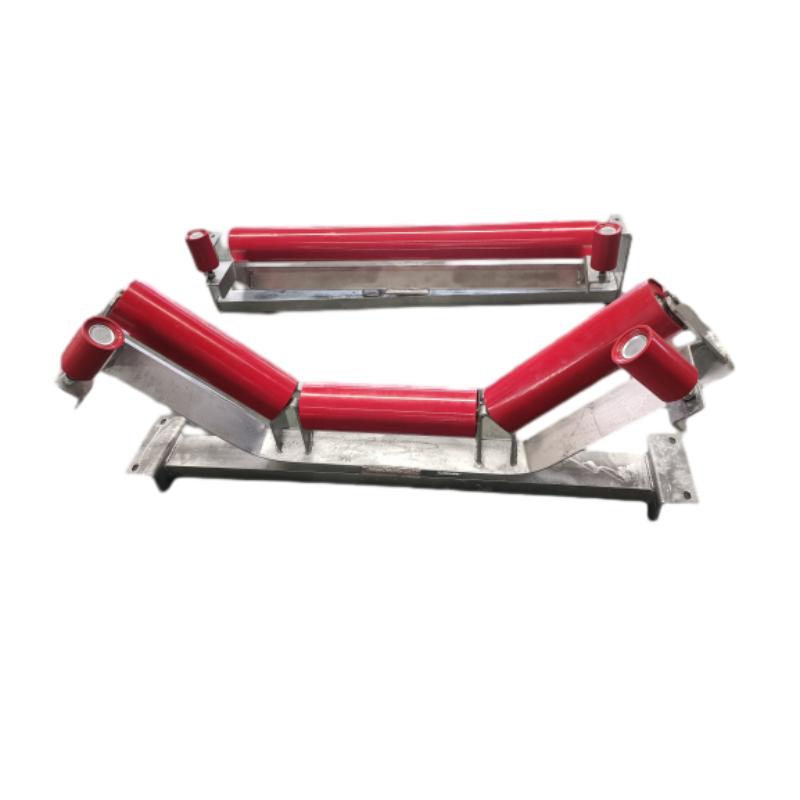
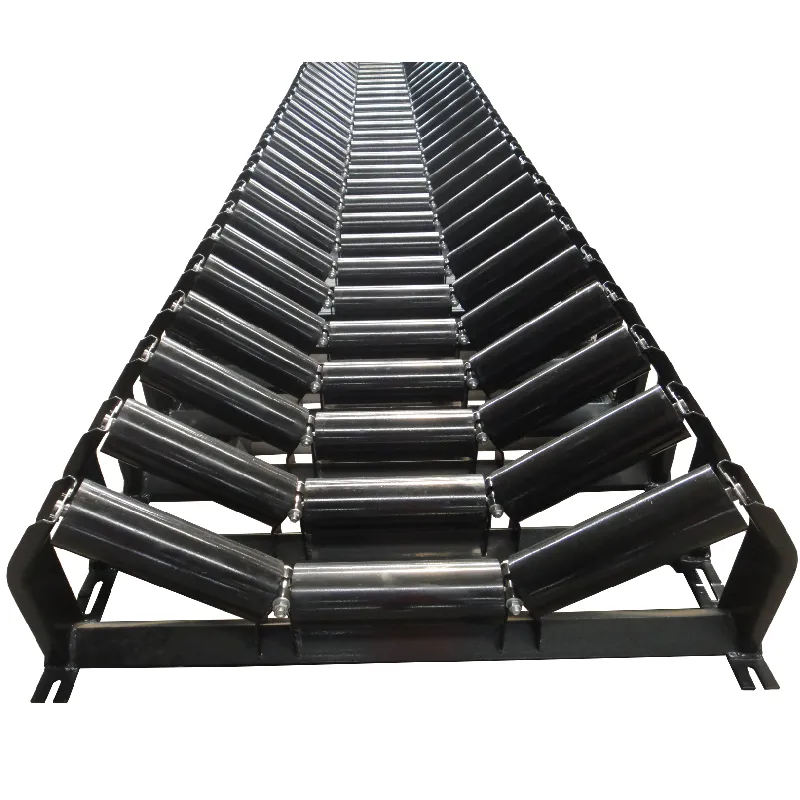
In real terms, conveyor belt rollers are fundamental components that keep material handling systems moving smoothly—literally and metaphorically. They reduce friction and wear by supporting the belt while it carries bulk goods or packages through warehouses and production lines. The types of conveyor belt rollers you choose can hugely affect operational efficiency, maintenance schedules, and even energy consumption.
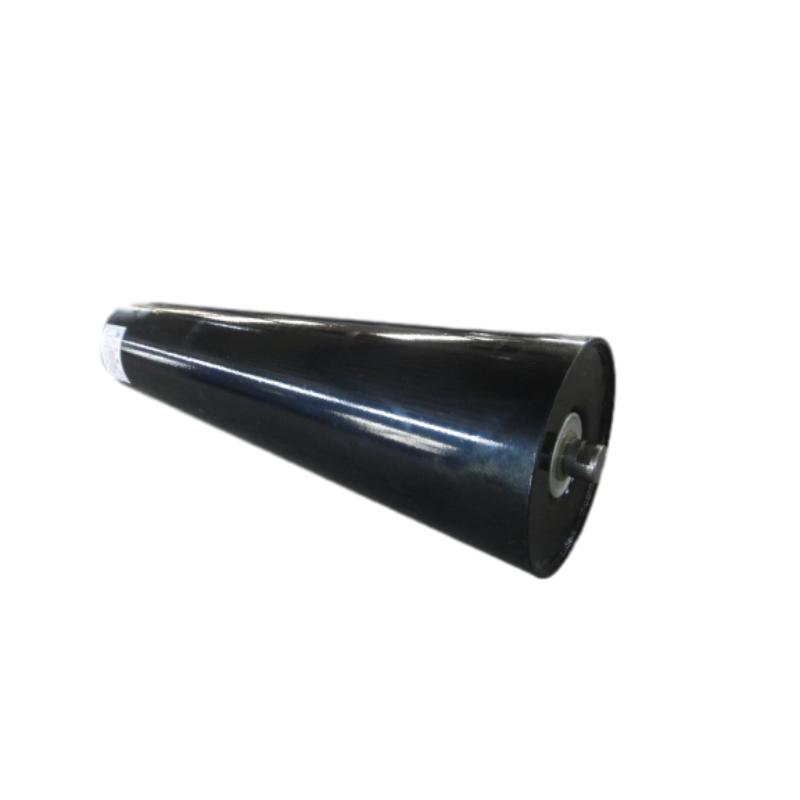
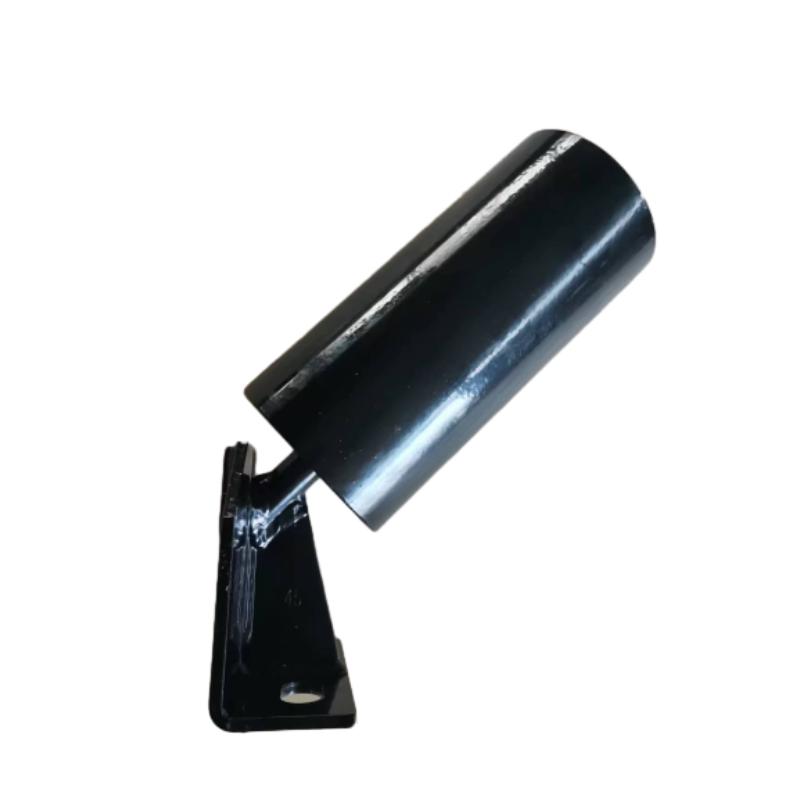
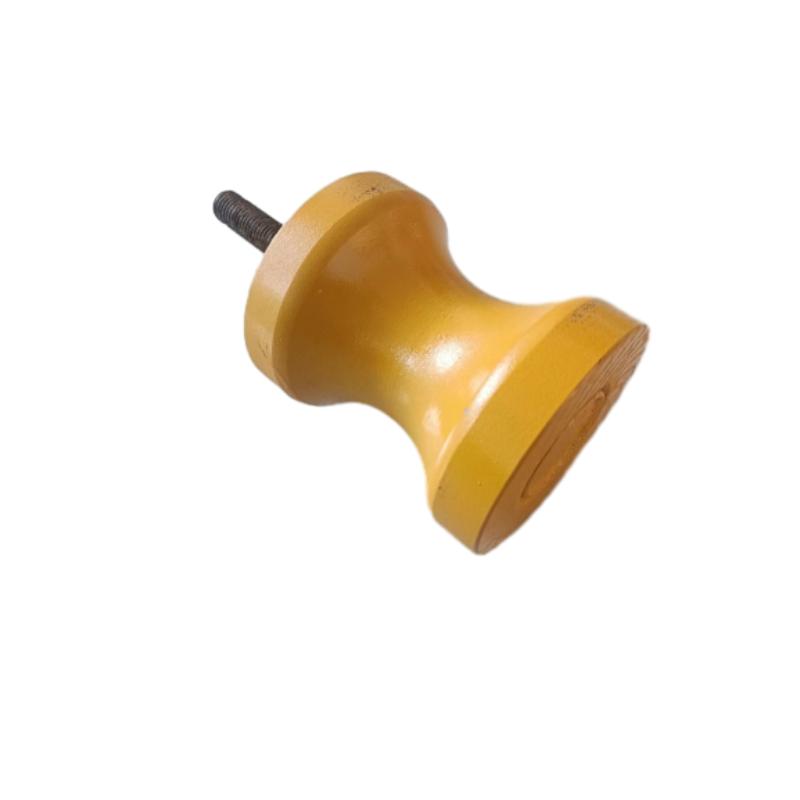
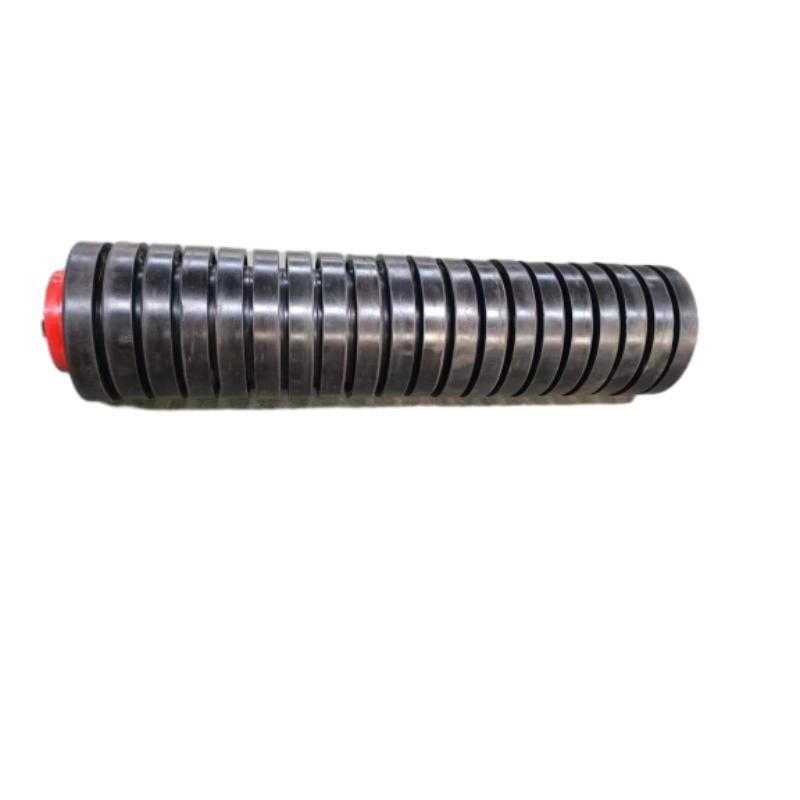
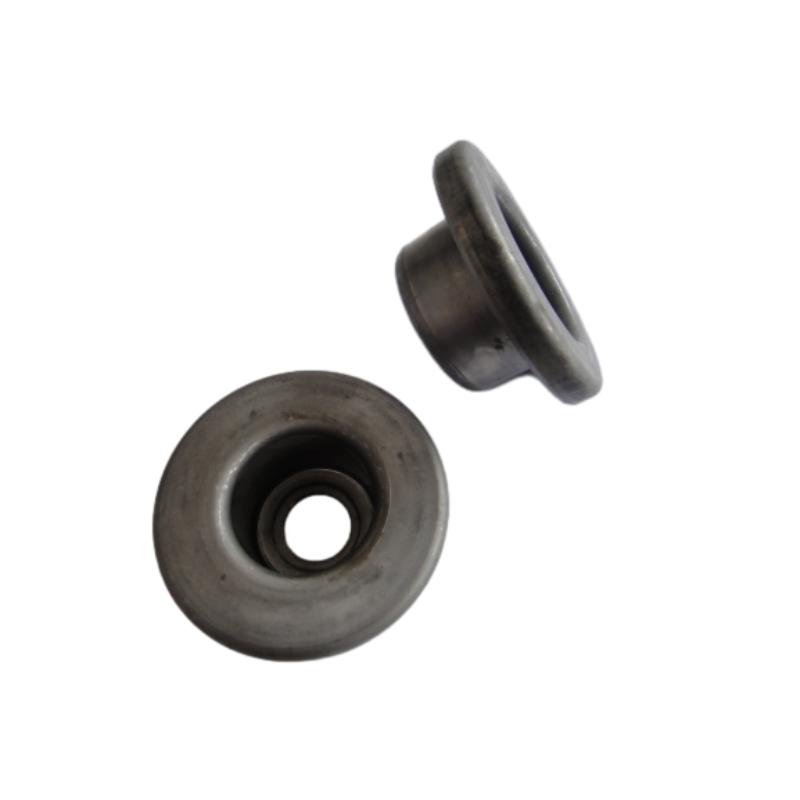
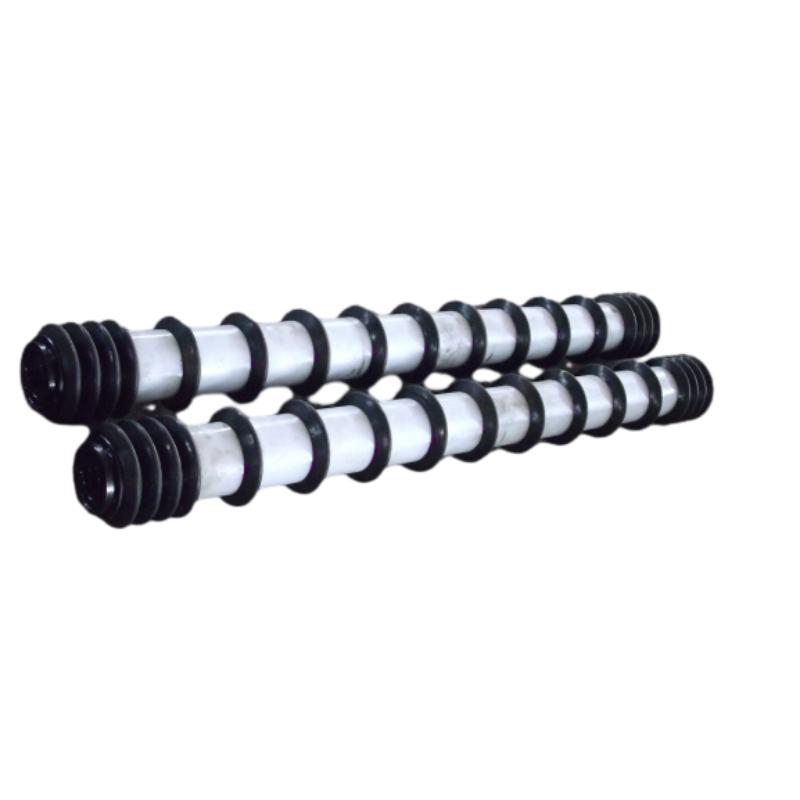
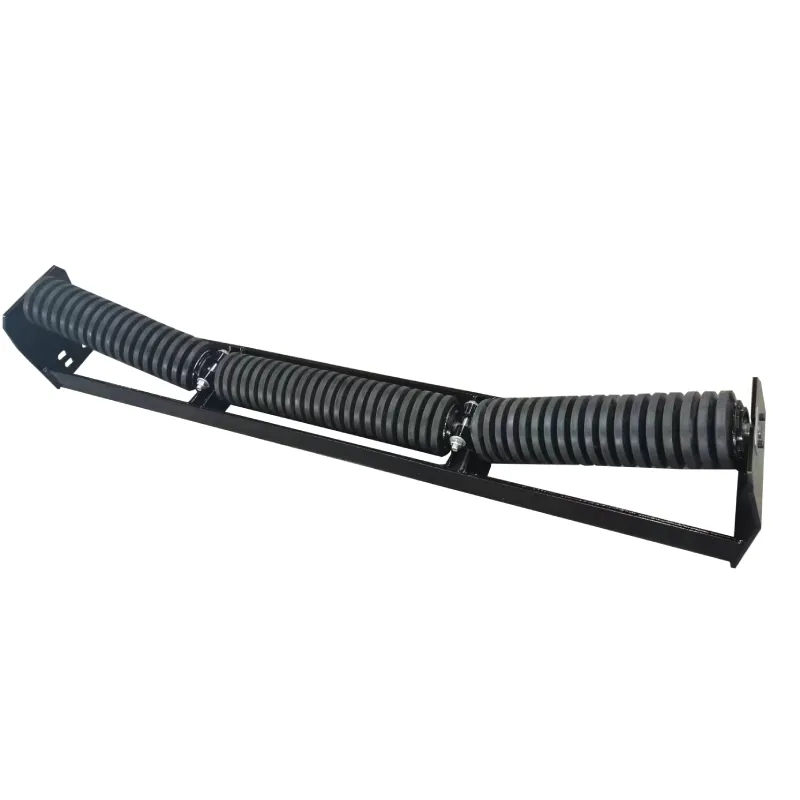
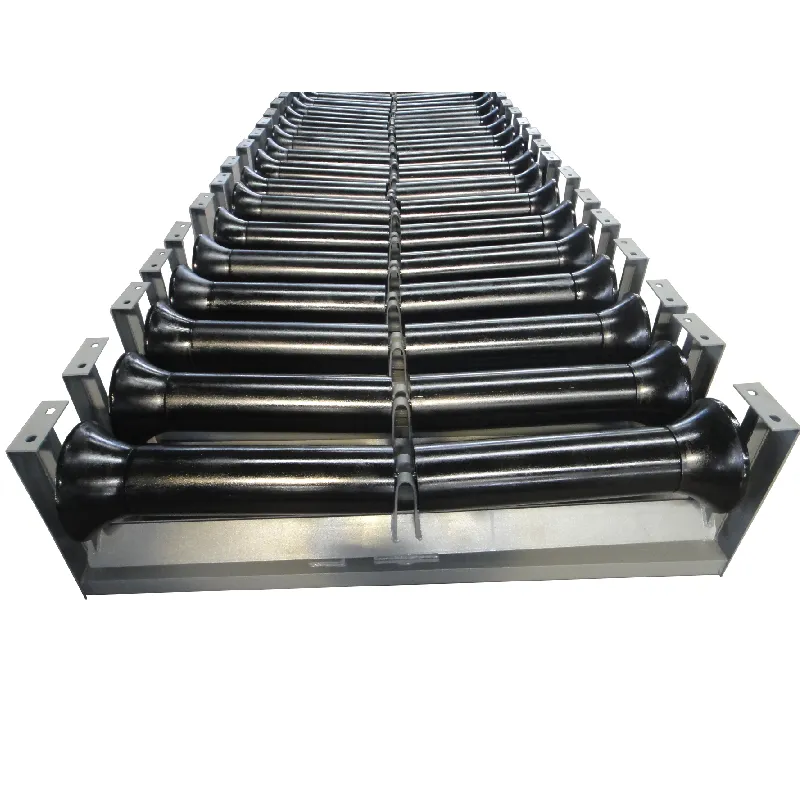
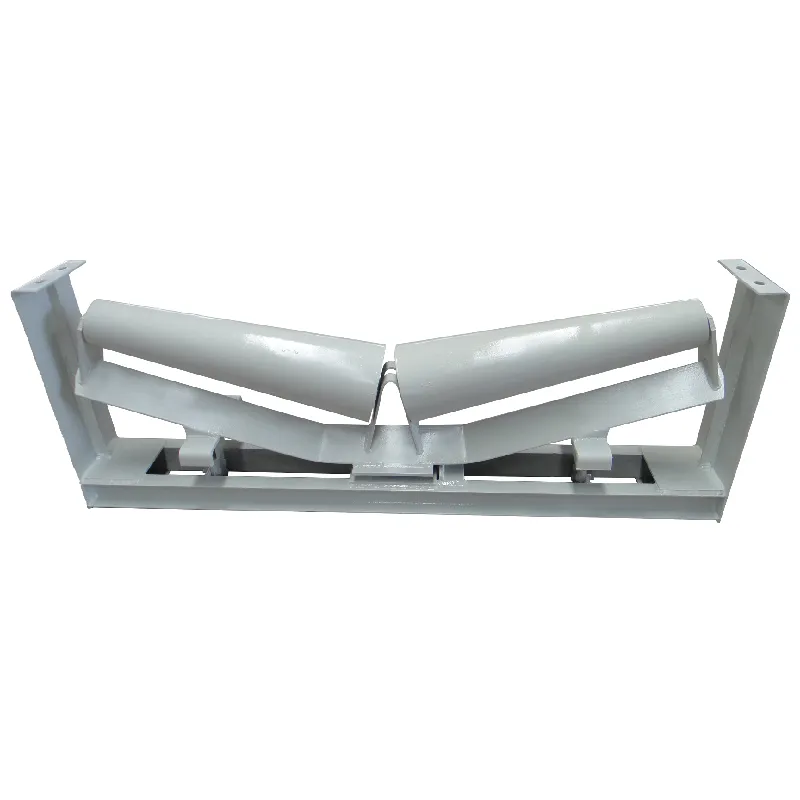
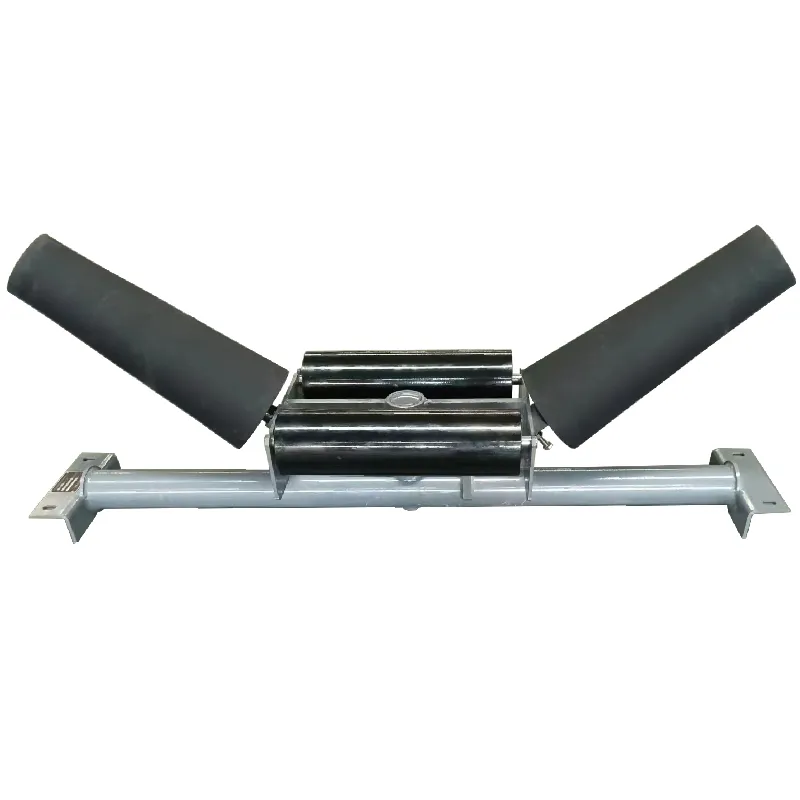
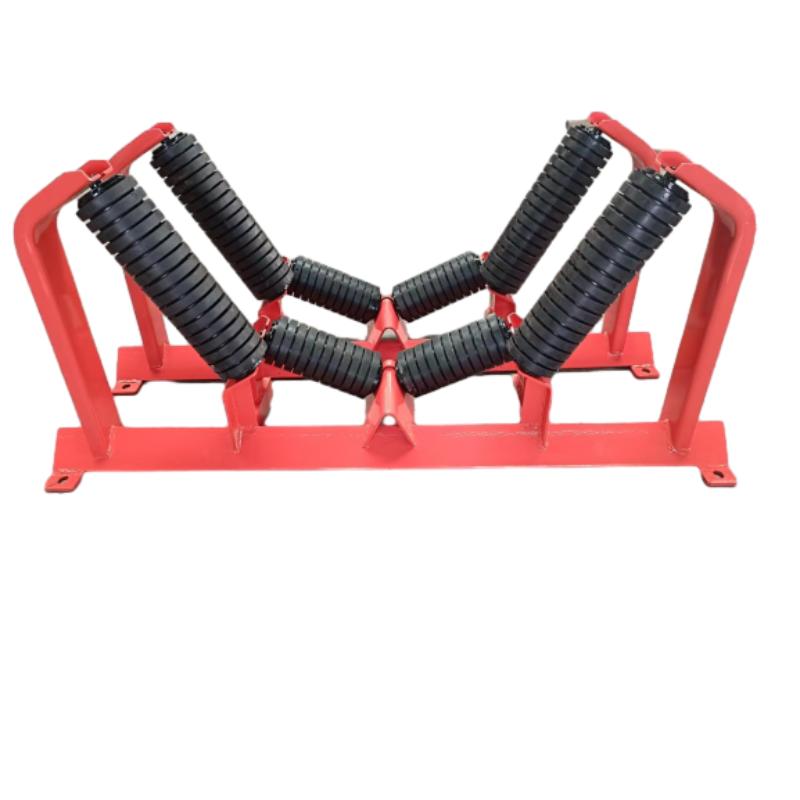
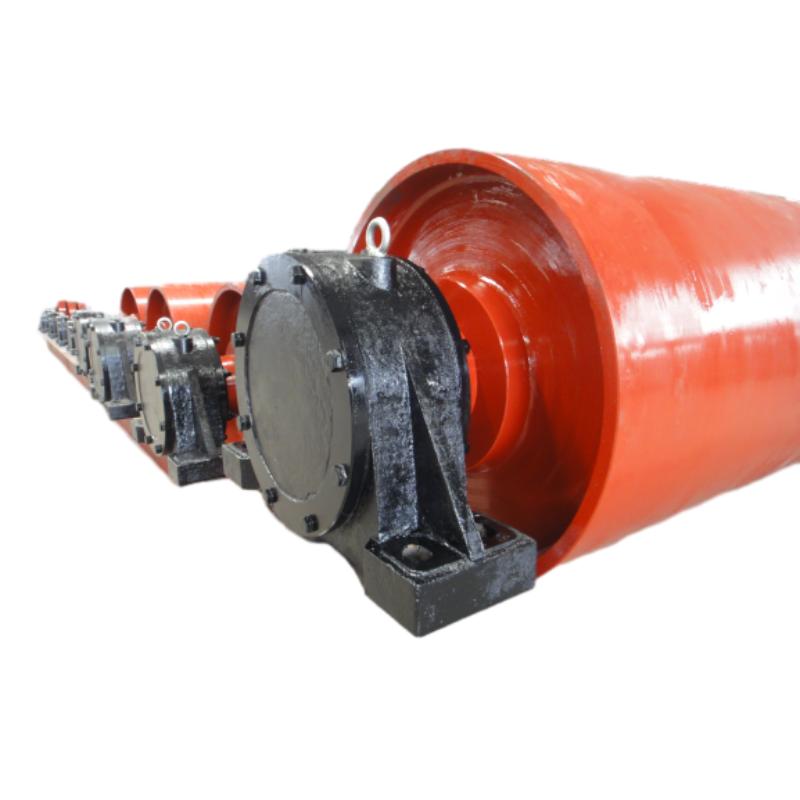
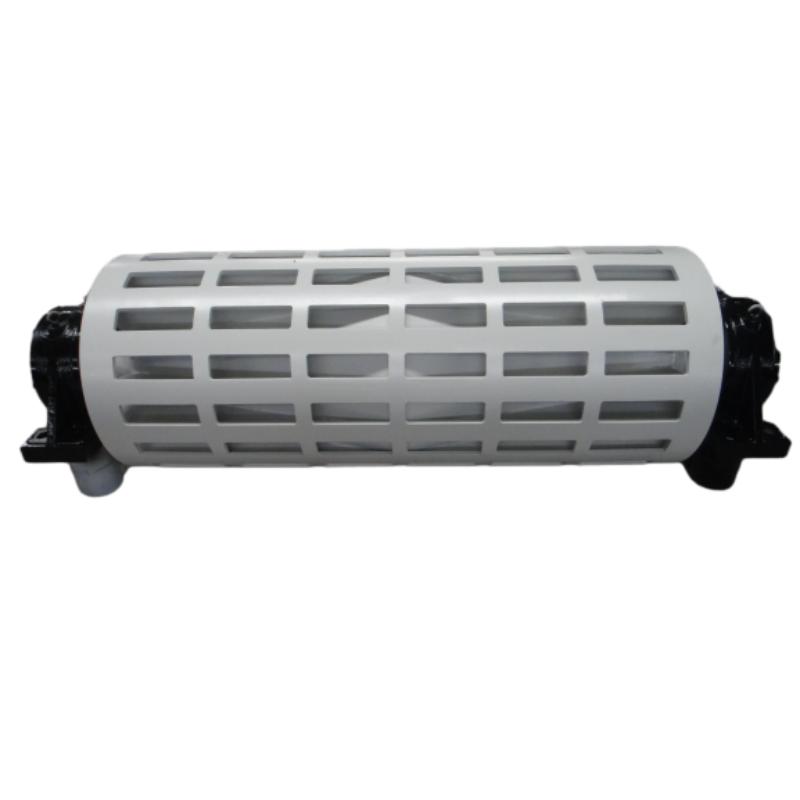
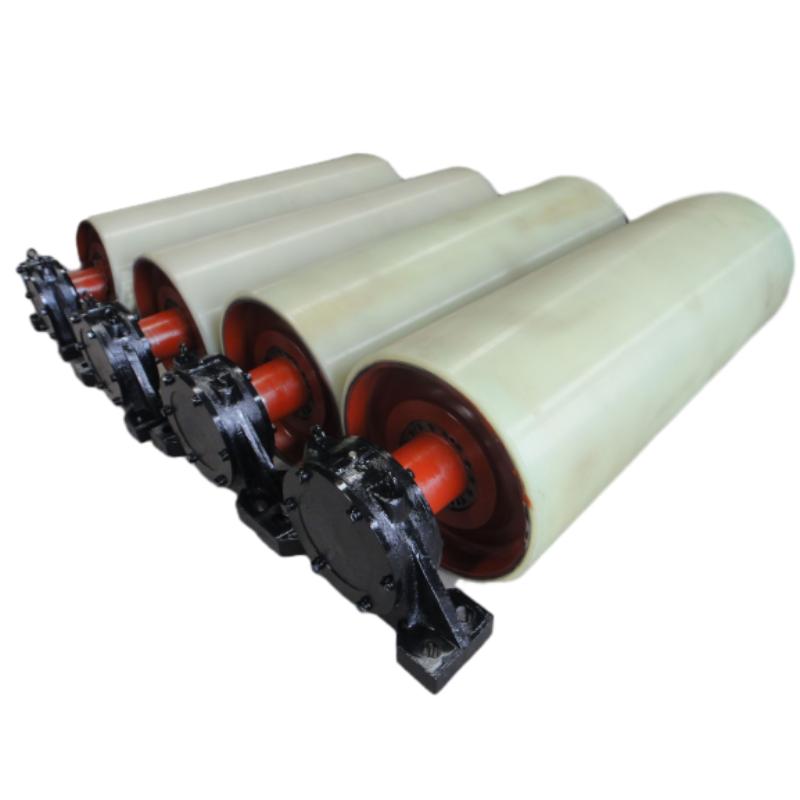
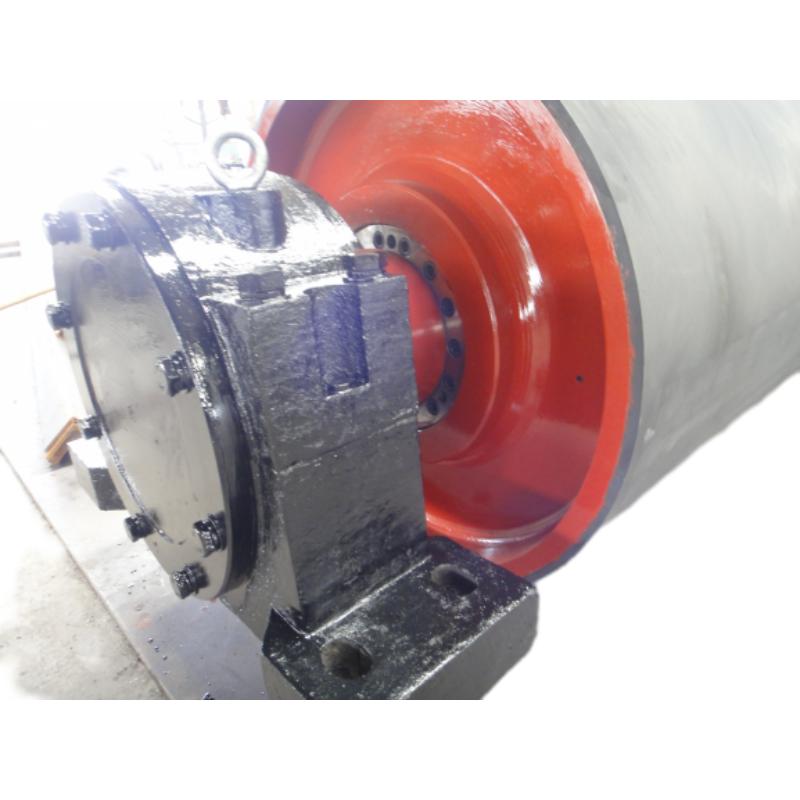
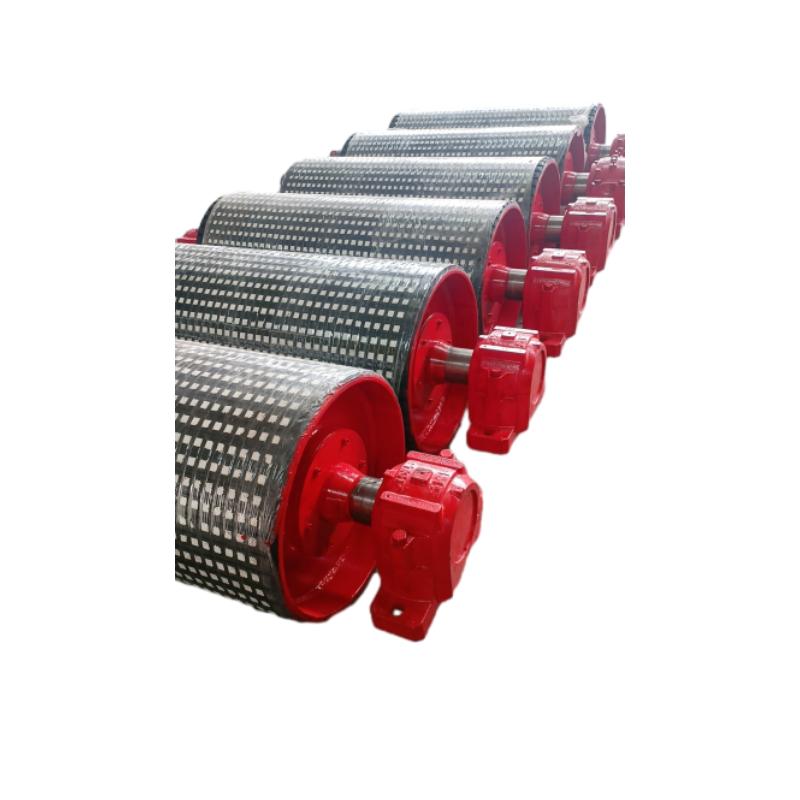
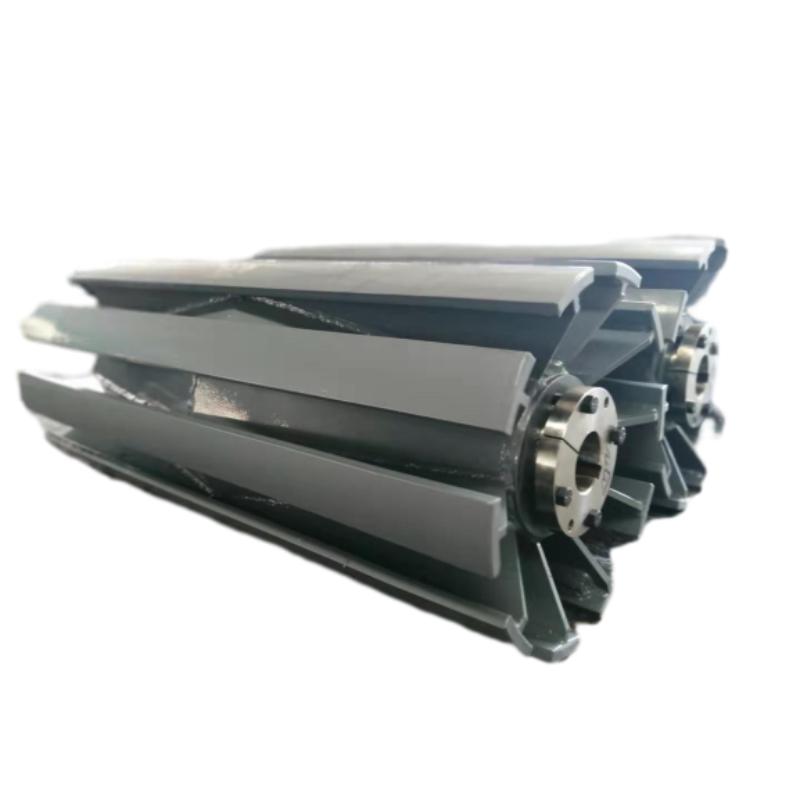
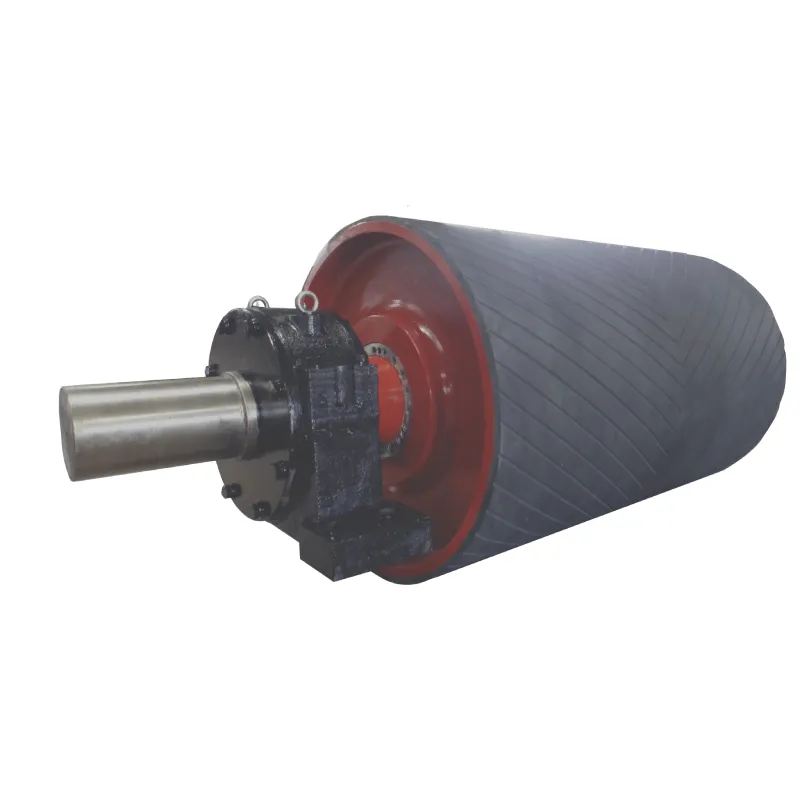
Technically speaking, these rollers vary by design, materials, and casing styles—ranging from standard fixed rollers, impact rollers for shock absorption, to gravity and return rollers. Idleraohua's product lineup is pretty robust, offering rollers with steel tubes, high-quality bearings, and corrosion-resistant coatings for those harsh industrial environments. Many buyers have noticed this precision engineering makes a real difference, especially in dusty or wet conditions.
| Roller Type | Material | Diameter (mm) | Bearing Type | Typical Use |
|---|---|---|---|---|
| Impact Roller | Steel Tube with Rubber | 50-108 | Sealed Ball Bearing | Shock Absorption |
| Return Roller | Galvanized Steel | 42-89 | Plain Bearing / Sleeve | Belt Return Support |
| Carrying Roller | Stainless Steel or Painted | 50-133 | Sealed Ball Bearing | Load Support |
Benefits & Use Cases of Types Of Conveyor Belt Rollers
I suppose the versatility of conveyor belt rollers is what really stands out. Whether you're working in mining, food processing, logistics, or manufacturing, different roller types cater to specific challenges – shock absorption to protect fragile items, corrosion resistance for chemical plants, or heavy-duty rollers for mining operations.
For example, port operators often rely on impact rollers to handle abrasive bulk materials loading and unloading from ships. Meanwhile, return rollers see heavy use in assembly lines where belt tension and return path stability matter a lot. Oddly enough, many businesses say they notice less downtime and smoother material flow after switching to rollers from a specialized supplier like Idleraohua. Their engineering aims for low noise, easy installation, and long lifecycles, which frankly, makes a practical difference on the factory floor.
Cost, Maintenance & User Experience
The total cost of ownership for conveyor belt rollers often sneaks up in less obvious ways: unexpected maintenance, replacement frequency, or downtime. I've heard from maintenance managers that investing in better-quality rollers initially might cost a little more but honestly pays off through greater durability and fewer line stops.
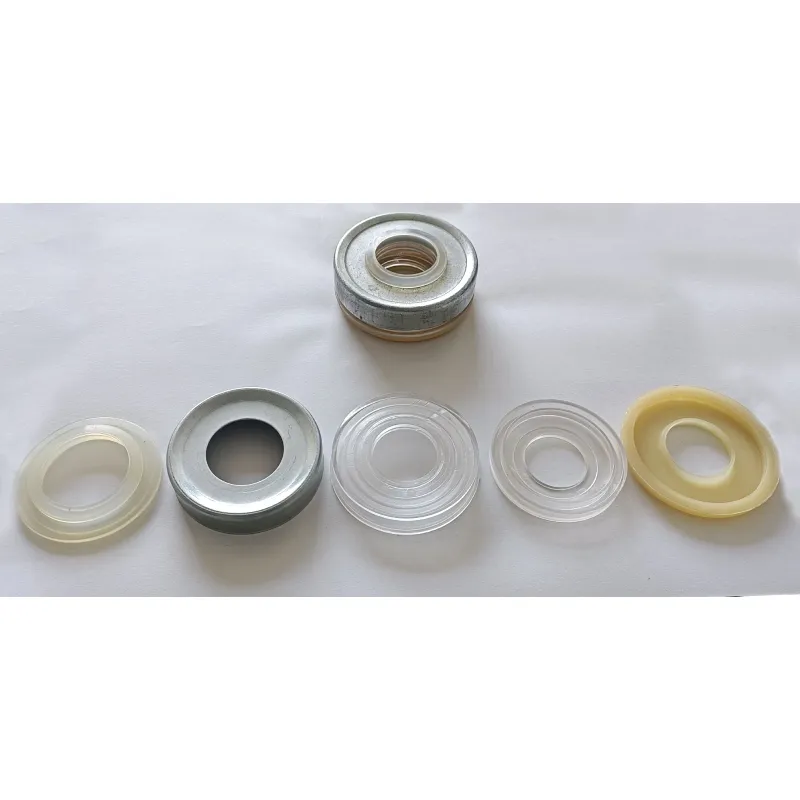
Feedback from Idleraohua’s customers frequently mentions the sealed bearing design as a huge plus, minimizing contamination and thus extending roller life. Also, many facilities note the straightforward installation process cuts labor costs and speeds commissioning. On the flip side, cheaper or poorly designed rollers might cause belt misalignment or excessive wear, which means extra hassle and expense — definitely not something busy operations can afford.
| Vendor | Price Range | Build Quality | Lead Time | Customer Support |
|---|---|---|---|---|
| Idleraohua | Mid | High - Robust Design | 2-4 weeks | Responsive & Technical |
| Competitor A | Low | Medium | 4-6 weeks | Limited Support |
| Competitor B | High | Very High - Premium | 1-2 weeks | Comprehensive |
Sustainability & Market Trends
Sustainability is increasingly on the minds of B2B decision makers, and conveyor belt components are no exception. Many manufacturers now push for materials and designs that contribute to longer service life and easier recycling. Idleraohua, for instance, has been embracing eco-friendlier coatings and optimizing production processes to reduce carbon footprint.
Regulatory pressures in some regions also drive demand for safer lubricants in bearings and less waste in packaging. Oddly enough, the roller market has seen steady growth, fueled by automation trends and expanding e-commerce warehousing. Looking ahead, modular and smart rollers with embedded sensors might become commonplace, offering predictive maintenance capabilities that reduce unplanned downtime.
Frequently Asked Questions about Types Of Conveyor Belt Rollers
- What is Types Of Conveyor Belt Rollers and how does it work?
- Basically, these rollers are cylindrical components that support and guide conveyor belts. They reduce friction by rolling under the belt as it moves bulk goods or packages through a system. Depending on the type, they can also absorb impacts, carry heavy loads, or guide the return belt path, making the conveyor run efficiently and with less wear.
- What are the main benefits of using Types Of Conveyor Belt Rollers in industrial applications?
- The benefits include improved durability, smooth operation, reduced downtime, and cost-effectiveness. High-quality rollers often feature sealed bearings and corrosion-resistant materials, which lengthen their lifespan and reduce maintenance. Additionally, they tailor to specific industry demands such as shock absorption or high load capacity.
- How does Types Of Conveyor Belt Rollers compare to traditional alternatives?
- Compared to cheaper or unbranded rollers, these advanced types tend to offer better engineering tolerances, sealed components, and longer service intervals. Traditional rollers might lack corrosion resistance or use simple sleeve bearings that wear faster in dusty environments. The investment pays off over time with fewer replacements and smoother belt running.
- What industries can benefit most from Types Of Conveyor Belt Rollers implementation?
- Sectors like mining, port logistics, food processing, and manufacturing rely heavily on conveyor systems. These rollers are integral in such environments to ensure continuous material flow, reduce maintenance costs, and improve safety. Case in point: a mining operation reported a 20% reduction in roller failures after switching to Idleraohua rollers, boosting uptime.
Conclusion on Types Of Conveyor Belt Rollers from china
To wrap it up, Types Of Conveyor Belt Rollers are far more than simple parts; they’re the backbone of an efficient conveyor system. The variety offered by suppliers like Idleraohua presents users with tailored, durable, and high-performance options to meet diverse industrial demands. For B2B decision makers aiming to optimize operations and reduce downtime, these rollers stand out as a smart investment – practical and proven.
- Visit our website: https://www.idleraohua.com
This overview leans on verified specs and industry feedback but of course, every facility has its quirks — consulting with your supplier can tailor solutions best to your needs.
References:
1. International Conveyor Manufacturers Association Handbook
2. Idleraohua Product Documentation and Customer Case Studies, 2023
3. Industry Insights: Conveyor Technology Trends, Material Handling Review 2023
-
Maximize Conveyor Life with a High Performance impact bedNewsApr.16,2026
-
Maximize Conveyor Efficiency Using a v plow belt scraperNewsApr.09,2026
-
Comprehensive Guide to Understanding Different Types of Belt CleanersNewsApr.07,2026
-
Enhancing Conveyor Efficiency with an Effective Scraper Belt CleanerNewsApr.04,2026
-
Optimizing Conveyor Systems with Advanced Cleaning Equipment SolutionsNewsMar.31,2026
-
Effective Conveyor Belt Scraper Adjustment for Optimal System PerformanceNewsMar.28,2026