

Understanding Seal Rollers: Key to Industrial Efficiency & Longevity
Seal Roller: The Unsung Hero in Modern Industry
If you’ve ever been curious about how conveyor belts maintain efficiency, or how sealing mechanisms in heavy machinery hold tight against relentless wear, then the topic of seal roller should pique your interest. Globally, industries — from packaging and mining to food processing and logistics — depend on these components to sustain smooth operation. Understanding seal rollers isn't just for engineers; it’s a peek into a silent but vital part of the industrial heartbeat. Simply put: get the seal roller right, and you save costs, reduce downtime, and improve safety.
In fact, according to the International Organization for Standardization (ISO), improving conveyor systems’ reliability could reduce operational waste by upwards of 15% annually. A small but significant detail like the seal roller can drive such gains.
Why Seal Rollers Matter in the Bigger Picture
Seal rollers play a significant role in sealing conveyor belt edges or machine joints against contamination or wear, which keeps production lines humming worldwide. The World Bank recently highlighted that manufacturing downtime causes up to 30% of lost productivity in developing countries. Oddly enough, many of these stoppages stem from poor sealing solutions or premature component failure — areas where seal rollers are key to improvement.
Think of seal rollers as the quiet sentinels at machine joints, continuously protecting sensitive areas from dust ingress, moisture, or spillage — especially vital in harsh environments.
Quick Takeaway:
- Seal rollers reduce machinery downtime globally.
- The right seal roller combats contamination and wear effectively.
What Exactly Is a Seal Roller?
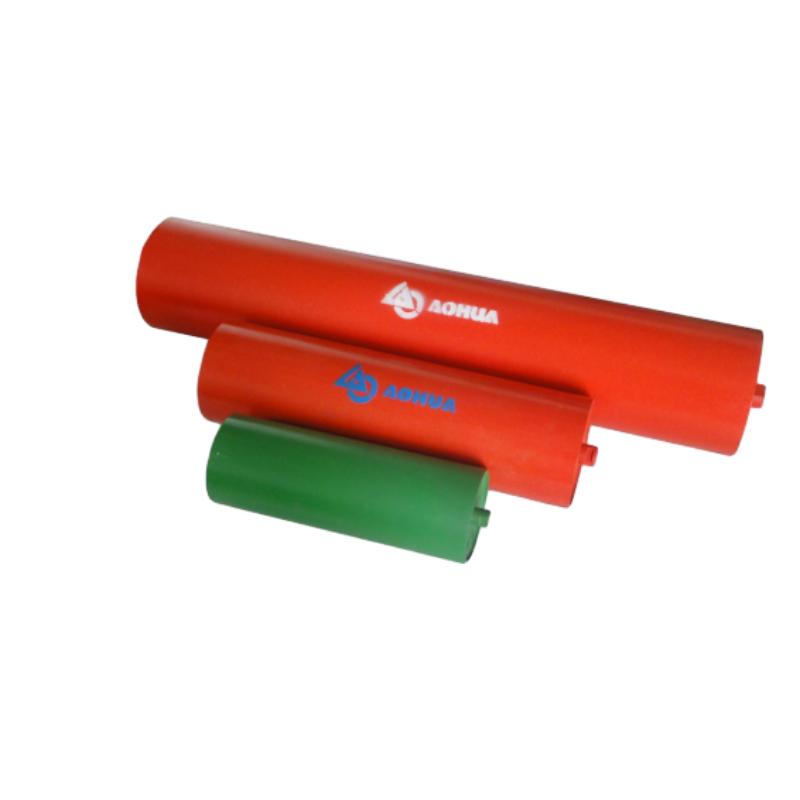
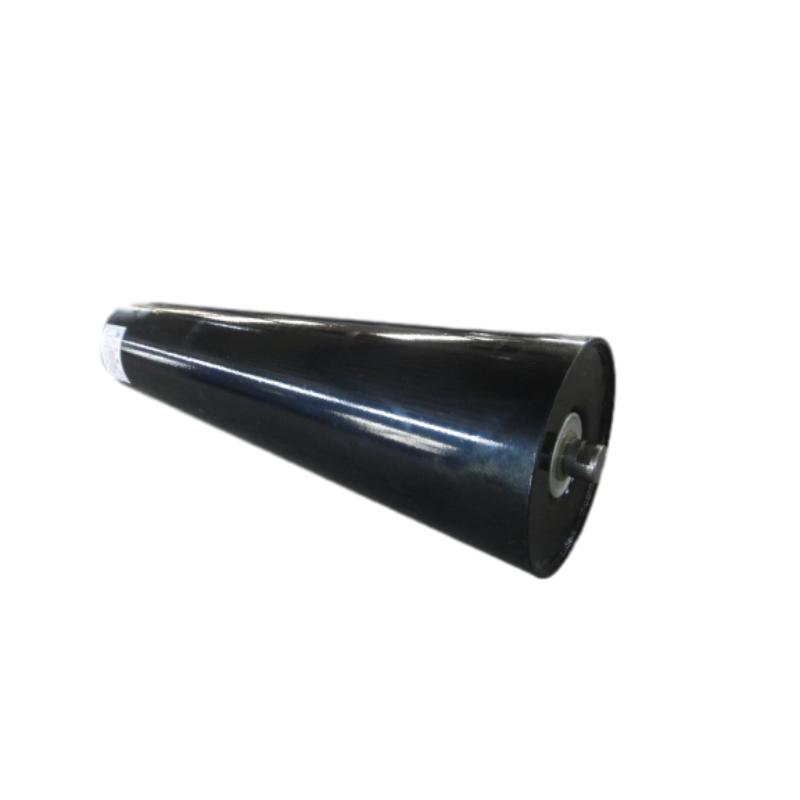
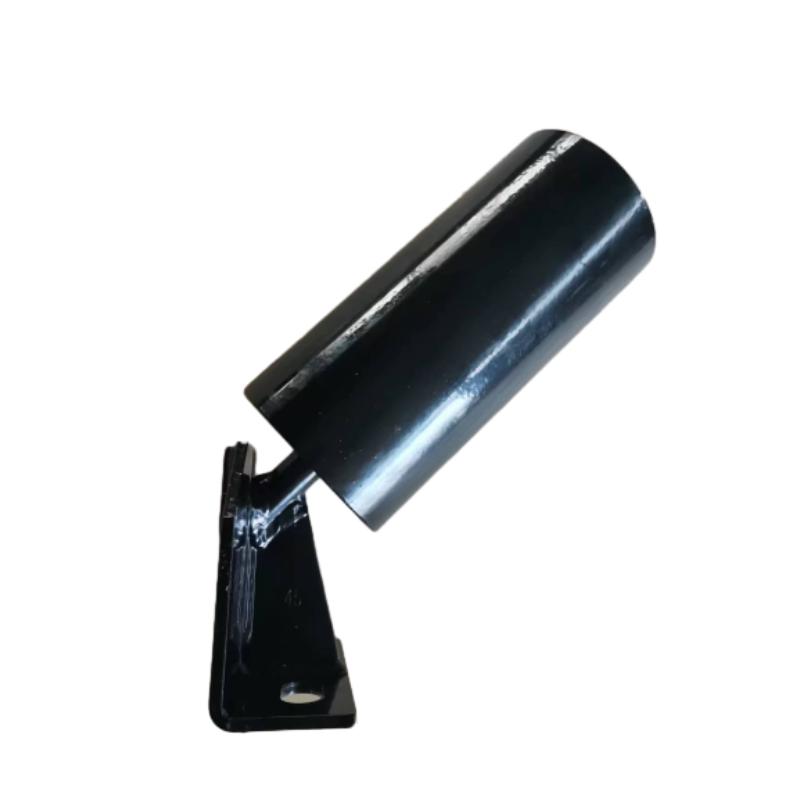
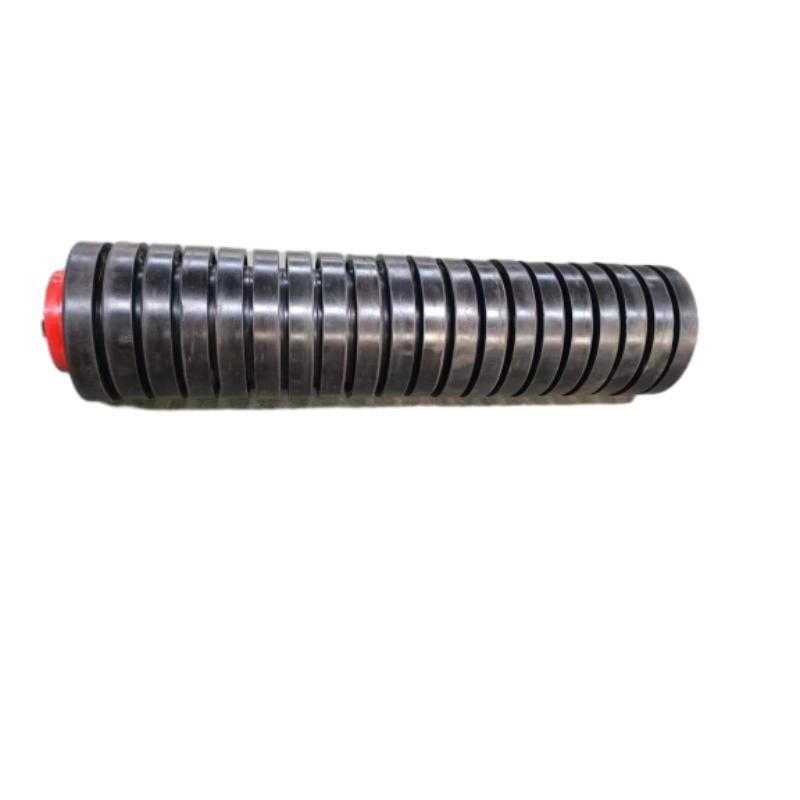
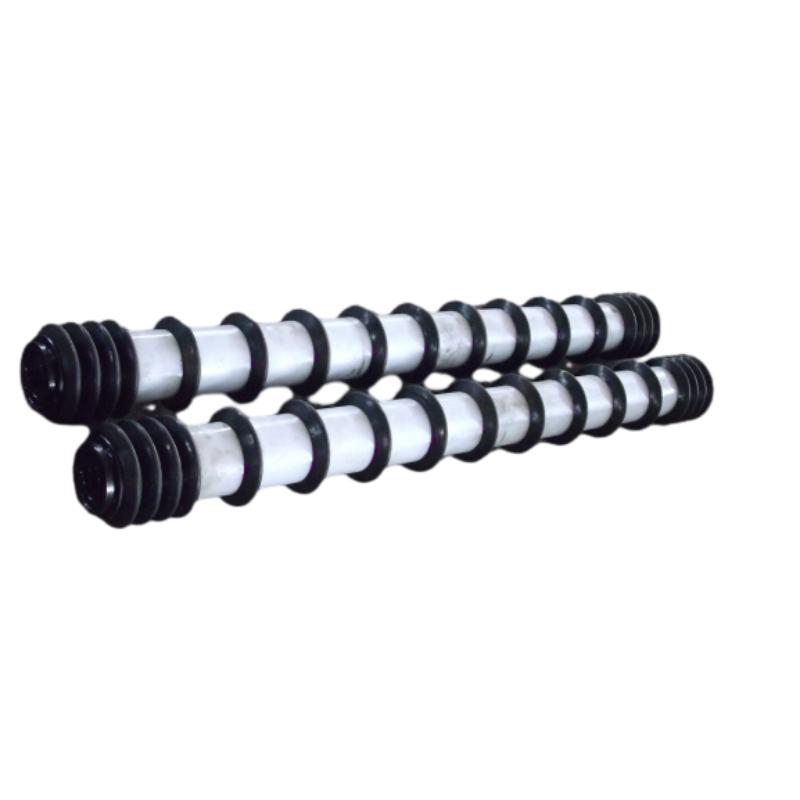
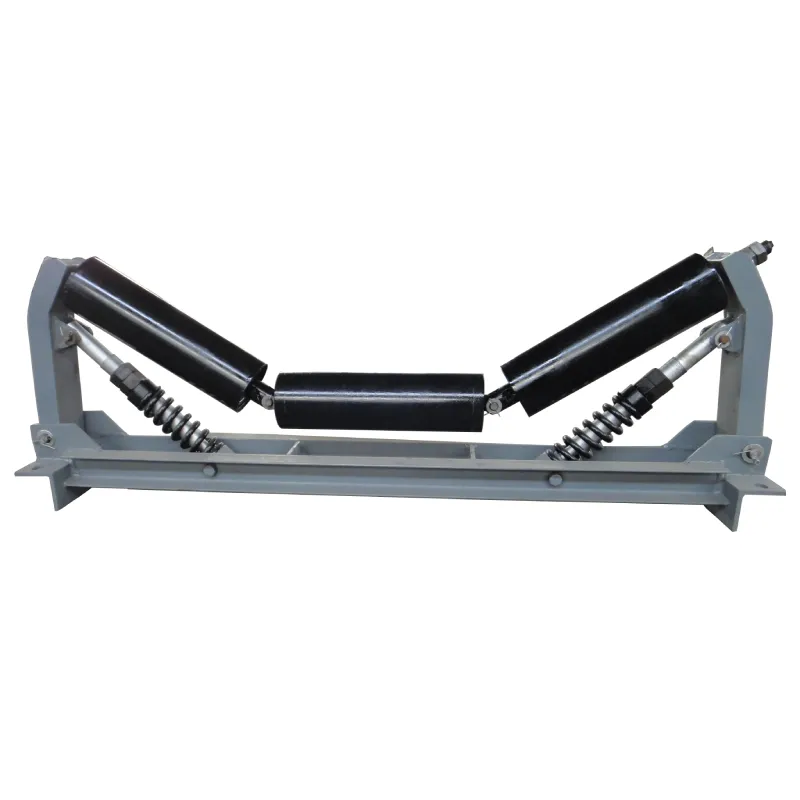
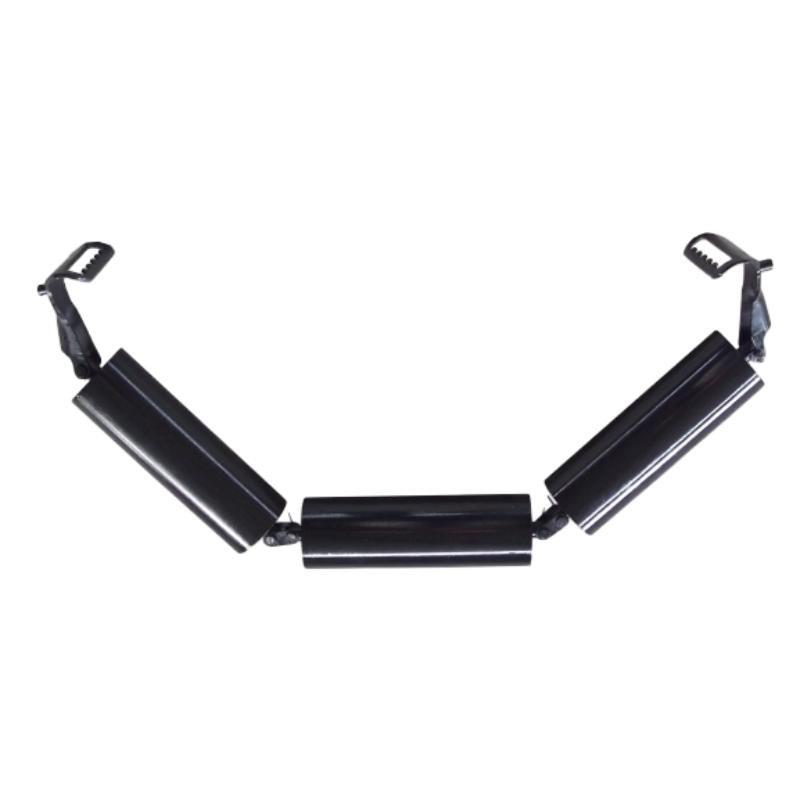
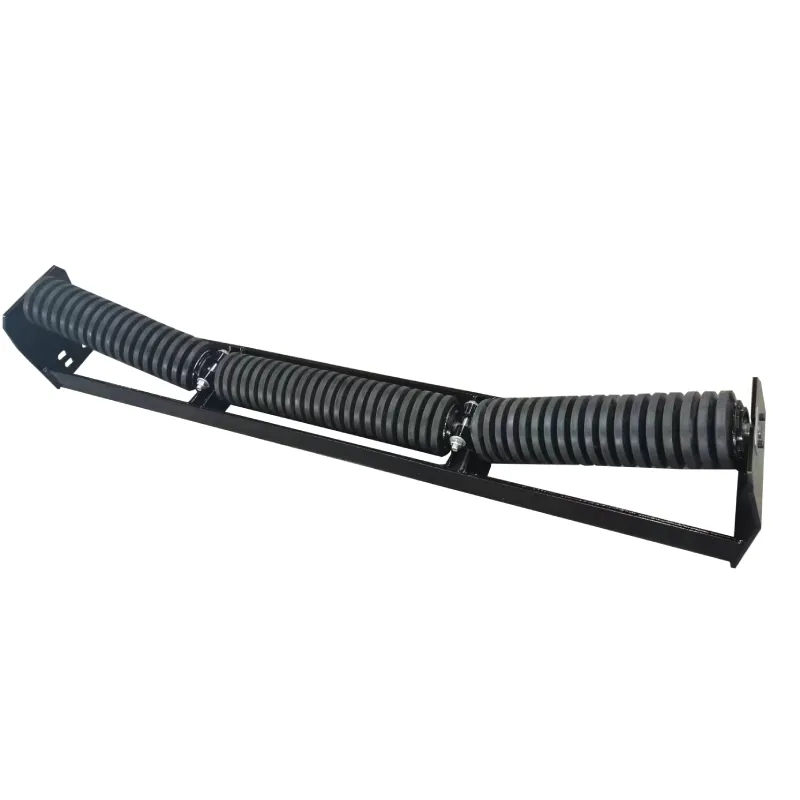
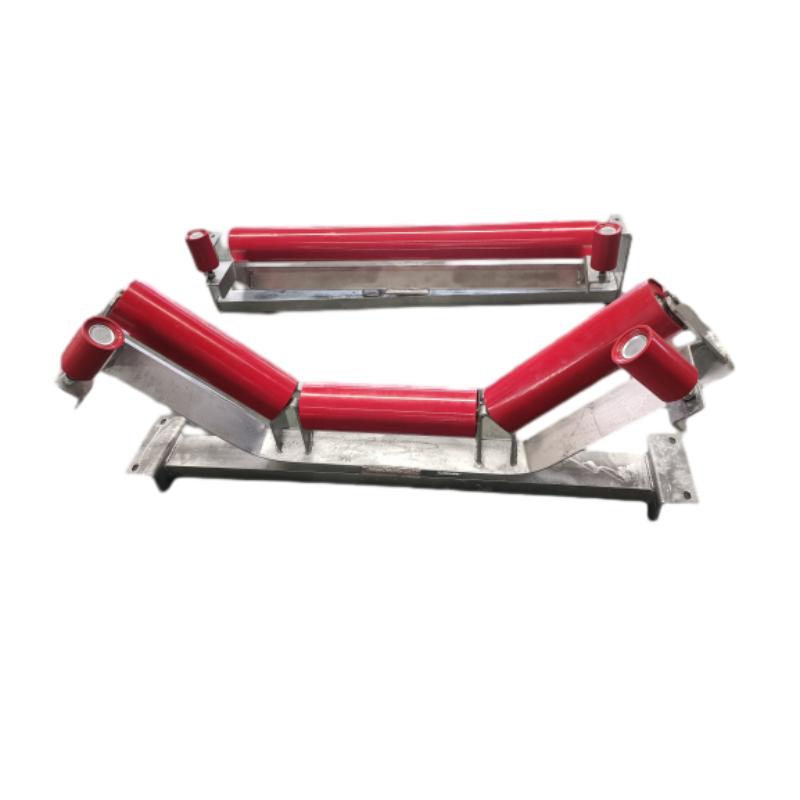
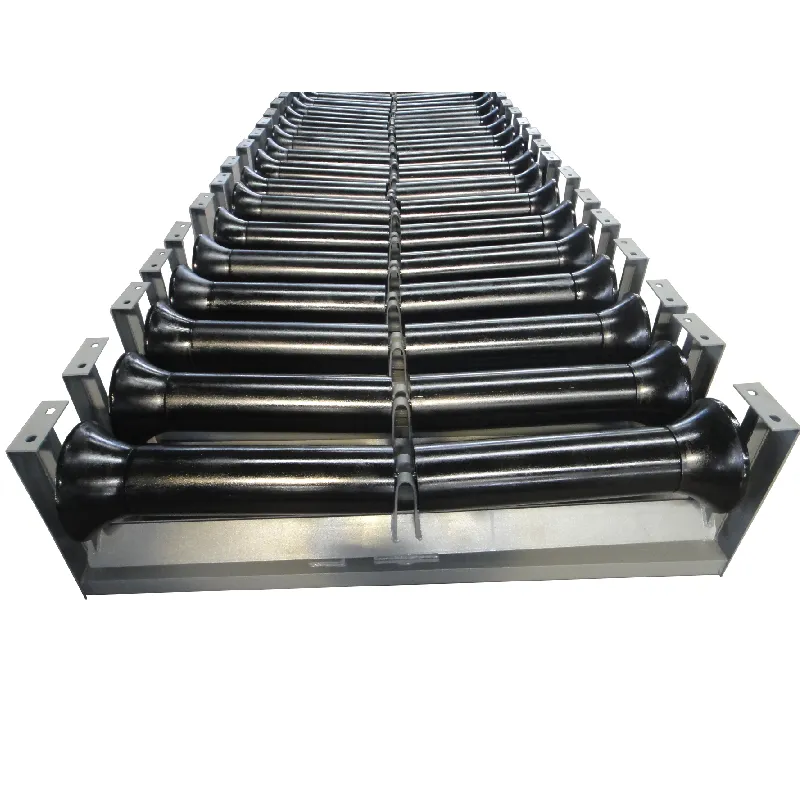
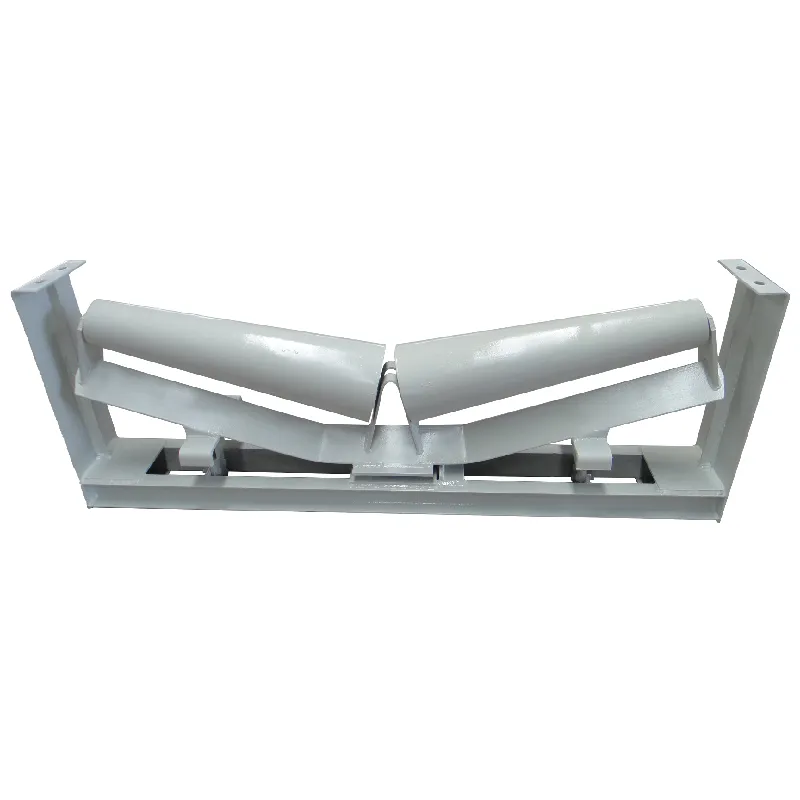
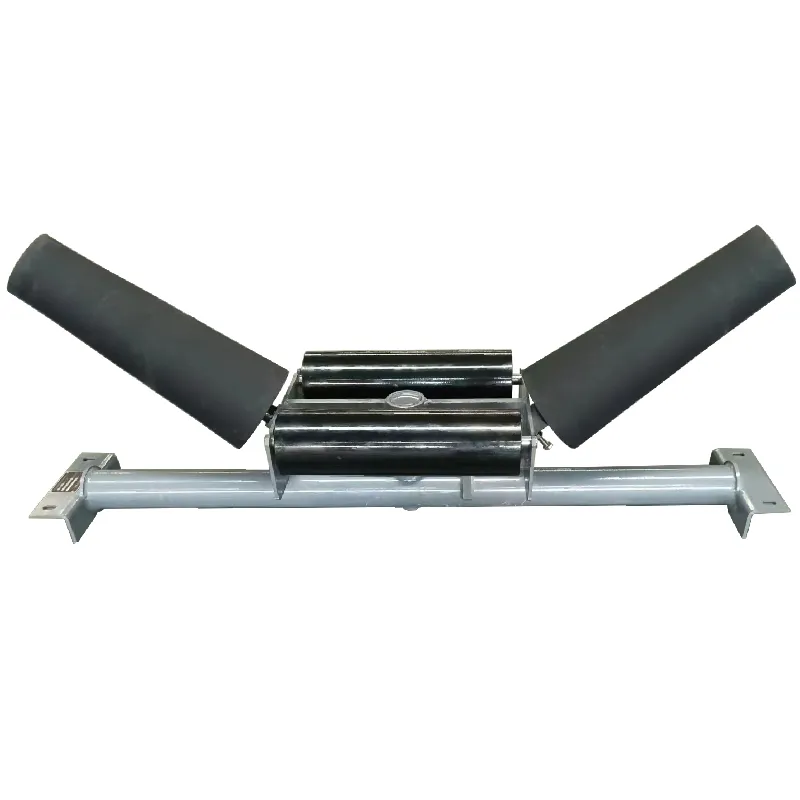
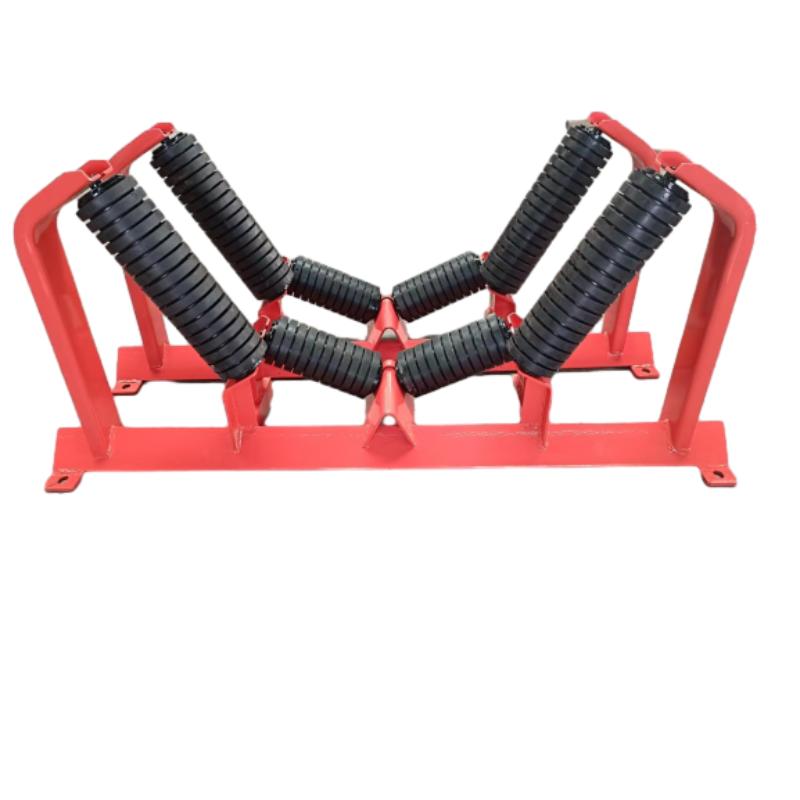
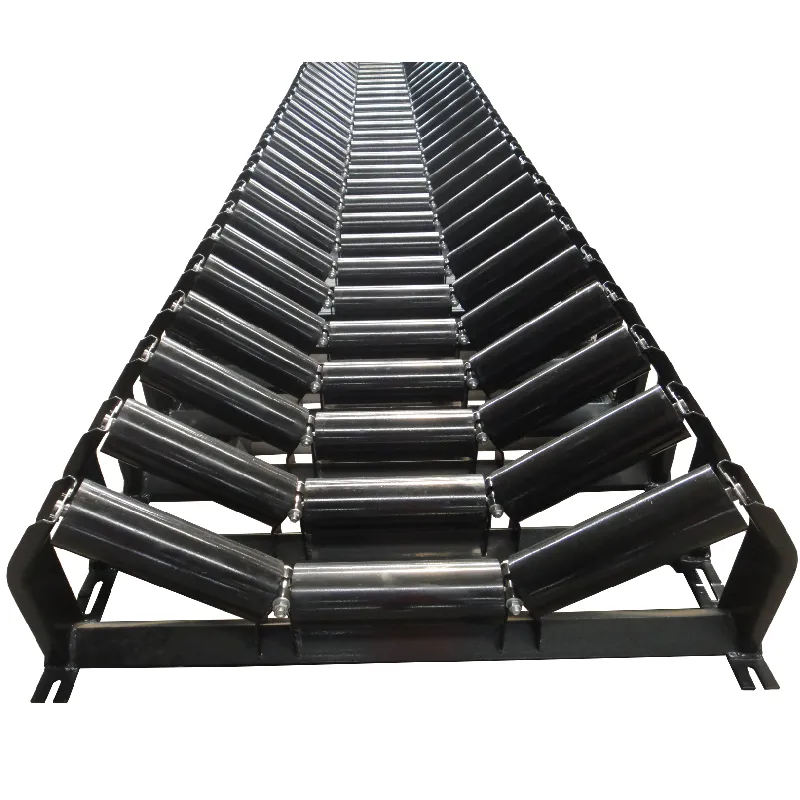
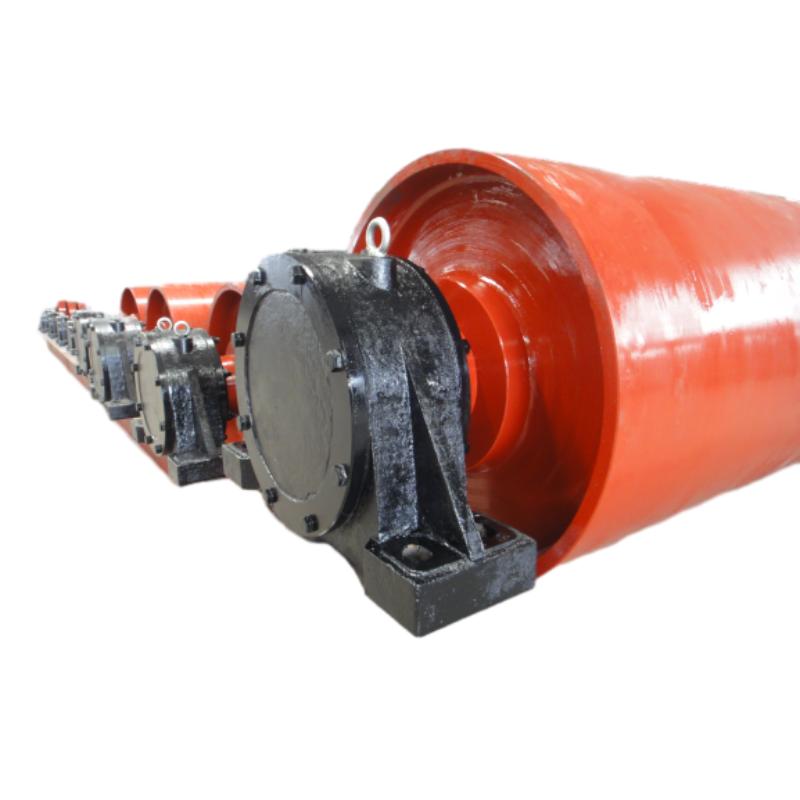
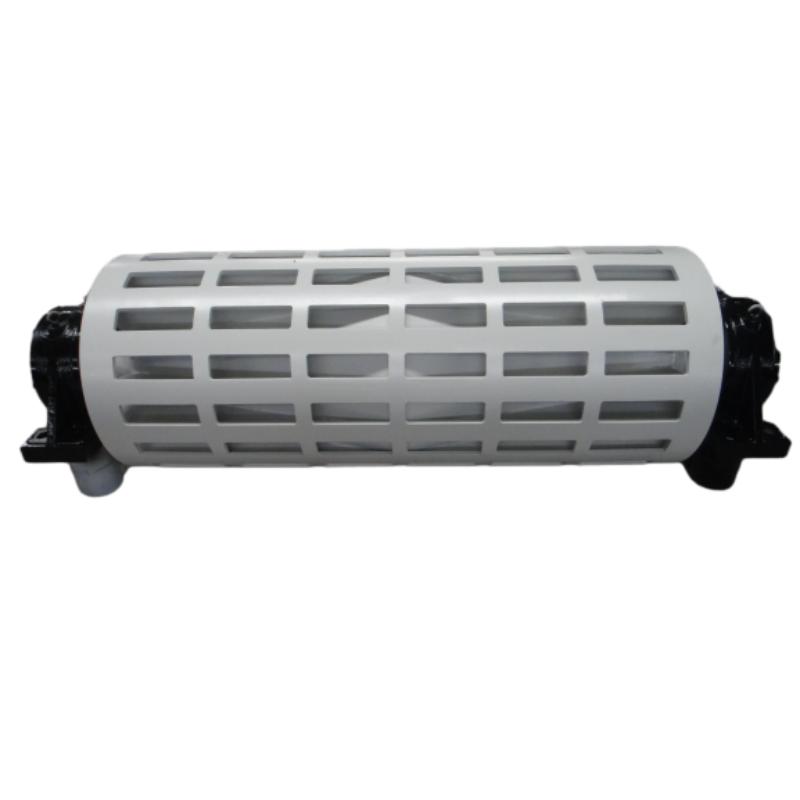
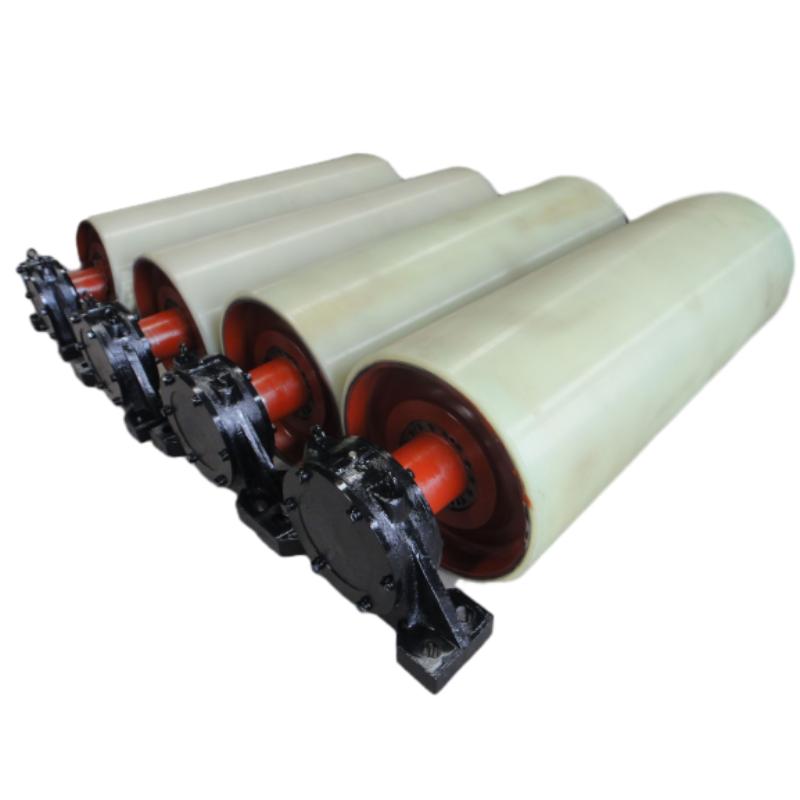
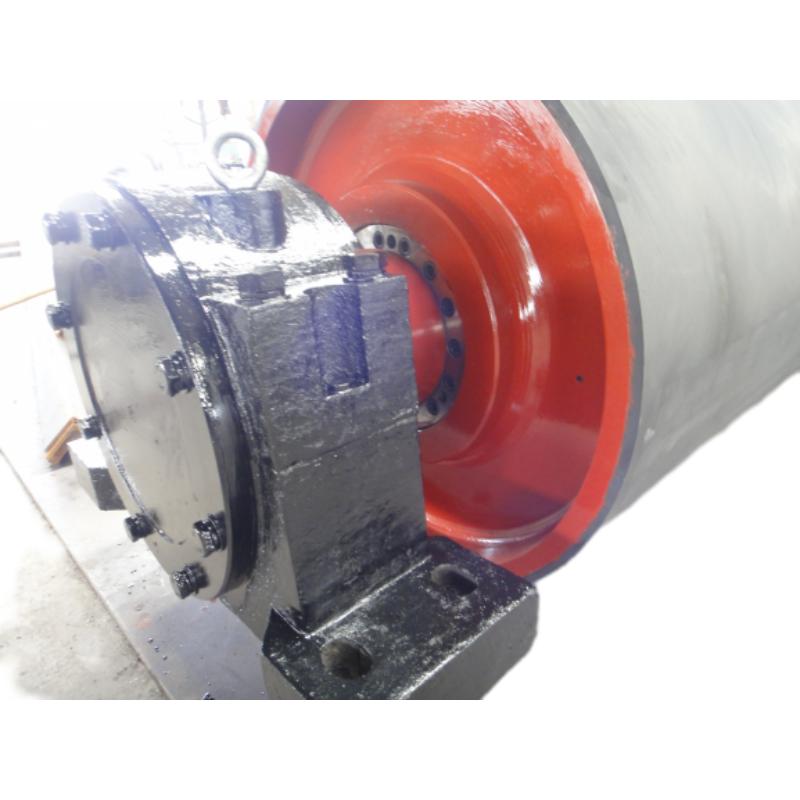
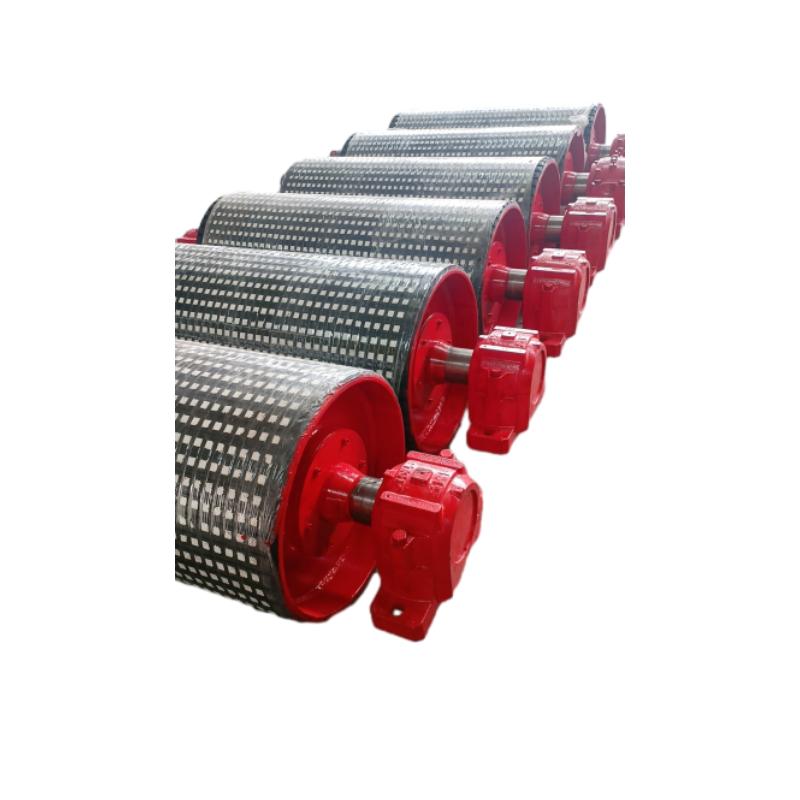
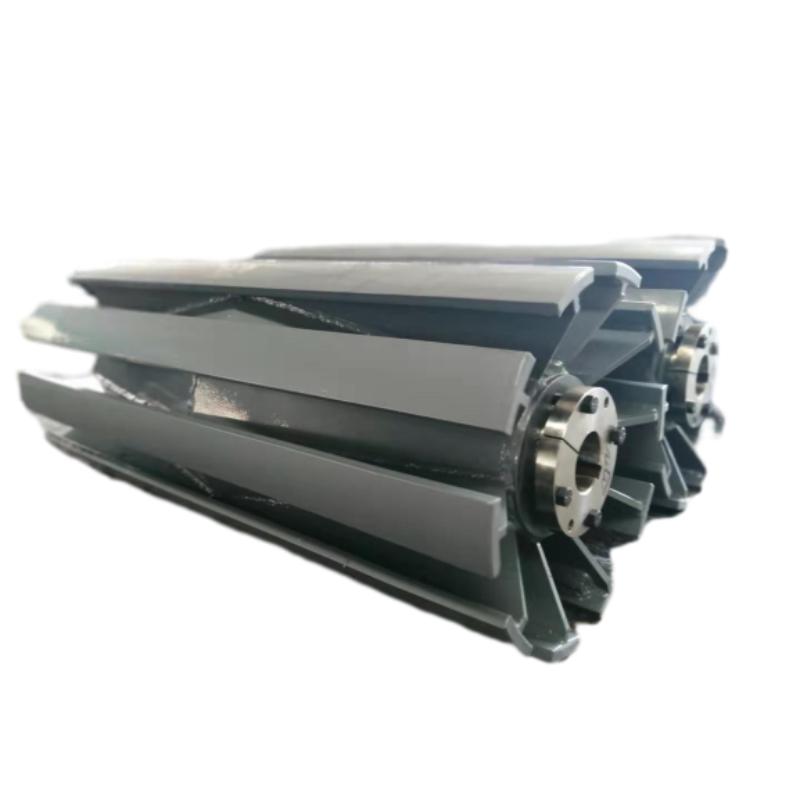
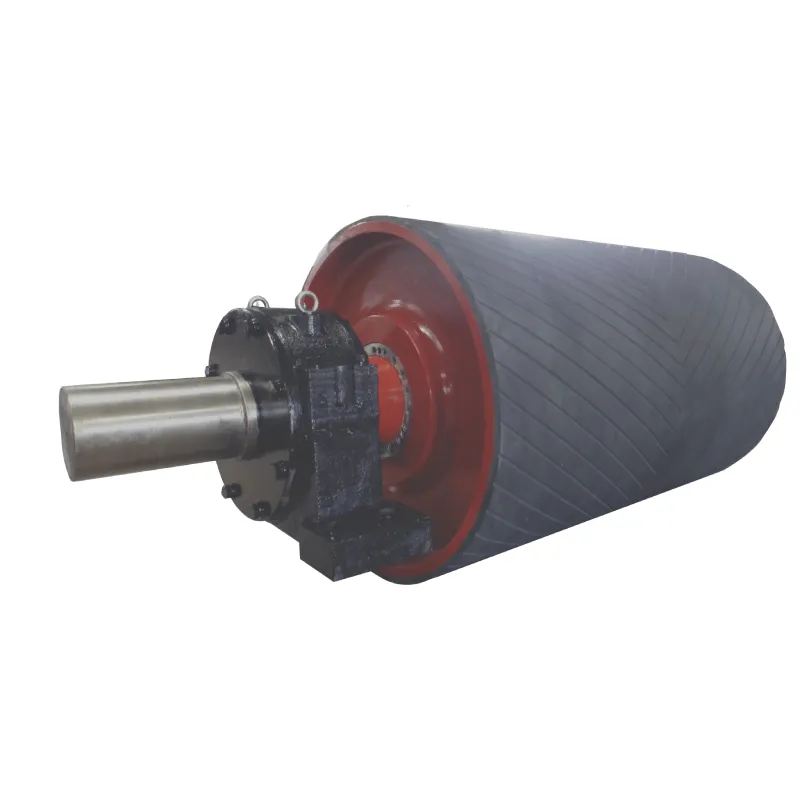
In the simplest terms, a seal roller is a cylindrical mechanical part designed to work alongside conveyor belts or machinery edges, providing a tight seal that prevents foreign material intrusion and stabilizes movement. Often rubber-coated or made from specialized polymers, it fits snugly against adjacent surfaces, reducing friction and wear.
The importance goes beyond industrial efficiency. Humanitarian efforts in disaster zones, for instance, use seal rollers as part of temporary modular shelter assembly lines to maintain structural integrity under adverse conditions. So it’s more than a mechanical piece — it’s a facilitator of reliability and safety.
Mini Summary:
- Seal rollers create physical seals to guard moving parts.
- Materials and design directly influence durability and performance.
Key Features Driving Seal Roller Performance
1. Durability
Seal rollers face constant friction, often in abrasive or corrosive environments. That means materials like nitrile rubber, polyurethane, or stainless steel cores are common. Engineers often emphasize abrasion resistance, because a worn seal roller can cause catastrophic leakage or belt misalignment.
2. Scalability for Different Systems
Since conveyors vary in size from small package lines to massive mining setups, seal rollers come in a range of diameters and lengths. This adaptability ensures seal rollers suit both high-speed lightweight lines and heavy-duty industrial plants.
3. Cost Efficiency
Compared to complete machinery overhauls, swapping or upgrading seal rollers is generally inexpensive. Plus, reduced downtime pays off twice — an immediate benefit and long-term operational savings.
4. Resistance to Environmental Factors
Seal rollers must handle temperature swings, exposure to oils and chemicals, or moisture. For example, food production requires FDA-compliant materials whereas mining prefers rugged corrosion resistant coatings.
5. Low Maintenance Needs
Some seal rollers leverage self-lubricating polymers or optimized profiles that reduce cleaning intervals and manual adjustments.
Summary:
- Choose seal rollers with materials and specs matching your environment.
- Durability and cost-efficiency often go hand in hand.
Seal Roller Specifications: What to Expect
| Specification | Typical Range | Common Material |
|---|---|---|
| Diameter | 50 – 300 mm | Steel core with rubber cover |
| Length | 100 – 1500 mm | Rubber, polyurethane |
| Operating Temp. | -20 to 120°C | Nitrile, Silicone |
| Max Speed | 3 – 7 m/s | Varies by manufacturer |
| Load Capacity | Up to 500 kg | High-strength steel |
Who’s Who? Vendor Comparison for Seal Rollers
| Brand | Material Options | Customization | Price Level | Lead Time |
|---|---|---|---|---|
| RollerMax | Nitrile, Polyurethane | High (custom sizes) | $$$ | 4 weeks |
| SealPro | Silicone, Rubber | Medium (standard sizes) | $$ | 2 weeks |
| IndustroRoll | Rubber, Vulcanized Coatings | Low (off-the-shelf) | $ | 1 week |
Seal Rollers in Action: Real-World Examples
In remote industrial zones like the Australian Outback’s mining regions, seal rollers endure dusty, abrasive conditions 24/7. Here, the chosen seals often combine stainless steel cores with polyurethane covers to resist degradation from mineral dust and heat.
Meanwhile, post-disaster relief efforts in Southeast Asia depend on modular shelters that use seal rollers within conveyor-based assembly lines for rapid deployment. The rollers’ reliability minimizes delays — crucial when timing affects survival and dignity.
Also, food-processing plants in Europe demand FDA-compliant seal rollers with sanitizable polymer coatings, reducing contamination risks in high-hygiene environments.
Mini Takeaway:
- Seal rollers adapt to harsh mining, food, and humanitarian industries.
- Material choice aligns with environmental and regulatory demands.
Why Invest in Quality Seal Rollers? Advantages Galore
On a practical level, a top-notch seal roller drastically cuts down maintenance costs by reducing unplanned stops. It increases belt lifespan and prevents contamination that can damage products or machinery. There’s also an emotional side: workers trust equipment that doesn’t fail suddenly, building pride and safety culture.
Furthermore, as sustainability becomes a business mandate, using durable seal rollers reduces disposable waste and energy consumption related to production interruptions. It’s the little gears like seal rollers that feed these big-picture advantages.
Summary:
- Cost savings from less downtime and maintenance.
- Improved safety and product quality.
- Supports environmental sustainability efforts.
The Road Ahead: Innovations in Seal Roller Technology
The seal roller industry is not static. Advanced materials – think bio-based rubbers or self-healing polymers – are entering the market, aiming to extend service life while minimizing environmental footprint. Digital sensors embedded into rollers also enable predictive maintenance, a game-changer for large automated plants.
Additionally, automation is driving custom seal profiles made using 3D printing, allowing rapid prototyping and on-site modifications. This means fewer inventory headaches and faster responses to operational changes.
Common Challenges & Smart Solutions
Even with advances, seal rollers face challenges like premature wear due to mismatched materials or improper installation. Inconsistent sealing pressures can lead to leaks, and some environments overwhelm coatings over time.
Experts suggest thorough site assessments before selection, combined with routine inspections. Choosing vendors who offer tailored customization rather than off-the-shelf solutions can dramatically improve outcomes. Plus, training installation teams ensures proper alignment and tensioning.
Frequently Asked Questions About Seal Rollers
Q1: How long does a typical seal roller last in heavy industrial use?
A: Depending on material and conditions, seal rollers can last from 1 to 5 years. Proper maintenance and selecting abrasion-resistant materials help maximize lifespan.
Q2: Can seal rollers be customized for non-standard conveyor belts?
A: Yes, many manufacturers offer customized seal rollers tailored to specific dimensions and materials, which is crucial for unusual applications or environmental needs.
Q3: Are all seal rollers resistant to chemicals and oils?
A: Not all — material choice affects chemical resistance. For oily or chemical-rich environments, polyurethane or specialized elastomers are preferable.
Q4: How quickly can I get seal rollers delivered for an urgent project?
A: Lead times vary by vendor. Off-the-shelf models may ship within a week, while custom solutions typically require 2-4 weeks.
Q5: Is maintenance training necessary for end users?
A: Yes, regular inspection and proper installation reduce failure risks. Vendors often provide training or detailed manuals to ensure best practices.
Conclusion: Small Parts, Big Impact
Seal rollers might seem like minor components, but they wrangle some of the biggest operational headaches in industry. They’re cost savers, protectors, and reliability champions — whether powering conveyor belts in a factory or helping build shelters in a crisis. Investing in the right seal roller pays off in safety, sustainability, and peace of mind.
If you want to explore quality seal roller options and learn more about tailored solutions, visit our site at seal roller and take the first step to enhance your systems.
References
-
Maximize Conveyor Life with a High Performance impact bedNewsApr.16,2026
-
Maximize Conveyor Efficiency Using a v plow belt scraperNewsApr.09,2026
-
Comprehensive Guide to Understanding Different Types of Belt CleanersNewsApr.07,2026
-
Enhancing Conveyor Efficiency with an Effective Scraper Belt CleanerNewsApr.04,2026
-
Optimizing Conveyor Systems with Advanced Cleaning Equipment SolutionsNewsMar.31,2026
-
Effective Conveyor Belt Scraper Adjustment for Optimal System PerformanceNewsMar.28,2026