

Understanding Bearing Housing for Idler Roller: Design, Applications & Innovations
The Subtle Art of Bearing Housing for Idler Roller: Why It Matters Worldwide
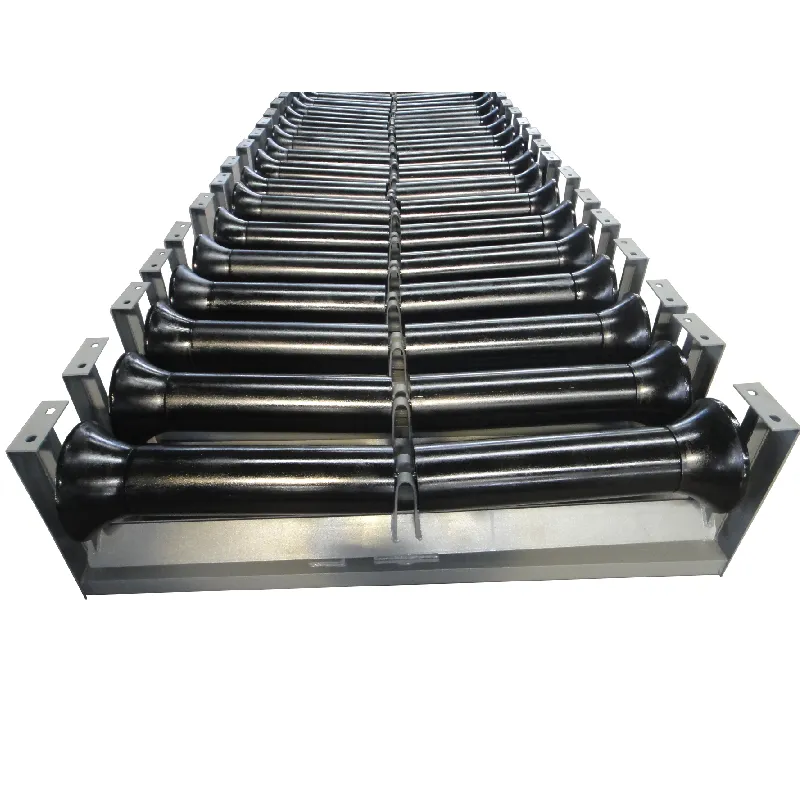
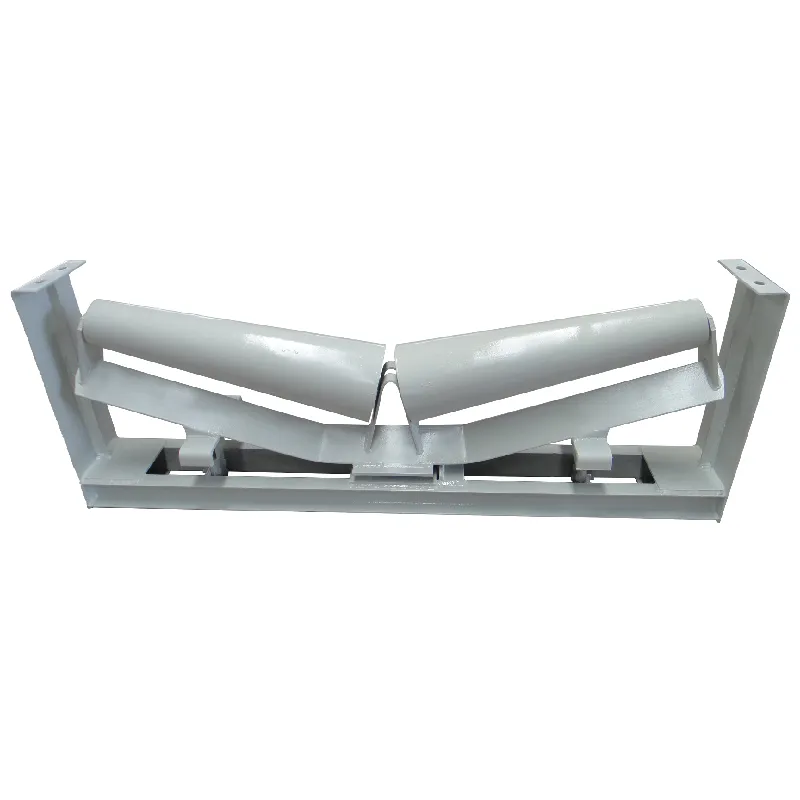
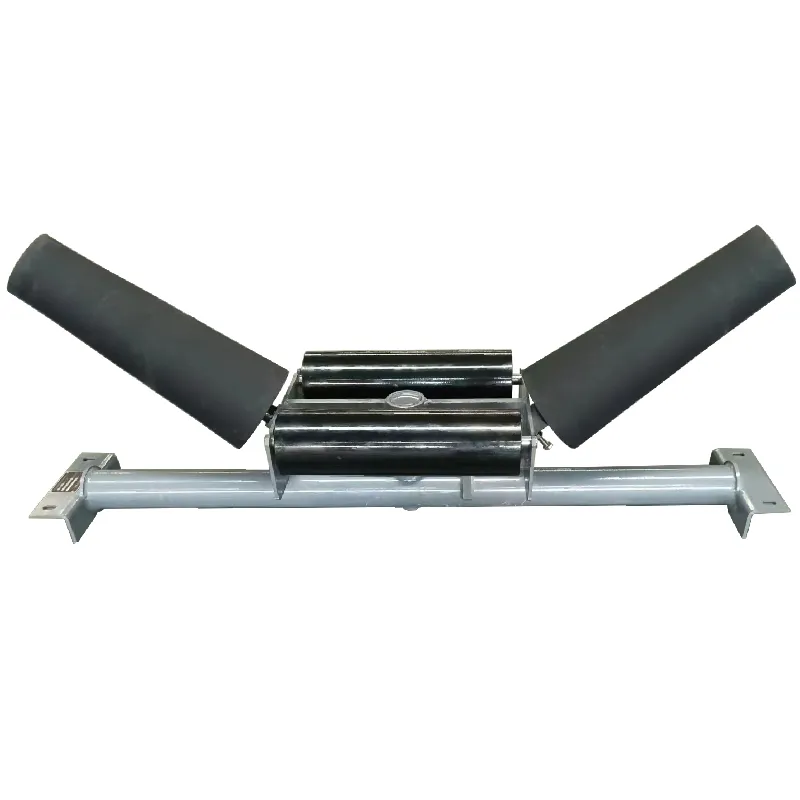
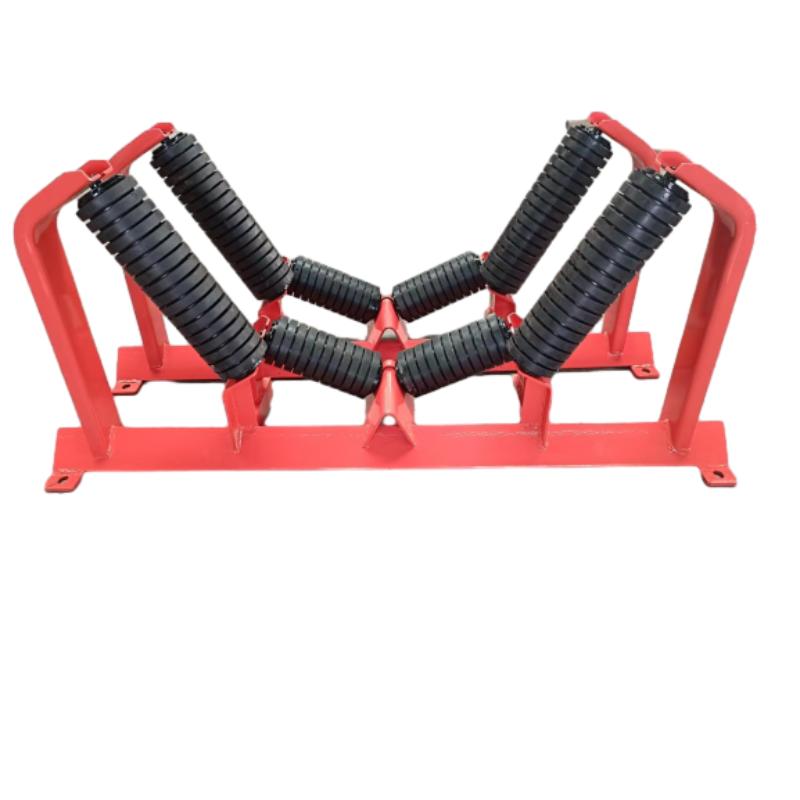
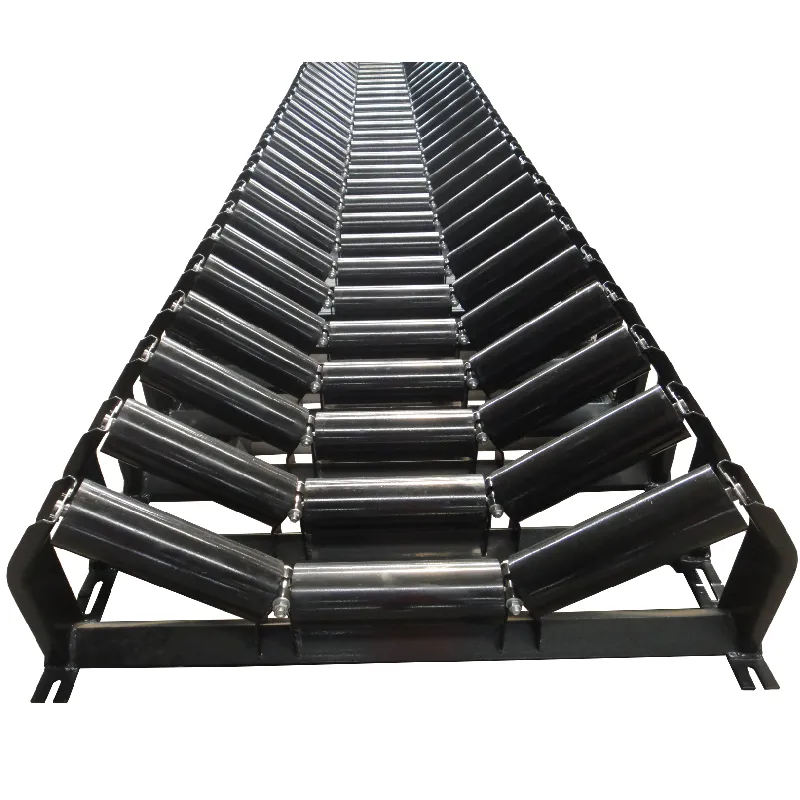
If you've ever wondered what keeps large conveyor belts humming along smoothly in factories, ports, or mining sites, you’ve bumped up against the humble yet crucial bearing housing for idler roller. This small but mighty component is the unsung hero that supports and protects roller bearings, ensuring longevity, efficiency, and safety in countless industries globally.
Why does this matter on a global scale? For starters, the continuous demand for raw materials and rapid industrialization worldwide means conveyors are working 24/7 in some of the harshest conditions imaginable. Downtime and mechanical failure come at a steep price: lost production, safety risks, and sometimes environmental damage. Knowing how bearing housing for idler rollers function and choosing the right design can save millions, and occasionally save lives.
Mini takeaway: Understanding bearing housing for idler roller isn't just a gearhead’s obsession — it’s the backbone to smoother operations and safer workplaces everywhere.
Introduction: The Global Pulse of Bearing Housing for Idler Roller
Oddly enough, the conveyor components industry barely gets a quiet word in the global industrial conversation, yet it supports trillions of dollars in supply chains worldwide. According to statistics by the International Organization for Standardization (ISO) and industry bodies, conveyor systems — which rely heavily on idler rollers — transport over 90% of bulk materials worldwide. That’s everything from coal in Australia to grain in North America.
The challenge? Idler roller bearings endure extreme loads, dust, moisture, and temperature variations that make robust bearing housing not a luxury — but a necessity. Faulty or subpar housing can trigger cascading failures, harming productivity and safety. In real terms, a single failure on a mining belt conveyor can mean a day’s halt, costing thousands to hundreds of thousands.
Mini takeaway: With global industrial demand surging, the bearing housing for idler roller is a frontline defender against costly conveyor downtime.
Defining Bearing Housing for Idler Roller: The Basics
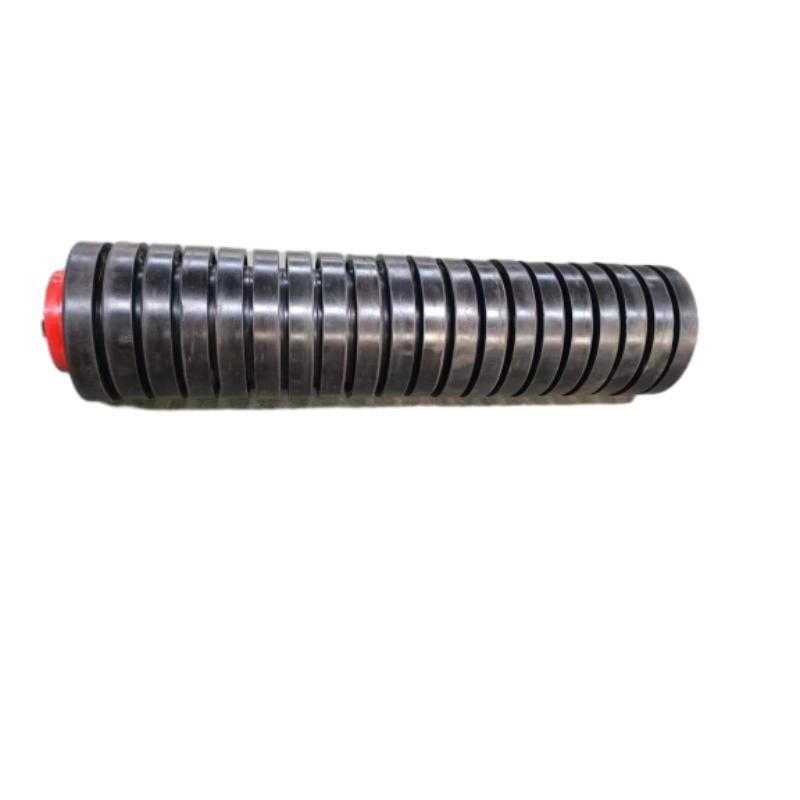
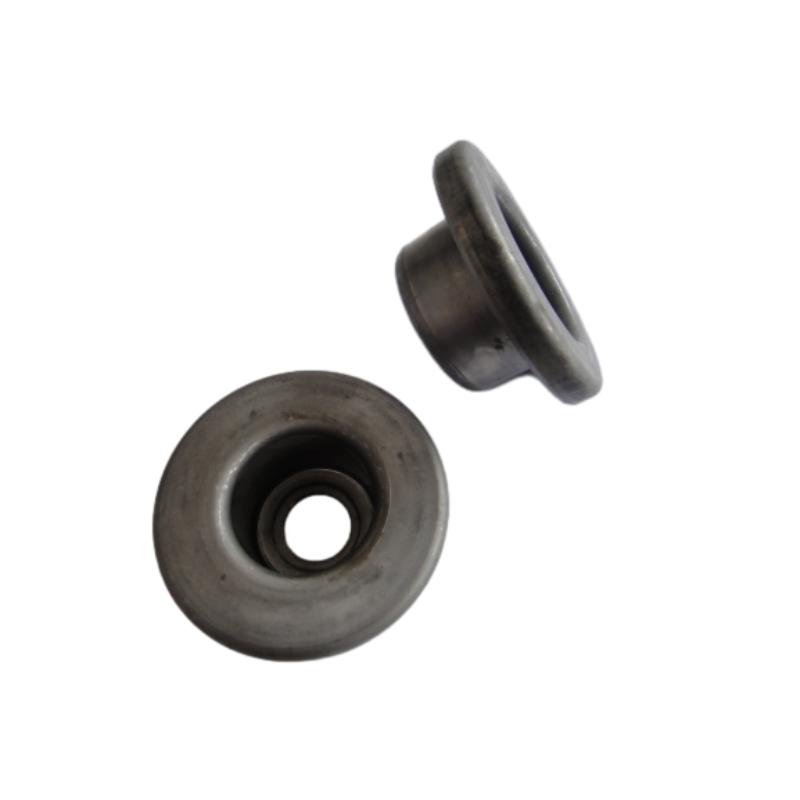
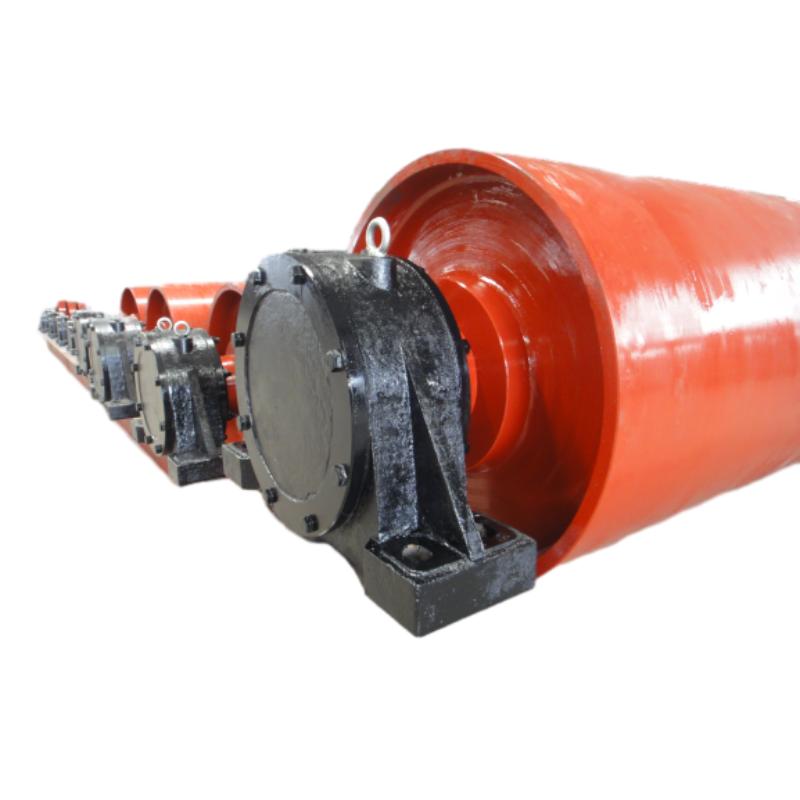
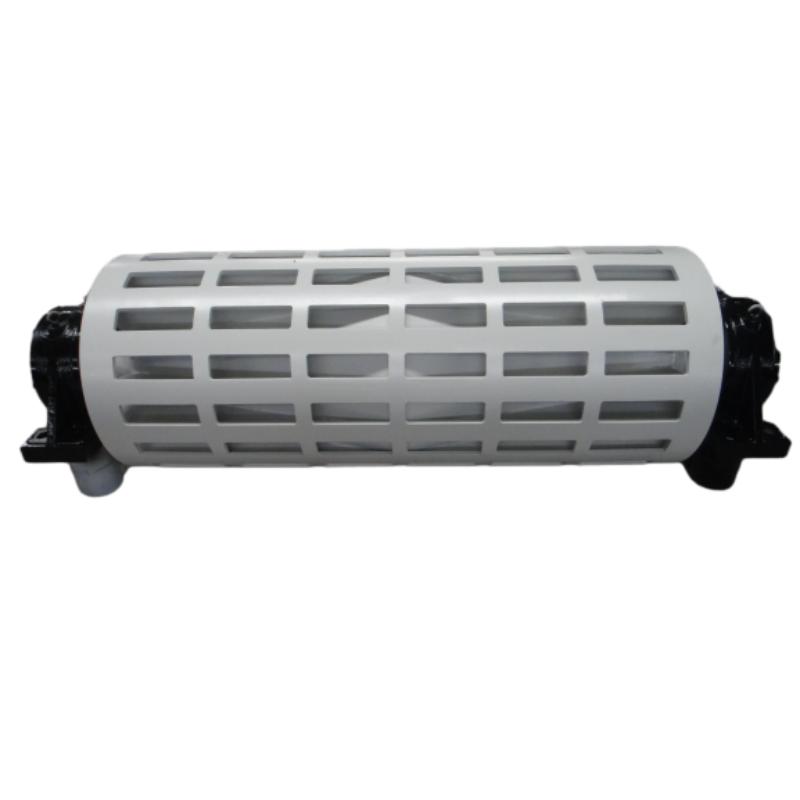
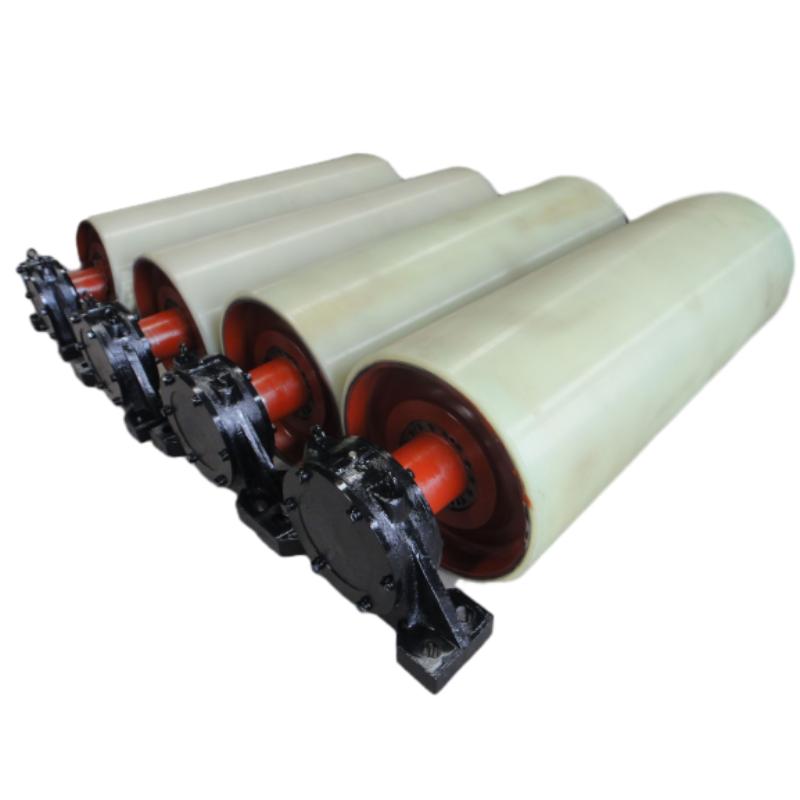
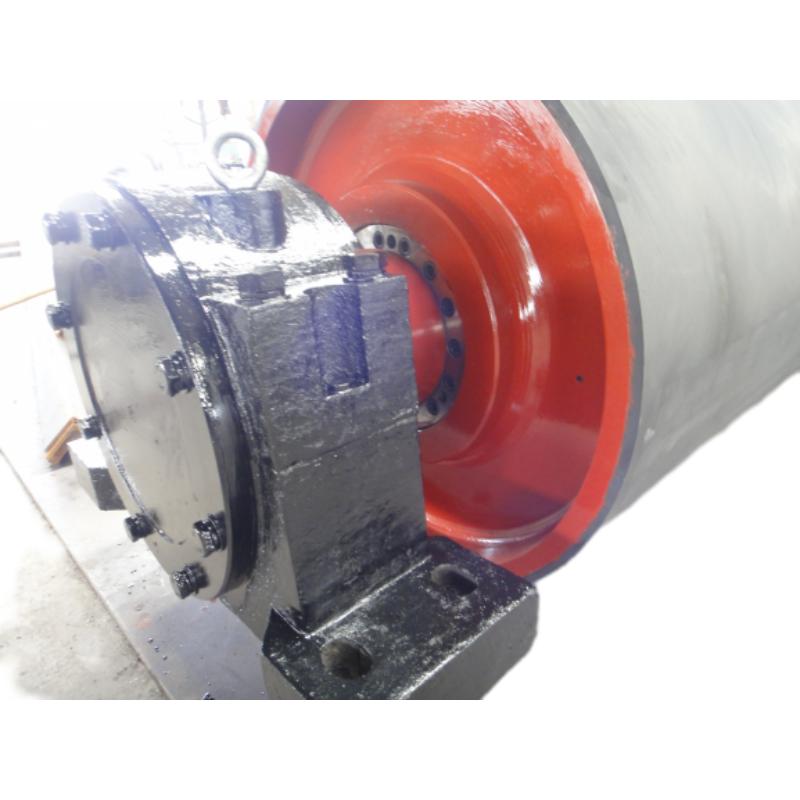
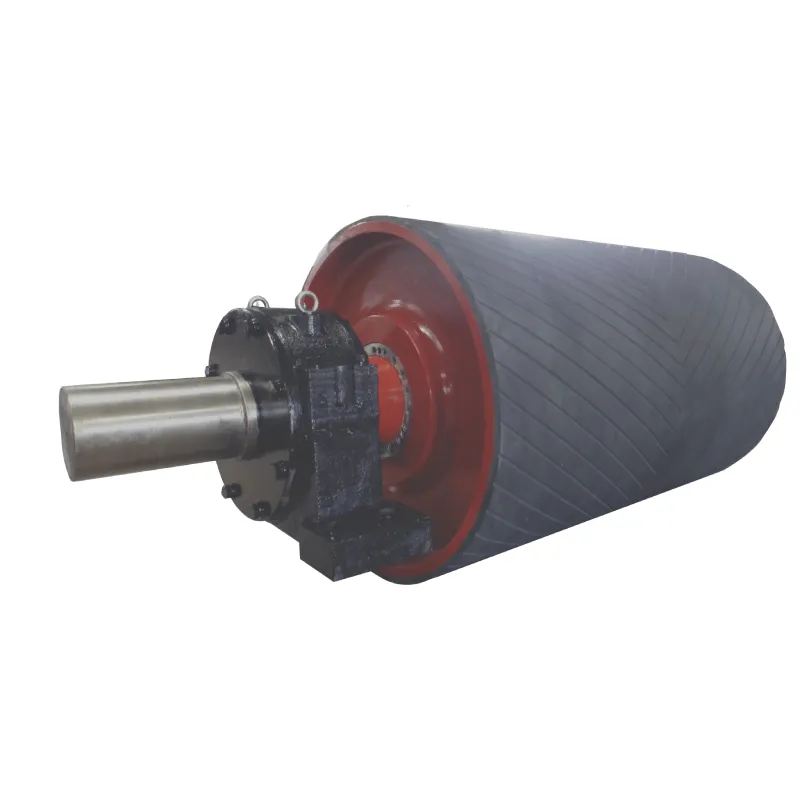
So, what exactly is this bearing housing for an idler roller? In the simplest terms, it’s a protective casing that holds the bearing in place within the idler roller, which itself supports and guides conveyor belts. Imagine the bearing housing as a snug jacket for the bearing — it keeps dirt and moisture out, supports mechanical loads, and helps the bearing rotate freely without overheating or deforming.
In industries spanning from humanitarian logistics to sprawling mining operations, this seemingly modest component ensures that giant conveyor systems don’t seize up unexpectedly. In disaster relief scenarios, for instance, speedy rebuilding of conveyor infrastructure depends on reliable bearing housings to get materials flowing quickly.
Key Components of Quality Bearing Housing for Idler Roller
1. Durability Under Harsh Conditions
Many engineers insist that the true test of bearing housing is its ability to resist corrosion, abrasion, and temperature swings. High-grade steels, sometimes combined with polymer coatings, are common choices. This prevents early fatigue and brittle failures.
2. Precision Fit and Bearing Compatibility
A loose fit or improper sizing can cause uneven bearing wear. Good housing design ensures snug but unobstructed fitment, sometimes with self-aligning features to correct minor shaft misalignments.
3. Effective Sealing Technology
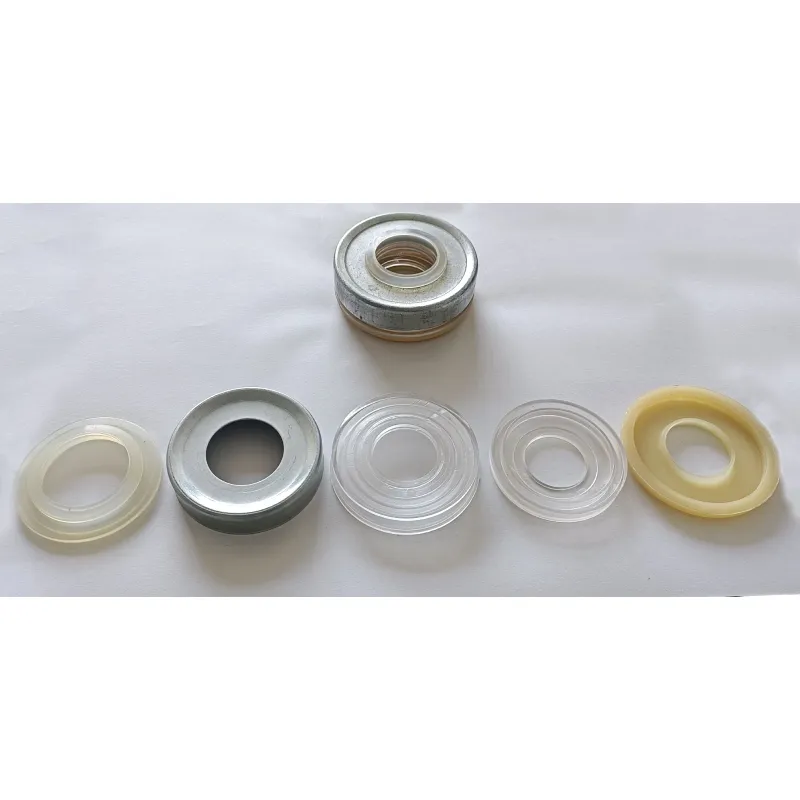
To stop dust and water ingress — prime enemies — engineers opt for labyrinth seals, rubber gaskets, or even grease-packed seals. When you think about it, even a pin-sized opening can mean months of extra downtime.
4. Ease of Maintenance
Bearing housings that can be serviced without full disassembly speed up maintenance cycles. Features like grease fittings or quick-release bolts are highly valued on remote jobsites.
5. Cost Efficiency
It’s a balancing act — high-performance materials versus budget constraints. Many operators choose modular or standardized housings that reduce inventory complexity without sacrificing quality.
Global Applications & Use Cases of Bearing Housing for Idler Roller
From the massive iron ore mines of Brazil to coastal grain handling ports in Canada, bearing housing for idler rollers do heavy lifting behind the scenes:
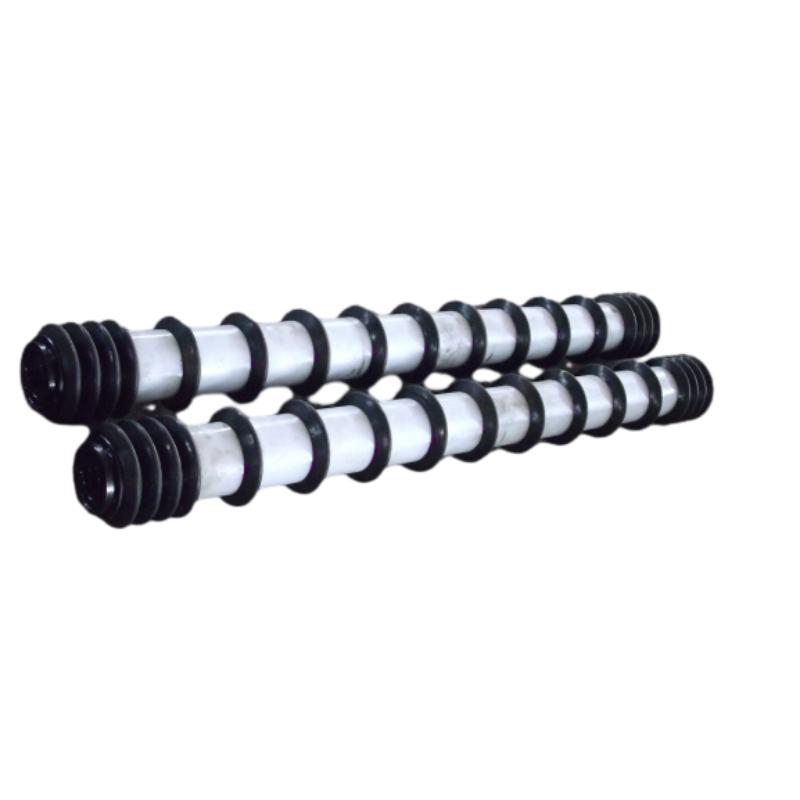
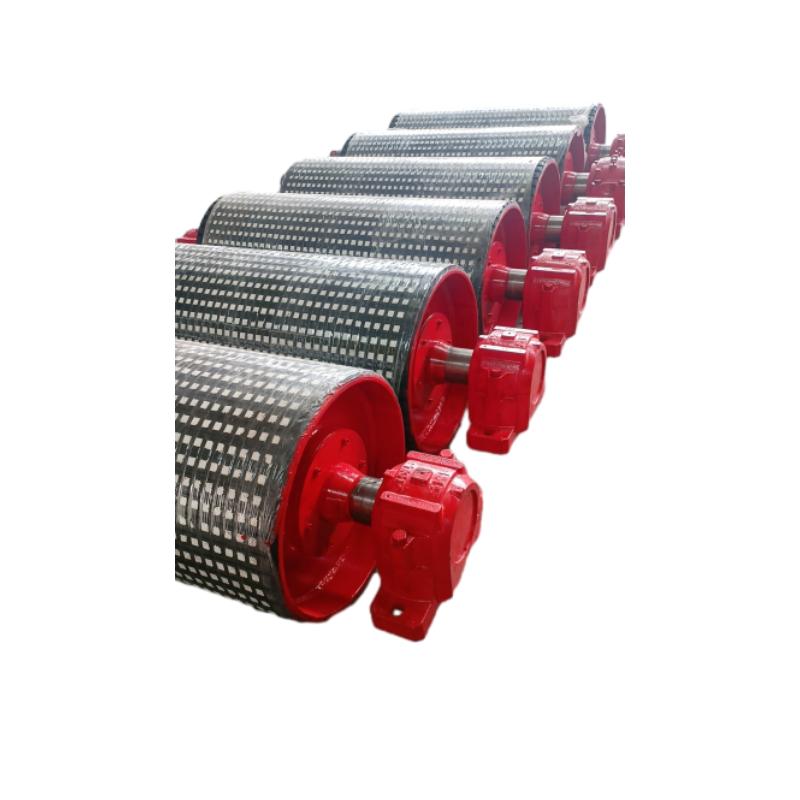
- Mining: Mines use conveyors spanning kilometers — each supported by thousands of idler rollers with specialized bearing housings resisting dust and vibration.
- Agriculture: Grain elevators and processing plants count on reliable bearing housings to minimize downtime during harvest seasons.
- Manufacturing & Logistics: Automated warehouses depend on idler rollers to maintain smooth package flow, requiring housings that can handle continuous use without degradation.
- Humanitarian Relief: In post-disaster zones where quick assembly conveyors speed reconstruction, rugged bearing housings mean fewer mechanical hiccups and faster delivery of essentials.
Mini takeaway: Bearing housings are a truly global player, bridging environments from arid deserts to ice-cold ports.
Advantages & Long-Term Value of Reliable Bearing Housing for Idler Roller
Investing in quality bearing housing pays dividends in multiple ways:
- Cost Savings Over Time: Fewer replacements and repairs mean operational budgets stretch further.
- Safety & Trust: Predictable, well-maintained bearings reduce workplace accidents — a priceless commodity.
- Sustainability: Durable housings mean less waste and more environmentally responsible operations.
- Innovation Confidence: Companies can push automation boundaries knowing their conveyor systems won’t let them down.
Emotionally, operators often say peace of mind alone justifies the investment. Replacing a faulty bearing housing is not just about money — it’s about protecting livelihoods and reputations.
Product Specification Table
| Specification | Typical Offering | Notes |
|---|---|---|
| Material | Carbon Steel / Stainless Steel | Coated for corrosion resistance |
| Bearing Type Supported | Ball Bearings, Roller Bearings | Varies by design |
| Sealing | Labyrinth, Rubber, Grease-packed | Weather & dust protection |
| Operating Temperature Range | -40 °C to +120 °C | Depends on sealing & material |
| Mounting Type | Pillow Block, Flange, Split | For easy installation/maintenance |
Comparing Leading Bearing Housing for Idler Roller Vendors
| Vendor | Material Quality | Customization Options | Global Reach | Typical Lead Time |
|---|---|---|---|---|
| IdlerRohua Corp | High-grade stainless steel | Standard & bespoke sizes | North America, Asia, Europe | 4-6 weeks |
| Global Bearings Inc | Carbon steel with coatings | Modular housings only | Worldwide | 6-8 weeks |
| ConveyorTech Solutions | Medium-grade steel, polymer coatings | Mostly standard sizes | Europe & Asia | 3-5 weeks |
Future Trends & Innovations in Bearing Housing for Idler Roller
Looking ahead, the industry is buzzing with ideas — and bearing housing for idler roller is at the center of some cool innovation waves:
- Advanced Materials: Composites and ceramics that push weight down but durability up.
- Smart Monitoring: Integration of sensors to predict bearing failures before they happen — saving time and money.
- Environmental Compliance: New coatings and greases that improve sustainability by reducing toxic runoff.
- Automation-Friendly Designs: Modular housing optimized for robotic assembly lines.
Challenges & Solutions in Today’s Landscape
Of course, bearing housing for idler roller faces hurdles:
- Corrosion in extreme environments: Solutions include powder coatings and stainless alloys.
- Supply chain delays: Increasing use of local manufacturing hubs is a clever workaround.
- Standardization pressure: Striving to balance customization with mass production efficiencies.
Many suppliers now offer hybrid approaches — combining durable base constructions with field-adaptable sealing kits, effectively future-proofing installations.
FAQ: Your Questions About Bearing Housing for Idler Roller Answered
- What maintenance is typically required for bearing housing on idler rollers?
- Regular lubrication via grease fittings, periodic inspection for seal integrity, and cleaning to prevent dust buildup are standard. Well-designed housings minimize downtime and simplify these processes.
- How important is customization when selecting bearing housing?
- Customization allows engineers to match housings to specific operating conditions, which can dramatically increase lifespan and reduce costs. That said, standardized housings often fit many applications well.
- Can bearing housings improve conveyor safety?
- Absolutely. Properly sealed and durable housings prevent bearing failures that could cause unexpected conveyor stops or hazardous debris, protecting workers and equipment.
- Is it possible to upgrade existing conveyor systems with better bearing housings?
- Yes, retrofit kits and modular housings allow upgrades without full roller replacement, offering a cost-effective way to boost performance.
- How does bearing housing contribute to sustainability in industrial operations?
- By extending bearing life and reducing failures, they lower waste and energy consumption. Some new designs use eco-friendly materials to cut environmental impact.
Conclusion
In the machinery ecosystem, the bearing housing for idler roller might seem like a quiet engineer’s detail. But its impact echoes through production lines, supply chains, and ultimately, economies. The right bearing housing means fewer stoppages, safer workplaces, and longer-lasting equipment — benefits that add up to real value over time.
Whether you’re operating a mining belt in Chile or managing grain logistics in Kansas, thoughtful investment here will pay for itself in reliability and peace of mind. Don’t underestimate this small but vital hero — take a closer look today by visiting our website at bearing housing for idler roller.
References:
1. Wikipedia: Conveyor belt
2. ISO Standards for Conveyor Components
3. World Bank: Industry Overview
-
Maximize Conveyor Life with a High Performance impact bedNewsApr.16,2026
-
Maximize Conveyor Efficiency Using a v plow belt scraperNewsApr.09,2026
-
Comprehensive Guide to Understanding Different Types of Belt CleanersNewsApr.07,2026
-
Enhancing Conveyor Efficiency with an Effective Scraper Belt CleanerNewsApr.04,2026
-
Optimizing Conveyor Systems with Advanced Cleaning Equipment SolutionsNewsMar.31,2026
-
Effective Conveyor Belt Scraper Adjustment for Optimal System PerformanceNewsMar.28,2026